Summary
- Historically, witchcraft was defined as maleficium, the use of magic to cause harm, though beneficial practices also existed.
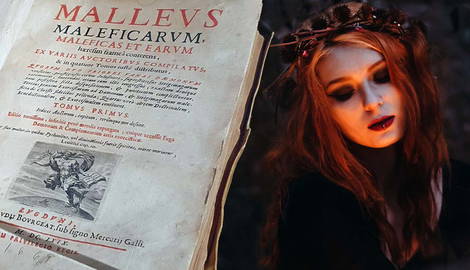
- The 15th-century book Malleus Maleficarum fueled European witch hunts by framing magic as a pact with the Devil.
- The Salem Witch Trials are a key example of how superstition and “spectral evidence” led to deadly persecution.
- Modern witchcraft, such as Wicca, has redefined the practice, often focusing on nature-based paganism rather than malevolence.
- While magic’s efficacy is unproven, the belief in witchcraft has had real, and often tragic, societal consequences throughout history.
Historically, “witchcraft” has generated notions of sorcery and magic associated with evil intent. Shaped by centuries of religion, persecution, and spiritual belief, it remains a subject of intense debate. Determining reality in this enigmatic realm requires inquiry through legal, folk, and spiritual traditions. Through these lenses, artifactual evidence provides vital insight into the mysterious and often misunderstood world of “witches” and their practices.
Exploring this history involves examining both the consequences of belief and the core of the practice itself. While the efficacy of spellcraft remains elusive and lacks hard evidence, the historical impact of these beliefs is verifiable through analysis. By bridging these perspectives, we can better navigate the divide between occult myth and historical reality.
What Is Witchcraft? A Brief Summary
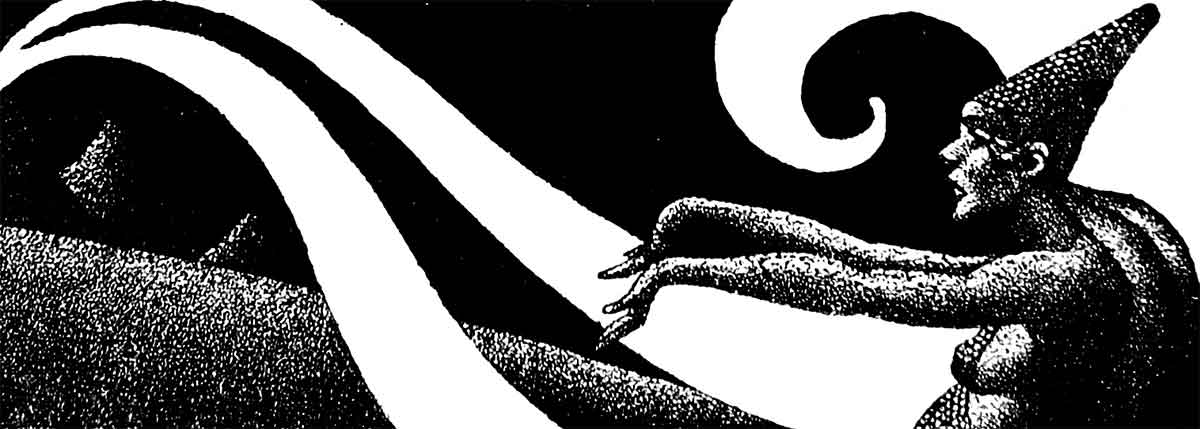
Witchcraft as a practice goes back to ancient times, with malevolent magic being mentioned as far back as ancient Mesopotamia, and with witchcraft in Europe being traced to classical antiquity. However, its association with evil and its practice is a worldwide phenomenon that has existed in many cultures throughout the entirety of history. It was, and has been considered, by almost universal definition, to be the use of magic to cause harm to others, including whole communities. Maleficium, as it is known, usually involves the practice of magic as incantations and curses, with gestures, often including artifacts such as knives, runestones, bones, dolls, or any number of other related items.
Of course, under an umbrella term, witchcraft can also be said to have a beneficial side, such as healing, divination, protection, and generally the use of magic for the purpose of good rather than harm. In some societies, this aspect has been around since time immemorial, and continues to exist to this day, while in Europe, practitioners of beneficial magic fell prey to witch hunters who grouped them with their less acceptable counterparts.
Laws and Heresies: Institutional Reactions to Witchcraft
Throughout the Early Modern Era, from the 15th to the 18th century, witchcraft was seen as a dangerous force in society, provoking witch hunts that ended in myriad trials and executions by burning and hanging. In this era, the introduction of a legal response was key to the evolution of how society treated the accused. Beforehand, folk traditions and those seen to practice magic in a beneficial way had been largely accepted by European communities; however, with the introduction of theological laws and the accusation of consorting with demons, these people became targets too, although the extent of their persecution is debated.
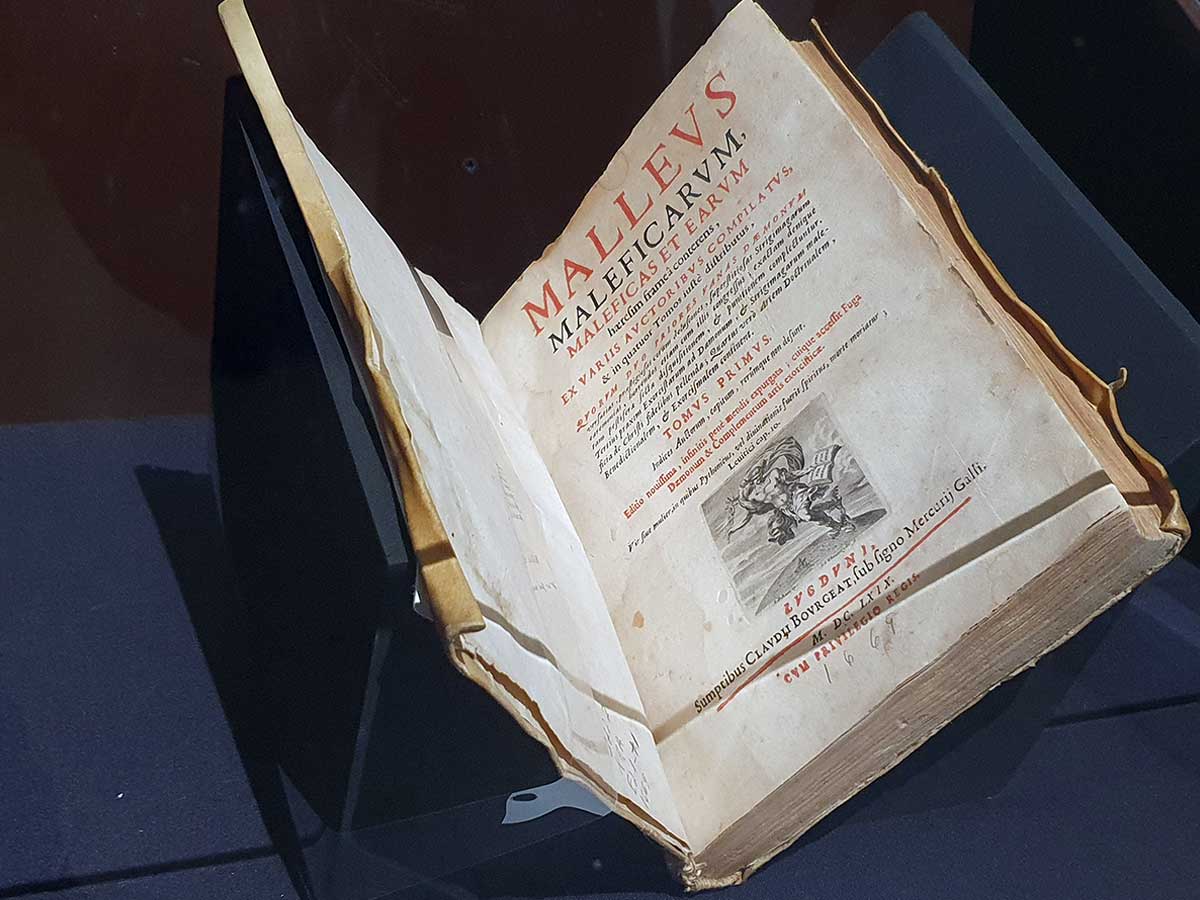
A key artifact in this evolution was the introduction of the Malleus Maleficarum, a text designed as a guide to identifying and exposing witches and how they should be dealt with. Written by German Catholic clergyman Heinrich Kramer, the book was condemned by many theologians (although not officially condemned by the church) as being inconsistent with Catholic preaching; however, Kramer received popularity and praise for his work along with Jacob Sprenger, who was cited as a co-author of the book. Kramer added a preface, the papal bull Summis desiderantes affectibus, written in 1484, two years before Kramer published his work. This act of deceit gave the text an air of authority and made it popular within secular courts.
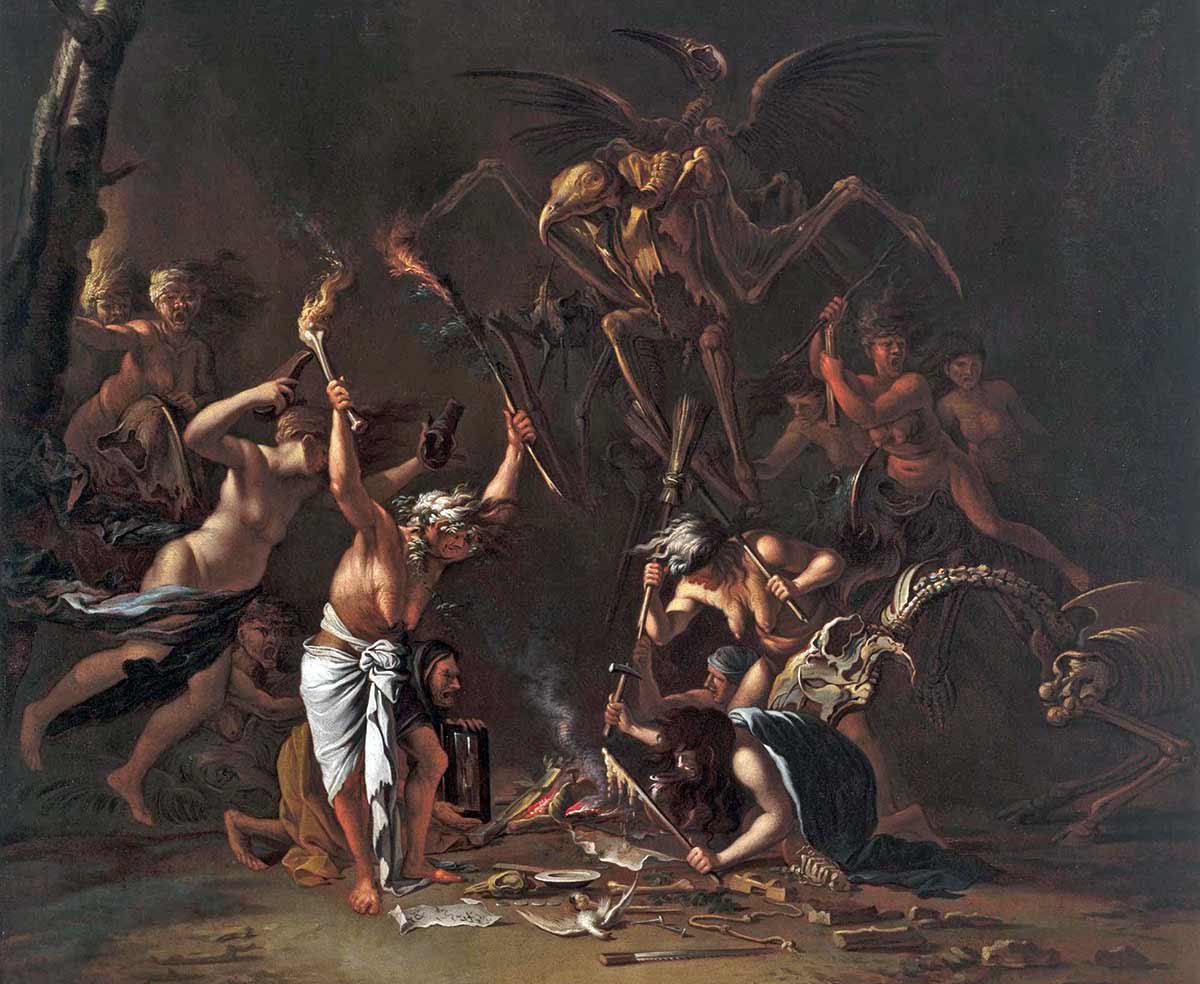
The book saw widespread use amongst Catholics and Protestants alike, and witches became seen as agents of the Devil. The Malleus Maleficarum was, as such, a Christian defense against evil influences. It detailed the activities of witches as having sexual relations with demons, and flying at night, amongst other dubious claims.
According to the text, two important factors played a central role. The Diabolical Pact was the contract in which the witch renounced her Christianity and pledged her soul to Satan, while the Sabbat was the nocturnal communion of witches whereby Satan was worshiped, often including acts of infanticide and sexual orgies among other acts considered immoral and depraved.
The Malleus Maleficarum even claimed that disbelieving in witches was an act of heresy, and it promoted a zealous backlash against all forms of perceived magic, all of which became associated with Satan.
Ultimately, the Malleus Maleficarum drew its supposed authority from the Bible with the verse:
“You shall not permit a sorceress to live” –Exodus 22:18
The verse is the subject of academic debate as “sorceress” can also be translated from the original Hebrew as “poisoner” or “venomous person.” Nevertheless, for many living in the Christian world, witchcraft became a very real and present danger that threatened their world. As such, it can be said with certainty that while the activities of witches were theological fabrications, the belief in their existence was a noteworthy factor in determining the reality of witchcraft and its effects.
The unfortunate reality is that the belief in witchcraft resulted in tens of thousands of people, mostly women, being executed during this era of religious fervor.
Salem as a Case Study
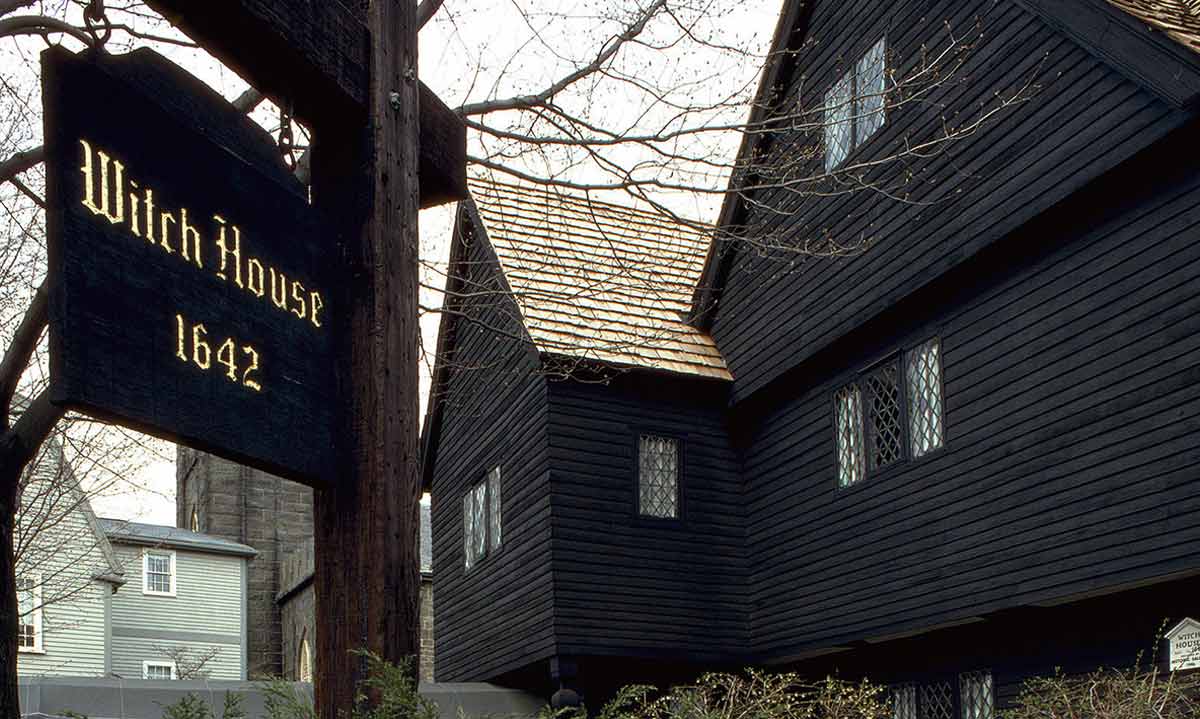
A prime example of the institutional belief and the reality it created is the well-documented Salem Witch Trials, which occurred in Salem, Massachusetts, from 1692 to 1693. Accused women were subjected to trials whereby absurd evidence was accepted, demonstrating the fantastical elements involved in the persecution of supposed witches. The witch hunts started with people having fits, the exact cause of which is unknown. It could have been caused by a fungus, and exacerbated by role enactment and attention seeking, although these are still matters of debate.
Among the evidential examples was “spectral evidence,” whereby the accuser could be convicted based on visions and dreams. More ridiculous evidence existed in the “touch test.” Supposed victims of witches in Salem included those suffering from fits, and it was decided that if a witch touched a person having a fit, and the victim became calm, then that was proof of the accused’s guilt. Other evidence included birthmarks, moles, and blemishes, which were interpreted as signs of devilish pacts.
Over 200 people were accused of witchcraft in Salem, and 19 were hanged. Another five died due to the harsh conditions in their cells, and one man was pressed to death for refusing to enter a plea. By today’s standards, the reality that was created in Salem was based on pure superstition and fictional nonsense.
The Evidence Speaks
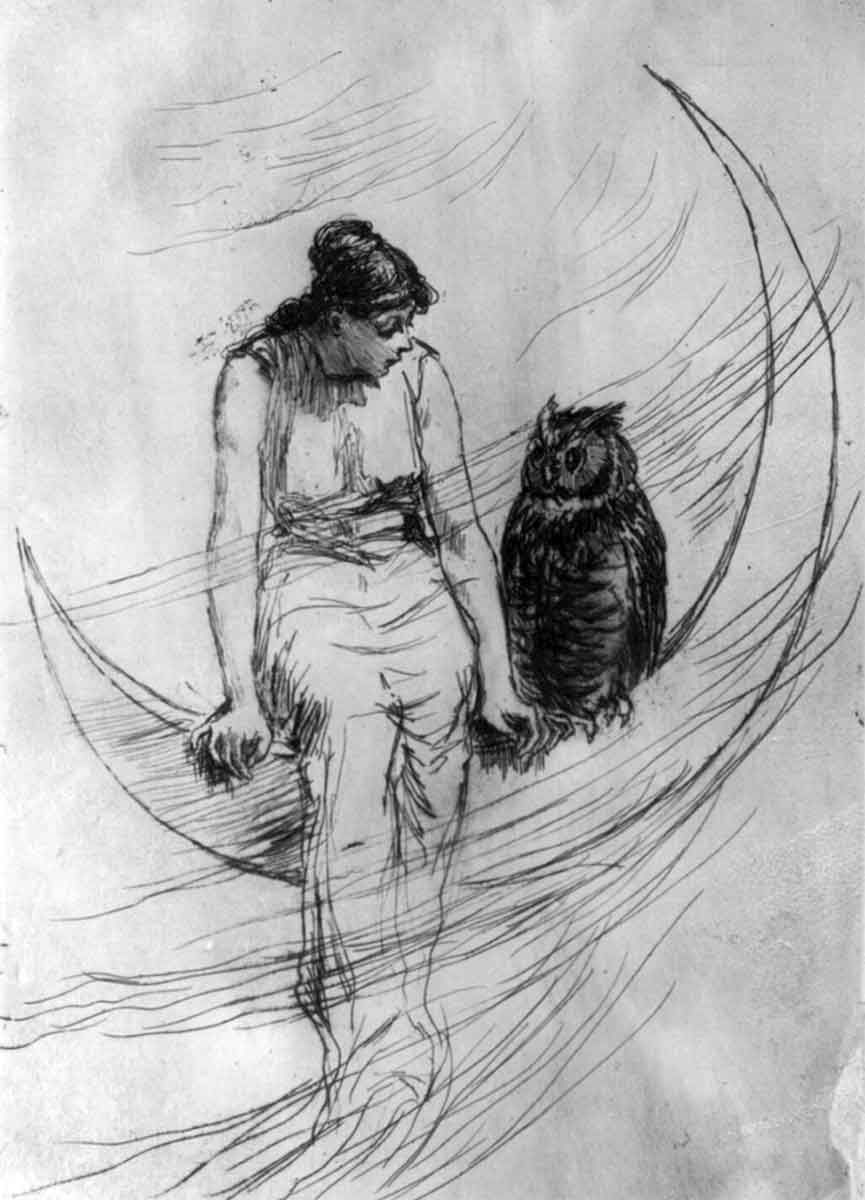
When considering the aspect of the efficacy of practical witchcraft, the reality of whether it works is a difficult proposition to resolve. Practitioners remain convinced that it does, while skeptics are likely to give an emphatic “no.” While it can be argued that evidence exists, none of it can be verified on a scientific basis, so the question remains open.
The evidence that does exist, however, is historical truth through documentation of the societal changes and the upheavals that the era of witch-hunting brought to Europe. This evidence comes in the form of official transcripts, judicial lists, personal letters, and other such literature.
In many other parts of the world, the phenomenon still exists, and it is women who are disproportionately targeted. From Uganda to India to Papua New Guinea, people are accused, tortured, and expelled from their homes in modern witch hunts. These phenomena are caused by social factors such as the breakdown of close-knit communities and the lack of judicial systems present enough to dissuade or stop attacks from happening.

An example of witchcraft happening and causing harm can also be found primarily in rural Southern Africa, where “muti murders” involve kidnapping and murdering people. Body parts, as magical ingredients, are removed while the victim is still alive, as it is believed the agony and screams enhance the potency of the magic in which the body parts are used.
With muti murders adding to the “Satanic Panic” that peaked in the 1990s, the Occult Related Crimes Unit was a Christian arm of the police service that was created in 1992 to investigate crimes related to Satanism and the occult. It has since been disbanded and its functions absorbed into the South African Police Service, but the dynamic serves as a modern example of the backlash against perceived witchcraft.
Modern Witchcraft
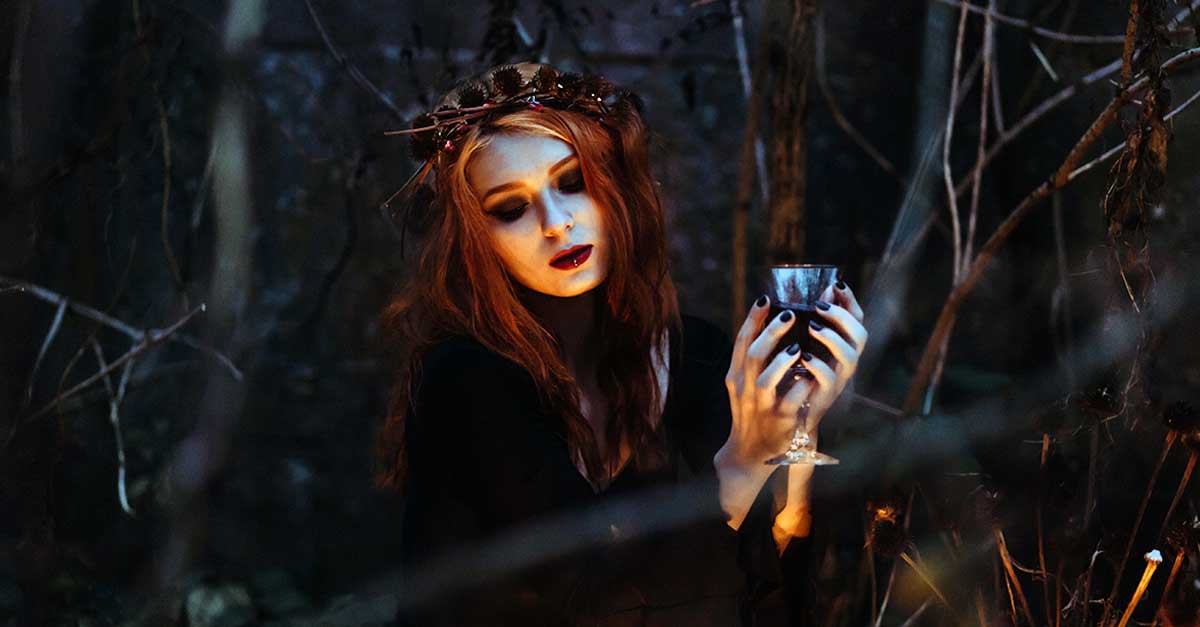
As is apparent, the practice of witchcraft is not consigned to the pages of history. It is very much alive in the present day, as are those who campaign against it. A resurgence of what could be considered witchcraft emerged in the 20th century, and led to a rebirth and redefinition of the practice, notably with the founding of the Wiccan movement, not as a way to worship any devilish entity but to revive ancient nature-based paganism. Esoteric literature, including books of spells, is widely available in specialist stores, although it is fair to say that beneficial spellwork is now often classified as witchcraft, as opposed to witchcraft only being focused on the intent to do harm.
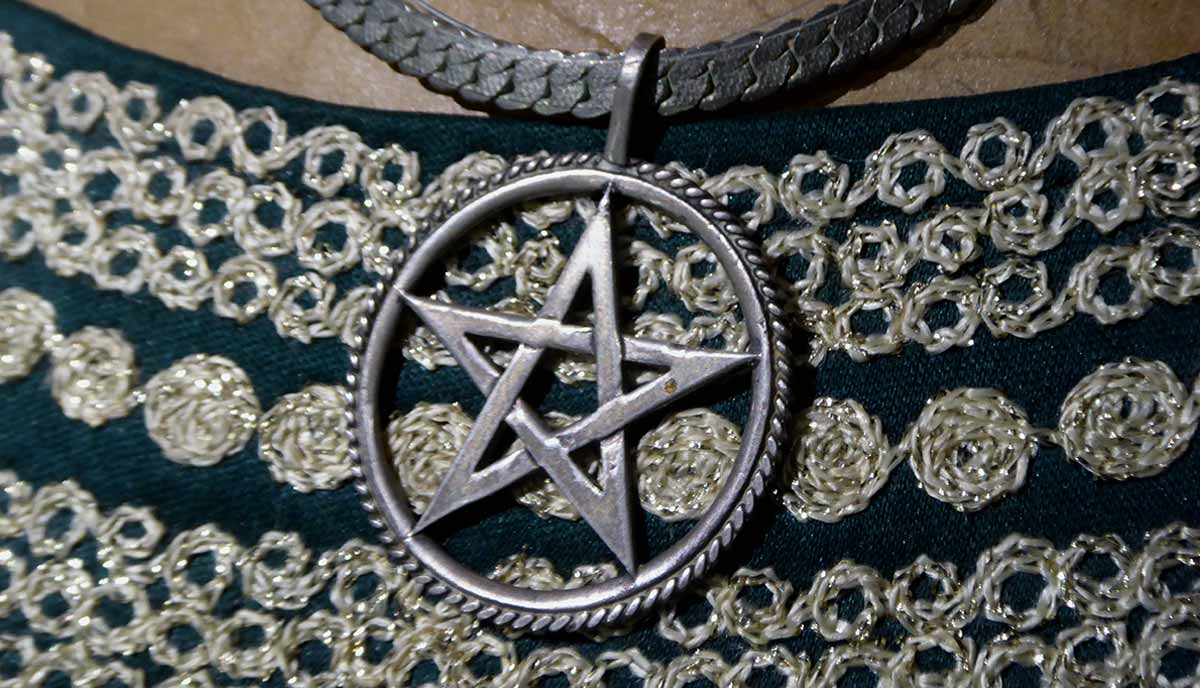
While Wicca is a form of Neopaganism that incorporates beliefs from pre-Christian Europe and America, witchcraft exists in many different forms around the world and is practiced in a number of cultures. A prime (and often misunderstood) example exists in the Vodou (or Voodoo) religion, in which charms, spells, and rituals can be conducted for both the promotion of good and harmful results. As such, it has been associated with witchcraft, although the link is certainly a complex one, and it would be wrong to simply label the religion as witchcraft without deeper nuance.
Spells are linked to superstitions, and common practices such as wishing while blowing out birthday cake candles, or tossing a coin into a well, could also be construed as magic, and if the wish is for something harmful, logic dictates that it could be considered witchcraft (by old and modern standards) too!
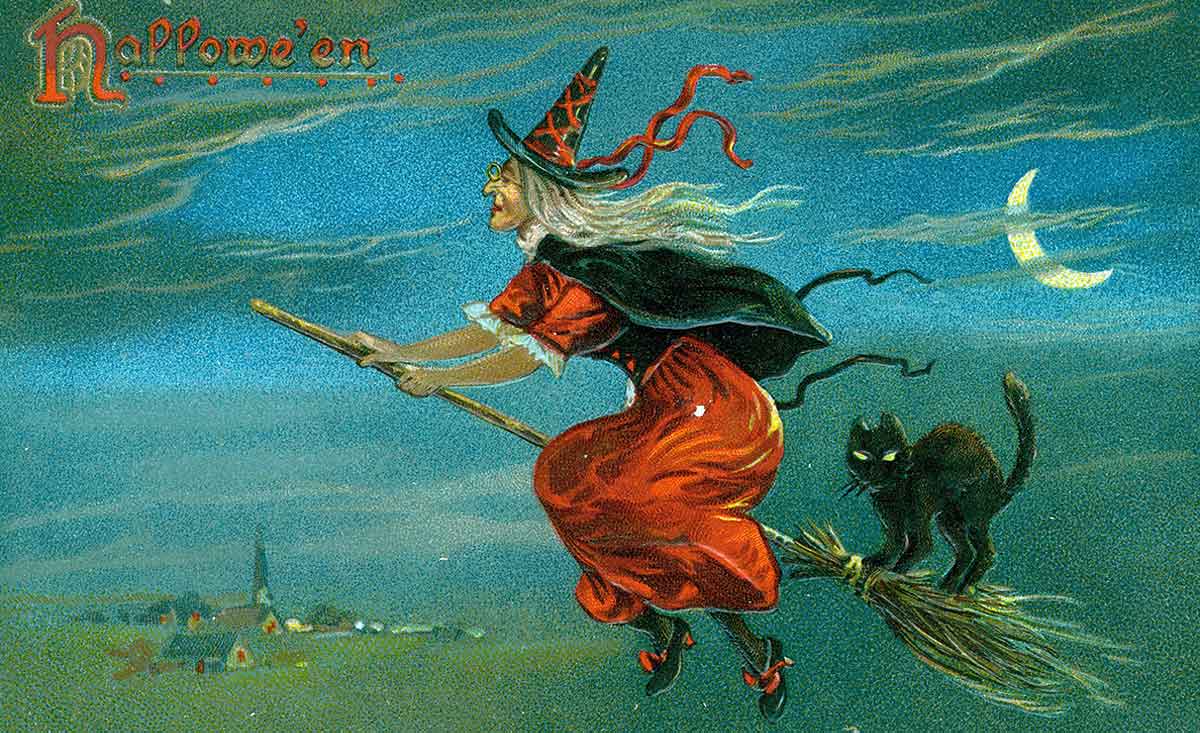
While it cannot be stated academically whether magical spells and the efforts of witches in this realm are real, what can be answered is that the belief in it certainly is. For non-practitioners of a zealous nature, it was seen as a threat, and this belief had widespread consequences that shaped societies, while those who practiced it were convinced their rituals yielded results directly related to their efforts. As noted, this dynamic still exists to the present day.