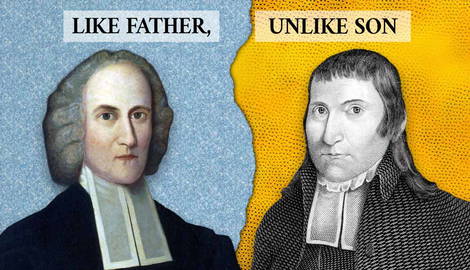

Jonathan Edwards is one of eighteenth-century America’s most influential theologians, philosophers, and revivalist preachers. His sermon, “Sinners in the Hands of an Angry God,” may be the most-widely read sermon ever written in the United States, being included in many anthologies of American literature. Nearly any preacher contemporary to Edwards would have a quieter legacy than his. Such is the case with one of his sons, Jonathan Edwards Jr, who was also a pastor. But he is remembered for his opposition to an institution that his father supported.
Jonathan Edwards Sr. Participated in Enslaving People
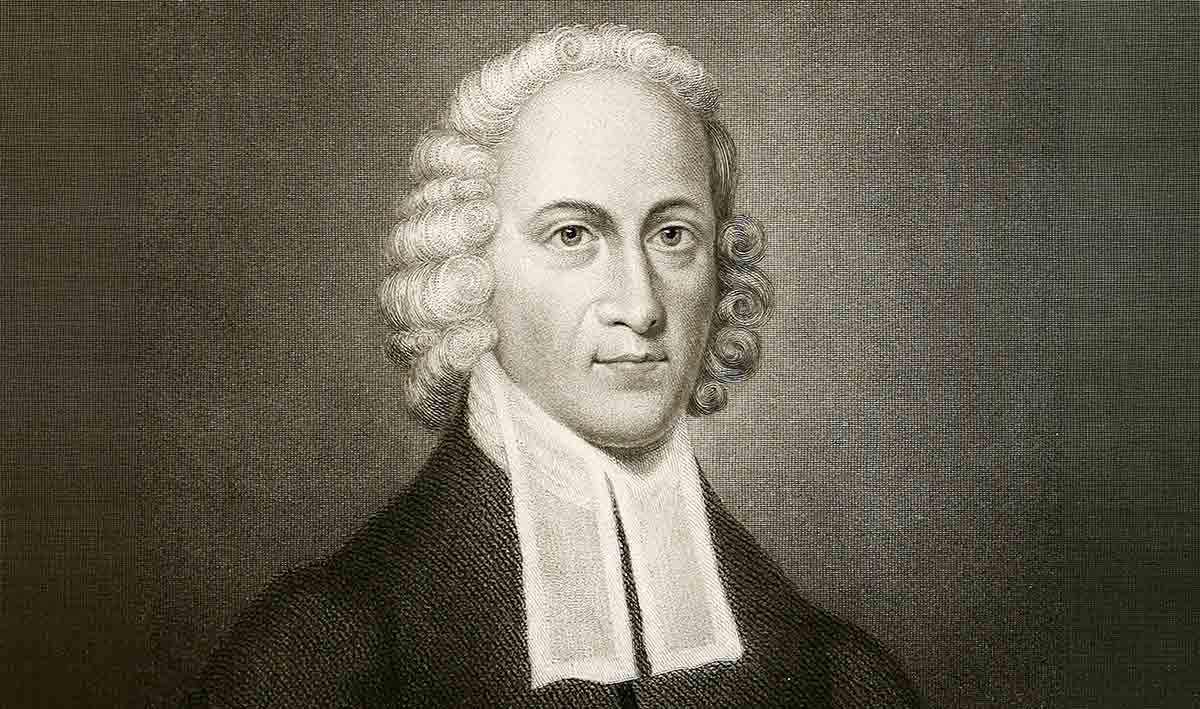
The third president of The College of New Jersey (later Princeton University), Jonathan Edwards was one of the most accomplished philosophers, theologians, and preachers of eighteenth-century America. But his legacy is stained by his participation in the enslavement of African people whose ancestors had been abducted for that purpose. Theological arguments defending both slavery and the racist theories that upheld it were widely known in America in the eighteenth century, and what little that survives of what Edwards wrote about the matter supports slavery.
Though he was not an exceptionally active defender of the institution, and though he publicly opposed certain aspects of the slave trade he deemed excessively cruel toward the end of his life, he and his wife Sarah bought and subjugated six people whose names are known besides others whose identities have been lost. The names of the six known people who were enslaved in his household were Venus, Titus, Leah, Rose, Joseph, and Sue.
Jonathan Edwards Jr. Was the Ninth Born of Eleven Siblings

Jonathan Edwards Jr. already had seven sisters and one older brother when he was born in 1745. He would be followed by two additional siblings. At the time of his birth, his father was pastor of First Congregational Church in Northampton, Massachusetts. But Jonathan Edwards Sr. was dismissed by his congregation in 1750 due to a doctrinal dispute, and took a post at a missionary outpost in Stockbridge, Massachusetts, where he was also tasked with evangelizing the Mohican and Mohawk people native to the area.
Thus, at a young age Jonathan Edwards Jr. grew up both playing with and attending school alongside Mohican and Mohawk children, and learned to speak Mohican fluently. His father, meanwhile, preached to the Native Americans in English while depending on an interpreter.
Edwards Jr. Grew Up In Native American Culture

Jonathan Jr. had occasion to interact with several other Native American nations as a child, including the Oneida people. His upbringing was remarkably intercultural. As an adult, he published a book on Mohican language and culture. In an environment in which native languages were considered primitive and inferior, he vehemently defended their ability to convey nuance, meaning, and beauty just as well as European languages could.
His early exposure to and formation within a variety of cultures may have influenced his opposition to slavery in adulthood. Despite his parents’ acceptance of slavery, and even though he had been raised in a home where people were enslaved, Edwards grew to despise slavery, and used his voice as a Christian pastor and theologian to call for its abolition.
Jonathan Edwards Jr. Became an Anti-Slavery Activist
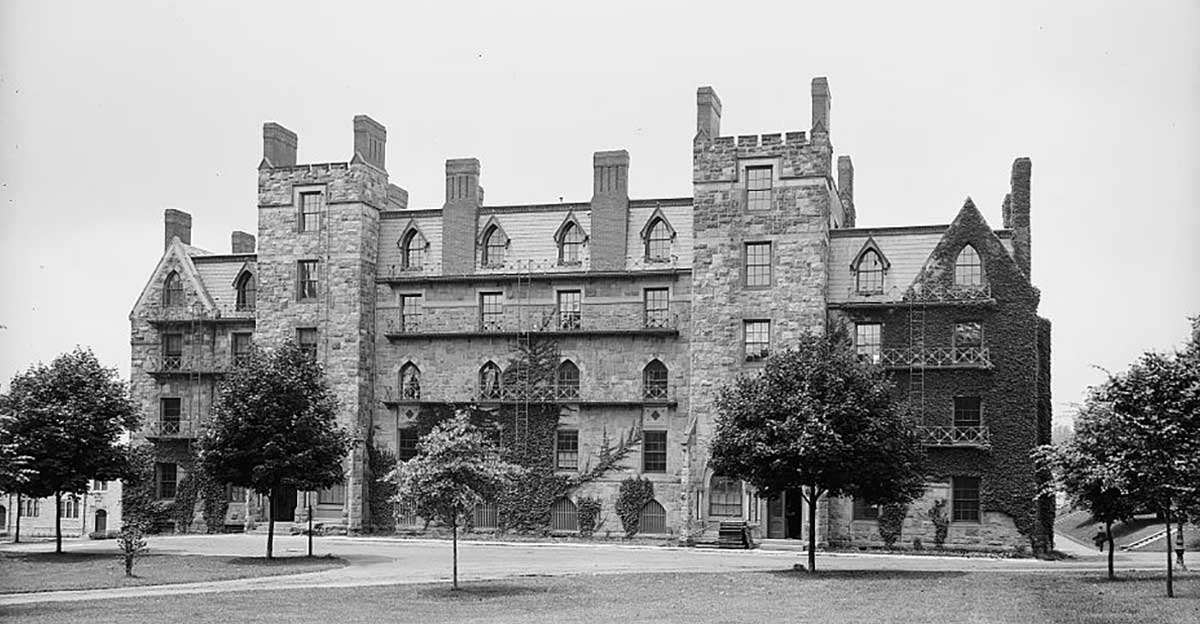
Following in his father’s footsteps, Jonathan Edwards Jr. studied at The College of New Jersey and became a pastor. He began publishing and preaching against slavery early in his career. Writing under the pseudonym “Antidoulios”, which means “anti-slavery” in Greek, he published a series of newspaper articles arguing against slavery while pastoring a church in White Haven, Connecticut. He used theological arguments and challenged pro-slavery interpretations of the Bible. He also encouraged other pastors to use their voices and influence to oppose the institution. He argued that, by his time, knowledge about the evil of slavery had become so widely available that any excuse for its perpetuation was tantamount to willful sin.
Edwards Jr. also went beyond the use of the Bible and theological reasoning to point out the logical hypocrisy of his day in which the movement for independence from British rule was decrying British violations of American rights. Americans themselves, he noted, were violating the rights of the Africans and Native Americans they enslaved.
He Used His Theological Acumen to Fight Against Injustice
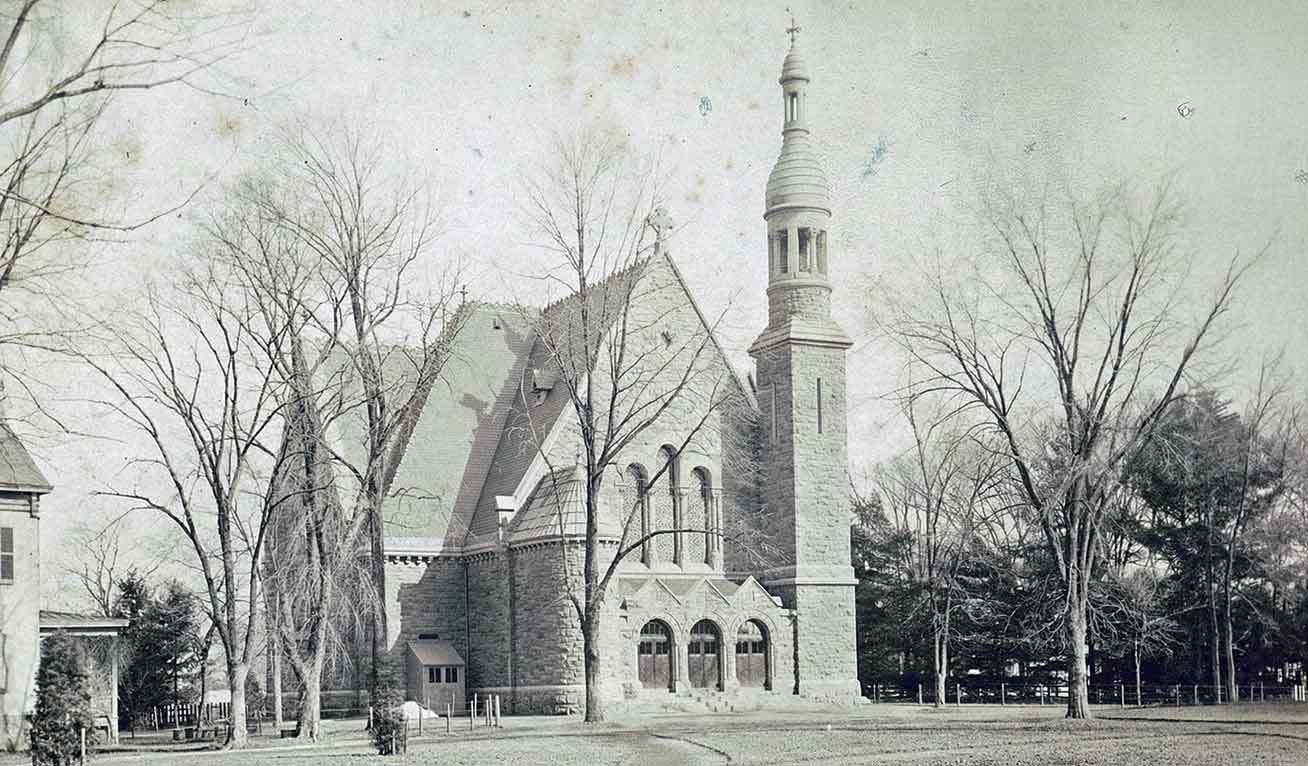
Like his father, Jonathan Edwards Jr. also became the president of a college as the last post of his career before he died. He was president of Union College in Schenectady, New York from 1799–1801. But while he embraced and defended much of his father’s theological views, and while his life’s trajectory paralleled that of his father in important ways, Jonathan Edwards Jr.’s primary theological and intellectual legacy was his anti-slavery writing.
Though he did not live to see slavery abolished in the United States, his arguments foreshadowed those that future abolitionists would use in the buildup to the American Civil War. Jonathan Edwards Jr. was a Calvinist just like his father was. But while Jonathan Edwards Sr. is remembered for his Calvinism, Jonathan Edwards Jr. is remembered for his Abolitionism.