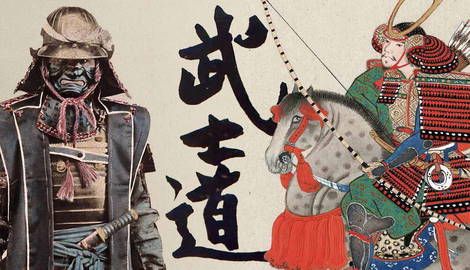

Few rules in human history have shaped an entire people as deeply as Bushido, the moral and ethical guide that directed Japan‘s samurai warriors for hundreds of years. Bushidō was a samurai moral code covering samurai thinking, behavior, and way of life, with roots going back to the Kamakura period (1192 to 1333). The term Bushido became widely known around the world with the publication of Nitobe Inazō’s Bushido: The Soul of Japan in 1899. It outlined 7 key principles.
Gi – Justice
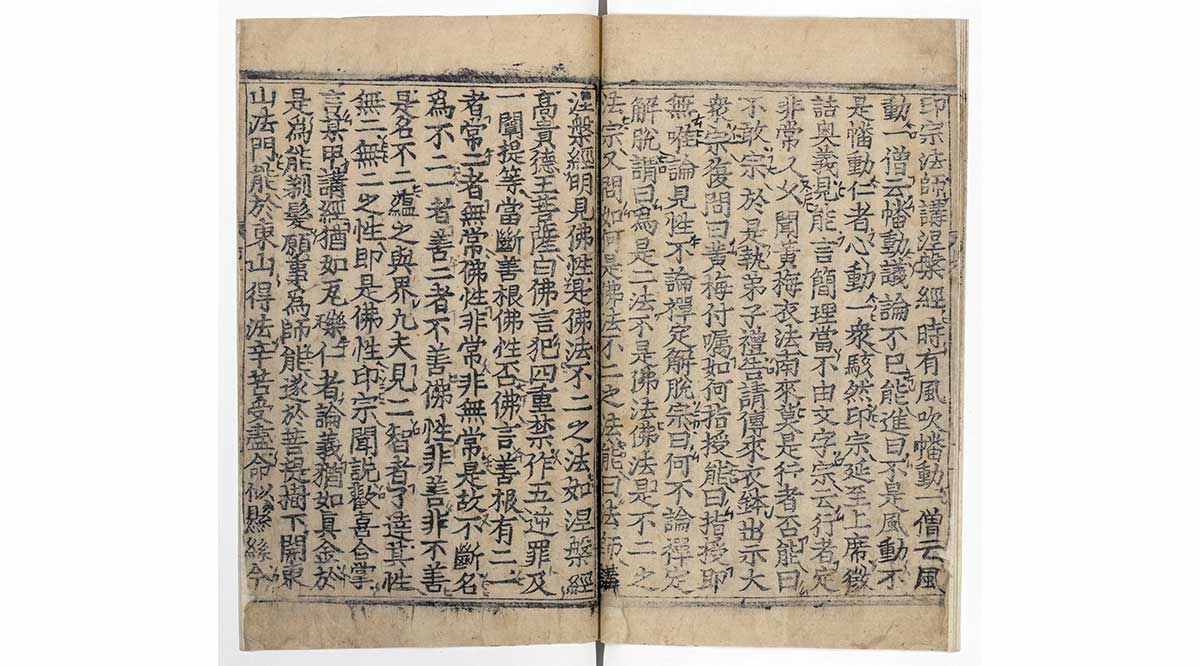
Justice was the strongest value of Bushido. It was described as the ability to decide on a course of action based on reason. Basically, to die when dying was right and to fight when fighting was right. The principle required that a samurai acted with good morals and intentions in everything he did, no matter the personal cost. From as early as the 13th century, samurai behavior was strongly shaped by Zen Buddhism, which promoted mental focus, quick thinking, and the avoidance of doubt in everything, including justice.
Yu – Courage
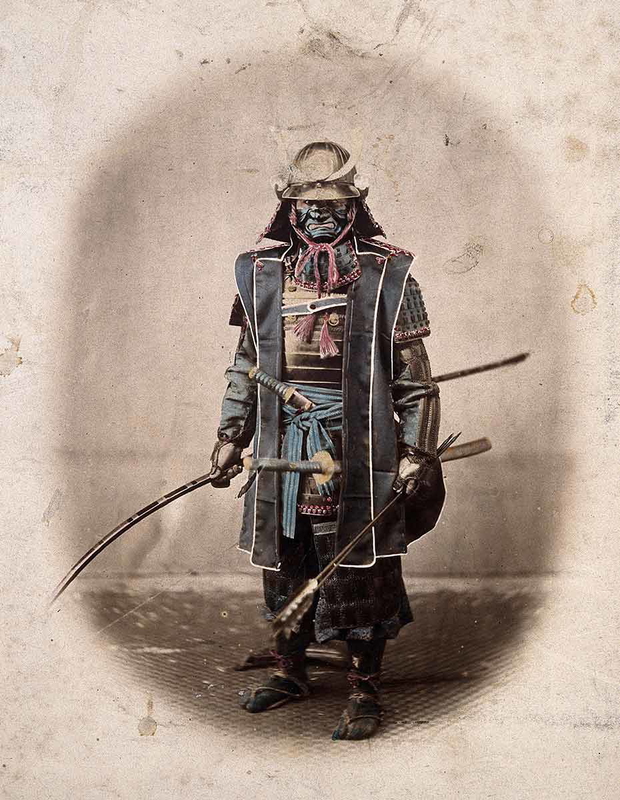
Bushido drew a clear line between bravery (just fearless action) and courage (moral fortitude). Courage was only used to do what was right and just. The Bushido Code did not ask the samurai to feel no fear, it asked them to be courageous, for there was a difference between feeling fear and choosing to walk toward it without backing down. Courage was not wild aggression but a calm, controlled response to danger. As the Hagakure, one of the most respected texts written in the early 18th century, taught, the warrior always had to be ready to face things like death without fear.
Jin – Benevolence
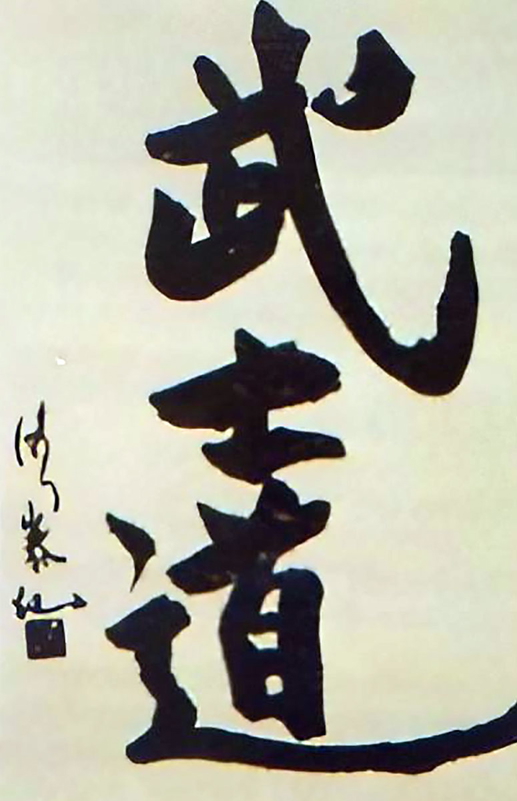
Benevolence was one of the most highly valued Bushido principles. Samurai had both physical and legal power, yet rather than using that power without care, they were expected to show kindness, love, and understanding at all times. The qualities were not usually connected with the fighting nature of the samurai, yet showing the important balance between strength and mercy was deemed important. A samurai who gained power but lacked kindness was seen as incomplete.
Rei – Politeness
Politeness according to the samurai code stood for grace and was one of the key aspects of Japanese culture. It meant the genuine recognition of the beliefs and feelings of other people. It was a clear recognition of human dignity that applied to every interaction. The samurai way of living played an important role in entrenching Japanese values and many well-known traditions, including bowing in respect. A true warrior was to be respected not only for his strength in battle, but also for the way he lived and respected other people.
Makoto – Honesty
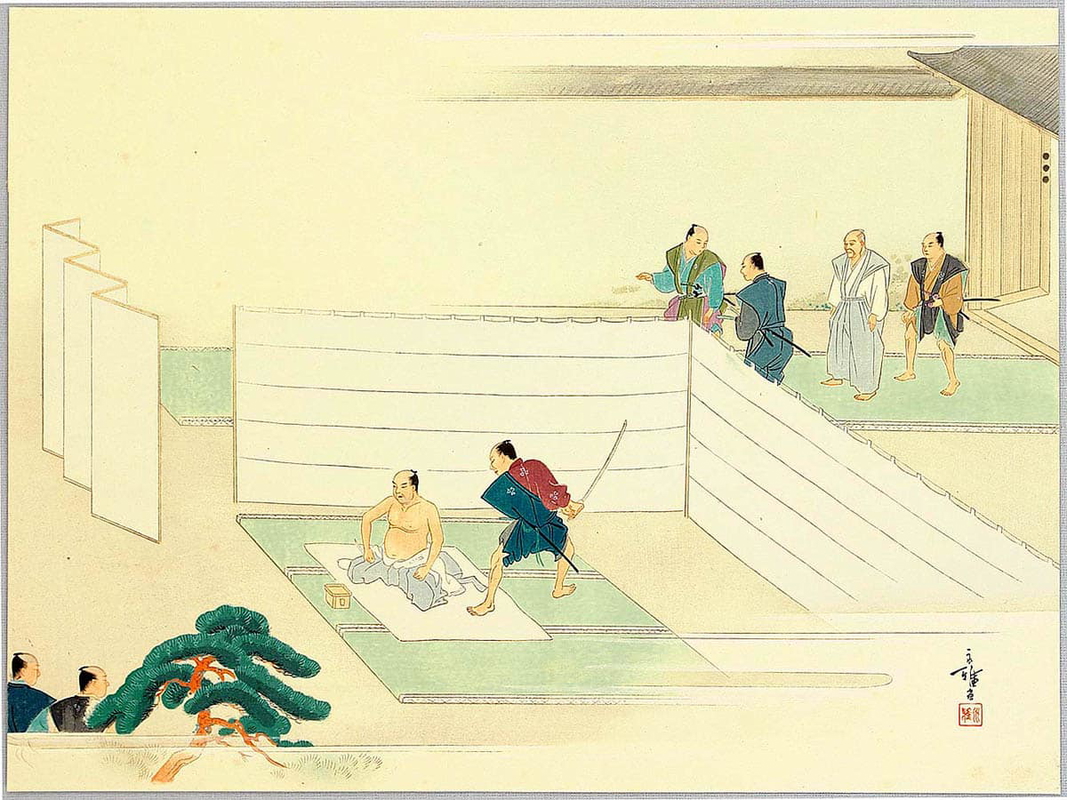
Makoto meant being genuine and trustworthy. Samurai were so careful in their dealings that they seldom wrote up or signed written agreements, which itself showed that their word was something no one ever dared to doubt. In a feudal society where written agreements were not always common, the samurai’s spoken word carried the full force of law, and lying was seen as one of the worst things a warrior could ever do. This value built trust among samurai on the battlefield, where loyalty and clear communication could mean the difference between winning and losing.
Meiyo – Honour
The sense of honor, a deep awareness of personal dignity and self-worth defined the samurai. He was raised to value the duties and privileges of his role, and the fear of shame was intense. The samurai idea of honour stood for dignity and worth, with “Meiyo” meaning honour. As such, a samurai, in the name of honour, could end his own life through the ritual of seppuku rather than live with shame.
Chū – Loyalty
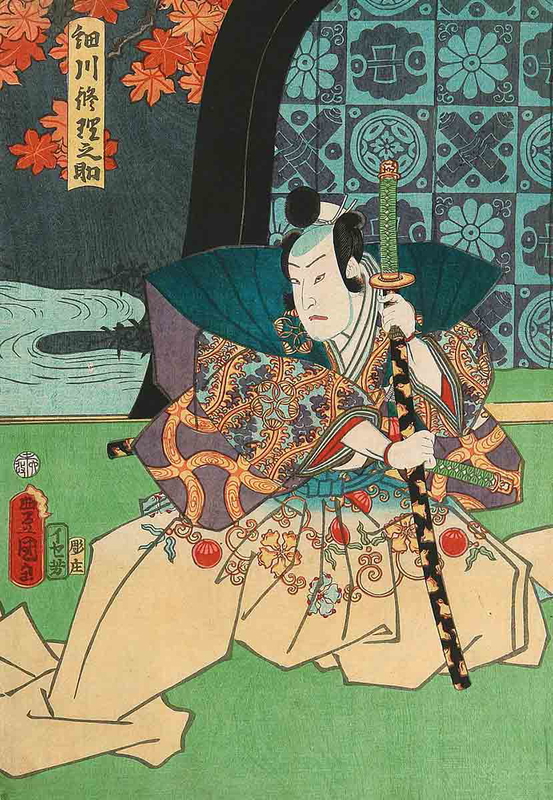
Loyalty to a superior was the most defining value of the feudal era. Loyalty existed among all kinds of people, but only in the code of samurai warriors did loyalty rise to become the most important thing. The samurai, members of a powerful warrior class in feudal Japan, started out as local fighters before rising to power in the 12th century. From the very beginning, their strength rested on an unbreakable chain of loyalty running from the lowest foot soldier all the way up to the shogun. Bushido later taught that since people belonged to their lord, they should stay loyal to his rightful authority and always be ready to live and die for him.