While Theology has often been studied by those in power and religious texts have been interpreted through the lenses of those who have had the upper hand throughout history, Liberation Theology turns things around. Liberation Theology can be defined as Theology that is done with marginalized populations in mind. It is the reading and application of religious texts, with a focus on social, political, and economic justice.
Theology From the Victor’s Perspective

Theology, like much else in history, has been written from the victor’s perspective. Theologians, ministers, and pastors have glossed over the themes of justice and human flourishing that are prevalent throughout Christian texts. Before Luther’s Reformation, the Bible was only studied behind the closed, heavy doors of churches in beautiful rooms while the congregation worked hard in the blazing sun outside.
For the longest time, those who worked for the Church were seen as having divine access to God and being his gift to the rest of humanity. Therefore, Theology (the study of religious texts and doctrines) was most often done from the perspective of those who were well-off.
What Does Liberation Have to Do With Religion?
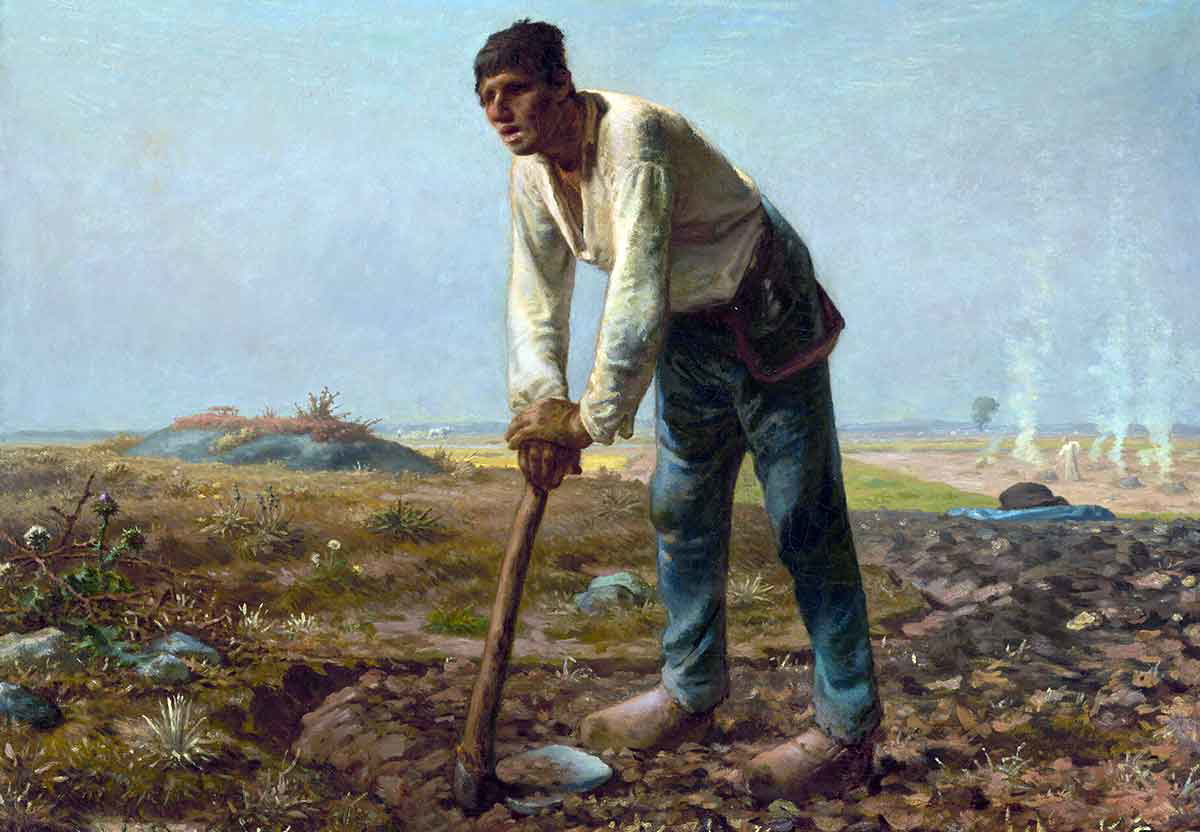
The painting above of a working man standing over a hoe has been described by the artist as a tribute to the dignity and courage of the laboring class; it shows in the unremitting exertion on the face of the man. A brief glance at the history of work will show that the concept of a working class as pictured here has deep roots. While slavery and unfair pay continued throughout the world, the institutional Church has become more and more powerful.
It has been said that the Church’s power and influence are in direct, stark contrast with the position of its Lord. This is because the teachings of Jesus Christ did not center around control in a worldly sense. But, with the spread of Christianity, immense power came into the hands of the same people who supposedly followed these very teachings of Jesus. Liberation Theology originated as a response that opposes social injustices and inequality.
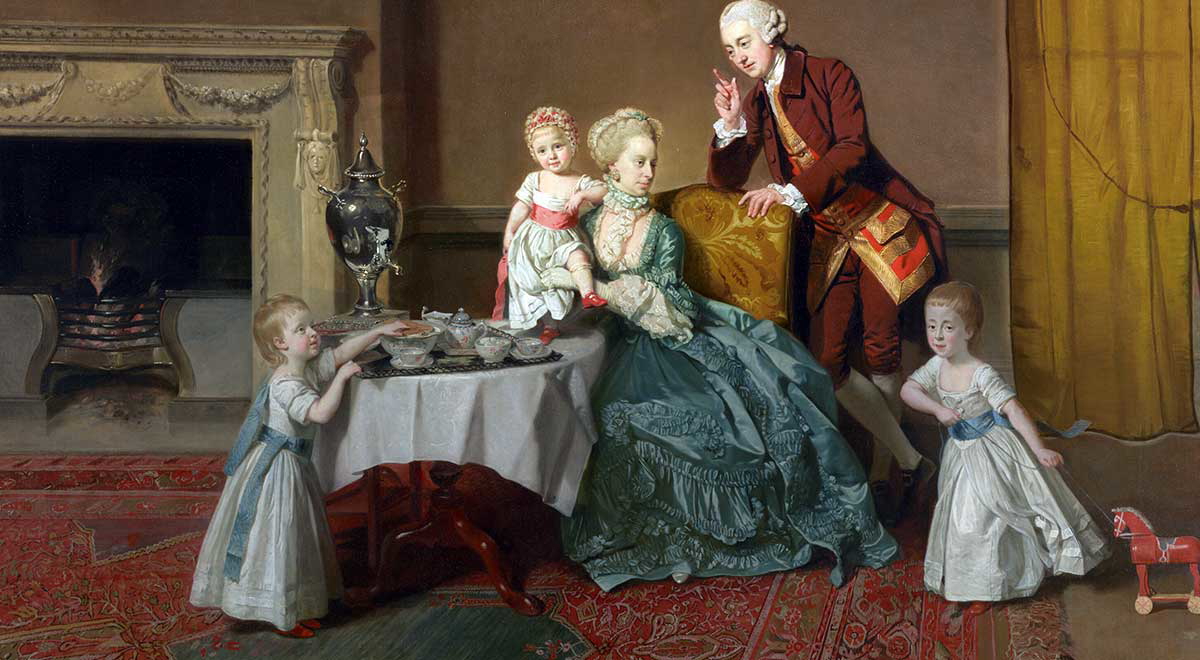
Theologian Dietrich Bonhoeffer famously said, “The Church is the Church only if it exists for others.”
In Liberation Theology, the focus is placed on the oppressed. While Theology was mostly studied through the lens of the powerful, this changed in the 1950s and ‘60s when a voice was heard from below. The Liberation Theology movement was popularized in Latin America and Africa by theologians who challenged the norms of poverty through the study of the Bible. Theologians from poverty-stricken communities started raising their voices and asking whether the Catholic and Protestant interpretations of the Bible that were so prevalent up to that point spoke to their unique contextual settings at all.
Discovering the Biblical Roots of Liberation Theology
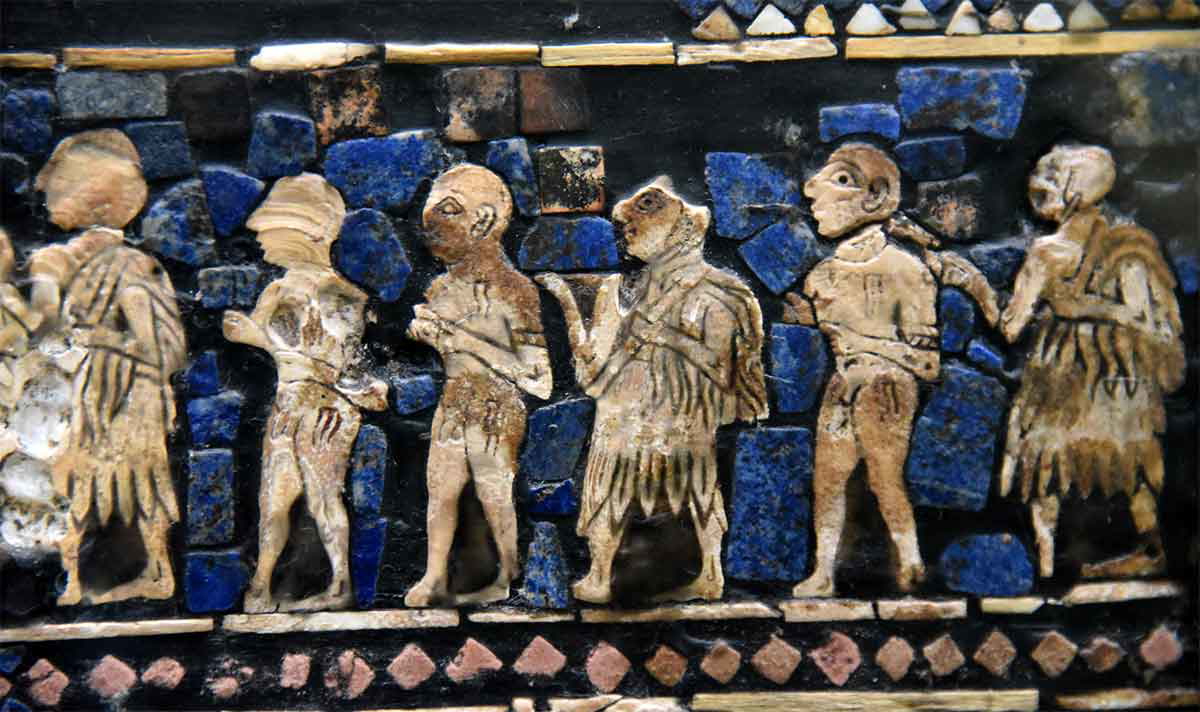
Was Liberation Theology a new concept when it came to the fore in the ‘60s? Some Theologians will argue that it was not.
In the Old Testament, God’s people were taught to care for widows, orphans, and foreigners. Liberation was achieved when the people of God (the Israelites) were slaves in Egypt and God set them free. God is often sketched as a redeemer who offers a way out for his suffering people.
In the New Testament, this big focus on the poor continues. Jesus interprets his reason for coming to Earth as bringing good news to the poor. He also taught that the most important thing for a person is to love God and love your neighbors.
In the early Church, caring for the poor was part of the identity of faith communities (churches). Acts 2:44-45 explains, “All the believers were together and had everything in common. They sold property and possessions to give to anyone who had need.”
It is evident throughout the Bible that caring for the poor is a very important facet of living a good life that pleases God. But two questions remain: Is it optional, and is it literal?
The “Preferential Option for the Poor”
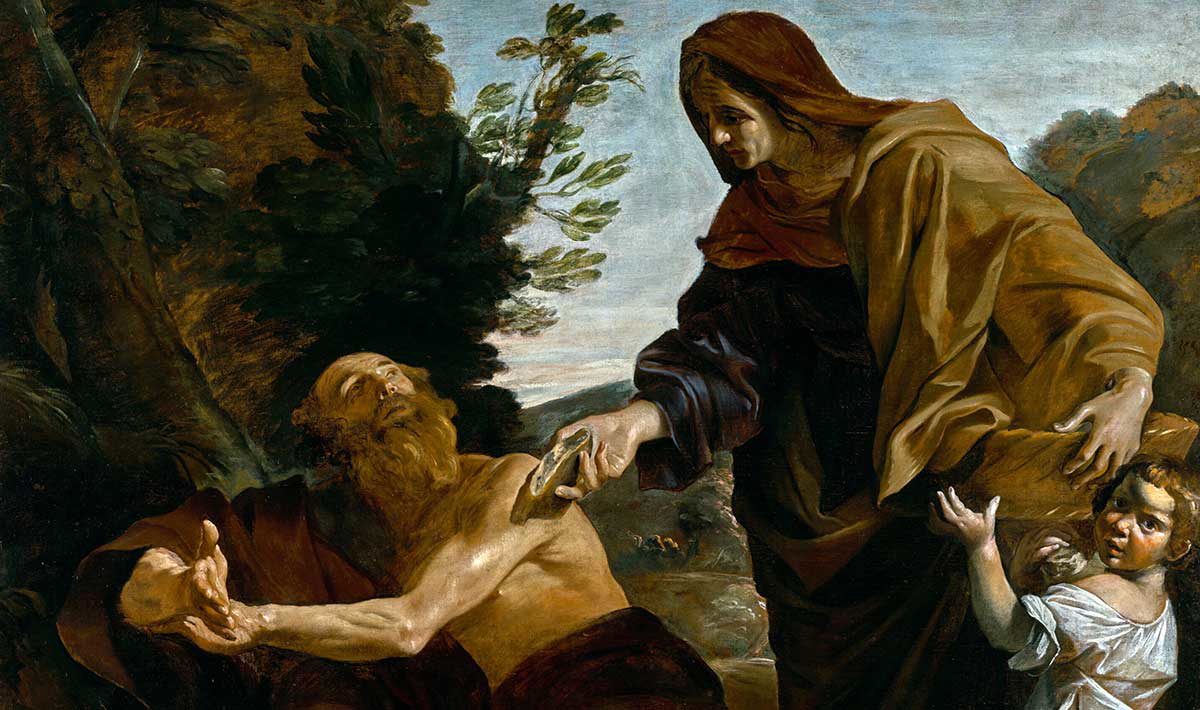
Liberation Theology claims that caring for the poor is not optional—far from it. Therefore, the answer to the first question (Is it optional?) is a definitive “no.” In Liberation Theology, the poor are put first. One of the key ideas in Liberation Theology is called the “option for the poor” or the “preferential option for the poor.” Assistance for the poor and vulnerable is non-negotiable. This is based on the perspective that Jesus taught about the poor. He said that the poor have the kingdom of God as their inheritance (Luke 6:20) and he befriended those who were on the outskirts of society.
However, and to answer the second question (Is it literal?), some critics of Liberation Theology have read Jesus’s teachings as purely metaphorical, saying that he was not talking about those who are poor in money but those who are poor in spirit… These critics of Liberation Theology have argued that misinterpretation of scripture is the basis on which the movement stands, calling the leaders of the movement dangerous heretics.
Who Were the Fathers of Liberation Theology?
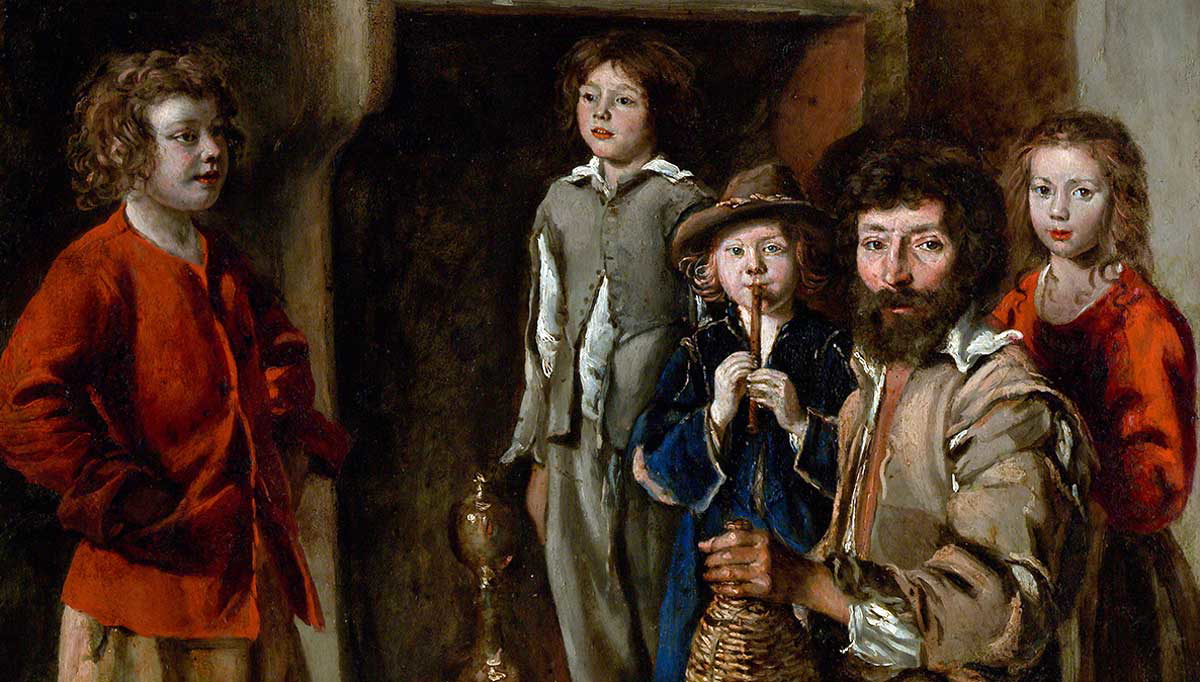
The facts about Liberation Theology’s roots are a “chicken-or-egg” situation. One could argue that wherever oppressed people have been encouraged or freed in the name of God, this is a form of Liberation Theology. However, there are a few names that popularized the idea of Liberation Theology as it is known today.
Gustavo Gutierrez (1928-2024) was a Peruvian theologian who wrote a book called Theology of Liberation. Gutierrez described Liberation Theology as a praxis of solidarity with the poor in the interest of liberation that is inspired by the gospel. He opposed the exploitation of the poor and condemned structural injustices that are prevalent in society.
Another person whose name is closely linked with Liberation Theology is Leonardo Boff (1938-present). As a former Catholic priest, this Brazilian philosopher and theologian was a controversial figure who had sharply criticized the hierarchy of the church. This focus on subverting structure and hierarchy led to another criticism of Liberation Theology: that it is a blend of ideas from Christianity and Marxism.

So why have some Liberation Theologians been accused of being Marxists?
Marxism also analyzes the impact of those in power on the rest of society as Liberation Theology does. Some of the main Marxist ideas that undergird Liberation Theology are that there are institutional systems and structural causes of poverty and injustice in society. Liberation Theology goes beyond Marxism in that these structures are dubbed “sinful.” Liberation Theologian Frei Betto (1944-present) supported such an understanding between Marxism and Christianity.
There has also been some Jesuit support for Liberation Theology. Juan Luis Segundo (1925-1996) from Uruguay was one of the founders of the movement. He authored a book called The Liberation of Theology. Another Spanish Jesuit, Jon Sobrino (1938-present), also played a major role in the popularization of Liberation Theology and fought for peace from oppressive structures.
This quest for peace has led to one more critique against the Liberation Theologians. Critics have said they are obsessed with utopia and have accused them of merely dreaming impossible dreams instead of doing something about it. Theologians have even used Biblical texts to support the argument that “the poor will always be amongst us” (John 12:8 and Matthew 26:11) and therefore we can not do much about it.
Despite all these various forms of criticism, Liberation Theologians have not lost sight of their goal. Various Theologies of liberation have arisen in many parts of the World, from Black Theology in the United States and South Africa to Dalit Theology in India.
The Message Shared by the Leaders of Liberation Theology

Gutierrez wrote about Christian hope and how he does not believe that Liberation Theology is utopian. Instead, he said, Christians must place their hope in and build toward that which is not yet a visible reality. In simple terms, he was saying that Liberation Theology is not saying anything new. In fact, the fathers of Liberation Theology did not claim to have a new message, they just reminded the Church of its original mandate that has not yet been accomplished.
Liberation Theology focuses on how the Church is God’s chosen method for bringing justice to the poor and creating a positive impact on society. But their interpretation of who or what the Church is was a new perspective. Instead of agreeing with the elitist image of the Church as it was seen at that point, the Liberation Theologians came and reminded lay people of their own agency and power. It might sound like Liberation Theology was just a criticism of the Church, when in fact it was a call to action for the entire congregation.
The message that they shared was that hope was never meant to be locked up behind heavy, closed church doors. It is a tool that should serve society.
Therefore, we can conclude that Liberation Theology analyzes societal inequality and hopelessness and addresses it through methods found in Christian religious texts. It urges Christians to take part in political and civic affairs, rather than to turn a blind eye while praying to be whisked off to heaven in the clouds.