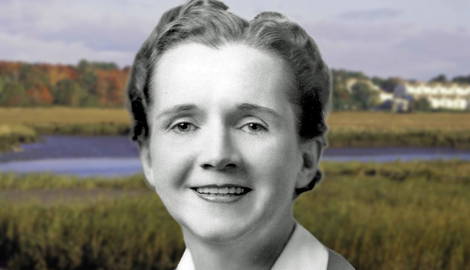
Environmentalism is a common pursuit in modern activist endeavors, but in the early and mid-twentieth century, it was less of a concern. Though it wasn’t front and center, damage to the ecosystem from human activity was happening under the noses of American citizens. Many people simply didn’t realize these effects until one woman made it her mission to change that. Rachel Carson made an indelible mark on environmental protection in the United States, and along the way, proved that in the early ages of feminism, a woman had the power to make a difference.
Young Rachel Louise
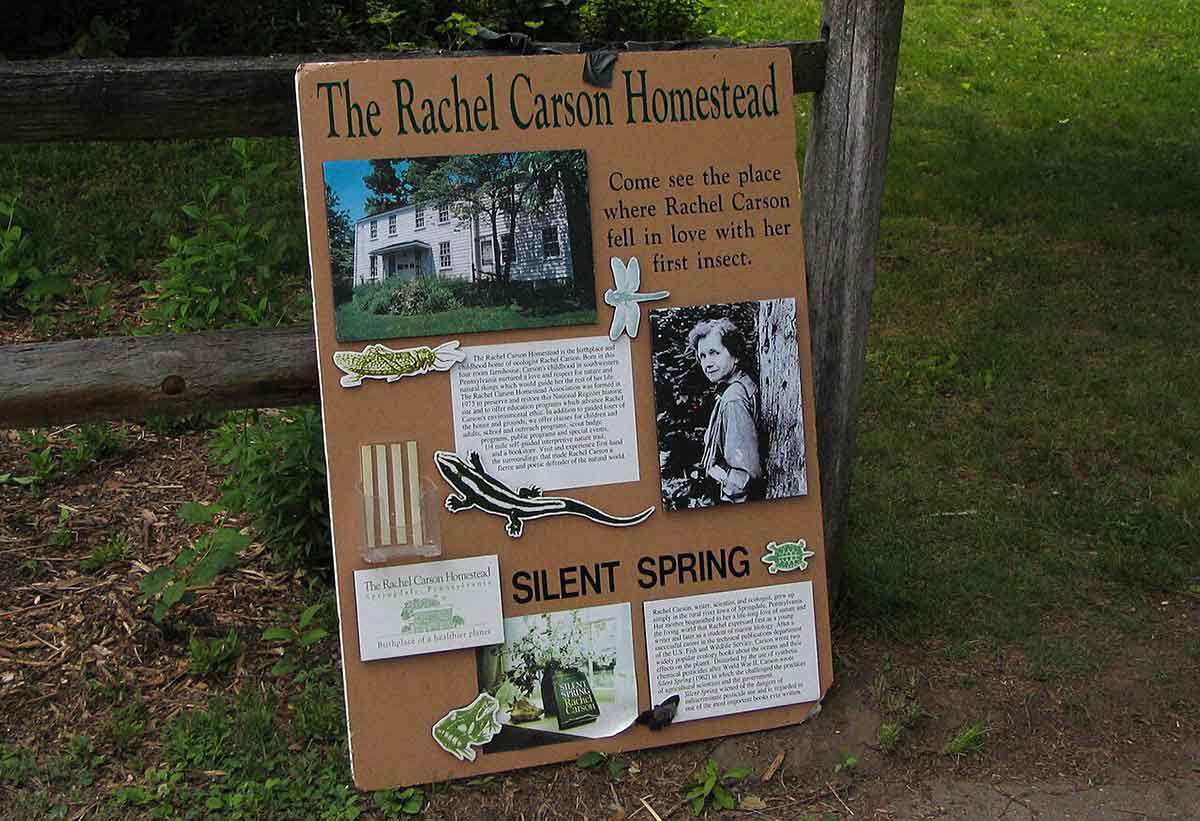
Rachel Louise Carson, born on May 27th, 1907, was the third and youngest child of Robert and Maria Carson. She grew up in Springdale, Pennsylvania, a small town near Pittsburgh. At a young age, Carson developed a love for nature, inspired by her mother’s same interest, and a talent for writing. By the age of 10, she had been published in a children’s magazine.
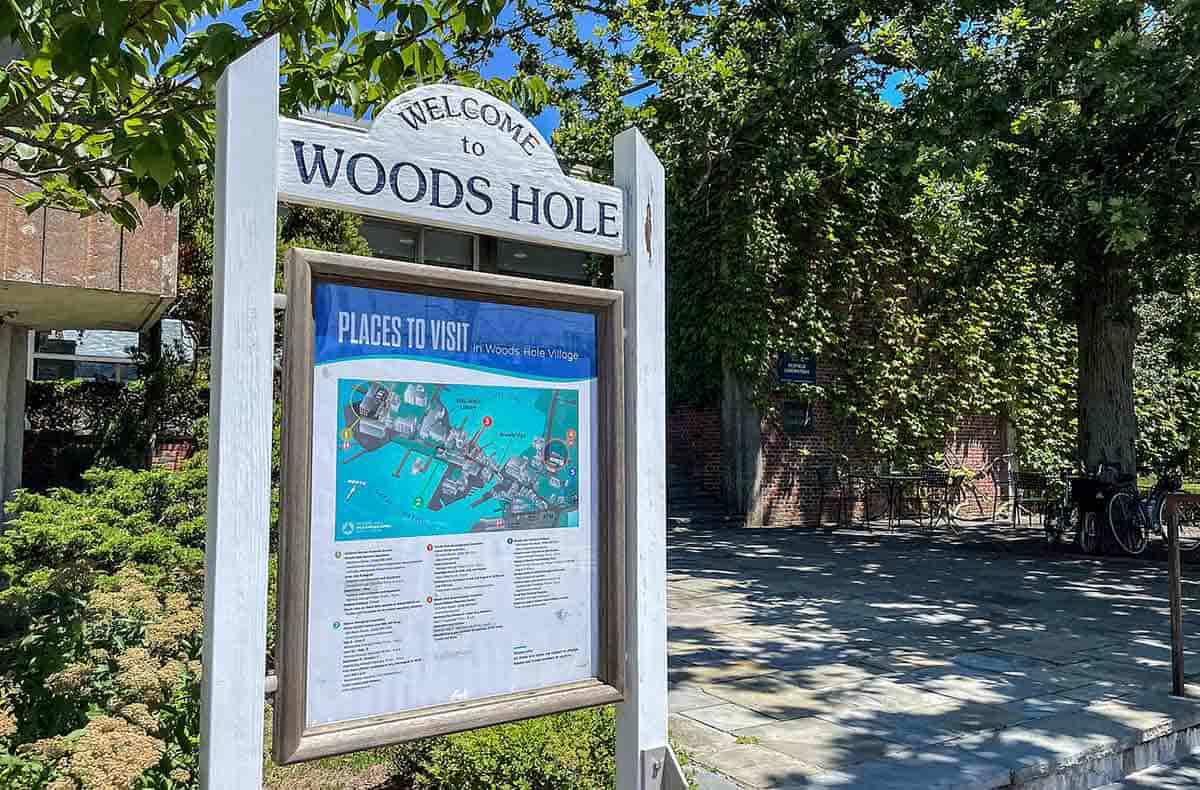
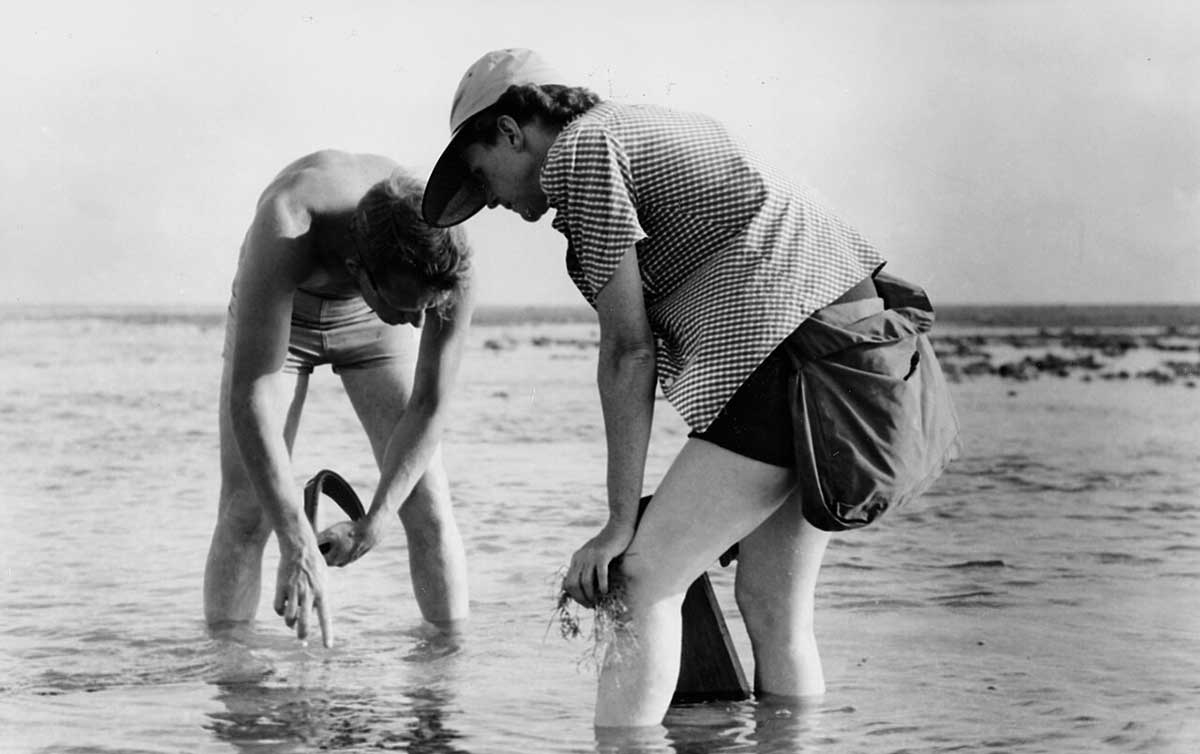
Neither her older brother nor her sister completed high school, and Rachel became the first child in her family to do so. She continued her education at Pennsylvania College for Women, now Chatham College. Carson originally planned to major in English, but changed her focus to biology partway through her studies. The ocean was of special interest to her, and her collegiate work included a research project in Woods Hole, Massachusetts. She graduated magna cum laude in 1929. A Master’s degree in Zoology followed at Johns Hopkins University, but unfortunately, her desire to pursue a doctorate was foiled by strained family finances.
Rachel began looking for a career to support her family, which would eventually include her two orphaned nieces. It was the onset of the Great Depression, and jobs were hard to come by, especially in the field of biology, where opportunities for women at the time were severely limited. She looked for a job in teaching, but failing to secure one, took the civil service exam. She outscored all of the other applicants to become the second woman ever hired by the US Bureau of Fisheries in 1936.
A Daring Career
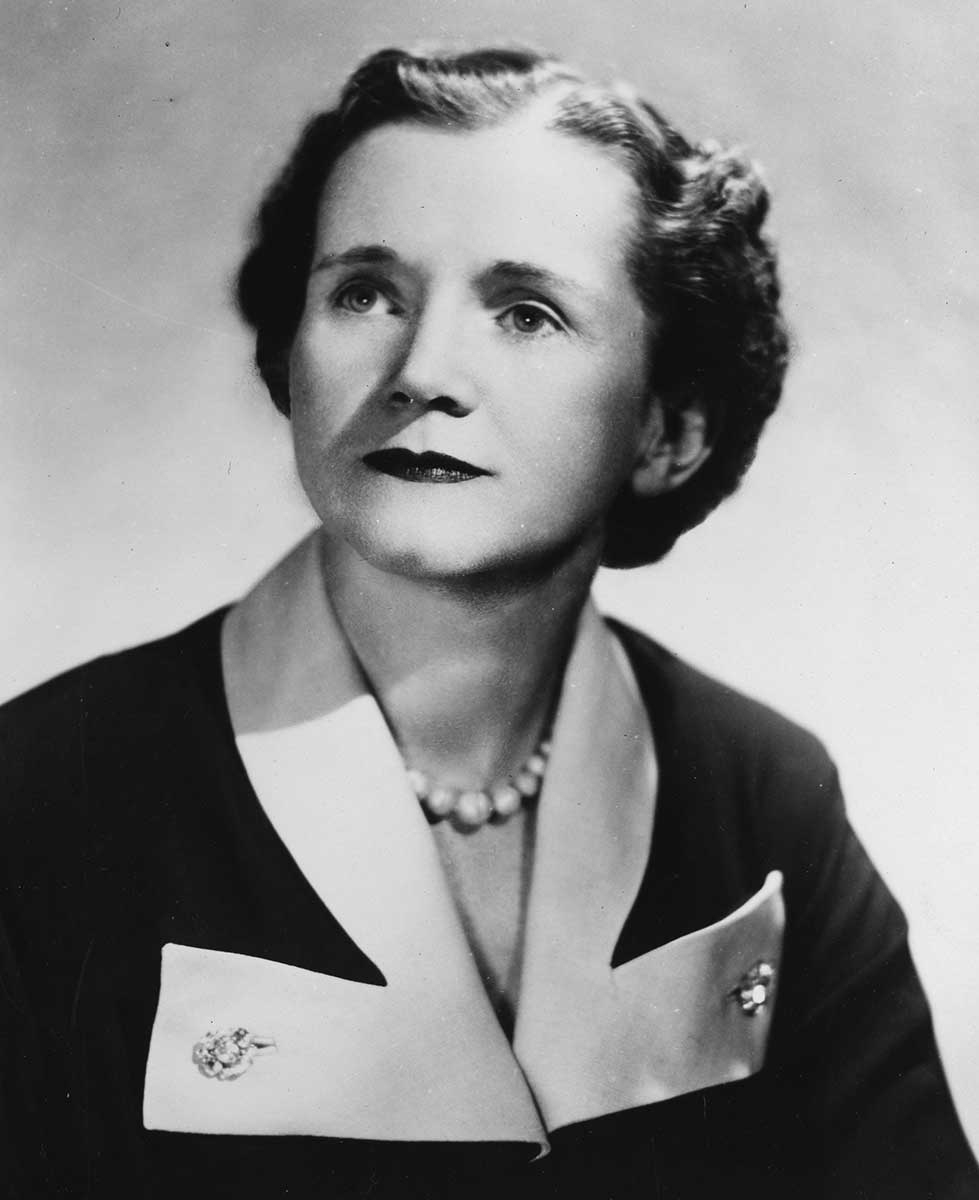
Carson’s job at the Bureau of Fisheries allowed her to combine her two talents and interests—writing and natural sciences. She appeared on public radio programs and made brochures to help citizens understand the latest scientific information. She published several articles, most of them relating to marine biology. Eventually, she was promoted to Editor-in-Chief for all US Fish & Wildlife Service publications (The Bureau of Fisheries was merged with the Bureau of Biological Survey to create the Service in 1940).
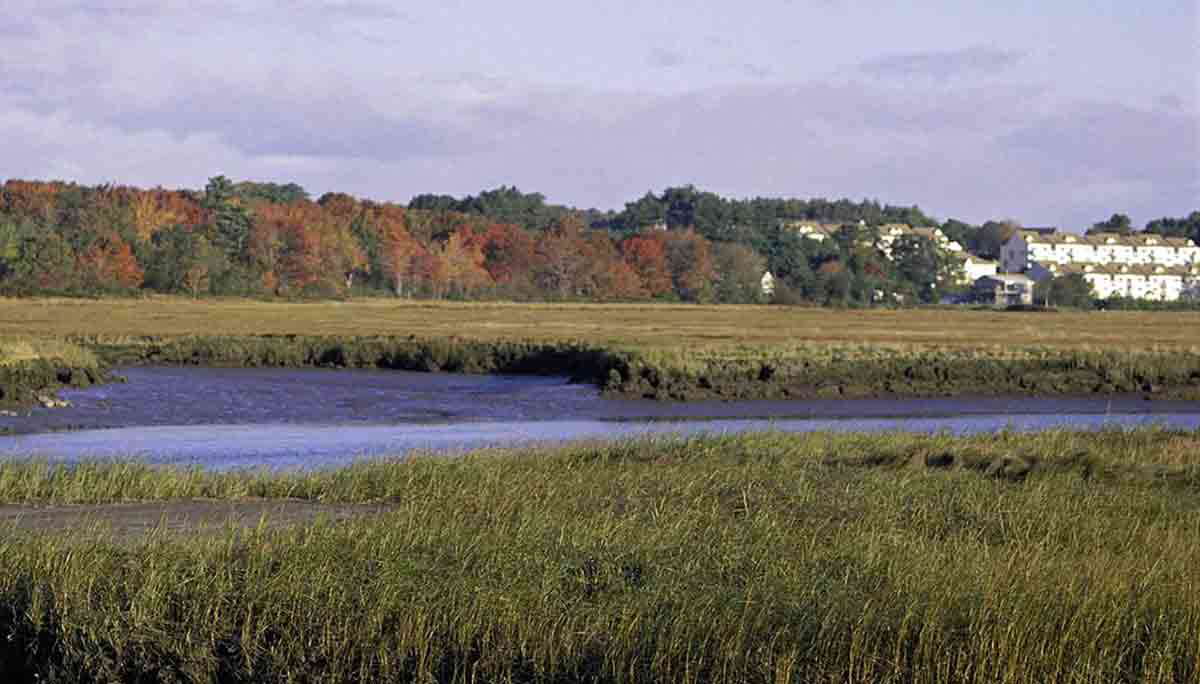
In the meantime, Carson was also publishing independent work. In 1937, her article “Undersea” was published in the Atlantic Monthly, and she was recruited to expand the piece into a full-length book. Her first book, Under the Sea-Wind, was published in 1941, and it established Carson’s celebrated writing style, displaying her ability to combine the scientific with the literary to engage audiences. While her writing style was appreciated, Under the Sea-Wind lagged in sales. Her second book, The Sea Around Us, released in 1951, was much more successful. It broke records by staying on the New York Times Bestseller list for 86 weeks, and won a National Book Award for nonfiction as well. The book highlighted Carson’s love for the sea and is often described as “poetic.”
Amongst her successes, Rachel continued to care for her ailing mother and adopted her grandnephew, Roger Christie. She developed a notable friendship with a woman named Dorothy Freeman, who had written to her after reading her novels. Freeman summered on the coast of Maine, and Carson soon began spending a great deal of time in Maine with her friend. There is a great deal of speculation about their intimate friendship, and Carson is often labeled as queer as a result. The pair wrote to one another frequently when they were apart, and they destroyed many of their letters before Carson’s death.
Creating Environmental Consciousness
The Sea Around Us was followed in 1955 by The Edge of the Sea, which explores the ecology of the ocean’s shoreline. Carson’s three ocean-centered novels are considered “The Sea Trilogy” today, but their acclaim paled in comparison to that of her fourth novel, Silent Spring, published in 1962. Silent Spring was first published as a three-part series in The New Yorker before its release as a book. This novel exposed America to the threat of chemical pesticides, particularly Dichlorodiphenyltrichloroethane, or DDT. After World War II, DDT became widely used throughout the United States to kill insects that threatened America’s farms and home gardens. However, it became apparent that the chemical was killing multiple types of wildlife. It caused eggshell thinning in birds, playing a role in the decline of creatures such as the Bald Eagle. In addition, DDT’s effects on humans hadn’t been studied in depth. In Silent Spring, Carson encouraged both the government and the public to look at pesticide use with a new concern.
The Impact of Silent Spring
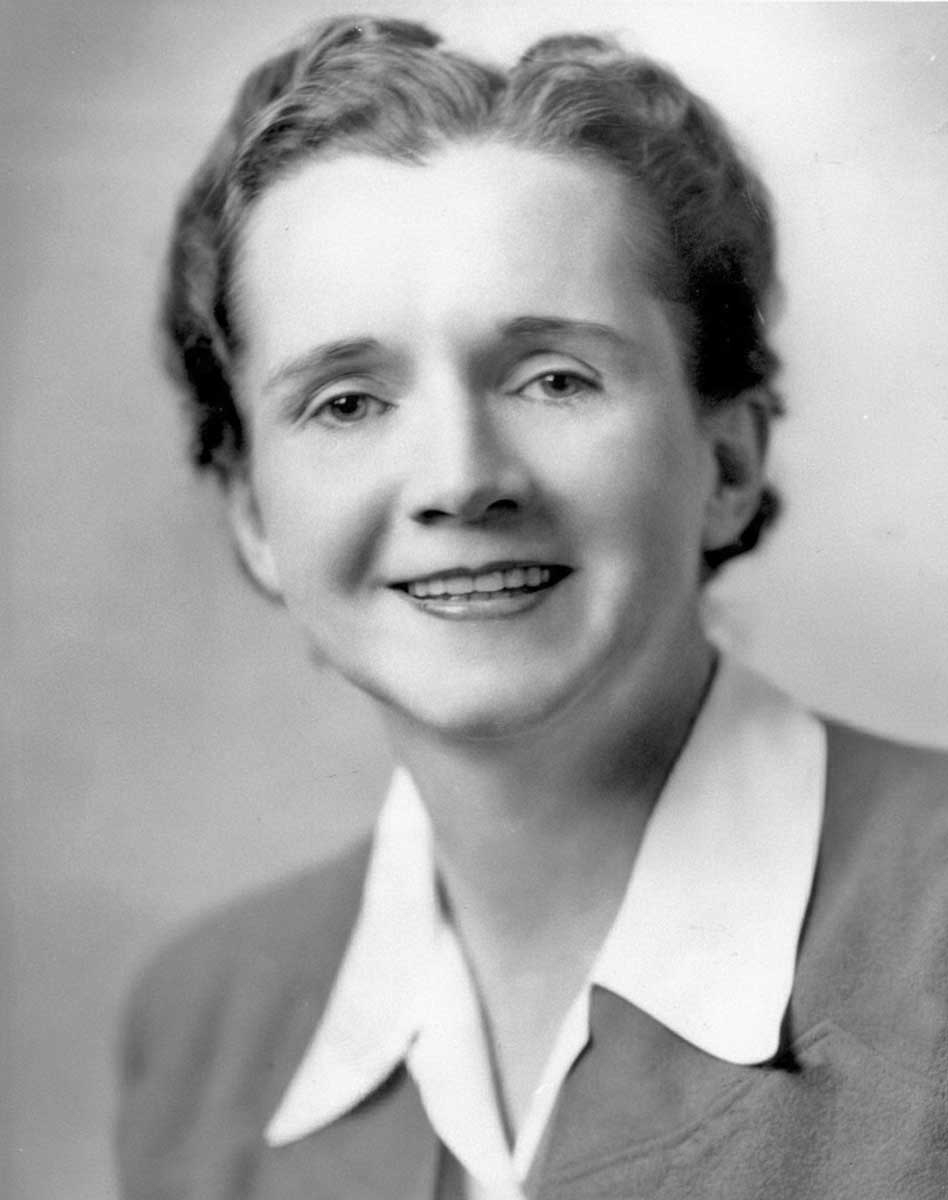
Silent Spring was an immediate sensation, igniting controversy on a national level. Chemical companies lashed out at Carson, attempting to discredit her as a hysterical woman. Former Secretary of Agriculture Ezra Taft Benson wrote to former president Dwight D. Eisenhower, saying that Carson was “probably a communist” and wondered why a “spinster was so worried about genetics.” She was called a “pseudoscientist” and “faddist” in the media. Several businesses pulled ads from CBS after they planned a special on Carson’s work in April 1963. 15 million viewers watched the special regardless, and President Kennedy’s Science Advisory Committee soon released a report validating Carson’s research.
These two factors launched public concern to new levels. Carson testified before the Senate Committee on Commerce, advocating for new labeling on chemical products. The environmental awareness that resulted from Silent Spring would only grow, and DDT was eventually banned for use in the United States. The burden of proof around pesticide and chemical safety was shifted to manufacturers of such products, and regulations grew around their use.
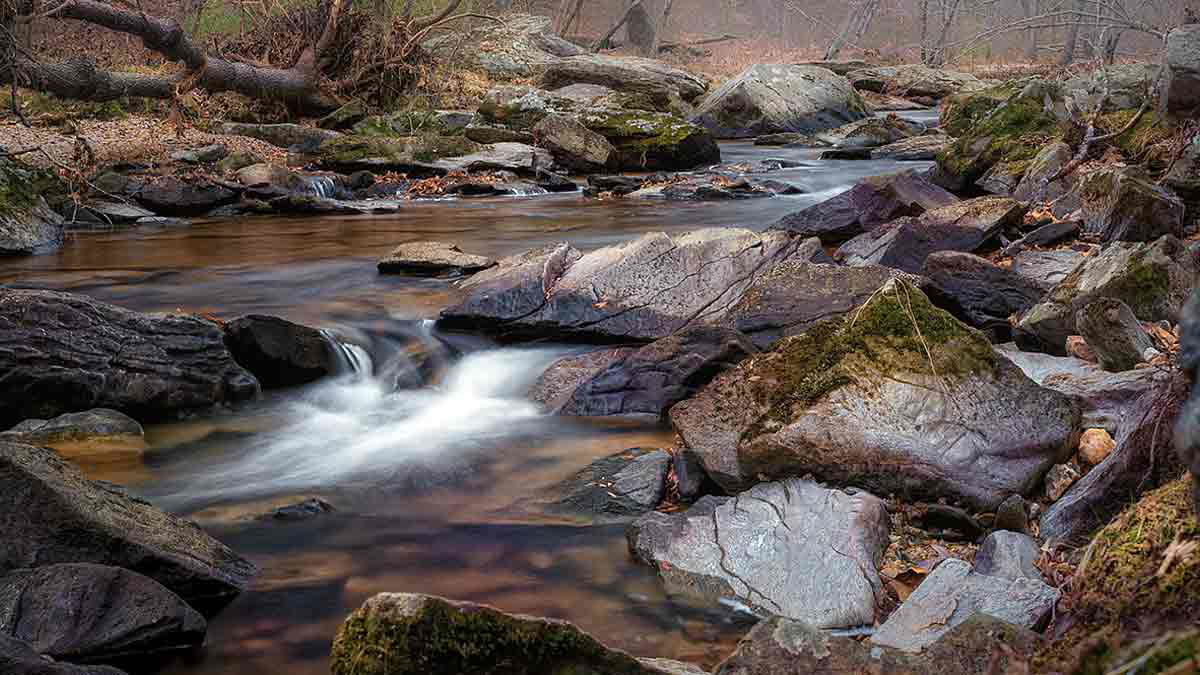
Hidden from public knowledge was Carson’s diagnosis of breast cancer, which she received in 1960. In fact, she told only her closest friends and family, fearing that after Silent Spring was published, the information would be used against her somehow. She underwent surgeries and therapies such as radiation, but her illness was deemed terminal. Despite her health, she went on to publish Silent Spring and continue advocacy work after its publication. Although she understood the importance of Silent Spring, Carson expressed disappointment that it was this work for which she would be remembered, rather than her true love, the ocean and its biology. She died on April 14, 1964, at her home in Silver Spring, Maryland.
Remembering Carson Today
In the modern era, Silent Spring remains celebrated as a seminal work in environmental and scientific literature. The book was celebrated anew in 2012 with the release of a 50th anniversary edition, which the Natural Resources Defense Council called “more relevant than ever.”
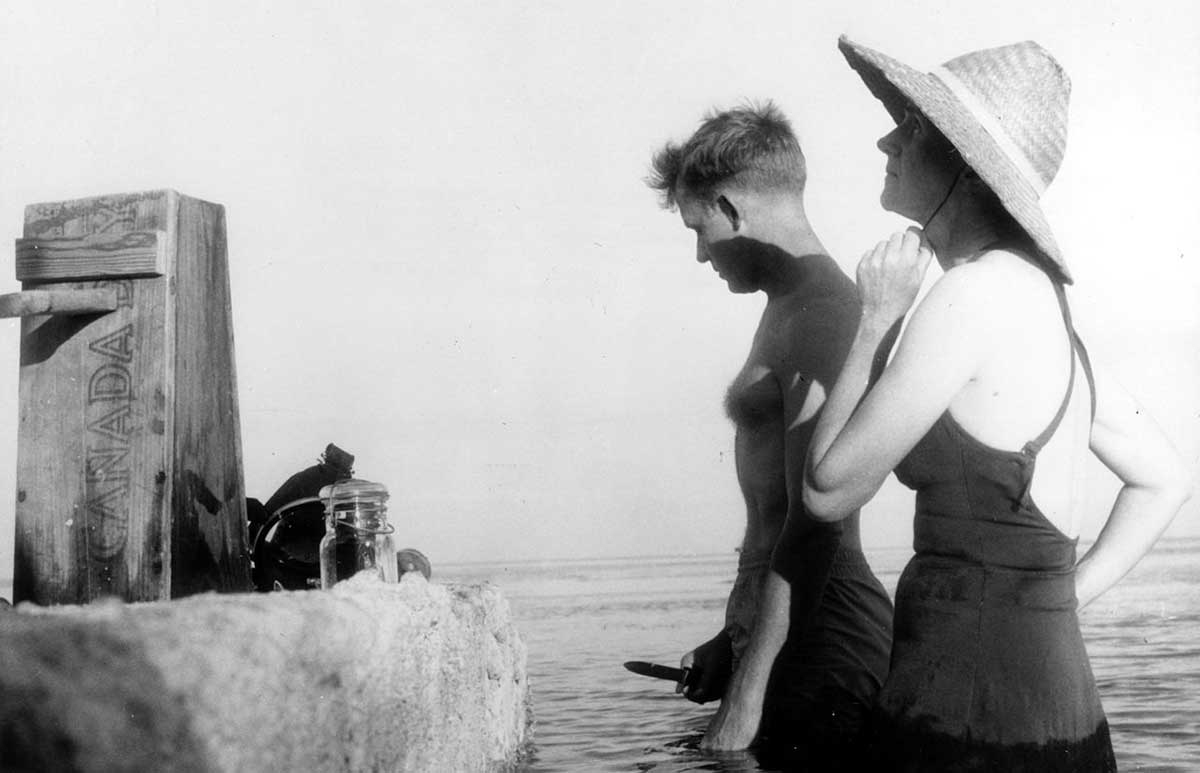
The National Audubon honors American women who advance conservation with the Rachel Carson Award annually. However, Carson isn’t just remembered in America. The British Ecological Society awards the Rachel Carson Prize, recognizing early-career scientific authors focusing on people and nature, and Applied Microbiology International celebrates outstanding environmental microbiology progress with the Rachel Carson Environmental Conservation Excellence Award. In 1966, the US Fish & Wildlife Service, along with the state of Maine, established the Rachel Carson National Wildlife Refuge. It covers 50 miles of coastline in York and Cumberland counties in the southern part of the state, including boreal forests, dunes, meadows, and coastline.
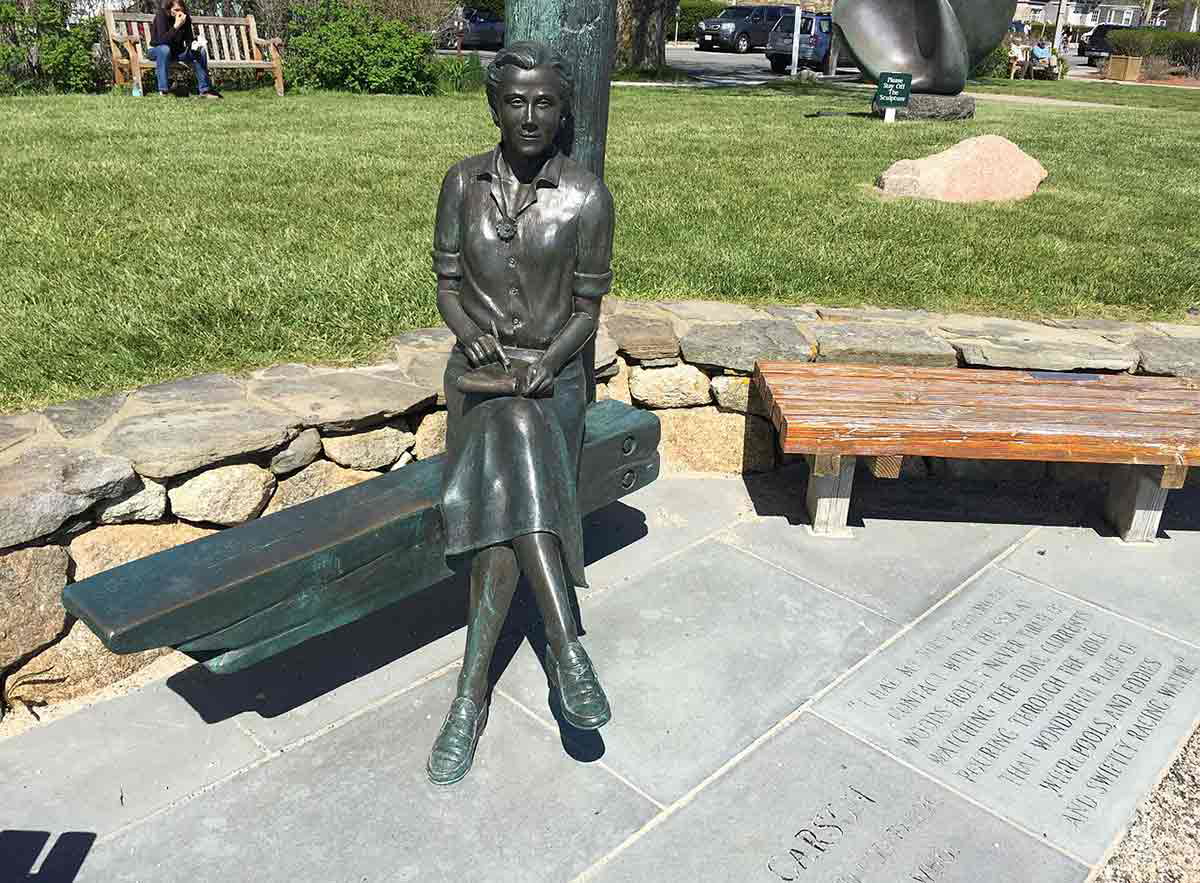
Rachel Carson made incredible strides for environmental awareness in the United States. Because of her, the natural world has been elevated and recognized for its importance. Dedication to its preservation and conservation is a direct result of her work. In addition, she proved that women were qualified to play an integral role in the scientific world. Carson challenged the idea that humans were superior to nature, and essentially created the modern environmental movement that is so important to the world today.