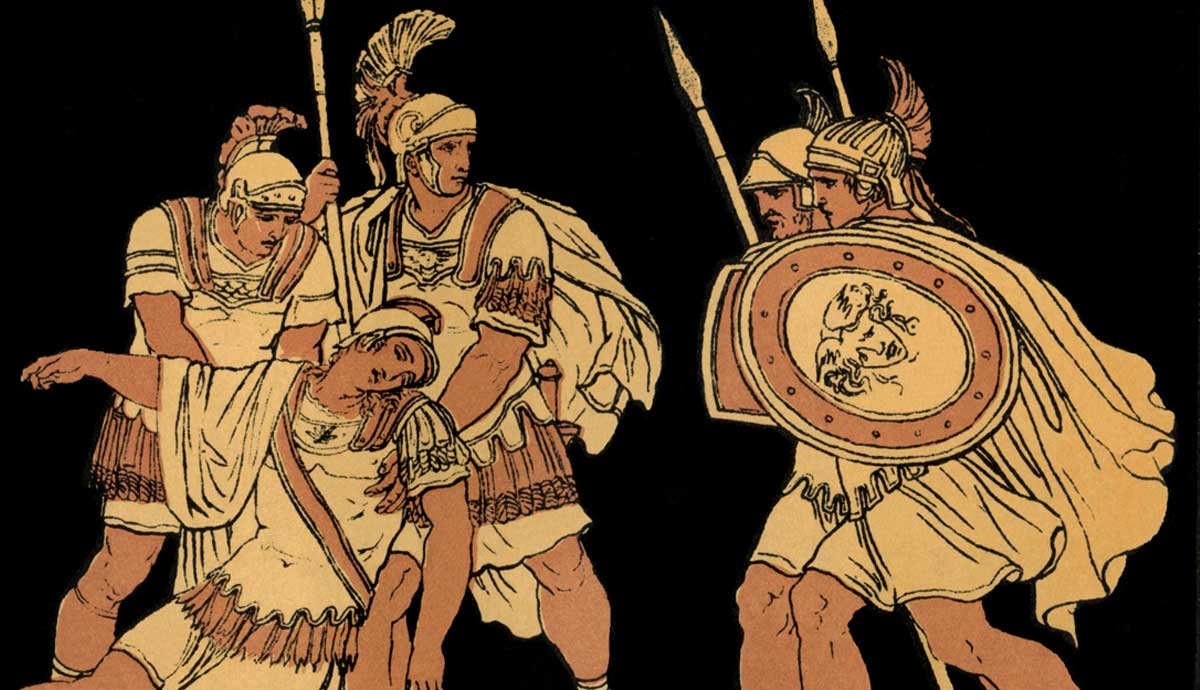
Titus Livius, better known simply as Livy, is probably ancient Rome’s most famous historian, thanks to his epic 142-book account of the history of Rome from Aeneas to Augustus. He was extremely popular during his life, enjoying imperial patronage and international fame, and he is very important today as one of our few surviving comprehensive sources. As a result, in both ancient and modern times, Livy has done much to shape popular understanding of Roman history. But did he do a good job? Modern examiners suggest that Livy was not a particularly good historian, better likened to a celebrity pseudo-historian on a popular TV documentary than a serious academic.
A Bunch of History Buffs
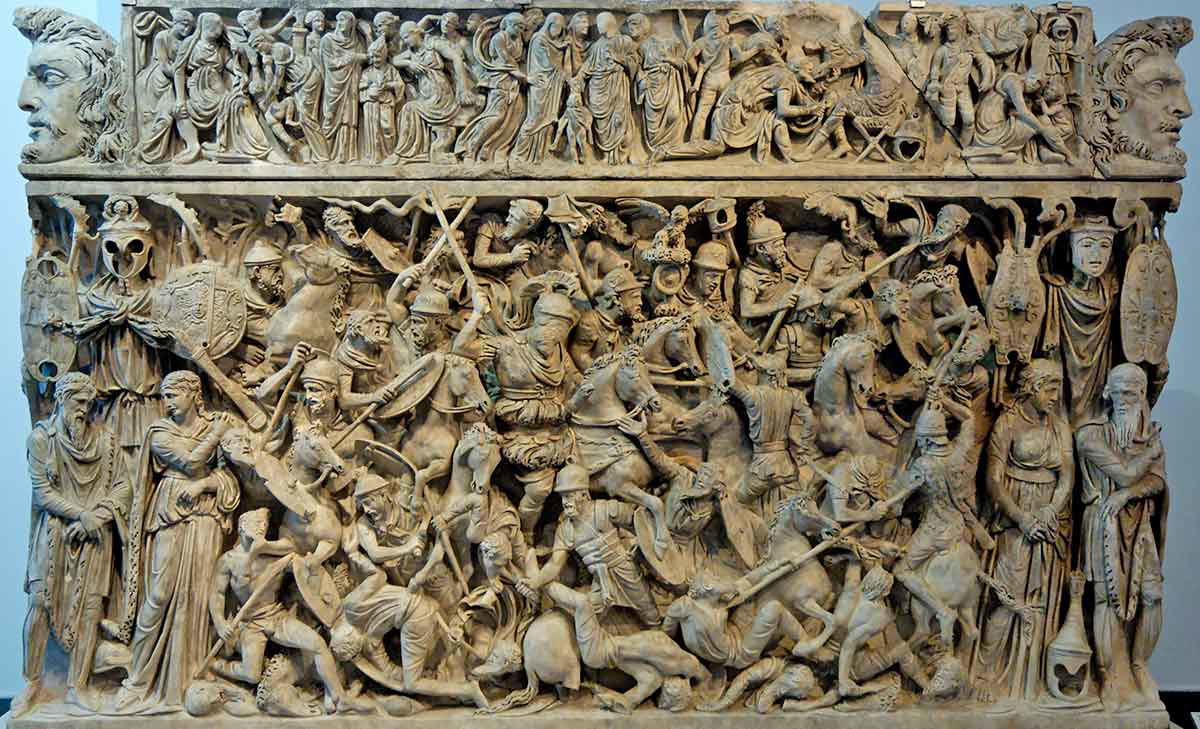
The ancient Romans were history buffs. This perhaps made sense in a society where family accomplishment and respect were inherited. If your grandfather was a consul, then you probably had what it took for the job. If not, it was challenging to get ahead as a “new man.” It made sense that the Romans were concerned with history, genealogy, and the deeds of their ancestors.
This, combined with free time and access to education, explains why most of Rome’s historians came from the leading political class. Rome’s first known historian was Quintus Fabius Pictor in the 3rd century BCE, a member of an important patrician family who later became a senator, and then an ambassador, visiting the Oracle of Delphi in Greece on behalf of Rome during the Second Punic War. He contributed to the popularity of the annalistic tradition in the 2nd century BCE, which saw histories given year-by-year, each starting with the names of the consuls, connecting the history to official records.
These annalistic histories were written by the likes of Lucius Calpurnius Piso Frugi, who served as consul in 133 BCE and censor in 120 BCE, and Publius Mucius Scaevola, consul in 133 BCE and pontifex maximus for 16 years. Gaius Graccus, an infamous Tribune of the Plebs who tried to lead a revolution, wrote a biography of his brother Tiberius Gracchus. Julius Caesar famously wrote histories of his conquest of Gaul and actions during the civil war. These men had political motivations to look back at the past and tell history from their perspective. As officials, they also had access to official documents as sources for their histories.
An Atypical Historian
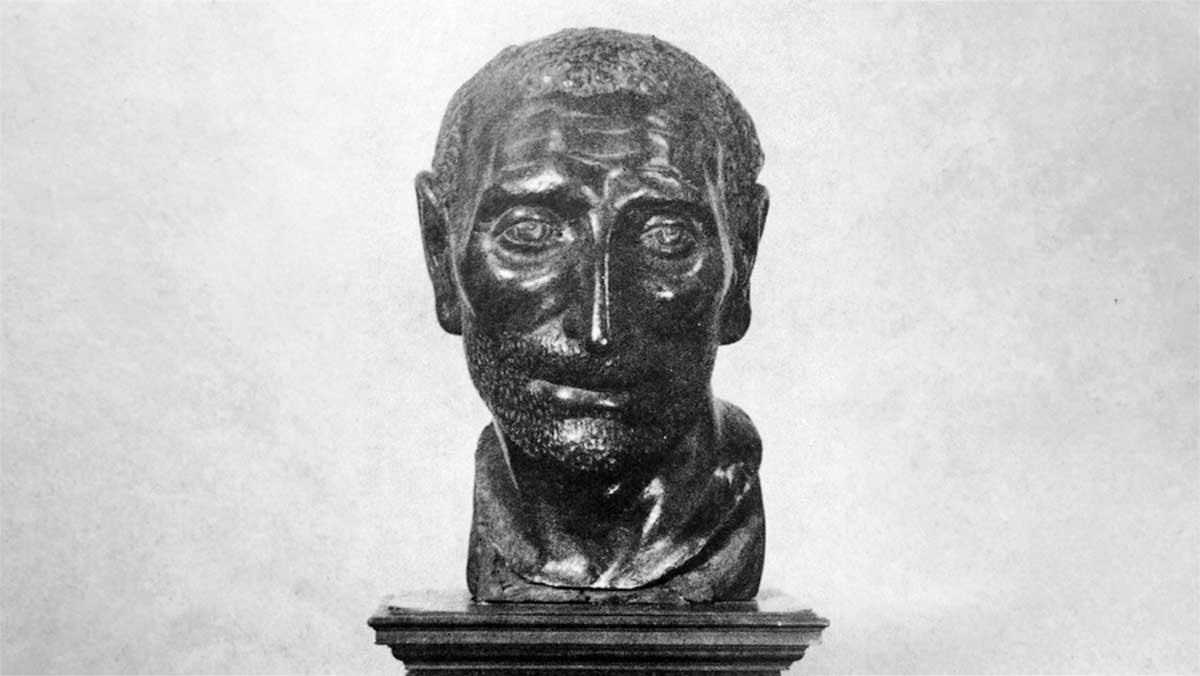
Livy doesn’t fit this mold. He was a wealthy provincial who seems to have had the time and money to pursue his passion for the past, but he was outside of the political sphere and had neither significant training nor access to official documents.
Livy was born in the town of Padua in Patavium, probably in 59 BCE. At the time, this was part of Cisalpine Gaul, but it was incorporated into Italy by Julius Caesar. Livy seems to have been one of the town’s wealthier citizens, and he often mentioned that he was proud of his origins. However, Livy would have been considered decidedly “provincial” by the Roman elite (Quintilian, Institutio Oratoria 1.5.56).
Livy spent his formative years embroiled in civil war, first Caesar’s wars, then between the Caesareans and Caesar’s assassins, and finally between Octavian and Mark Antony. These turbulent times probably limited Livy’s education, blocking him from studying in Rome or going on a tour of Greece, as was common for the wealthy male nobility. His writings seem to indicate that he did not have the same mastery of ancient Greek as Romans such as Cicero, perhaps as a result of his missed opportunities.
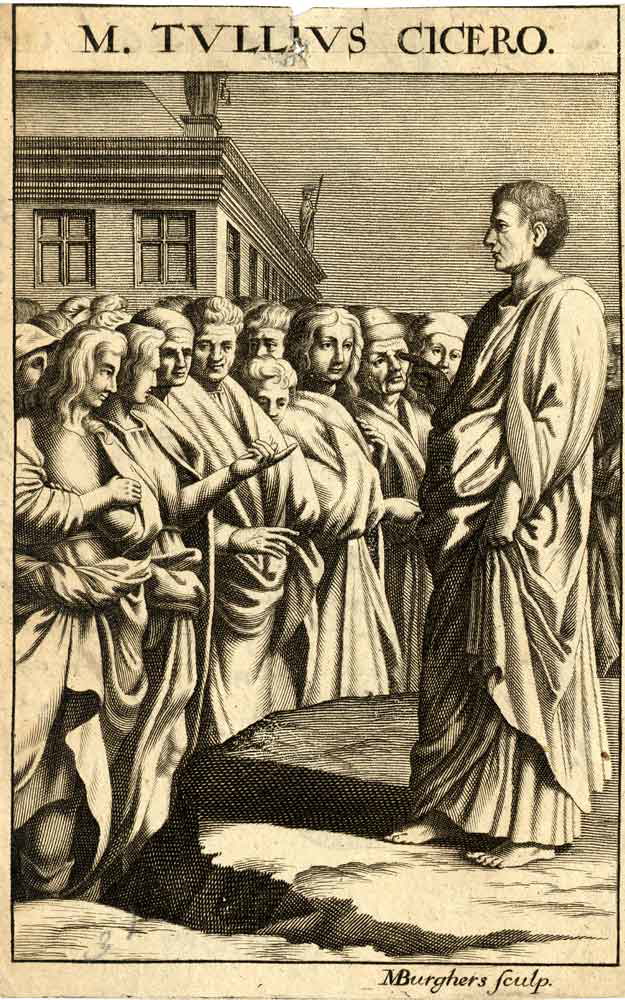
Livy finally came to Rome around 30 BCE, following Octavian’s final defeat of Mark Antony in 31 BCE and during his efforts to rebuild unity among the Roman people. However, Livy did not hold any political positions nor serve in the military, as indicated by some fundamental mistakes he makes in his descriptions of Roman military practices. Instead, he seems to have used his inherited wealth to finance a fine city life, which he would dedicate to the writing of history.
Early Publications and Patronage
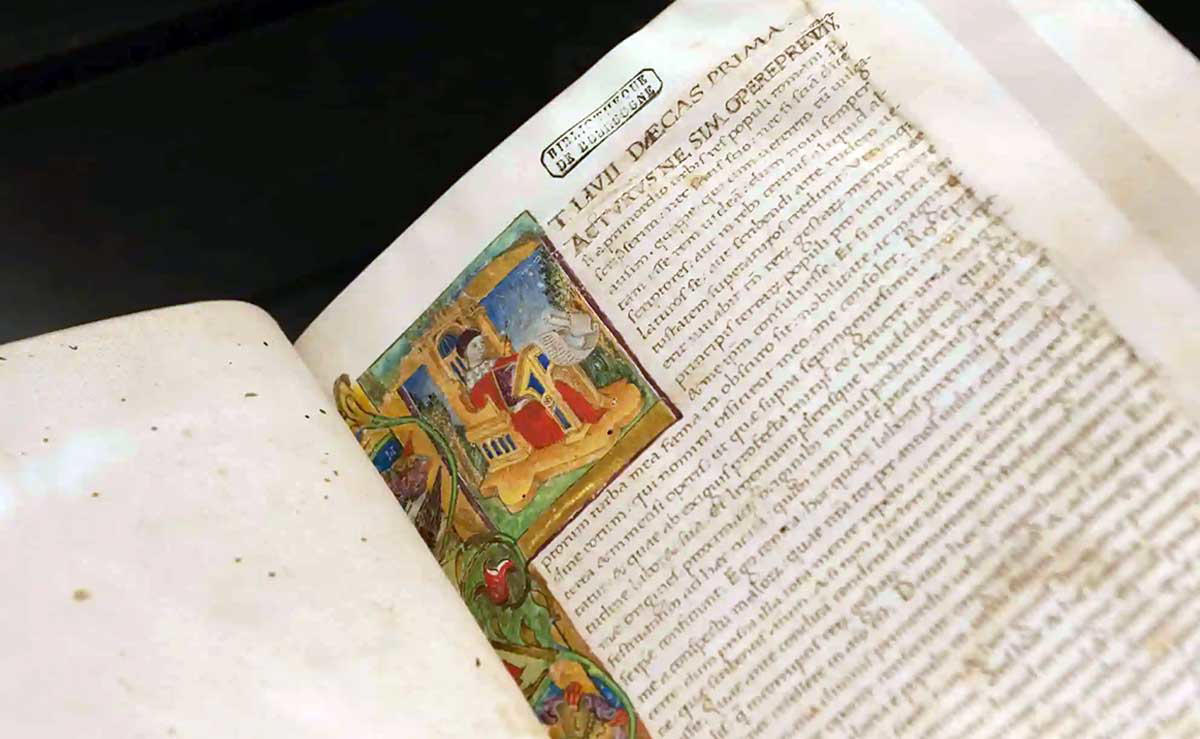
Livy would eventually publish 142 books in his Ab Urbe Condita, a history of Rome from before its foundation to the age of Augustus, as well as a few other works. The young Livy probably did not imagine such an ambitious work when he got started. Pliny the Younger recounted the anecdote that Livy once said that he had tried to quit his writings on more than one occasion, but his fascination with history would not allow it (Pliny the Younger, Letters 9,23).
Livy published his first five books, covering the history of Rome from its foundation myths to the Sack of Rome in 387 BCE, between 27 and 25 BCE. We know this from textual references. Octavian is already known by his title Augustus, which he received in 27 BCE. Livy also mentions that Augustus had closed the doors of the Temple of Janus, a symbol of peace throughout the empire, once. Augustus did this for the first time in 29 BCE, but he closed them again in 25 BCE.
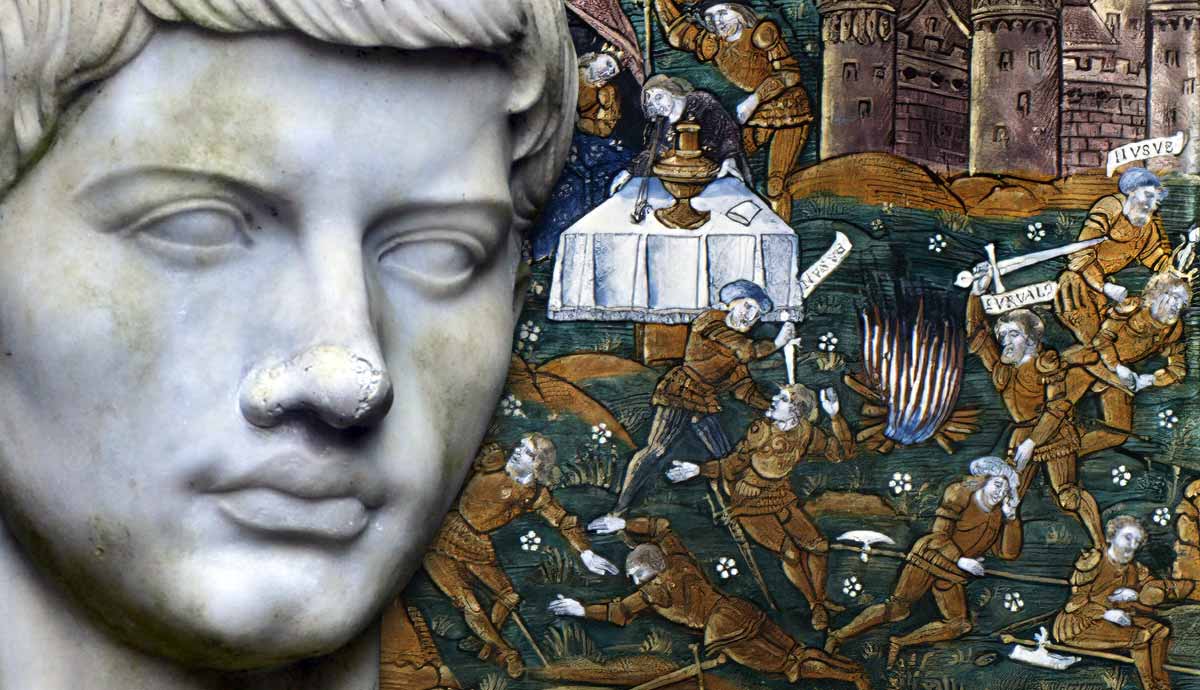
Before this, Livy was giving public recitations of his work in progress. This seems to be how he gained the attention of Augustus. Livy was working on some text about early Roman battles against various Italian nations. According to Livy, a cavalry officer, called Aulus Cornelius Cossus, gained fame at the Battle of Fidenae in 437 BCE when he became only the second Roman to ever defeat an enemy king in battle, the first being Romulus. Cossus decapitated his enemy, stripped his body, and took the spoils to Rome, where he dedicated them to Jupiter Optimus Maximus.
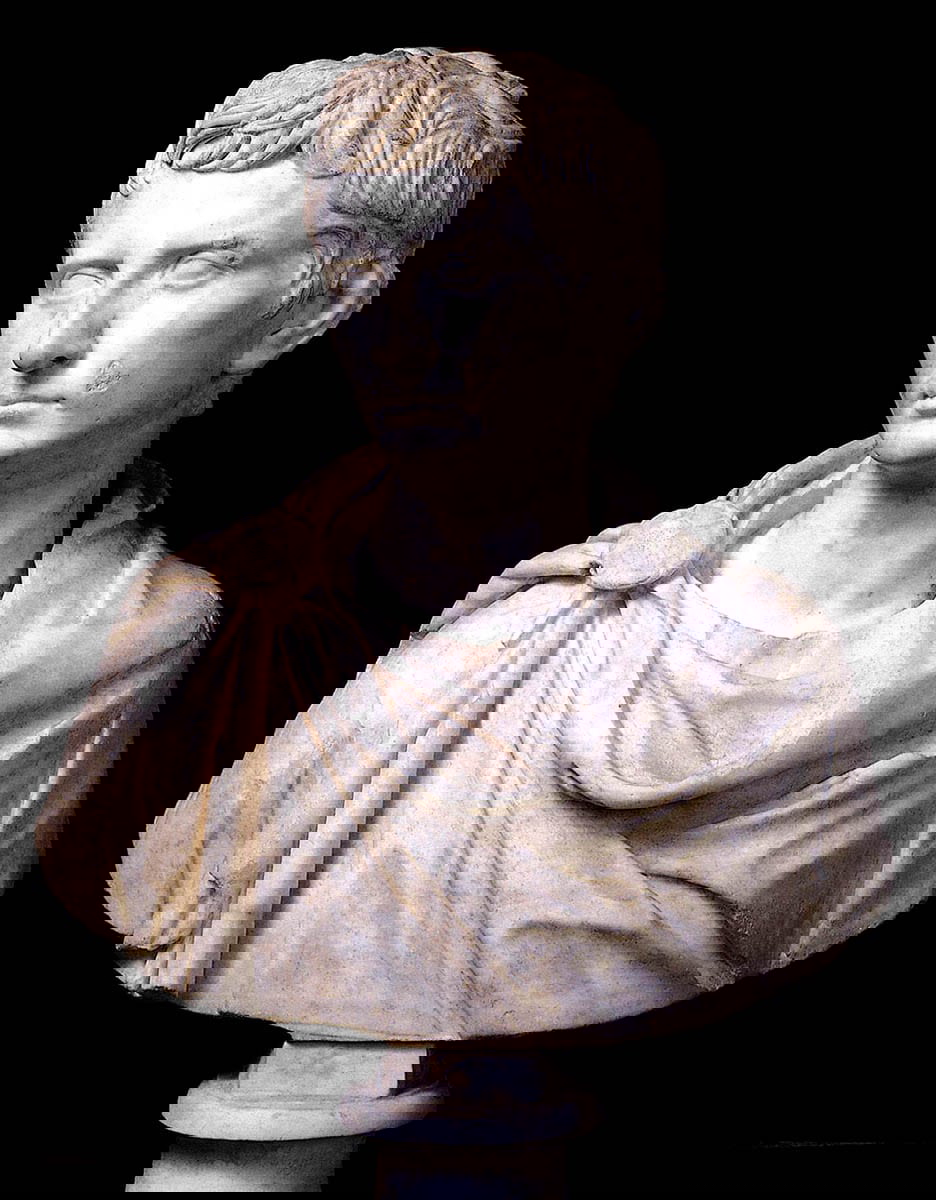
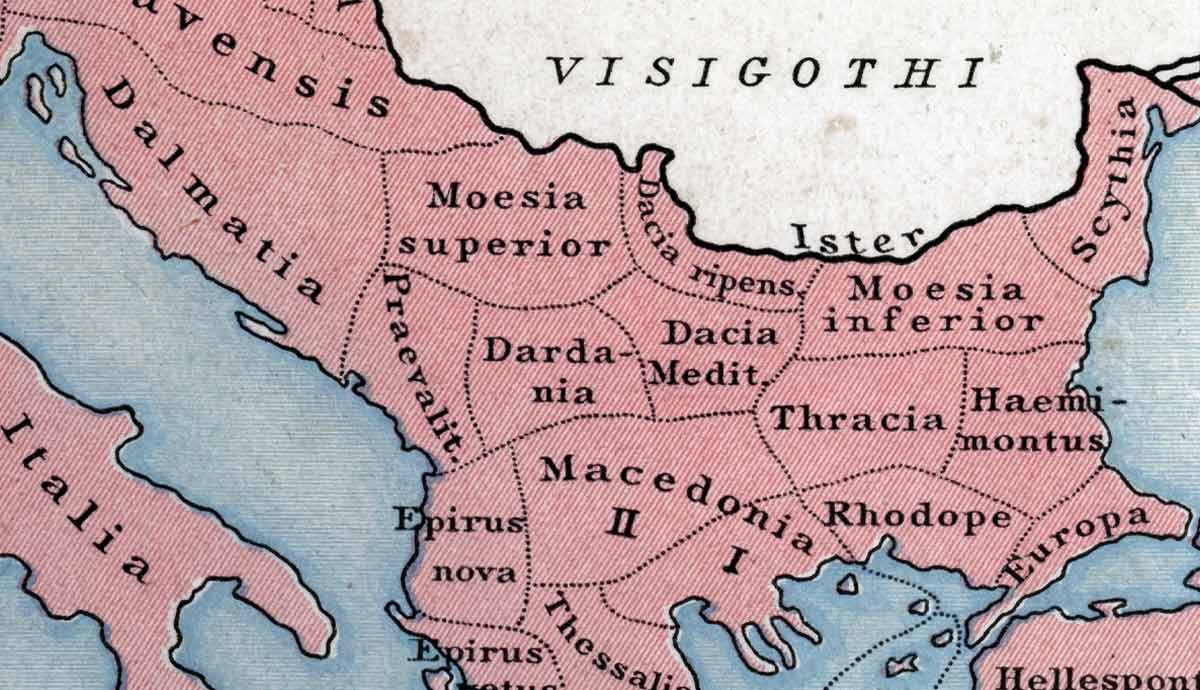
This fairly innocuous moment in what was already ancient history caught the attention of Augustus. He was adapting the tradition of spolia opima, exemplified by Romulus and Cossus, to boost his monopoly on Roman military honors. He claimed that only the commander-in-chief of an army could claim spolia opima. He was using this claim to block Marcus Licinius Crassus, the grandson of the famous triumvir, from claiming this honor after his victories in Macedon. Augustus advised Livy of this fact in a letter and provided him with “evidence” that Cossus had been consul and commanding officer, and not just a cavalry officer.
Livy added an addendum to the book, reporting Augustus’ discovery and hailing the emperor as an eminently reliable source for this new historical evidence. Augustus seems to have been mollified, and the two struck up a mutually beneficial relationship. Augustus gained a friendly historian to help spread the ideology of his new regime. Livy gained important patronage and validation of his work, which must have contributed to his reputation for “eloquence and truthfulness.”
Their friendship was so strong that a century later, the historian Tacitus would comment that although Livy praised Pompey so heartily that Augustus sometimes called him “Pompeianus,” it was no obstacle to their friendship (Tacitus, Annals 4,34). In 7 CE, Livy was also invited to tutor the imperial prince Claudius in history. Claudius was generally kept out of the public eye due to a health condition, possibly cerebral palsy, and Livy reportedly encouraged him to write history. This may hint at why Livy himself never pursued public office. If he also had a health condition, he may have had empathy for Claudius and shared personal advice. Of course, Claudius would eventually become a Roman emperor.
A Prolific Writer and Lost Works
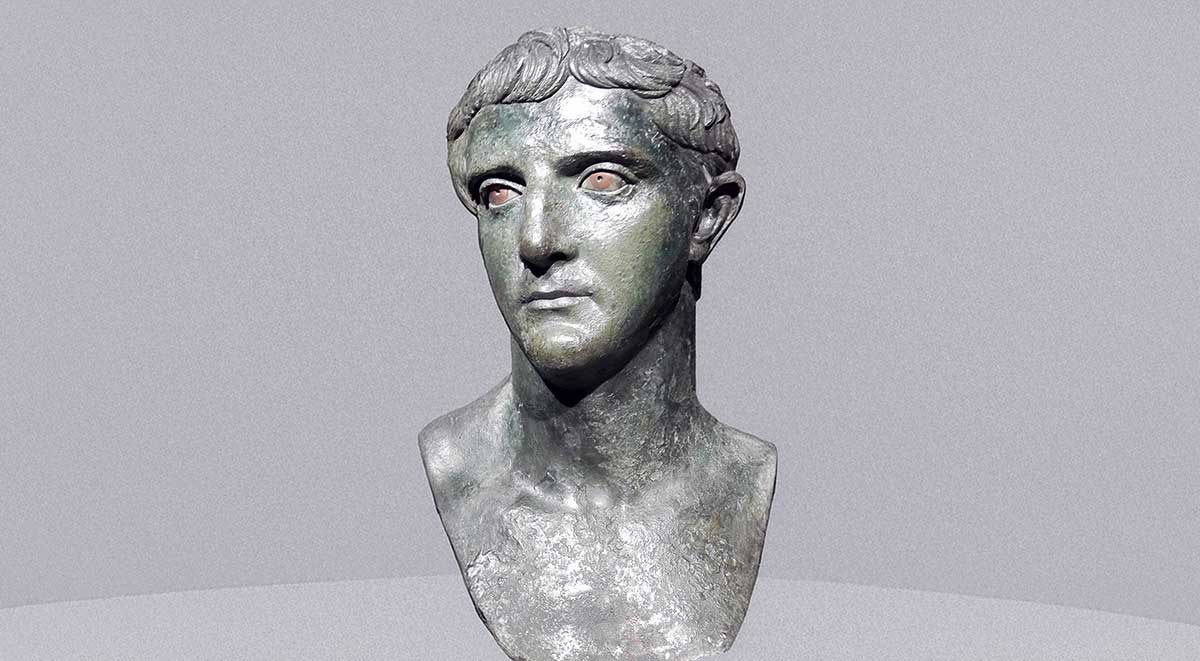
Despite finding imperial support, Livy would not publish his next five books until at least 9 BCE, 16 years later. We know this because he states that the Ciminian Forest was more impassable than the Hercynian Forest had been until recently. This region was opened by Drusus the Elder and Domitius Ahenobarbus in 9 BCE. These five books brought Livy to the Third Samnite War in 304 BCE.
Despite this slow start, Livy would then go on to publish 132 books, though some may have been published posthumously following his death in 17 CE. Pliny the Younger confirms that Livy’s work was still in high demand in his own day, about a century later. He also says that he himself was studying Livy when he heard news of the eruption of Vesuvius in 79 CE (Letters 6,20).
Some modern historians say that Livy’s first books are extremely well written, but there is a marked decline in the quality of his later work as it goes on, with the text becoming repetitious and verbose. Some suggest declining mental faculties in his later years. However, this is very difficult to judge, because so little of what Livy actually wrote survives. Most of what survives are the earliest books.
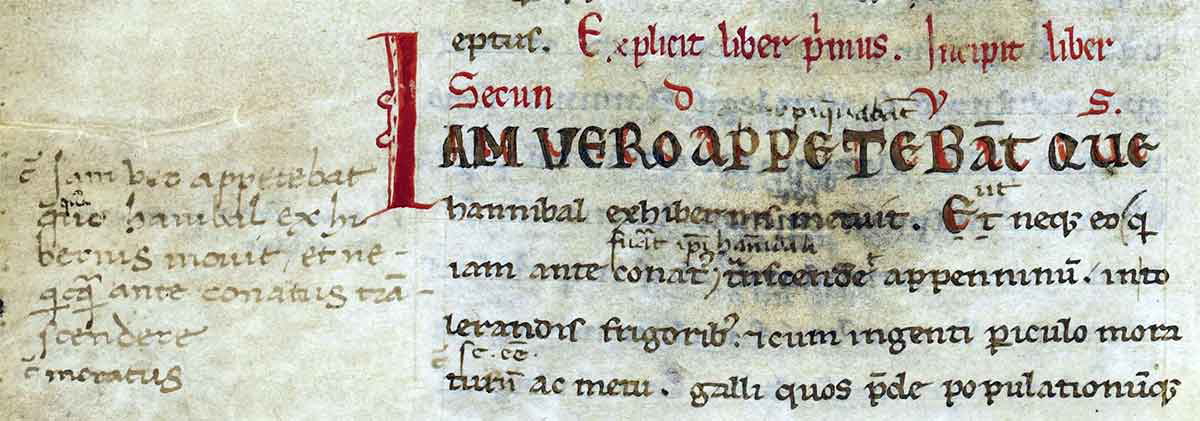
Livy wrote so much that even in ancient times, many people didn’t want to read the whole thing. Summaries and epitomes became common, as well as lists outlining what was covered in each book. These were “Cliff Notes” versions of an important and popular work. Nevertheless, these diminished copying practices meant that enormous sections of Livy’s work were lost. There was a push to track down surviving Livian manuscripts during the Renaissance, but with limited success.
Today, all that survives of Livy’s work are books 1-10, which we have already mentioned, and books 21-45, which cover the period from the start of the Second Punic War in 219 BCE to the Third Macedonian War in 166 BCE.
A Popular Historian
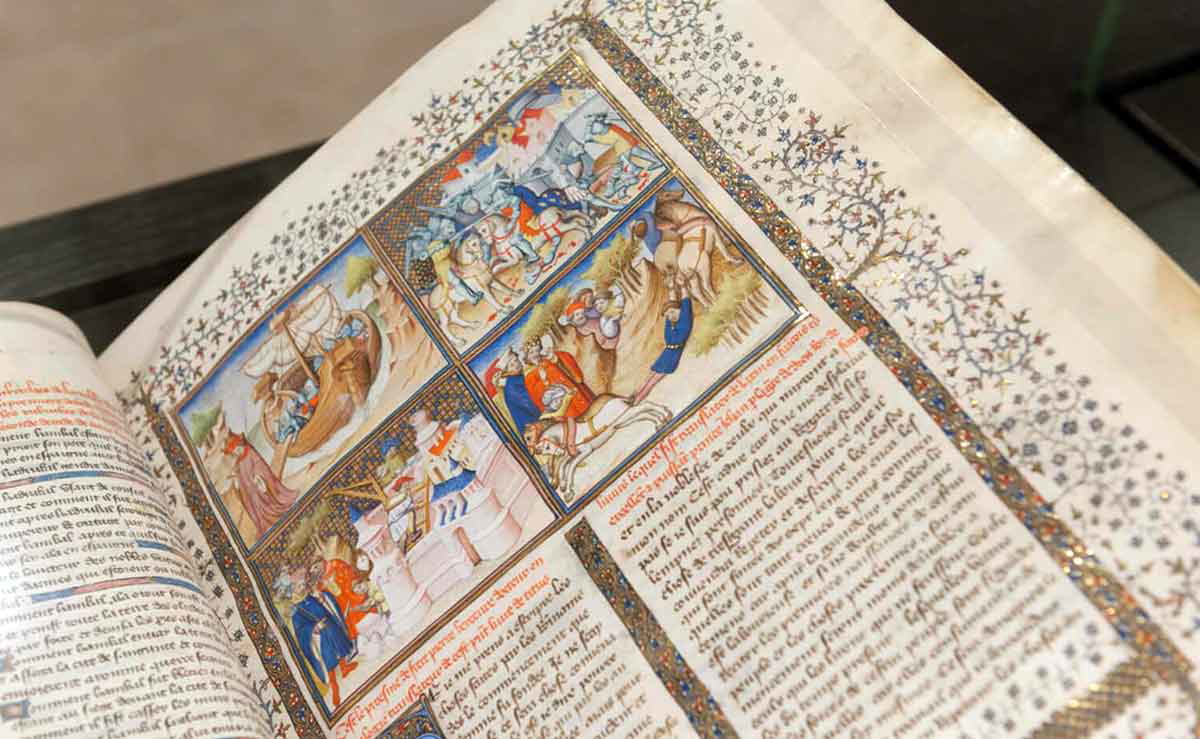
There is no doubt that Livy was a popular historian. According to Pliny the Younger, a man from Cadiz travelled to Rome just to meet him. But he was also a “popular historian” in the modern sense, in that he seems to have written “bite-sized” stories from history that would appeal to the masses rather than taking an “academic” approach.
There is no evidence that he used any primary documents to verify his stories, and we know that any access he had to official documents was limited. Instead, he seems to have chosen stories from other historians and retold them in his voice, creating engaging popular history books for everyone. But comparison with other sources and glaring internal inconsistencies suggest that many of his stories just weren’t accurate.
Nevertheless, this approach seems to have suited Livy’s purpose. Despite his annalistic format, starting each year with the names of the consuls and a list of prodigies, temple dedications, and triumphs, he then focuses on exempla stories that have a moralistic message, suggesting behavior to imitate or avoid.
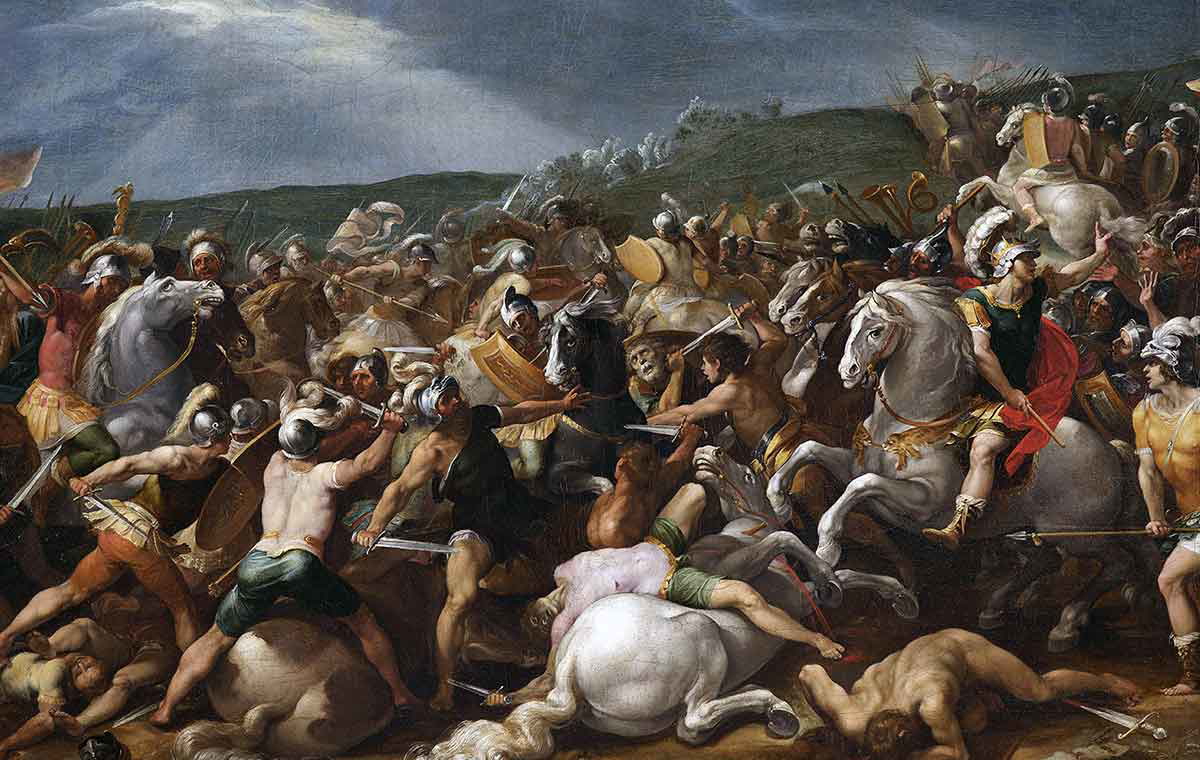
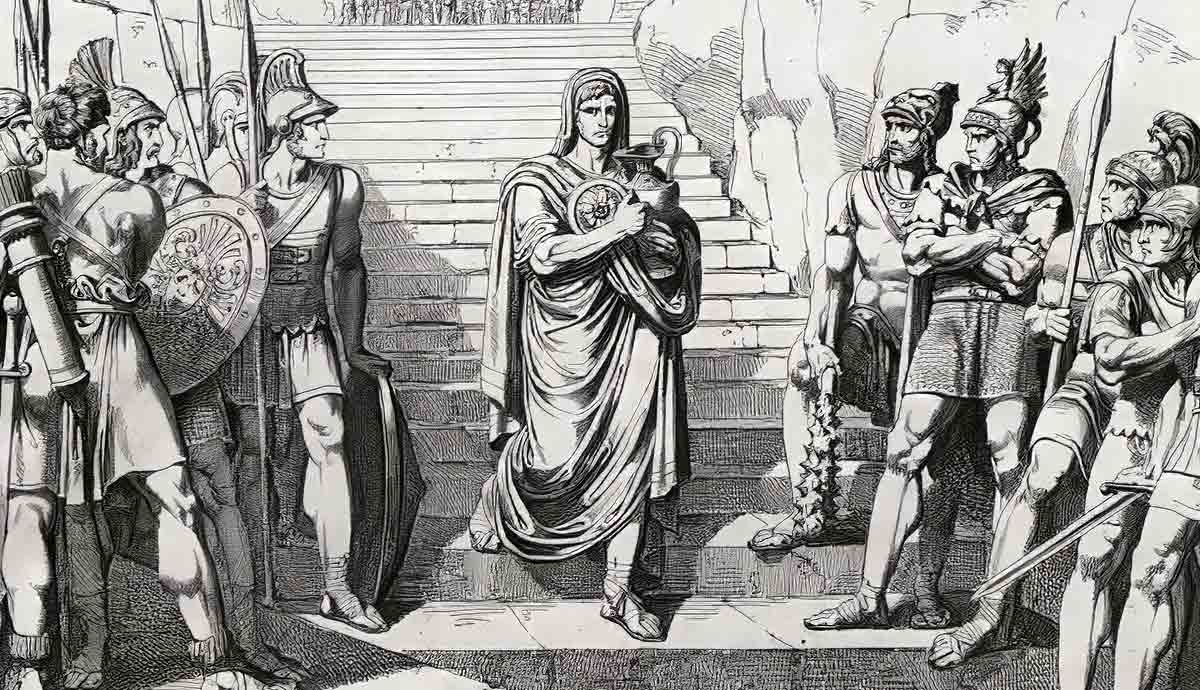
When he recounts the Roman King Tullus Hostilius showing disrespect for the gods and then his house being struck by a thunderbolt, we learn that mocking the gods is bad. When Marcus Atilius Regulus is captured by the Carthaginians, he is sent to Rome to negotiate peace, but only if he swears to return to Carthage if he fails. He returns to Carthage despite facing a gruesome death, keeping his word above all. These are historical fables, which would have been entertaining and well-received when recited to a public audience, as Livy was wont to do.
While there is nothing wrong with this approach, Livy was so popular that when he recounted a historical story, it became history. As well as influencing popular opinion, he was a source for later historians, like Aurelius Victor, Cassiodorus, and Festus, not to mention modern scholars. This means that Livy’s inaccuracies have become part of the historical record.
An Ideological Agenda
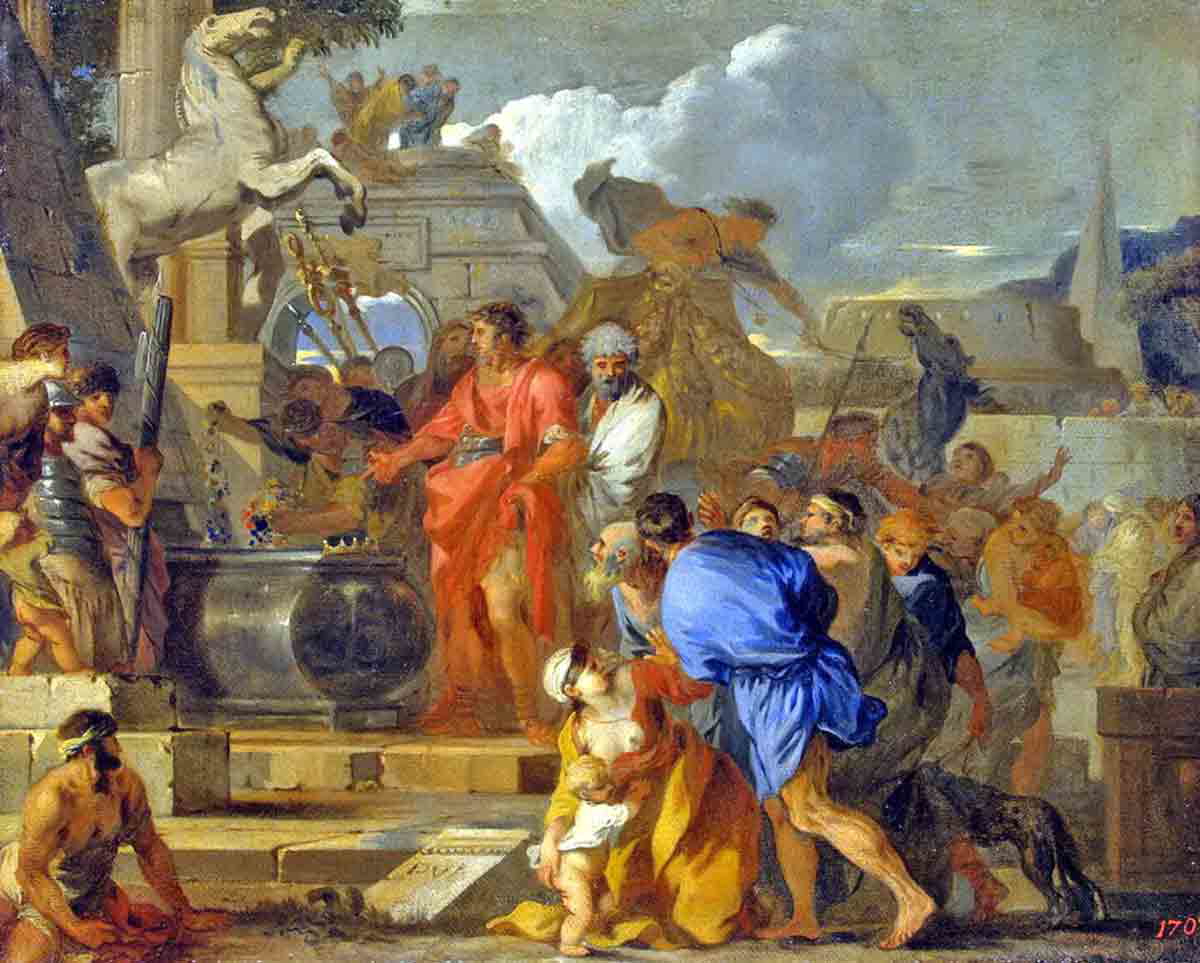
Livy’s approach was matched by a clear ideological framework. In his preface, Livy says that his purpose in writing was not fame for himself, but to preserve the memory and deeds of the world’s pre-eminent nation, Rome. This was very much in line with the ideology of the day, promoted by Augustus and his new regime.
Rome was especially favored by the gods to conquer and civilize. We see the same theme in Virgil’s Aeneid, written around the same time, which established the Trojan hero Aeneas as both the ancestor of the Roman people and of Augustus and his household specifically. It was his destiny to set in motion the foundation of the great Roman state. It is surely not a coincidence that Livy starts his history of Aeneas, and not with Romulus or the expulsion of the kings. He ends with Augustus, his own time, but also suggesting, just as Virgil did, that the rise of Augustan Rome was the culmination of that destiny.
Livy shows his clear bias when he claims that if Alexander the Great had lived longer and turned his attention west, he would have been defeated by the Romans, in one of the earliest examples of “alternative histories.”