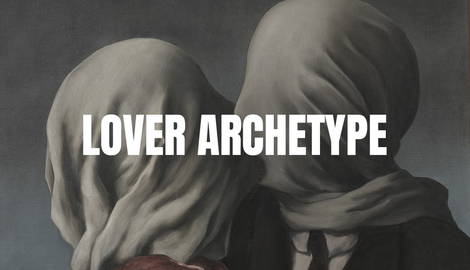
What makes us love things—whether they’re other people, songs, evening skies, stories, or simply being alive? Carl Jung thought that deep within us all are powerful inner patterns, which he called archetypes, that shape our thoughts, emotions, and relationships. And one of the most profound is the Lover.
But Jung’s Lover isn’t just about sexuality. It has a far wider brief, including deep emotional bonds, beauty, creativity, and a yearning for meaningful connection.
Below, we will examine how the Lover archetype can provide insight into love, art, and self-understanding. Are we embracing life through our emotions or becoming trapped in an endless yearning? Let’s discover more.
Understanding the Lover Archetype
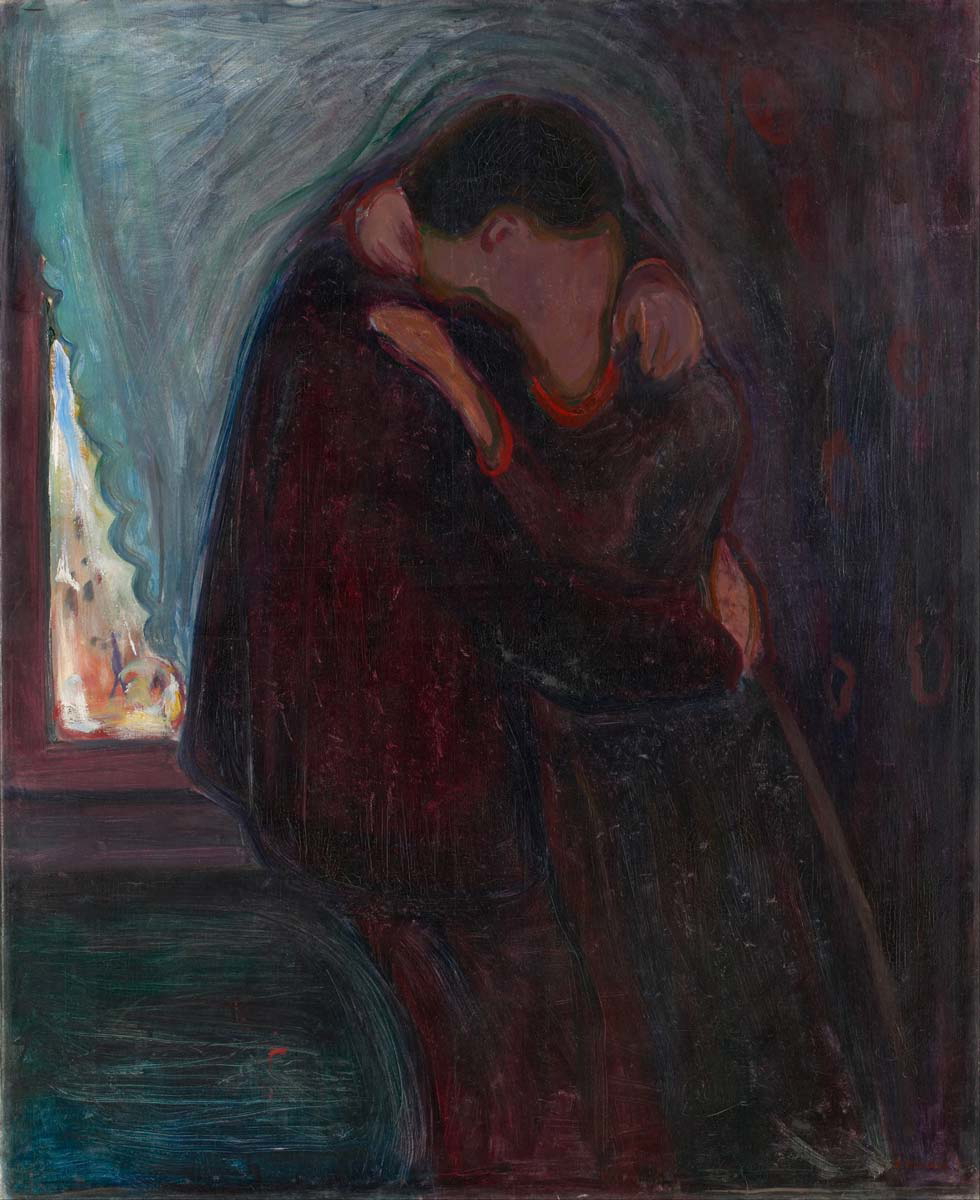
According to Carl Jung, the Lover archetype is an incredibly passionate and emotionally complex character from the collective unconscious.
Where the Hero looks for conquest, and the Shadow hides away things we fear, the Lover wants, above all, to feel things deeply, connect with them completely, and live with ever-increasing intensity. This figure longs for union with whatever it finds desirable: another person, an idea it can develop, a beautiful landscape.
Its domain is not only romantic love but love in all its forms—love of life, too.
Jung saw that the Lover is one among the most important archetypes because it touches on experiences common to being human: bonding with things, showing yourself as you really are, and merging with something you admire.
People feel this urge to connect with beautiful objects, sentimental possessions, and meaningful activities.
Within ancient philosophy, we find a similar yearning for unity expressed in Plato’s Symposium. There, love—eros impels mortals to reach for divinity through beautiful bodies.
For Jung, this internal Lover not only exposes us to our craving for other human beings but also our craving to be whole. In art, in relationships, and in experiences of awe, the Lover insists that life is not to be thought but to be felt—and that vulnerability, more than a signal of weakness, is likely what makes us human.
The Lover as a Beauty-Seeker
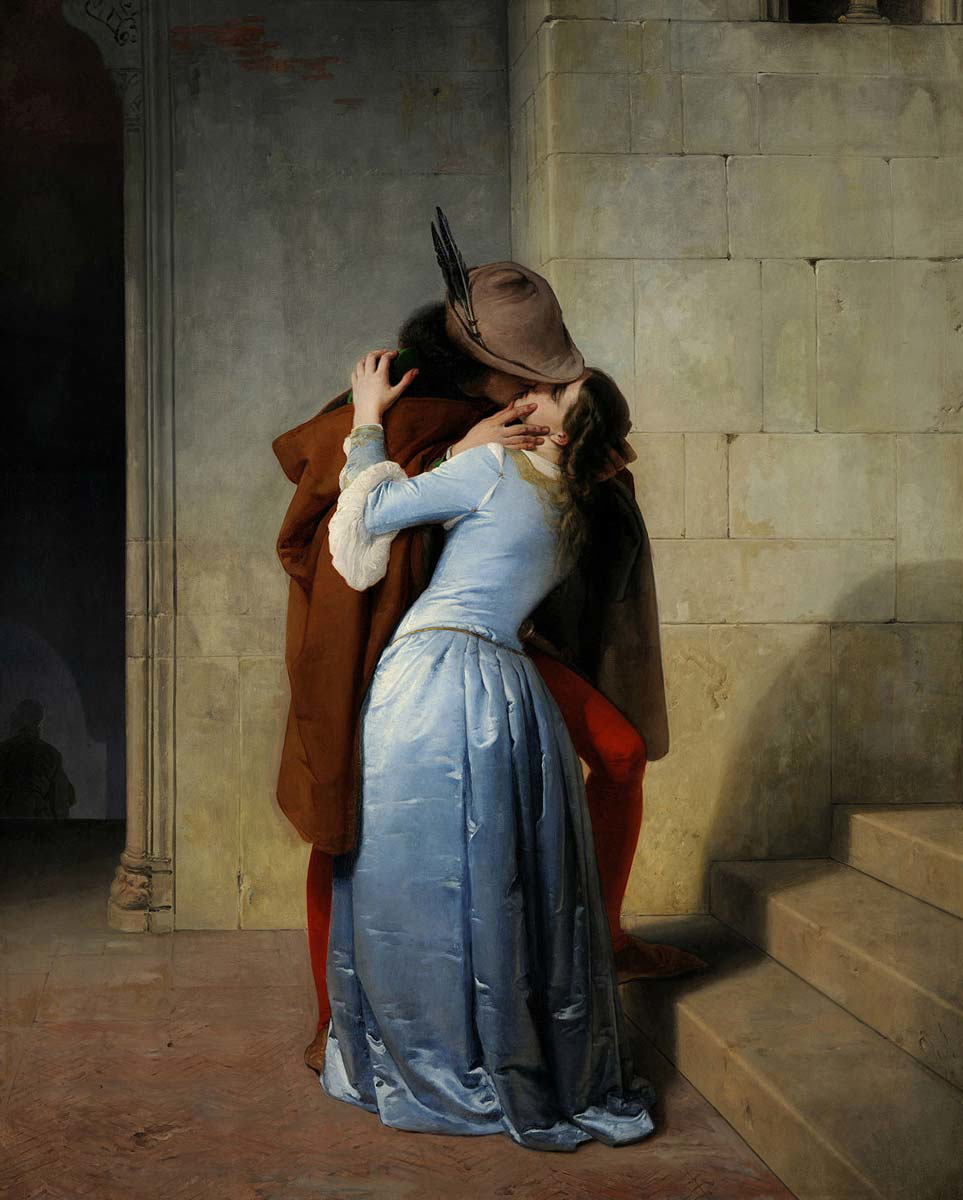
The Lover archetype has a hunger for more than just love—they also want to be close to all things beautiful. Be it a piece of music, a person’s face, a moment of kindness, or even just one scene during an average day, Lovers spot magic where others might not see anything special at all.
This receptiveness to the beautiful is not shallow—it’s mystical. In the Lover, something deeper, something sacred, is touched by beauty.
According to Plato, beauty offered more than just a pretty face; it could point towards the divine. He wrote in The Symposium that while physical attractiveness has its charms, it can also bring us closer to truth or spiritual fulfillment, sometimes both at once.
So don’t think your lover is only interested in looking good. They may be using art and nature as ways to reach higher truths.
Even Immanuel Kant, a philosopher, thought there was more to beauty than its surface appearance. When we have aesthetic experiences, Kant believed, they allow us to glimpse things that go beyond reason—an idea he called “disinterested pleasure.”
For Schopenhauer, this feeling went even deeper. He said moments of beauty were special because they let us escape for a while the endless struggle of day-to-day life, as well as touch something eternal.
People who are in love thrive on such moments. If they see a great painting, hear moving music, or just look lovingly at each other, everything may seem to stop around them.
Beauty does not just prettify things for these individuals. Rather, it reveals facts of a kind (about connection with others, self-identity) that otherwise remain hidden, truths connecting one’s finite existence with aspects of infinity itself.
Passion, Creativity, and the Drive to Express
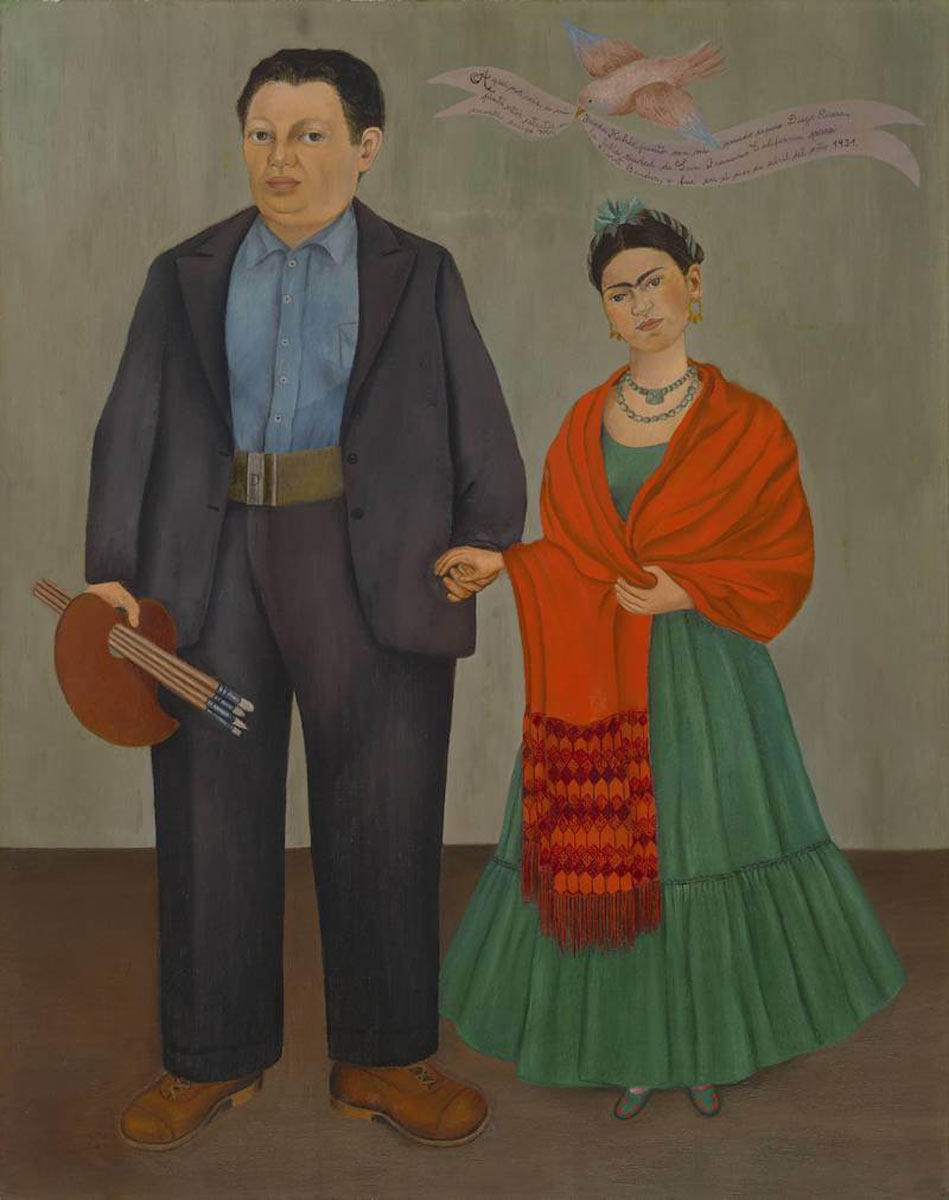
Those with the Lover archetype don’t just love people—they burn with passion for beauty, life itself, and self-expression.
And it is this burning desire that often sees them channeling their feelings into works of incredible creativity: painting, music, poetry, and dance. In creating art, they hold a mirror up to their souls.
Think of Frida Kahlo, who took her pain and wove it into pictures that throb with feeling. Or 13th-century Persian poet Rumi, spinning verses where love hums behind every comma—not just any love, but a deep-broiling swirl for existence, for divinity’s face.
Such people exemplify what it means to be creators with raw hearts: truthful, intense, and fully alive.
Carl Jung believed that to be yourself was to reveal what was within one’s heart. He called this individuation. For the Lovers, that meant transforming feelings into art: not any artwork but a work that transformed them within.
Passion was also at the heart of Friedrich Nietzsche. He believed that having strong desires brought a sense of vividness and realness to our lives. Otherwise, we would just exist rather than live.
For Lovers, there is no question about whether to be creative—survival is at stake. Their creative lives allow them to relate to their inner self and to the external world.
In creating a work of art that’s meaningful to themselves, they take a positive role in creating their identities: this is a statement about love.
Connection, Intimacy, and the Search for the Other
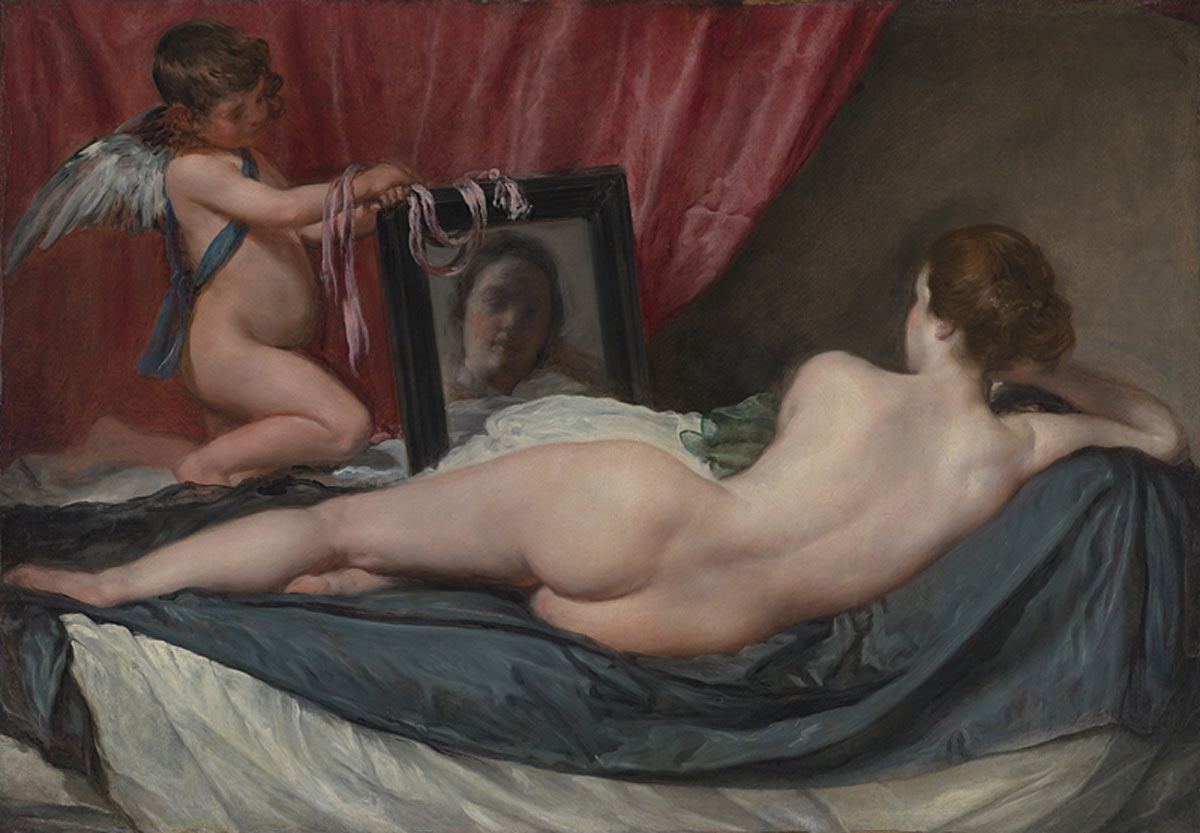
The archetype of The Lover desires not just romance but a deep connection with another person’s soul.
Those who embody this archetype want more from their relationships than casual chit-chat. They long to know others (and be known themselves) on an emotional level so intense it can only be called intimate.
This is what philosopher Martin Buber meant by the I-Thou relationship. In this holy meeting, you relate to the other person as a being, not a thing. You’re there, you’re honest, you honor them—and they do the same for you.
This is the kind of relationship in which love can really grow. It’s not about control or usefulness—it’s about true communion.
This is different from thinkers like Descartes. He said, famously: “I think, so I am.” This builds the idea of self on being isolated, and aware of it.
But someone in love would disagree. They might say: “I connect; therefore, I become.” We are not forming our identities in solitude here; it happens through our relationships.
Those who follow the Lover archetype want to connect with everybody. They do not want there to be barriers between themselves and others, but this does not mean they lose themselves by getting closer to people.
Love shows them that it is possible to grow and change through close encounters, whether these are with friends, conversation partners, or romantic interests.
It reminds us that to be fully human is to be deeply related. To love well is not weakness—it’s wisdom.
The Shadow Side: Obsession, Loss, and Fear of Rejection
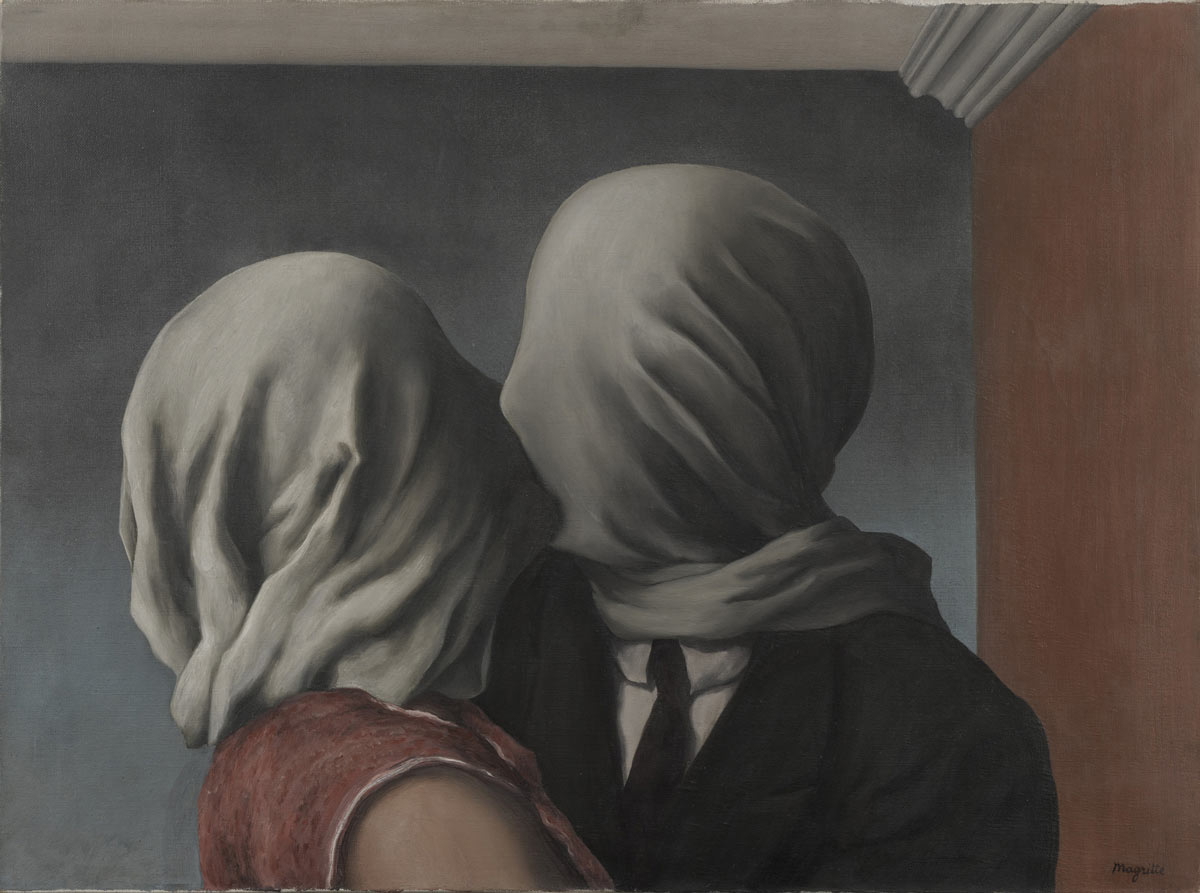
All archetypes have a shadow, and for the Lover, it is intense. As much as this archetype is passionate and connected, it leaves the door open for obsession, jealousy, and heartbreak.
Carl Jung felt that when we identify too closely with an archetype—such as the Lover—then we are at risk of falling prey to its darker counterpart. Love becomes an addiction and a fear of rejection.
Think of the pain of unrequited love or losing someone you deeply care about. The emotional intensity that once felt magical now feels unbearable.
Kierkegaard, the existentialist, called this kind of deep inner suffering despair, when love turns inward and leaves us feeling empty or unworthy.
Simone de Beauvoir believed that authentic love is reciprocal, where both people are free and equal. But when love becomes possessive or needy, it loses that balance.
The Lover’s fear of losing touch can actually prevent real intimacy. Rather than giving love generously, we may attempt to control, cling, or withdraw. The more we fear being alone, the more likely we are to undermine the very relationships that are our heart’s desire.
Knowing the Lover’s shadow is not getting lost in love, but loving with awareness. True passion is vulnerable. Facing the shadow, we learn to love in strength and in liberation.
So, What Is Jung’s Lover Archetype All About?
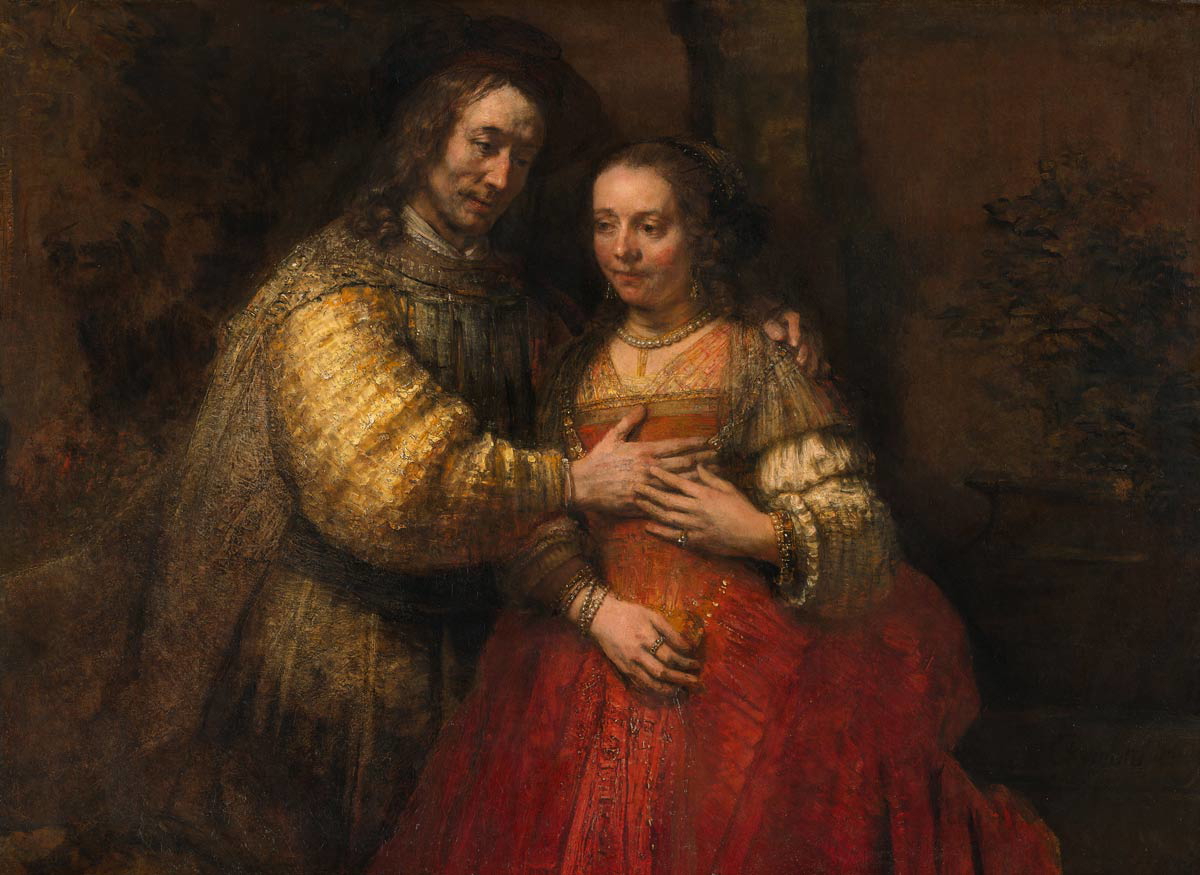
The Lover archetype, as Carl Jung described it, is all about deep feeling, rich emotion, and our drive for connection. It’s the part of us that seeks beauty in people, in art, in life, and wants to experience everything fully.
When it is present, it calls forth joy, imagination, passion, and deep relationships. It ignites our art, our love, and our moments of profundity.
However, when left in a state of unconsciousness, the Lover descends into obsession, jealousy, and emotional dependence. Perhaps we grasp too closely, get lost in yearning, or fear rejection.
It is not a weakness but a reminder that we are human. It is a reminder of learning to allow ourselves, without apology, to feel so deeply and be aware of it.
In a world where, all too often, logic is held in esteem above the heart, The Lover whispers a simple truth: it is not only natural but necessary to feel, love, and connect.