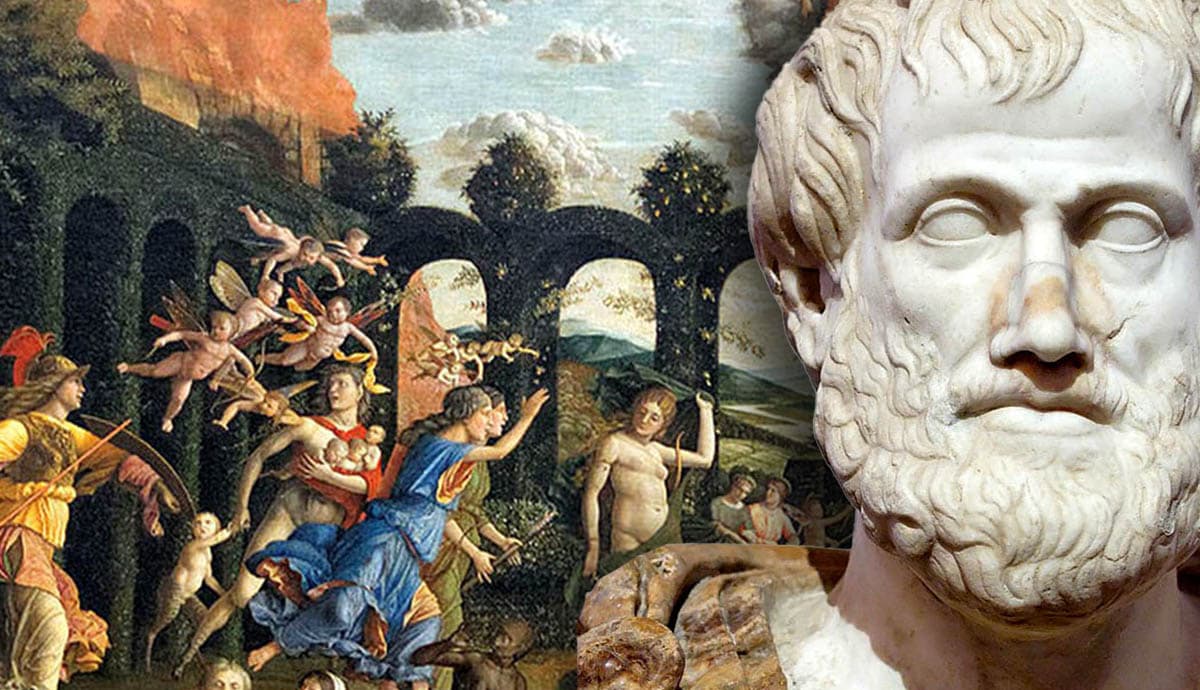
Aristotle shaped how we argue, explain nature, and think about a good life. Millennia later, modern philosophers haven’t discarded him. They’ve rebuilt on Aristotle: upgrading logic, re-framing teleology for evolution, renewing virtue ethics, and testing his metaphysics against identity puzzles. Here’s how four modern thinkers extend Aristotle for today.
Aristotle & Virtue Ethics: Alasdair MacIntyre’s Revival
Aristotle wrote on many topics, but some of his most famous pieces relate to virtue ethics. He believed that virtue came from finding a balance between opposing character traits. He argued that being able to judge that balance led to a good life. Today, his theory remains popular and is still taught and discussed.
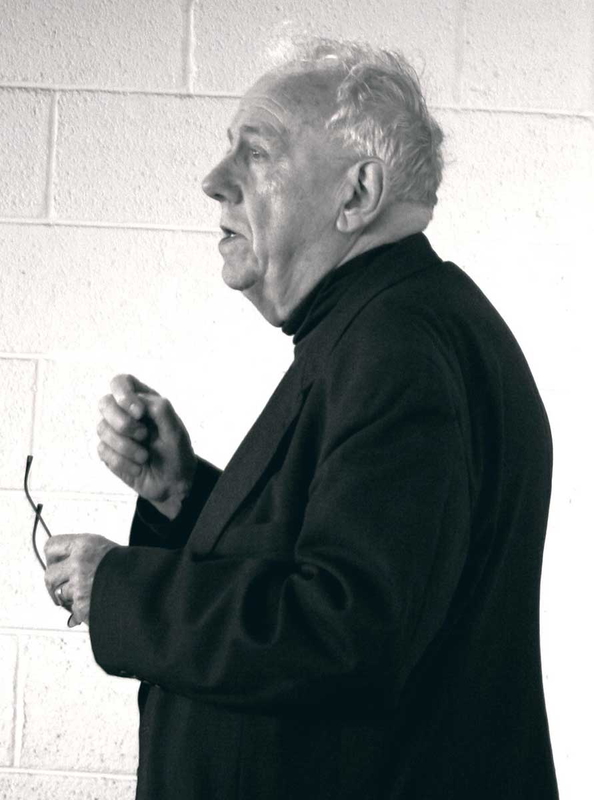
Scottish philosopher Alasdair MacIntyre was inspired by this. His work After Virtue, published in 1981, draws heavily on Aristotle’s ideas while still remaining distinctive. MacIntyre stays true to Aristotle by exploring similar themes—such as character, judgment, and the good life—but builds on them with new ideassuch as the importance of community and goods. Ultimately, he uses Aristotle’s ideas as a foundation and adds his own perspective on virtue ethics to criticize modern moral philosophy and advocate for a return to virtue-centered ethical theories like Aristotle’s.
What it means today: Virtue ethics focuses on character, habits, and communities, thereby shaping leadership training, professional ethics, and civic education that go beyond rule-based checklists.
Aristotle & Logic: Bertrand Russell’s Revolution
Aristotle made many significant contributions to the philosophy of logic. Perhaps his most famous contribution is developing syllogistic logic, which involves breaking down arguments into premises and a conclusion and uses deductive reasoning to determine the argument’s validity. Aristotle also proposed ideas such as categorical propositions, the square of opposition, the principle of non-contradiction, and the doctrine of predicables.
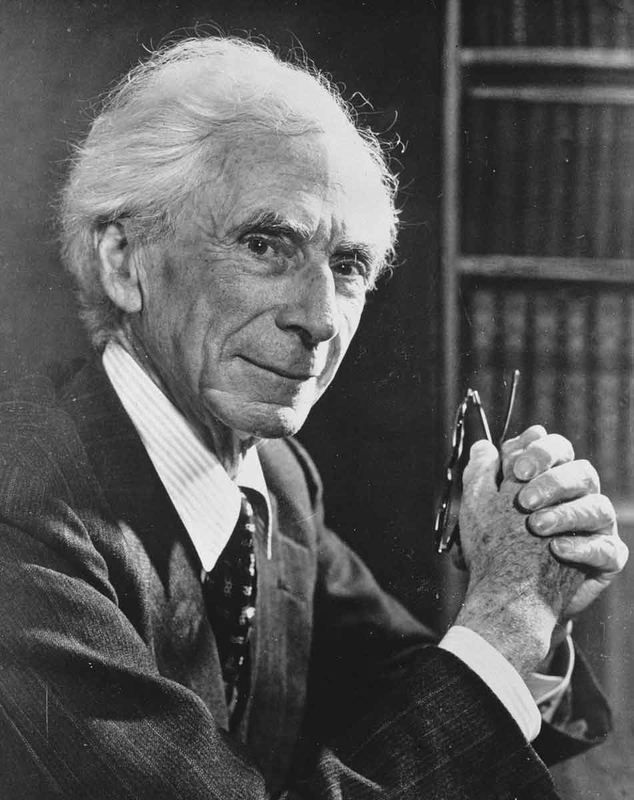
Aristotle’s work became fundamental for further study of logic, and it is no exaggeration to say that without him, logic as it is today would not be the same. Still, it was the work of later philosophers who revolutionized it into what it is now. Bertrand Russell, a prominent 20th-century philosopher, expanded Aristotle’s ideas with formal methods and concepts. Russell expanded the scope of logical inquiry, transforming ancient Greek thought into the modern field of logic.
What it means today: Symbolic logic underpins computing, AI, and analytic philosophy, bringing formal precision Aristotle began to arguments he couldn’t fully model.
Aristotle & Teleology: Ernst Mayr’s Evolutionary Reboot
In the fourth century BC, Aristotle’s teleological view of nature was revolutionary. He argued that natural objects—such as people, animals, and plants—have inherent purposes or ends, and they each have intrinsic tendencies that guide them toward those ends. This philosophy posits that everything is orderly and functions to achieve a goal.
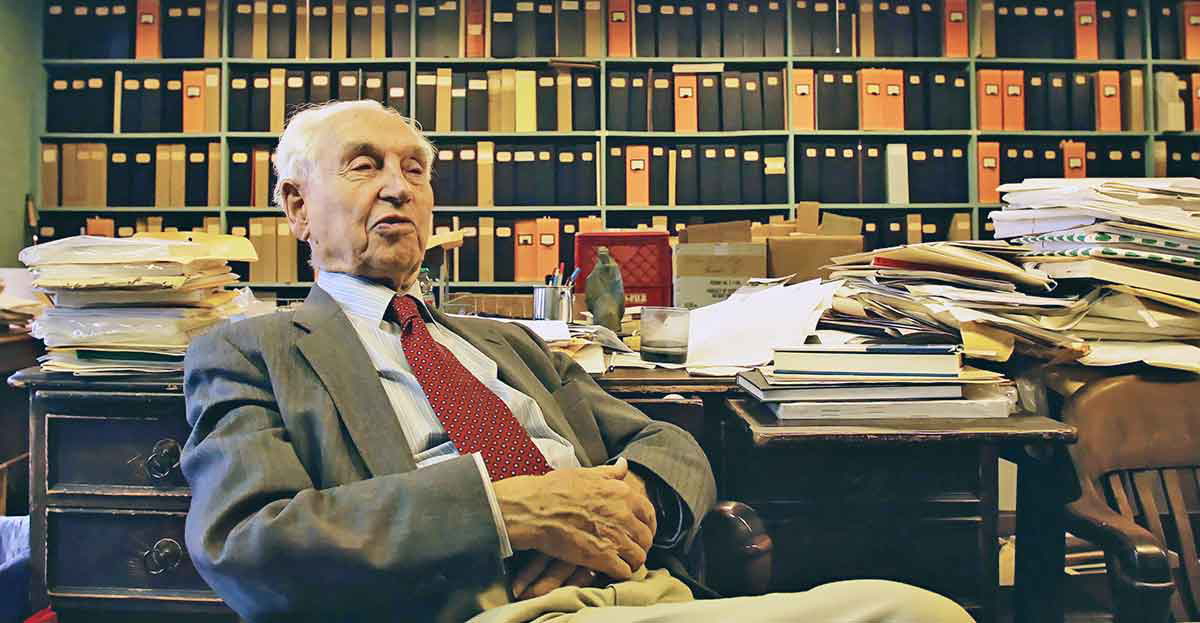
Nowadays, scientists know not everything is so cut and dry, but that doesn’t mean Aristotle’s views weren’t influential. Ernst Mayr, known for his work in biological philosophy and evolutionary biology, reconceptualized ancient teleological concepts within the framework of Darwinian evolution. He argued that teleological ends could be understood as natural selection—that species seem to have a purpose because they have adapted certain ways to survive. He emphasized the importance of natural processes and change over the inherent designs Aristotle envisioned, yet he integrated those beliefs within the framework of modern science and philosophy.
What it means today: Natural selection explains “purpose” as function—clarifying design talk in biology and avoiding teleology traps in science communication and classrooms.
Aristotle & Metaphysics: David Wiggins on Substance & Identity
In the branch of philosophy known as metaphysics, the study of the nature of reality, Aristotle posited theories of substance. He believed substance, anything that exists independently and is not reliant on something else, to be the fundamental reality underlying all existence. Aristotle distinguished between primary and secondary substances. His beliefs on substance are closely tied to his beliefs on form and matter.
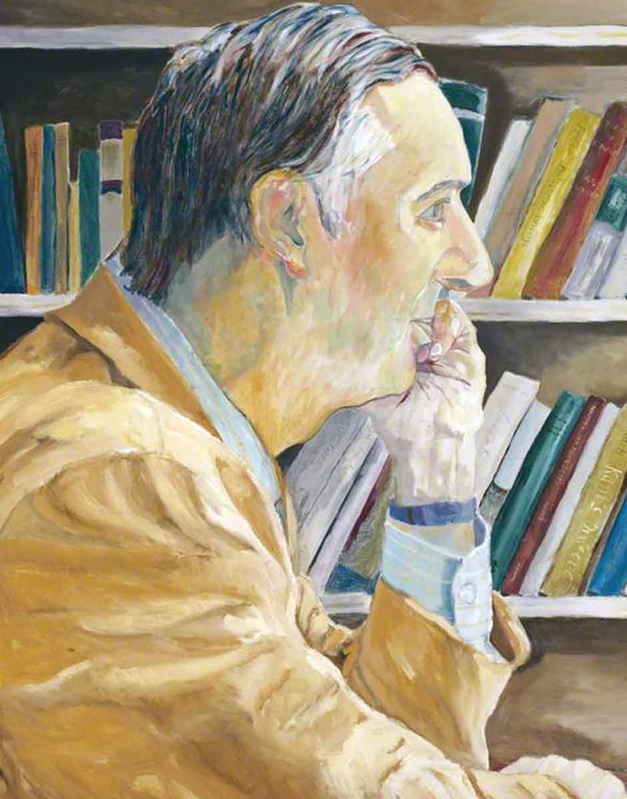
Metaphysician David Wiggins engages with Aristotle’s thoughts in his work Sameness and Substance Renewed. Aristotle’s Metaphysics forms the basis of Wiggins’s explorations of identity, essence, and individuation. He draws upon ancient insights to develop modern-day theories. He critically assesses the views in light of contemporary philosophical debates, allowing him to bring classical metaphysical concepts into dialogue with modern philosophy.
What it means today: Substance and identity debates guide bioethics and law—personhood, persistence, and AI identity—updating Aristotle’s form–matter insights for modern dilemmas.
How Modern Philosophy Built on Aristotle (At a Glance)
| Aristotle’s idea | Modern upgrade | Today’s impact |
|---|---|---|
| Virtue ethics | Alasdair MacIntyre reframes virtues within practices, traditions, and community goods. | Revives character-first ethics in leadership, education, and professional practice. |
| Logic (syllogisms, categories) | Bertrand Russell (with Frege/Whitehead) formalizes symbolic logic and quantification. | Foundation for analytic philosophy, computer science, and AI reasoning. |
| Teleology (ends/purposes in nature) | Ernst Mayr recasts “purpose” as selected function via natural selection. | Clarifies biology and science communication; avoids pseudo-design claims. |
| Metaphysics (substance, form–matter) | David Wiggins develops criteria for identity and persistence over time. | Guides debates in bioethics, law, and AI identity/continuity. |