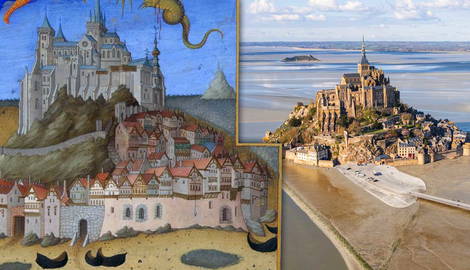

Initially founded as an abbey on an island off the coast of Normandy, Mont-Saint-Michel became one of the most formidable fortress towns in Western Europe during the Medieval period. Today, it is a UNESCO World Heritage site attracting millions of tourists every year eager to discover its remarkable story.
The Origins of Mont-Tombe
Before it became one of France’s most famous medieval monuments, Mont-Saint-Michel was known as Mont-Tombe, a rocky island at the edge of the Couesnon estuary. Its isolation and location made it a site of local reverence even before the arrival of Christianity. The recorded history there begins in 708 AD, when the Archangel Michael allegedly appeared to Aubert, Bishop of Avranches, instructing him to build a sanctuary. After initial hesitation, Aubert complied, establishing a small oratory dedicated to the archangel on the summit.
This early chapel attracted pilgrims from the surrounding Frankish territories, and Mont-Saint-Michel quickly became a regional center of devotion. Saint Michael, depicted as a warrior defending heaven from evil, came to represent divine protection for those living in an era marked by instability and conflict. In the 9th century, Viking incursions devastated many monasteries along the Norman coast, but Mont-Saint-Michel’s isolated position and natural defenses allowed it to survive largely intact.
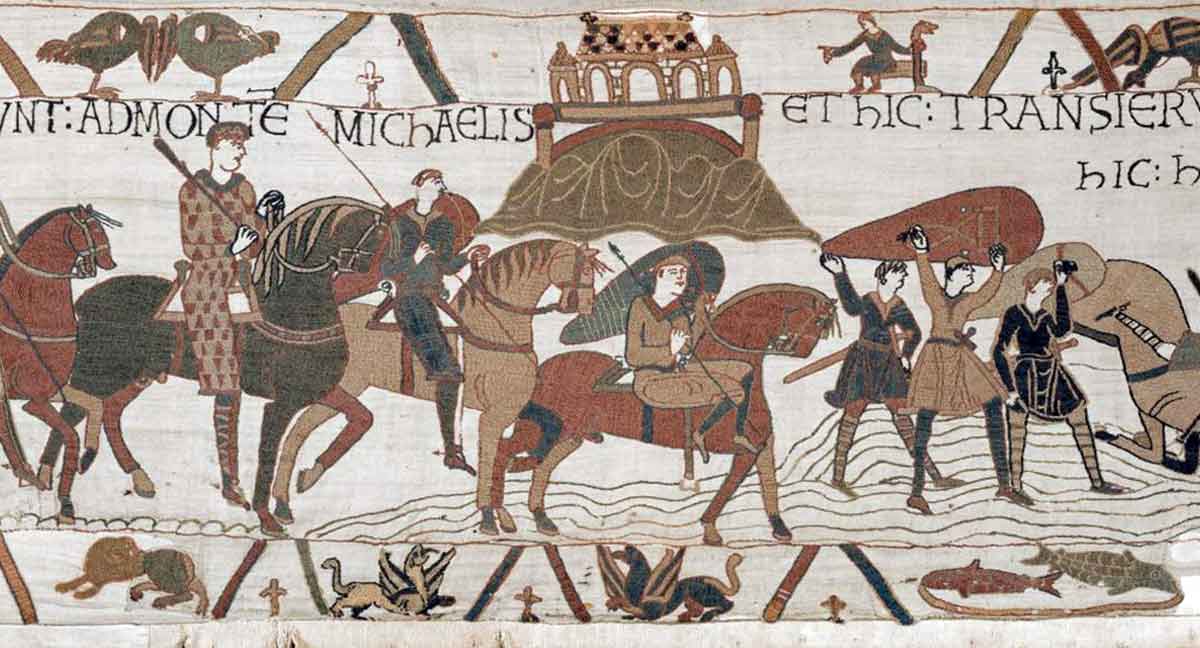
During these centuries, the mount’s reputation as both a spiritual and defensive stronghold took shape. Monks continued to occupy the site, safeguarding relics and manuscripts while maintaining the daily rhythm of prayer. By the 10th century, Mont-Saint-Michel became part of the Duchy of Normandy, founded by Viking raiders who settled in northern France and converted to Christianity. The Bayeux Tapestry depicts Harold Godwinson and William of Normandy meeting near the site in 1064.
The Founding of the Abbey
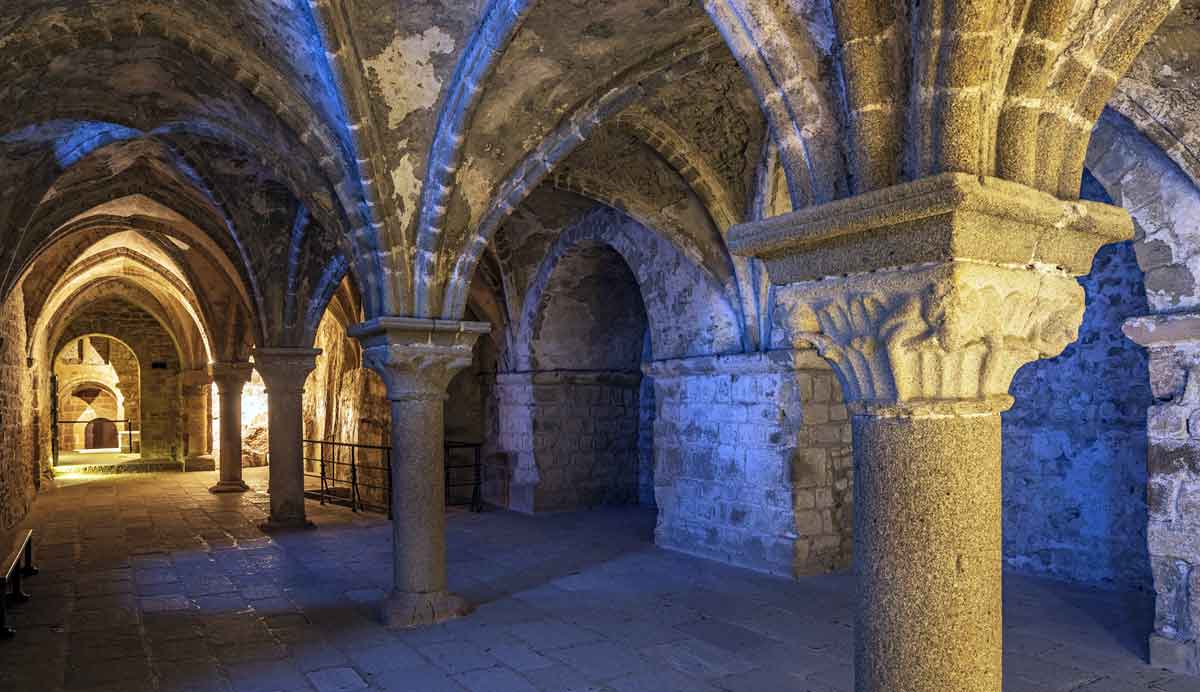
Mont-Saint-Michel entered a new era in 966 AD, when Duke Richard I of Normandy invited Benedictine monks from the Abbey of Saint Wandrille to establish a permanent community on the site. This marked the formal beginning of Mont-Saint-Michel as a Benedictine monastery and one of the leading religious centers of Normandy at the time. The monks replaced earlier, simpler structures with a new Romanesque abbey church dedicated to Saint Michael, initiating centuries of architectural and spiritual growth.
Under Norman patronage, the abbey became both a religious institution and a symbol of regional authority. The Benedictines transformed the mount into a center of learning, producing manuscripts and maintaining close ties with other reform-minded monasteries. Pilgrims from across Western Europe visited the site, drawn by its reputation and location.
Architecturally, this period saw the development of the mount’s distinctive multi-level design, adapting to the steep terrain. Stone ramparts, dormitories, and chapels grew around the core of the abbey church, creating an ever-expanding monastic complex. By the end of the 11th century, Mont-Saint-Michel had become not only a pilgrimage destination but also a hub of Norman cultural and political influence. The abbey’s rise reflected the growing power of Normandy itself. It was a union of faith, architecture, and ambition that defined its medieval identity.
Norman Power in the 11th and 12th Centuries
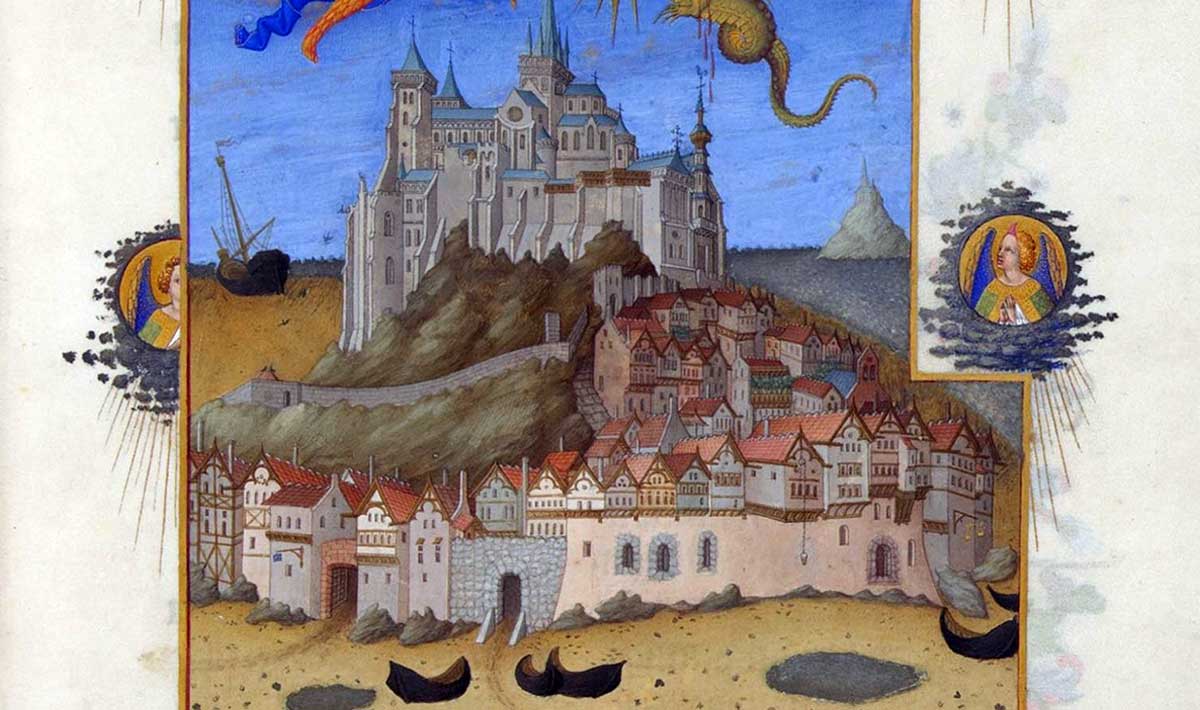
During the 11th and 12th centuries, Mont-Saint-Michel became one of the most important religious and political symbols of the Norman world. Following the Norman conquest of England in 1066, the abbey benefited from its close connection to Normandy and England. William granted lands and privileges to the monks, and Norman rulers continued to support the abbey’s development. This patronage helped finance new construction projects and grow its library and archives. It also commanded the coastline in Normandy and Brittany, inhibiting any attack across the English Channel.
At the same time, Mont-Saint-Michel grew into a major destination for Christian pilgrims. Travelers from across Europe followed the so-called Path to Paradise, which led through Brittany and Normandy to the mount’s gates. The abbey’s position gave it an image of heavenly majesty, symbolizing people’s paths toward salvation. Pilgrimage to Mont-Saint-Michel became so popular that it was counted among the great medieval routes alongside those to Rome and Jerusalem.
The abbey’s community continued to produce manuscripts, chronicles, and theological works, contributing to Normandy’s growing reputation as an intellectual center. Chroniclers such as Orderic Vitalis and Robert of Torigni referenced the site in their writings, displaying its cultural influence. By the late 12th century, Mont-Saint-Michel had become a powerful emblem of Norman identity.
The Fortress in the 13th to 15th Centuries
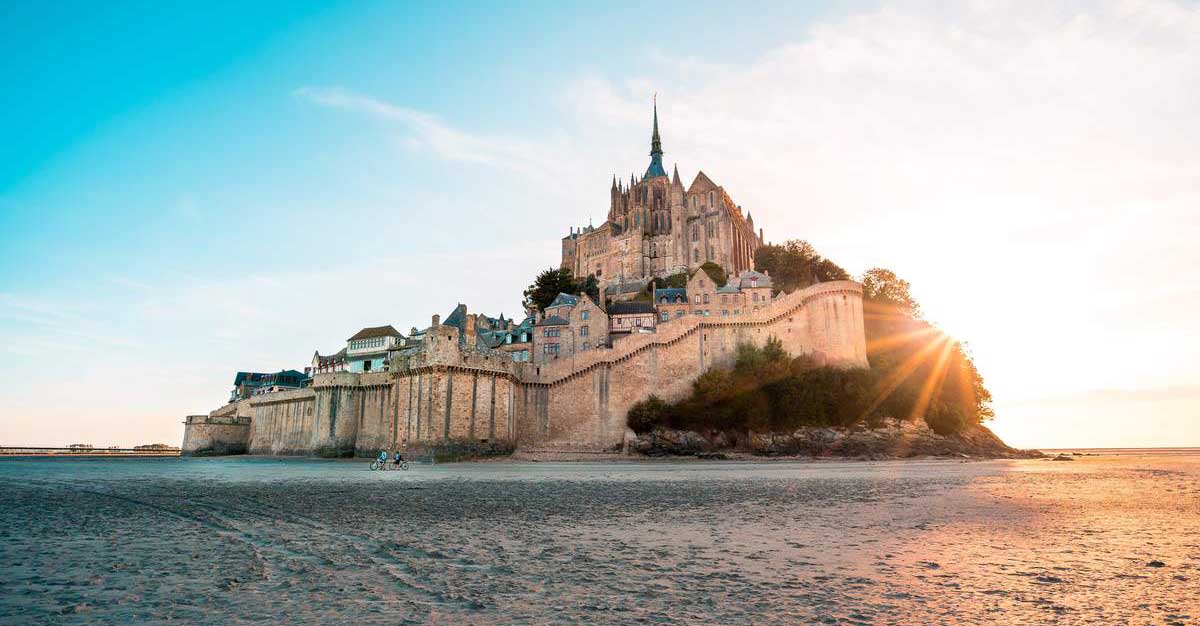
Between the 13th and 15th centuries, Mont-Saint-Michel evolved into a military stronghold. As Gothic architecture spread across Europe, the abbey undertook major construction projects. Most notable was the Merveille, a striking three-story complex of chapels, refectories, and dormitories built along the mount’s steep slopes. The engineering reflected not only the abbey’s spiritual significance but also its growing wealth and influence.
Mont-Saint-Michel’s location made it a natural defensive site, and its fortifications were strengthened during periods of conflict. The abbey played a notable role in the Hundred Years’ War, when English forces repeatedly attempted to seize it. Despite being besieged, Mont-Saint-Michel withstood attacks, thanks to its high walls, the changing tides, and its strategic position. Its successful resistance became legendary, reinforcing its reputation as both a sacred sanctuary and a symbol of French resilience.
Life within the abbey during this period balanced devotion and defense. Monks continued their religious duties, continuing their daily prayers and work on manuscripts, while soldiers and engineers worked to strengthen the fortifications. The walls on the fortress’s outskirts that are seen today were mainly constructed during this period. Pilgrims continued to arrive, drawn by the abbey’s fame and the miracles associated with Saint Michael.
By the end of the 15th century, Mont-Saint-Michel had firmly established itself as a site of dual importance: a beacon of spiritual devotion and a fortress capable of resisting foreign threats. This period cemented the mount’s medieval identity beyond being a religious site and saw its transformation into a place of strategic importance to the French Kingdom.
Decline in the 15th to 17th Centuries
After the Middle Ages, Mont-Saint-Michel entered a period of decline. The abbey’s influence waned as the Catholic Church in France faced challenges across the country. The system of commendatory abbots, in which external clerics were appointed to receive the abbey’s income without residing there, weakened the community’s cohesion and spiritual vitality. Monks struggled to maintain the buildings and support the pilgrim population, leading to the neglect of some structures.
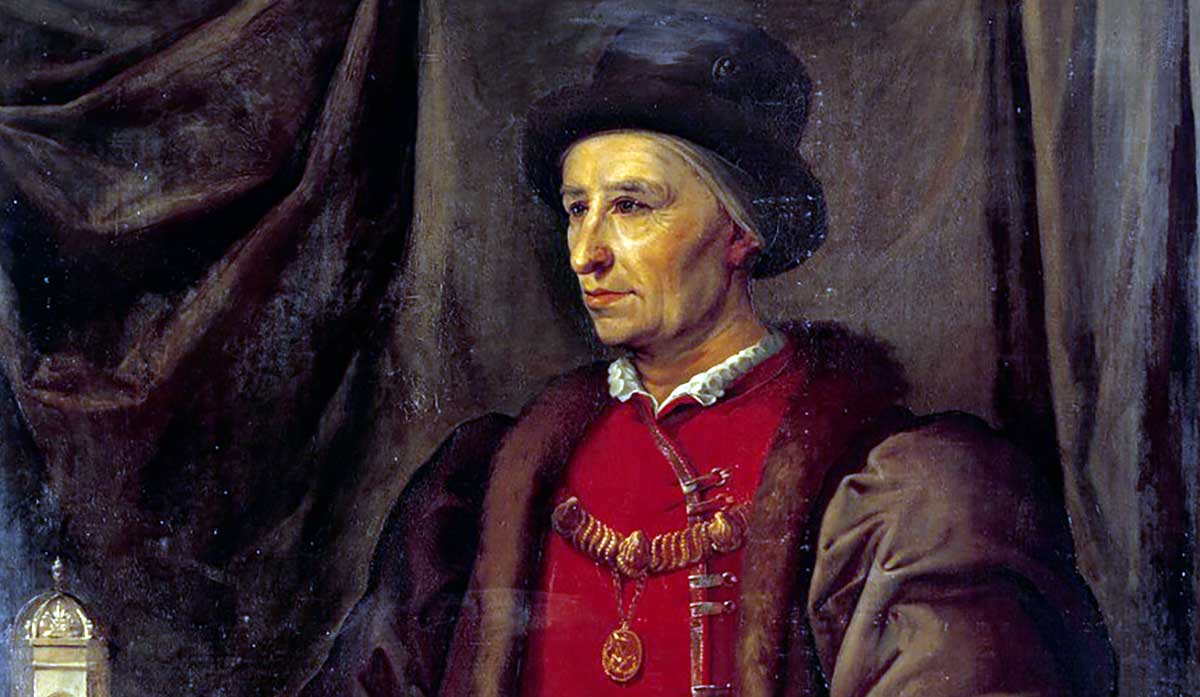
During this period, the mount became a state prison. By the late 15th century, French kings, especially Louis XI, recognized that the fortified abbey on an island was ideal for detaining political prisoners and criminals. Under this transformation, Mont-Saint-Michel became more of a symbol of royal authority. Notable prisoners included members of the nobility and religious dissenters, and the abbey’s sacred image contrasted with its punitive function.
Despite this decline, Mont-Saint-Michel continued to attract travelers and pilgrims, who were still struck by its dramatic architecture and unique setting. Writers and artists of the Renaissance described the mount in their works, capturing both its spiritual legacy and its evolving role as a fortress and prison. By the 17th century, Mont-Saint-Michel was a place defined by its relevance to the Crown and the people kept within its walls. While its monastic influence was diminished, its medieval architecture and historical significance preserved its reputation, paving the way for the revival and preservation efforts of later centuries.
Mont-Saint-Michel’s Legacy
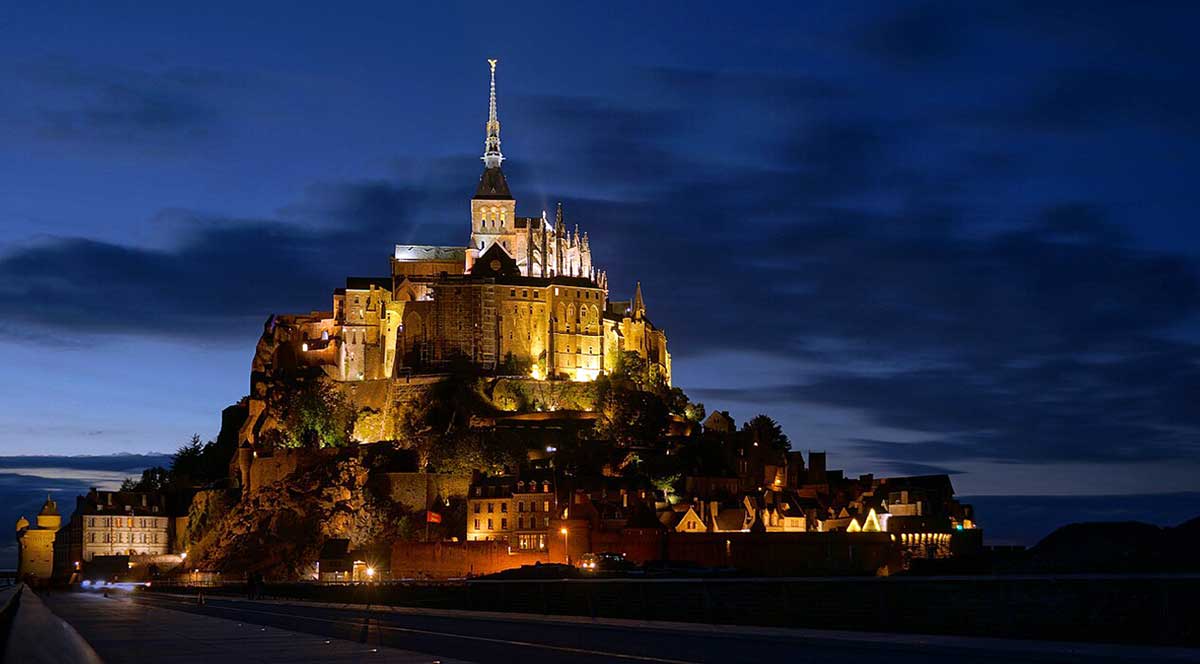
By the 18th century, Mont-Saint-Michel’s days as a working monastery were effectively over. The few remaining monks struggled to maintain the decaying buildings, and the abbey’s reputation as a place of learning and pilgrimage faded. The French Revolution marked a turning point: the monastic community was dissolved, and the abbey was seized by the state. The prison within the walls was expanded, this time for opponents of the new regime. For much of the 19th century, the “Bastille of the Sea,” as it became known, housed hundreds of prisoners in harsh conditions.
Yet even as the mount continued to function as a penal institution, its medieval grandeur began to attract new attention. Writers and artists of the Romantic movement, including Victor Hugo, championed Mont-Saint-Michel as a national treasure and a monument to France’s spiritual and architectural heritage. Their fascination helped shift public perception, again transforming the site from a symbol of oppression into one of awe and reverence.
In 1863, the prison finally closed, and restoration work began under the direction of architects. These efforts sought to preserve the abbey’s medieval character while stabilizing its structures. By the end of the 19th century, Mont-Saint-Michel had reemerged as both a major tourist destination and a protected historical monument. During the Second World War, German forces occupied the site until its liberation by American troops in the weeks following D-Day. It was added to the UNESCO World Heritage List in 1979 and is one of the most popular tourist attractions in France.