Summary
- The Natural History Museum partnered with Pokémon in 2026 to celebrate the brand’s 30th anniversary. The pop-up uses “Pokécology” to link fictional creatures with real-world evolution.
- High ticket demand crashed the museum’s website during the January release. The free, timed-entry event is currently running in the boutique space through mid-April.
- This retail-focused collaboration offers exclusive merchandise and a commemorative trading card. It is specifically designed to attract young adults back to the institution.
- A rare Pikachu Illustrator card recently fetched a record $16 million at auction. The sale proves the franchise’s enduring influence on both culture and global markets.
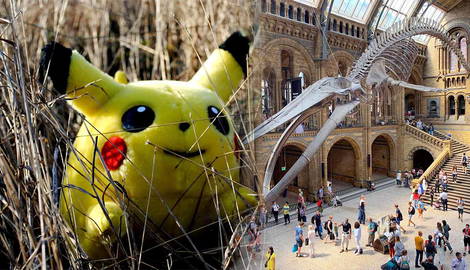
Ten years ago, if you had told a Londoner that Pikachu would be perched somewhere between the dinosaur skeletons at the Natural History Museum, they might have raised an eyebrow. In 2026, it is drawing the kind of crowds most institutions would envy. The collaboration is a short-term, carefully managed pop-up, clearly designed to bring in a younger generation without compromising the museum’s standing. Judging by the surge in demand, the bet is already paying off.
The 2026 Pokémon Pop Up
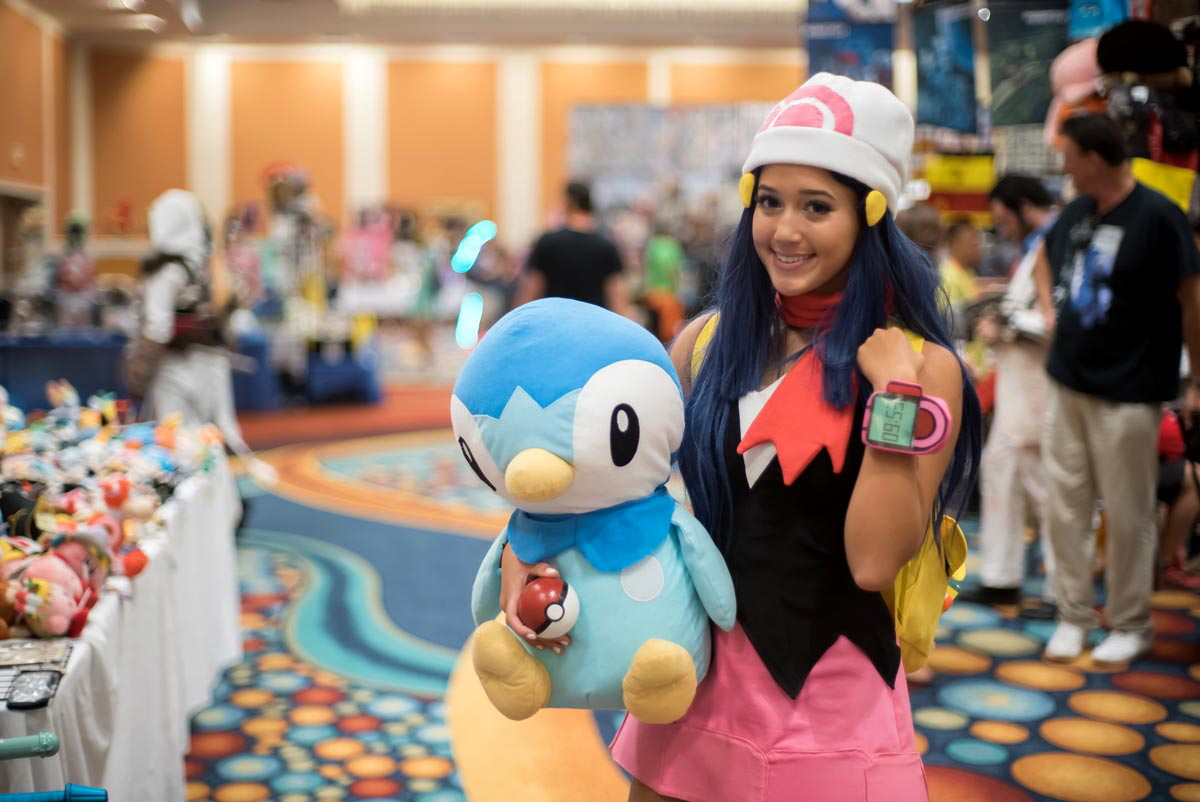
In early 2026, the Natural History Museum opened a Pokémon pop-up in partnership with the franchise as it celebrated its 30th anniversary. Yes, we are that old. Entry is free, but you need a timed ticket, and those tickets are flying out the door just as soon as they are issued.
The experience is staged inside the museum’s retail space rather than its permanent galleries, which means you don’t have to worry that you’ll suddenly trip over Pikachu as you wander past fossils. Instead, it is a clearly contained, curated, and temporary event. Visitors can browse exclusive merchandise and pick up a promotional trading card that places Pikachu inside the museum itself, a clever collector’s touch.
In its press material, the museum has leaned into the idea of linking Pokémon creatures with themes of environment, adaptation, and evolution.
Why a Pop-Up?
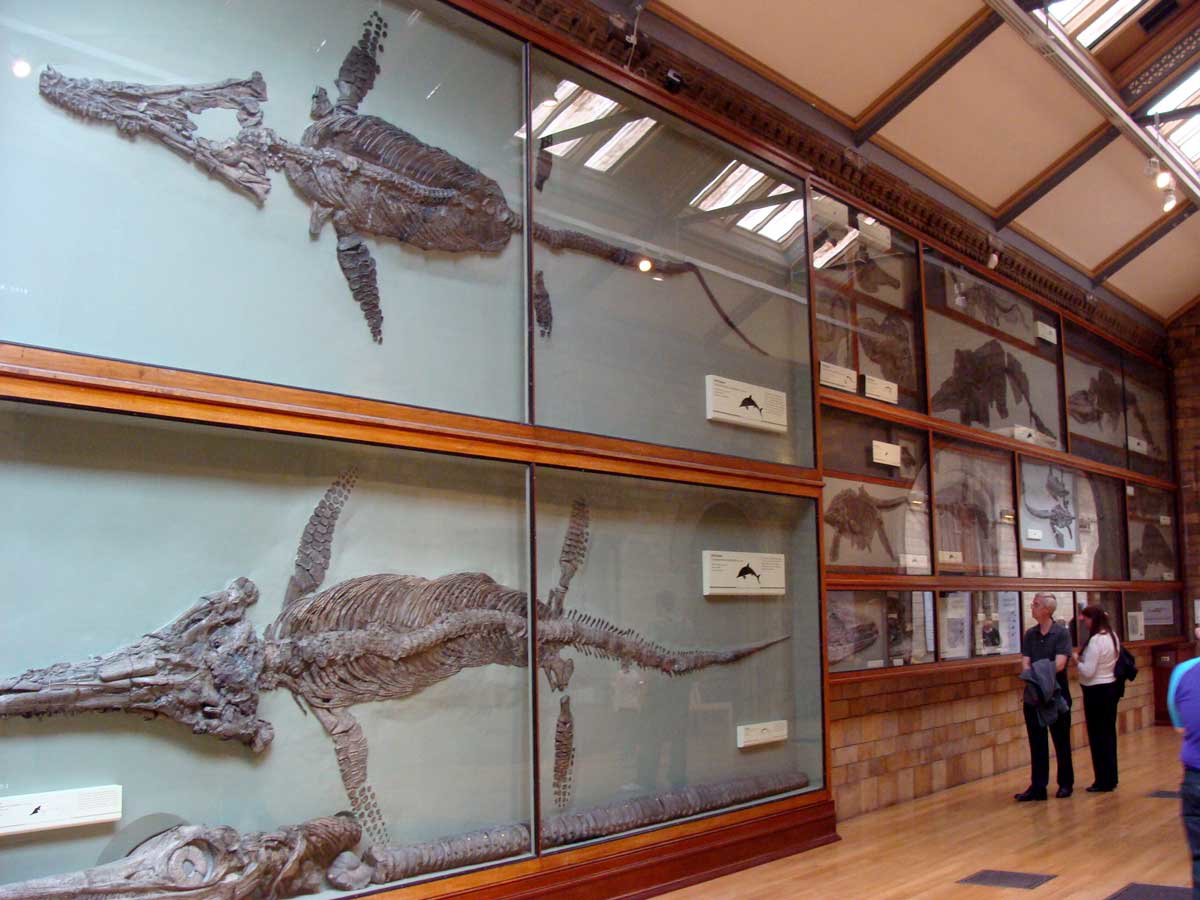
Pop-ups may seem peripheral and superficial, but they can be very useful to a museum when targeted for a specific purpose. They allow institutions to test concepts without committing them to stone, especially crucial in this modern era of two-minute headlines. A pop-up can be tested, adjusted, and quietly removed, all without disturbing the museum’s long-term identity. Forgotten or engraved in the museum’s history, depending on its success.
For an institution the size and prominence of the Natural History Museum in London, that flexibility is priceless. It also reflects how visitors behave and how retail spaces are no longer seen as a gimmicky afterthought tacked onto the end of a museum visit. For many, especially younger visitors, they can become a destination in their own right. By placing Pokémon in the museum’s retail space, visitors are not forced through a new route through the building, but they’re being enticed to visit for one sole purpose.
And yes, should they feel the urge to buy an admission ticket to see the museum’s other exhibits, that would be just lovely.
The Underrated Usefulness of “Pokécology”
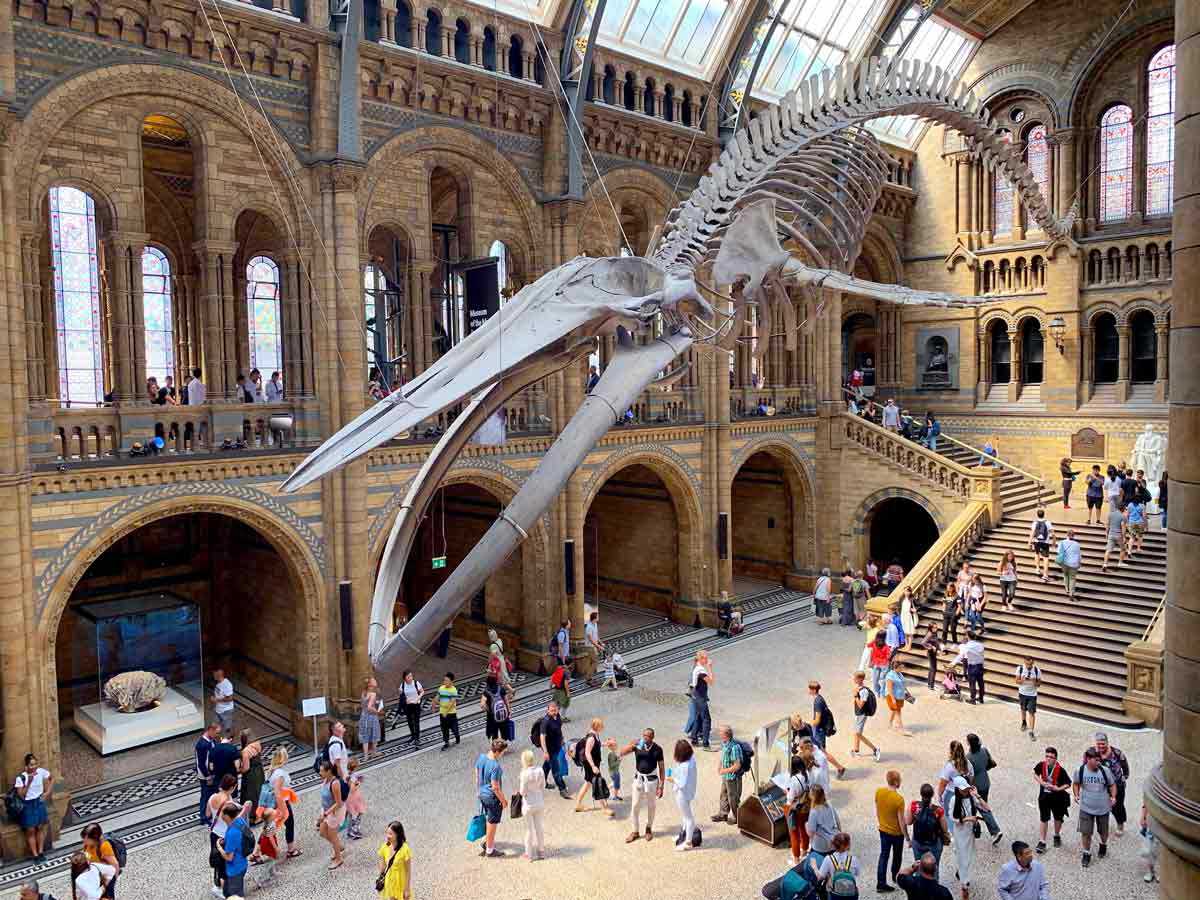
The word itself may sound playfully silly, but it is actually quite telling. The world of Pokémon has always been organized around set systems: creatures belong to specific environments, they adapt to conditions, and even evolve over time. Classification and comparisons are at the core of the franchise, and interestingly, those mechanics can be presented to mirror the foundations of natural history.
Long before visitors delve into taxonomy or ecology on a museum exhibit label, many might already understand these concepts intuitively through games.
What This Collaboration Says About Museum Audiences
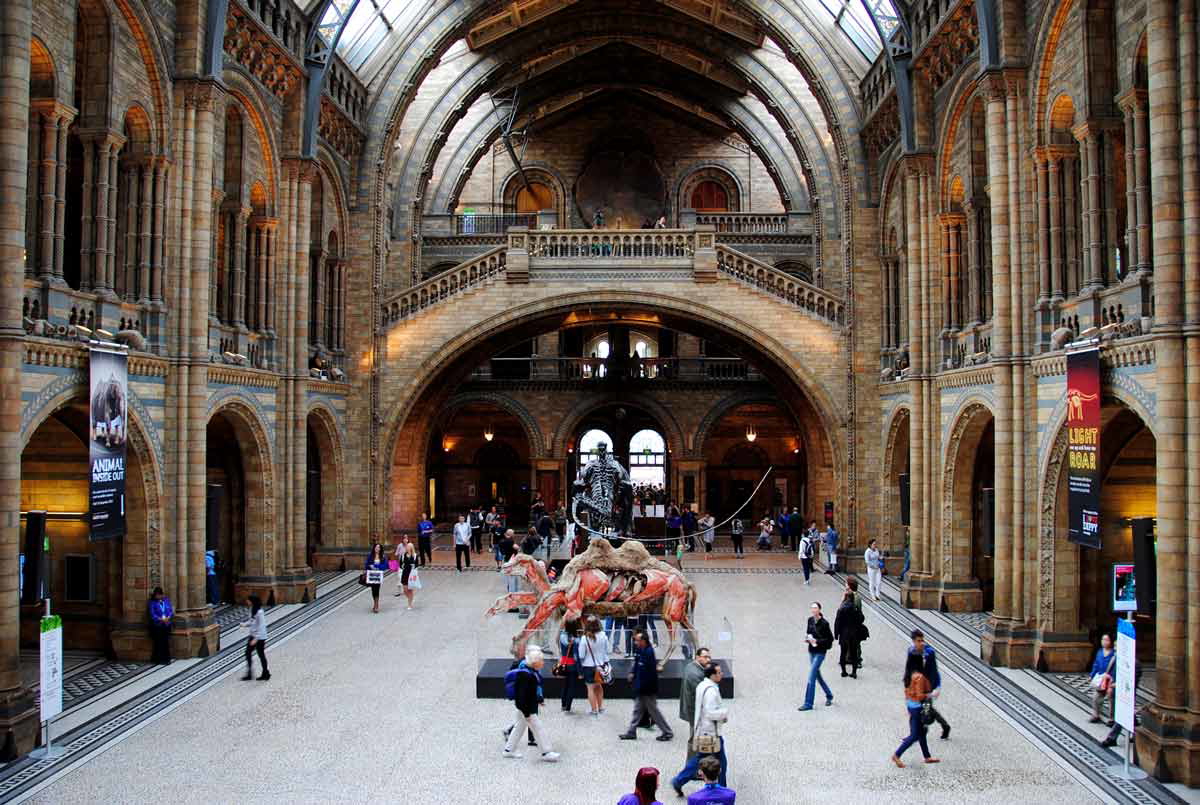
The Natural History Museum is not short of visitors. School groups file through its halls every week, and families return year after year. But like many large institutions, it tends to lose appeal somewhere between childhood and adulthood. Once the school trips stop, so do the regular visits. Teenagers and young adults often connect museums with assignments rather than choice, and at some point around the age of 18, they simply stop visiting.
Most Londoners have been at least once, usually as children staring up at dinosaurs or later as adults hosting out-of-town guests. It’s the years in between that are harder to reach.
This collaboration seems to acknowledge that reality. Instead of assuming its reputation alone will pull younger audiences back through the doors, the museum decided to meet them on more familiar ground. Pokémon is not the lesson here; it is the invitation.
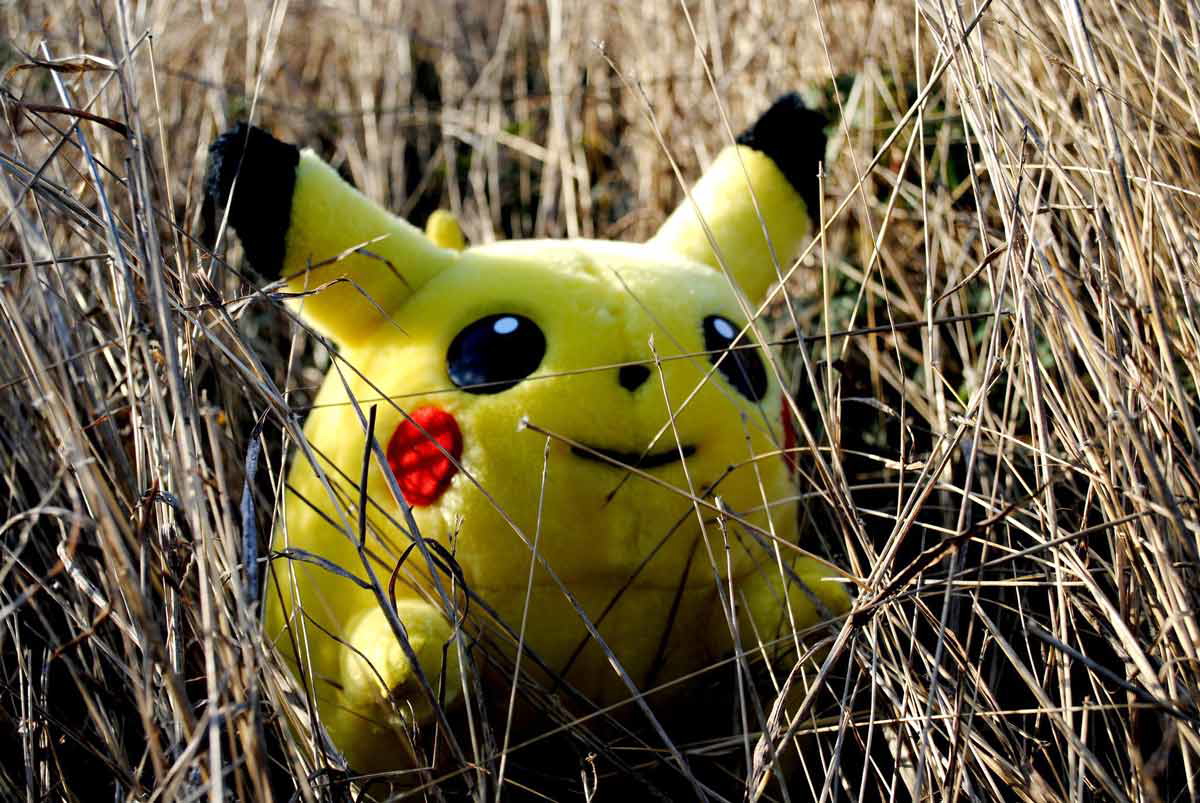
Once inside, the institution can do what it has always done well.
There is also a rather practical dimension to all this, of course: the commercial value. As museums operate under increasing financial pressure, retail remains one of the few reliable revenue streams that does not involve increasing admission fees.
Pokémon merchandise has been proven to sell well, particularly when it is exclusive and time-limited. The collab is perhaps best appreciated for its transparency, given that the museum clearly describes it as a retail experience tied to a broader theme. Visitors know exactly what they are engaging with when they pop in, and that kind of clarity does no harm at all.
Why Now?
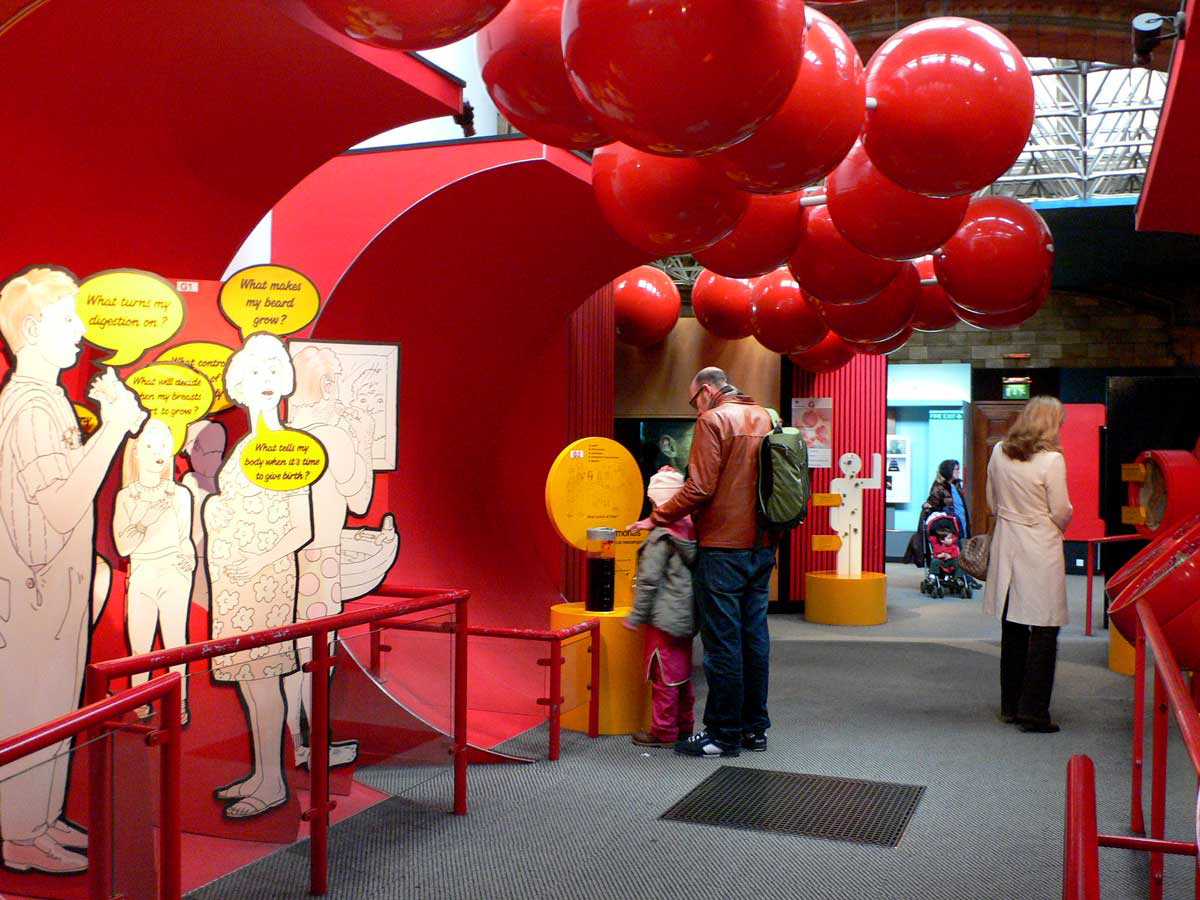
By 2026, most visitors under thirty will have grown up entirely within digital systems. Their expectations of learning spaces, nowadays, are shaped by interaction, immersion, structure, and feedback rather than static display. A far cry from the learn-by-rote systems in place for prior generations.
Perhaps surprisingly, museums continue to be among the most trusted public institutions, and that trust gives them the room they need to adapt how they present themselves, even if only for a limited time. This Pokémon collaboration sits neatly at that intersection: small enough to be controlled but visible enough to be instructive.
The Pokémon pop-up will run until mid-April 2026, and if you thought the buzz around these creatures had faded with time, look at what has happened this month. When the Natural History Museum opened ticketing in January, its website buckled under the weight of demand and crashed, a level of interest unexpected for an exhibition tied to a beloved childhood game.
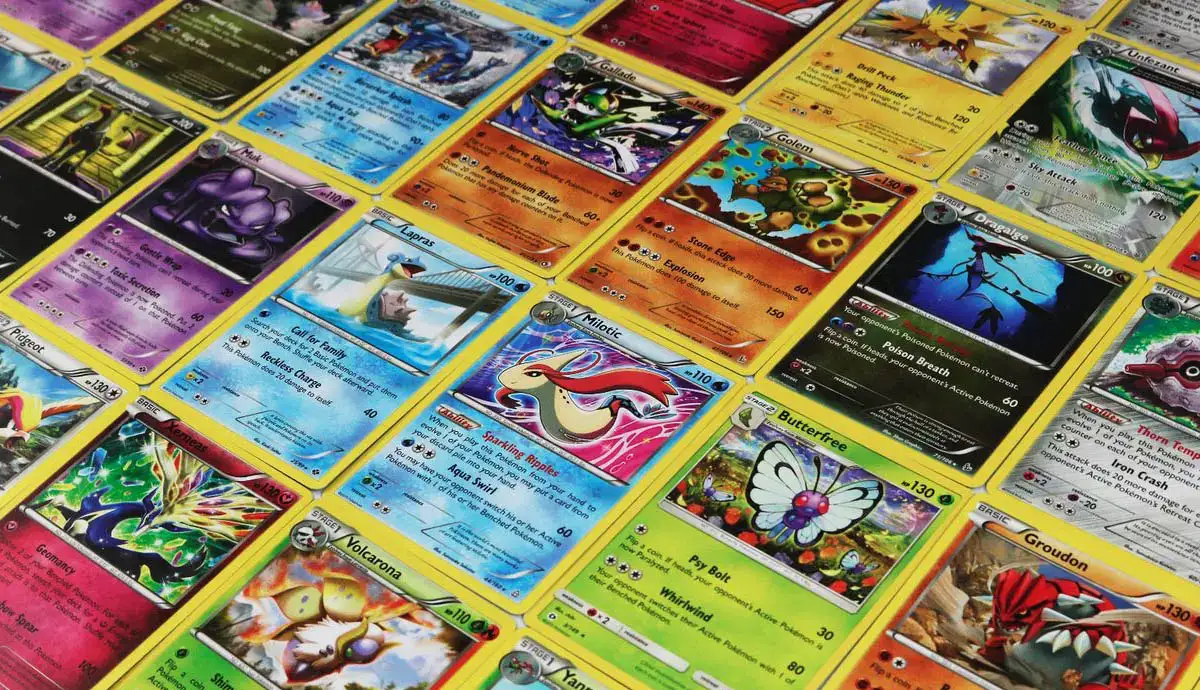
The enthusiasm for all things Pokémon doesn’t seem to be waning. In a headline-grabbing sale, Logan Paul’s PSA-10 graded Pikachu Illustrator card has just fetched $16 million at auction, setting a new world record for the most expensive trading card ever sold and confirming that the market for Pokémon memorabilia is in full roar.
For anyone over 50 who considers Pokémon a childhood trend that belonged to a single decade, this is your reminder that it has evolved alongside its fans. If recent events are anything to go by, Pokémon’s impact is as powerful now as it was when we first encountered it. And it’s showing no sign of slowing.