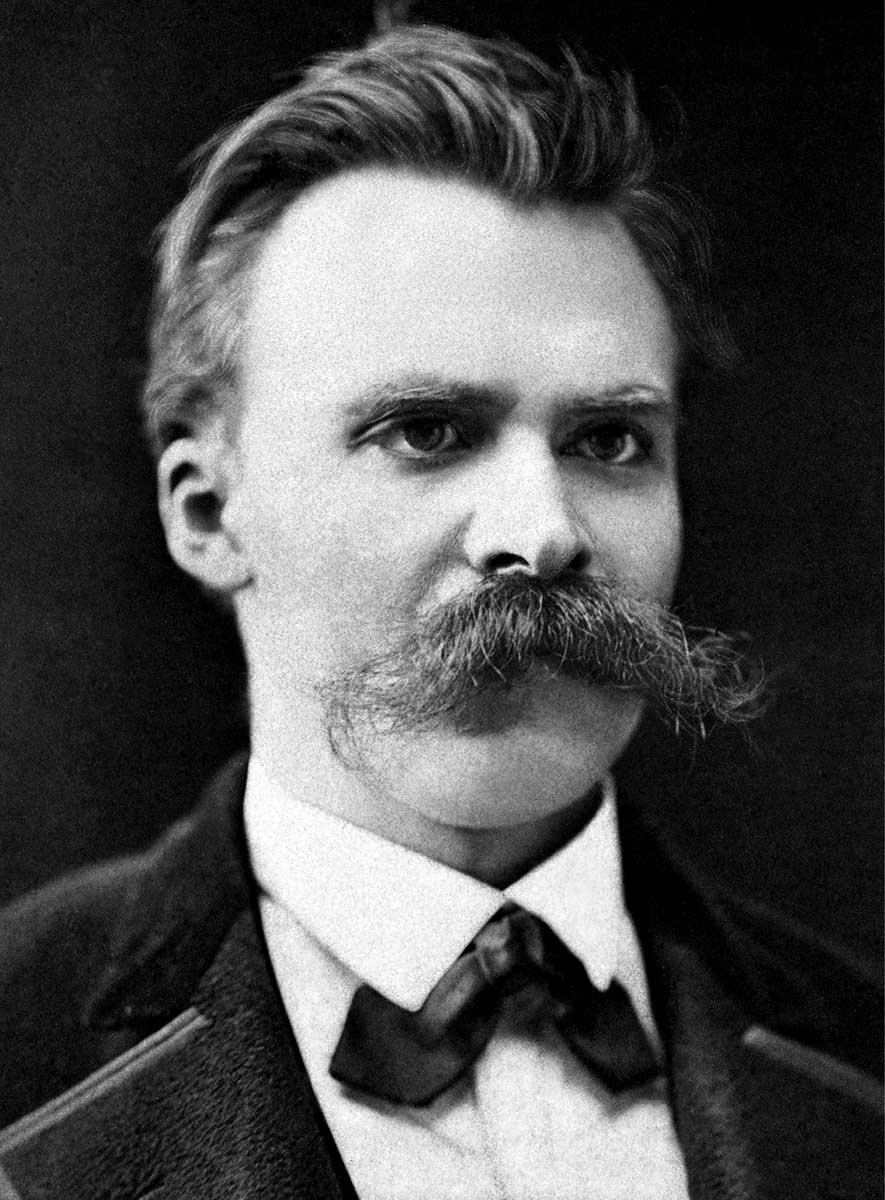
Nietzsche is infamous for his opposition to morality. He saw it as a way for the majority of the people, the weak and unexceptional, to not only make themselves feel better about their lack of power but to actually convince the elite to give up their strength. The danger in this, as Nietzsche saw it, is that only exceptional people, the elite, have what it takes to be great, and without greatness human existence is impoverished. Of the main moral theories, utilitarianism explicitly caters to the needs of the masses.
Utilitarianism 101
Put simply, utilitarianism is a moral theory concerned with maximizing the greatest good for the greatest number of people. In other words, when we want to determine the morally right course of action in a particular circumstance, utilitarians argue for the action that does the most good for the most people.
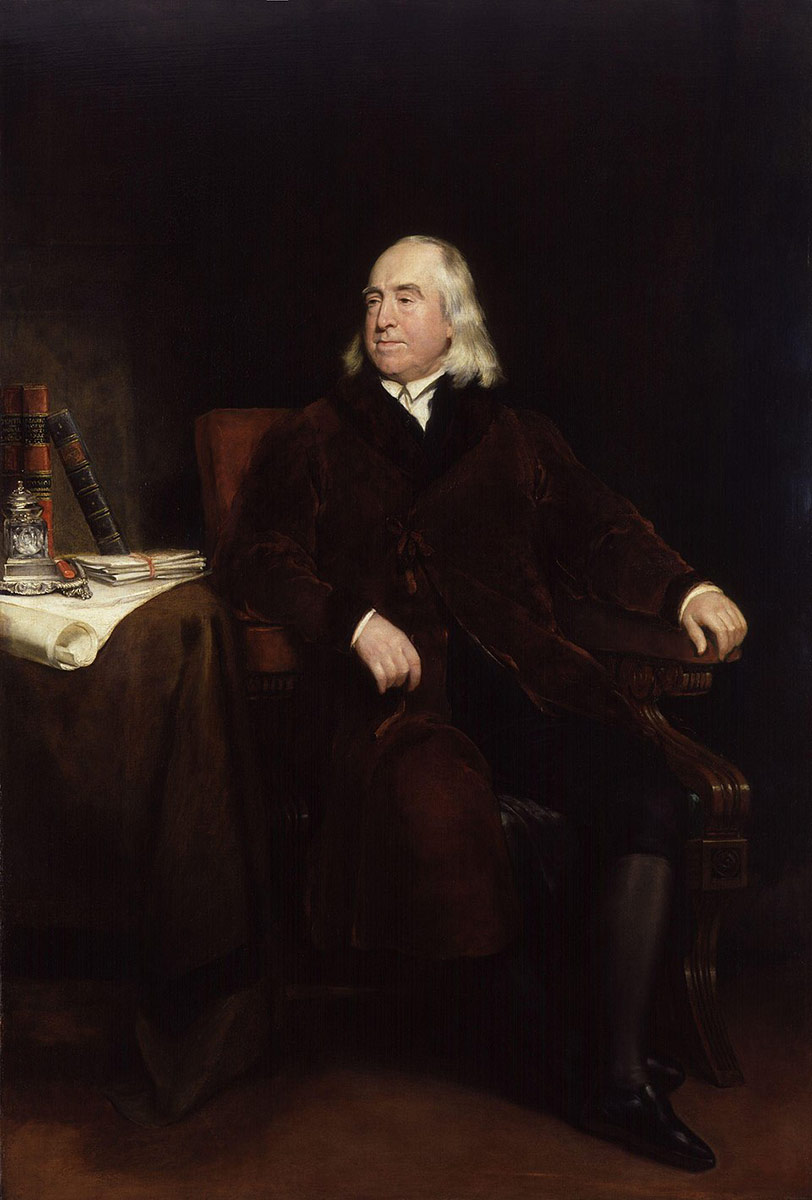
The founder of utilitarianism was the English philosopher Jeremy Bentham. In An Introduction to the Principles of Morals and Legislation (1789), he argued that happiness or pleasure are the only things good for their own sake. However, it was a follower of Bentham, John Stuart Mill, who popularized the term “utilitarian.”
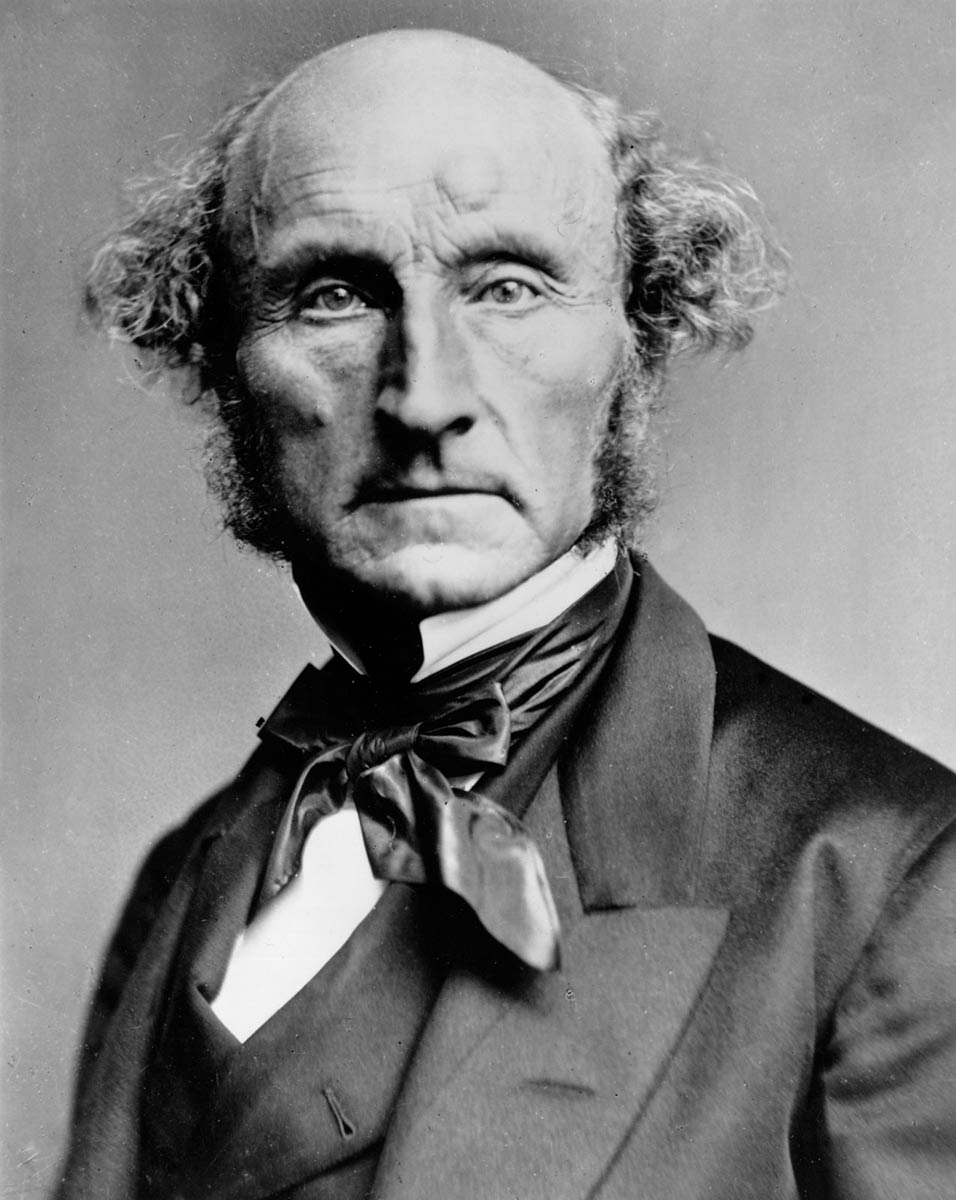
John Stuart Mill was an English philosopher who greatly admired Bentham. In 1861, he published Utilitarianism, first as three separate articles and then later as a single work in 1863. Mill agreed with Bentham on the utility principle, that maximizing happiness ought to be the ethical goal of humanity, but he also had some disagreements with his mentor. Notably, Bentham believed that all pleasure is of the same value and only differs in quantity, whereas Mill claimed that some pleasures are more worthy than others.
A third famous utilitarian of the time was the Anglican clergyman William Paley. He promoted a kind of theological utilitarianism. He believed that God wants the greatest happiness for humanity, and so actions that maximize happiness are the ones we ought to pursue.
It is interesting to note that Bentham, Mill, and Paley are all English. When Nietzsche refers to “the English” in Twilight of the Idols, he is, in fact, referring to utilitarians.
Nietzsche’s Objection to Utilitarianism
There are many objections to utilitarianism, but what, in particular, is Nietzsche’s objection to this moral theory? While it is always difficult to pinpoint Nietzsche’s views precisely, we can point out several features of utilitarianism that he might take issue with.
The first and perhaps most obvious is that utilitarianism, taken at face value, seems to treat everyone as having equal worth. Nietzsche is anything but an egalitarian. The one-sentence account of utilitarianism is: “the greatest good for the greatest number.” This can only rub Nietzsche the wrong way. For the “greatest number” always refers to the masses, the average, and what Nietzsche refers to as “the herd.”
Nietzsche believes that most moral theories are always aimed at “the herd.” When we think of herd animals, we see that the benefit of living in a herd is that the group protects the greatest number.
If we imagine a typical society, the “greatest number” will be people living perfectly ordinary lives, largely indistinguishable from their neighbors and benefiting from a system of rules that make the lives of the average person as easy as possible.
Nietzsche, however, is an elitist. For him, the greatest good for everyone is that which is best for a select group of elite individuals rather than the “greatest number.” But are the interests of the elite and the masses mutually exclusive?
What Is Wrong With Allowing the Majority to Live Easier Lives?
The question, therefore, is: why does Nietzsche object to the masses benefiting?
Nietzsche believes that what is best for a tiny elite of individuals is best for societies as a whole. However, he also believes that what is considered good for the masses is actually harmful to the elite and society. We need to be careful here.
There is a difference between what is considered good and what is actually good. A child, for example, might believe it is a good thing if they get to eat candy for dinner, can go to bed whenever they like, and does not have to brush their teeth. However, as adults, we know better.
As far as Nietzsche is concerned, the masses are in a similar situation. That is, what they think is good for them is not actually good for them. Nietzsche’s problem with moral theories like utilitarianism is that they endorse what the masses erroneously take to be good.
The Idea of Good and Evil From the Perspective of the Weak
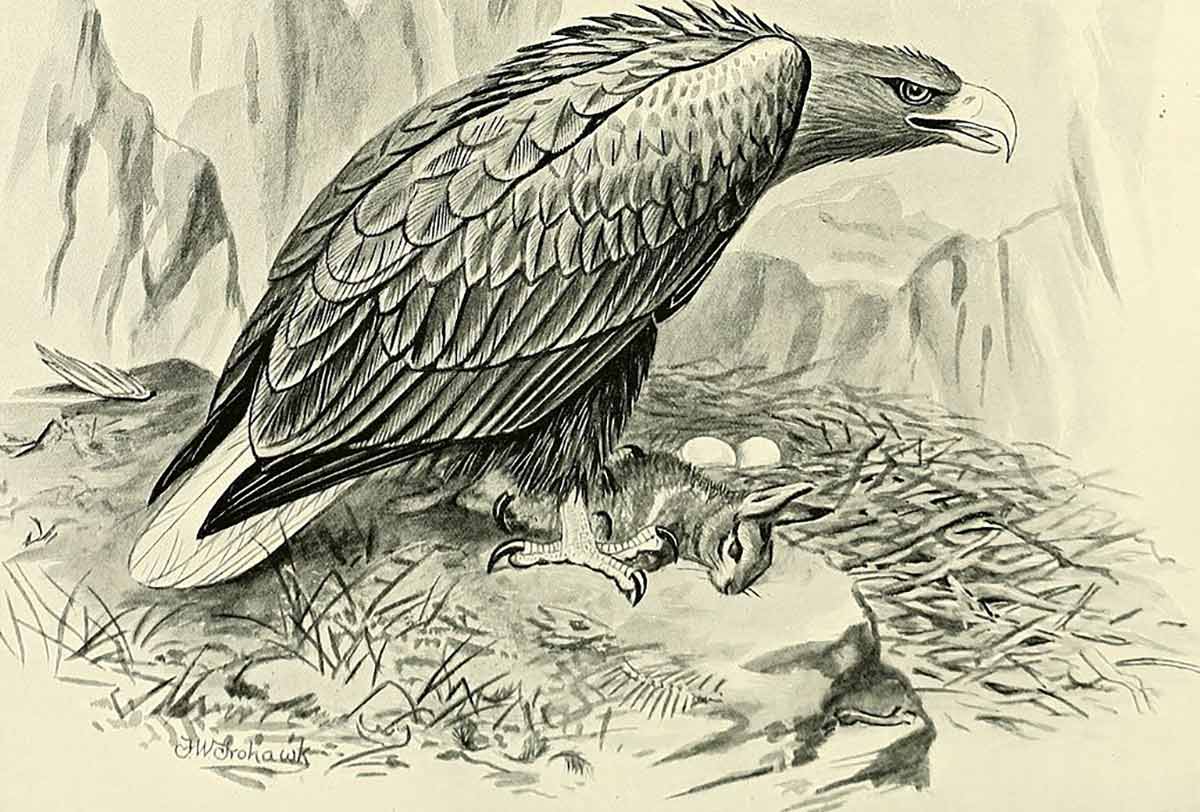
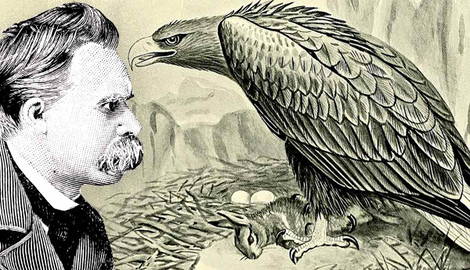
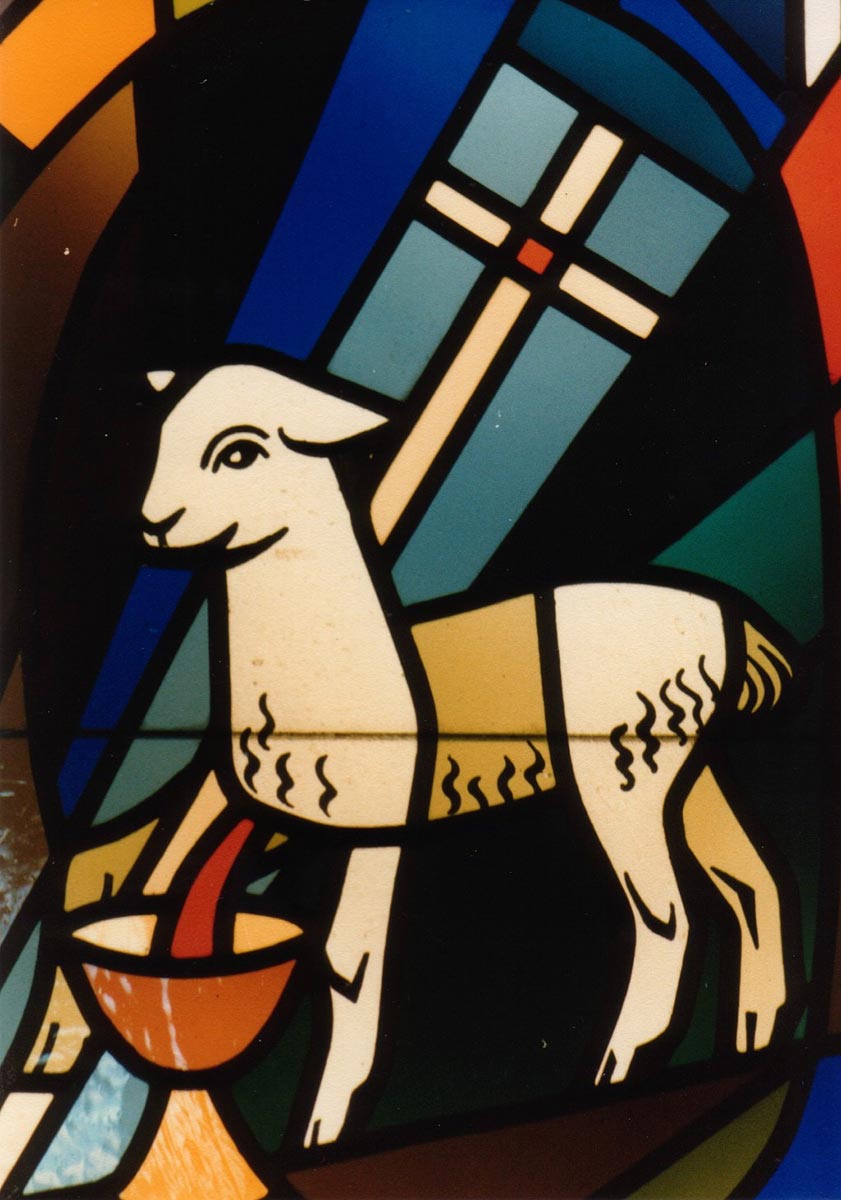
In Nietzsche’s On the Genealogy of Morality (1887), he talks about the “morality” of lambs versus that of the large birds of prey that feed on them. Lambs, he observes, would quite reasonably bear a grudge towards the birds that prey on their number.
Nietzsche imagines them saying to each other, “These birds of prey are evil; and whoever is least like a bird of prey and most like its opposite, a lamb, – is good, isn’t he?”
On the other hand, the birds themselves would not have similar feelings towards the lambs. Nietzsche imagines them saying, “We don’t bear any grudge at all towards these good lambs, in fact we love them, nothing is tastier than a tender lamb.”
While it is understandable that lambs would consider their predators evil and themselves good, this does not necessarily make it so. It is one thing for the lambs to bear a grudge against the birds of prey, but it is quite another for them to suggest the birds ought to be like them.
They cannot reasonably say “we are lambs and we are good because we do not eat other lambs; if birds of prey want to be good they must refrain from eating lambs just as we do.” The lambs have no choice about whether or not they eat lamb, but neither do the birds of prey. Part of being a lamb is being herbivorous, just as being an eagle also means being carnivorous.
Nietzsche is using these animals to represent the weak (lambs) and the strong (eagles). For him, the weak have no choice but to be weak. The lambs’ moral theory is just a way of making them feel better about being weak. The same is true, he goes on to say, for human moral theory.
Morality as a Way for the Weak to Attack the Strong
Just as he imagined lambs getting together to discuss their lamb-centered moral theory, Nietzsche imagines the oppressed saying the following in On the Genealogy of Morals:
“Let us be different from evil people, let us be good! A good person is anyone who does not rape, does not harm anyone, who does not attack, does not retaliate, who leaves the taking of revenge to God, who keeps hidden as we do, avoids all evil, and asks little from life in general, like us who are patient and upright.”
It is very important to be clear that Nietzsche is certainly not saying that he approves of violating or harming anyone. His point is that when the weak say these things are evil, they are not opposing the things themselves, but the strong.
The strong could, if they wanted, physically harm others (this does not, of course, mean that they should), but the weak cannot. Nietzsche refers to the weak using their “cunning vindictiveness”; their “morality” is a way of attacking the strong, labeling them evil while calling themselves good.
It is no coincidence that Nietzsche chose lambs to represent the weak. This is a swipe at Christian morality. In John 1:29, John the Baptist announces Jesus as “the lamb of God” who has arrived to take away the sin of the world. One of the major questions in Nietzsche’s Genealogy is how Christianity (and the morality of the weak) became the dominant religion in Rome (converting the strong).
The Idea of Happiness for the Weak
We have been asking why a moral theory that focuses on the happiness of the masses would be seen as bad by Nietzsche. In our discussion of the morality of the weak, we saw that those in society who constitute “the weak” for Nietzsche (the downtrodden and the oppressed) are the majority. The masses or “the greatest number” whose happiness utilitarianism seeks to maximize are then the weak.
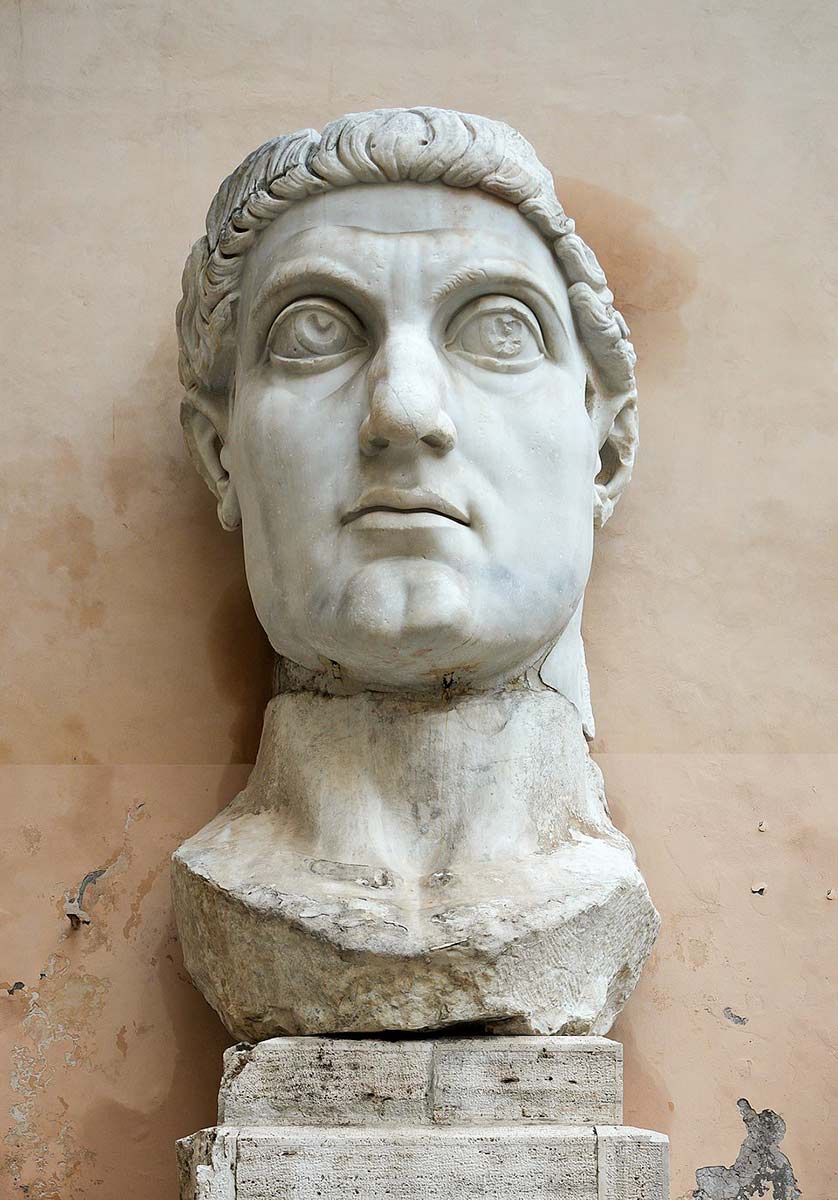
In the discussion, we also saw that Nietzsche is interested in the Christianization of Rome. Here, he sees moral force, Christianity, aimed specifically at “lambs” or “the weak,” triumphing over the strong and becoming the dominant religion. How did this happen? The answer is that the weak managed to convince the strong to eschew their strength and strive to be more like the weak. Of course, they would not refer to themselves as “the weak” but as “the good.”
For Nietzsche, you cannot have a moral theory that seeks to cater for the weak, as he believes utilitarianism does, without it also seeking to diminish the strong. By labeling weakness as good and strength as evil, you are encouraging the strong to weaken themselves. If utilitarianism is successful, the strong elite will seek to abandon what makes them strong and join the ranks of the masses.
Nietzsche believes great men and great women are motivated by challenge and the desire to overcome; their very strength itself calls to be exercised and put to use. In contrast, unexceptional people seek only comfort and the avoidance of conflict. This is what happiness means to them.
If utilitarianism encourages everyone to pursue the happiness of the majority, then those few with the potential for greatness turn their backs on greatness and join the masses, and humanity will be worse off.