
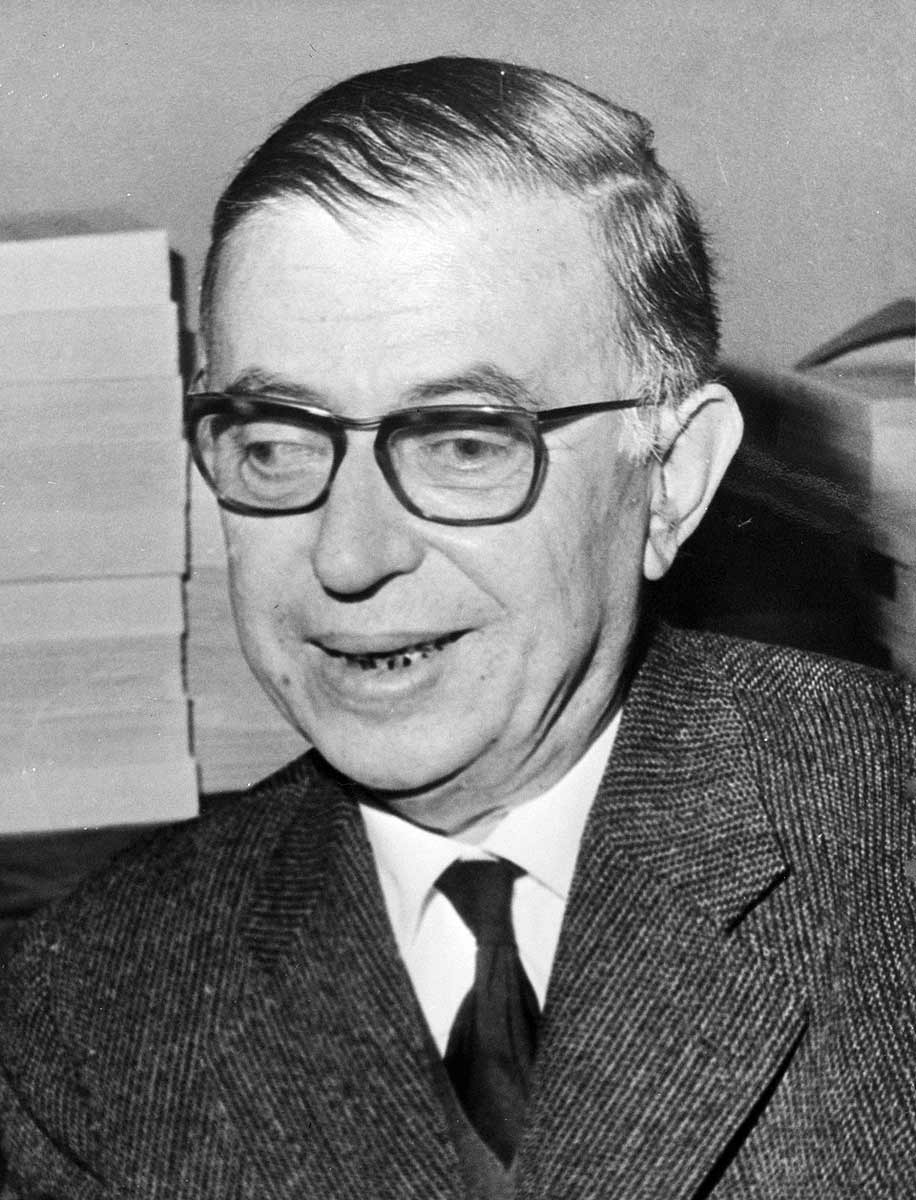
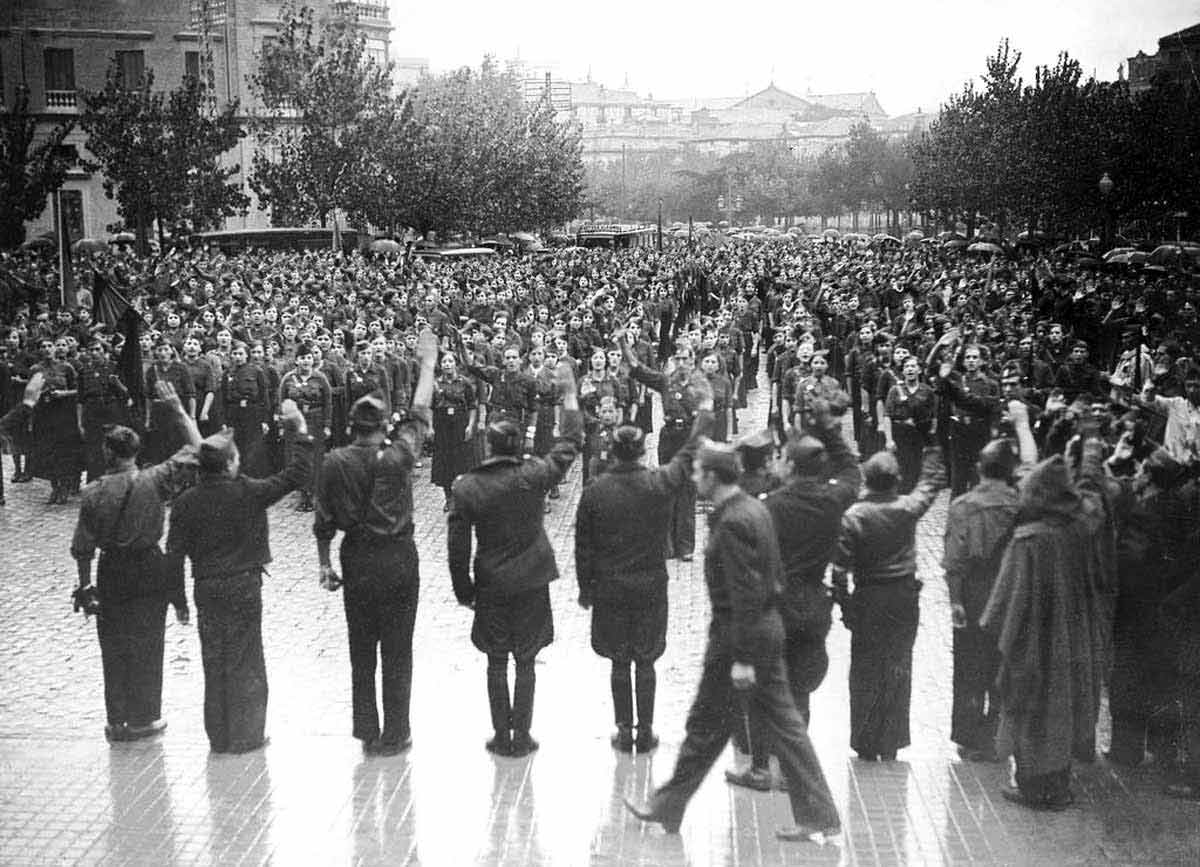
The Wall (1939) is a collection of five short stories written by Jean-Paul Sartre. The title story, “The Wall,” is one of the most famous examples of Sartre’s conception of the absurd. Set during the Spanish Civil War of 1936-1939, it is a story told in the first person of a man called Pablo Ibbieta who was captured by the Falangists and sentenced to death. The events take place the night before his execution. It is during his confrontation with the certainty of death that Pablo experiences the absurd.
What Happens in the Title Story?
The story opens a few days after the narrator, Pablo Ibbieta, is arrested. We see that he is part of a group of prisoners taken for interrogation. The cells where he was previously held were very cold, and he spent his days shivering alone. However, here it is warm, and the questions being asked are not too demanding.
In fact, the interrogators do not seem all that interested in the answers. As the prisoners are being led away to their new cells, an Irishman called Tom asks a guard if they were there for questioning or sentencing. They were being sentenced.
The narrator ends up in a cell with a very scared young man called Juan and Tom. Juan claims that while his brother was an anarchist, he has done nothing. Tom admits to being a member of the International Brigade.
Although it was warm in the interrogation room, it was freezing in the cell, and once again, the men were extremely cold. Juan is withdrawn, whereas Pablo and Tom speculate on their fate. Tom talks about a rumor he has heard that the Falangists execute prisoners by driving over them with trucks; apparently, it saves on bullets. “But,” Pablo replies bitterly, “it doesn’t save on gasoline.”
In the evening, a Falangist officer arrives and, with bureaucratic indifference, informs all three that they have been sentenced to death and will be shot the next morning.
Enter the Belgian Doctor
Pablo is disgusted by the look of fear and stress on Juan’s young face. He would like to pity the youngster, who is being executed for something he has not even done, but he cannot. Pity disgusts him.
Tom, who is older and has gray hair, attempts to comfort Juan, but Pablo tells him to leave the boy alone. Reluctantly, Tom agrees. They then start talking about death, with Tom asking Pablo if he has ever killed anyone. Before he receives an answer, Tom says he has killed six since August. It is clear to Pablo that Tom is talking to take his mind off the situation.
A Belgian doctor and two guards enter the cell. The doctor informs the prisoners that he is at their disposal. Pablo cuts through the man’s friendly act by telling him that he saw him earlier in the company of the fascists, and he knows the doctor is one of them. He sits back and studies the doctor impassively.
When the doctor goes to check Juan’s pulse, Pablo promises himself that he will punch the Belgian in the face if he comes over to him. At one point, the doctor asks if Pablo is cold, and he replies that he is not, but then realizes he has been sweating profusely. He realizes that the doctor has noticed this and, with clinical indifference, recognizes it as a symptom of a man consumed with terror.
The Terror of Death and Nothingness
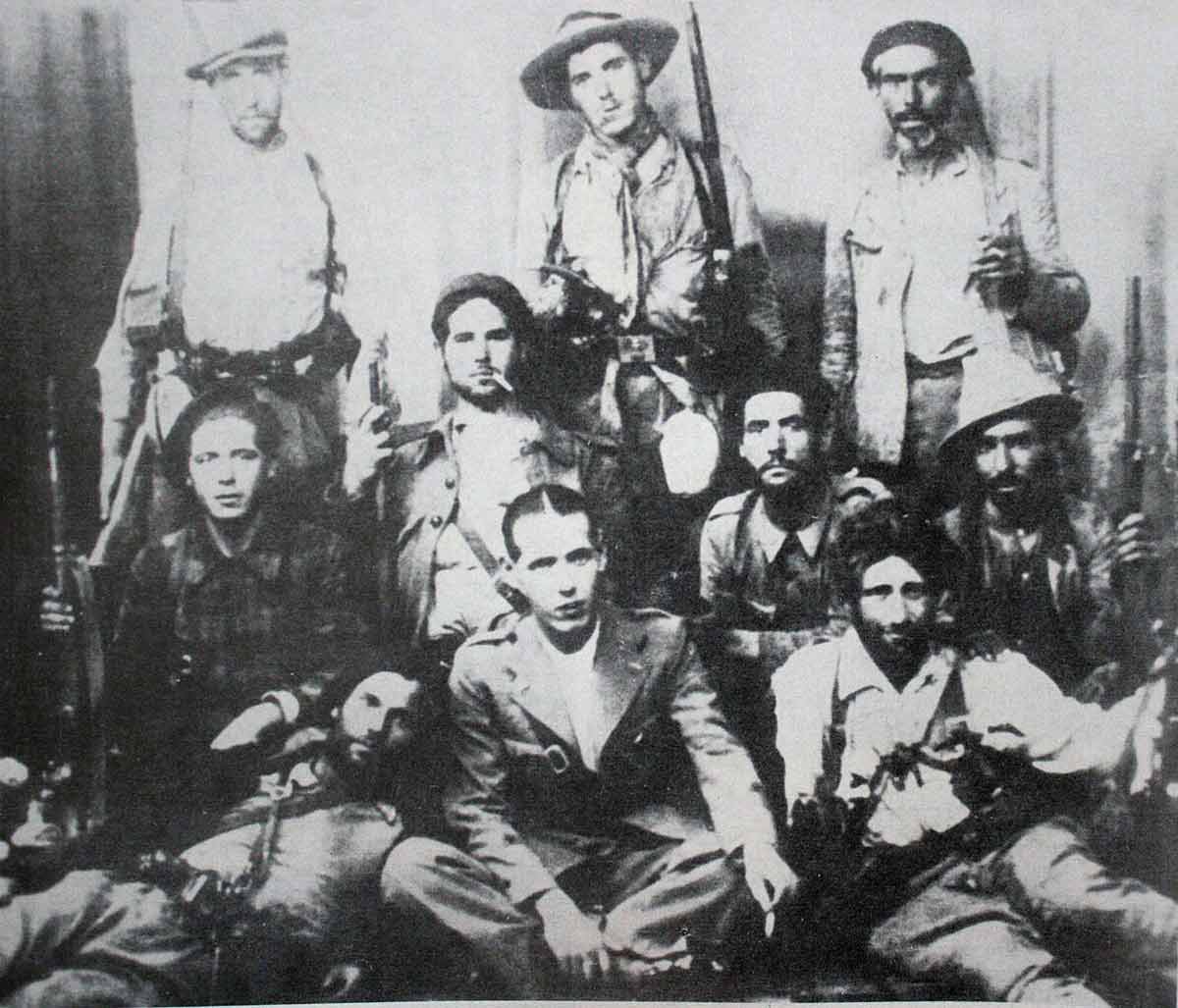
Juan wakes up and asks the doctor about the pain of being shot. The Belgian replies that it will all be over very quickly. Juan replies that he has heard that sometimes the first shots do not kill a man outright, and the doctor calmly agrees that this is true.
A while later, Tom starts talking to Pablo about his thoughts on being shot the next day. Although the Irishman is also worried about the physical pain and suffering, it is the idea of no longer being around after the event that he cannot comprehend. He is deeply troubled by the thought that he, Pablo, and Juan will all cease to exist while the world carries on without them.
However, Pablo has little sympathy. He resents Tom and despises him for his fear and for the stench of urine that is coming off his body. Neither man, in fact, can face the other. They are afraid of seeing the terror on each other’s faces. Instead, they stare at the Belgian doctor, who is a picture of health and contented indifference.
Pablo feels no camaraderie with his fellow prisoners. He cannot see why the fact that they are due to be killed at the same time should make them friends. When Tom impulsively grabs his hand, Pablo angrily pushes him away and tells him in disgust to look between his legs. The Irishman is urinating himself without knowing it.
Morning Arrives, and the Firing Squads Start Work
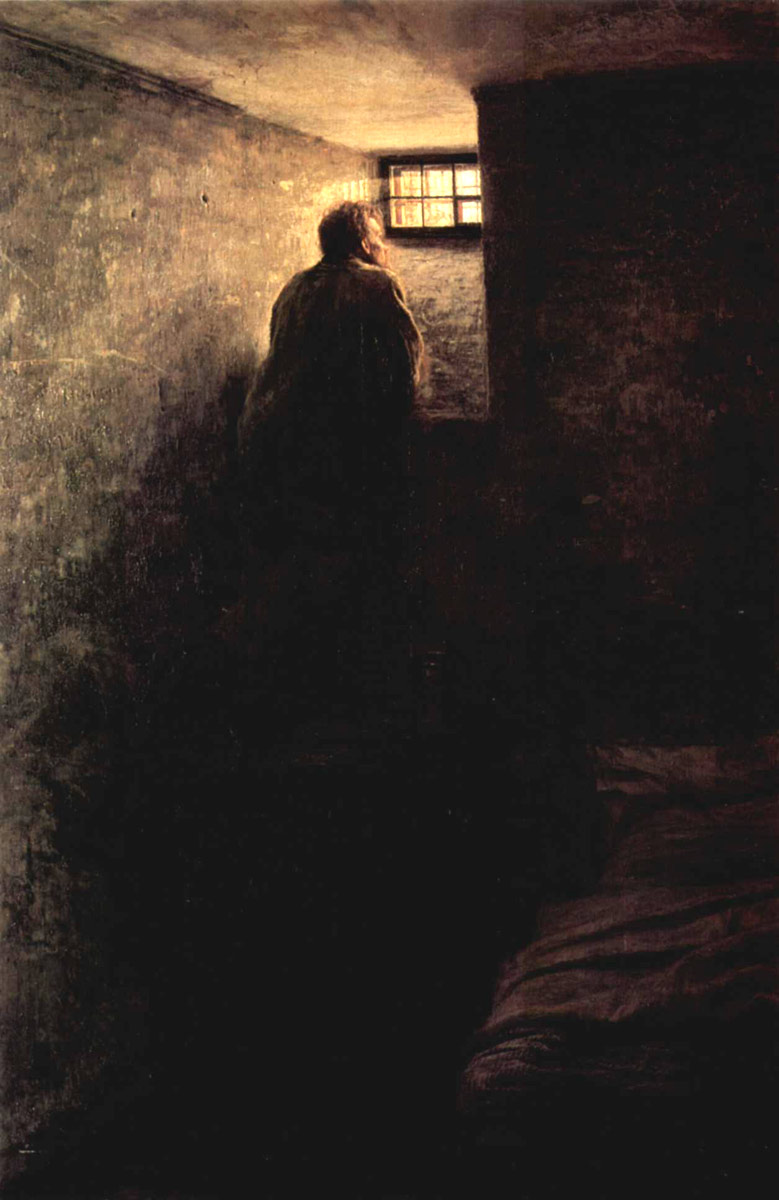
Pablo does not sleep. He wants to be aware of every last minute he has left and spends some time remembering events from his life. What strikes him is how he used to live as if he were immortal. It never occurred to him then that he might end up where he is now, and this amazes him.
Now that he knows he will die, the whole of his previous life seems like a worthless endeavor. He thinks that even if he were to receive a last-minute reprieve, he would feel nothing. The certainty of death has left him disenchanted with life. This is a key element of Sartre’s story.
The doctor asks the men if they want to write letters to anyone, telling them that he has been authorized to pass them on. Tom says he has no one, and Pablo likewise declines. This surprises the Irishman, who asks him about Concha, a woman he has been living with for the past year. Pablo is annoyed; he told Tom about her in a moment of weakness and considers accepting the doctor’s offer to be working with the enemy.
At half-past three in the morning, the doctor takes out his watch and announces the time. Bringing up the time lets the prisoners know exactly how little they have left.
A few hours later, booted footsteps can be heard outside. In the distance, there is the sound of shots being fired. The prisoners know: the firing squads have started.
Soldiers Come for Tom and Juan
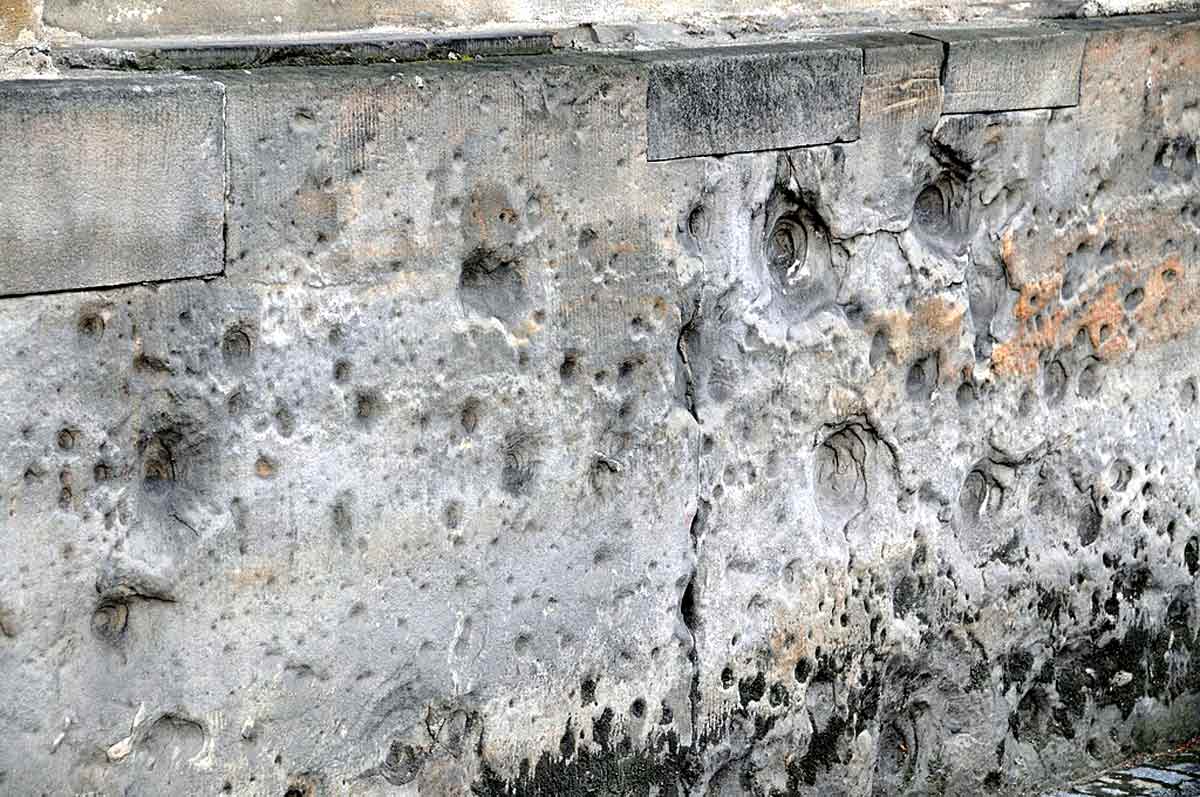
The men listen to the sounds of the firing squads coming from outside. Tom accepts a cigarette from the doctor, but Pablo does not want anything. Juan is lying motionless on his mattress. Suddenly, the cell door opens, and a lieutenant flanked by four soldiers enters.
After checking that Pablo is the “Pablo Ibbieta” on his list, the officer tells him to wait in the cell. Everyone, including the Belgian doctor and guards, leaves, and Pablo is left alone to listen to the distant sounds of gunfire.
After about an hour, they come for Pablo and take him to a small and dingy room filled with cigar smoke. Inside, two interrogators want to know the whereabouts of Ramón Gris. Pablo says that he does not know.
“It’s your life against his,” they say. “We’ll let you go if you tell us where he is.”
Pablo knows that Gris is hiding out at his cousin’s place but tells the interrogators that he has no idea where the man might be. He is given just fifteen minutes to see if he can remember where Gris might be. If he cannot, he will be executed immediately. They take Pablo to the small room and leave him alone to think.
He realizes now that their plan was to keep him in fear all night long and then, at the last moment, offer him one last chance to save his life. But it has not worked. Pablo makes up his mind not to talk. Why?
Why Pablo Refuses to Give Up Ramón Gris
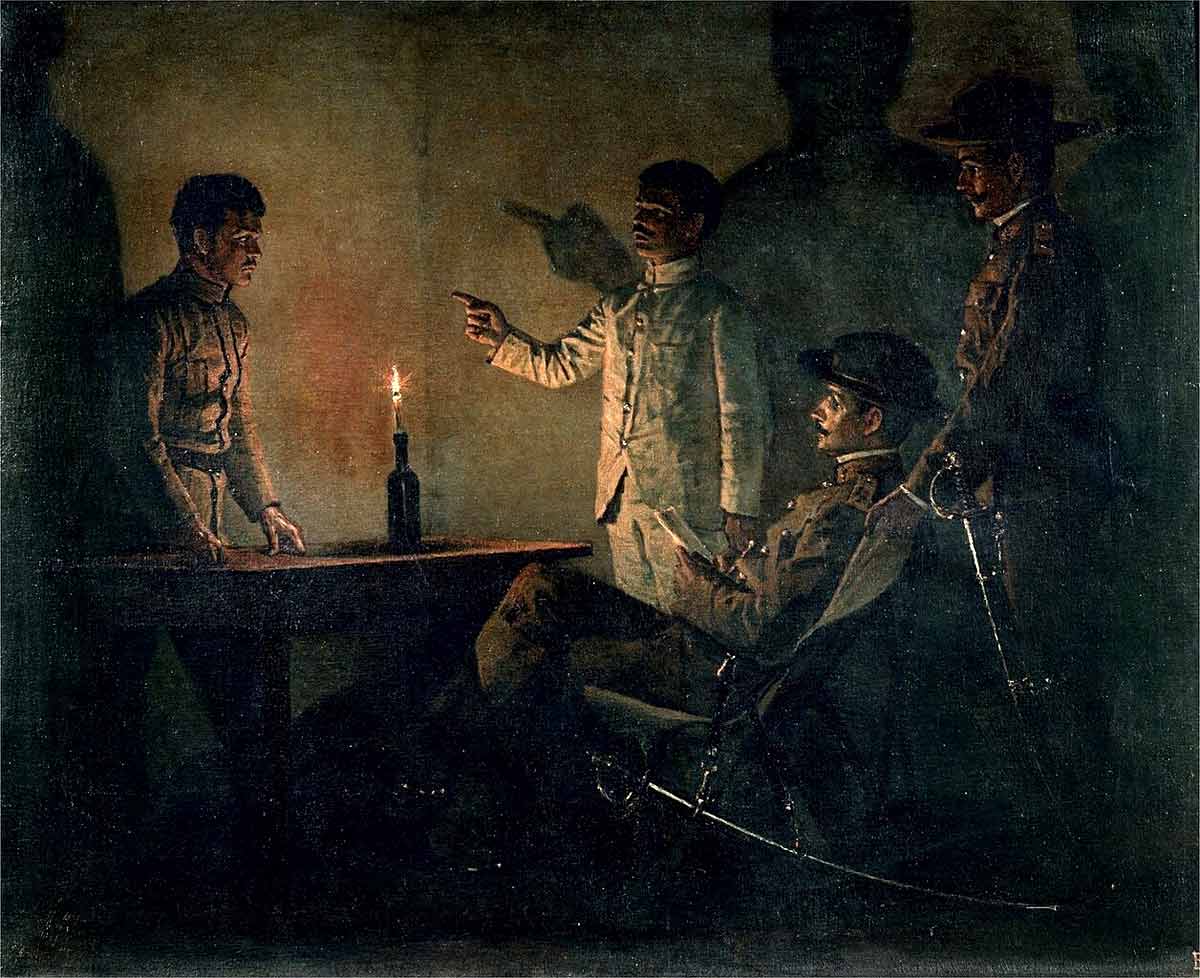
The Falangist interrogators think that Pablo will turn in his comrade in desperation to save his own life. But they are wrong. However, the reason he refuses to do so is not an act of heroism, nor is it done in the service of any cause. In fact, Pablo has lost all faith in such things as heroism and causes.
Any affection he had for Gris is gone. The same goes for Concha, the woman that, twenty-four hours ago, he would have done anything to see again. His night in the cell spent in the continual awareness of the certainty of his death the next day has rendered everything meaningless for Pablo.
After he refuses to give up Gris, the Falangists will execute him without hesitation. Death is certain. But he also knows that death is coming for the interrogators, the soldiers, the Belgian doctor, and the men in the firing squad. It is just a matter of time.
In Sartre’s existentialist philosophy, lucid awareness of death often brings forth an awareness of the absurd. For Sartre, life is absurd because it has no ultimate justification or meaning. In his cell, facing certain death, Pablo had an encounter with the absurd and now sees life as meaningless.
The Absurd in Sartre’s Story
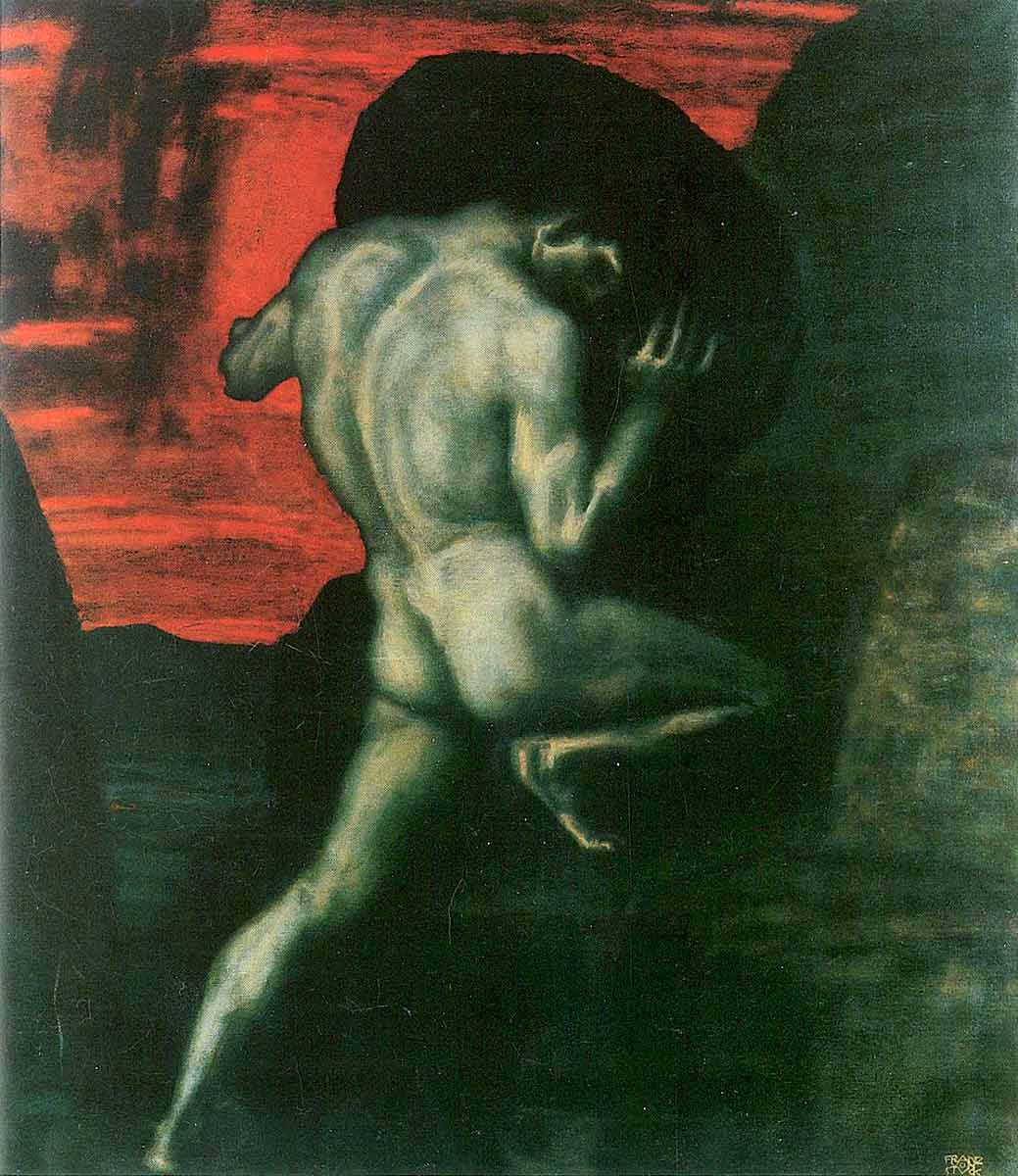
“The absurd” is a technical philosophical term with different philosophers and thinkers holding different ideas of what this term means and how it ought to be used.
Sartre’s understanding of the absurd differs from, say, that of Albert Camus or Søren Kierkegaard. Fortunately, as far as reading “The Wall” is concerned, Sartre’s concept of the absurd is relatively simple.
Generally, the experience of the absurd involves a clash between that which we assumed or hoped to be true and reality. This clash is irresolvable. That is, once we have encountered the absurd, there is no solution to the problem that has been created. That the problem is irresolvable is key.
For example, imagine a man who assumes he lives an ordinary life only to discover that he is, in fact, part of a reality television show or living inside a huge computer simulation. The discovery that he is on “The Truman Show” or in “The Matrix” will come as a huge shock. But he will not necessarily encounter the absurd.
There is a world that makes sense outside of the reality show and the computer program. While it will almost certainly be traumatic, it will be possible to adjust to life in this new world. The problem of what to do can be solved. The problem with encountering the absurd is that we discover the world is not what we thought it was, and there is no other world to escape to.
Left wondering what to do and how to live, most people simply choose to pretend that everything is fine, downplay their encounter with the absurd. Alternatively, once discovering that life as it once seemed is no longer possible, a person could choose death. In “The Wall,” Pablo chooses death.
What Happens in the End?
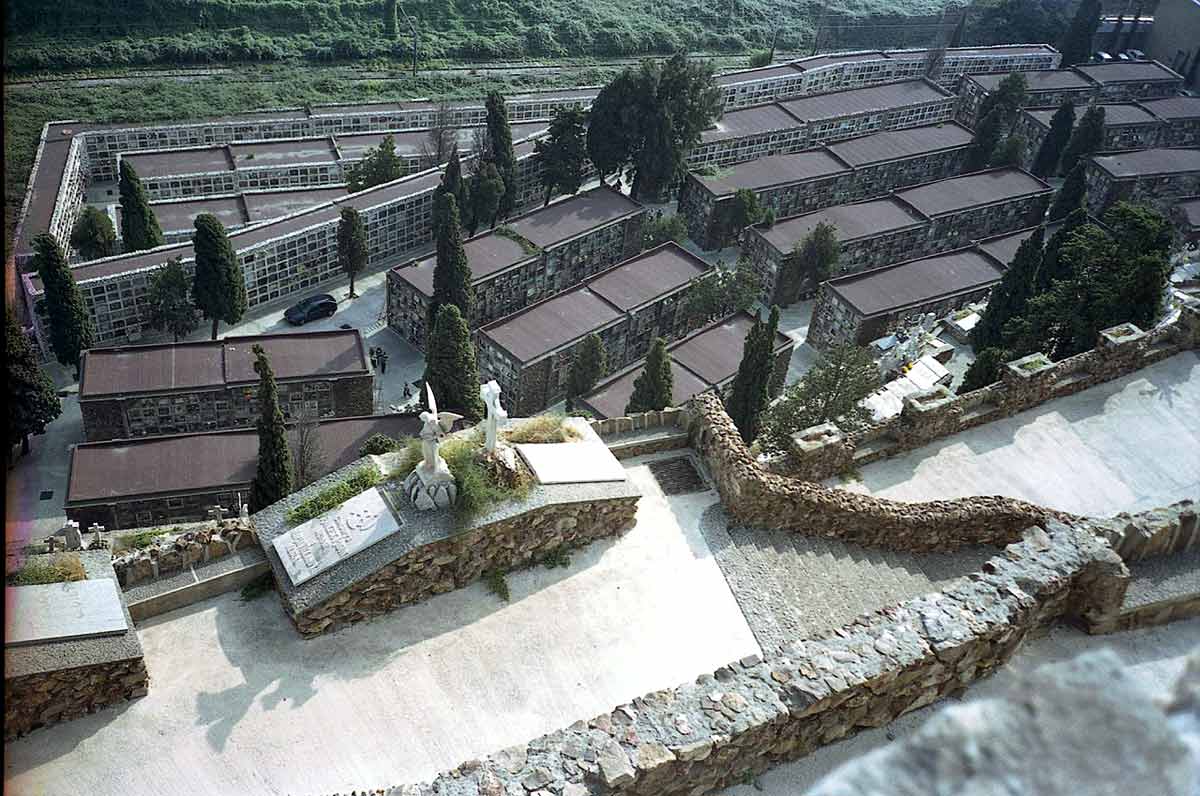
Pablo, who experiences the absurd while confronting death in his cell, chooses not to live in bad faith. He has come to the realization that life is, in fact, meaningless, and this is the only guidance available for his actions. Since for him nothing has meaning, whether he dies or Gris dies is meaningless.
Simply because it amuses him, he lies to the interrogators and says Gris is hiding out at a certain cemetery. Pablo enjoys the thought of soldiers rushing out to find and arrest a man who is not there. The officer in charge says that if Gris is found, Pablo will be released; if not, he will be executed immediately.
After some time, the soldiers return, and Pablo is stunned to discover that he is not going to be shot but taken to prison. That evening, he meets a baker called Garcia. Exchanging stories, Pablo tells the man that he was sentenced to death but reprieved at the last moment.
Garcia tells him his story and then whispers that they got Ramón Gris. Apparently, Gris had an argument with his cousin, with whom he was staying, and took himself off to the cemetery to hide out. He was found there by Falangist soldiers and killed in a gunfight.
Pablo is stunned by the news. The world seems to spin around him, and he finds himself falling to the floor. The story ends with him laughing so hard that tears come to his eyes. What meaning can we attach to this ending? In a way, like Pablo, we are left reeling. He is alive, and Gris is dead, not as a result of anything significant. This confirms Pablo’s earlier realization that it is meaningless whether he or Gris dies today.