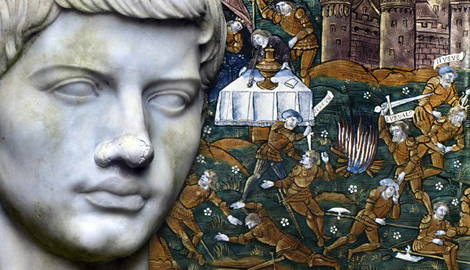
During the reign of Augustus, the Roman writer Virgil composed the Aeneid as a mythological origin story of the Roman people. He connected Rome to the legendary Trojan War through the migration of the hero Aeneas from fallen Troy to Italy. After Aeneas arrived in Italy, war broke out between various Italic tribes. In his account of this conflict, Virgil includes the story of an otherwise unimportant character, a warrior named Arruns who had the single distinction of killing an Italic queen named Camilla. As a result, the goddess Diana sent an avenging nymph, Opis, to kill him. Who are these minor characters in the Aeneid, and why did Virgil choose to tell their story?
Who Was Opis, the Avenging Nymph?
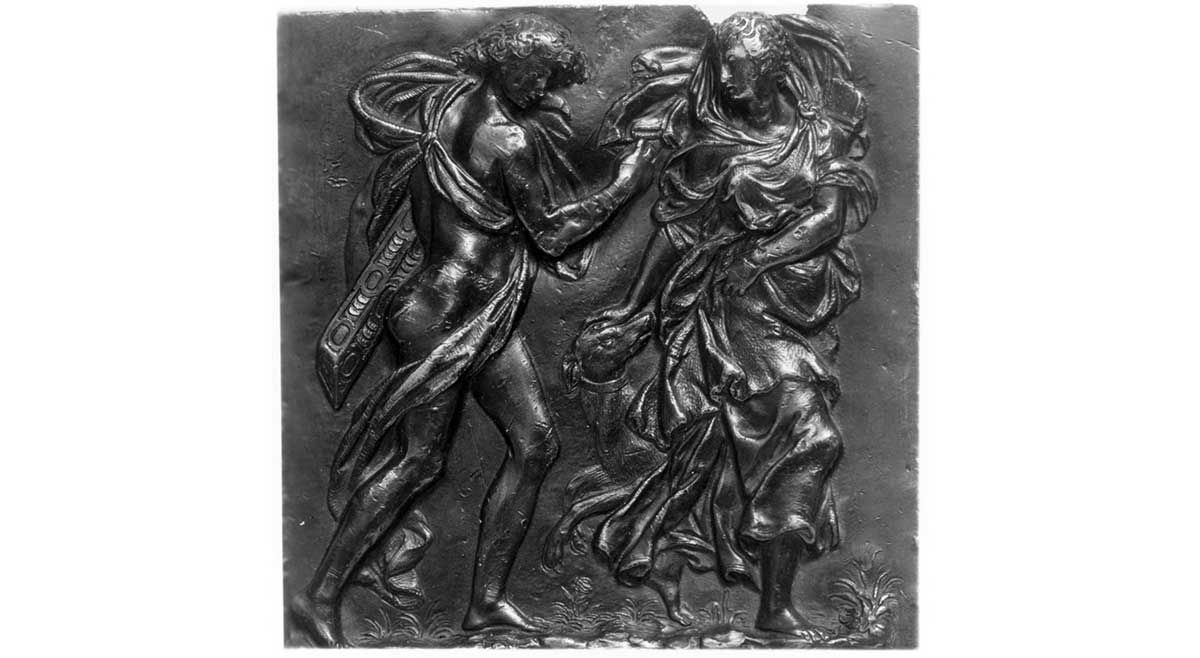
Out of the two characters, Arruns and Opis, we know far more about the latter. Opis appears in several records predating Virgil’s Aeneid, including at least dating back as far as the 5th century BCE. The record in question is Herodotus’ The Histories. He wrote about the island of Delos and how this was supposedly the birthplace of the twin gods Apollo and Artemis. In this account, he describes how several maidens from the mysterious northern land of Hyperborea had visited. He wrote:
“The maidens, I say, have this honor paid them by the dwellers in Delos: and the same people say that Arge and Opis also, being maidens, came to Delos, passing from the Hyperboreans by the same nations which have been mentioned, even before Hyperoche and Laodike. These last, they say, came bearing for Eileithuia the tribute which they had laid upon themselves for the speedy birth, but Arge and Opis came with the divinities themselves.” (Herodotus, The Histories 4.35)
Herodotus then goes on to explain that hymns were sung in honor of Arge and Opis. What this account tells us is that Opis was a maiden from Hyperborea and that she traveled to Delos and was associated with the goddess Artemis, known by the Romans, including Virgil, as Diana. What do we learn from later records?
A Companion of Artemis (Diana)
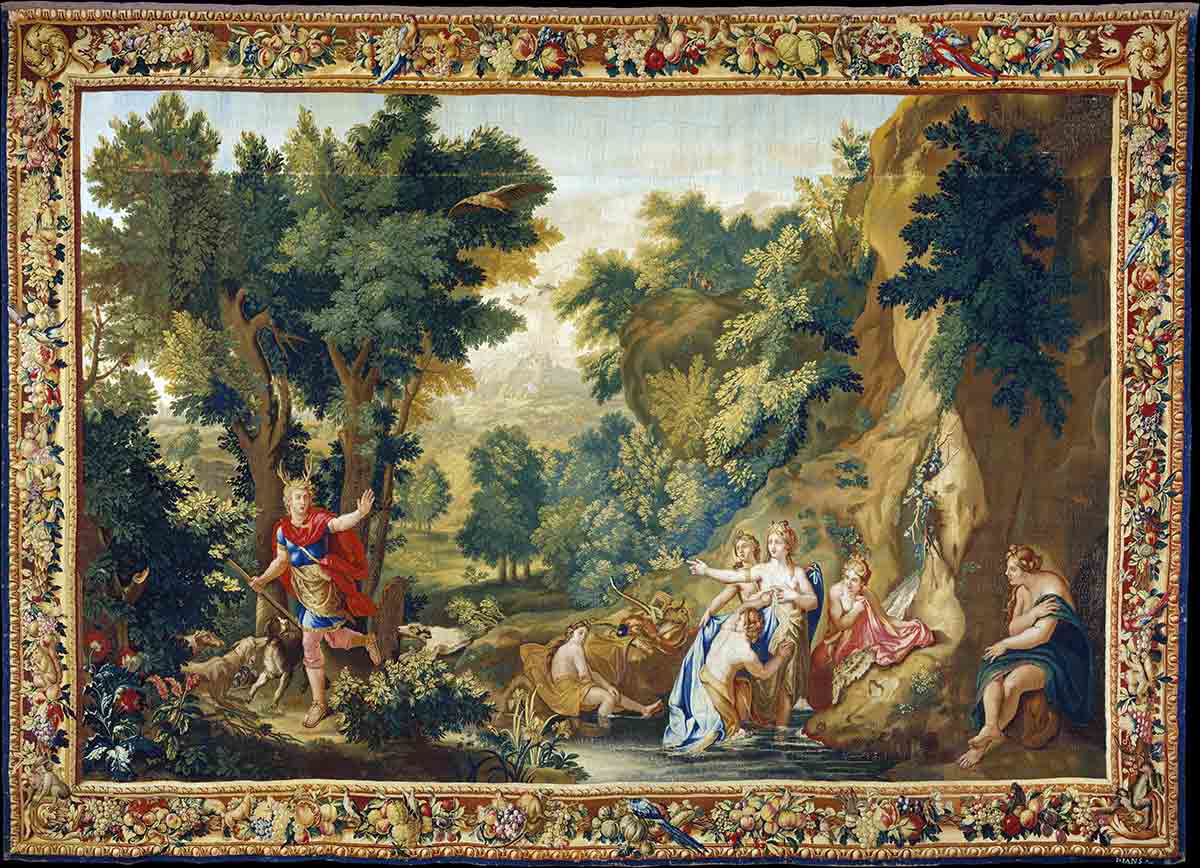
Later records provide the information that Opis became one of the eternal companions of Artemis. Evidently, she became a nymph after her death, although no surviving source describes this actually happening. In any case, we find the following reference to Opis in the Bibliotheca of Pseudo-Apollodorus:
“But Orion was killed, as some say, for challenging Artemis to a match at quoits, but some say he was shot by Artemis for offering violence to Opis, one of the maidens who had come from the Hyperboreans.” (Psuedo-Apollodorus, Bibliotheca 1.4.5)
This shows that Opis came to be very important to Artemis, given that she killed Orion to protect her. The fact that it is the same Opis and not merely someone of the same name is indicated by the connection to Artemis. It is also shown by the direct reference to her being one of the maidens who had come from Hyperborea. However, whether this brief story about Orion is set before or after Opis had become a nymph companion of Artemis, we cannot say. A later account, the Dionysiaca by the Roman writer Nonnus, appears to explicitly present Opis as a nymph. He wrote:
“The goddess [Artemis] leapt out of her chariot; Oupis took the bow from her shoulders, and Hekaerge the quiver.” (Nonnus, Dionysiaca 48.302)
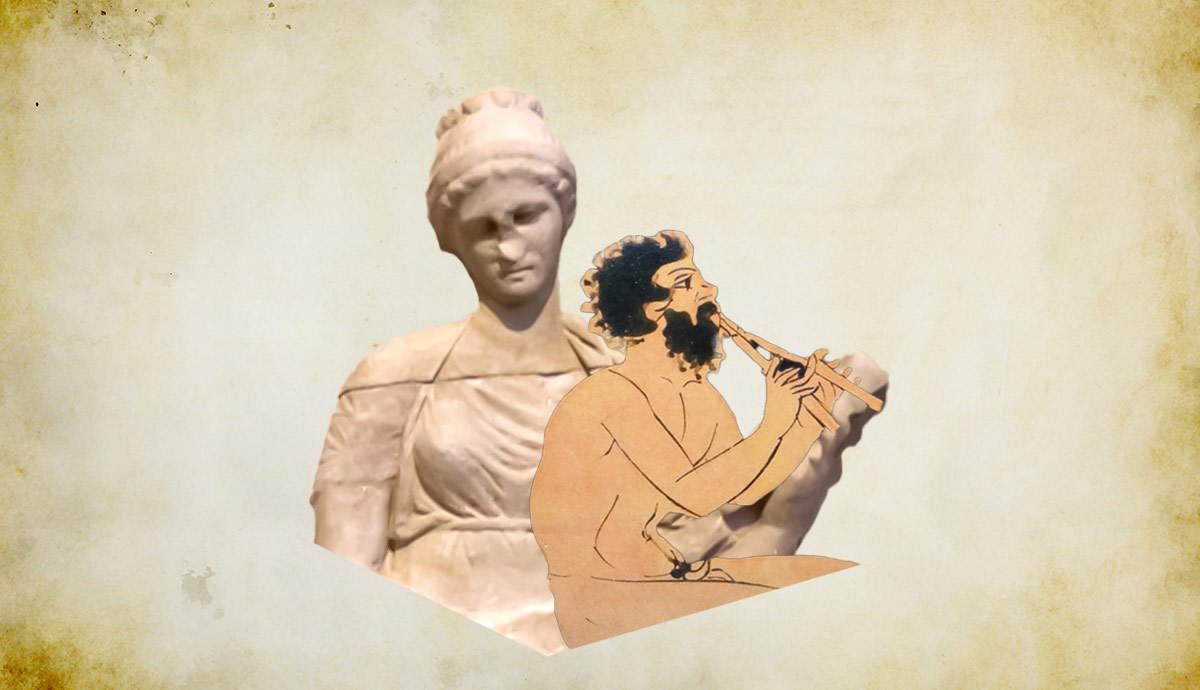
This reference presents Opis, or Oupis, as a companion of Artemis who fought for her, alongside other nymphs.
What We Know About Arruns
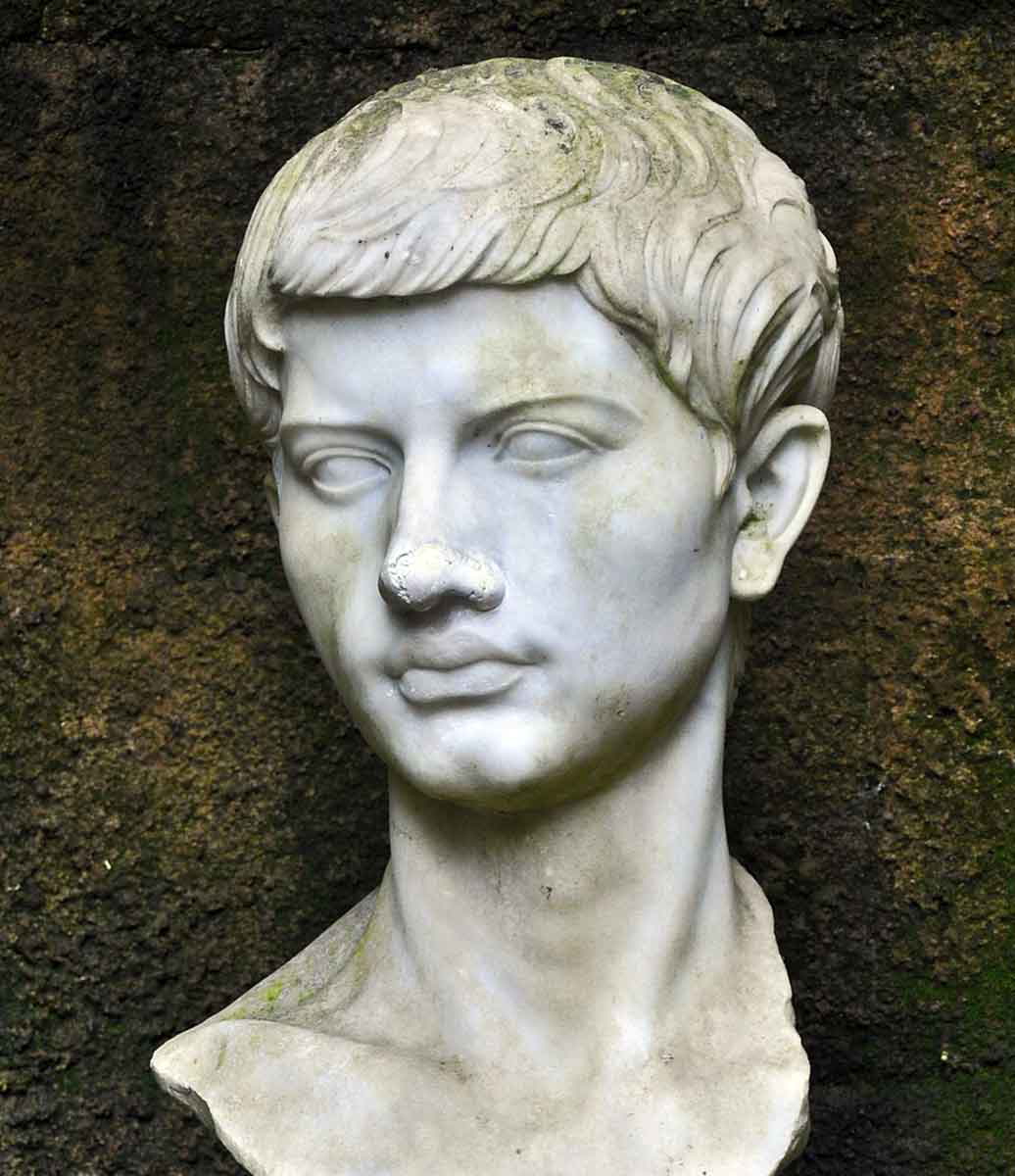
Now that we have identified Opis, who is Arruns. Unlike in the case of Opis, there is no obvious reference to Arruns before Virgil’s Aeneid. He seems to have been a character invented by Virgil, or at least not famous enough for any prior mention to have survived.
Even in the Aeneid, we do not learn much about him. Virgil merely tells us that he was a youth and describes him as “a man whose life was owed to the Fates.” Given the preceding line in the Aeneid, it is likely that Arruns was an Etruscan warrior. His identity as an Etruscan is strongly supported by his very name, “Arruns,” which was a praenomen used by several early Etruscan figures. In any case, he was on the side of the Trojans.
Virgil’s account also reveals something fascinating about Arruns as a person. He was completely focused on killing Camilla, the powerful queen of the Volsci, yet interestingly, he makes it clear that he is not interested in glory. He prayed to Apollo for success in his efforts to kill her, yet he includes the following remarks:
“I seek no prize, no trophy of the girl’s defeat, no spoils: some other deed will bring me fame: only let this dreadful scourge fall wounded under my blow.”
This suggests that Arruns was a warrior who was truly, fully devoted to the cause of the Trojans. Given that the Aeneid later shows that he was terrified of his actions against Camilla, there can hardly be another reason for wanting to kill her. This is supported by his reference to her as a “scourge.”
Opis, Arruns, and Camilla
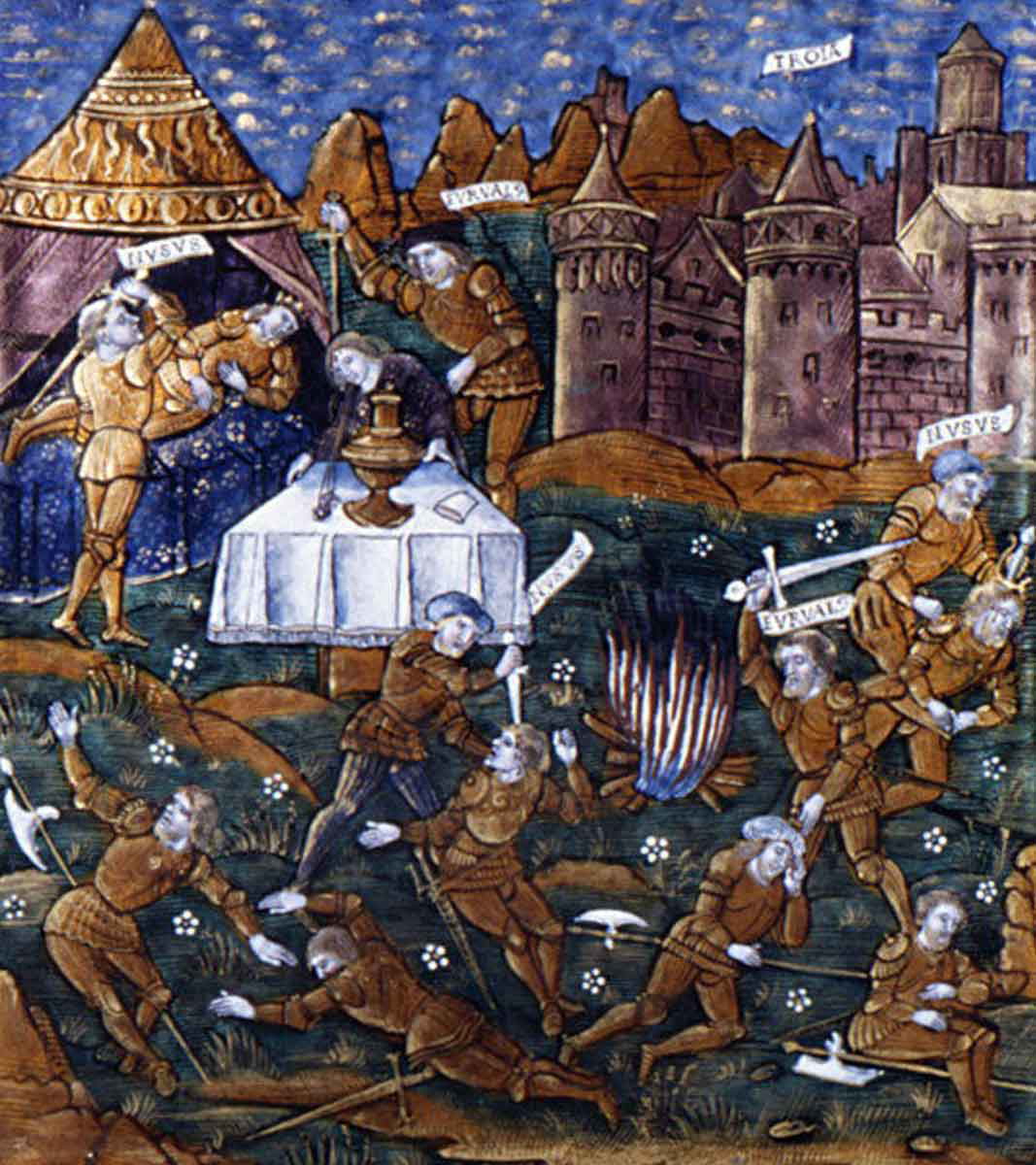
The confrontation between Opis and Arruns takes place in Book 11 of the Aeneid. This section of Virgil’s poem describes a war between the Trojans, with the Etruscans as their allies, and several Latin tribes. It broke out due to Aeneas taking Lavinia, daughter of King Latinus, as a bride, despite Turnus of the Rutuli expecting to marry her.
Aeneas was the leader of the Trojans, while his ally Tarchon was leading the Etruscans. Fighting against them were the Latin Rutuli and also the Italic Volsci. Turnus was the leader of the Rutuli, while the Volsci were led by a queen named Camilla. She is depicted as a ferocious and powerful warrior, akin to the famous Amazons of Greek mythology.
As Virgil explains, Camilla was a favorite of the goddess Diana. This goddess pointed out Camilla to Opis from their heavenly abode and gave her important instructions. She told Opis the following:
“I wish she had not been swept up into such warfare, trying to challenge the Trojans: she would be my darling, and one of my company still. Come now, nymph, since bitter fate drives her on, slip from the sky and seek out the Latin borders, where with evil omen they join in sad battle. Take these weapons and draw an avenging arrow from the quiver, and if anyone violates her sacred flesh by wounding her, Trojan or Italian, pay me with their equal punishment in blood.”
In this passage, Opis is very clearly presented as a nymph, not a human Hyperborean maiden. Diana tells her to enact vengeance on anyone who harms Camilla.
The Death of Camilla and Opis’ Vengeance
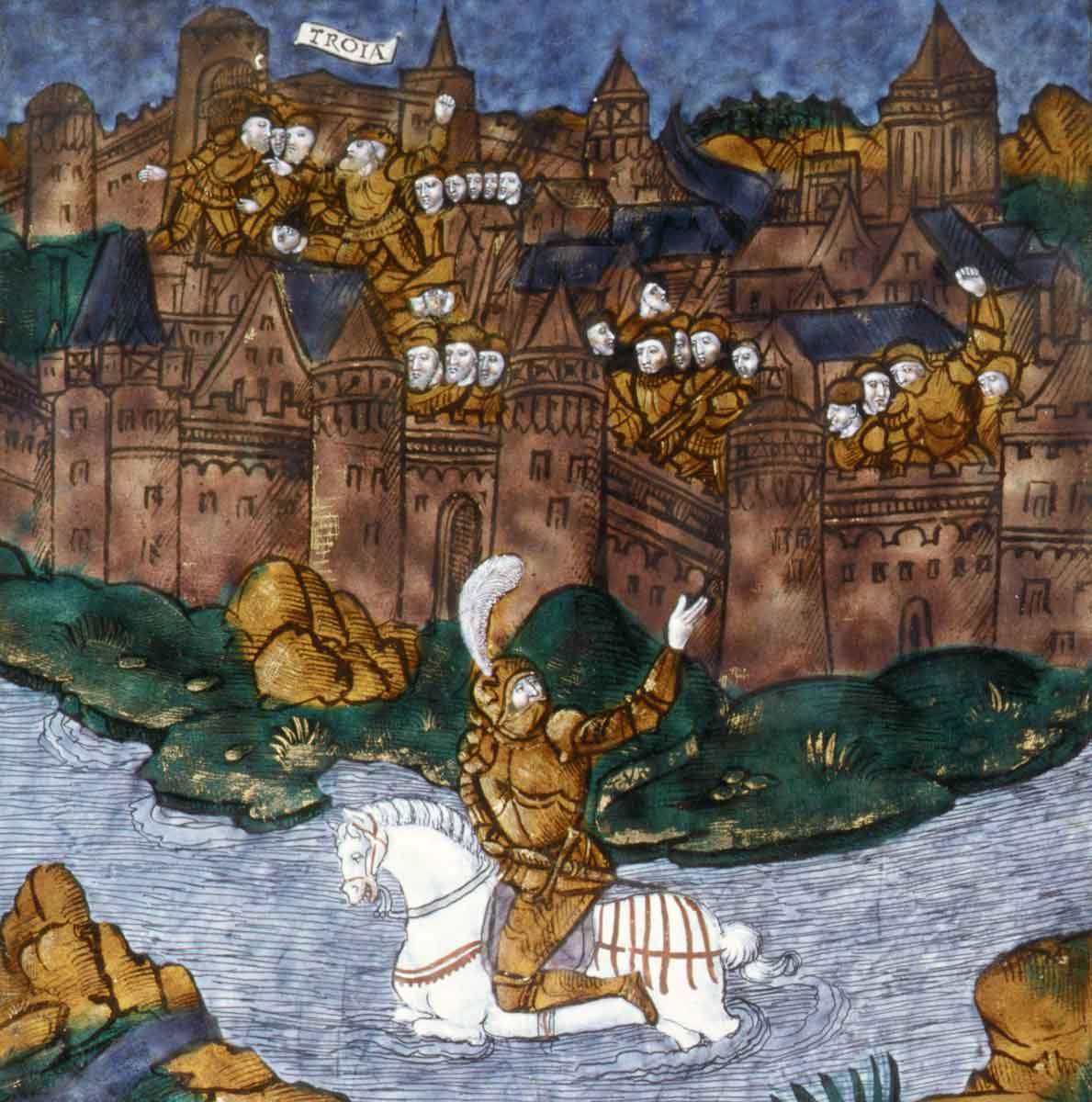
As the ensuing battle unfolds, Virgil describes Camilla powerfully waging war against her opponents. At the same time, Arruns quietly and discreetly followed behind her, not letting her out of his sight. Then, at an opportune moment, he raised his spear and prayed to Apollo. It is at this moment that he implored the god to give him victory over Camilla. He also asked to have a safe return to his own city afterwards. The text then notes that Apollo decided to grant him the first part of his supplication, but not the second.
Arruns’ spear flew through the air and struck Camilla in the chest, the metal tip getting stuck between her ribs. As Camilla’s life rapidly slipped away and the Volscian warriors rushed to her aid, Arruns slipped away into the turmoil of the battle. Here, Virgil strongly emphasises Arruns’ fear. He compares Arruns’ retreat to that of a wolf that has killed a shepherd and then flees before it can be attacked by others.
Opis, meanwhile, was watching this unfold from a nearby mountain. Upon seeing Camilla fall at the hands of Arruns, she promised to avenge her. At this point, Virgil’s description of Opis becomes more glorious than his former description.
“Here the loveliest of goddesses, after swift flight, first set foot and caught sight of Arruns from the high tumulus. When she saw him shining in armor, swollen with pride, she cried: ‘Why go so far away? Turn your steps here, come this way to destruction, and receive your reward, worthy of Camilla. May even you not die by Diana’s weapons?’”
Opis is described not merely as a nymph, but as a goddess; even the “loveliest of goddesses.” In the following line, she is called a “Thracian goddess.” At this, the vengeful deity drew her bow and shot Arruns, killing him on the spot.
Possible Origins of the Story
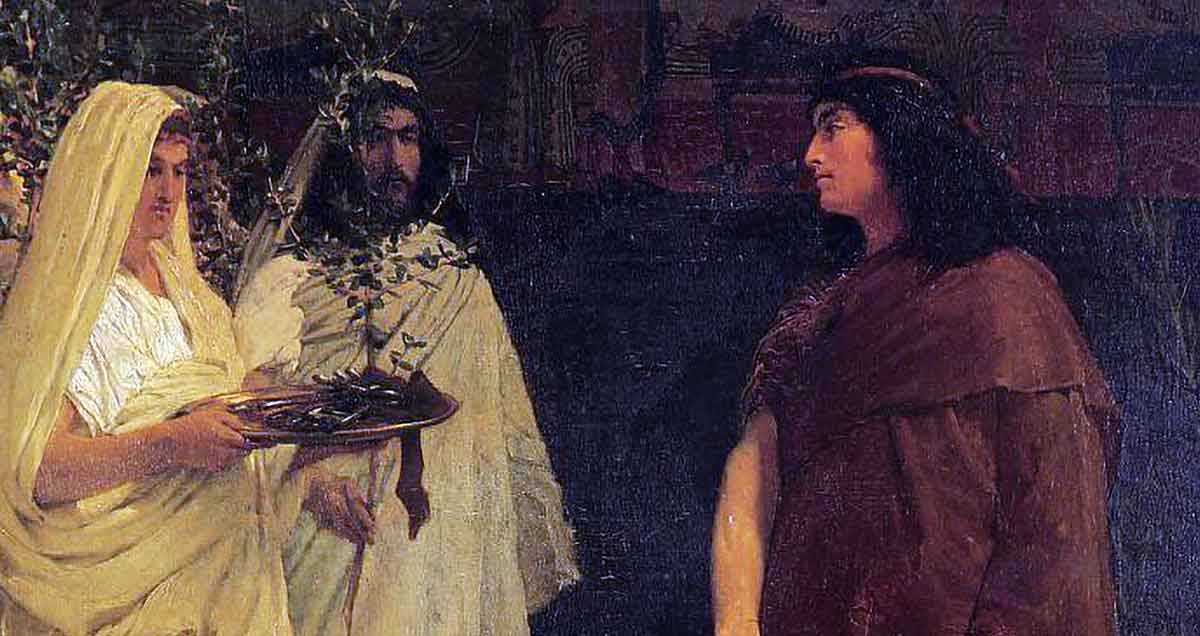
Is this all we can say about Opis and Arruns? It is worth remembering that Virgil wrote his account in the 1st century BCE, many centuries after these events supposedly took place. Furthermore, Virgil was writing an epic poem, not a historical narrative. He borrowed from other sources selectively and also invented for the purpose of his narrative. Could Virgil have found the story of Arruns in existing sources?
Virgil includes a poetic narrative about an Etruscan king named Tarchon, who fought against the Rutuli and the Volsci. The Etruscan name Tarchon is closely related to the Latin name Tarquinius, leading to the suggestion that Virgil drew on the story of the semi-legendary Etruscan king of Rome, Lucius Tarquinius Superbus, for his account. He was also known to have fought against the Rutilis and the Volsci, including against a leader named Turnus. Of course, Tarquinius supposedly lived centuries after Aeneas, but his story may have inspired Virgil’s narrative.
Could Virgil’s Arruns also have been inspired by a figure from Rome’s later legendary history? Might he have been inspired by Arruns, the youngest son of Tarquinius Superbus? This Arruns is recorded as dying in battle in 509 BCE, the very same year in which Tarquinius is said to have fought against the Rutuli. This is tantalisingly similar to Virgil’s story of the young Arruns dying in battle during Tarchon’s war against the Rutuli. Could the origin of Virgil’s legendary Arruns ultimately lie with this semi-legendary Etruscan prince? The simple answer is that we do not know, but it is a distinct possibility.