Origami is an ancient technique that most likely originated in Japan soon after the local masters gained access to paper-making techniques. Initially, it was used in rituals and celebrations, but over the centuries turned into a popular hobby that develops intellect and motor skills. Let’s take a look into the long history of origami, its applications, and some origami instructions.
Origami Techniques for Beginners: The Long History of Origami

In the 7th century, Japan mastered the technique of paper-making and developed the recipe for washi paper, a thin but durable material that became one of the staples of Japanese art. It was used for calligraphy, woodblock printing, clothes making (proper washi is hard to tear and resistant to moisture), and even restoration and conservation. Thin pieces of washi paper are used to restore old books, artworks on paper, and paintings. During World War II, the Japanese forces used washi paper as the base material for balloon bombs. However, one of the most famous applications of washi paper is origami.
Initially, origami existed in a much simpler form and was associated with specific ways of wrapping gifts or temple offerings in paper. It was used for religious ceremonies and decorations and was extremely expensive. At that time, washi paper production was slow and expensive thus, the material was scarce and treasured. Origami butterflies were often presented to newlywed couples as symbols of bride and groom. The rules of folding were less strict, and the final result supposedly looked a lot different from the origami we know now. Unfortunately, there is little evidence on how exactly the old origami works looked like, as paper decomposed easily and was too difficult to preserve despite its durability.

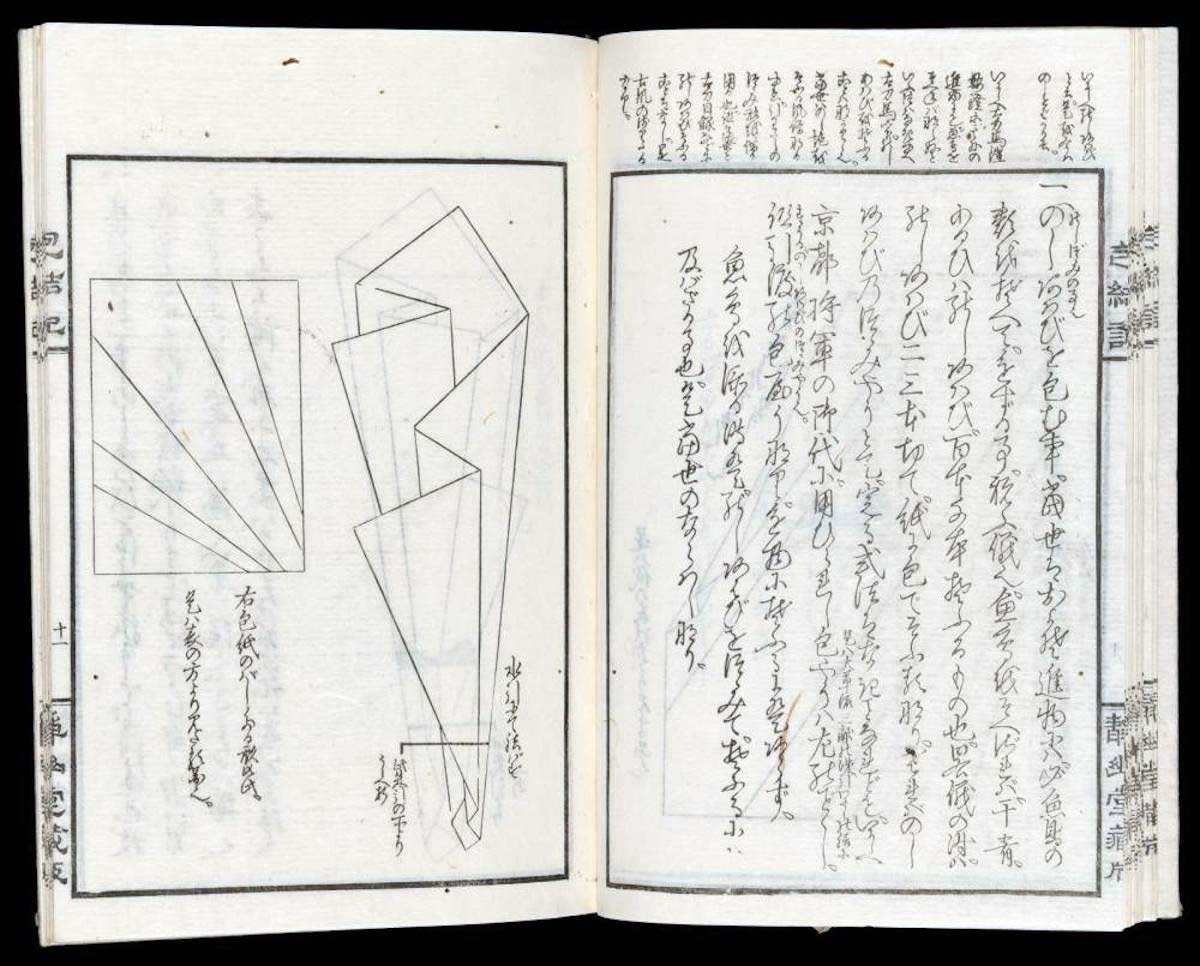
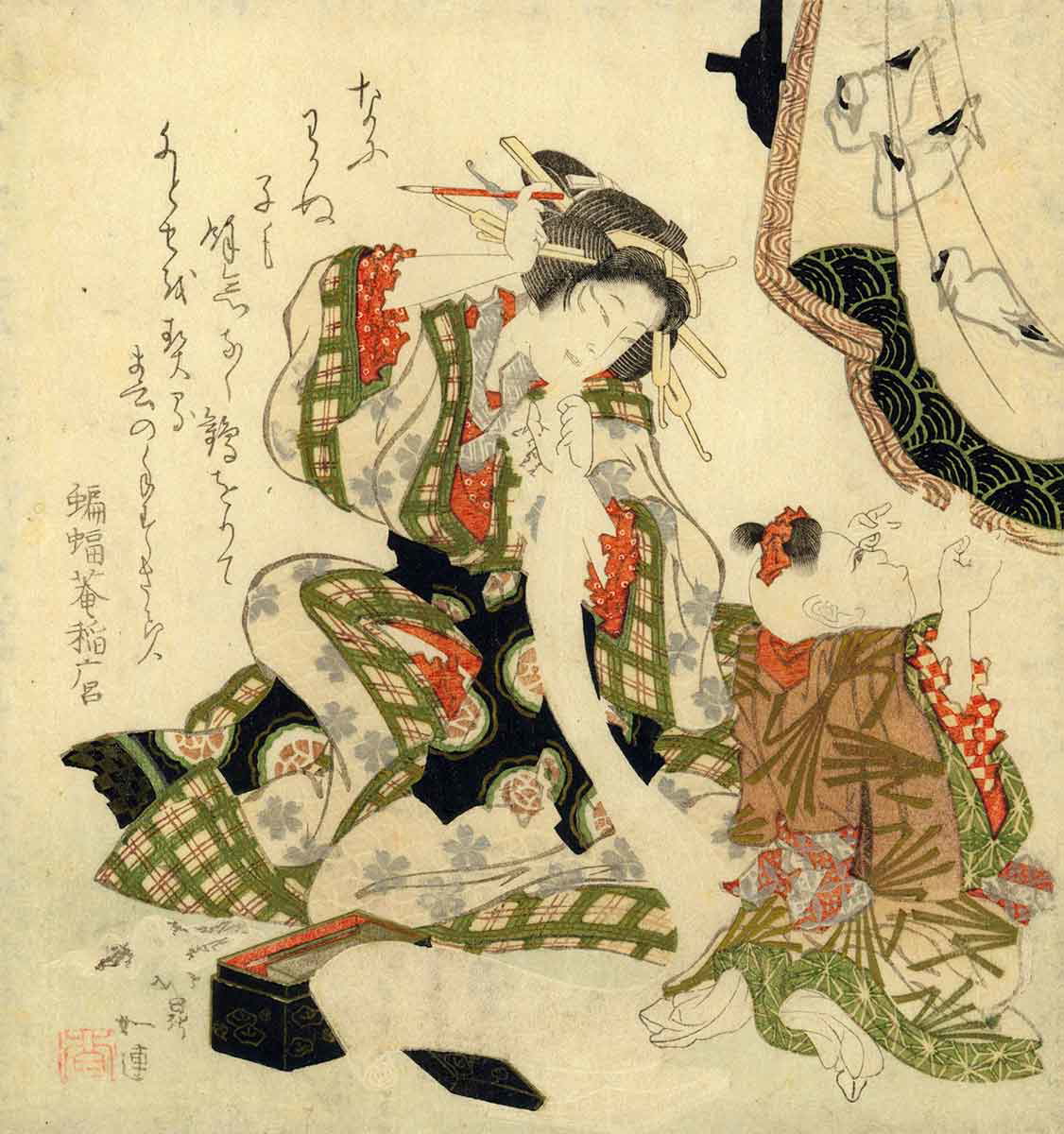
By the Edo Period (17th-19th centuries), the production of washi paper became cheaper and larger, making it more available for wider use. At the time, the contemporary concept of origami began to develop, with upper classes regarding it as an intellectual hobby. Folding paper into surprisingly complex forms without cutting or gluing became a sign of inventiveness and skill. It also developed creative thinking. The earliest existing book on origami was published in 1797 and demonstrated how a previously ceremonial form of decoration transformed into a popular hobby. Many ukiyo-e prints of the Edo era included figures engaged in origami folding.
Traditionally, origami techniques involved the cutting of the paper and adding painted elements to it. However, in the late Edo period, when Japan began extensive communication with the West, cutting became a taboo. Historians attribute it to the influence of the Western practice of napkin folding which was used for table decoration in the 18th century. At the same time, artists and teachers began to recognize the educational potential of origami and its role in developing creativity and fine motor skills in children and adults alike.
Who Invented Origami Instructions?

Origami, in the contemporary understanding of the practice, emerged only in the mid-20th century. Before that, origami books relied on complex and often difficult-to-read descriptions of the process. Rather than illustrating the actions of a master, images often showed only their final result, confusing the reader and forcing them to take wrong steps trying to decipher the instructions. In the 1950s, origami artist Akira Yoshizawa developed a diagramming system that allowed him to record each movement and action in a clear and precise way.
Yoshizawa was a self-taught origami master. His skill was first noticed when he began implementing origami to teach geometry and draughtsmanship to factory employees. He used folded paper forms to explain the nuances of the draught-making process. In his book, he categorized and recorded the most common folds and actions used in origami and invented a symbol for each of them, thus making it easy to record and follow even the most complex multi-step processes. Yoshizawa is credited for reviving the origami practice and introducing it to new generations.
Origami and Mathematics
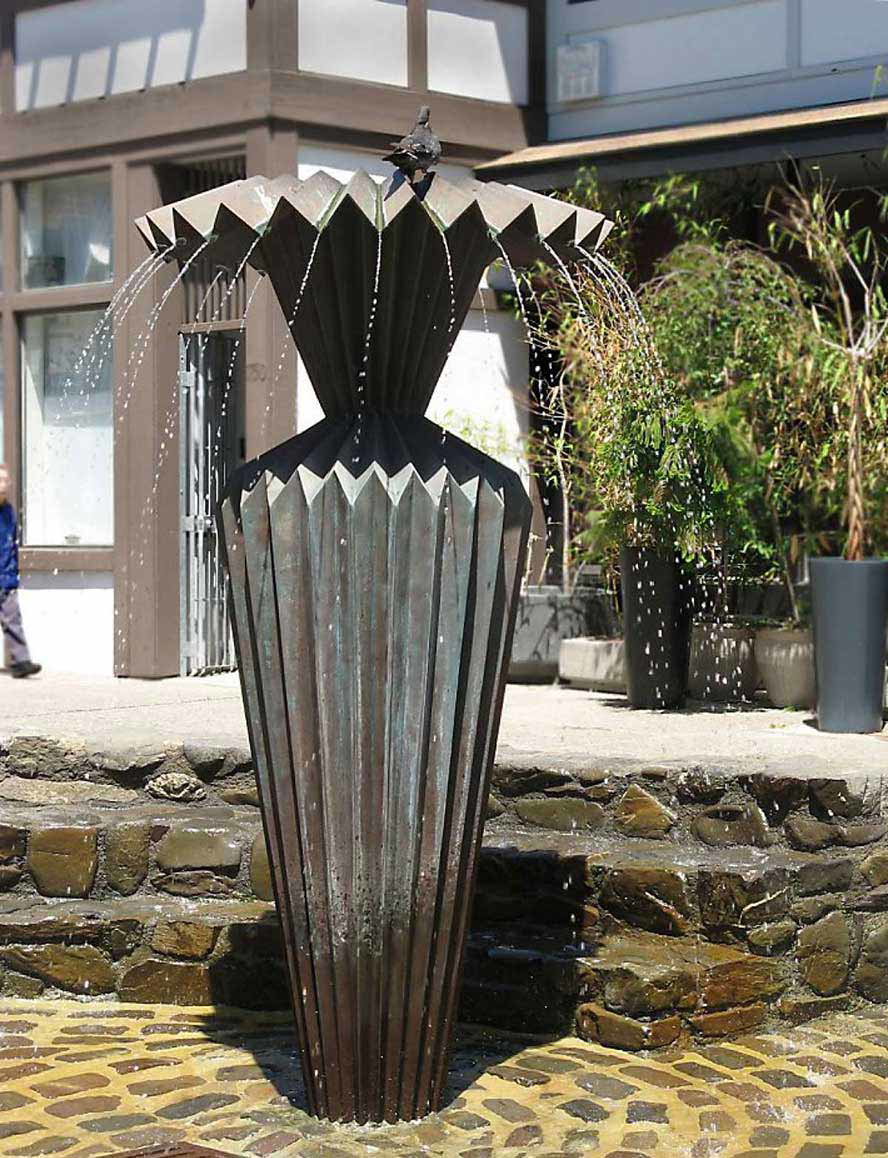
Despite being treated as a rather common and simple hobby, origami developed an entire field of study based on mathematical analysis and calculations. Origami mathematics concerns itself with locating the exact points on a flat paper surface that would produce folds required for specific forms. Moreover, it focuses on studying the mathematical limits of paper folding and the solving of equations with paper models. Surprisingly, origami mathematics is not a merely theoretical discipline and proves itself useful in robotics, engineering, medicine, industrial design, and many other fields.
Over the centuries, origami existed in different forms and techniques. However, most forms popular today originated in the 20th century after the origami revival launched by Akira Yoshizawa and his followers.
Orizuru: The Traditional Japanese Paper Crane
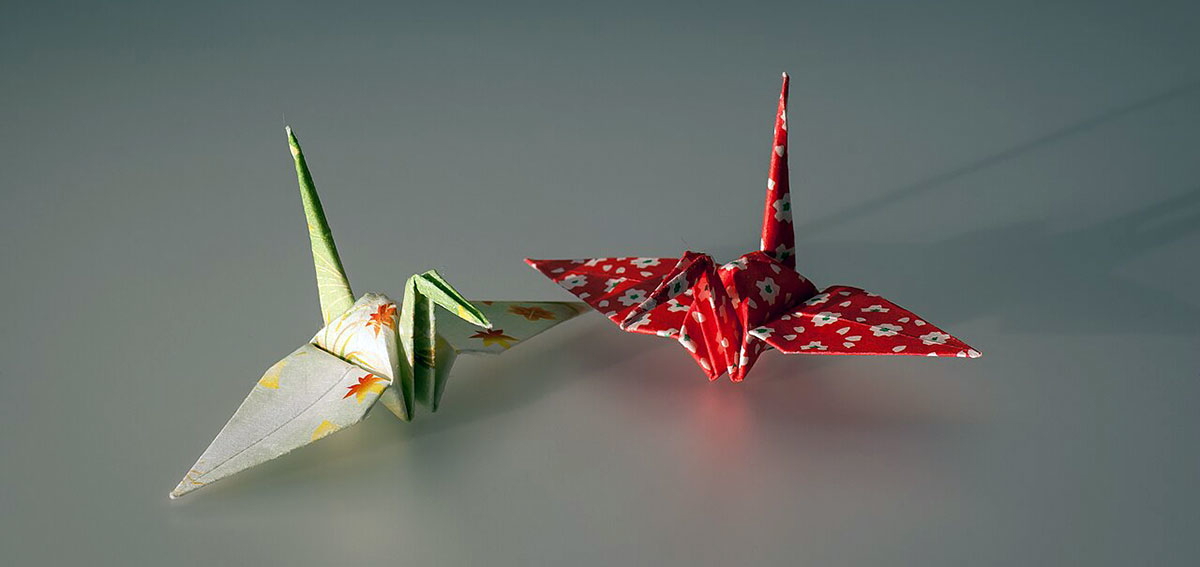
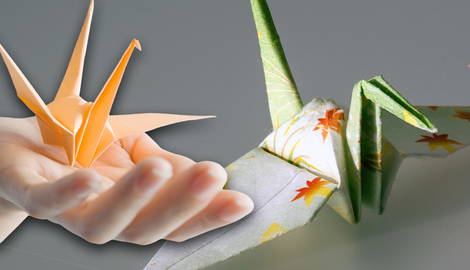
One of the most famous and recognizable origami forms is a paper crane, also known as Orizuru. A red-crowned crane is one of the most ancient and beloved symbols in Japanese culture. Renzuru is a specific technique of folding numerous cranes from one sheet of paper, and arranging them into complex compositions. It is believed that one could make their wish come true by folding 1,000 paper cranes.
Kirigami
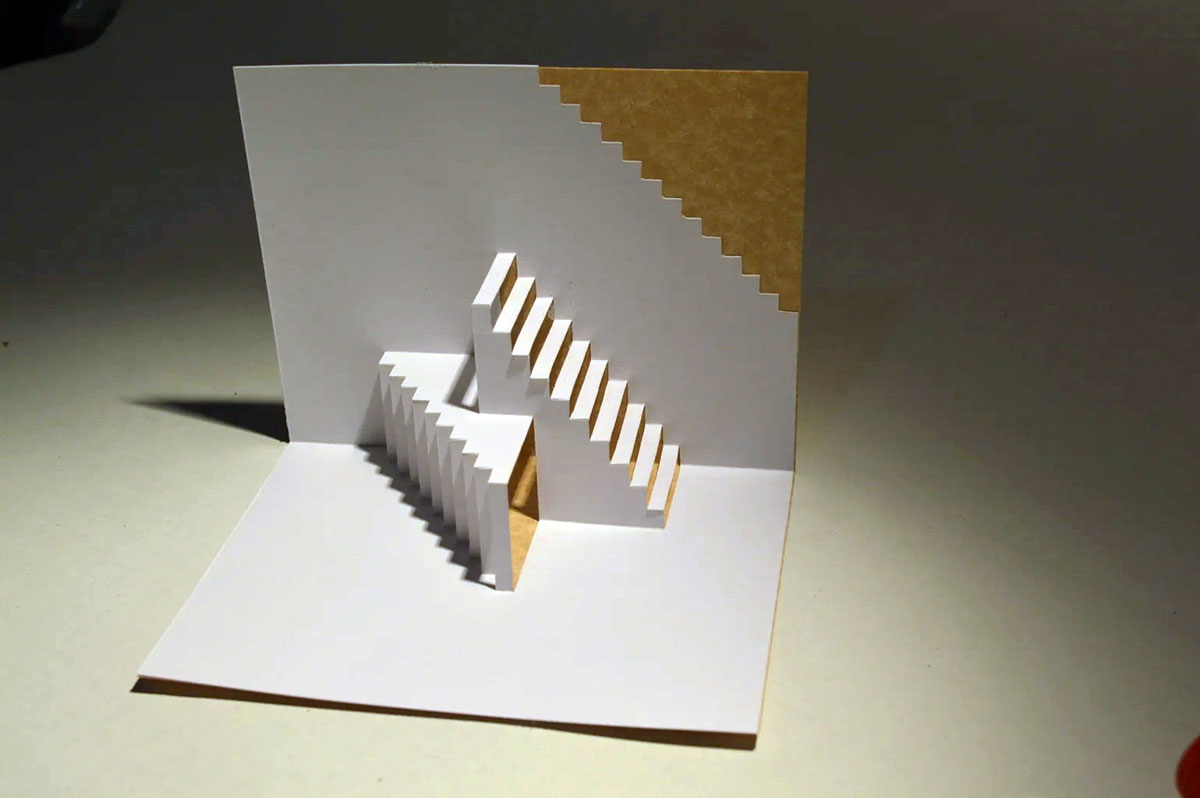
Kirigami is a technique that goes against the seemingly most basic rule of origami—the ban on cutting. Kirigami pieces are both folded and cut, allowing for more complex shapes and structures. It is often used to create three-dimensional postcards and books with unfolding elements. Despite its relative novelty, it is similar to the traditional form of origami that allows for cutting excessive parts of paper.
Wet Folding
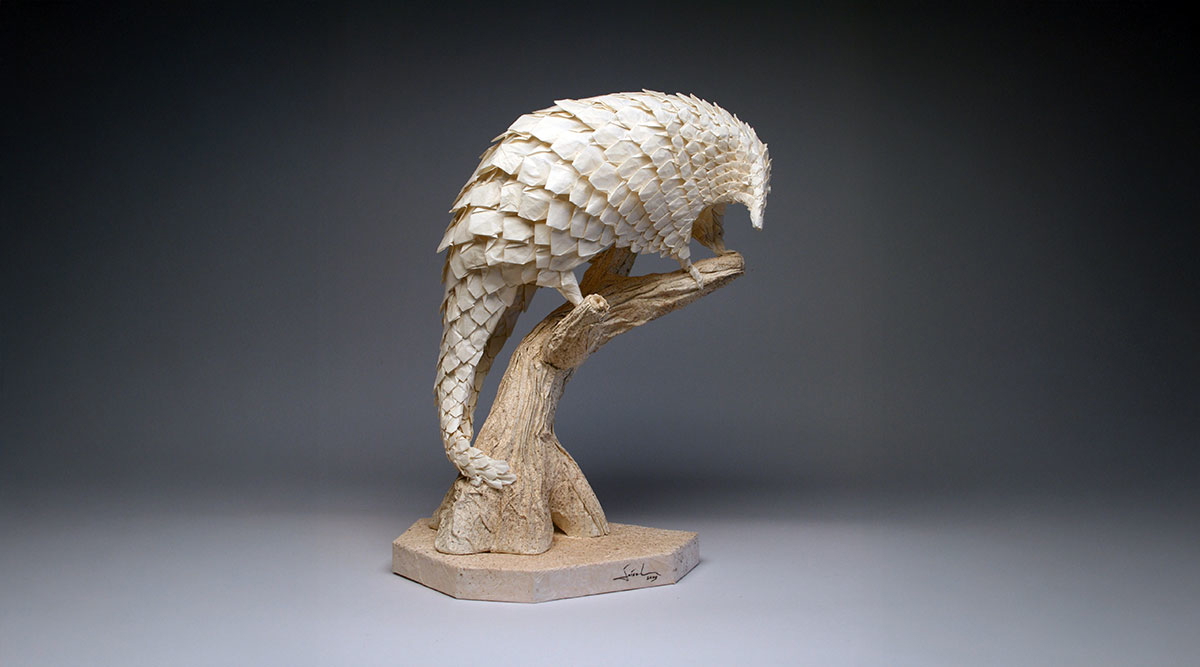
Wet folding is another invention of Akira Yoshizawa. Yoshizawa tried dampening the paper before folding it so it could more easily create softer curved forms. Unlike traditional origami, which is strictly geometric, the wet folding technique allows for more complex lines and gives more room for manipulation. However, this technique demands using thicker paper so it does not tear during the folding process. Some argue that the sculptural qualities of wet folding helped to move origami from the domain of hobby crafts to the domain of more elevated and respected forms of art.
Today, one of the most famous and popular masters of wet folding is the French origami artist Éric Joisel. Joisel is a former sculptor who worked with traditional materials like stone and plaster before moving to origami and developing his own techniques based on Yoshizawa’s ideas.
Modular Origami
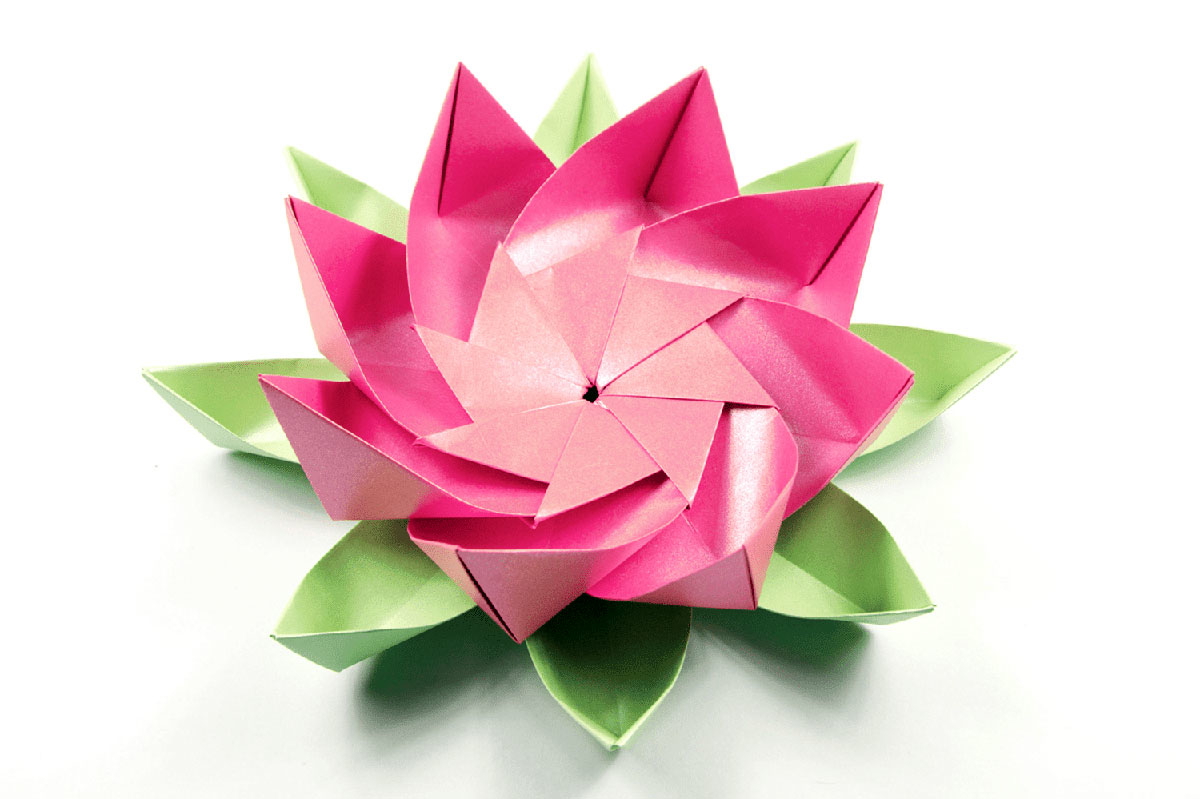
Modular origami is a more advanced form that relies on constructing complex shapes from smaller origami fragments. The use of glue is mostly forbidden, as the pieces are supposed to hold each other using gravity and the natural tension of the material.
Kusudama

Kusudama is a sub-genre of modular origami with a distinctive shape. These are ball-like structures constructed or sewn from numerous pyramidal paper shapes. Usually, kusudama works are hung up as decorations or used as vessels for incense, healing herbs, or flower petals. Larger models are sometimes used during celebrations to release confetti, balloons, and other light decorative objects.
Abstract Origami
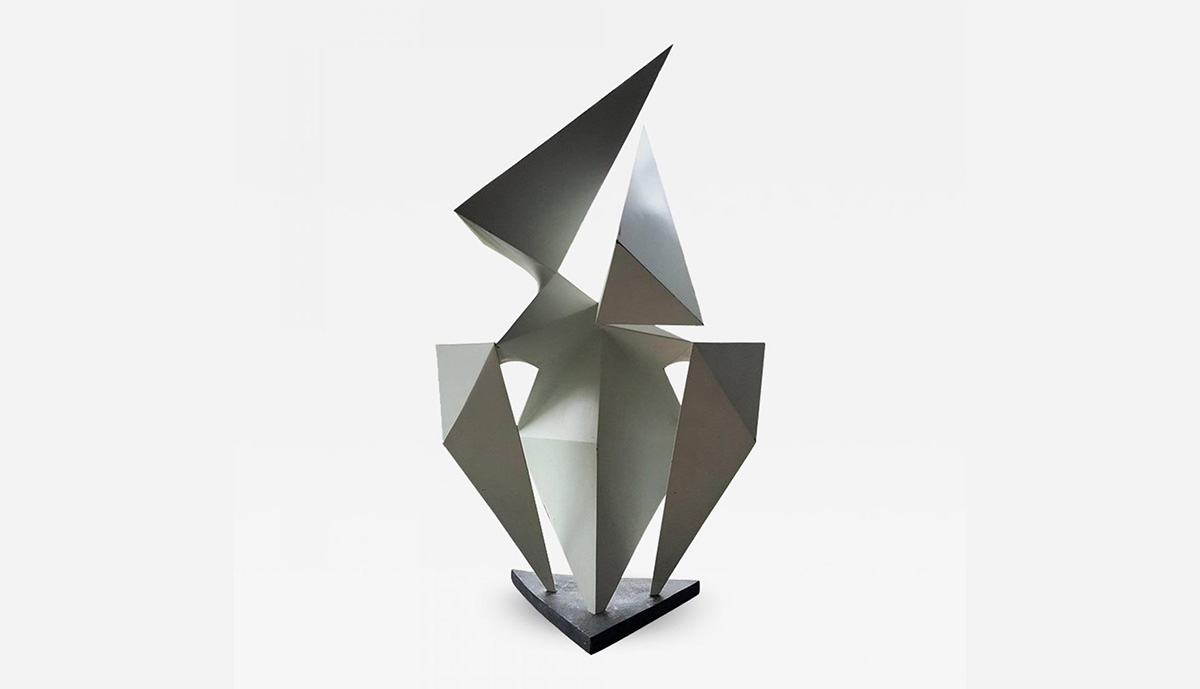
Unlike traditional origami forms that recreate animals, birds, insects, plants, and other material objects, abstract origami is concerned with pure form unrelated to physical reality. A relatively new phenomenon, abstract origami forms can range from simple cubic shapes to complex structures requiring mathematical precision.
Beginner’s Guide to Origami Techniques: How to Follow Instructions
Due to the long history of origami practice and the effort of Akira Yoshizawa, practicing origami today is rather easy. However, there are certain rules and suggestions.
- Make sure you use quality materials. Regular paper used for printing and writing is usually too rigid and tough for origami. It may help to try your hand at the most basic shapes, but if you want to practice origami on a more or less serious level, it is worth investing in proper materials.
- Get familiar with the sign system. Before folding your paper, make sure you understand the guidelines. Akira Yoshizawa’s diagrams are rather easy to read but still can require time to implement into practice easily.
- Start with simple forms. Although complex modular projects or kusudama balls may seem tempting to try, it is best to work with basic models at first to fully understand the capabilities of your materials.