Artemisia Gentileschi’s Mary Magdalene in Ecstasy was once lost to history. It is now on permanent display at the National Gallery of Art in Washington, D.C.
This rediscovered masterpiece demonstrates how Gentileschi transformed Italian Baroque painting with her radically human depictions. We talked with Dr. Eve Straussman-Pflanzer, Curator and Head of Italian and Spanish Painting, about why this acquisition matters so much—for both the Gallery and the artist’s legacy.
What’s incredible about this painting is how it communicates transformation through one figure. The Magdalene’s body, her hands, her posture—everything tells a story of psychological and emotional change.
Why Mary Magdalene in Ecstasy Is a Baroque Masterpiece
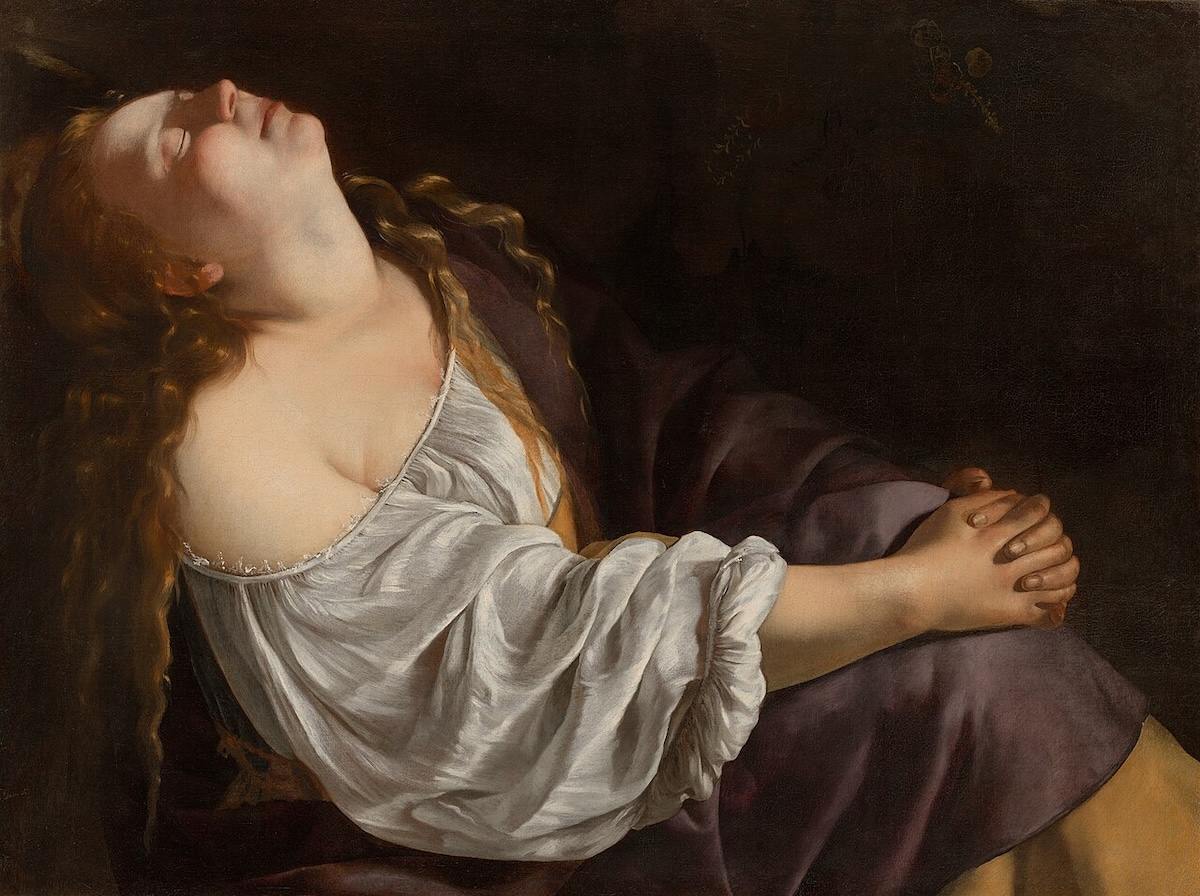
Painted at the height of Artemisia Gentileschi‘s extraordinary career, Mary Magdalene in Ecstasy portrays the biblical figure in an intimate moment of spiritual rapture.
Traditional religious imagery often depicted the Magdalene alongside overt symbols of her penitence, such as a skull or a book. Gentileschi, however, narrows her focus to the Magdalene’s emotional and physical experience. Rather than illustrating a narrative, this painting captures a poignant psychological moment, reflecting a broader Baroque fascination with visualizing a subject’s inner world.
Artemisia doesn’t just show a penitent woman. She shows a fully embodied, sentient woman, alive with presence and complexity. That’s what makes her work so powerful.
Mary Magdalene in Ecstasy was virtually unknown until a 2011 scholarly article identified it based on an old photograph. In early 2026, the National Gallery of Art announced its acquisition of the reattributed painting into its permanent collection of Italian and Spanish paintings, describing it as “one of the finest ever made” by Artemisia Gentileschi.
Fearless Women and Bold Baroque Paintings: The Genius of Artemisia Gentileschi
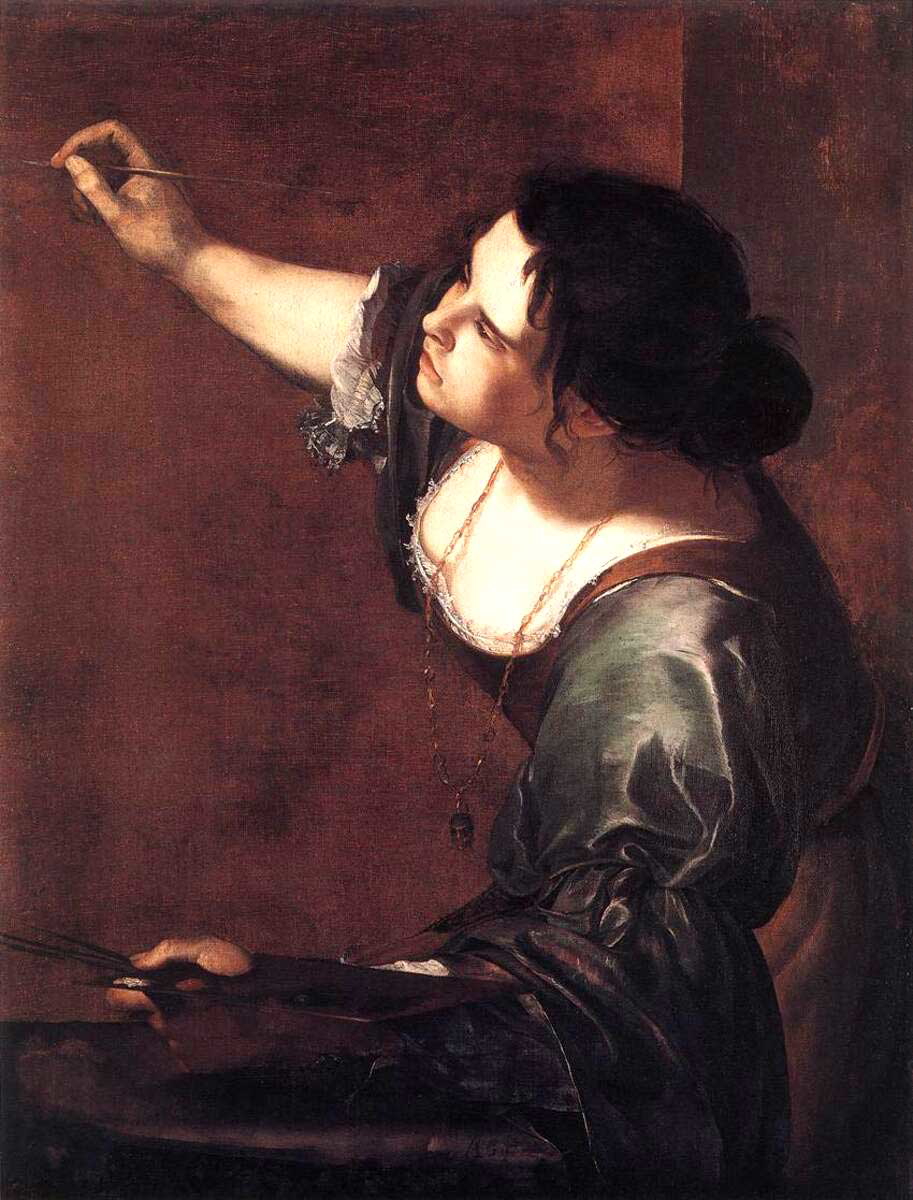
Artemisia Gentileschi (1593–c. 1654) was a pioneering Italian Baroque painter. She is especially remembered for her down-to-earth yet dramatic depictions of biblical heroines. With her artist father’s encouragement, Artemisia was painting professionally by age 15. She overcame significant obstacles and trauma to become a commercially successful and internationally renowned artist during her lifetime.
Mary Magdalene in Ecstasy is now on display at the National Gallery of Art in Gallery 29 on the Main Floor of the West Building. Admission is free.