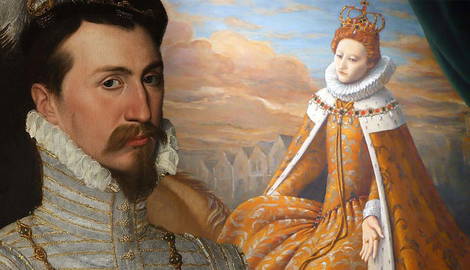
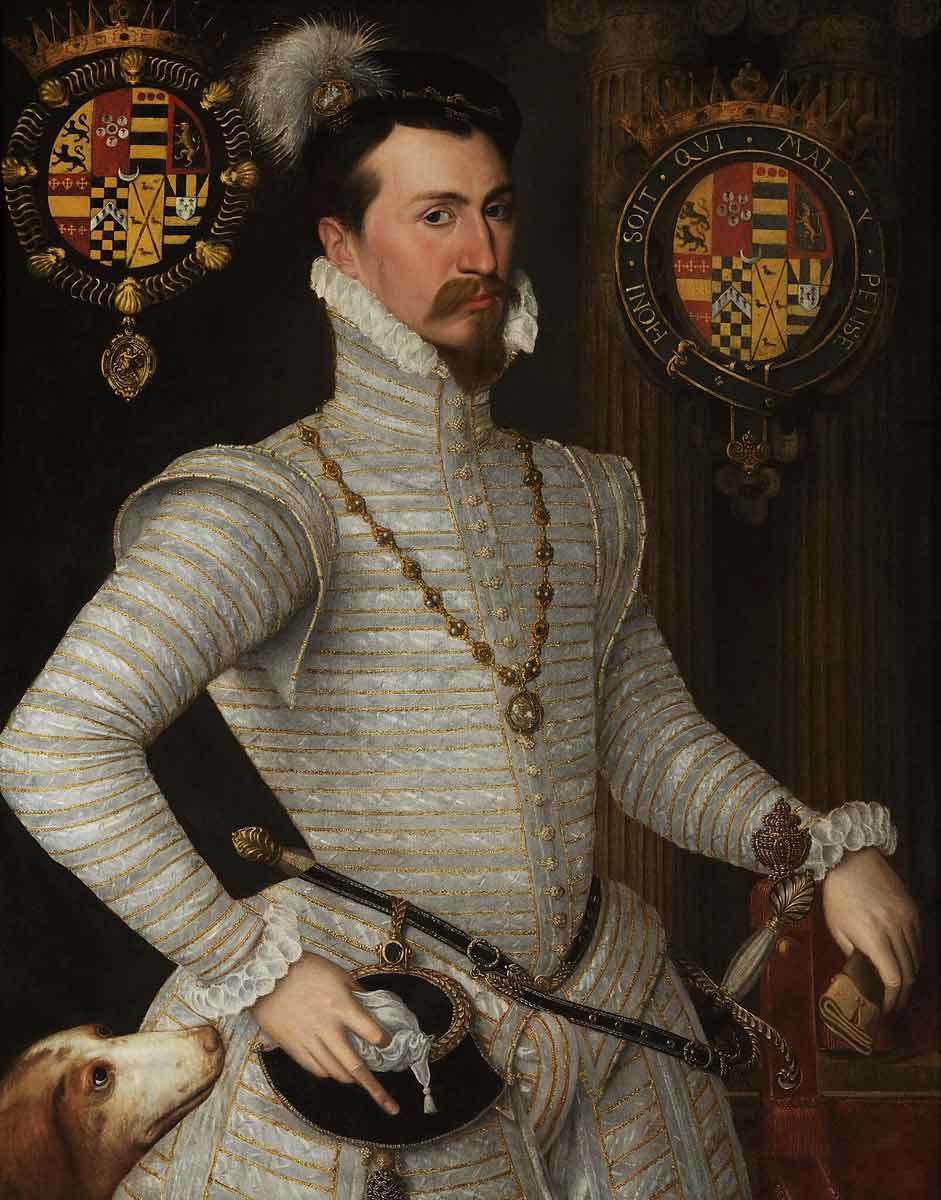
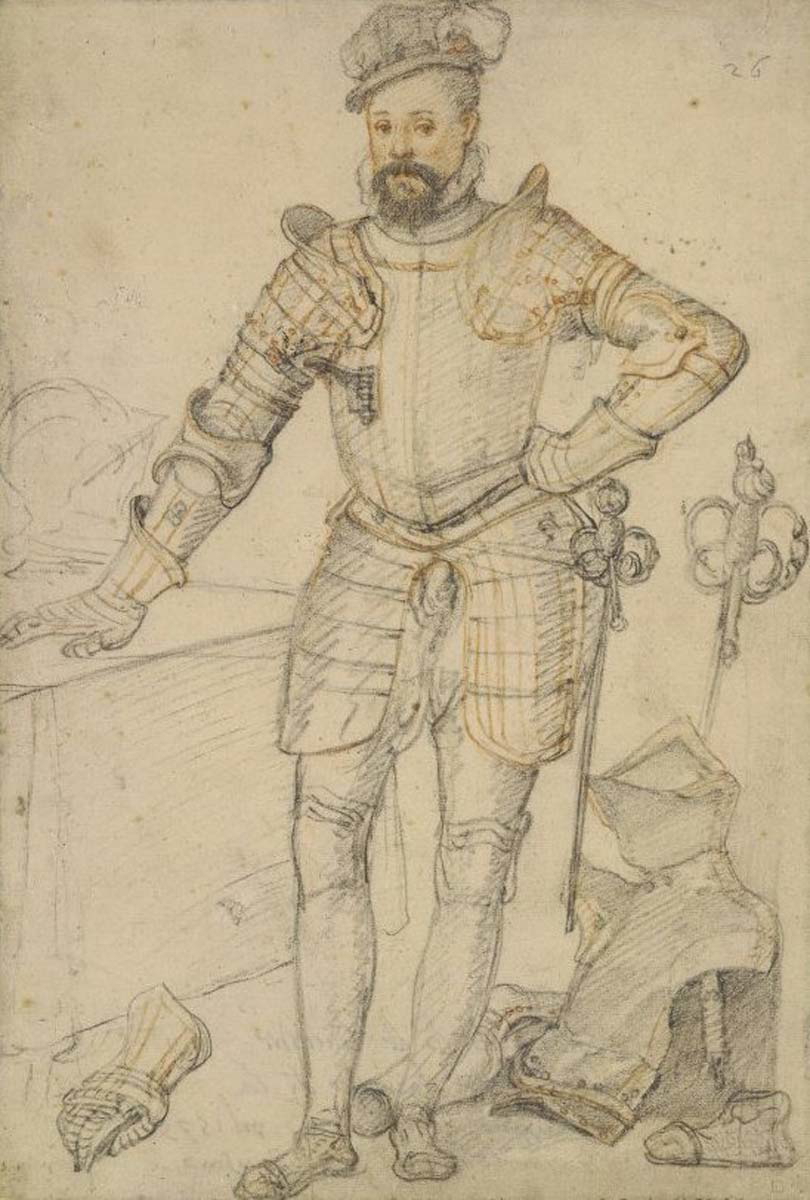
Robert Dudley was Queen Elizabeth’s closest ally, her longtime favorite, and the reason rumors and whispers of scandal followed her everywhere. Many thought that Dudley and his queen would marry, and Robert certainly did everything within his power to make that happen. However, even his most ardent attempts eventually led to failure. Despite her obvious and decades-long love for him, the queen would remain kingless and Dudley would marry twice, leading to the sovereign’s most infamous outburst.
“I Know Her Better,” Robert Dudley
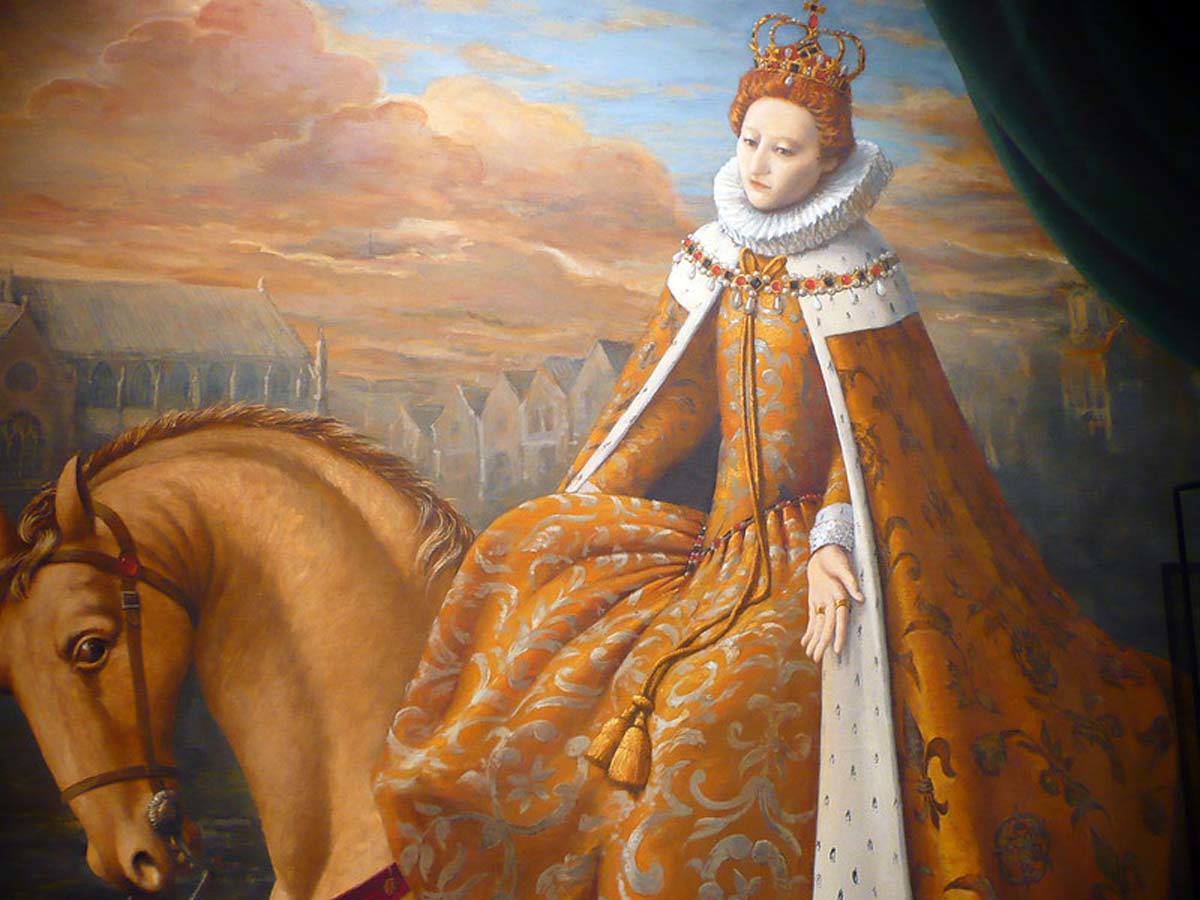
While Thomas Seymour had a fleeting, destructive presence in Elizabeth’s life, Robert Dudley’s companionship spanned decades, though it could hardly be called one of fidelity. If there was ever a man destined to stir up court gossip and inspire rumors of forbidden romance, it was him. Born just a year before Elizabeth, in 1532, Dudley had been a fixture in her life since they were children. They shared the same tutor, Roger Ascham, who marveled at their intellect. They shone like stars, and they certainly couldn’t avoid one another’s orbit.
When Elizabeth’s third stepmother, Catherine Howard, was executed in 1541, a young, grief-stricken Elizabeth supposedly confided in Dudley: “I will never marry.” This story, while famous, could also be apocryphal. It seems altogether too perfect that Robert, always listening, would remember those words for the rest of his life, allowing it to influence his hasty marriage to Amy Robsart a few years later. Conveniently, he kept Amy as far away from court as possible because he knew any whiff of her presence might damage his close relationship with Elizabeth. It wasn’t the happiest marriage, but Dudley wasn’t fussed.
By the time Queen Mary took the throne in 1553, both Robert and Elizabeth found themselves in the Tower of London under suspicion—Elizabeth for plotting against her half-sister and Robert for leading troops to support his father’s ill-fated attempt to put Lady Jane Grey on the throne. This wasn’t exactly a bonding vacation, but the experience certainly deepened their already sturdy foundation. It is one thing to spend time with someone over tea and dancing, it is quite another to face death together in the Tower of London at the whims of a queen both sickly and paranoid. That kind of thing really solidifies a bond.
Thankfully, Robert’s mother and his brother-in-law, Henry Sidney, were working behind the scenes, pulling every string they could with the Spanish nobility close to Queen Mary’s husband, Philip II. This saved most of the Dudley clan (except for the doomed husband of Jane Grey, Guildford, and their father). Still, Robert was released, and his loyalty to Elizabeth only grew stronger.
During Queen Mary’s reign, while Elizabeth lived in constant fear for her life, Robert was right by her side. The two spent hours together, sharing a love for hunting, dancing, and witty banter, though it all came with a healthy side of debilitating terror. Naturally, this closeness sparked endless gossip—especially since Dudley was still a married man.
When Elizabeth finally became queen, the uncategorized relationship between the two became even more scandalous. People whispered, wagged their tongues, and made wild assumptions, but as far as can be proven, Elizabeth never crossed that line. Dudley, though, liked to remind people just how long he’d been a main character in her story. In a letter later in life, he would write, “I have known her better than any man alive since she was eight years old.” And honestly, if anyone knew the real Elizabeth, it was probably him.
The Favor Elizabeth I Showed Him
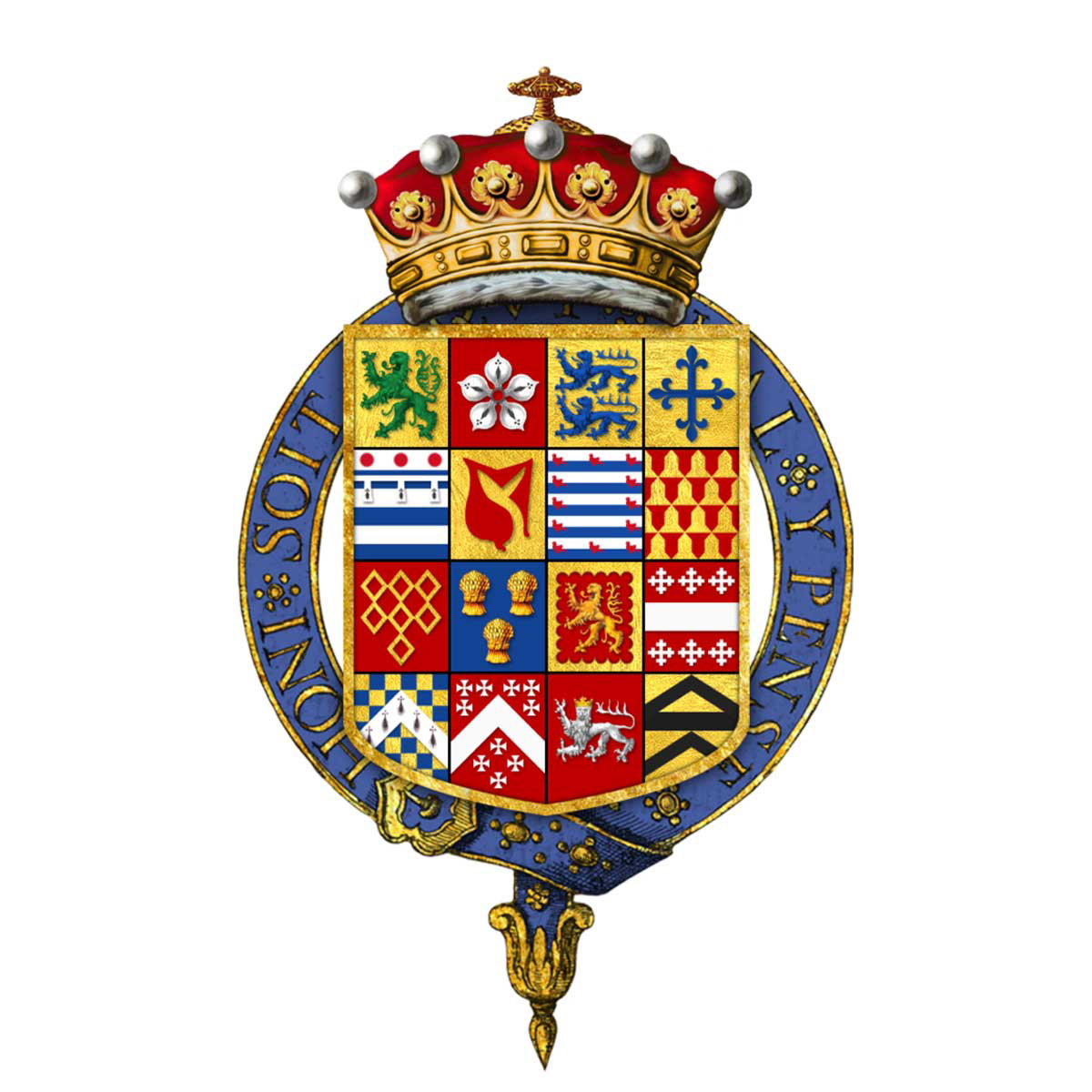
As soon as Elizabeth became queen in 1558, Robert Dudley wasted no time rushing to her side—on a white charger like a conquering prince. It was a grand entrance that set the tone for their relationship during her early reign. Elizabeth appointed him Master of the Horse on arrival. This role not only put Dudley in charge of the stables and the court’s travel arrangements but also gave him daily access to the queen. Dudley was well-suited for the position—tall, handsome, and full of charisma. Their long-standing friendship soon turned heads as the two spent endless days riding, dancing, and whispering in court alcoves.
Despite being aware of the scrutiny, Elizabeth continued to show Dudley her favor. One of his first major undertakings was organizing her coronation festivities—a responsibility that cemented their close connection in the eyes of the court. Foreign dignitaries, nobles, and ministers alike quickly realized that if they wanted to get on Elizabeth’s good side, they needed to be pleasant with Dudley. This meteoric rise to prominence sparked plenty of envy, and it wasn’t long before Dudley’s enemies at court were conspiring against him.
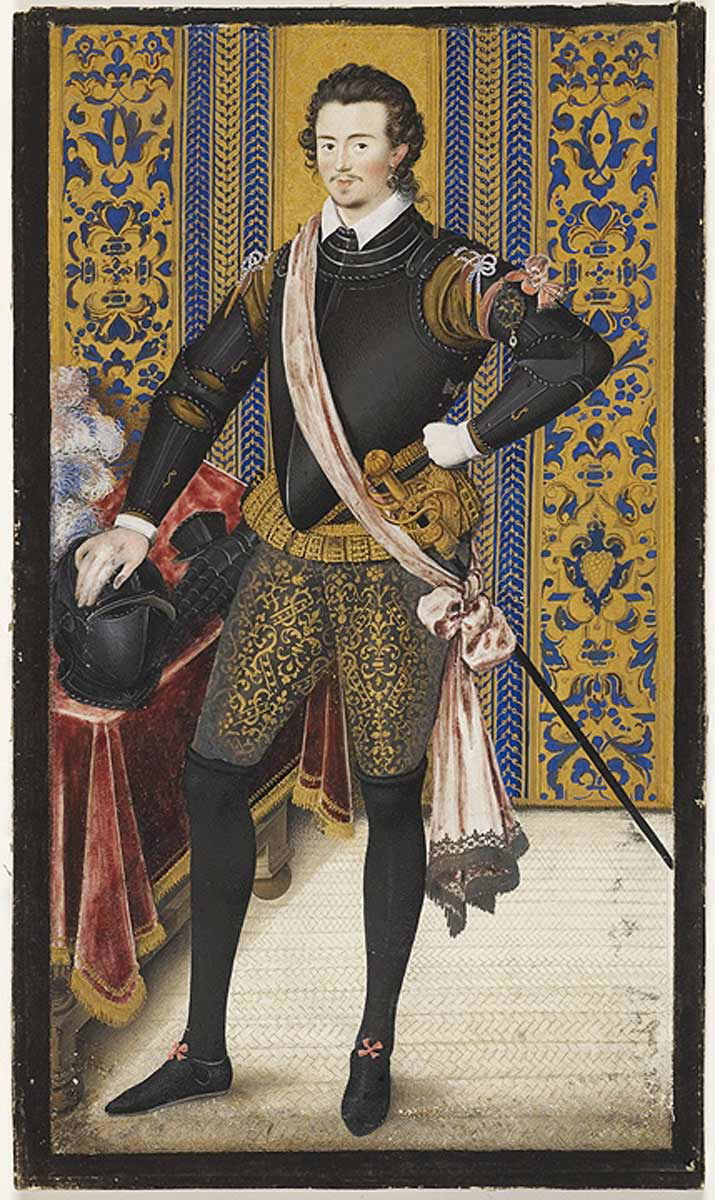
Dudley’s influence grew even stronger as the years went on, but a major turning point came in 1560 when his wife, Amy Robsart, died under mysterious circumstances (it appeared she fell down the stairs and broke her neck). The mystery of the 28-year-old’s death remains; in May of 2024, Gillian Waters gave a six-hour lecture titled Who Killed Amy Robsart? at the University of York.
Amy’s sudden death only lit a fire under already simmering rumors of a romance between Elizabeth and Dudley. However, Elizabeth didn’t (and now, perhaps, couldn’t) marry the single man without stirring up more controversy. In 1564, Elizabeth instead rewarded him, this time by elevating him to the title of Earl of Leicester—a significant step up in status. She gifted him Kenilworth Castle, a sprawling estate fit for an earl and a man who seemed destined for greatness.
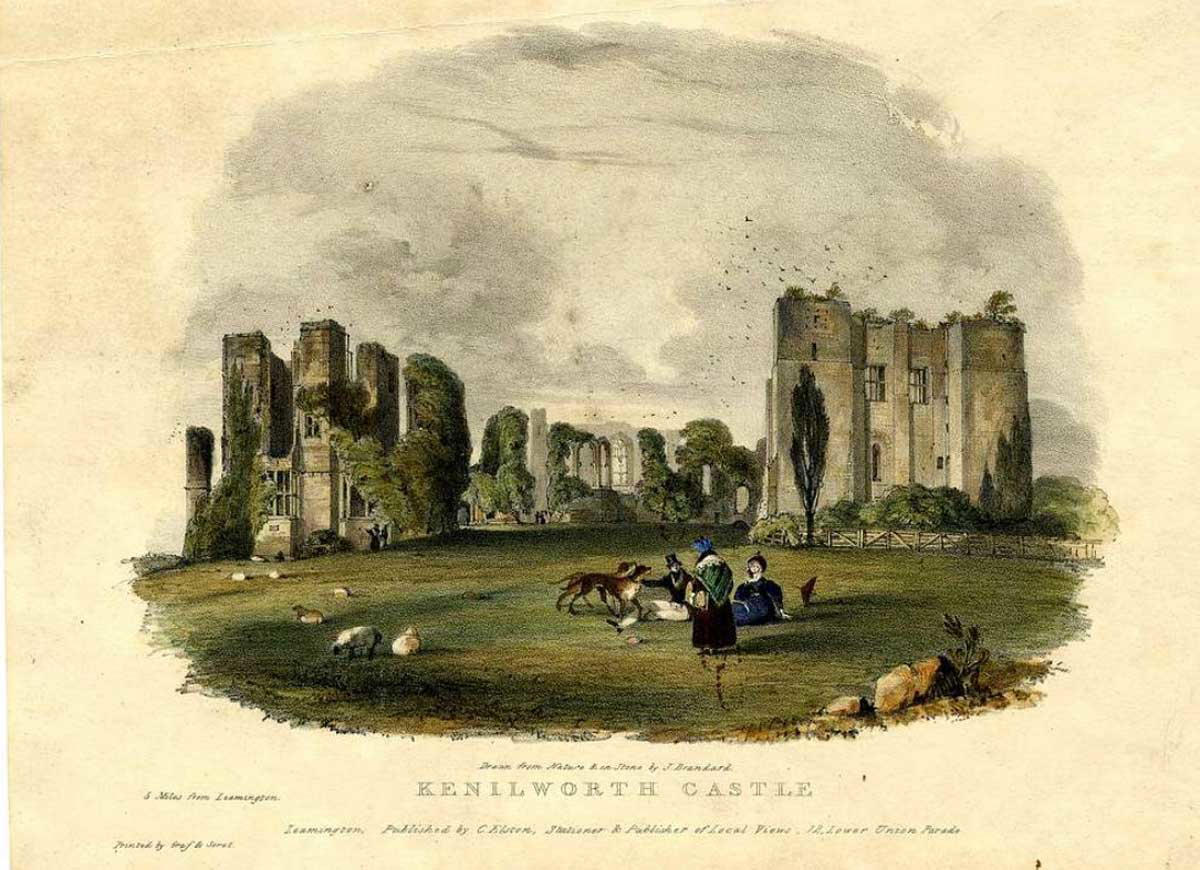
Throughout Elizabeth’s reign, Dudley remained a constant figure at her side. Whether it was a wise move or not, she wouldn’t let him go, famously referring to him as her “Bonny Sweet Robin.” She trusted him implicitly, even as she considered marrying him off to another star-crossed cousin, Mary, Queen of Scots. Although, in true Elizabethan fashion, she insisted that the couple live with her at court if they wed. Robert, however, was vehemently against this union.
By the end of his career, Dudley had achieved some of his greatest triumphs. One of his final and most celebrated moments came in 1588, after England’s naval victory over the Spanish Armada. Dudley rode through the streets of London in regal splendor, looking every bit the part of a king, basking in the glow of his victory in Elizabeth’s name. Though he never officially ruled, that parade marked the peak of his power and influence, showcasing just how deeply intertwined his fate had been with the queen’s.
Dudley may have been a friend, but in the eyes of Elizabeth and many others, he was far more than that—her closest confidant, advisor, and, in many ways, the king she never allowed herself to have.
How Robert Dudley Treated Her Visits
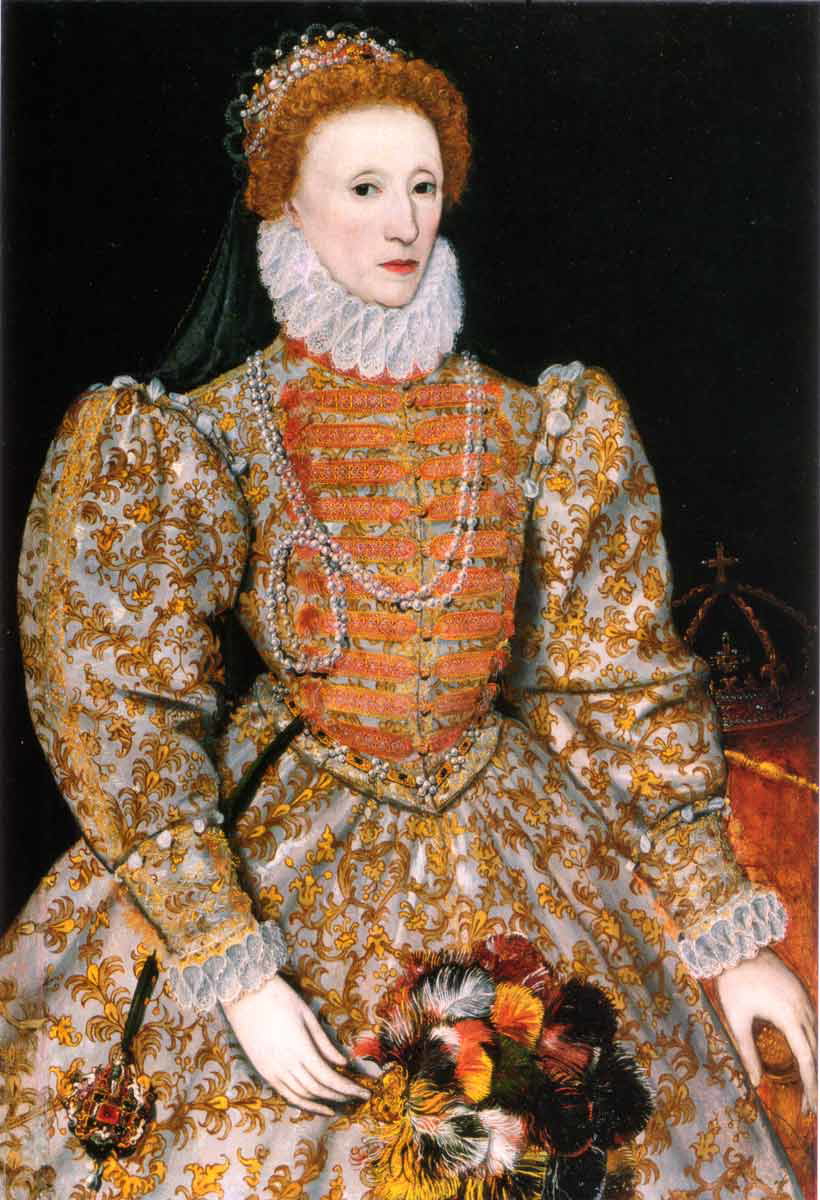
When it came to Elizabeth’s visits, her “Sweet Robin” tried to make magic for her. He transformed Kenilworth Castle from a fortress into a royal retreat, all in the hope of dazzling the queen (and maybe sneaking a marriage proposal into one of those elaborate pageants). Dudley didn’t just spruce up a few rooms—he built an entire palace wing for her, complete with a pleasure garden designed solely for her private viewing.
Elizabeth visited Kenilworth several times during her famous summer progresses, but it was the grand spectacle of 1575 that left everyone talking—and maybe a few courtiers decrying ever outdoing him. For her arrival, Dudley arranged for pageants and poems to be performed along the bridge as the queen made her way into the castle.
It wasn’t just about impressing her with fireworks and gun salutes, though there were plenty of those. Robert Langham, an eyewitness, describes the scene with Elizabeth being greeted by the full arsenal of Elizabethan pageantry: “So passing into the inner court, her Majesty (that never rideth alone) there set down from her palfrey, and was conveyed up to her chamber; when after did follow so great a peel of guns, and such lightening by firework a long space together…”
The fireworks might have gone off without a hitch, but the play Dudley had lined up—Zabeta—was tragically canceled due to bad weather. Written by George Gascoigne, it was a thinly veiled plea for Elizabeth to marry, with the story revolving around whether the chaste nymph Zabeta (a clever nod to Elizabeth) should accept a companion. The weather may have ruined the grand finale, but Gascoigne quickly improvised with a poetic farewell. The queen was intercepted by an actor playing “Deep Desire,” who delivered a pointed message on behalf of Dudley:
“Live here, good Queen, live here;You are amongst your friends.Their comfort comes when you approach,And when you part it ends.”
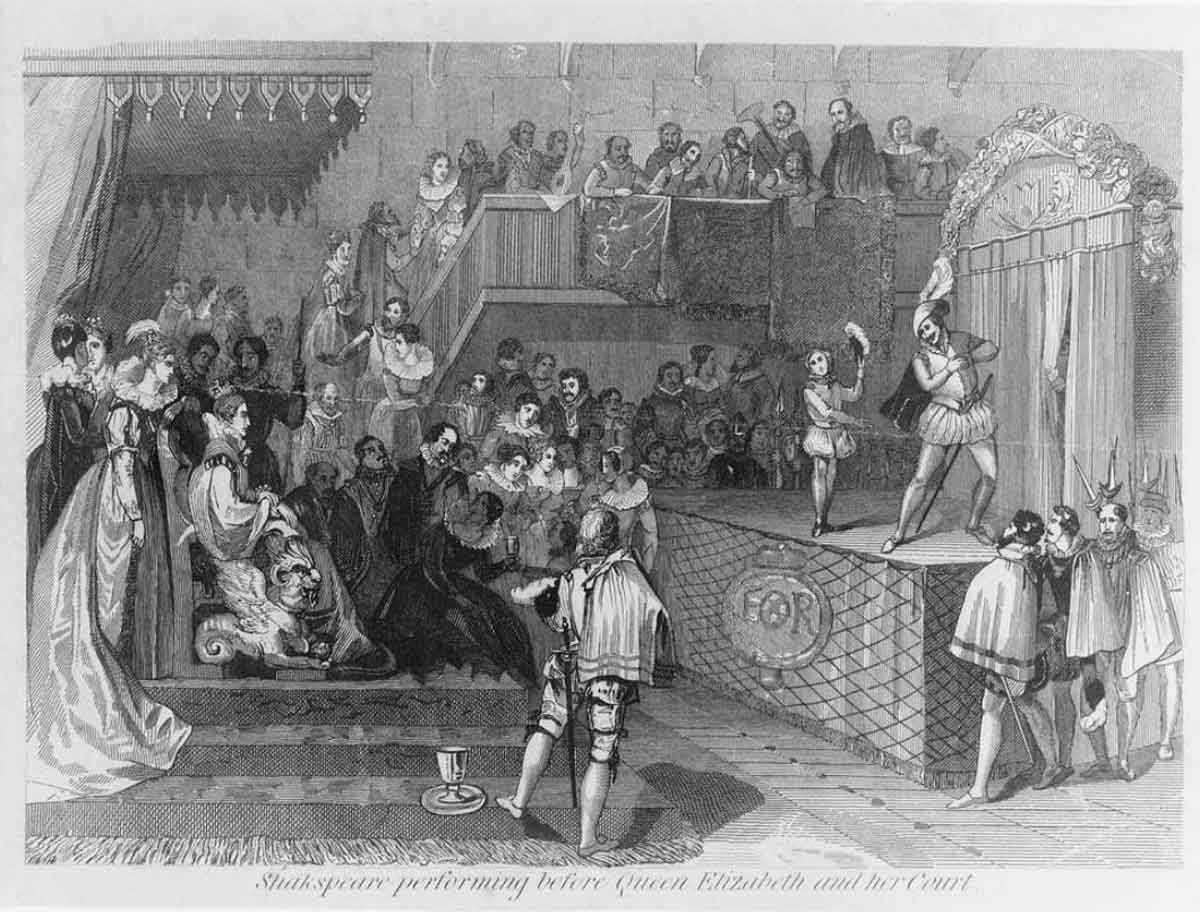
It wasn’t exactly subtle, but at this late stage perhaps Dudley felt the need to state his case in a final, easily interpretable way.
Her final visit to Kenilworth in 1575 lasted 19 days—the longest Elizabeth ever stayed at a courtier’s home. Dudley had made sure everything was perfect, with feasts, dances, and entertainment fit for a queen. She enjoyed herself so much that it seemed like Dudley’s efforts to win her hand might actually pay off. But alas, despite the grand gestures, the dancing nymphs, and Dudley’s meticulously crafted dream castle, Elizabeth still refused to share her power with any king, even if it meant rejecting her closest friend.
One of Dudley’s final letters to Elizabeth, written shortly before his death in 1588, reveals just how devoted he remained until the very end. From Rycote, where they had once stayed together with the court in happier times, he inquired after her health and wished her the longest, happiest life possible, signing off with a written kiss of her feet. When Elizabeth herself passed away five years after her Robin, this letter was found in a small box by her bedside, inscribed by her own hand: “His Last Lettar.”
His Betrayal
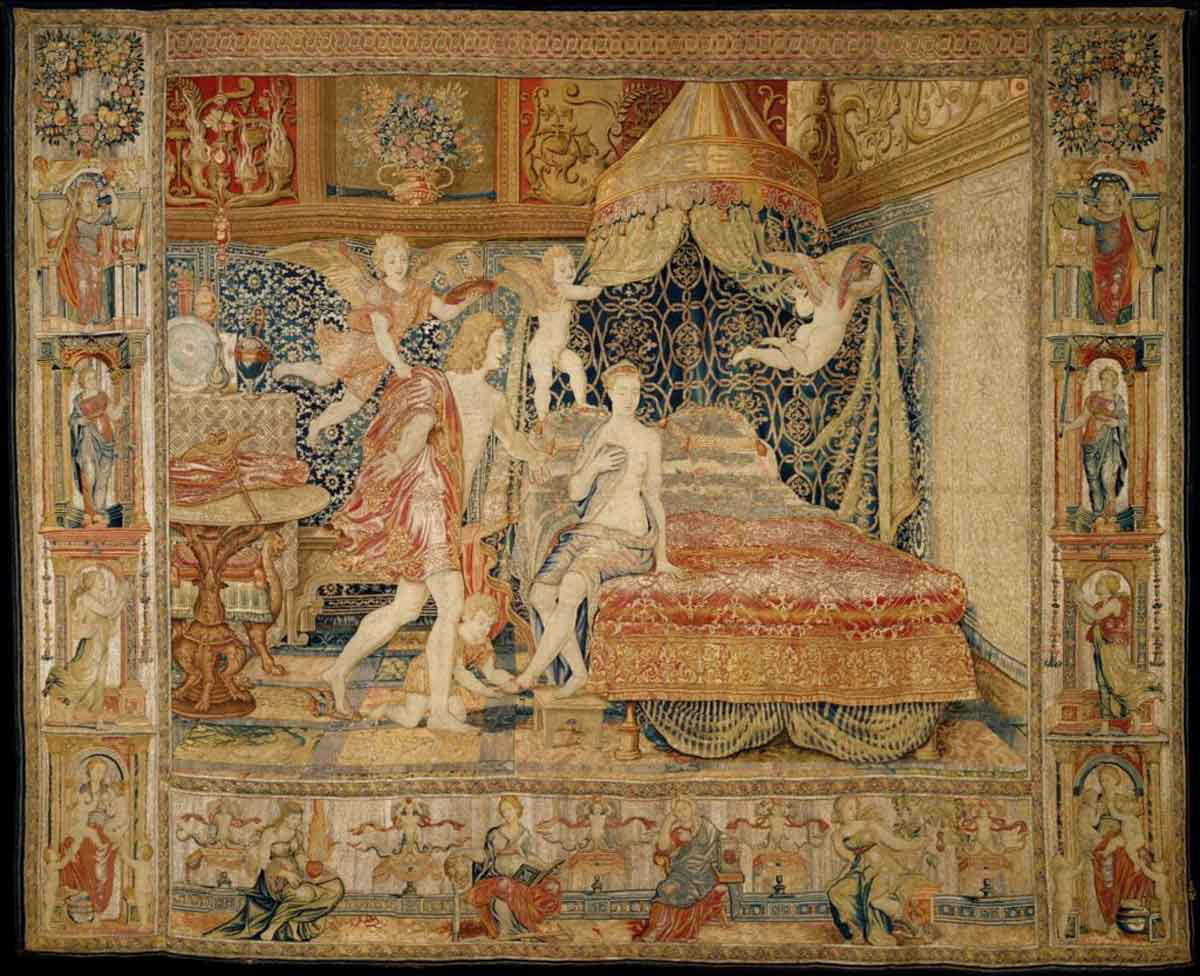
We’d be wrong to assume then, that Robert was a saint who closely guarded his heart and body for the sole sake of honoring the queen. He wasn’t. He was already married when locked in the tower with Elizabeth to one daughter of a landed gentry family.
This woman he set aside without much hesitation to chase his fortunes (and possibly Elizabeth’s skirts). This first union was a marriage that people whispered about, calling it one of “carnal pleasures” between two teenage lovebirds. But it didn’t last, for reasons both scandalous and mysterious. Amy’s sudden and tragic death left a cloud of suspicion over Robert for years. Did he push her down the stairs to be free for Elizabeth? Or was it just a tragic accident? Either way, Dudley moved on with his string of fiery women—each resembling the last and all wrapped up in a complicated, high-stakes game for both love and power.
Robert Dudley certainly had a type—women who were fiery, highborn, and typically redheads who could pass for royal doppelgängers. Take Douglas Howard, for instance, a maid of honor who happened to resemble her cousin Catherine Howard, the fifth of Henry VIII’s unfortunate queens. Dudley’s wandering eye didn’t miss a beat when it landed on Douglas, and soon enough they had a son together. Robert didn’t stop there and settle down with wife and child; marriage wasn’t in the cards for poor Douglas. Instead, he hopped to another striking redhead—Lettice Knollys.
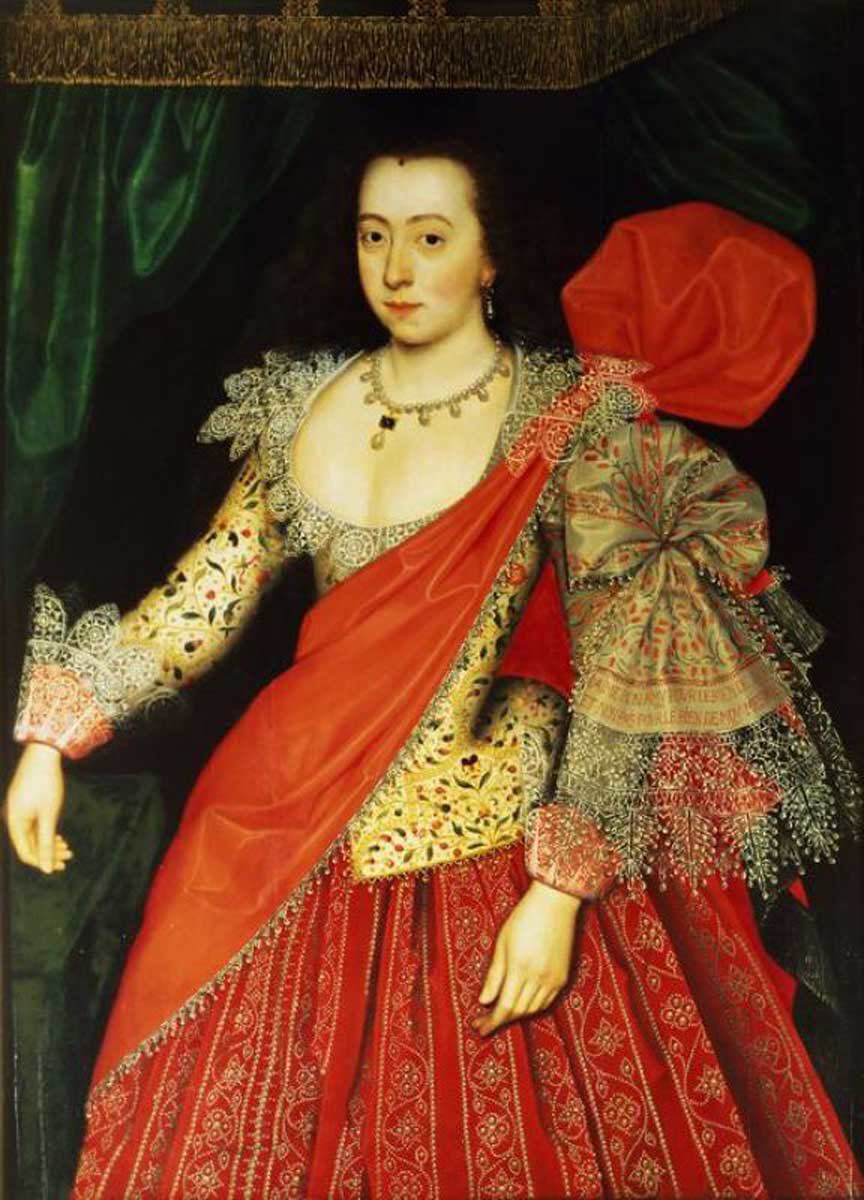
Now, Lettice wasn’t just any pretty face at court. She was the granddaughter of Mary Boleyn and, possibly, King Henry VIII. Those around the court at this time remarked on how much both her mother and Lettice herself resembled Elizabeth. The younger Lettice was considered one of the most beautiful women of her time, and that’s saying something when your main competition is Gloriana. Even when Lettice was pregnant with her husband’s child (Robert Dudley really didn’t wait around), her beauty was so remarkable that she was at the center of rumors and flirtations. After the death of said husband, Lettice was pregnant again, this time with a child that rumors attributed to Robert, the queen’s man.
Robert proposed, wanting a child that could claim both his estate and that of his also heirless brother, and the two had a secret marriage. There’s no mention in the records of what happened to this pregnancy, leading modern readers to believe it wasn’t carried to term successfully. Did it cause fireworks? Certainly. Elizabeth’s wrath was like something out of a royal reality show. The drama culminated in the queen banning Lettice from court after slapping her in front of the always-watching nobility and cutting all ties with her cousin.
However, despite the sting of it being Lettice who ultimately gave Robert the legitimate heir he’d longed for (one conceived unquestioningly within the bonds of marriage), the queen couldn’t quit him. She brought him back to court and settled new responsibilities on her longtime favorite, who soaked up her forgiveness without any apparent misgivings.
Rumors of a Love Child
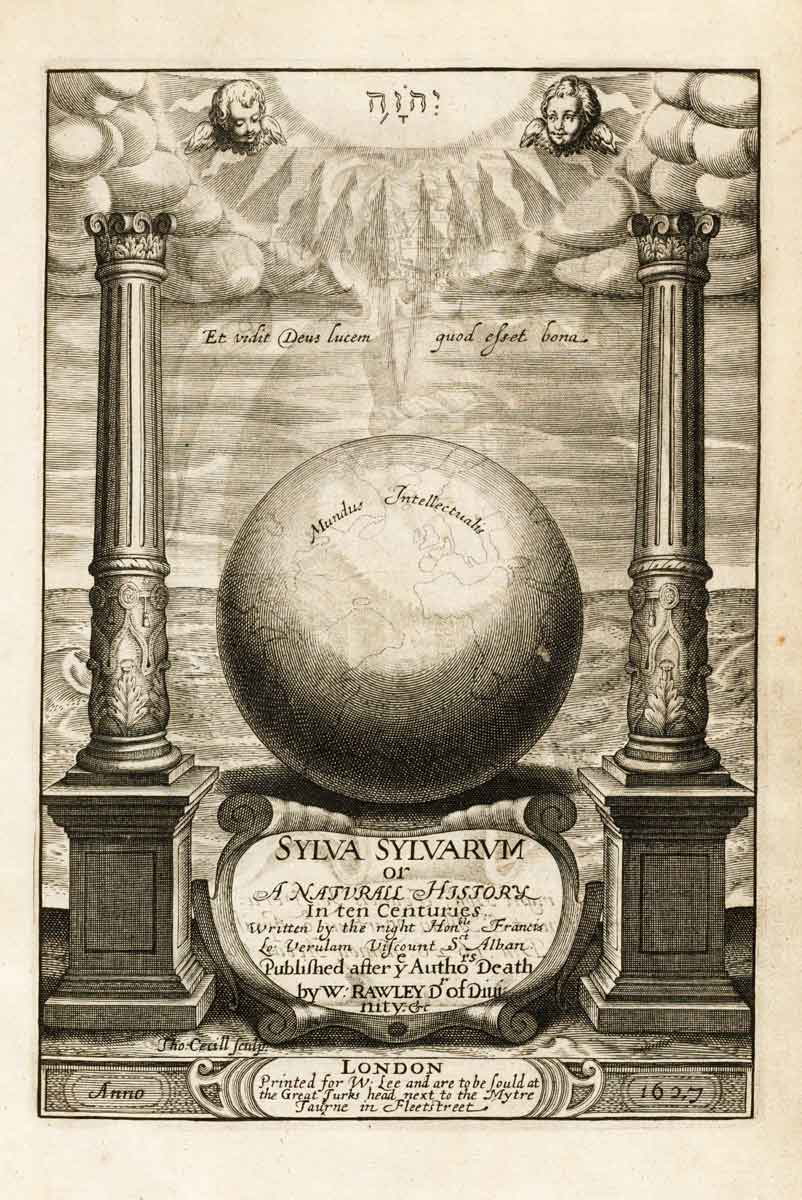
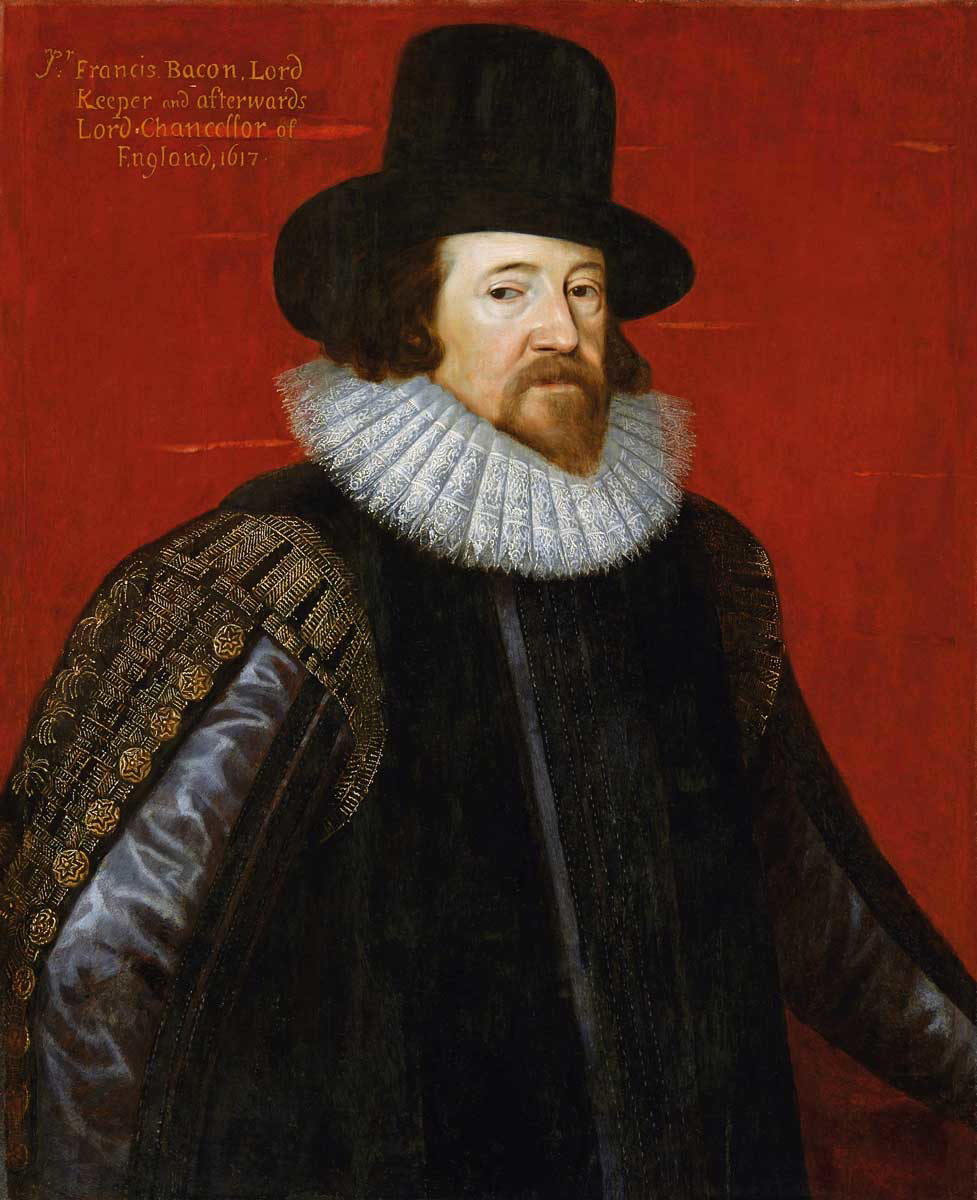
Rumors surrounding Elizabeth I’s love life and secret children have swirled for centuries. And of course, Robert Dudley, Earl of Leicester, is at the center of these titillating tales of romance and wrongdoing. Francis Bacon—philosopher and father of modern science—is said by some to have been the queen’s son, fathered by none other than Dudley.
While modern historians tend to roll their eyes at such notions, it is fun to consider how many scandals could fit under those elaborate Tudor skirts.
Look at the speculation. According to some, Elizabeth wasn’t the “Virgin Queen” but a sly operator, more than capable of hiding pregnancies within a small circle of trusted members of her household. They believed Elizabeth, ever the master of control, used her annual summer progress as a cover for disappearing when needed. She would pack up her court and head off for a leisurely tour of her kingdom, claiming the travel was for royal duties—or just for a much-needed break from endless political maneuvering. But in reality? Some say it was the perfect time for a secret maternity leave.
And Elizabeth had another trick up her velvet sleeve—her conveniently timed “illnesses.” Over the years, she had a litany of mysterious ailments that would suddenly force her to retreat to her suite of private rooms, away from prying eyes. Whether it was smallpox (which was certainly rampant in Elizabethan England), mysterious fevers, or just feeling “unwell,” her royal self-care retreats seemed to coincide suspiciously with times people later speculated she was pregnant. Some of her illnesses even caused visible swelling, taking place on separate occasions in 1554, 1561, and 1603.
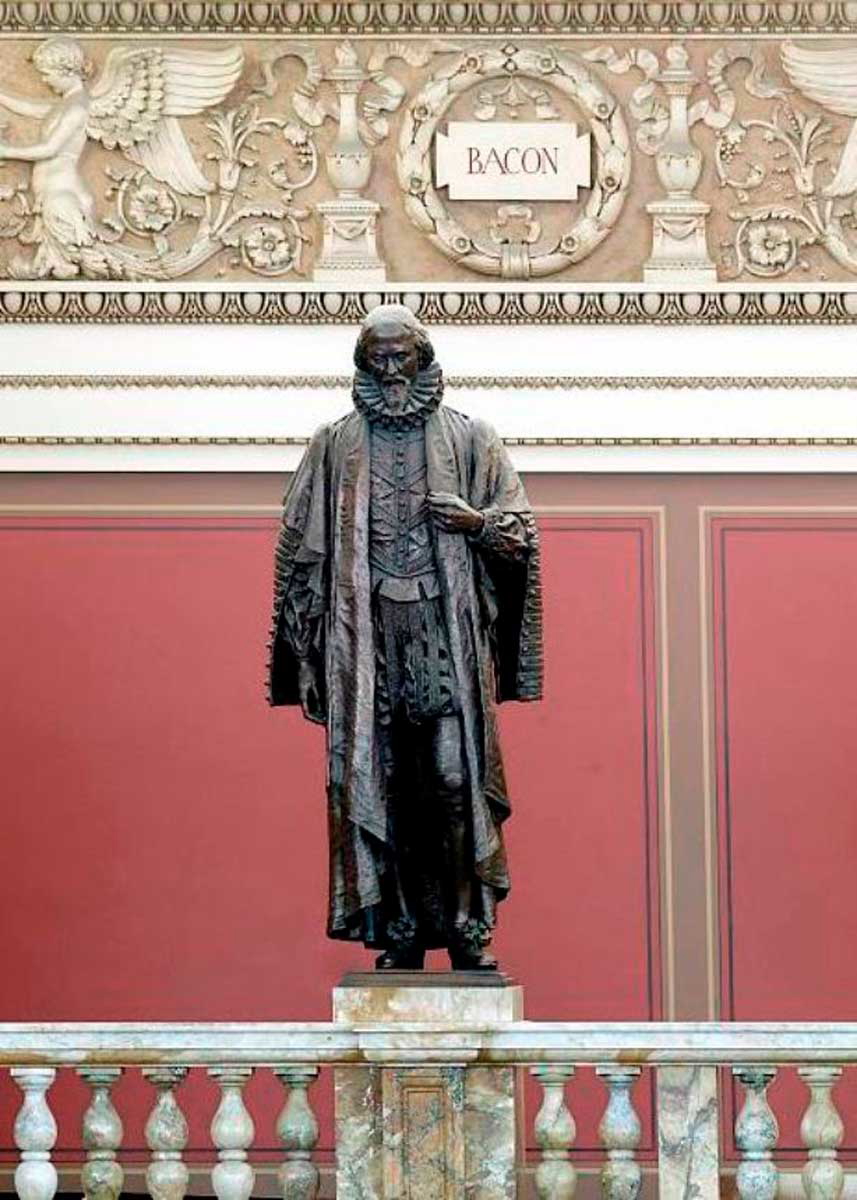
This all circles back to the juicy claim that Francis Bacon, a man of intellect and ambition, might have been the eldest child of Queen Elizabeth and Dudley, hidden away and raised by Sir Nicholas and Lady Anne Bacon, a couple who were loyal to the crown and conveniently childless at the time. Bacon’s birth in 1561 coincides with one of these rumored retreats, where Elizabeth took to her private apartments for weeks under the guise of an unspecified illness. Was she simply catching up on royal beauty sleep? Was she suffering from some of the conditions that plagued her brother and sister when they ruled before her?
If Bacon was the queen’s love child, why didn’t Elizabeth acknowledge him as heir? Some historians point to the fact that, technically, he wouldn’t have been “lawfully begotten,” since any marriage with Dudley would’ve been secret. Yet, an intriguing change in the 1571 Act of Treason gave the Queen the power to name any “natural issue” (read: a kid, even if born out of wedlock) as her successor. Was this act passed to pave the way for her to eventually acknowledge a hidden child? Perhaps it was just another one of those Elizabethan legal loopholes no one ever planned to use.
First, there was Francis Bacon. Then, there was the dramatic tale of Robert Devereux, the 2nd Earl of Essex. Like Bacon, Essex was also rumored to be one of Elizabeth’s sons, although his story took a decidedly less intellectual turn—ending in his own execution at the queen’s command in 1601. What says “royal family drama” more than a mother signing off on the execution of her potential love child?
However, Elizabeth had a history of letting some of Devereux’s worst behavior slide. He was welcomed back into the royal fold after he got mad and showed her his back (one of the most egregious royal etiquette breaches), after he went to Ireland in her name and led a failed campaign, and even after he deserted his post when things got sticky. She only signed the execution order when he tried to cause Londoners to riot against her. In a shocking twist, it was Francis Bacon who prosecuted the case against him.
In any case, these rumors—whether born of wishful thinking, jealousy, or the genuine hidden scandals of the royal court—have continued to capture the imaginations of historians and gossipmongers alike. What we do know is that Elizabeth and Dudley’s relationship was unusually close, filled with undeniable affection and plenty of mystery. Whether or not they left any love children behind, they certainly left behind a story worthy of a soap opera—or at least an intriguing episode of The Crown.