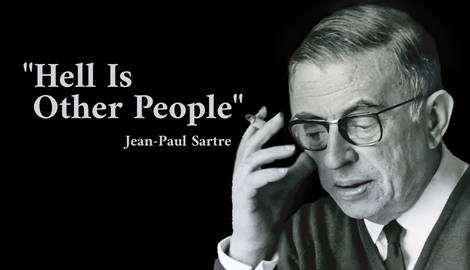

Jean-Paul Sartre remains one of the most widely quoted and frequently misunderstood philosophers of the 20th century. Lines like “Hell is other people” have entered popular culture as snappy catchphrases for cynicism, yet their original philosophical meanings run far deeper. In truth, Sartre was not offering a bleak view of humanity, but an urgent call to radical personal responsibility. By examining five of his most striking quotes in their true historical context, we can unlock the core tenets of existentialism and understand why his ideas continue to provoke us today.
| Sartre Quote | Principal Source |
| “Existence precedes essence” |
Public lecture “Existentialism Is a Humanism” (delivered October 29, 1945)
|
| “Hell is other people” |
Play “No Exit” (premiered 1944 in Paris)
|
| “I am condemned to be free” |
Publication “Being and Nothingness” (published 1943)
|
| “Man is nothing else but what he makes of himself” |
Public lecture “Existentialism Is a Humanism” (delivered October 29, 1945)
|
| “Freedom is what you do with what has been done to you” |
Biographical and philosophical study, “Saint Genet, Comédien et Martyr” (published 1952)
|
1. “Existence Precedes Essence”
Expressed in a public lecture, “Existentialism Is a Humanism” on October 29, 1945, in Paris and published in 1946.
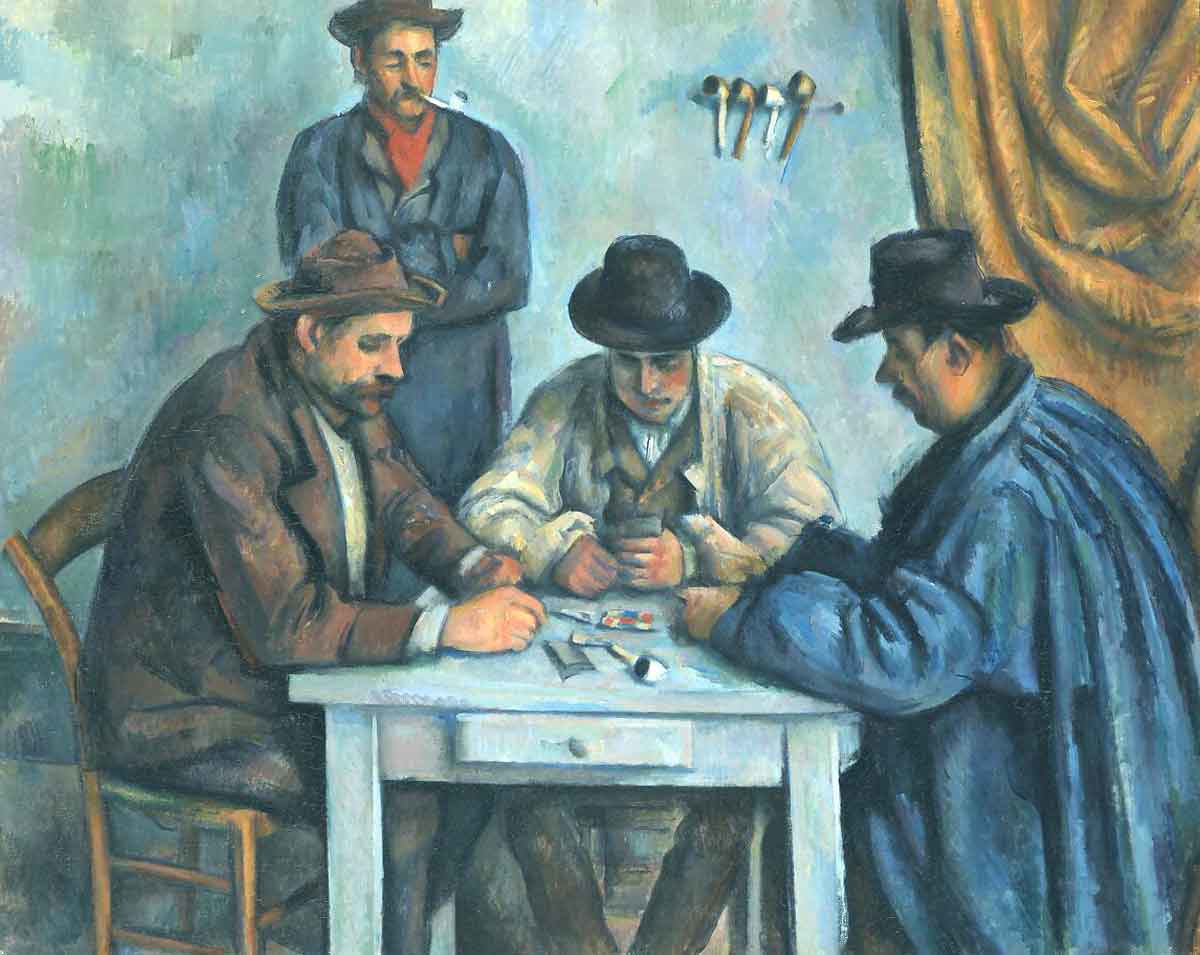
“Existence precedes essence” names a core idea in Jean-Paul Sartre’s existentialism. Traditional systems claim an inherent human nature that comes first and gives purpose. Sartre argues the reverse. We are not born with fixed traits or destinies. We arrive free and responsible for making our identities through our choices and actions. Our existence is marked by potential rather than destiny.
Imagine two people called John and Mary. John is born into wealth and opportunity; Mary is born into poverty and faces hardship. Old-fashioned language might say John “has success” as part of his being, while Mary is “bound” to struggle. Sartre rejects this. Both remain free to shape who they become beyond their starting points. By prioritizing existence over essence, he stresses human agency and autonomy. We define ourselves through what we do in the situations we find ourselves in.
2. “Hell Is Other People”
A line from his 1944 play, “No Exit,” which premiered in Paris at the Théâtre du Vieux-Colombier.
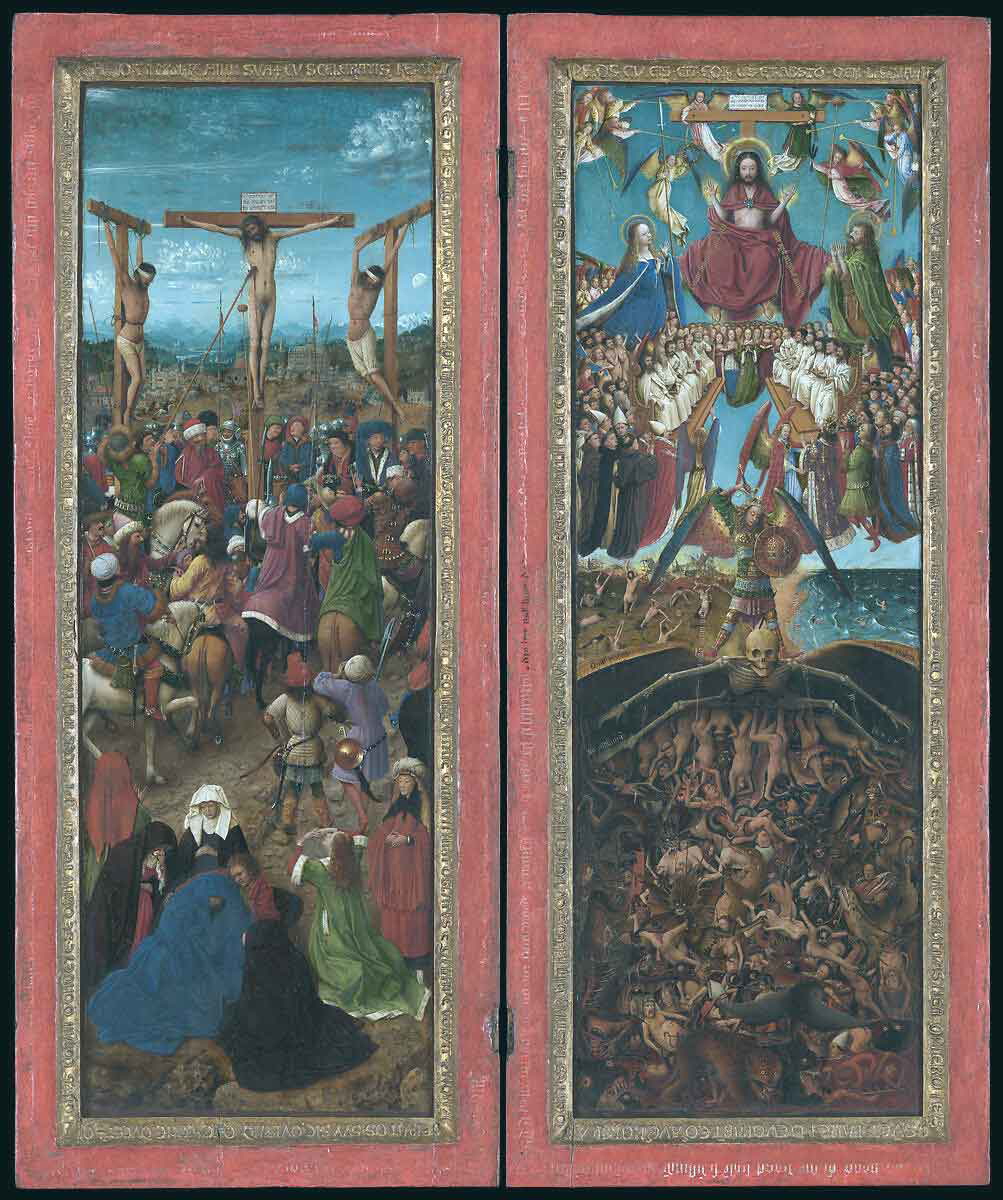
“Hell is other people” refers to intersubjectivity, the way our sense of self is shaped under the scrutiny of others. In encounters, we feel seen and judged. Others can seem to fix us as objects, and their expectations pressure us to play roles. Our awareness of how they see us leads to what Sartre calls “bad faith,” where we bend away from who we are in order to please or belong.
This can make life with others feel like a kind of prison, as if freedom shrinks to image management. Think of parties where social convention pushes people to wear masks and feign interest rather than speak honestly, for fear of being judged or excluded. Yet Sartre also sees a more hopeful side. The same social space can facilitate real self-expression and connection with like-minded individuals. Genuine relationships can ease existential isolation, even if living with others never becomes entirely simple.
3. “I Am Condemned To Be Free”
First introduced in “Being and Nothingness,” published in 1943, and repeated in his Paris lecture of October 1945.

“I am condemned to be free” captures Sartre’s view that freedom is inescapable. There is no built-in script or given meaning for our lives. That is liberating, but it is also a burden. We cannot avoid choosing, and we cannot escape responsibility for the choices we make.
This is what Sartre refers to as radical freedom. Every decision helps shape who we are. External pressures and social expectations are real, but they do not dictate our decisions for us. Think of a young artist weighing a secure office job against an uncertain creative path. Either option defines them in some way. Even refusing to decide and letting others choose still counts as a decision.
To accept that we are “condemned to be free” is to accept that navigating life’s uncertainties and owning the results is ultimately up to us.
4. “Man Is Nothing Else But What He Makes of Himself”
Also from his famous 1945 Paris lecture “Existentialism is a Humanism” (L’existentialisme est un humanisme)
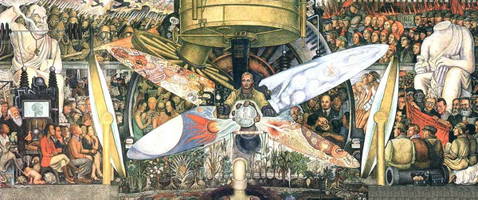
Man, Controller of the Universe, by Diego Rivera, 1934. Source: Wikimedia Commons
According to Sartre, you are the maker of your own being. Sartre denies the existence of a fixed human essence and insists that we become who we are through our choices, values, and actions. Freedom is not just the absence of chains; it is the ongoing work of self-creation.
Consider someone deciding between a prestigious career that aligns with social ideals and a less conventional path that resonates with a personal calling. For Sartre, their choice reveals who they are and contributes to shaping their identity. Over time, patterns of choice build character. A person who repeatedly chooses kindness becomes known, to themselves and to others, as compassionate. Someone who regularly acts selfishly comes to embody that trait.
Sartre urges us not to look outside ourselves for a ready-made identity but to accept that meaning and direction are made through what we do.
5. “Freedom Is What You Do With What Has Been Done to You”
This phrasing appears in his 1952 biographical and philosophical study, “Saint Genet, Comédien et Martyr.” It was revisited in “Search for a Method” in 1957, and served as the introduction to his major work “Critique of Dialectical Reason” in 1960.
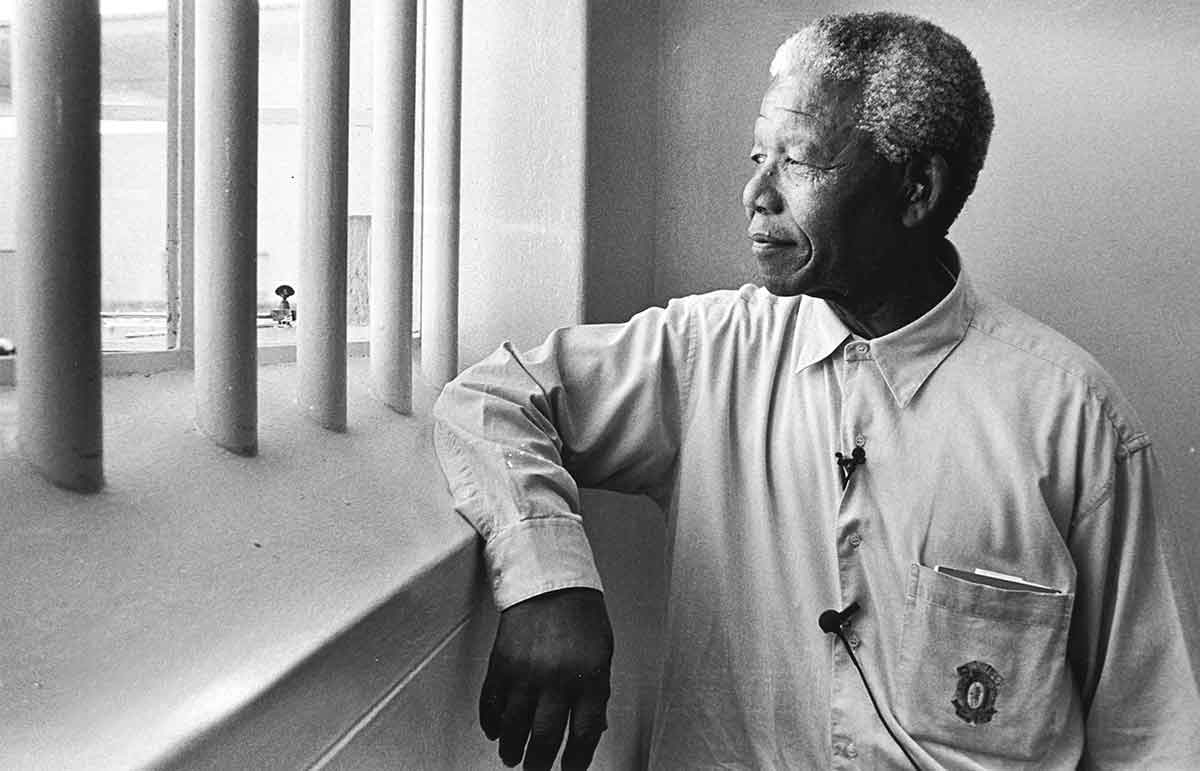
This quote brings freedom down into concrete circumstances. Sartre accepts that people are shaped by history, family, trauma, and social limits. Yet he insists that freedom lies in how we respond. We do not choose everything that happens to us, but we do choose how we respond to it. To fully understand this, we must examine Sartre’s ideas about determinism. He recognized that humans are shaped by their experiences and the circumstances in which they live. But he argued that everyone always has a fundamental choice or freedom.
Consider Nelson Mandela. He was imprisoned for 27 years for his activism against apartheid, enduring harsh conditions that would seem to define a life. Yet he refused to remain a victim. Prison became a time of reflection and preparation. After his release, he helped steer South Africa toward a different future. Sartre’s line asks us to notice a similar possibility in our own lives. Even when circumstances are harsh, there is still room to act, reinterpret, and turn what has been done to us into material for who we become.
So What Does Sartre Teach Us?
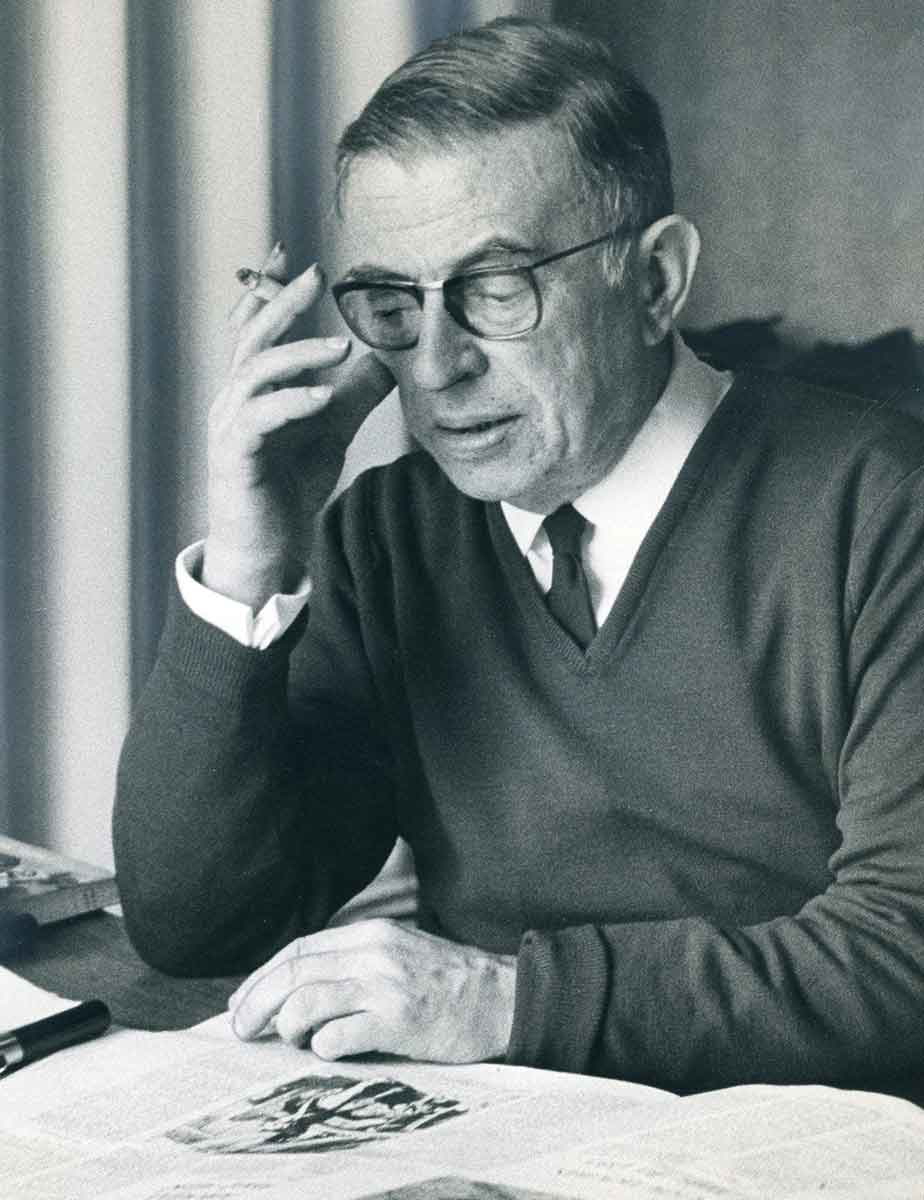
Jean-Paul Sartre has left a lasting impact on our understanding of what it means to be human. The themes running through his quotes remain strikingly current: freedom, existential angst, and personal responsibility.
On freedom, Sartre tells us that no predetermined essence or external force fully defines us. Instead, we have a wide scope to shape our identities through choices and actions, which pushes us to take ownership of our lives and act with authenticity rather than simple conformity.
In human relationships, he sees both danger and possibility. Others can judge and confine us, yet relationships also open space for genuine connection and even self-discovery. Sartre also insists that past experiences do not finally decide who we are. What matters is how we respond. However harsh our history, we can still work to overcome adversity, reclaim agency, and make something meaningful out of the hand life deals us.