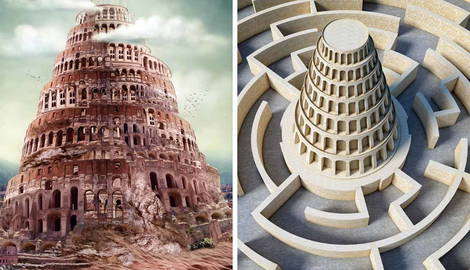
One of the more fascinating stories told in the Bible is the tale of the Tower of Babel. The giant tower designed to reach the heavens and the hubris of mankind in desiring to touch God are used as an explanation for the existence of multiple languages in the world. The story teaches a moral lesson and explains linguistic differences, and many consider it to be a simple work of moralistic fiction. However, could the story have been inspired by a real historical structure?
What Is the Tower of Babel?
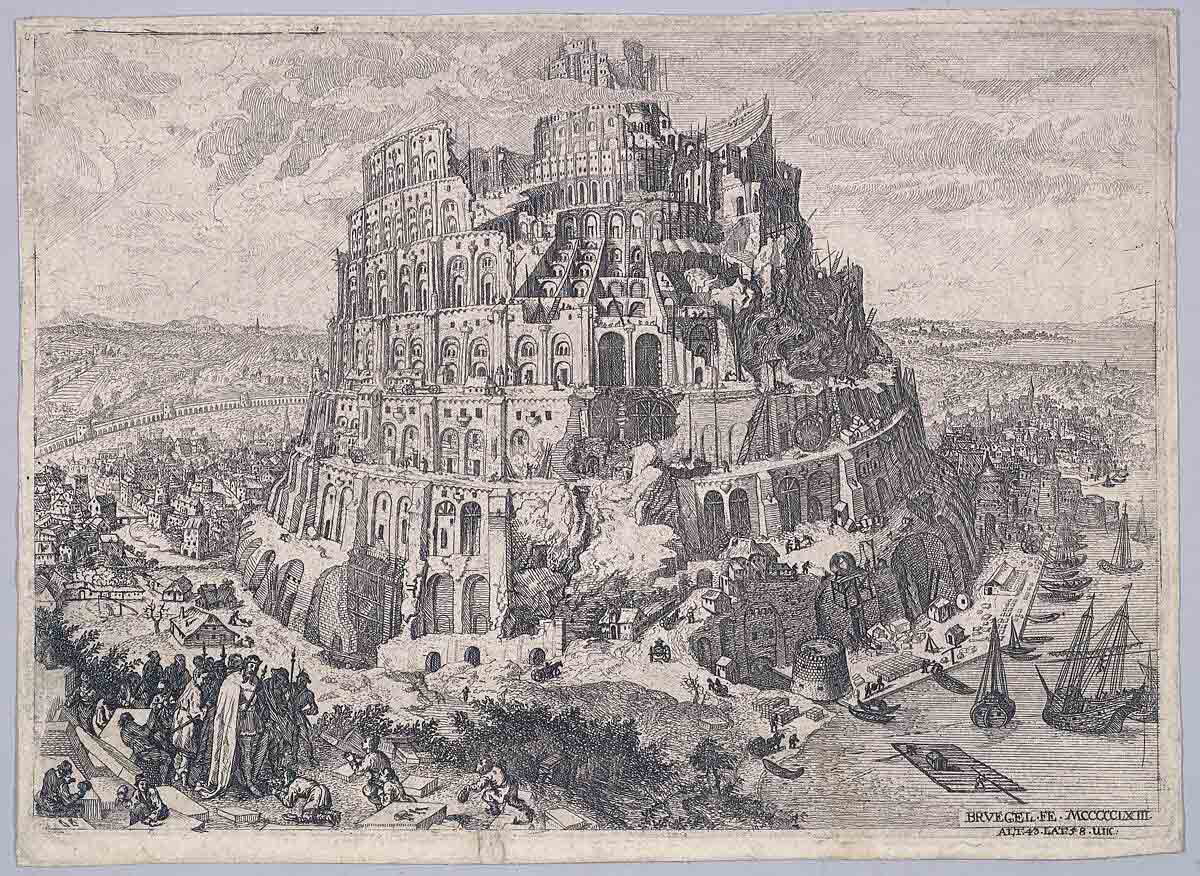
The story of the Tower of Babel can be found in the Book of Genesis 11:1-9. Shortly after the Great Flood, humanity began to prosper, and the ever-increasing human population conspired to work together to build a giant tower. It was built as a way to reach the heavens and ensure their names would live forever. They began making and baking bricks of clay, moulding them, and then the building work began, using bitumen as mortar to keep the bricks together. Such a large project required a lot of coordination, which was possible because they all spoke the same language, making communication easy.
God, seeing their ambitions, sowed confusion among the people by creating the many different languages of the world, explaining the origins of humanity’s multiple languages. After their languages were changed, the people departed, scattering across the world, populating it as God commanded.
Incidentally, the Bible never mentions the tower by name, referring to it only as “a city and a tower.” The name Tower of Babel comes from later Jewish tradition. The name may come from the Akkadian name for the city of Babylon, Bab-ilium, meaning “gate of God.” This sounds similar to the Hebrew word balal, a verb meaning to confuse or to mix up. It is often used in reference to speech, such as gibberish or nonsense. Over time, the two concepts would merge, and the story of the Tower of Babel was used to explain why there were so many languages. In the modern day, to babble means to talk incessantly without making any sense, and comes from the same root.
Many people, especially scholars, believe that the Tower of Babel is little more than a morality tale. It describes divine punishment for mankind’s hubris in hoping to reach the heavens and disobeying God’s command to repopulate the earth, and explains the origins of different languages. The tower is probably a fable, but could be inspired by an historical structure.
Mesopotamian Ziggurats
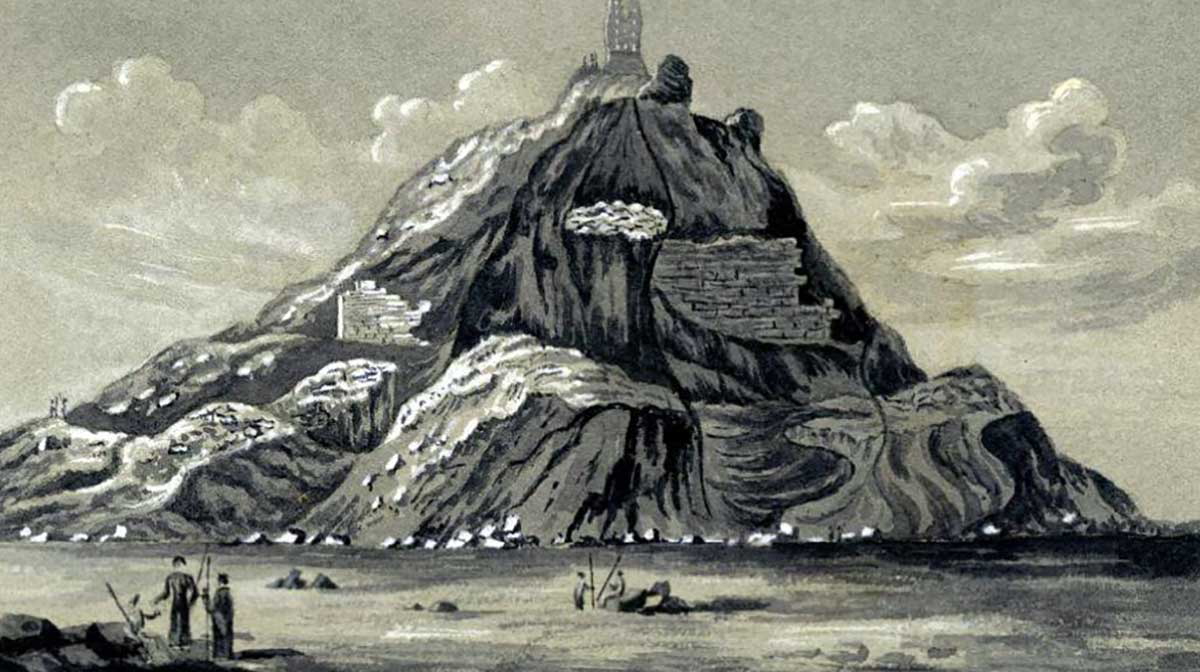
In ancient Mesopotamia, the inhabitants built some of the first monumental architecture in history. These structures were known as ziggurats, a name which comes from the Assyrian word ziqqurratum, meaning height or peak. There are about 25 ziggurats that have been discovered by archaeologists, and they were built between 2200 and 500 BCE by the Sumerians, Assyrians, Babylonians, and others.
While exact structures varied, they followed the same basic principles. They were similar to step pyramids found in Egypt, with a wide base becoming narrower as the building ascended skyward in successive layers. They were square or rectangular in shape and were usually around 40-50 meters wide on each side. It is unknown how tall they could be since the surviving examples have collapsed at least partially, but they could have been several hundred feet tall.
The ziggurats were made from a core of mud brick, with an outer layer of baked brick. At the top of the structure was often a temple dedicated to one of the city’s gods. These towering constructions became the focal point for the local culture and religion. Access to the temple was highly restricted, with only priests of the deity being allowed to enter.
The ziggurats had no internal spaces, being solid in construction. Access to the temple on the top was through a spiral ramp around the outside or by a series of stairs on the side. The sides were not bare, but held carefully curated plant life, making the tower look more like a green hill shooting up from the desert sands.
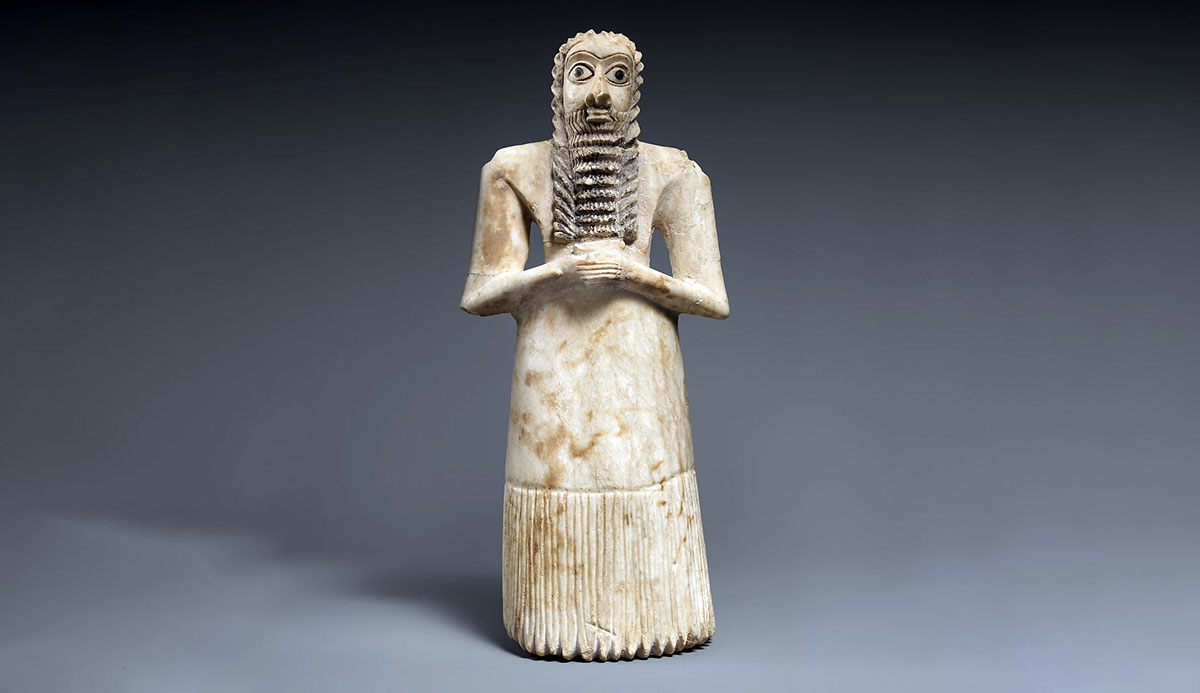
Even though the average citizen was not allowed to climb the ziggurat or to enter the temple, there is no doubt that such a massive building inspired awe in any who saw it. The towering edifices dominated the landscape, casting both literal and metaphorical shadows in the minds of those who saw them. Despite their magnificence, they were not immune to the ravages of time. Today, none stand fully intact and most are crumbling structures that are mere shadows of their former glory.
The Ziggurat of Etemenanki
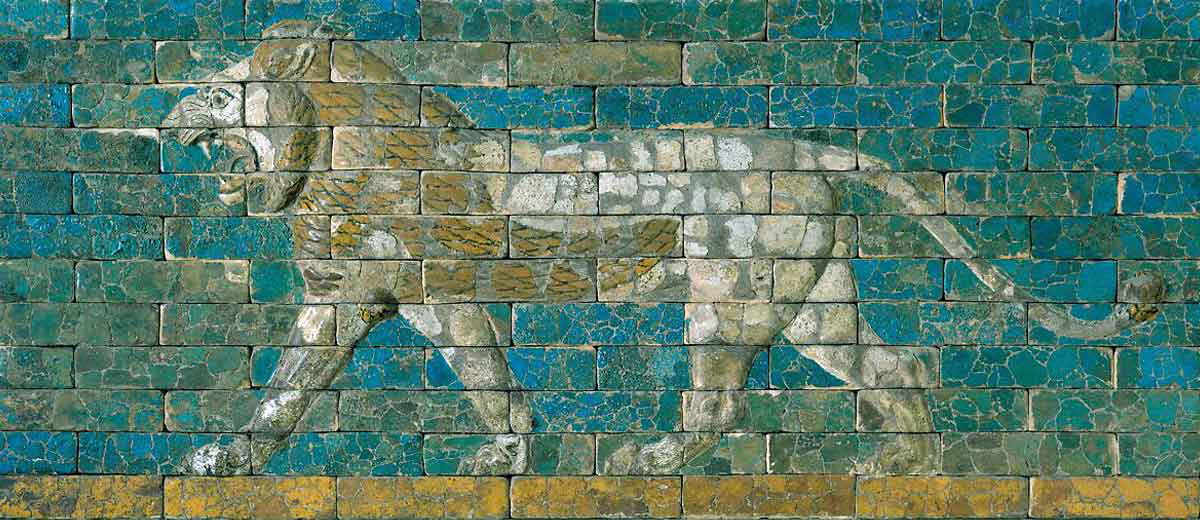
In 597 BCE, the Neo-Babylonian empire conquered Jerusalem, destroying the Temple and deporting many of its citizens to Babylon and the Babylonian heartland. While in exile, the Israelites encountered the might of their captor’s culture and civilization, including the ziggurats. One of these, the Ziggurat of Etemenanki, may have been the inspiration for the Tower of Babel.
Meaning “Temple of the Foundations of Heaven and Earth” and dedicated to the god Marduk, this massive structure was located in Babylonian territory, about 56 miles south of modern Baghdad. It is unknown when the ziggurat was first built, but it was possibly as early as the 14th century BCE. It was destroyed, rebuilt, and torn down multiple times in its history.
When Alexander the Great conquered Babylon during his meteoric campaign against the Persian empire, the building was already in ruins. Alexander ordered it rebuilt, but progress halted after he left to march further east. When he returned, he ordered the building pulled down entirely to make room for new construction, but he died before it could happen. There was another half-hearted attempt at reconstruction under the Seleucid King Antiochus I, but nothing came of this. The last bits of the structure were pulled down, and there were no further mentions of the building.
Origins of the Story
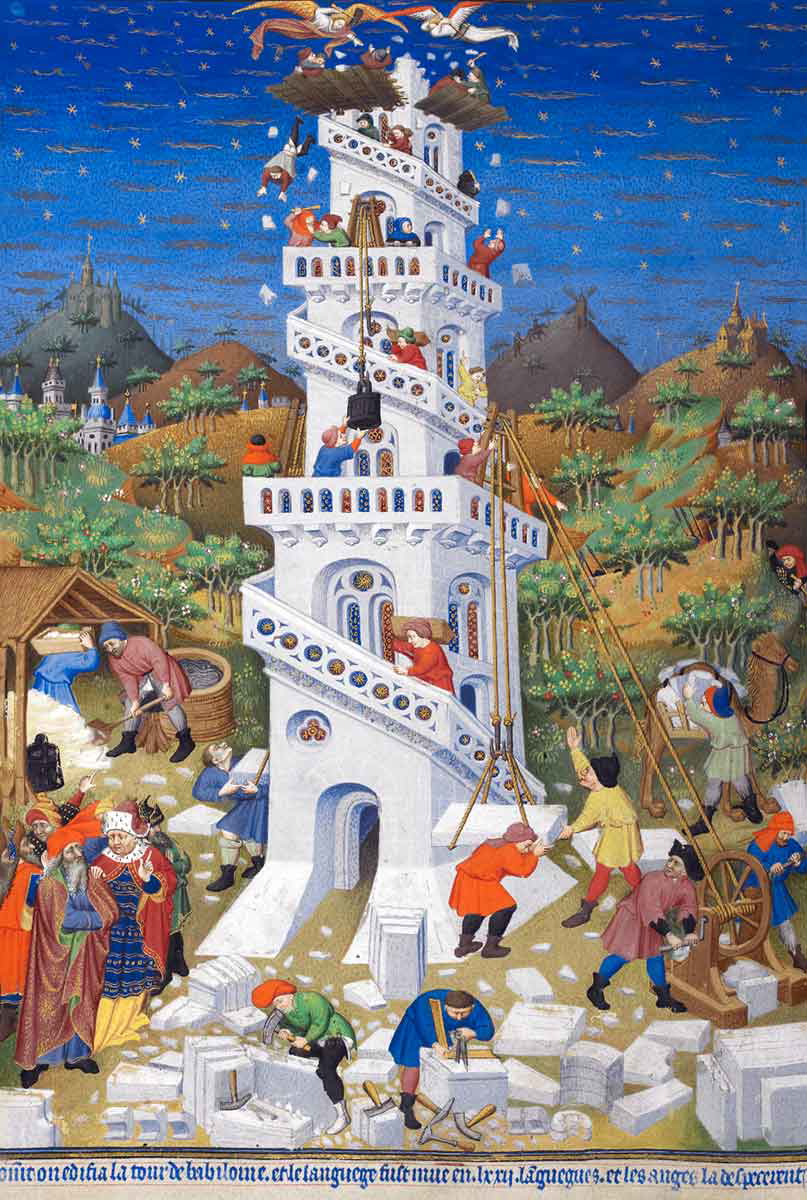
When the Hebrews were deported to Babylon, their captivity for several generations had a profound influence on their culture and beliefs. It is possible that the ziggurat of Etemenanki influenced the tale of the Tower of Babel.
According to the Biblical narrative, after the Great Flood, the people of the world did not want to populate the entire planet, but rather to stay together in a cohesive group. This parallels the urbanization of Mesopotamia, where people from around the world, or at least the surrounding region, gathered together in one place rather than spread out. Bricks were made, which were fired in kilns to harden. We know that ziggurats were made from fired bricks, at least on the visible outer shell.
Furthermore, the building was almost certainly the largest building the Hebrews had ever seen, dwarfing the Temple of Jerusalem. According to one Mesopotamian stelle, the Ziggurat of Etemenanki was about 91 meters, or about 300 feet tall. Modern scholars believe that it was around half that height, since a mud brick building 300 feet tall would have trouble supporting its own weight. This is still about three times the height of the first Temple of Jerusalem, the largest building in the Hebrews’ experience. Such a structure would seem to brush up against the heavens, and would no doubt require the efforts of the entire world to create.
It is important to note that not all Hebrews were exiled to Babylon. It was mostly the ruling and priestly classes. These were the ones who were literate and were able to write down their experiences for future generations. While in exile, they were influenced by Babylonian culture and incorporated Babylonian themes and tales into their own written creations, such as a global flood or a powerful ruler being set adrift in a basket as a baby to avoid being killed. After several generations, Babylon was destroyed by the Persians and the Medes, allowing the Hebrews to return to their homeland. Once back in their ancestral lands, the histories they created in exile were combined with their own traditions, and soon the tale of the Tower of Babel was born.
Did the Ziggurat of Etemenanki Inspire the Tower of Babel?
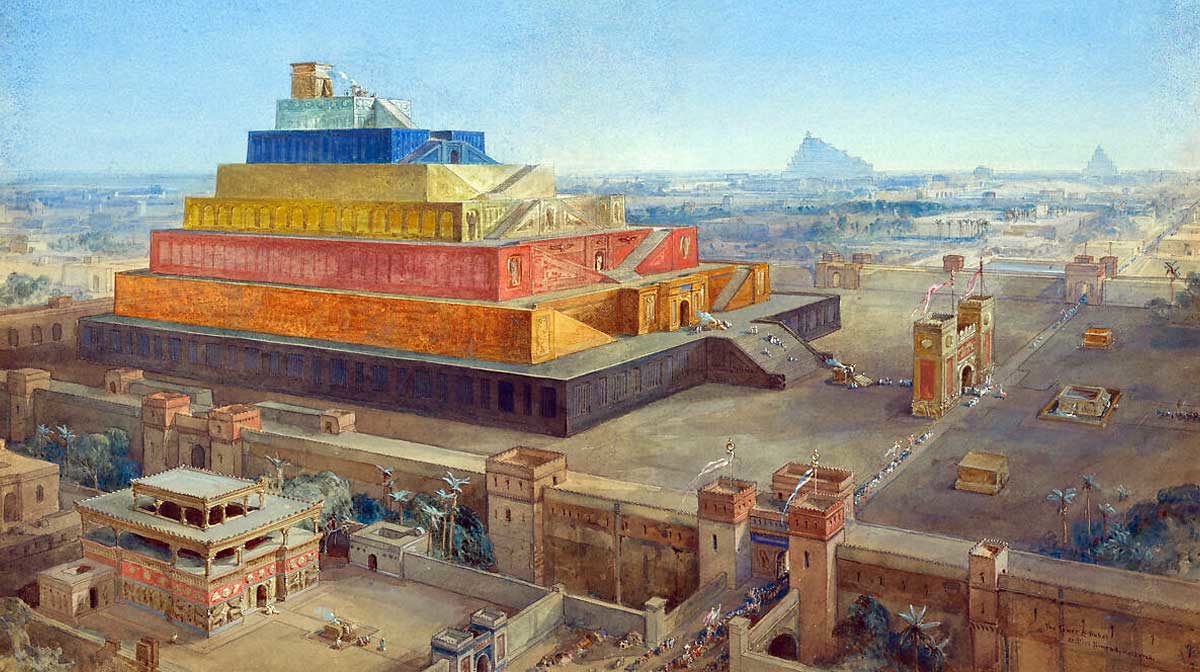
This is, of course, speculation, as we have no definitive proof of how the story of the Tower of Babel came to be. But when the circumstantial evidence is considered, it makes sense. The massive ziggurat was a major structure that required urbanisation and a large workforce, similar to the description of people gathering after the flood. The building materials and methods are described correctly, and the building seemed to reach towards the heavens.
It is unknown if the building was fully intact when the Israelites were sent to Babylon, but a partially ruined structure would strongly imply that construction was halted. The tale was told by a people in exile, surrounded by others who had a different culture and spoke an incomprehensible language, in a land whose name is very similar to the word for nonsense or gibberish. While this is hardly conclusive proof, it seems likely that the ziggurat of Etemenanki, or possibly some other monumental structure, inspired the Biblical tale.