The Greek afterlife wasn’t simply a shadowy realm of nothingness. Over time, from Homer to Hesiod, Plato, and Virgil, through stories and poetry, it developed features of its own, with forests, mountains, cities, and lakes being considered as part of its geography. Of great importance were the five rivers that were traditionally believed to run through the Underworld. Each had its own character, representing a particular aspect of death or suffering. And some were mythical representations of particular rivers in the real world.
Long after the ancient Greeks wrote their stories, Dante appropriated themes and wrote of the rivers of Hades as being in Hell, merging two very different belief systems. In his Divine Comedy, the source of each of the rivers is the same. They are formed from the tears of a statue named the Old Man of Crete. These tears represent the sins of humanity, and the rivers represent the wages of these sins.
The Styx, the Most Famous of the Rivers of Hades
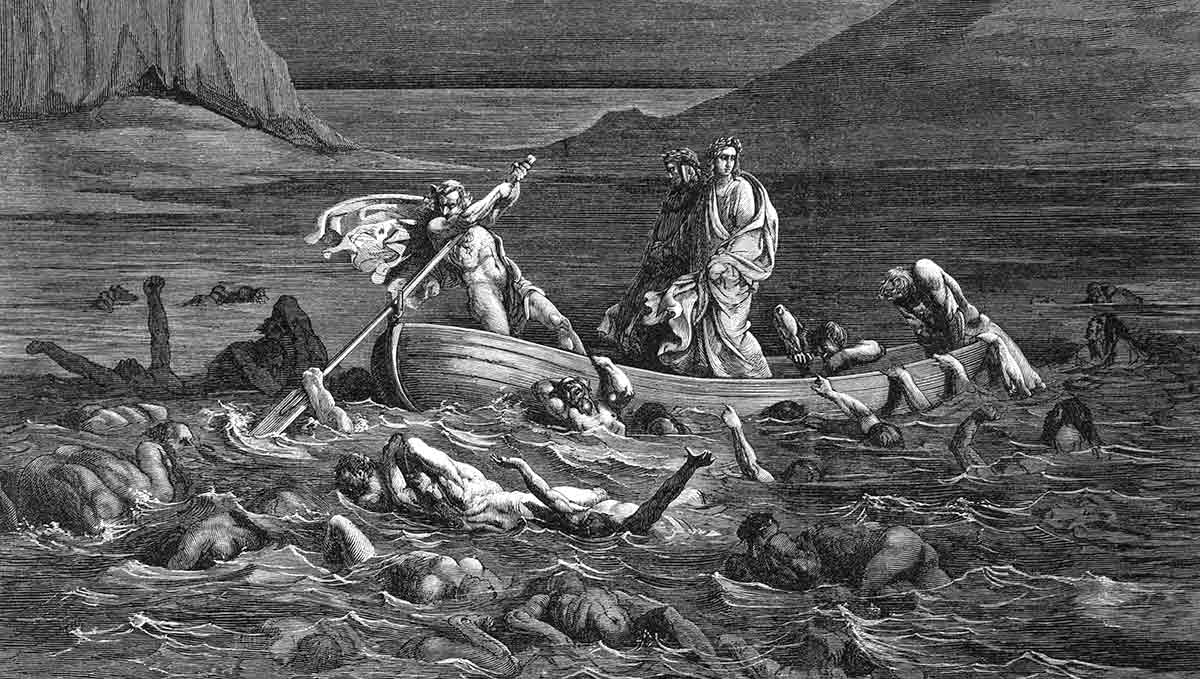
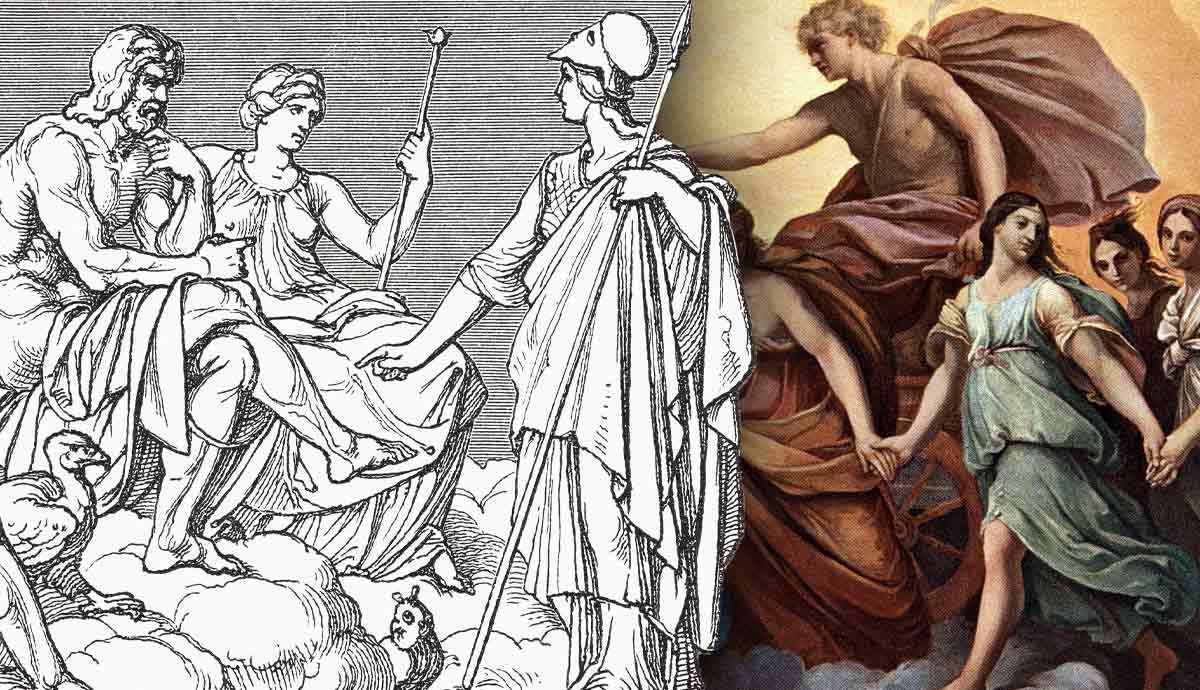
The Styx is undeniably the most well-known of all the rivers that run through Hades. Like many geographical features (and concepts) in ancient Greek mythology, the Styx is also a being. In this case, she is an Oceanid whose parents were the Titans, Okeanos and Tethys. She supported Zeus in his war against the Titans, and for her service, Zeus designated the river as the place upon which gods took solemn oaths.
Ancient Greek and Roman authors, as well as more modern authors such as Dante, mention the Styx as forming a boundary around Hades, or at least an obstacle that has to be crossed to access the realm of the dead. Hesiod describes its source as a rock or a rugged place, and in its entirety it is a tenth of the waters of Okeanos. In the Aeneid, Virgil describes how the “dreary water” of the Styx circles around Hades nine times, and is perilous to gods who swear falsely by it.
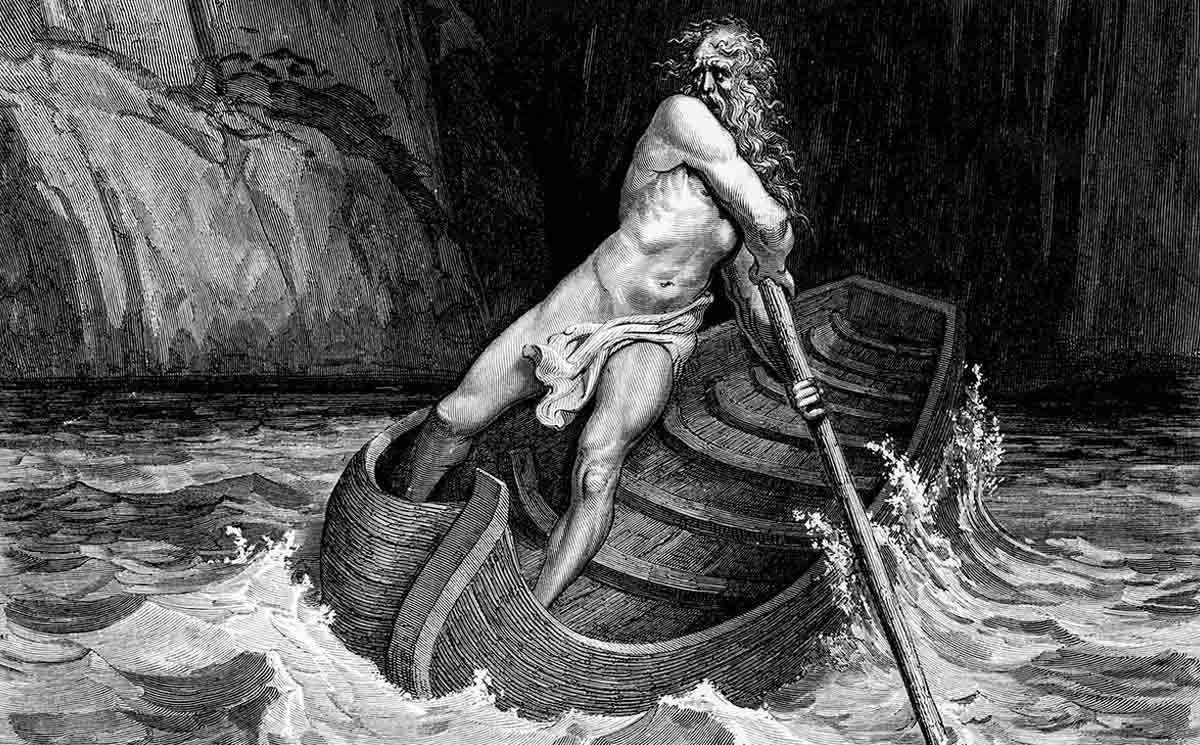
Closely associated with the Styx is Charon, who ferries souls across the Styx into Hades, although some sources connect Charon with one of Hades’ other rivers, the Acheron.
Virgil’s (70 BC to 19 BC) depiction of Charon is unflattering, and he describes the boatman as having a long, unwashed beard and greasy attire, while his eyes burn like “hollow furnaces.” Similarly described by Roman philosopher and statesman, Seneca, Charon is depicted as a villain, obstructing Hercules, who overpowers him.
Burial traditions were important in ancient Greek culture, and literary sources speak of burying bodies with a coin to pay Charon to ferry them across into Hades. Archaeological evidence, however, paints a different picture, and only a comparatively small number of graves actually exhibit this practice. Nevertheless, Virgil writes in his Aeneid that those who were not buried properly have to wait on the shores of the Styx for a hundred years before Charon would take them across.
The Acheron, the River of Woe
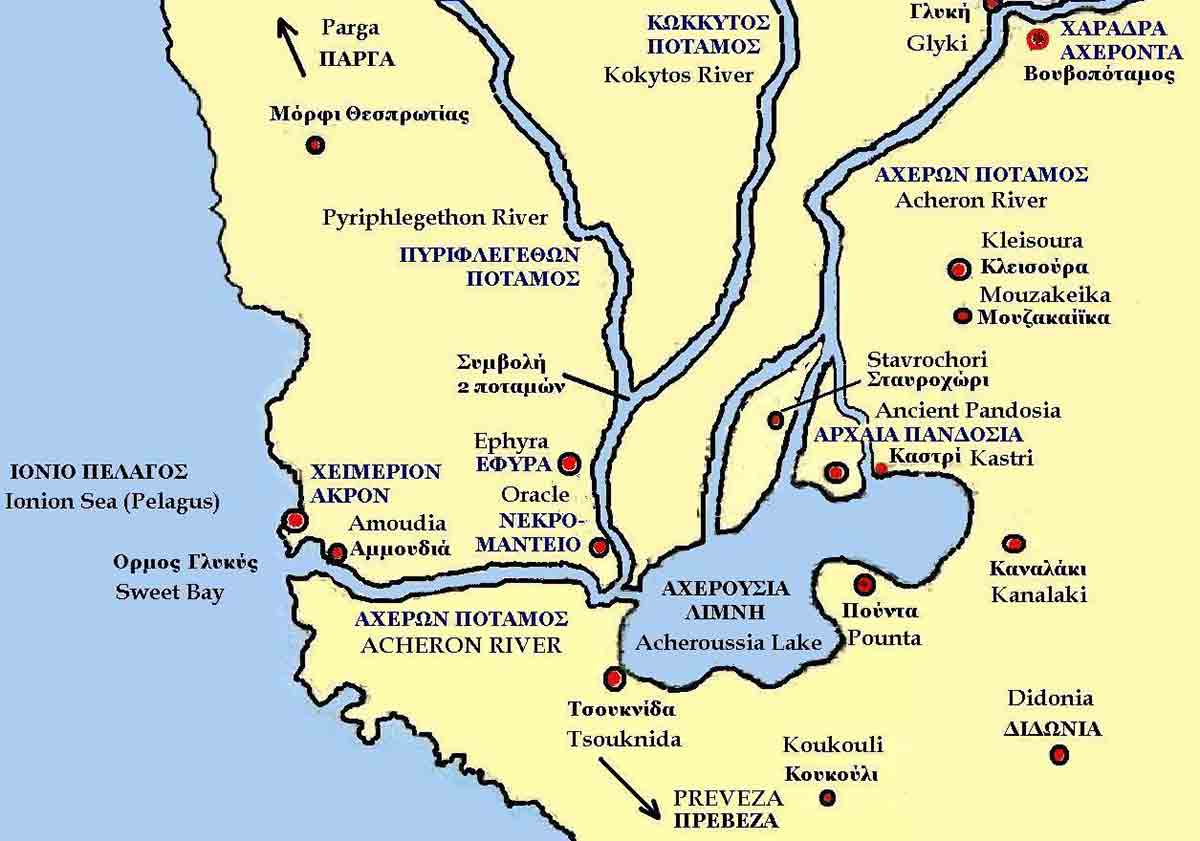
While the Styx was described as the entrance to the underworld, the Acheron also held this title in several works, and as such, it was also depicted as being associated with Charon.
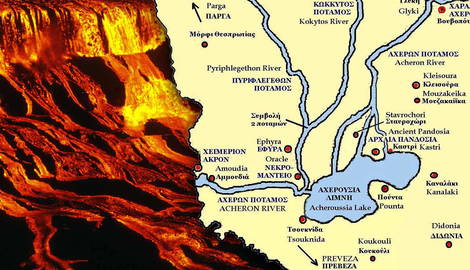
The Acheron is actually a river in the real world, existing in the Epirus region in northwest Greece, where it flows into the Ionian Sea. It was seen as an earthly manifestation of the mythological Acheron or an entrance point to the Underworld. Near its mouth is the Necromanteion, an ancient Greek temple devoted to Hades and Persephone, the rulers of the Underworld.
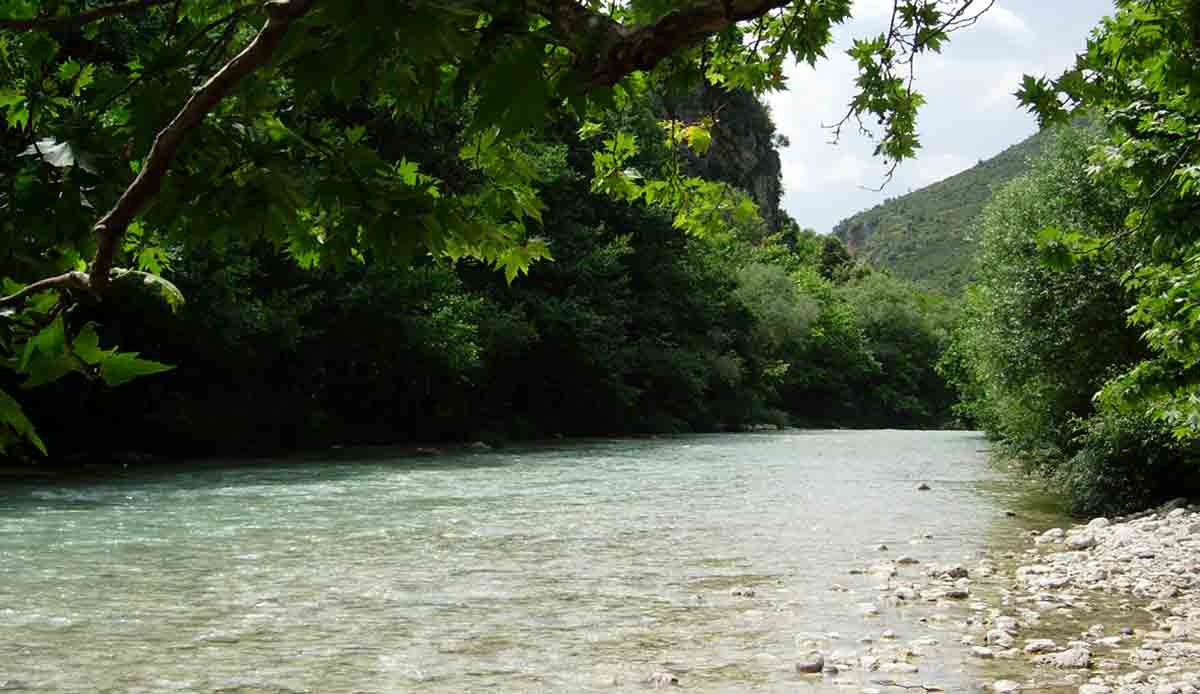
The only mention of the Acheron in Homer’s works comes from the Odyssey when Odysseus must travel to Hades. Circe tells the hero that he must travel to where the Pyriphlegethon and the Kokytos (a branch of the Styx) flow into the Acheron.
While death in Homeric and early Greek writings is permanent, Plato believed in reincarnation. In his Phaedo, the Acheron takes the dead under the earth and through desert places to the Acherusian Lake, where they await judgment and the reincarnation of the soul based on their deeds in life.
The Pyriphlegethon, a River of Fire
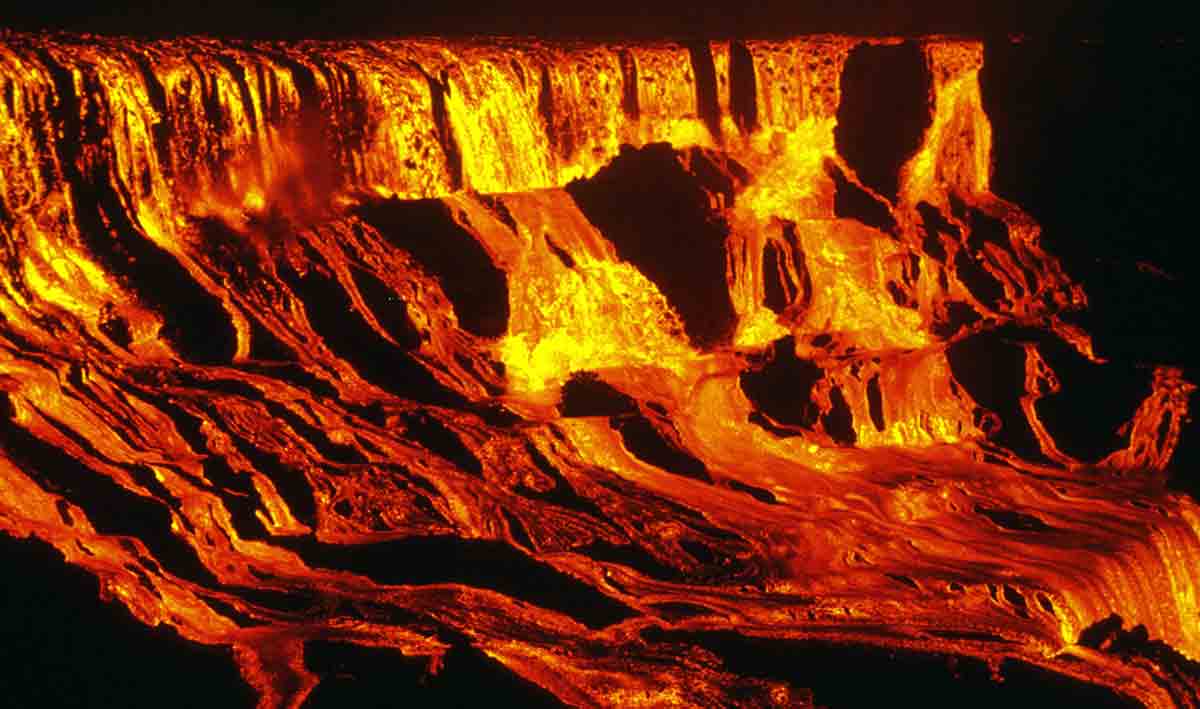
One of the two rivers that drain into the Acheron, the Pyriphlegethon (also known as the Phlegethon), is first mentioned by Homer and later described by Plato as being a stream of fire and boiling mud which flows into the depths of Tartarus. This fiery, hellish description certainly fits the idea of an underworld of pain and suffering encapsulated by eternal punishment.
The most vivid description of the Pyriphlegethon comes from Virgil’s Aeneid, where he writes:
“Suddenly Aeneas looks back, and under a cliff on the left sees a broad castle, girt with triple wall and encircled with a rushing flood of torrent flames – Tartarean Phlegethon, that rolls along thundering rocks.”
The powerfully ominous nature of the Pyriphlegethon lends itself to Christian depictions of Hell, if not named, then as the common theme of a river filled with fire. In Dante’s Inferno, however, the Pyriphlegethon is not burning with fire, but filled with boiling blood; a concept even more horrific than mere fire!
The Kokytos, the River of Lamentation
Flowing into the Acheron, the Kokytos is the river of lamentation and wailing. Homer first mentions this river as a branch of the Styx but does not go into any symbolic detail. Virgil describes it as containing a whirlpool “thick with mire and of fathomless flood,” which “seethes and belches into Kokytos all its sand.” In the very next line of the Aeneid, Charon makes an appearance as the grim ferryman guarding these waters.
For Plato, the river forms an exit route from Tartarus for those guilty of non-familial murder, where, after a year of punishment, they travel through the Kokytos to be deposited in the Acherusian Lake, where they beseech their victims for forgiveness.
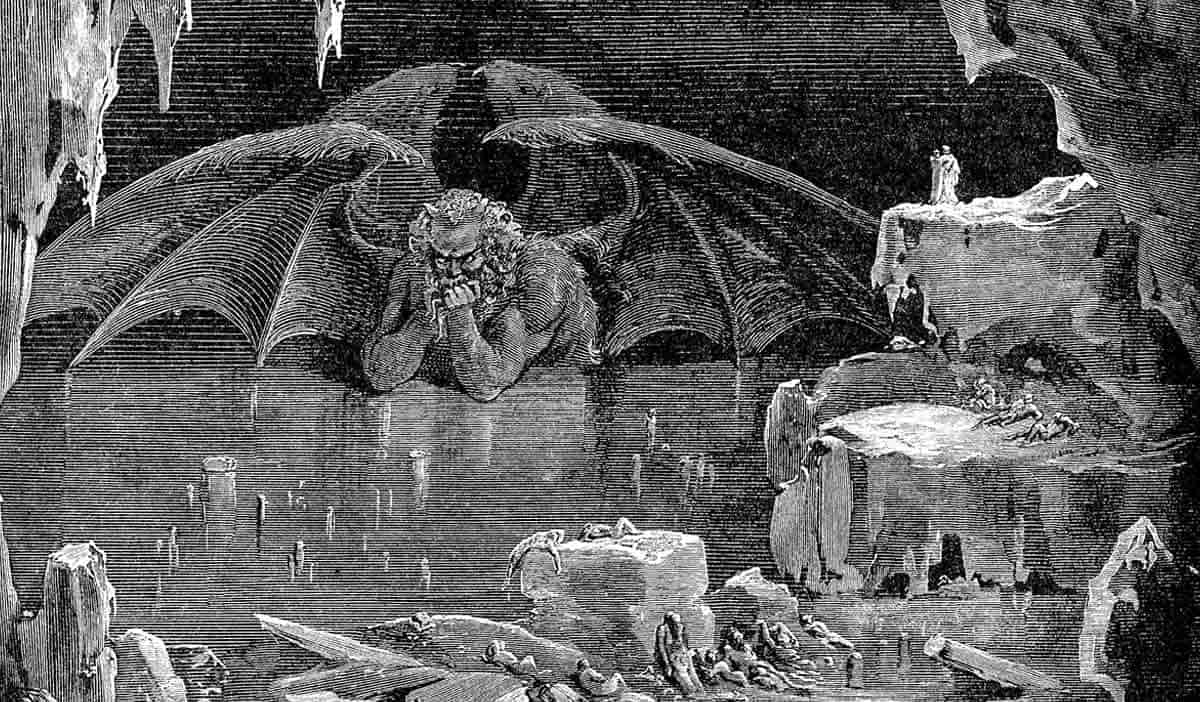
Long after the time of the ancient Greeks, the Kokytos makes a grand reappearance in the works of Dante, who transforms it into a frozen river, trapping the damned who suffer in its icy embrace. Here, the Kokytos is in the ninth and lowest part of Hell and is associated with treachery. The Kokytos here is depicted more as a lake of several concentric levels than an actual river. Nevertheless, buried in its ice are traitors and those who committed various acts of fraud. At the center is Lucifer, who is buried up to his waist, and represents the center of the Earth.
The Lethe, the River of Forgetfulness
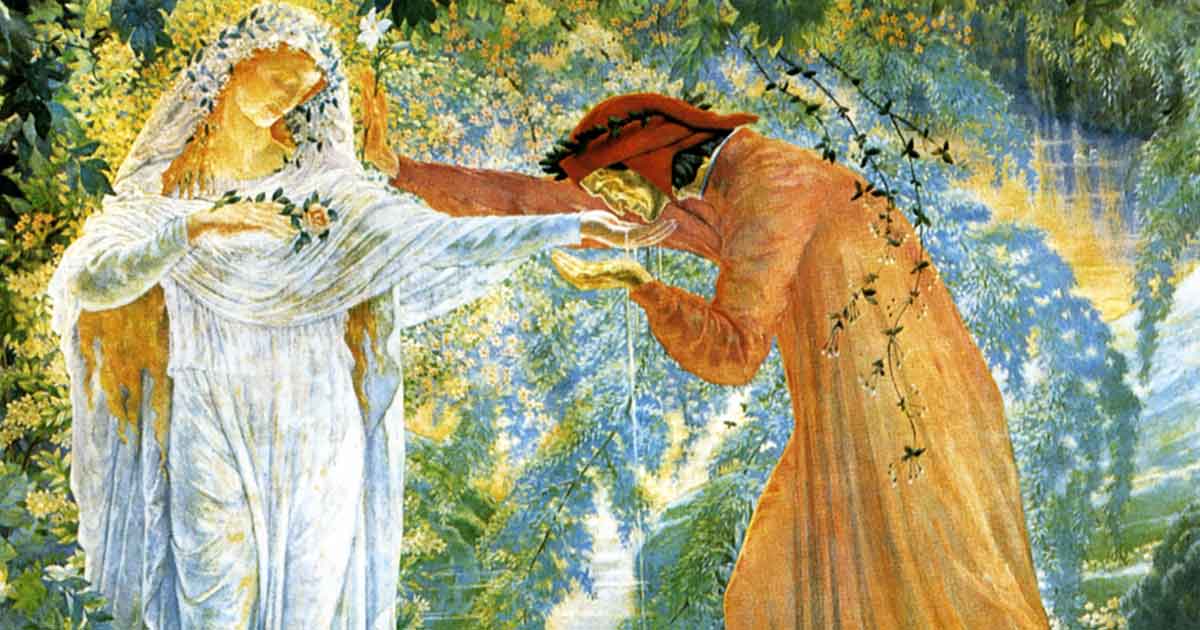
Not mentioned in the works of Homer, the Lethe is a later addition to the Underworld and is mentioned by Plato as an important part of the cycle of reincarnation and rebirth. He does not give the name “Lethe” explicitly, but calls the waters the River of Heedlessness, where souls must drink to forget their past before they are reborn. Like the Styx, the Lethe is also seen as a being. Lethe, in Greek mythology, is also the goddess or personification of forgetfulness and oblivion. Hesiod mentions that she is the daughter of Eris, the goddess of strife and discord.
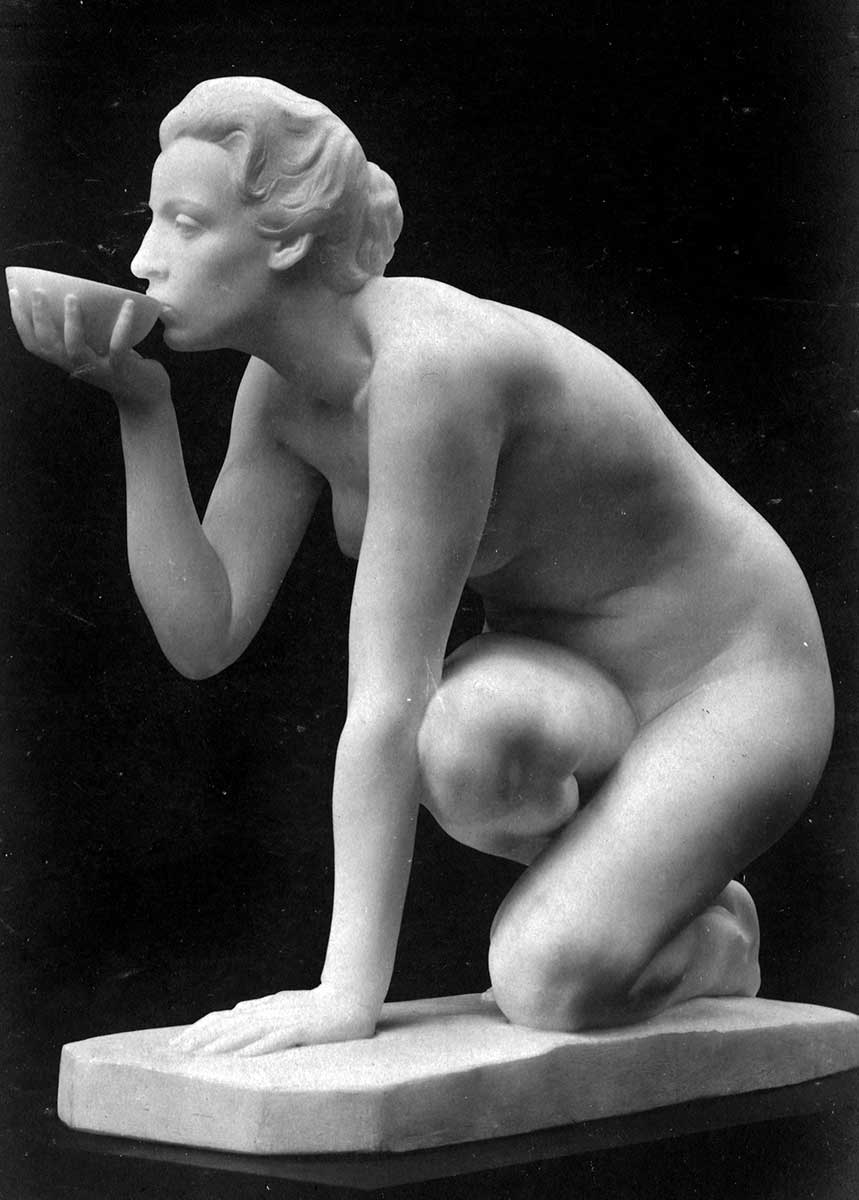
In the Republic, Plato describes the river as running through the Plain of Forgetfulness, a barren wilderness “destitute of trees and verdure.” In the Aeneid, Virgil gives a contrasting description of the Lethe, echoing Plato’s usage of the Lethe as a part of the cycle of rebirth, but in a much more amenable setting. Unlike the other rivers of Hades, the Lethe’s surroundings are relaxing and pleasant. It runs through groves and forest thickets, past peaceful homes in meadows where bees alight on colorful blooms.
Roman poet Ovid places the Lethe in the land of the Cimmerians, where it runs by the cave of Hypnos, inducing sleep, while Statius (ca. AD 45 to ca. AD 96) situates the Lethe as bordering Elysium. Much later, Dante follows this theme, and has the Lethe in the Earthly Paradise (possibly the Garden of Eden), where humanity originally lived in innocence. Here, the waters of the Lethe flow, but unlike his Greek and Roman forebears, Dante’s Lethe does not wash away all memory. It only removes the memory of sin.
Other Rivers
The Styx, the Pyriphlegethon, the Kokytos, the Lethe, and the Acheron are generally considered the five rivers of Hades; however, there are other rivers that are associated with the realm of the dead. The Okeanos is the river that encircles the world and forms the boundary over which Odysseus must cross to reach Hades.
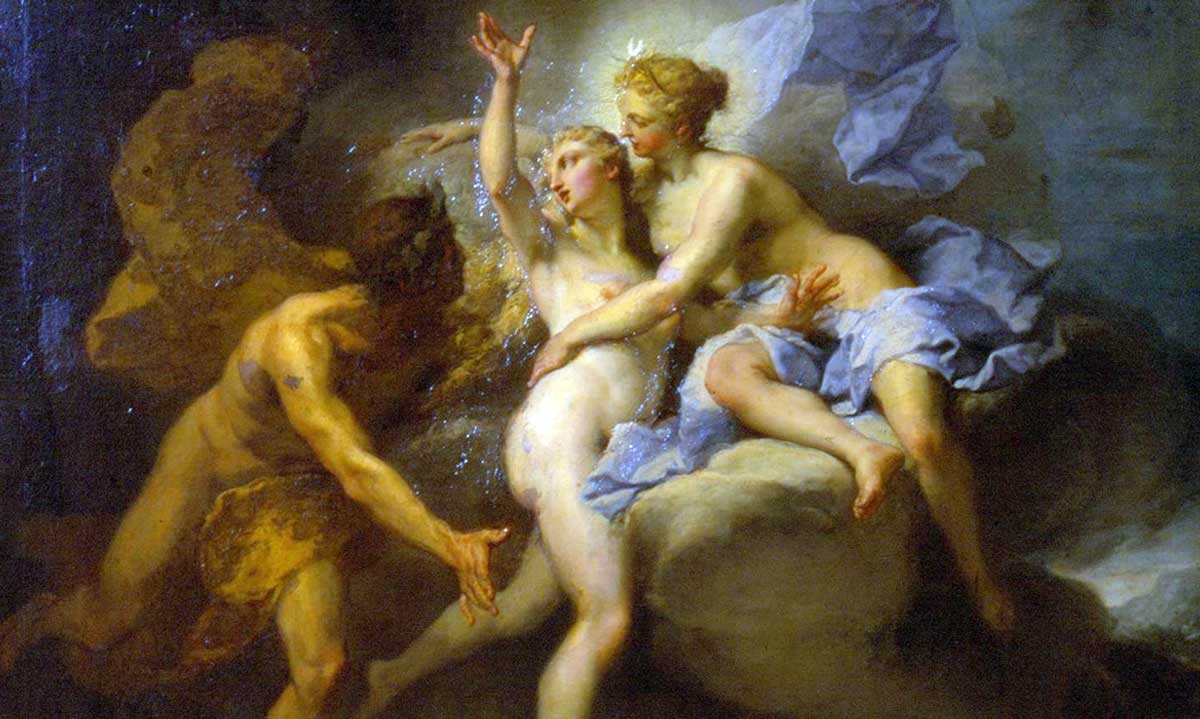
The Alpheus and the Arethusa are also mentioned by several of the ancient writers as having connections in the Underworld, and are major parts of the story between Alpheus and Arethusa in Ovid’s Metamorphoses. The huntress and nymph, Arethusa, fleeing the river god Alpheus, is turned into a stream (or a spring in some texts) by Diana (Artemis), and she recounts her story, mentioning that she flows close to the Styx.
Rivers were powerful elements in ancient Greek myth, filled with concepts and ideas that explained the concerns of ancient Greek society. The rivers of Hades are a testament to this, as they represent justice, mortality, memory, and the limits of the living and the dead.