Summary
- Roman soldiers built a complete fortified camp from scratch at the end of every single day’s march.
- Legionaries carried over 60 pounds of personal gear, including weapons, armor, and entrenching tools, on a pole.
- The Roman pilum javelin was designed to bend on impact, making enemy shields heavy and completely unusable.
- Camp security was so vital that a sentry caught sleeping on duty faced an immediate penalty of death.
The Roman Empire was built on the campaigns of its vast war machine, an army of tens of thousands of disciplined soldiers. From the time of the Republic until the height of the Empire in the 2nd century AD, Rome’s legions were engaged in a state of near-constant war. From the mist-shrouded British Isles and the dark forests of Germania to the scorching deserts of Egypt and the Middle East, legionaries fought in countless campaigns to either expand or to defend against Rome’s enemies, both foreign and domestic. But how did they do this? What was it like to be a Roman soldier?
Why Roman Soldiers Fought
From the very beginning of its history, Rome has been at war. Even under the reign of their first king, Romulus, Rome was bent on conquest. First, they gobbled up their neighboring city-states in central Italy, then expanded to control the southern portion of the peninsula. The Roman Republic expanded continually, and by the start of Augustus’ reign in 27 BC, most of Western Europe, the Mediterranean Sea coastline, and large portions of Anatolia and the Near East were under Roman domination. Under the emperors, Britain and parts of modern Iraq joined the Empire, and they pushed into Germania and even parts of Crimea. The last major territory to fall to Rome was Dacia, in modern-day Romania, in the early 2nd century AD. These borders shifted over the centuries, with territories lost and regained, especially in the east, until the Empire split and fell apart.
When Rome went to war, it did so for several reasons. Foremost of these was conquest. This was both to exploit the riches and resources of the new territory and to act as a buffer zone against other threats. Rome was sacked by the Celts in 390 BC, and since then, the Romans became more than a little paranoid about their city falling. With each new territory added, that was a bit more distance between Rome and the “barbarians.” These wars could be initiated in response to raids by a foreign power or as a preemptive strike. Sometimes, they were fought for prestige, such as the conquest of Britain, which was undertaken to enhance the reputation of Emperor Claudius, who had no proven military record when he came to power, with a flimsy pretext added. Rome was always careful to justify their expansion, claiming to be the aggrieved party before launching a war. This has led to the joke that the Romans conquered the world in self-defense.
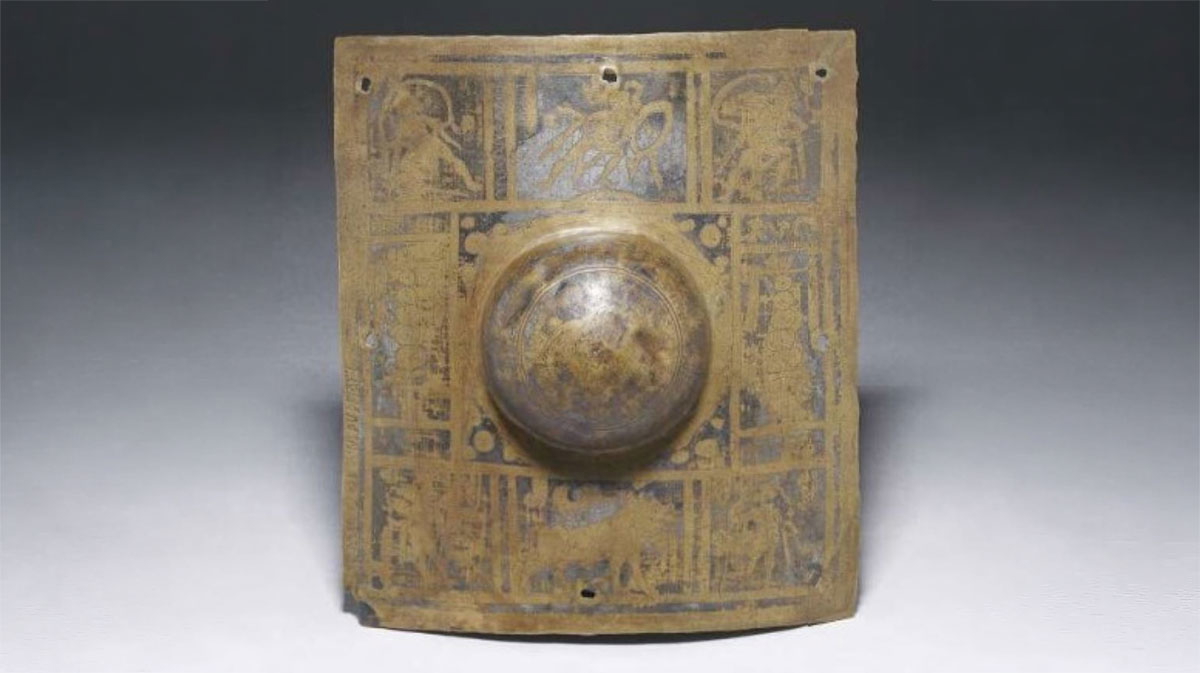
Campaigns could also be launched to put down revolts. After conquering new lands, the inhabitants were often less than thrilled by the new state of things and tried to throw off the Roman yoke. The most famous of these were the Boudican Revolt in 60 AD, during which Celtic tribes in the British Isles tried to overthrow Roman control, and multiple Jewish revolts. The legions also marched during the numerous civil wars that gripped Rome, such as the turbulent last decades of the Republic and the crisis of the 3rd century AD, when multiple generals declared themselves emperors and marched on Rome.
Composition of the Army
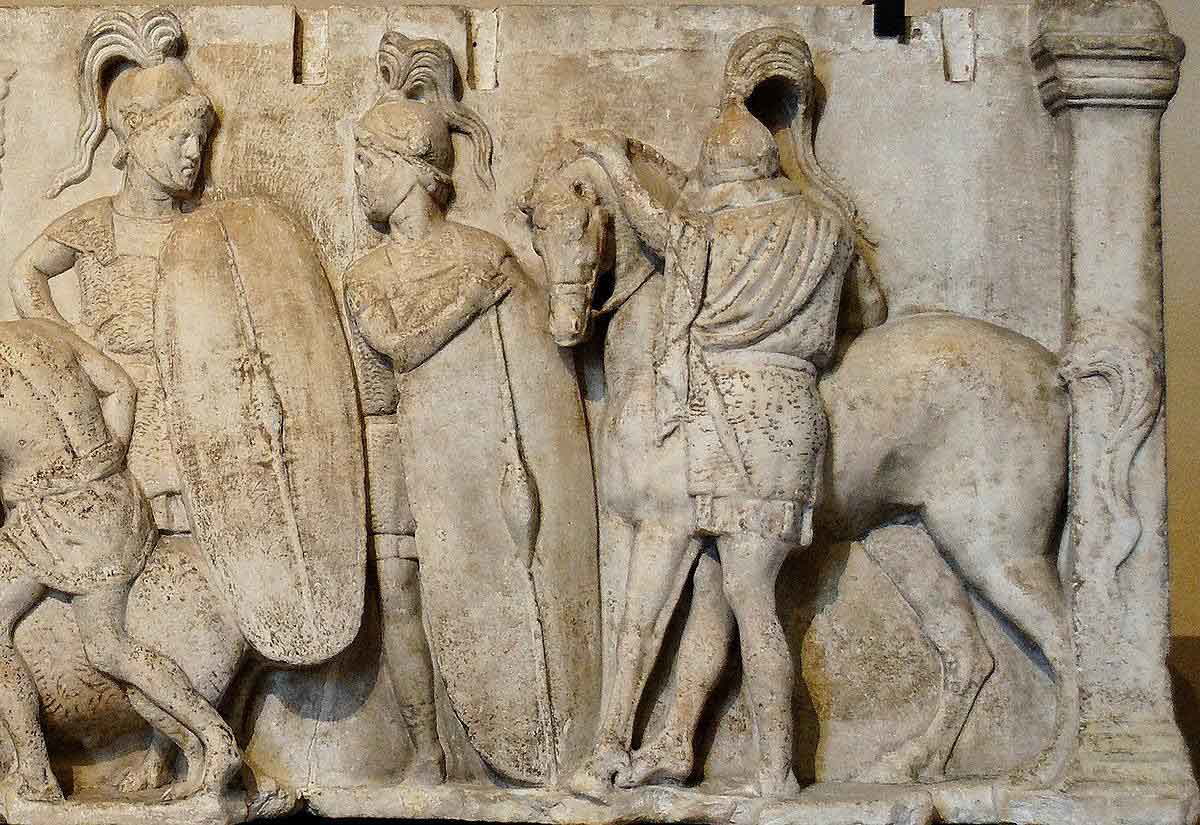
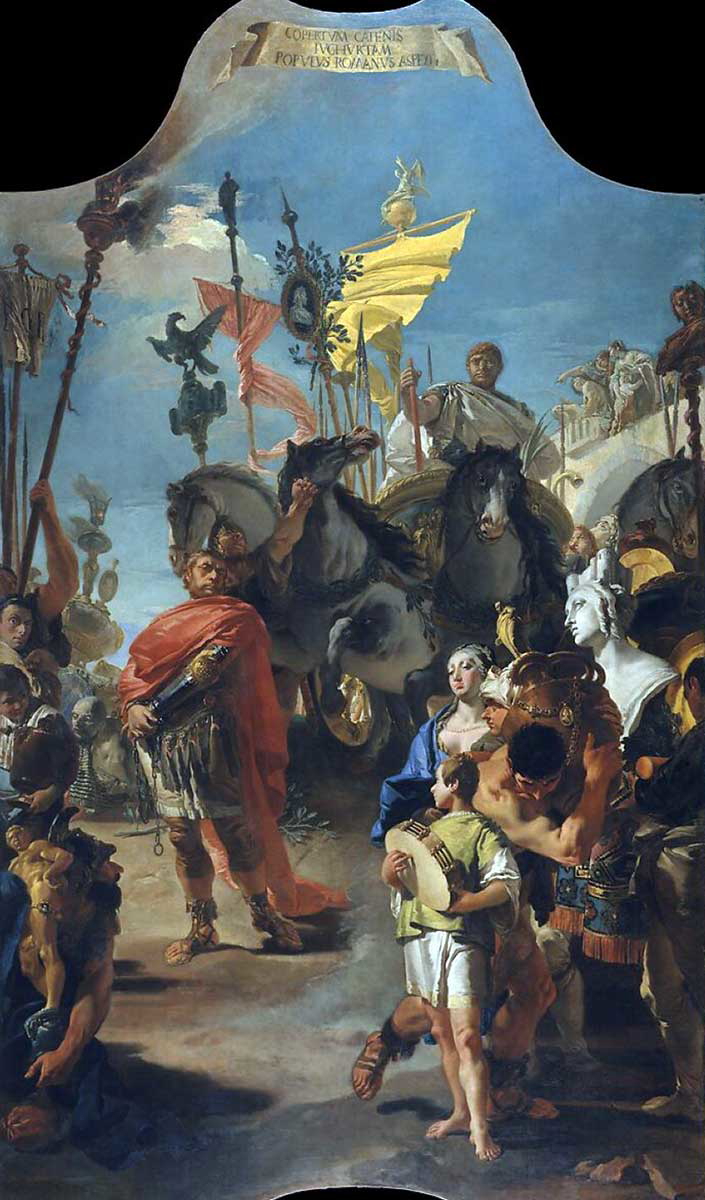
During the late Republic, the Roman military underwent drastic reform under the consul Gaius Marius, who transformed the legions from a peasant army into a paid, professional fighting force. The army was also formally organized under Augustus, who established a base of 30 legions, although the exact number fluctuated over the following centuries. Each legion had ten cohorts of 480 men, which were then divided into six centuries of 80 men each. Each century was divided into a contubernium of eight men who shared a tent.
A legion was commanded by a legate, who was drawn from the Senatorial class, and a camp prefect, a commoner who had risen through the ranks. Each century was led by a centurion, a veteran soldier with decades of experience. The other leadership positions were filled by various officer ranks and specialist positions designed to keep the war machine running, such as engineers and siege engine operators. The rank and file was filled with men who enlisted for terms of 20-25 years. Once enlisted, the men would serve until death, completion of their service, or medical discharge. To leave under any other circumstance carried the potential penalty of death.
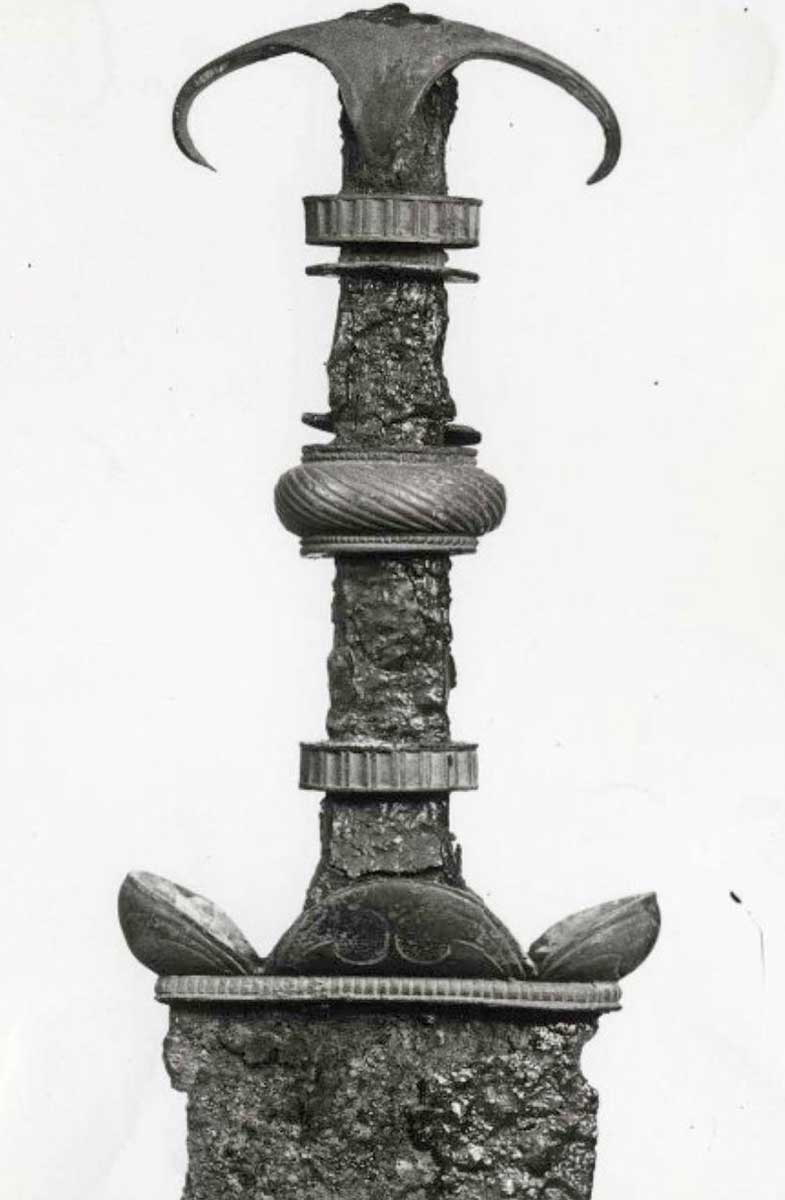
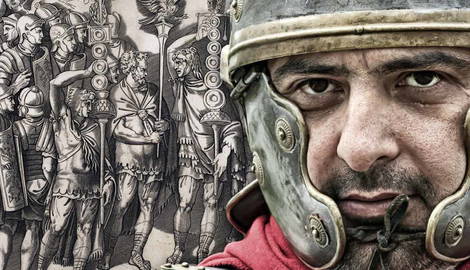
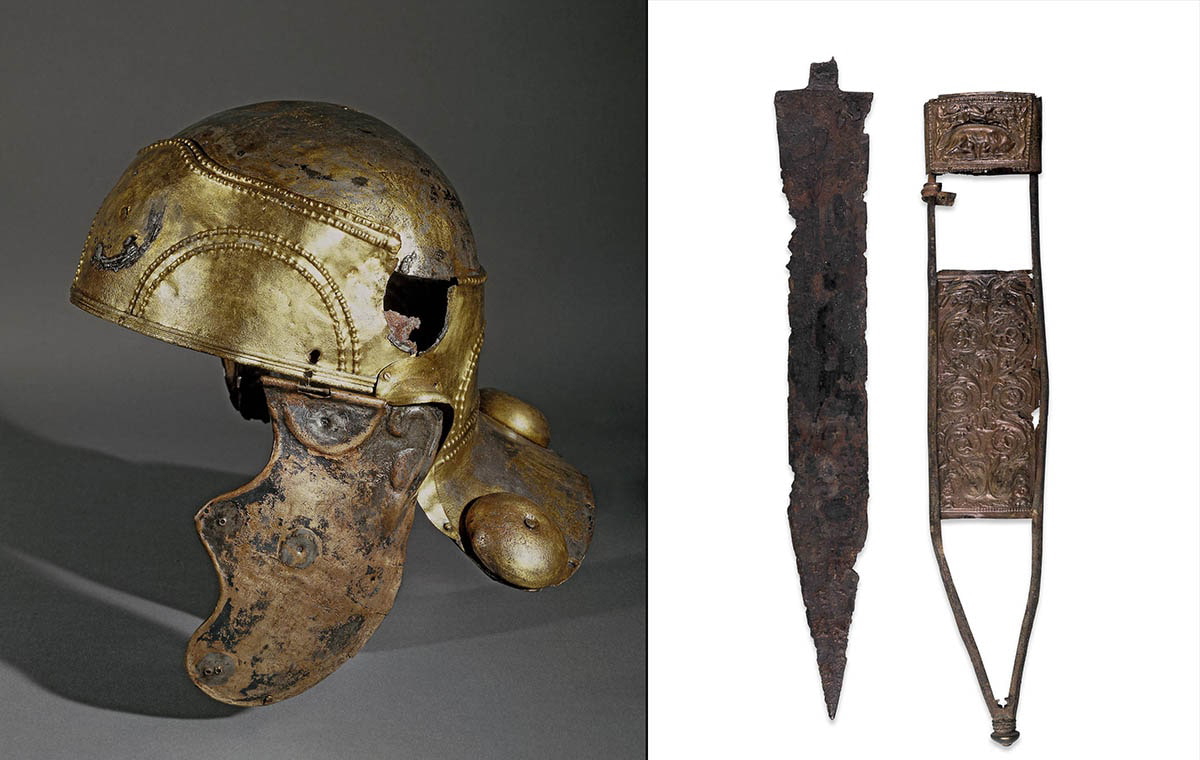
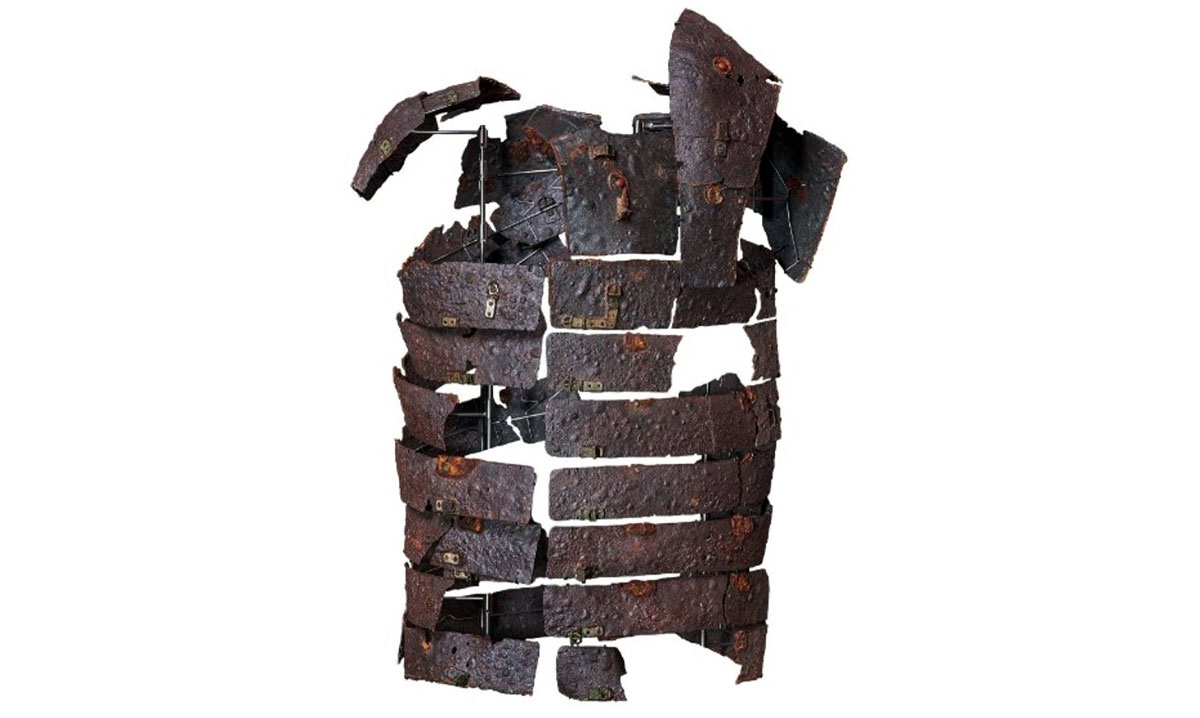
The bulk of the legion was heavy infantry, armed with a large shield called a scutum, a pair of javelins called pilum, a short sword called a gladius, and a dagger, the pugio. They were armored with an open-faced helmet, which allowed the wearer to see and hear more easily than other helmet types, such as the Greek Corinthian helmet. For armor, they wore lorica segmentata, made from overlapping metal plates, or, much more commonly, lorica hamata, mail armor, and lorica squamata, scale armor.
The Romans also used auxiliaries, non-citizens who strengthened the legion. They could be infantry or specialist forces such as cavalry, archers, and slingers. At the end of their 25-year term, auxiliaries were granted citizenship as a reward for service. There were also a host of non-combat roles, such as drovers, cooks, medical staff, and administrators. When a legion went to war, the 4,800 legionaries would be joined by hundreds, if not thousands, of auxiliaries and support staff. Armies could contain several legions, so a Roman army on the march might be made up of tens of thousands of people.
On the March
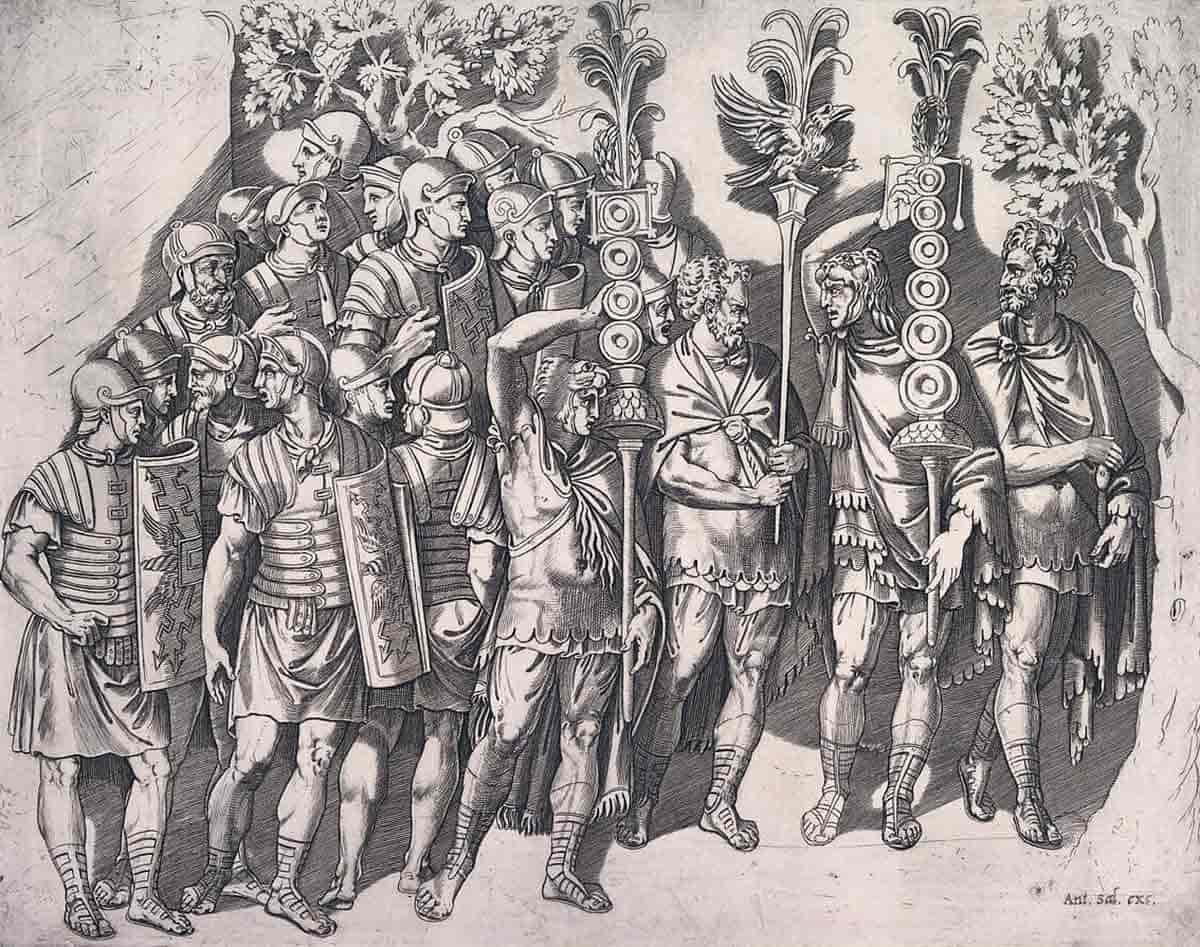
When the army went to war, it assembled in a staging area located within Roman territory, with men moving quickly thanks to Rome’s extensive network of roads. Made from multiple layers of gravel and stone, they enabled legions to be deployed, supplies to be transported, and messages to be relayed. The army had complex and effective logistics, with supply depots established to support the army, and oxen carts transporting food and supplies to the front. Soldiers also foraged for food from the surrounding countryside.
Although the Romans used pack and draft animals, soldiers were also expected to transport equipment. Under the reforms of Gaius Marius, long baggage trains were replaced by soldiers being forced to carry their own gear as they marched. Using a pole called a furca, they carried their armor, weapons, shield, entrenching tools such as shovels or pickaxes, a cooking pot, some food, extra clothing and bedding, personal effects, and equipment to assemble the nightly camp. All of this gear could weigh over 60 pounds. Although heavy, the legionaries were able to move faster, as they had fewer slow-moving wagons compared to other armies. In good conditions with existing roads, a Roman army could cover over 20 miles a day.
Making Camp
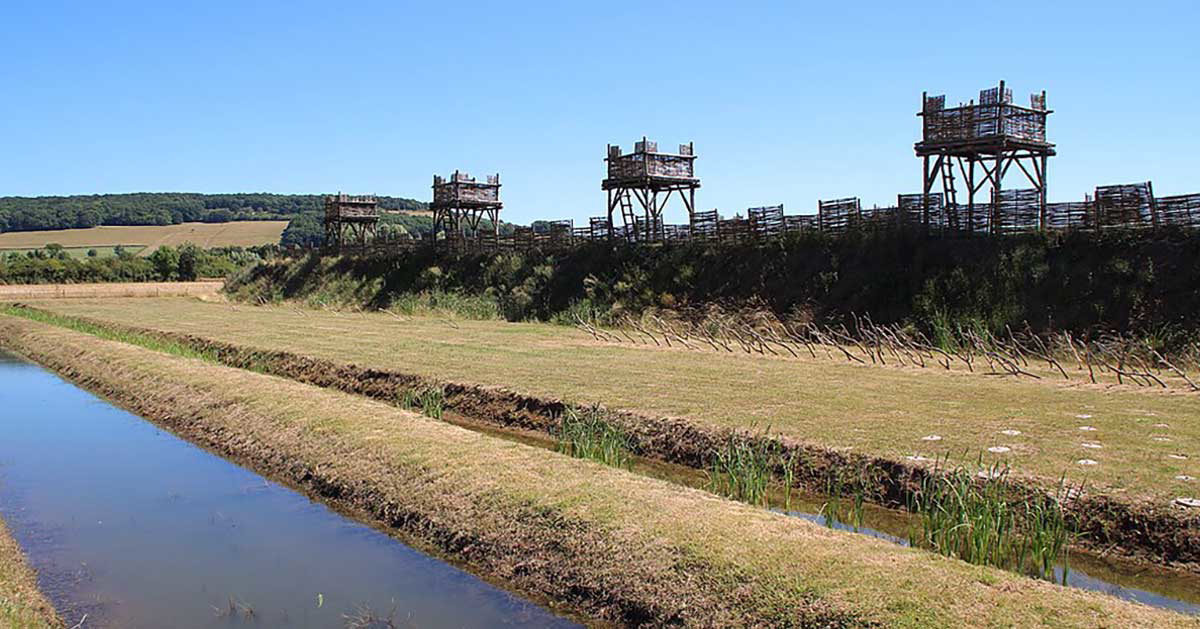
At the end of a day’s march, there was still no rest. The soldiers had to begin the laborious task of building an entire fortified camp from scratch. A suitable area was marked out by specialist engineers, and the soldiers began digging a trench around the perimeter of the camp. They then built ramparts and a wooden palisade from prefabricated parts.
Camps were square or rectangular with four gates, one on each side. The standard layout featured the commander’s tent in the center, surrounded by sections designated for soldiers, storage, medical facilities, and other purposes, laid out in a grid pattern. If attacked, the men would know exactly where their comrades and officers were and how to respond.
The fortified camp was disassembled each morning and reassembled each time the army stopped for the night while in enemy territory. The most obvious benefit was the security. Foes of Rome found it hard to overrun or infiltrate these temporary fortresses. There are no known records of a Roman fortified camp being destroyed unless the army had already been defeated in the field. It also had a profound psychological effect on the enemy. Seeing the Romans efficiently building a fortress in their territory so quickly.
Camp Security
In addition to the camps, entrenchments were used offensively. At the Siege of Alesia, Julius Caesar had his men surround the city with a double line of fortification, the inner defenses to keep the Gallic warriors penned in under siege, and the outer to protect the besieging Romans from any relief force. With this force multiplier, Caesar and his legions managed to defeat both the garrison of Alesia and a relief army simultaneously, despite being outnumbered many times over.
Camp security was of paramount importance, with access in and out tightly controlled. Guards were posted at all entrances, and passwords were given out on a daily basis to prevent infiltration. Any attempt to sneak into a camp was met with harsh consequences. Sentry duty was treated as one of the most important tasks assigned to a legionary. If they were to fall asleep or leave their post without proper authorization, the penalty was death. The mistakes of a single soldier could result in the deaths of thousands.
Onward to Battle
Even in enemy territory, a Roman army could move very quickly, mostly due to a combination of intense discipline and a relatively smaller baggage train. They could be up and ready to march in a fraction of the time of a less organized rival army. While on the march, they followed a set arrangement to travel efficiently and avoid enemy ambushes. The army was led by a detachment of light infantry and archers, usually auxiliaries, who moved ahead as scouts, followed by a force of picked legionaries.
Behind this advance guard were the commander’s staff, his baggage, and an escort of cavalry. In the center of the marching column was the commander himself, surrounded by bodyguards and more cavalry. Then the rest of the fighting force followed, starting with the cavalry and the siege equipment. Then it was time for the main body of legionaries, starting with the legates, or commander of each legion, and their staff, who had a detachment of picked troops as escorts. The legionaries marched behind the legates, six abreast, led by the standards of each unit. Behind them came the auxiliaries, allied troops, and a rear guard of cavalry and infantry.
We are aware of this arrangement from the Jewish historian Josephus, who witnessed and detailed the movements of Vespasian’s army in Judea in 67 AD. The order of march was probably different at different times and circumstances. This was also the order of march when there was no imminent threat of attack. When under threat, a Roman army could march in battle order, ready to engage at a moment’s notice. Special care was taken to avoid ambush, using experienced scouts, and the commander personally interrogated captives to avoid being surprised. Failure to do this could lead to disaster, as seen in the infamous destruction of three legions in the Teutoburg Forest in 9 AD.
Fighting in the Field
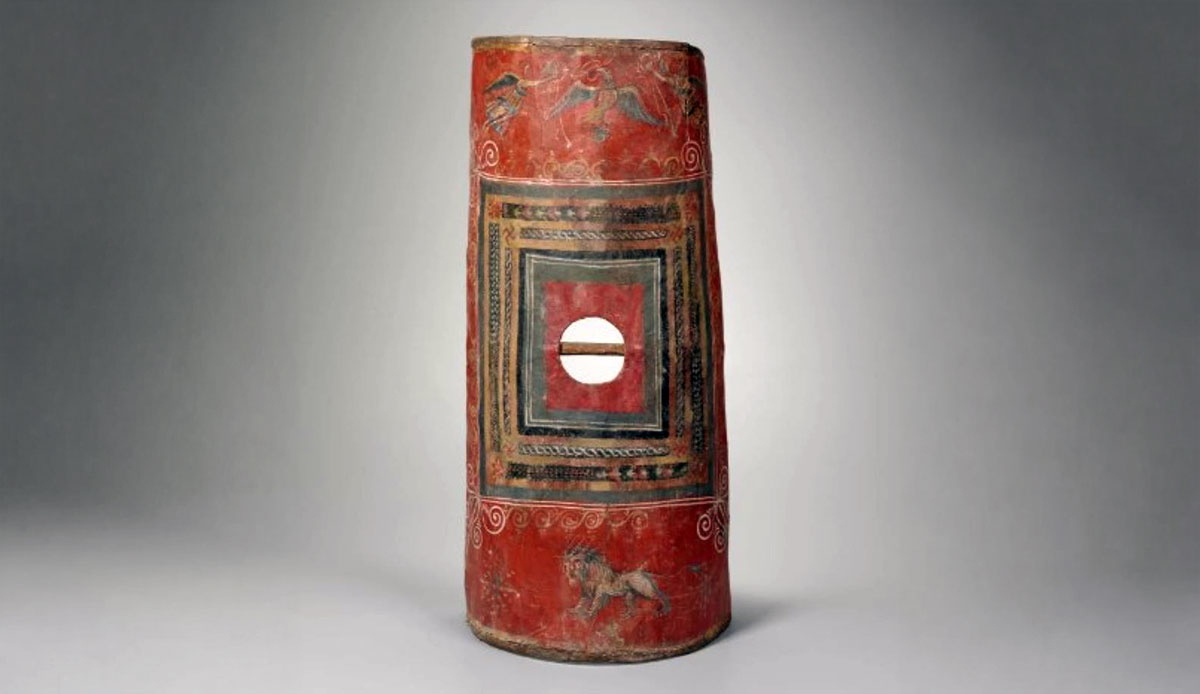
On the battlefield, there was no more professional or disciplined fighting force. During field battles, it was commonplace for both sides to avoid initial contact with the enemy. The opposing armies would often camp a short distance apart, draw up in battle formation, and stare at each other for a few hours before retreating to their camps. If the fighting did take place, the Romans operated in flexible units that could maneuver easily. Communicating with horns, drums, flags, and direct written and verbal orders, the commander could rapidly position his men.
With their armor and large shields, the Roman legionaries were formidable heavy infantry, able to endure and inflict punishment. Light infantry, archers, slingers, and cavalry, usually auxiliaries, supported the main push by the legionaries, acting as skirmishers or threatening the enemy flanks.
The first weapon of the legionary was the pilum javelin. Equipped with two, the legionaries threw them at the enemy. Its long iron shaft and heavy wooden handle were designed to bend when stuck in a shield. This prevented the pilum from being thrown back and also left the shield unusable. The pilum could also be used as a spear in close quarters against cavalry, though this was rarely done. Once the pila were expended, the Romans would then draw the gladius, a short sword that excels at stabbing. After blocking with their scutum, they would drive the blade into the exposed enemy in close quarters. Though it was mostly a stabbing weapon, the gladius could also cut as needed.
Siege Warfare
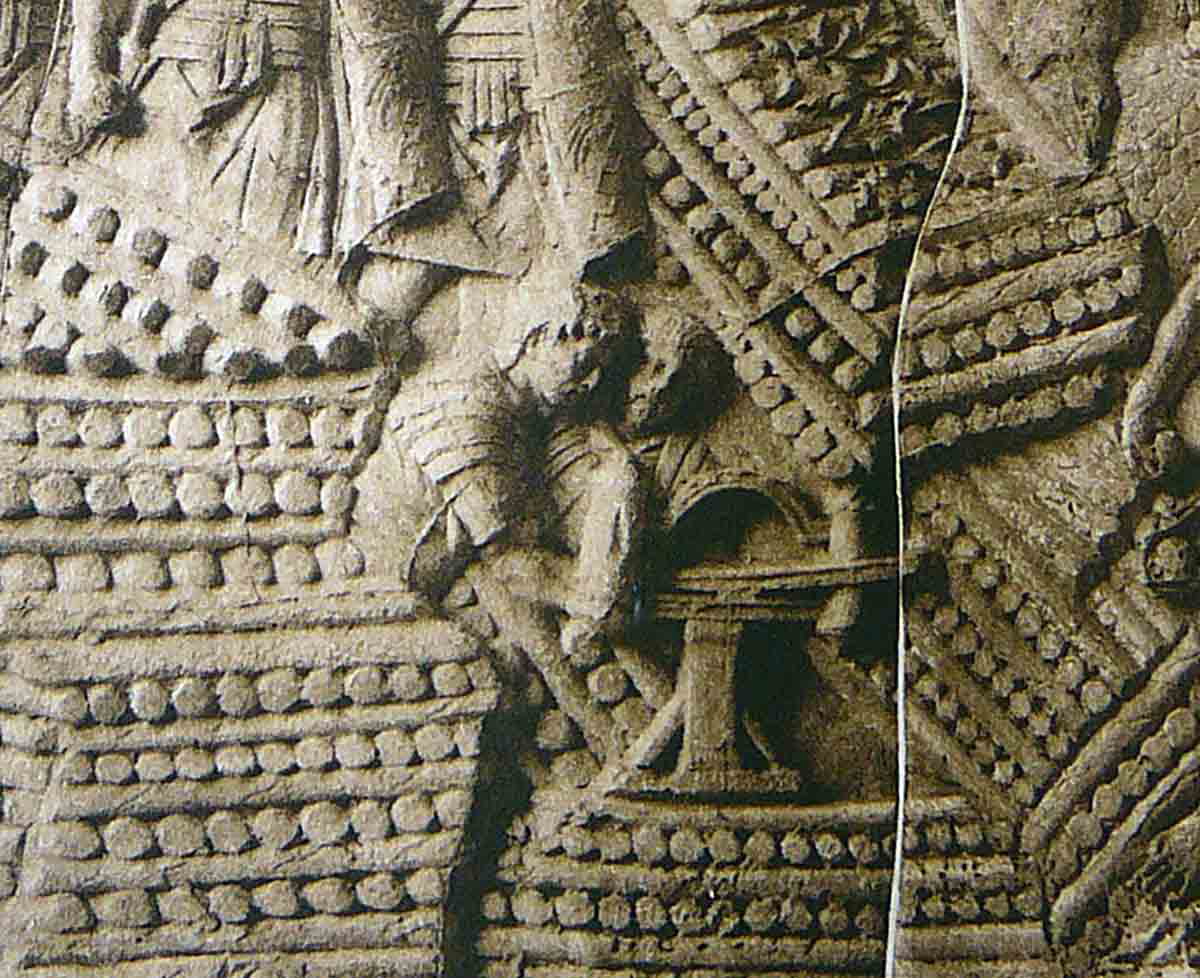
For all their prowess on the battlefield, the Romans’ true advantage in combat was siege warfare. Using a wide array of siege engines, such as onagers and ballista, as well as battering rams, ladders, and other equipment, no stronghold was safe. Using their digging skills, the Romans surrounded the enemy fortification and cut it off from supply, all the while bombarding it with stones and darts from their siege engines. If hunger and near-constant bombardment weren’t enough to cause a surrender, the Romans could attack directly, using ladders and siege towers, undermining the walls, or breaching the gate with a ram.
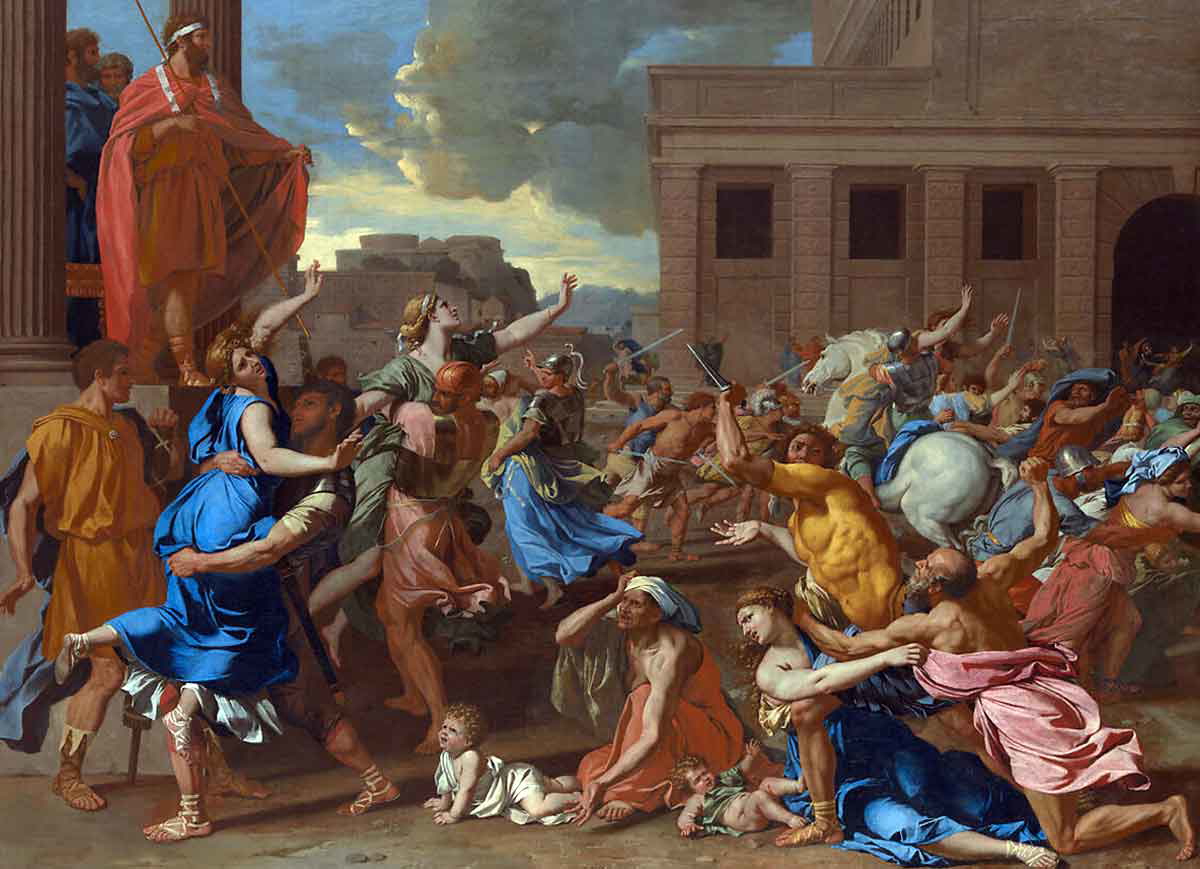
It was a general rule that any time before the assault, the city could surrender and receive fair treatment, but once the first piece of equipment touched the wall, all bets were off. Entire populations could be massacred or sold into slavery. The post-siege brutality was a way for the soldiers to vent their frustration after facing the dangers of the siege, and a warning to other settlements.
Cleanup and Booty
On the battlefield, most armies would break and run after suffering 10-20% casualties; fighting to the death was rare. Once the enemy was in flight, the Romans pursued aggressively with light cavalry. The vast majority of casualties occurred during the rout, with some estimates placing the rate at around 90%.
Even for the victorious legions, there were dead and wounded to care for. The dead were stripped of any valuables, including weapons and armor, and then either buried in a mass grave or cremated as a way to prevent the spread of disease. Dead bodies were also seen as spiritually polluting, so disposing of the corpses was of paramount importance for both cultural and pragmatic reasons.
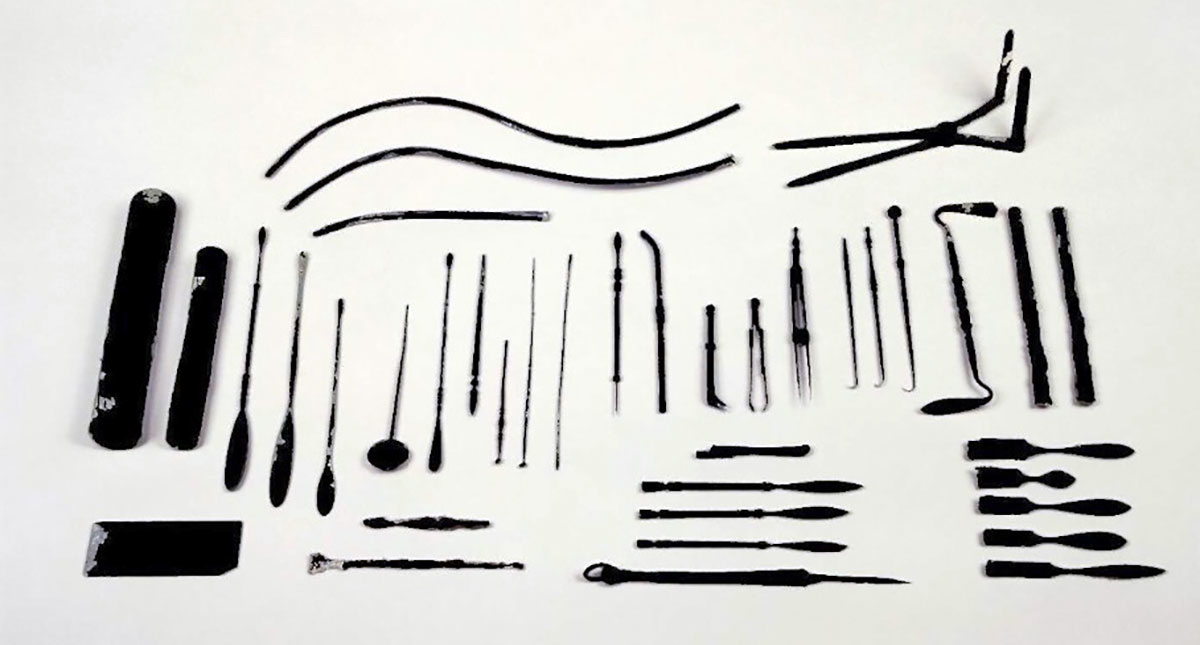
The wounded were treated by a specialist soldier called a medicus. They could stitch wounds, perform amputations, and treat other ailments. Many tools used by medicus have been found and bear a striking resemblance to modern surgical implements, including scalpels, extractors (basically a pair of pliers to remove embedded arrows), and staples to close wounds. Because of the regular food and effective medical care, the life expectancy of a soldier, if they weren’t killed in battle, was actually higher than that of a civilian. If a wound was severe enough, a soldier could be given a medical discharge.
The enemy’s dead and wounded were also stripped of their valuables, and their camp plundered. If a city or town was captured, the settlement was looted. The valuables were then distributed to the soldiers as an extra form of payment, supplementing their standard wages. Captured enemies, both military and civilian, were sold into slavery, a major source of income.
The Victory Party
After the battle, those who distinguished themselves were sometimes presented with awards from the commander. These could include arm and neck bands made from gold, or phalerae, disks made from bronze, silver, or gold. These were worn on a harness by the soldier during parades or attached to the century or cohort’s standard. Soldiers could also be awarded extra pay or other financial incentives.
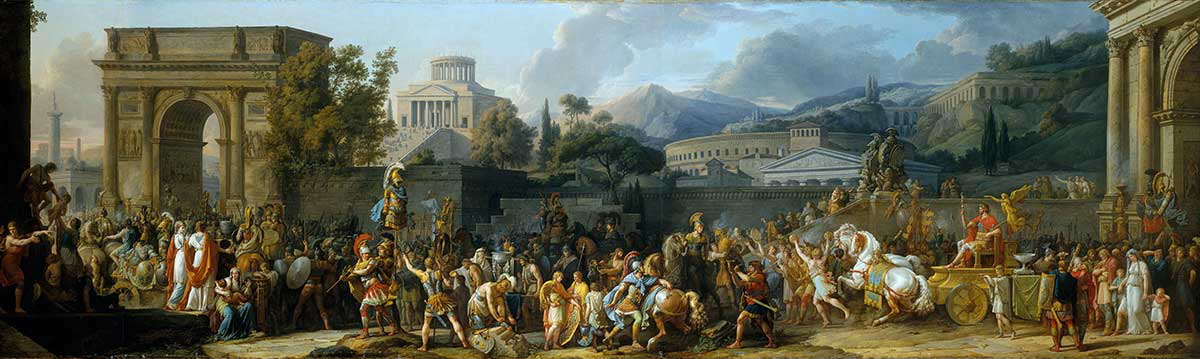
If a campaign was particularly successful, the army might celebrate a triumph. This was a parade through Rome of the victorious legionaries, carrying the spoils of their victory among the cheering masses. Celebrations also included banquets and games, and greatly enhanced the honor and standing of all who participated. Alternatively, they might celebrate an Ovation, a lesser honor for victories against seemingly lesser enemies such as rebellious slaves or pirates.