The term samurai conjures up images of Japanese warriors in distinctive armor guided by a unique warrior ethos that values bravery and loyalty. A new publication entitled Samurai by Dr Rosina Buckland and Professor Oleg Benesch to accompany the British Museum’s exhibition in spring 2026 charts the evolution of the samurai from a warrior class to Japan’s political and cultural elite and beyond its abolition in the 19th century to the creation of a global cultural phenomenon.
War and Peace
The authors explain early on that while Japanese warriors are known around the world, they are known in Japan by the term bushi.
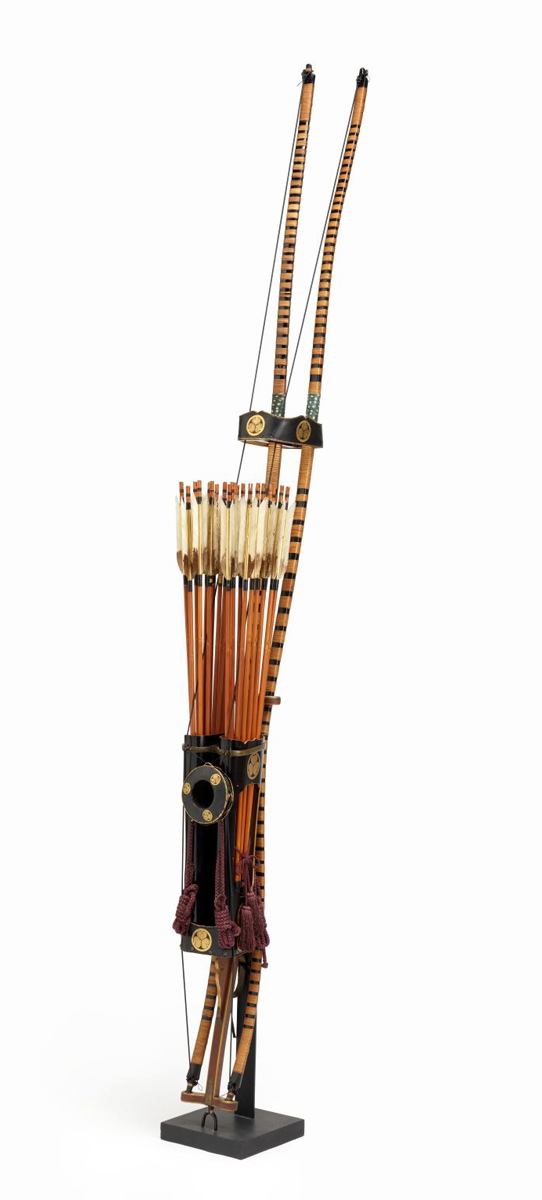
In the opening section on the rise of the samurai, the authors argue that in contrast to the ideals of bravery, honor, and meeting death with courage, the samurai were largely motivated by self-interest during a period of brutal warfare. They also challenge the common stereotype of the samurai swordsman by stressing that Japanese warriors predominantly fought as mounted archers.
As mentioned below, the popular perception of samurai derives largely from idealized cultural representations of bushi who fought during the Genpei War (1180–1185) which led to the founding of the Kamakura shogunate, and the Sengoku Period, a century of disunity that ended with the foundation of the Tokugawa shogunate under Tokugawa Ieyasu.
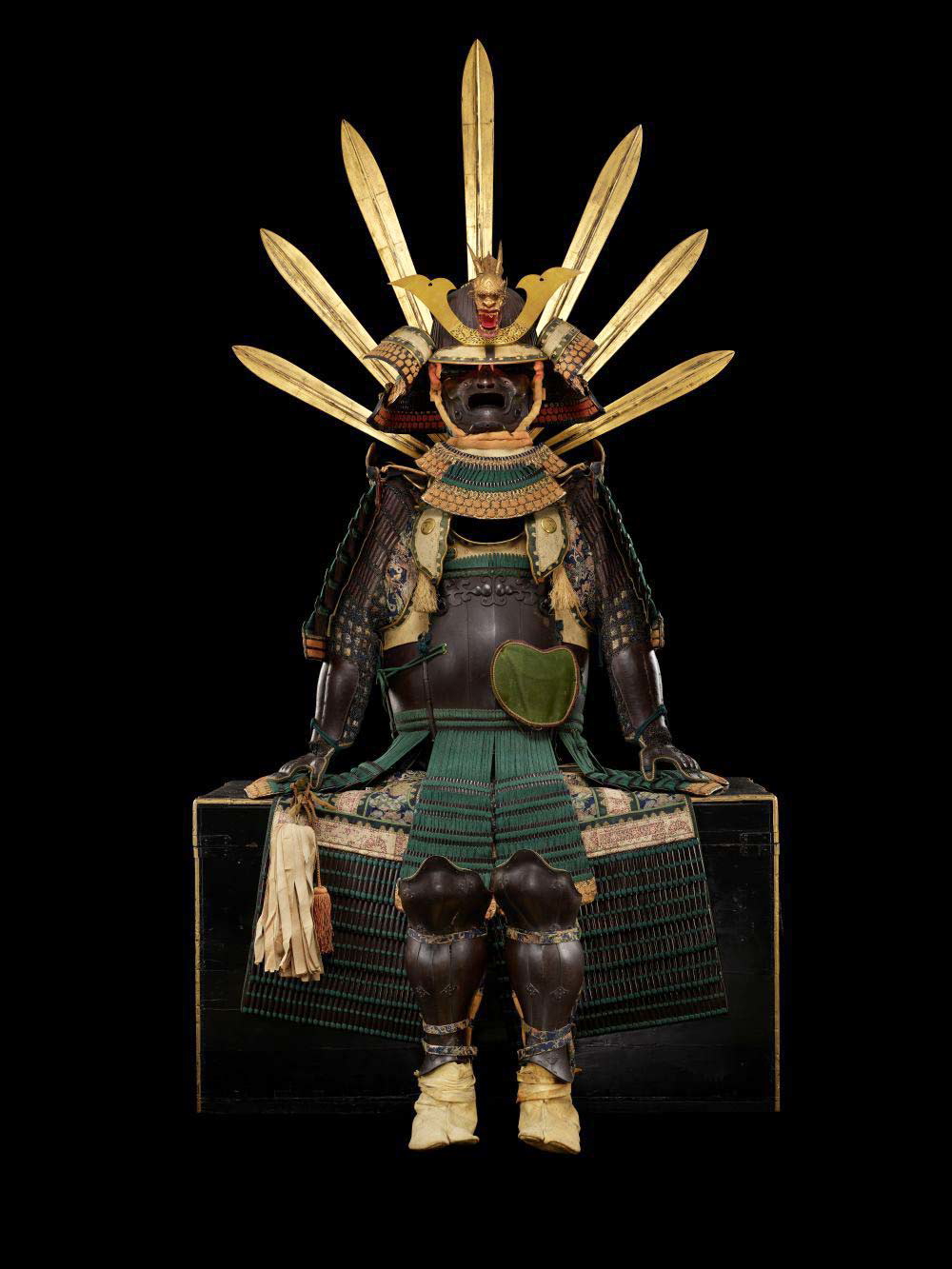
The book emphasizes the role of samurai over the centuries as patrons of culture, promoting various art forms such as calligraphy, brush painting, Nō dramas, and tea ceremonies. This became even more important during the long peace in the Edo Period, when they served as bureaucrats and administrators in exchange for a government stipend. While the samurai continued to undergo military training, over time their elaborate military paraphernalia typically went unused and instead served as status symbols.
The decline of the samurai in Japan in the second half of the 19th century coincided with their becoming a global cultural phenomenon. In the 20th century, the samurai came to be associated with the brutality of Japanese militarism as well as more positive values of loyalty and honor.
Art and Culture

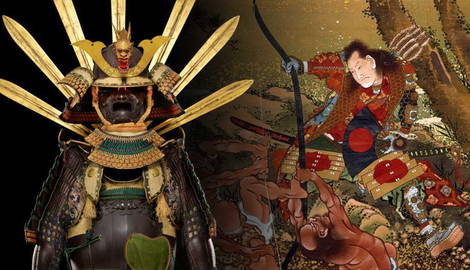
The text is accompanied by hundreds of beautiful illustrations offering a comprehensive view of samurai material culture. Much of this includes military equipment such as armor, equestrian furnishings, and various types of weaponry. There are also plenty of samurai portraits and battle scenes, such as that from the Illustrated Account of the Later Three-Year War, a set of painted scrolls showing mounted archers besieging a fortified post in the 11th century.
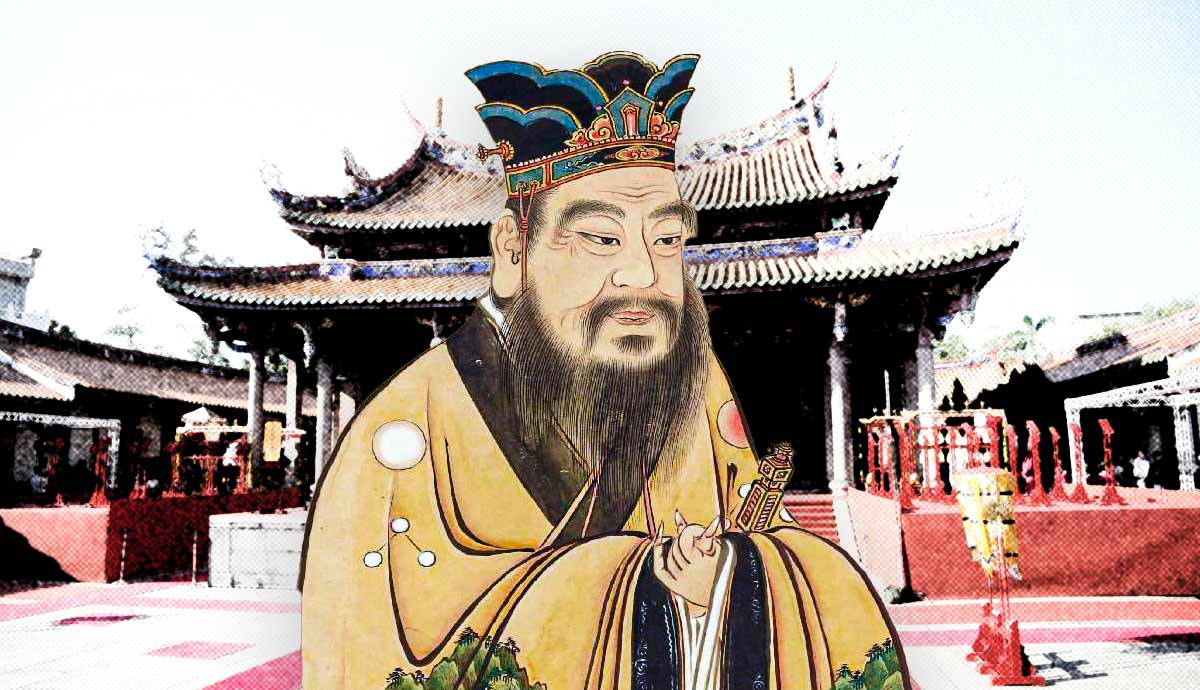
Japanese society during Tokugawa rule was organized along neo-Confucian principles, and the book shows that Chinese ideas and culture also heavily influenced material culture in Japan, such as porcelain dishes and lacquer boxes, which were often exchanged as gifts between samurai clans. A number of Edo Period samurai were themselves accomplished artists, writers, and poets, some of whom signaled their opposition to the Tokugawa regime by drawing historical allusions.
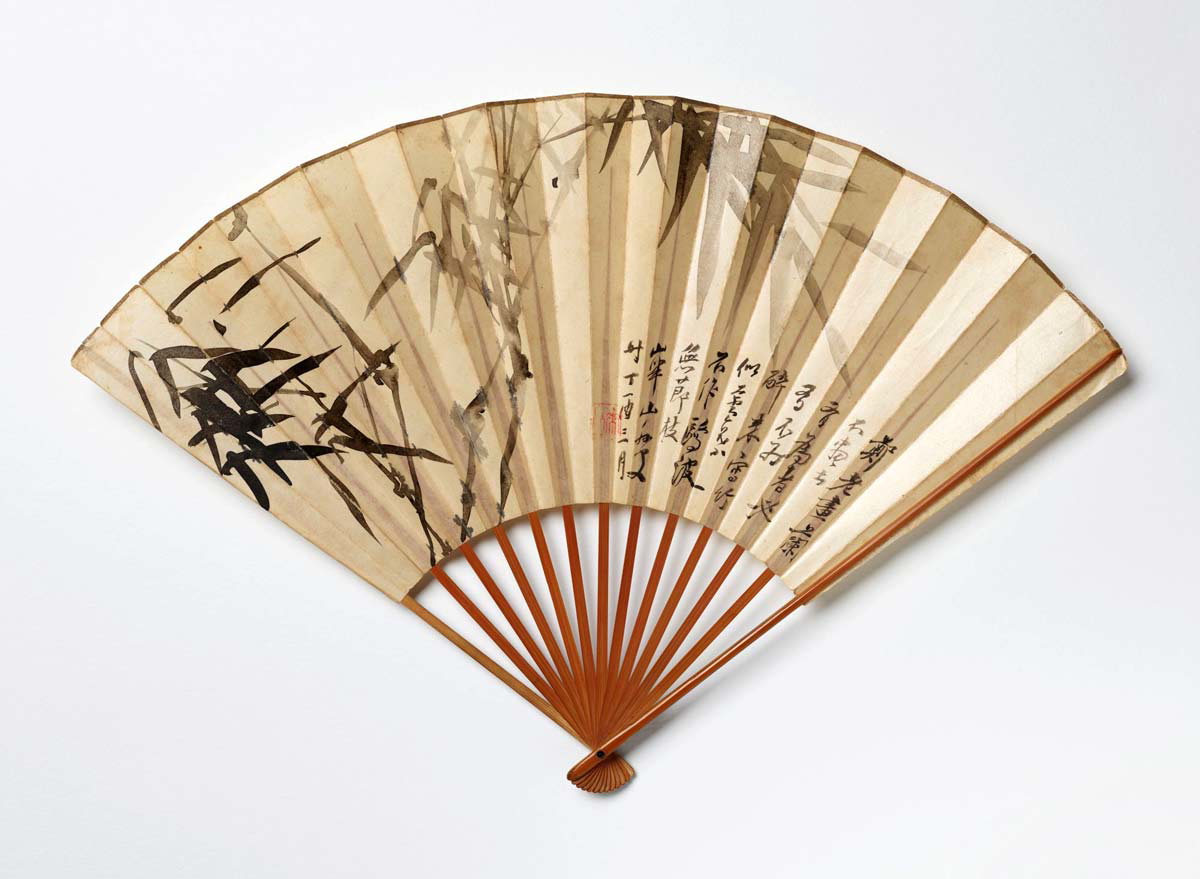
The authors argue that the lack of warfare during the Edo Period encouraged a greater emphasis on military themes in Japanese art and literature. A common subject was the 12th-century civil wars, particularly the Genpei War. Warriors such as Minamoto no Yoshitsune and Minamoto no Tametomo became household names as their idealized representations were widely disseminated in woodblock prints.
While the image of the samurai is often associated with masculinity, the authors also explore artistic and literary representations of same-sex relationships and female samurai, who often defended castles while their husbands were on campaign and occasionally played an active role in open combat.
East and West
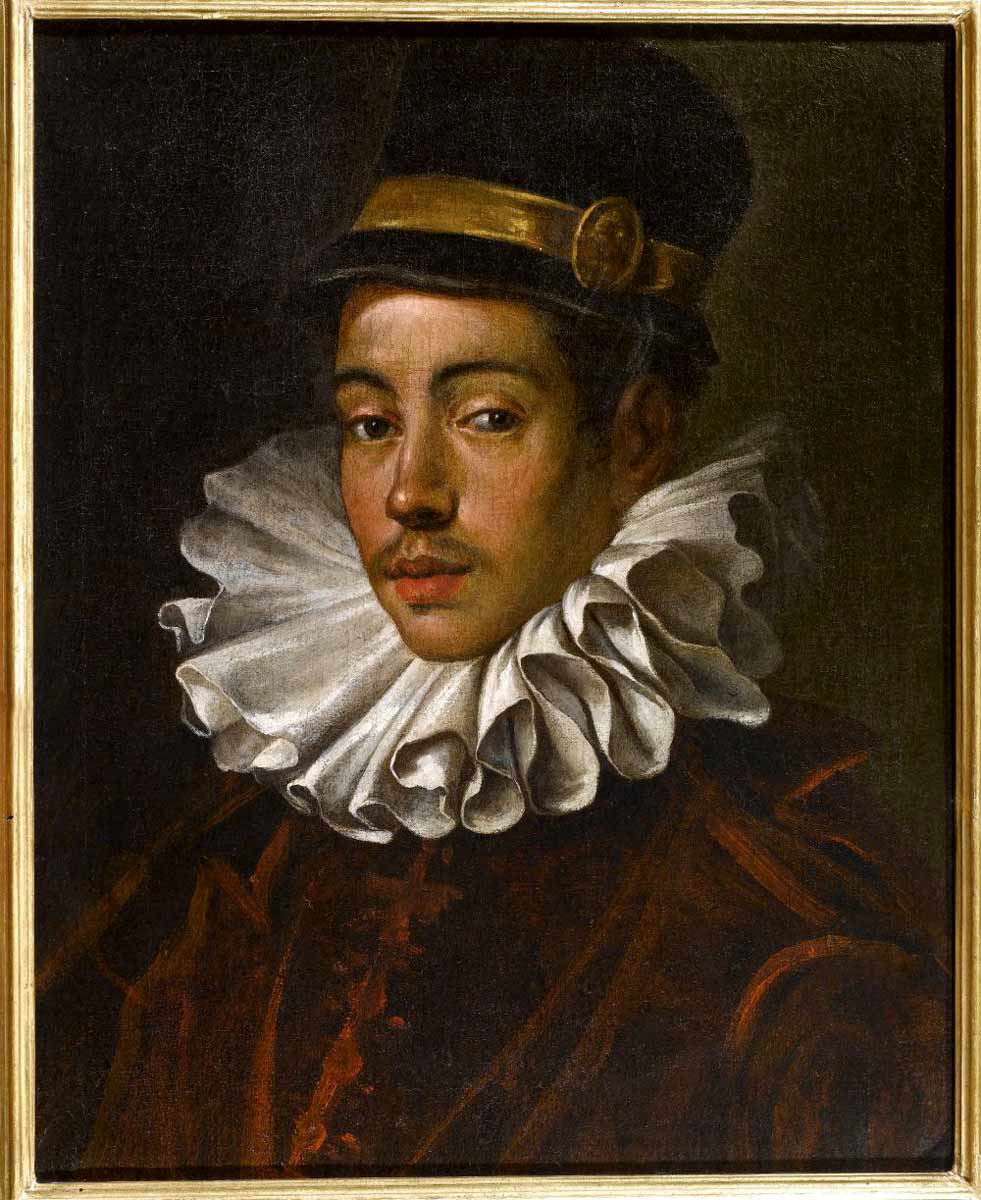
Another major theme of the book and exhibition is the Western world’s engagement with samurai. Cultural and diplomatic exchange between Europe and Japan began in the 16th century. Japanese lords presented samurai armor as diplomatic gifts while projecting Japanese military might.
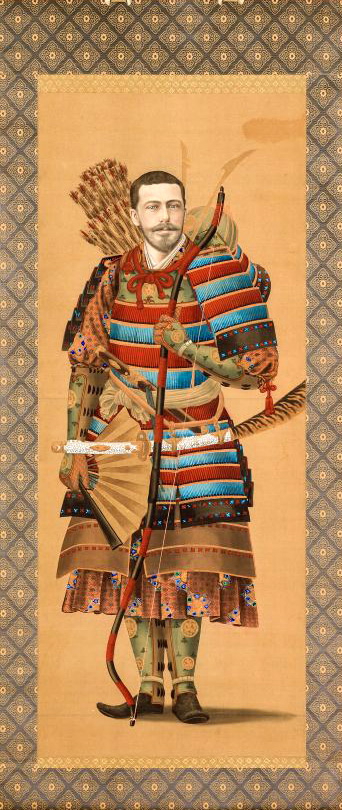
Western interest in the samurai revived in the mid-19th century after the Tokugawa shogunate was forced to abandon its isolationist policy. Photographs of samurai and other Japanese subjects from Felice Beato’s studio in Yokohama were in high demand among European visitors to Japan. A curious example of Western interest in samurai culture is the scroll painting commissioned by the Italian aristocrat Prince Henry of Bourbon-Parma, Count of Bardi, showing himself in Japanese armor.
Japan’s unexpected military successes at the turn of the 20th century encouraged Western interest in bushido, a term that was rarely used in Japan until after the Meiji Restoration, when the concept was formulated to appeal to Western and popular Japanese audiences. Alongside the main narrative, short essays focus on the reception of samurai in China, Britain, the Soviet Union, Germany, and Italy as Japanese military leaders appropriated the samurai legacy to support their expansionist aims.
The samurai have been constantly reinvented in the postwar period. Akira Kurosawa’s influential films portray samurai as fragile human beings rather than conquering heroes. In recent decades, the samurai have come to be associated with Japanese businessmen and sportsmen, while video games give gamers the opportunity to choose their own samurai adventure. In an age of greater diversity, female samurai and non-Japanese samurai have also featured in manga, anime, and TV shows.
Based on meticulous research and accompanied by exquisite artefacts, many of which have never been on public display, the British Museum offers a fresh perspective on a global cultural icon. The Samurai exhibition will run from February 03, 2026–May 04, 2026 in The Sainsbury Exhibitions Gallery at the British Museum.
Samurai, written by Rosina Buckland and Oleg Benesch, will be published by the British Museum Press in February 2026. British Museum exclusive paperback, £30, ISBN 9780714137049. Hardback, £45, ISBN 9780714137018.