According to the New Testament, Jesus promised that he would return again someday to establish his visible reign on Earth. But when was this to happen? How was he to be recognized? What form would he take? Lingering, unanswered questions have left the door open to a growing number of people claiming to be the Second Coming of Christ. Sometimes, these claims are overt and literal. But other times, they are more nuanced, spiritualized, and esoteric. Here are five people who claimed to be Jesus—in one form or another—and who retain large followings today.
Jesus’s Second Coming (or Return) Can Mean Different Things
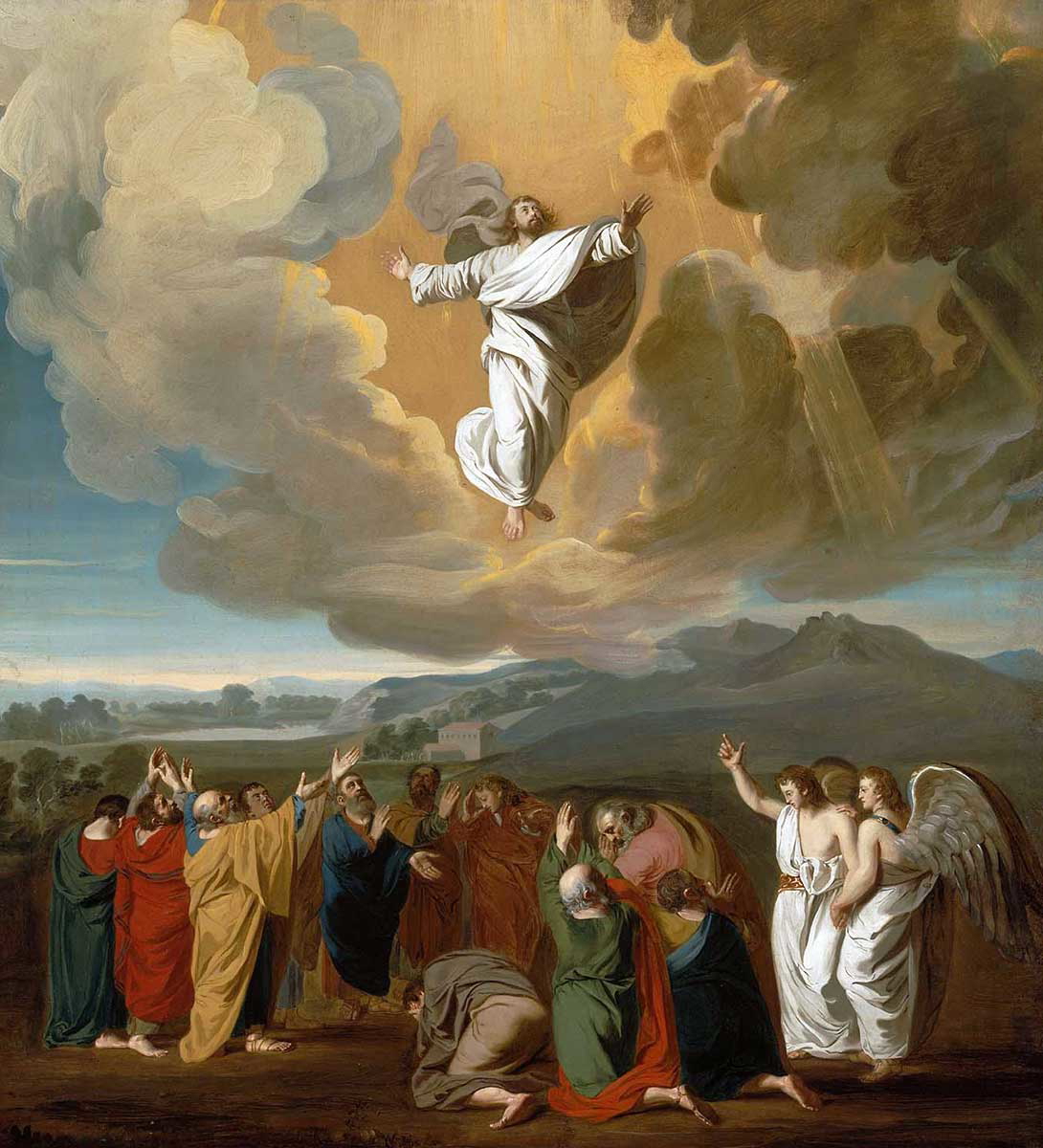
The idea of Christ’s return does not mean the same thing for everyone. The concept varies from being something like reincarnation to being the literal, physical presence of Christ. It should be kept in mind that, when people claim to be the return of Jesus, their conception of the phenomenon is usually a combination of various ideas borrowed from different religious traditions.
It can understandably be assumed that people who claim to be Jesus would appear in majority-Christian cultures. Indeed, this is usually the case. However, Islam also teaches that Jesus will someday return to inaugurate the “Last Hour,” when God’s servants will defeat the enemies of the faithful and bring about an era of peace and justice on Earth. But claiming to be Jesus in an Islamic setting carries different implications than doing so in a Christian setting. While the majority of Christians believe that Jesus is God incarnate, Muslims emphatically reject the idea that God could become a human being. Thus, while not always the case, many people who have claimed to be Jesus have also claimed divine status. In a Muslim setting, however, claiming to be Jesus returned to Earth means claiming prophethood only.
Having noted this, it is important to add that, for Muslims, the status of a prophet is much higher than what most Christians would afford to any human being besides Jesus. Thus, a person claiming to be Jesus in Islam, while perhaps not as audacious as it would be in a Christian context, is nevertheless a daring assertion.
1. Mirza Husayn Ali (1817–1892), Founder of the Baha’i Faith
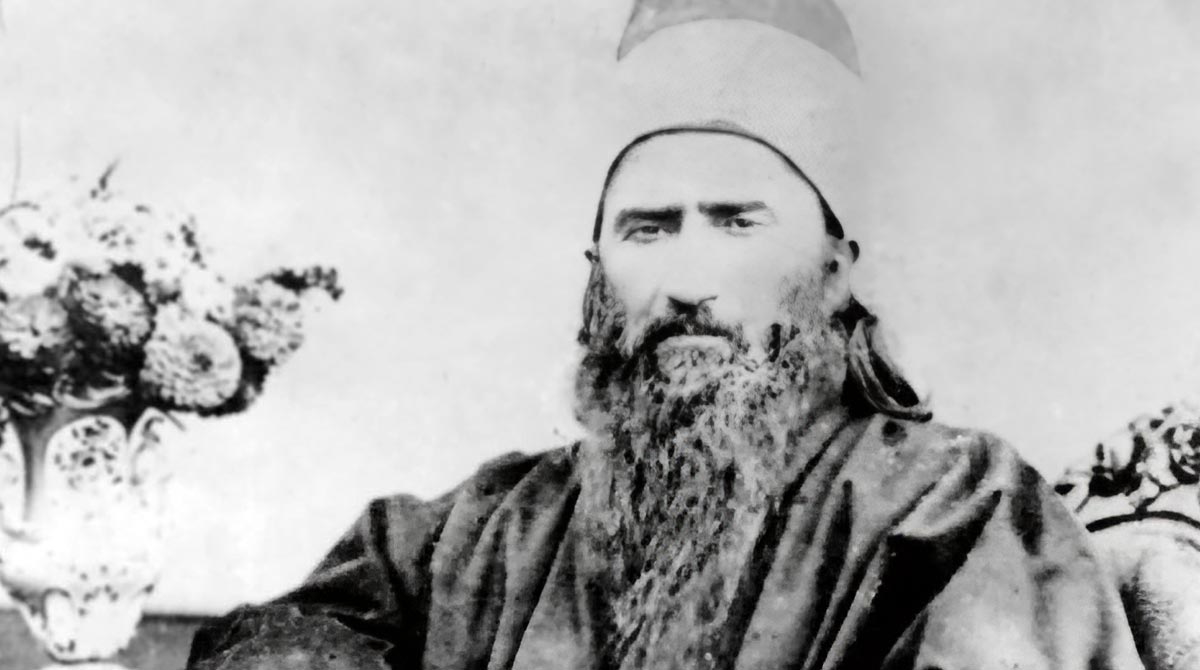
Despite having been established less than two centuries ago, the Baha’i faith is considered a world religion today. With between 7 and 8 million adherents, Baha’is can be found in countries all over the world. Its founder, named Mirza Husayn Ali but honored with the title Baha’u’llah—“Glory of God”—is viewed by Baha’is as the spiritual return of Christ.
The story of Baha’u’llah must begin with that of a man named Siyyid Ali-Muhammad, who later became “the Bab,” which means “the Gate.” The Bab and Baha’u’llah were contemporaries in early 19th-century Persia, where Shi’a Islam was the dominant religion.

According to tradition, the Bab had many dreams and visions as a child and was sometimes able to speak accurately of things in the real world that he had only witnessed by divine revelation. His awareness that he was receiving divine messages increased until, on May 22, 1844, he disclosed to a mullah (an Islamic scholar) named Ḥusayn that he was God’s “bab”—God’s gateway—for a coming “manifestation of God.”
While the Baha’i faith, properly speaking, would not begin for almost two decades after this event, this date is seen as the beginning of Babism (a religion that still exists but was mostly absorbed by the Baha’i faith later). A “Manifestation of God” in Baha’i tradition means a prophet. Biblical figures such as Adam, Abraham, and Moses carry this status, but religious figures such as Zoroaster, Krishna, and Gautama the Buddha from non-Abrahamic faiths share it as well.
The Bab assembled a group of 18 disciples and sent them throughout Persia and neighboring regions to spread his message. But as his following grew into the tens of thousands, conflicts with local, orthodox Islamic leaders led to violent clashes, and thousands of Babis were killed. The Bab himself was finally executed by firing squad in Tabríz, Iran, on July 9, 1850.
Baha’u’llah Is Considered a Spiritual—Not Literal—Return of Christ
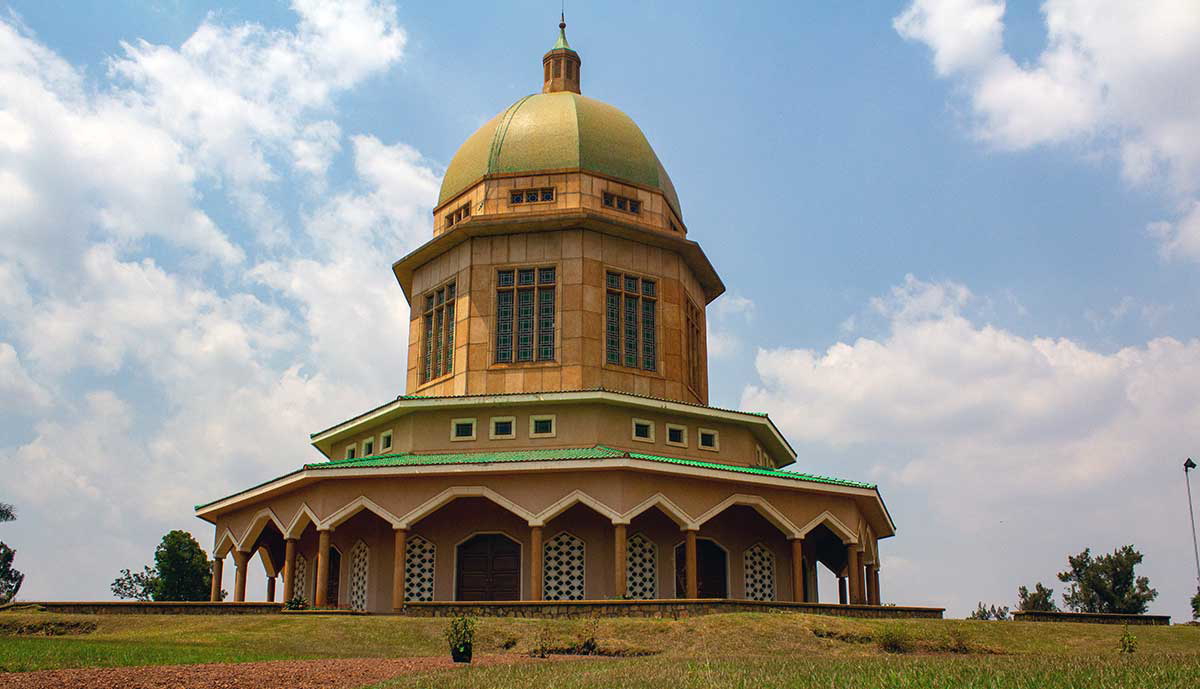
After the Bab’s violent death, his movement was nearly crushed. But some of his followers managed to hold out hope. While about 25 people claimed in the years afterward to be the “Manifestation of God” of which he had spoken, only one would prove widely persuasive.
Mirza Husayn Ali had joined the Babi movement as a young man. Due to his association with the Bab, he was forced to move repeatedly throughout his adult life and was finally imprisoned in Tehran in 1851, where he suffered torture for four months. It was during this time that he began to experience divine revelations, one of which said that he was the Manifestation of God the Bab had foretold would come, and that he was the “Glory of God”—Baha’u’llah. But it was not until April of 1863 that he finally disclosed these revelations to a small group of family members and confidants in Baghdad. This event is seen by Baha’i people as the official founding of their religion. Baha’u’llah spent his entire adult life in exile, prison, or under house arrest. But persecution facilitated the rapid spread of his movement.
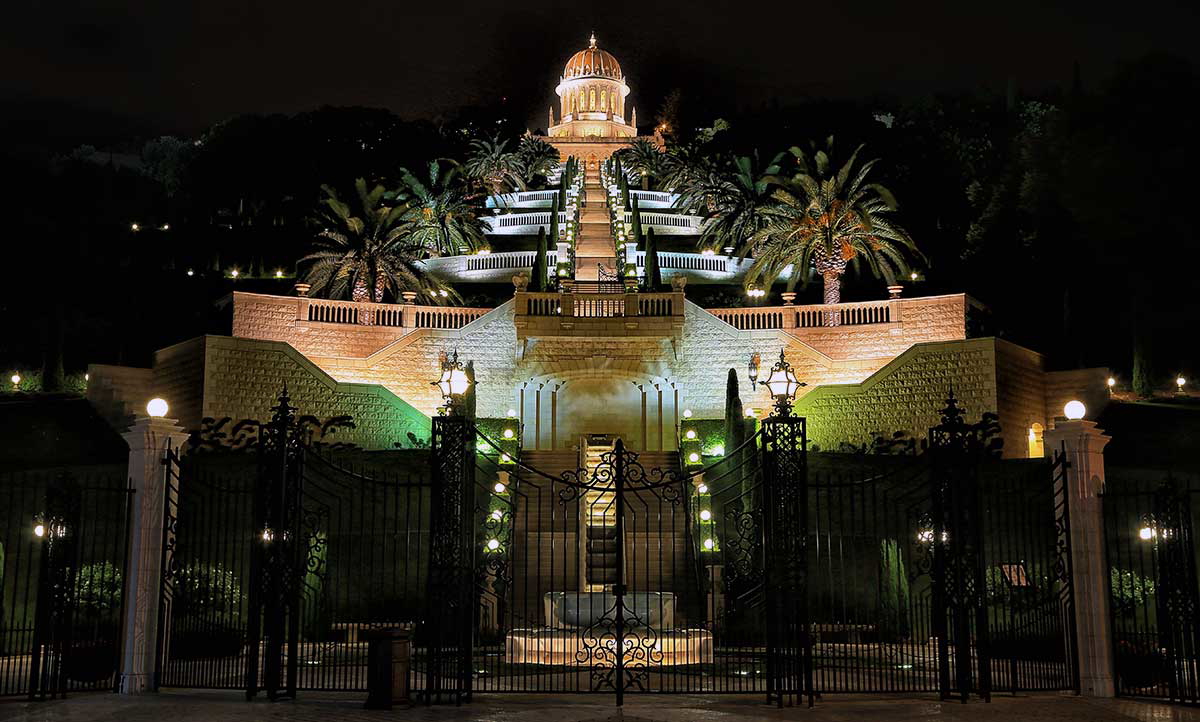
The parallel between the Bab and Baha’u’llah’s relationship to that of John the Baptist and Jesus is not to be overlooked. But, there is also an important Islamic parallel to be made. According to Islam, Jesus’s return will be preceded by a time of struggle against an antichrist figure called the Dajjal. The Mahdi (the last “imam” according to Shi’a Islam) will lead this struggle, which will culminate in the return of Jesus and his final war against the Dajjal. The persons of the Bab and Baha’u’llah, thus, also parallel the Mahdi and Jesus in the “Last Hour” of Islam. But, in Baha’i, these events are given a spiritual meaning.
2. Hazrat Mirza Ghulam Ahmad (1835–1908), Founder of Ahmadiyya Islam
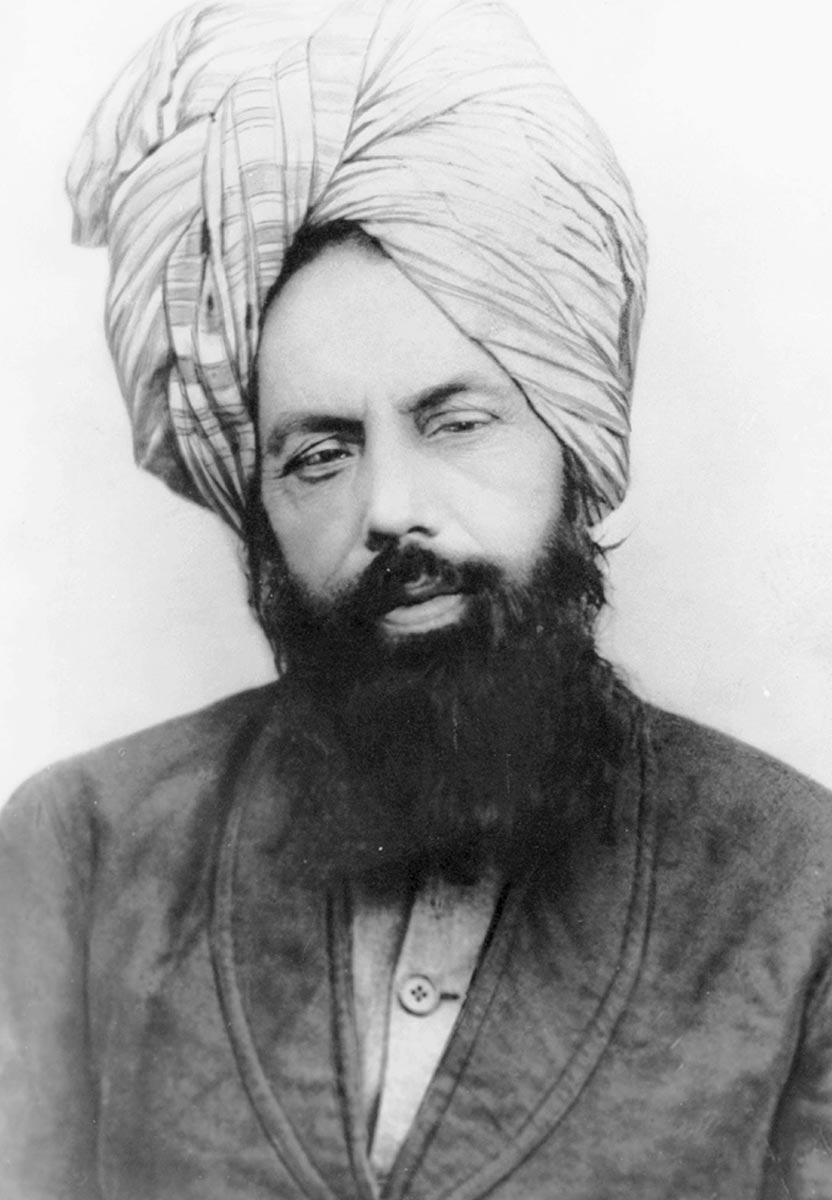
Another remarkably fast-growing religious movement from a 19th-century Islamic context that was founded by a person associating himself with the Second Coming of Jesus is the Ahmadiyya Movement. Unlike the Baha’i faith, the Ahmadiyya movement does not identify as a religion separate from Islam. Most Muslims, however, consider them a heretical group.
The founder of this movement, Hazrat Mirza Ghulam Ahmad, was born in Qadian, a small village in the Punjab region of India. Though he studied the Qur’an and Arabic as a child, his father wanted him to seek a secular career. But Ahmad was interested in religious pursuits and spent his time in study and prayer, becoming an accomplished debater and defender of Islam in the region. While he had allegedly experienced dreams and visions since childhood, Ahmad began to claim that God had a special calling for him in 1882. But his movement was not formally established until March 23, 1889, when forty of his followers took an oath of allegiance to him and his teachings.
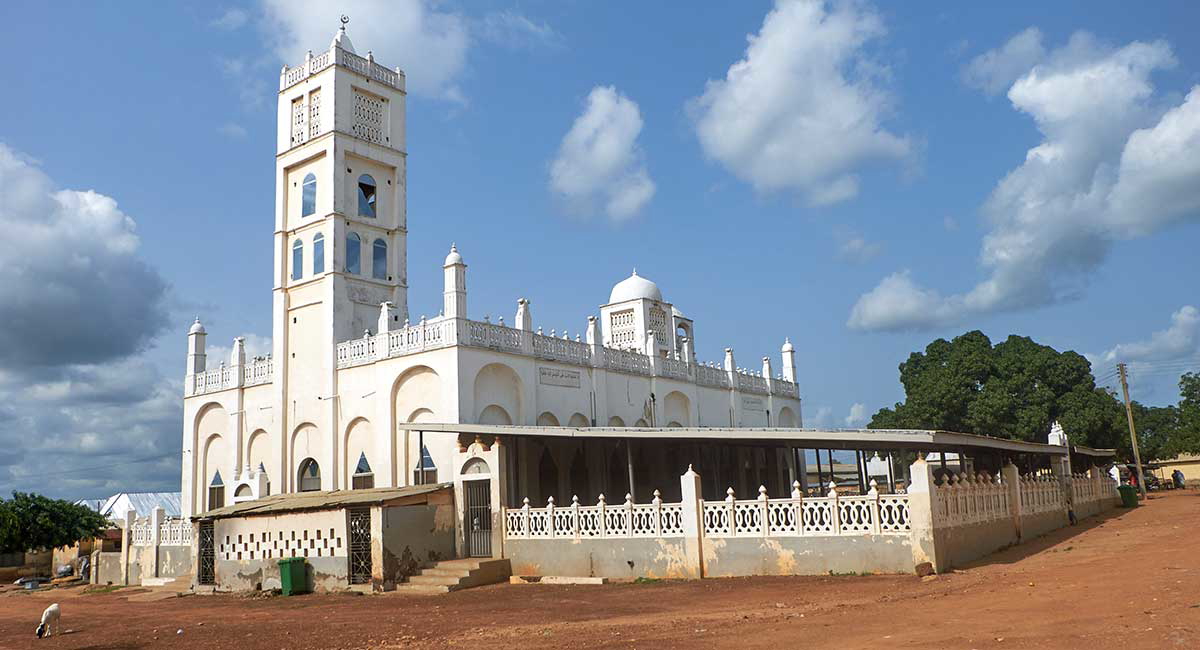
Unlike Baha’u’llah and the Bab, Ahmad claimed to be, in one person, not only the second coming of the Messiah but also of the Mahdi. But similarly to Baha’i belief about Baha’u’llah, adherents to Ahmadiyya Islam believe that Ahmad is the fulfillment of the promised return of many great religious figures, not just Jesus.
An important feature of Ahmad’s teaching was that, after Jesus escaped crucifixion and ascended to Heaven, he descended again to Srinagar, in Kashmir, India, where he married, had children, and died a natural death. Tourists may visit his tomb there today. Ahmadiyya Muslims believe that Ahmad is not merely Jesus symbolically, but that he is truly Christ on earth. While not physically the Jesus of 1st-century Palestine, he is nevertheless the true, spiritual fulfillment of the promise of Christ’s return.
3. Sun Myung Moon (1920–2012), Founder of the Unification Church
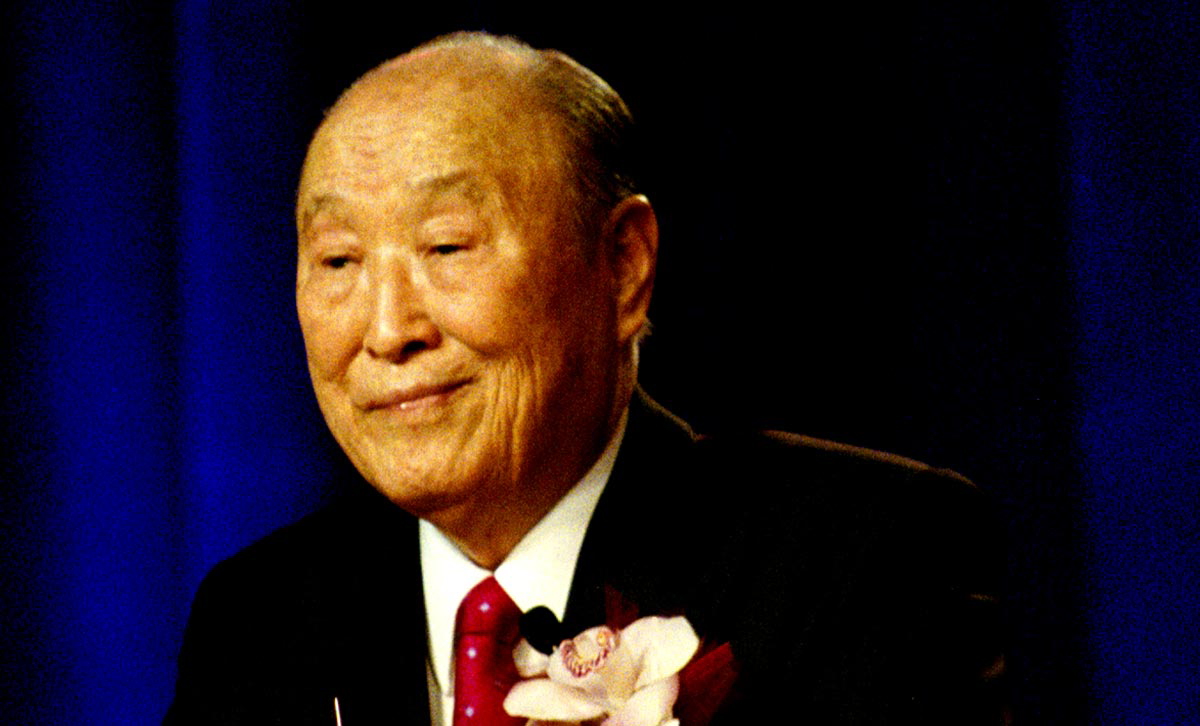
Sun Myung Moon was born in Japanese-occupied Korea and witnessed that nation’s cataclysmic transformation and division after World War II. Once Korea was split into North and South, he and his family found themselves in the North, under Soviet Communist control. Moon, at that time a Presbyterian whose ideas about his own messianic status were still emerging, was caught up in the Communist persecution that ensued in North Korea. He was imprisoned and, by his own testimony, tortured in Pyongyang.
After spending over two years in the Hungnam labor camp, he was liberated by U.N. troops. His experiences of suffering under Communism made him a champion of what he understood as Western values. At the heart of his ideology was the family, and his movement later gained notoriety for the mass marriages that he arranged and blessed. Marriage became a central theme of the movement he established.
According to Moon, he had a vision at 15 years old, in which Jesus appeared to him to give him a mission. Eventually, he would claim not only to have heard from Jesus, but also to be the Second Coming of Christ.
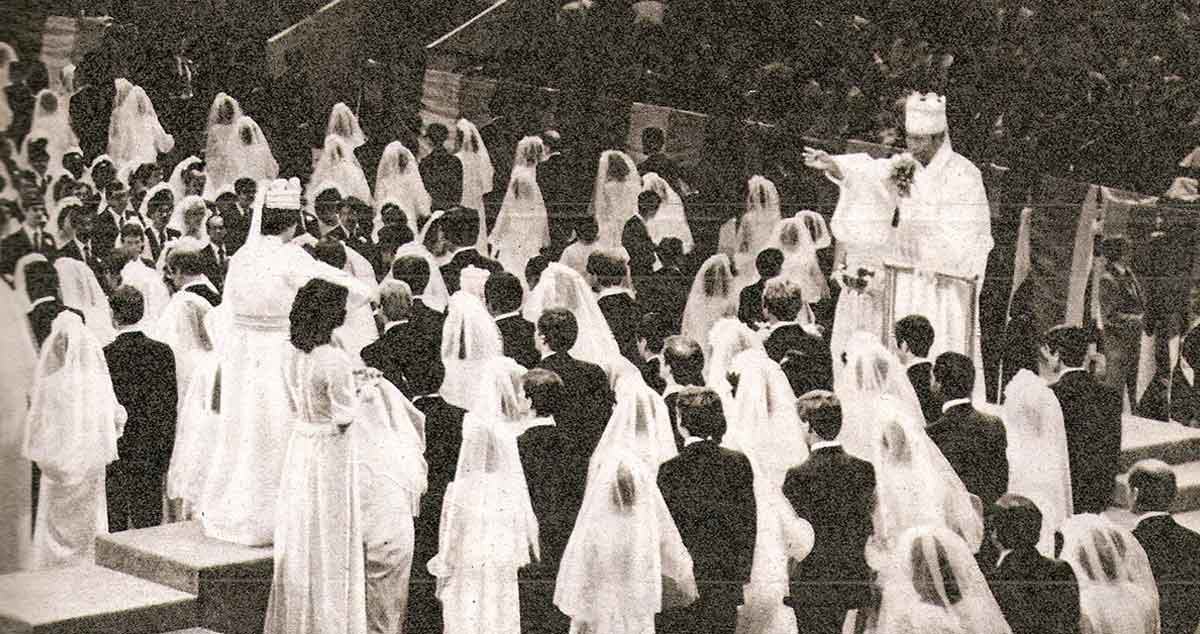
In 1954, Moon founded what is now called the Family Federation for World Peace and Unification, popularly called simply “the Unification Church.” In a spiritual sense, Moon and his wife, Hak Ja Ha Moon, are considered, together, to be the Second Coming of Jesus according to the church’s officially stated belief. They are also celebrated as the parents of all of humanity by their followers. The Unification Church has up to three million members worldwide today.
After Sun Myung Moon died in 2012, Hak Ja Ha Moon became the leader of the church. She is presently facing charges of bribery in South Korea. The Moon family is exceptionally active in promoting Conservative, anti-communist political ideology in Korea, the USA, and elsewhere.
4. Hulon Mitchell Jr. (1935–2007), Founder of The Nation of Yahweh
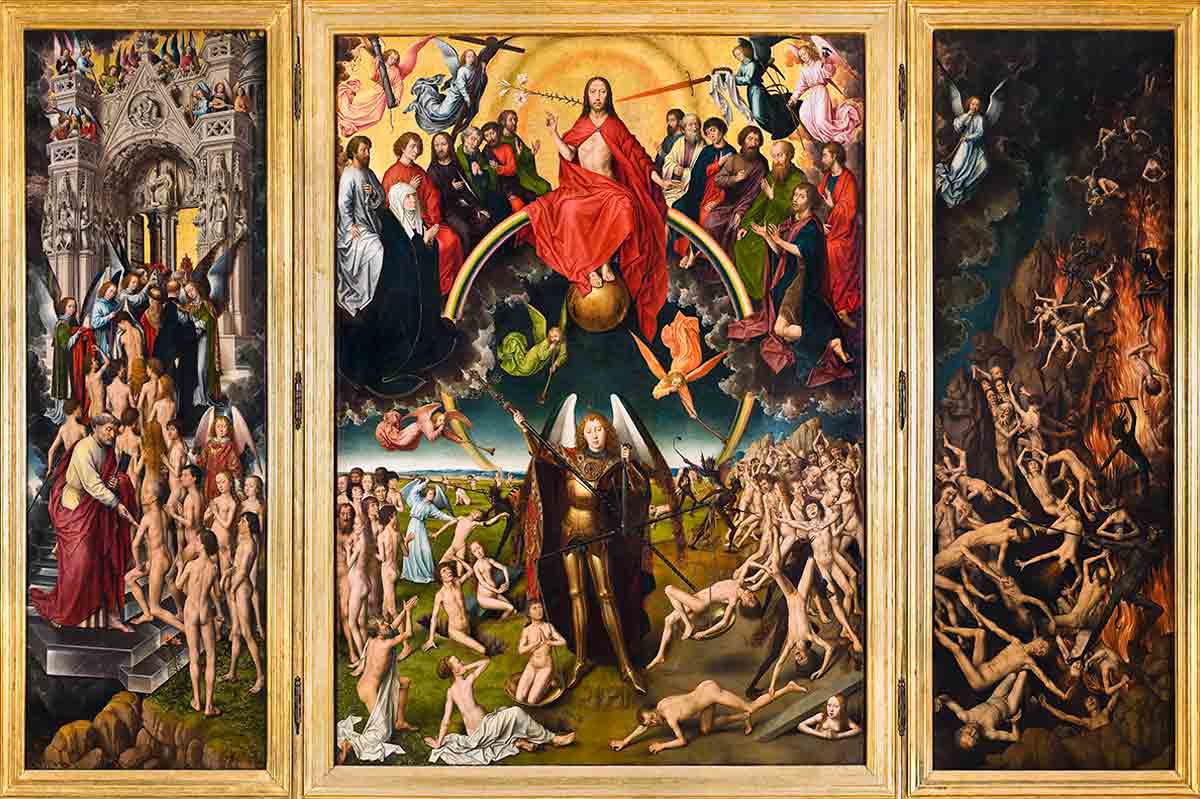
Hulon Mitchell Jr. was born in Enid, Oklahoma, USA. His father was a Christian pastor, and his mother was a church pianist. Mitchell served in the US Army and then studied economics at university. After a time of involvement in the Nation of Islam, he became a Christian faith healer. In 1978, he arrived in Miami, Florida, a city shaken by racialized violence. Proclaiming himself a Black Messiah, he established the Nation of Yahweh in 1979.
Following a trend gaining some popularity in his day that called Black Americans “Hebrew Israelites,” Mitchell’s interpretation of biblical history was heavily racialized. He taught that Black people are the true descendants of ancient Israel, and even that God himself is Black. The cosmic battle between good and evil was reflected visibly, in his view, in conflicts between Black people, on the side of good, and white and Jewish people on the side of evil.
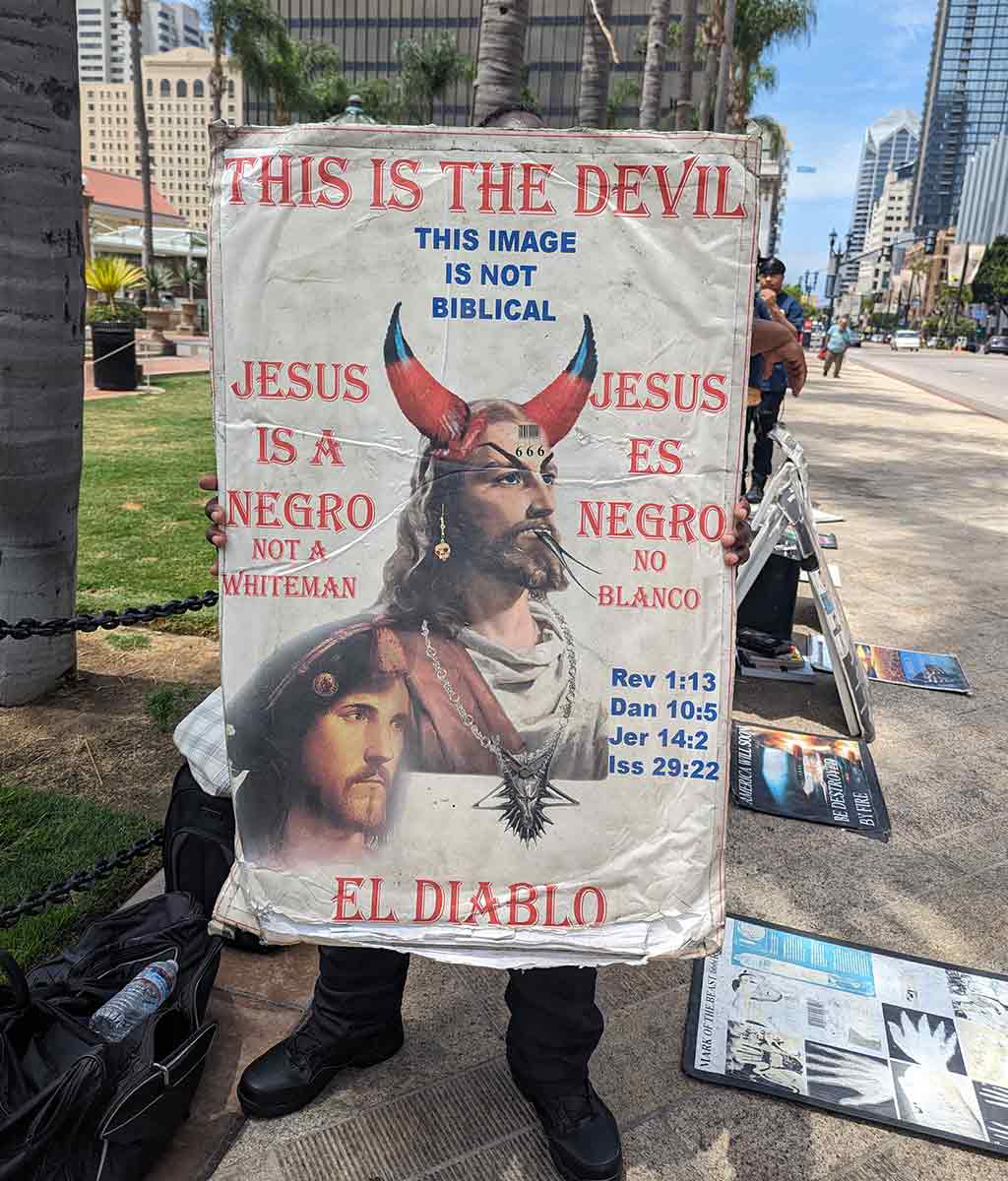
Mitchell changed his name to Yahweh ben Yahweh, using the Hebrew name of God from the Bible, to designate himself as the “Son of God.” Unlike some others who have claimed to be the return of Christ, Mitchell identified himself as God in the flesh. Though he died in 2007, his followers believe that he is still alive, having ascended to his Father, God. Though the Nation of Yahweh once claimed to have 10,000 members in the 1980s, it is estimated that there are about 1,000 adherents today.
Yahweh ben Yahweh spent over a decade in prison after he was convicted of crimes related to malfeasance, and conspiracy in the murder of 14 members of the Nation of Yahweh who had fallen out of favor with his sect.
5. Sergei Torop (1961–), “Vissarion,” Founder of the Church of the Last Testament
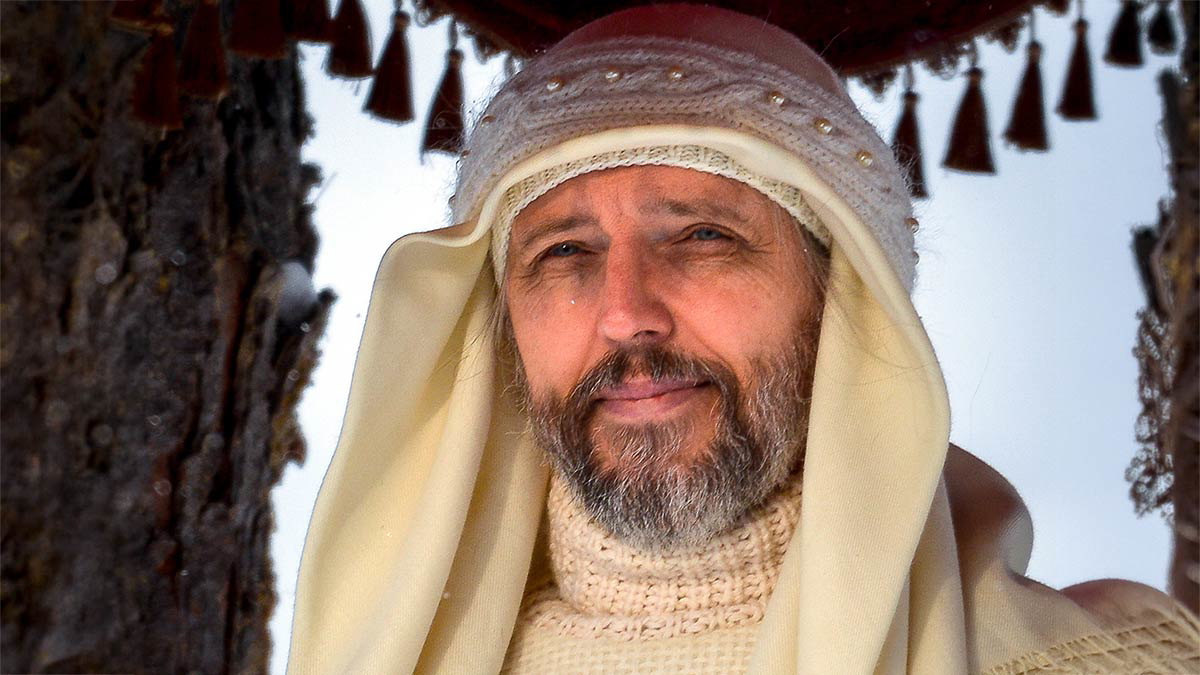
Correlating with the collapse of the Soviet Union, which had systematically suppressed religious expression, the late 1980s and 1990s, Russia saw the emergence of numerous small, heterodox religious movements. But few were as successful as that of Sergei Torop, who renamed himself “Vissarion” in 1992 and later founded what is sometimes said to be the largest religious commune in the world. This is remarkable, since Vissarion’s sect is not supported by any larger religious movement.
Torop was born near Krasnodar, Russia, and was reportedly an artistic child who had a knack for leading others. After completing his mandatory military service, he eventually became a traffic police officer. But after leaving this job in 1989, the year the Soviet Union ended, he embarked on a personal spiritual quest that involved extreme fasting. During this time, he reports that he realized his body had been inhabited by the spirit of Christ. He began teaching that he was the reincarnation of Jesus, beginning in the town of Minusinsk. He renamed himself Vissarion (meaning, “one who gives life”) in 1991 and established, along with his believers, the Church of the Last Testament, named after his emerging collection of writings. His commune, “Abode of the Dawn,” was opened in the Taiga forest of Siberia in 1995.
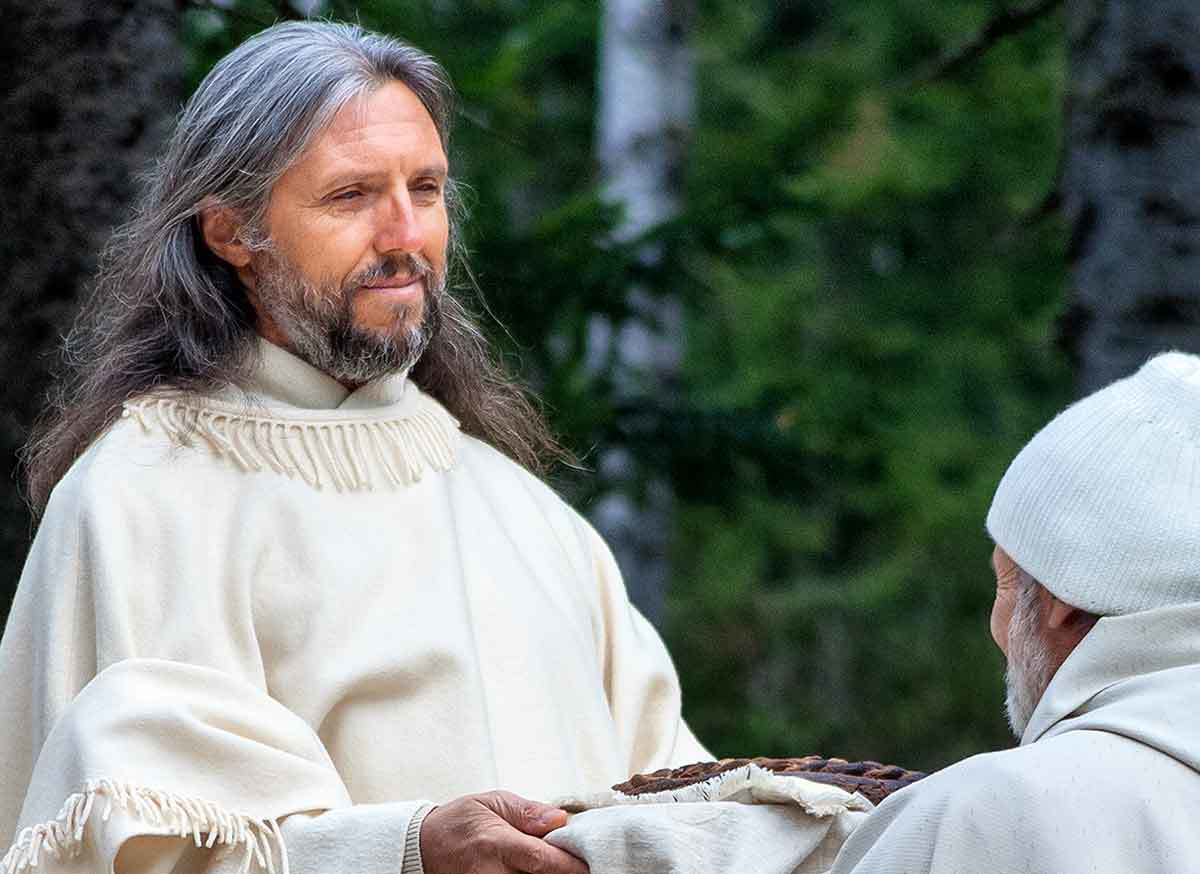
At its peak in the early 2000s, it was estimated that Vissarion had as many as 10,000 followers worldwide. But, due in part to outside scrutiny and legal woes, that estimated figure has been reduced by about half. Between 1,000-2,000 people live at Abode of the Dawn today.
In 2020, Torop was arrested on charges related to the misuse of his followers’ assets and harm to their well-being they experienced. As of June 2025, he is serving a twelve-year sentence in a prison camp. The full impact of this on his movement remains to be seen.