
Among the literary and visual theories of the past half-century, the field of semiotics (aka semiology) remains among the most useful, particularly for those attempting to analyze and interpret video and photography. Like methods such as psychoanalytic and deconstructive criticism, semiotics is a field that erupted in 1960s academia to usurp traditional methods of realist analysis. Instead of seeing a work as essentially “neutral” or objective, a viewer schooled in semiotics endeavors to decipher its various messages at work and its complex, culturally-based signifying practice.
Understanding Semiotics: Stop and Go Traffic
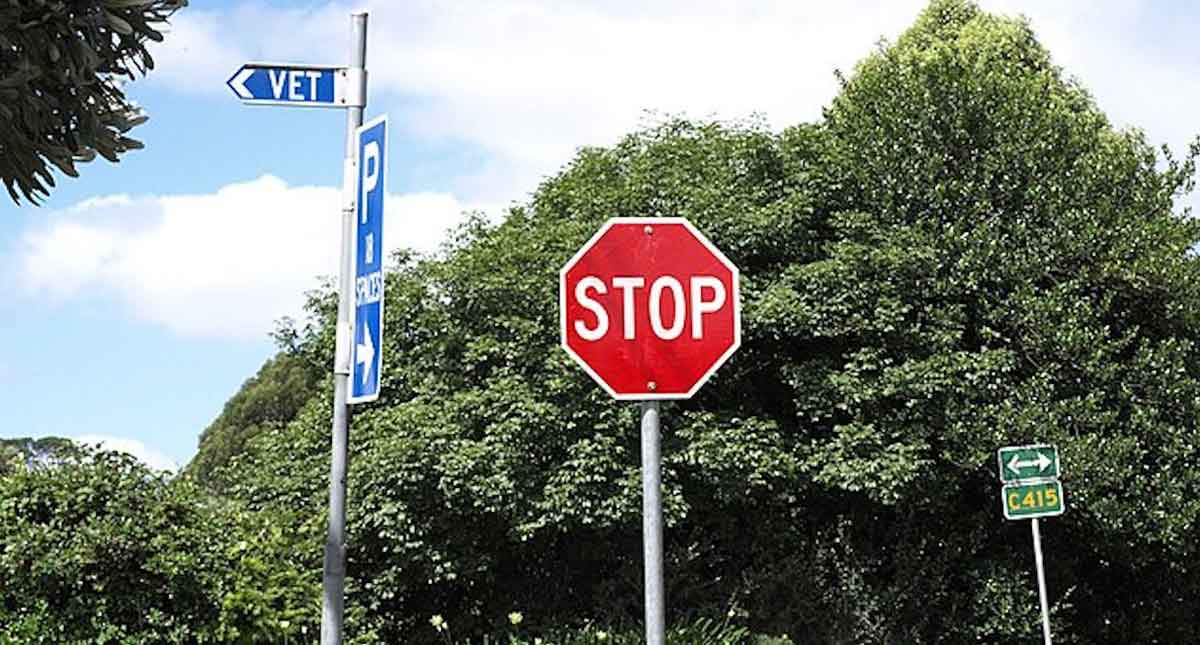
The key root of the word signifying is “sign.” What is a sign? Consider the commonplace traffic stop sign. While millions of them dot roads and highways in many countries, intended to convey a specific meaning to passersby, that meaning is deceptively simple and dependent on 1) learned cultural language and 2) whom exactly the sign is addressing. First, consider that the word “STOP” appears in bold white capital English letters against a red octagonal background, all framed by a white border. Let’s journey through this sign’s manifold meanings and derivations; and also what it does not mean. Imagine an alien landing next to one on some desolate country road, stumped by its meaning and purpose.
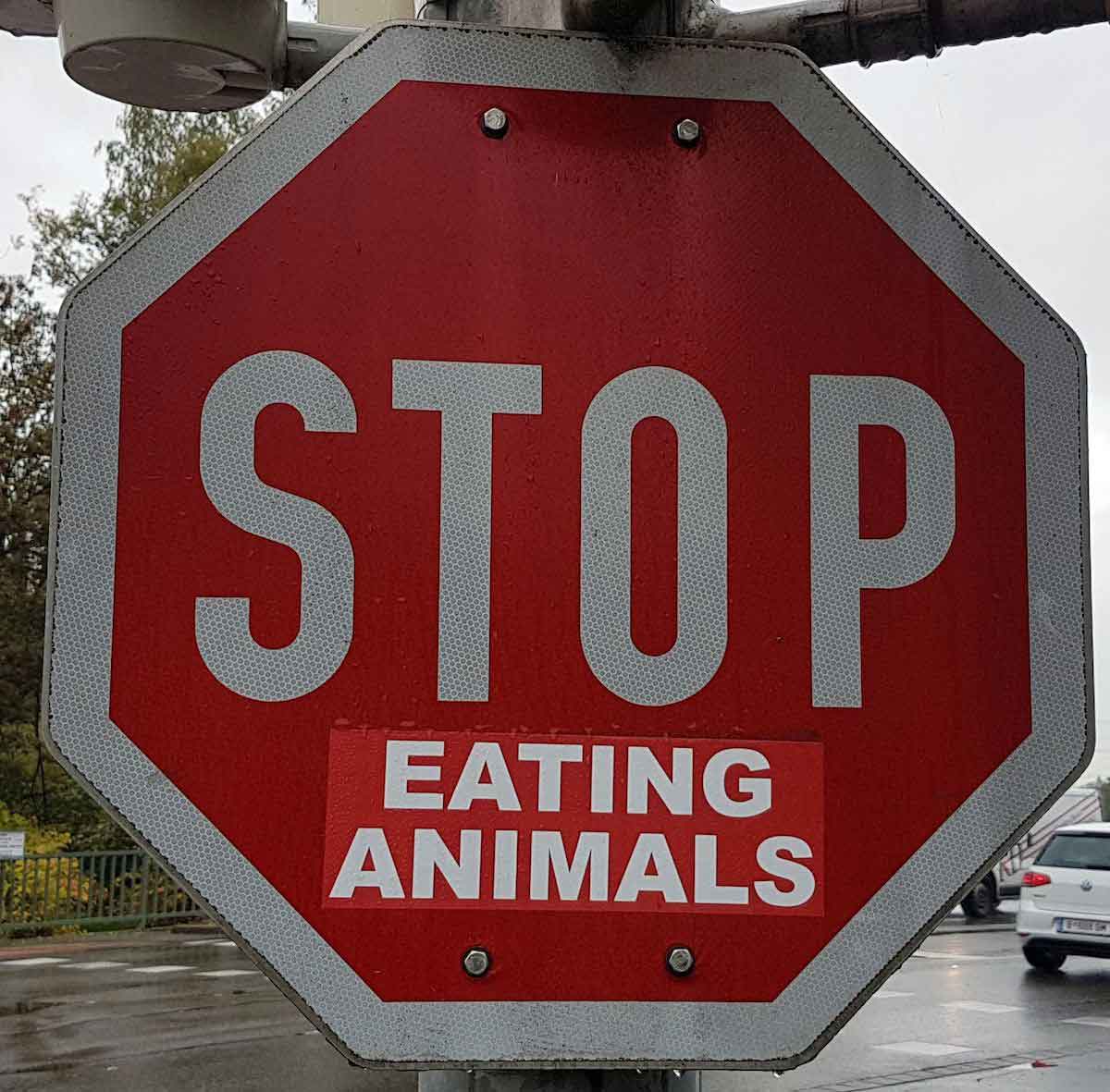
As set forth in U.S. traffic laws, the stop sign is intended for drivers of motor-driven vehicles arriving at road intersections and attempting to enter cross traffic. Does the law apply to motorcyclists? Yes. How about bicyclists? Yes, it is usually meant to, but rarely do they obey. Adult pedestrians approaching the sign know that he/she can ignore it. Yet even a lawful driver might also reasonably ask, “STOP” what? Stop moving? Turn off the engine? And once the driver stops, when can they proceed again? Doesn’t stop mean stop, permanently?
On a basic level, this meaning of STOP is ascertained only by knowing the standard Anglo-American language and how the grouping of a series of letters in a certain order signifies a specific meaning. Even so, the word STOP is not necessarily a command, though that is the intention here. STOP could mean a noun, not a verb, e.g., a bus stop or pit stop. What if certain U.S. states used their own linguistic or visual language to fashion their stop signs, just like some states have their own dialects and idioms? What if some states used the words HALT or WAIT instead? They mean the same as STOP, don’t they?
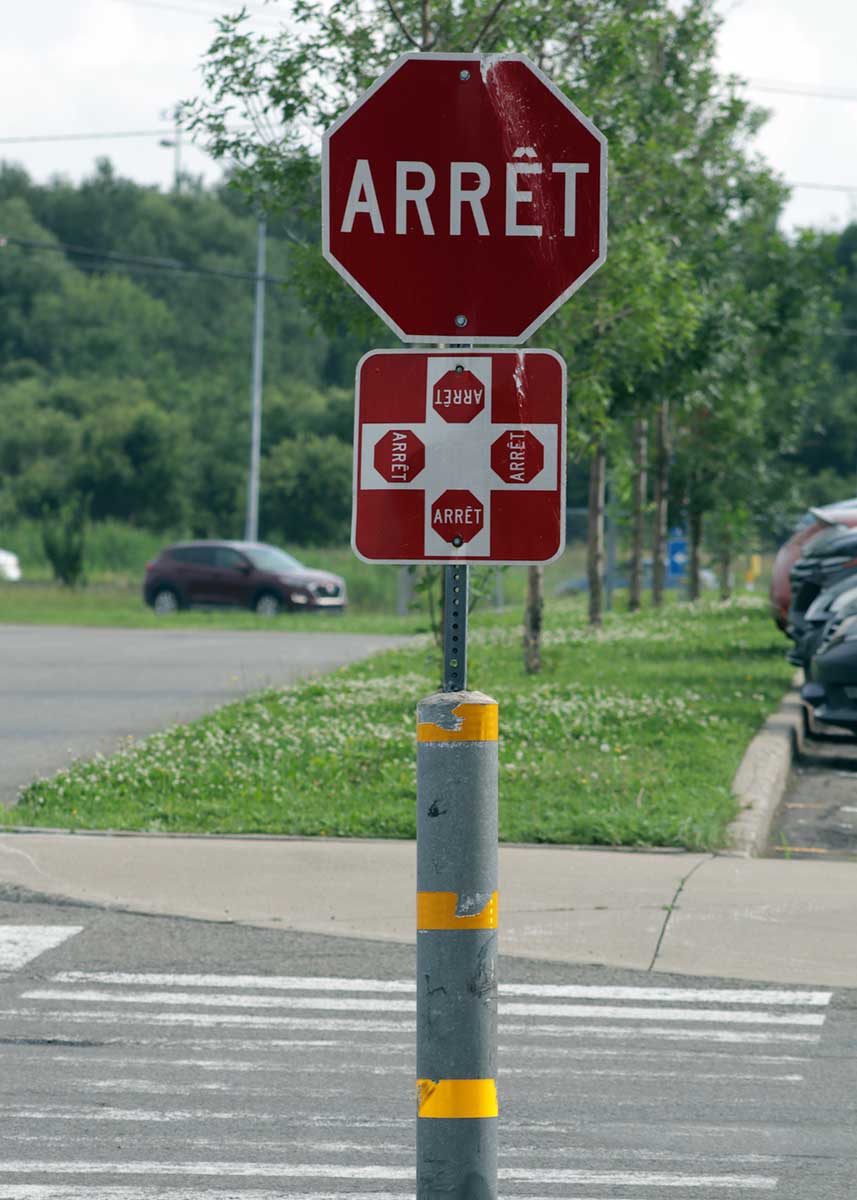
“STOP” is not only laid out in capital letters with a simple, direct, easy-to-read font (e.g., not in cursive or gothic style), but the red background makes a stark contrast, especially within the larger symbolic language of other common traffic signs. No matter the country, the color red has a long history of being associated with attention-getting social alerts and messages of danger: red fire engines, “red alerts,” “code red,” and even red numerals used to indicate retail sale prices. But the red stop sign is also meant to be “read” and obeyed in concert with other classes of traffic signs that have their own colors and shapes. For instance, dark green (a culturally more sedate color) square and rectangular signs on highways are used for informational purposes, like upcoming exits.
Complicating this whole signifying process is the issue of context, which can shift situational meanings. While the color green is employed in road signage for driver information and guidance, the specific coded usage changes if utilized in a typical overhead traffic light, which is designed to control cross traffic at busy intersections. Yes, the color red is used to signal an orderly “stop” to oncoming drivers, but here the succeeding green light below it becomes a crucial indicator to motorists that they can safely (usually) proceed through the intersection.
Signifier & Signified
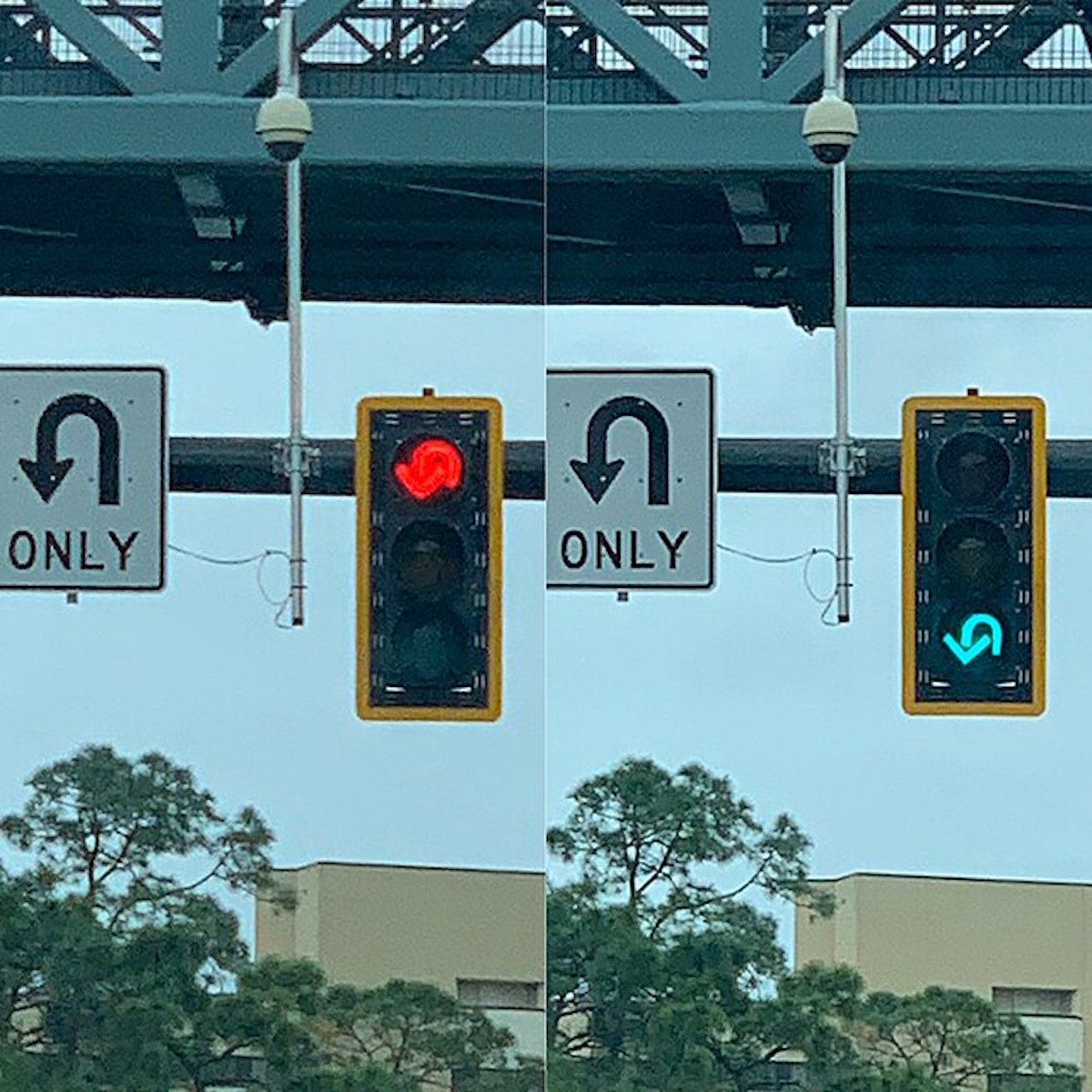
Semiotics, then, involves a visual or linguistic “unpacking” of the sign; it’s not unlike looking under the hood of a car to see how it runs. What makes it go? Is it a clunker or does it purr like a kitten? As with any humanistic tool of analysis, semiotics has had its pioneers and learned converts. Substantial credit is usually given first to the little-known Swiss academic Ferdinand de Saussure, whose central work is Course in General Linguistics (1915). De Saussure wrote that he envisioned semiology (from the Greek semeion for “sign”) as a “science that studies the life of signs within society.” He also provided nomenclature for his proposed science; perhaps most important is his concept that a sign is composed of two parts, signifier and signified: the former is the word/image representation while the latter is the mental concept conveyed by the word/image. For example, the word “book” on this TC page is a signifier, language-based and typically arbitrary; its signified complement is the general idea or concept of what a book is. (Note that the word “book” alone doesn’t signify a specific real-world object; in semiotic jargon, that would be called the referent.)
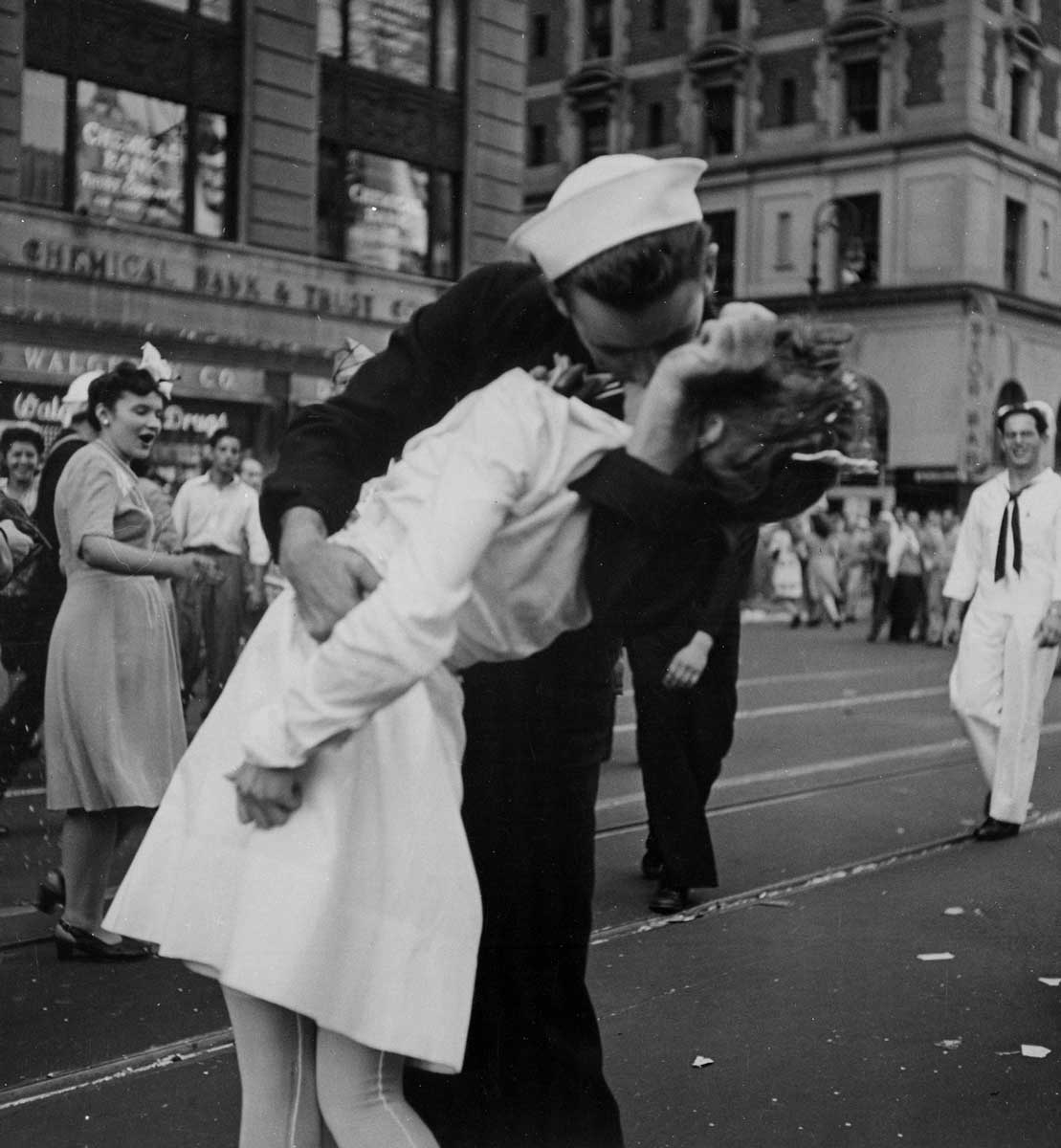
This process works for visual images as well, though not in the same way. A realistic photo of a certain book is indeed a signifier, but its complementary signified is the mental concept of that very book, not an abstract “idea.” For more recent semioticians like France’s Roland Barthes, it’s exactly the apparent naturalism of photography (i.e., photos “don’t lie”) that makes it so subject to what he called the tricky, manipulated “rhetoric of the image.” This critical qualitative difference between the linguistic and visual sign also helps account for the immense power and reach of images in today’s globalized cyber-world. Whereas the image of a book appearing in a magazine will be easily perceived as such by most readers, to understand the word “book” one must not only need to know English, but what “book” means in context of the writing. Just as STOP might be misinterpreted, so can book: Is it a portable set of bound paper pages designed for a reader, the process of arranging a trip, as in “book a flight,” or a personal impression of someone, as in “her face was an open book”?
Peirce’s Sign Categories

The burgeoning 1960s field of semiotics got another boost with the incorporation of the concepts of the American Charles Sanders Peirce, whose posthumous papers on the subject were published in the 1930s. Among his key projects was classifying signs into three basic categories: the iconic, which significantly resembles its subject; the symbolic, which bears no resemblance or innate connection to its subject; and the indexical, which shares some unique existential bond with its subject, not necessarily resemblance.
A photograph (or, better yet, a filmic image) is the quintessential iconic sign. Alternatively, the symbolic sign is arbitrary in nature, as in written language (the word “book” has no real connection to the referent “book”). The most complex of the three, the indexical sign encompasses everything from a human fingerprint (which is actually created by the subject and provides a unique identifying link) to a thermometer’s temperature reading (its exposure to the elements becomes a sign of the weather conditions).

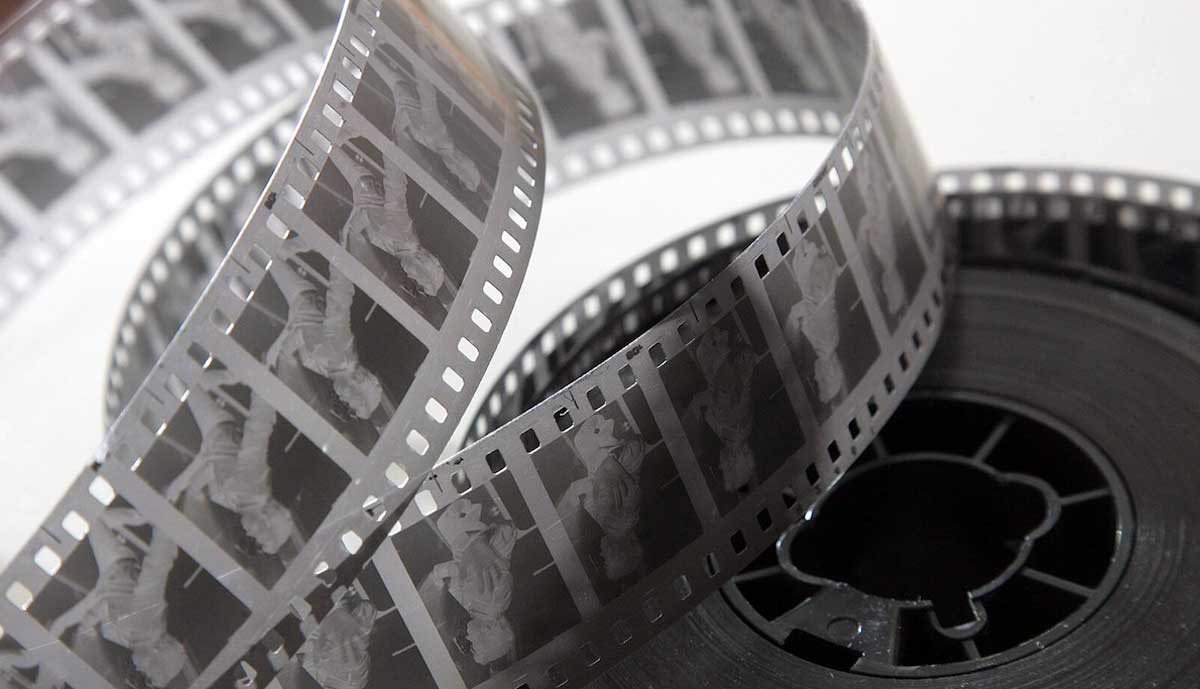
Like de Saussure, Peirce’s intent was to show the complexities of the signifying processes at work (and play) in human communication, and to explain how best to understand what exactly is being communicated. It gets complicated when one begins to realize Peirce’s categories can overlap. In the 1950s, France’s famed film theorist/critic André Bazin marveled at the unique properties of the motion-picture medium to replicate life, qualities made possible by its chemical processes that essentially etch images from the world onto the film negative. The result is an analog image that is both iconic and indexical. This fact is at the heart of today’s dilemma regarding the near-total transition to digital film and photography: Since these resulting captured “images” are neither iconic nor indexical but are instead coded via (binary) numbers, how are they to be preserved if the technology to “read” them is constantly evolving?
Barthes’ Denotation and Connotation

With the advent of post-World War II literary/narrative theory (such as Claude Lévi-Strauss’s structuralism), it wasn’t long before it was adopted for visual analysis, first in photography and then in cinema. The central figures in the growth of semiotics include Roland Barthes. During the 1950s, he became fascinated with the analysis of popular culture, from movies and magazine photography to staged wrestling. Far from being culturally or politically neutral—and bereft of apparent social “messages”—Barthes claimed that a close analysis of these visual signifiers in fact can reveal an array of signified meanings, both explicit and implicit.
Among his chief contributions to semiotics was his adaptation of the linguistic terms denotation and connotation, a dualism that he used in ways similar to de Saussure’s signifier and signified. In essays like “The Photographic Message” (1961), Barthes rhetorically states that a photograph is a “message without a code.” He means that one doesn’t need to know a special language (with nouns, verbs, syntax, etc.) to perceive and “read” what the main subject of a snapshot is, say a Hollywood celebrity. The mistake viewers make is assuming that a photograph consists solely of its denotative, or objective, meaning, its “literal reality.” In fact, to a greater or lesser extent, a photograph is also invariably inscribed with secondary signified meanings, i.e., connotations. These meanings are nuanced, even “invisible,” and their perception and impact are especially dependent on the photo’s creative origins.
What are some connotative photographic techniques? Barthes’ lists several, including pose, syntax, trick effects, and objects. For one simple but effective example, a photographer may shoot his/her subject from above or below, high angle or low. While not an iron rule, a high angle looking down tends to diminish the subject, while a low angle looking up at the subject can seem to magnify it, lending it visual dominance. By “objects,” Barthes asks the viewer to ponder what else is in the photo besides the main subject. How many times do politicians pose for pictures next to their country’s flag, thus implying their patriotism? Not unexpectedly, for Barthes and a cadre of scholars to follow, connotation is almost inevitably enmeshed in prevailing cultural values (for instance, gender or racial stereotyping), thereby communicating and reinforcing political ideologies.
Semiotics and Significant Signifiers?
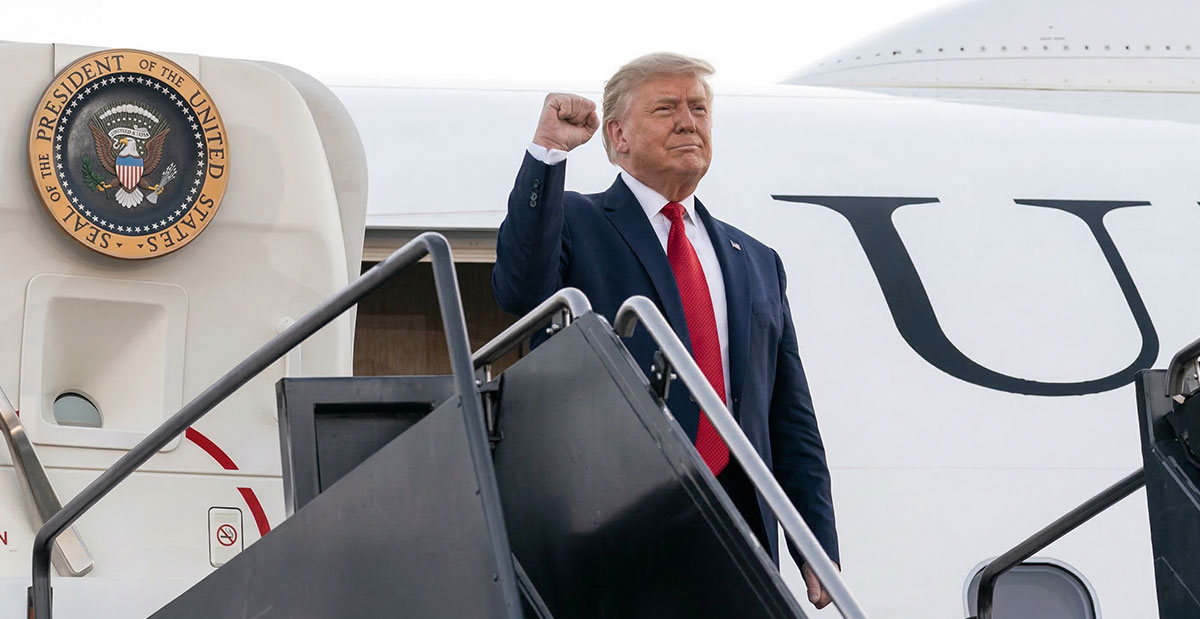
Semiotics continues to be an invaluable analytic tool in a world inundated by photographic (and pseudo-photographic) images, whether traditionally iconic or of the new digital “deepfake” manipulated variety. Consider, for example, the above 2024 press photo of U.S. President Donald Trump. Denotatively, the subject is simply that he exits Air Force One, the custom presidential jet. But what are the connotations, intentional or not, that serve to convey both his power and authority—extra baggage, so to speak?
He is at the very center of the photo, captured from a low angle, erect and in a high position with no others present; his dress is classic Western white CEO male, topped with a striking necktie that, in Freudian psychoanalytic terms, has long been interpreted as a sign of masculine (phallic) power. A large presidential seal is also prominent, giving weight to Trump’s near-imperial status as the “leader of the free world.” One could also argue that the very fact that he has just descended “from the skies” suggests an almost god-like arrival.
Notably, the colors of his outfit—red, white, and blue—are those of the U.S. flag. Another key element is Trump’s prominent raised fist. As he was rushed off the stage by Secret Service agents in the seconds after his attempted 2024 assassination at a Pennsylvania campaign rally, Trump pumped his fist in the air, evidently to signify to his audience his survival and “fight” in the face of such an attack. Barthes would say: while such a photo appears as an objective “message without a code,” its timing, framing, angle, and focus were in fact deliberate choices. What if the photo instead captured Trump sneezing or slipping on the steps while alighting the plane? The connotative meanings would land very differently.
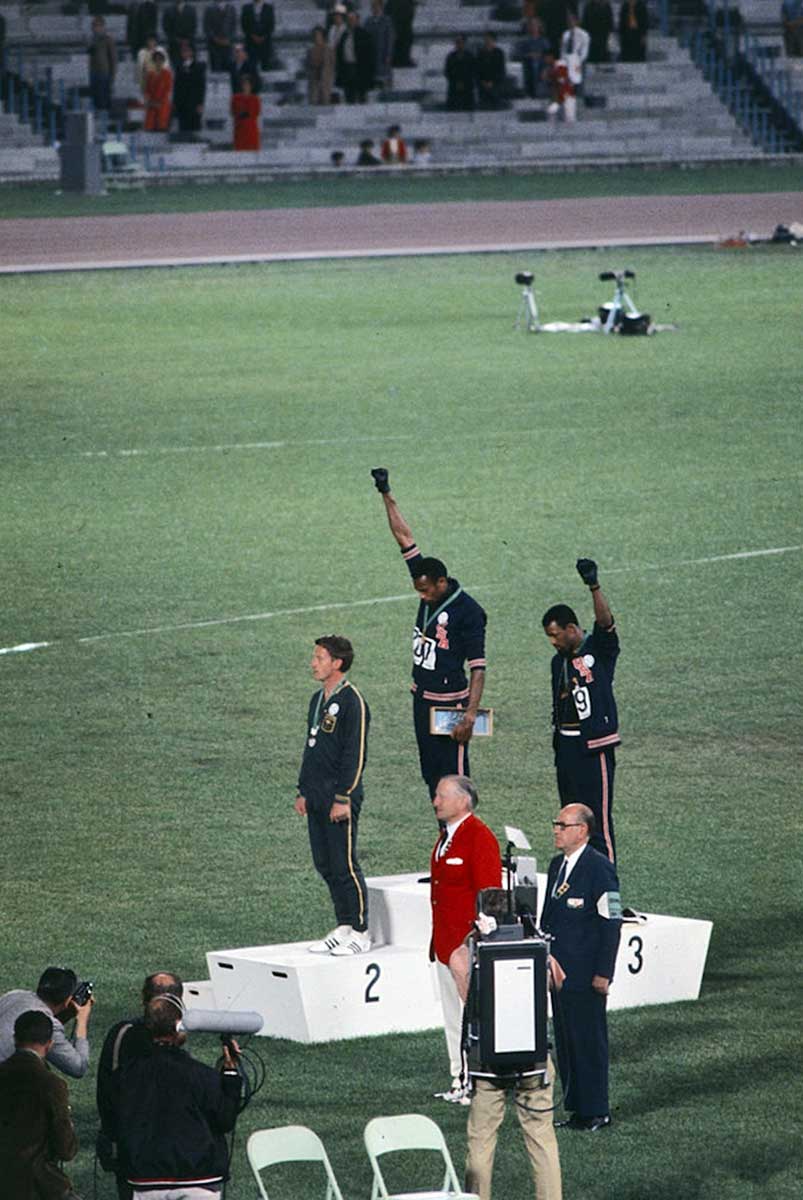
Finally, and adding an ironic postscript, the raised fist has long served as a gesture of communal solidarity and anti-fascist resistance, especially among discriminated minorities, for instance, the 1960s U.S. Black Power movement. Careful “semiologists” might be gob-smacked to see such a proletarian gesture usurped and appropriated by a privileged, billionaire-class U.S. president whose current administration is seeking to roll back many of the hard-fought gains of the 1960s Civil Rights movement, including minority voting power.