
In a world defined by constant pressure, uncertainty, and distraction, finding inner calm can feel increasingly difficult. Stoicism, an ancient philosophical school developed during the Hellenistic Period, offers practical guidance for navigating stress without denying reality or suppressing emotion. Rather than promising escape from hardship, Stoicism teaches how to respond to challenges with clarity, self-control, and resilience. Philosophers such as Epictetus, Seneca, and Marcus Aurelius viewed philosophy not as abstract theory, but as a daily practice aimed at improving one’s character and peace of mind. Their teachings remain remarkably relevant.
What Is Stoicism?

Stoicism emerged during the Hellenistic Era, a historical period marked by profound instability and uncertainty. Following the death of Alexander the Great in 323 BC, the Greek world fragmented into rival kingdoms, long-standing political structures collapsed, and individuals found themselves increasingly powerless in the face of larger historical forces. In this climate of social upheaval, traditional sources of meaning, such as the city-state and civic identity, lost much of their stabilizing influence.
It was in response to this turmoil that practical philosophical schools such as Stoicism, Cynicism, and Skepticism flourished. Rather than focusing on abstract metaphysical speculation, these schools addressed an urgent human concern: how to live well in an unpredictable and often hostile world. Philosophy became a form of therapy, aimed at preserving inner stability when external conditions could no longer be trusted.

Stoicism, founded by Zeno of Citium, taught that while external events lie largely beyond our control, our judgments, choices, and moral character remain firmly within it. By aligning oneself with reason and accepting the natural order of events, the Stoic could maintain tranquility even amid loss, exile, or political chaos. Cynicism pushed this idea to an extreme, rejecting social conventions and material attachments altogether, while Skepticism sought peace through suspending judgment about uncertain claims. Together, these philosophies reflect a shared response to crisis: the shift of attention inward. In an age when the world felt unstable and unreliable, Hellenistic thinkers offered a powerful insight: true resilience does not come from controlling circumstances, but from mastering one’s own mind.
1. Evening Self-Examination
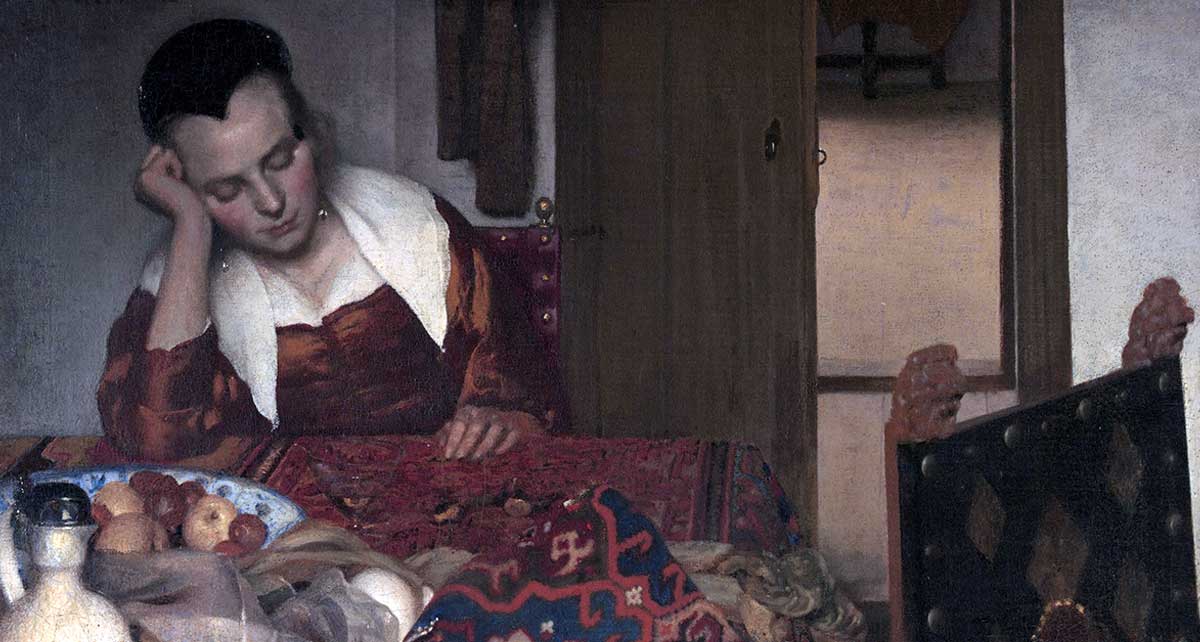
Evening self-examination is a practical Stoic technique designed to cultivate moral awareness and continuous self-improvement. Practiced and explicitly recommended by the Roman Stoic Seneca, this exercise consists of reviewing the events of the day before going to sleep. Rather than judging oneself harshly, the Stoic calmly examines thoughts, actions, and emotional reactions, asking whether they were guided by reason and virtue or by impulse and passion. The purpose of this practice is not guilt, but clarity. By replaying the day’s interactions, decisions, and failures, one becomes more aware of recurring patterns, such as anger, fear, or vanity, that disturb inner tranquility. Seneca described this exercise as a form of inner dialogue in which the mind serves as both witness and teacher, correcting itself with honesty and fairness.
Over time, evening self-examination strengthens self-discipline and moral consistency. Successes are acknowledged and reinforced, while mistakes are noted as opportunities for learning rather than reasons for self-condemnation. In this way, the practice transforms daily life into a training ground for virtue. By ending each day with reflection, the Stoic prepares the mind for a more intentional, resilient, and ethically grounded tomorrow.
2. Dichotomy of Control
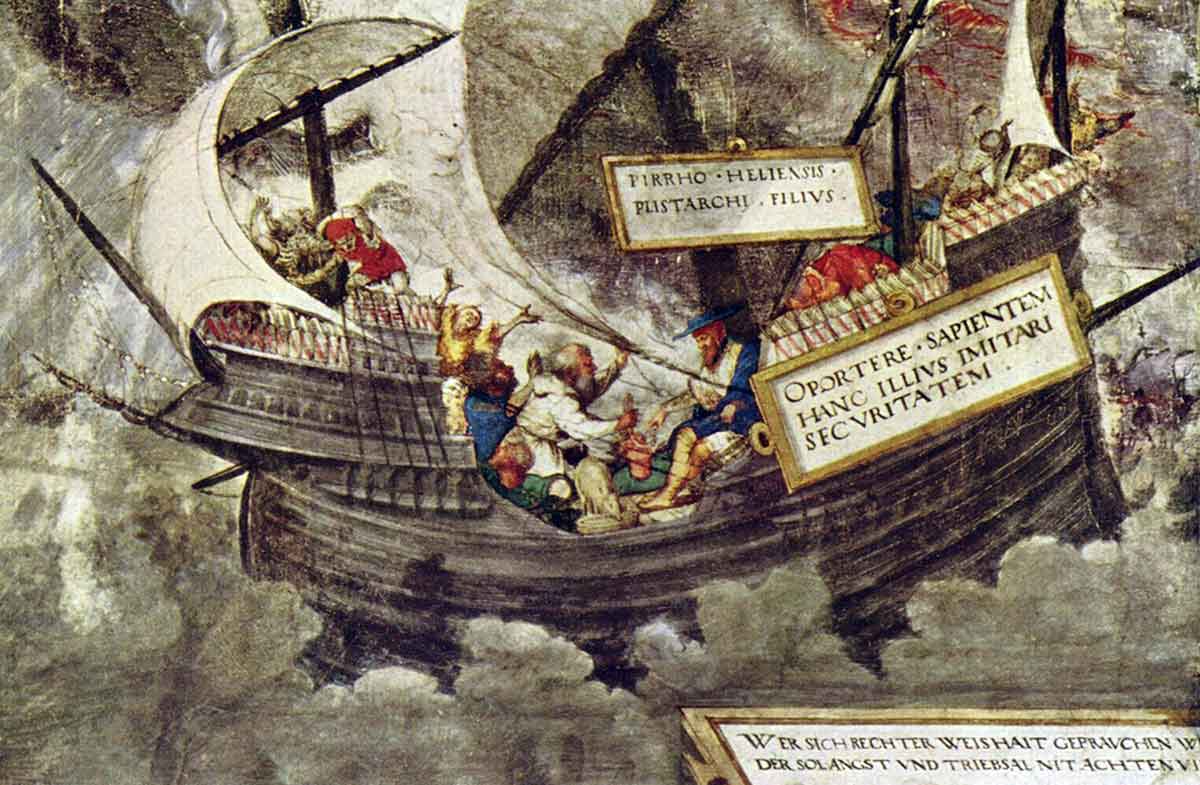
The Dichotomy of Control is one of the most fundamental and practical teachings of Stoic philosophy, articulated most clearly by the Greek Stoic Epictetus. At its core, this principle divides all aspects of life into two categories: things that are within our control and things that are not. According to Epictetus, what truly belongs to us are our judgments, intentions, choices, and actions. Everything else, such as external events, other people’s opinions, outcomes, and even our health or reputation, ultimately lies beyond our direct control.
Understanding this distinction radically changes how one responds to adversity. Much of human suffering, the Stoics argued, arises from attempting to control what cannot be controlled. When we tie our peace of mind to external outcomes, we become vulnerable to frustration, anxiety, and disappointment. The Dichotomy of Control redirects attention inward, urging us to invest our energy only in what depends on our rational agency.
This does not imply passivity or indifference toward the world. On the contrary, Stoicism encourages active engagement with life: working diligently, caring for others, and pursuing goals. The key difference lies in where we place our emotional investment. A Stoic may act with full commitment while remaining mentally prepared to accept any outcome with equanimity.
By practicing the Dichotomy of Control daily, individuals learn to respond rather than react. Challenges become exercises in character rather than sources of distress. Over time, this mindset fosters resilience, emotional stability, and a sense of inner freedom. In a world defined by uncertainty, the Stoic insight remains powerful: peace comes not from controlling events, but from mastering one’s own judgments about them.
3. Premeditatio Malorum
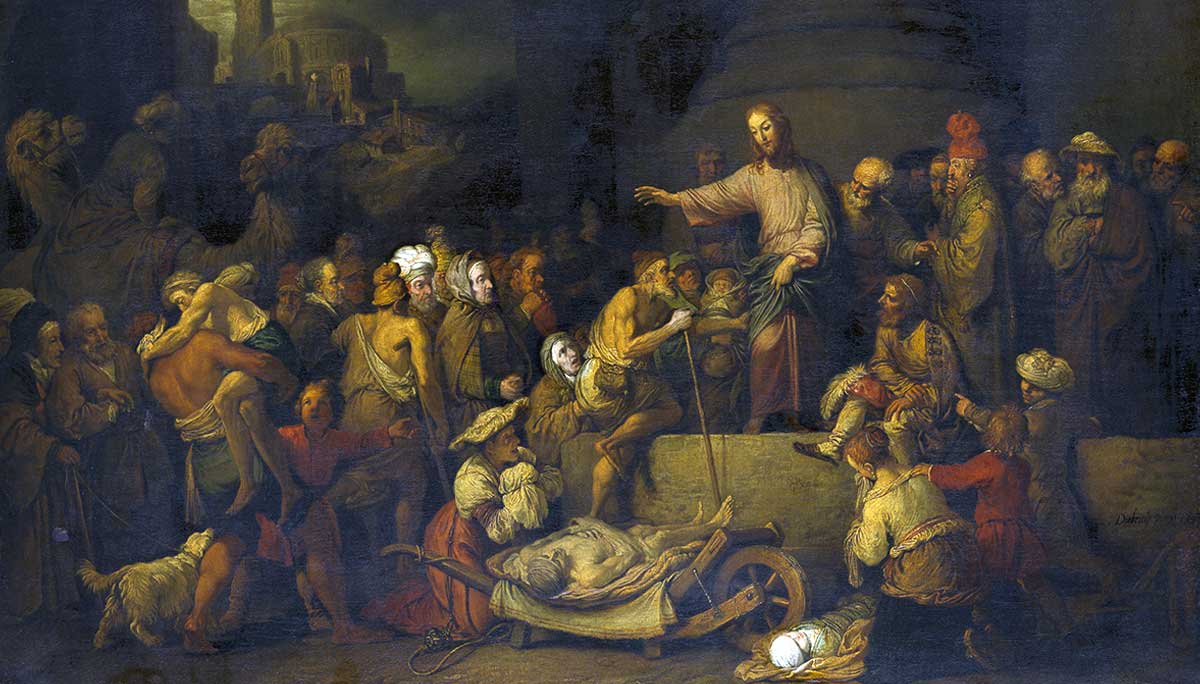
Premeditatio Malorum, or “the premeditation of evils,” is a Stoic practical technique that involves deliberately anticipating possible misfortunes before they occur. Practiced by Stoic philosophers such as Seneca and Marcus Aurelius, this exercise was not meant to encourage pessimism, but to strengthen emotional resilience and rational preparedness. By calmly imagining setbacks, the Stoic reduces their power to shock or overwhelm when they arise.
The Stoics believed that suffering often comes not from events themselves, but from our unprepared reactions to them. When adversity arrives unexpectedly, it can provoke fear, anger, or despair. Premeditatio Malorum counteracts this by allowing the mind to rehearse difficult scenarios in advance, replacing emotional surprise with rational acceptance. In doing so, one becomes less attached to favorable outcomes and more grounded in what remains within one’s control: judgment and character.
This practice also cultivates gratitude. By briefly contemplating the absence of things we take for granted, we become more aware of their present value. At the same time, it reinforces the Stoic insight that external goods are temporary and uncertain. Practiced regularly and with moderation, Premeditatio Malorum prepares the mind to face hardship with steadiness, clarity, and courage, transforming fear of adversity into readiness for it.
4. The View From Above
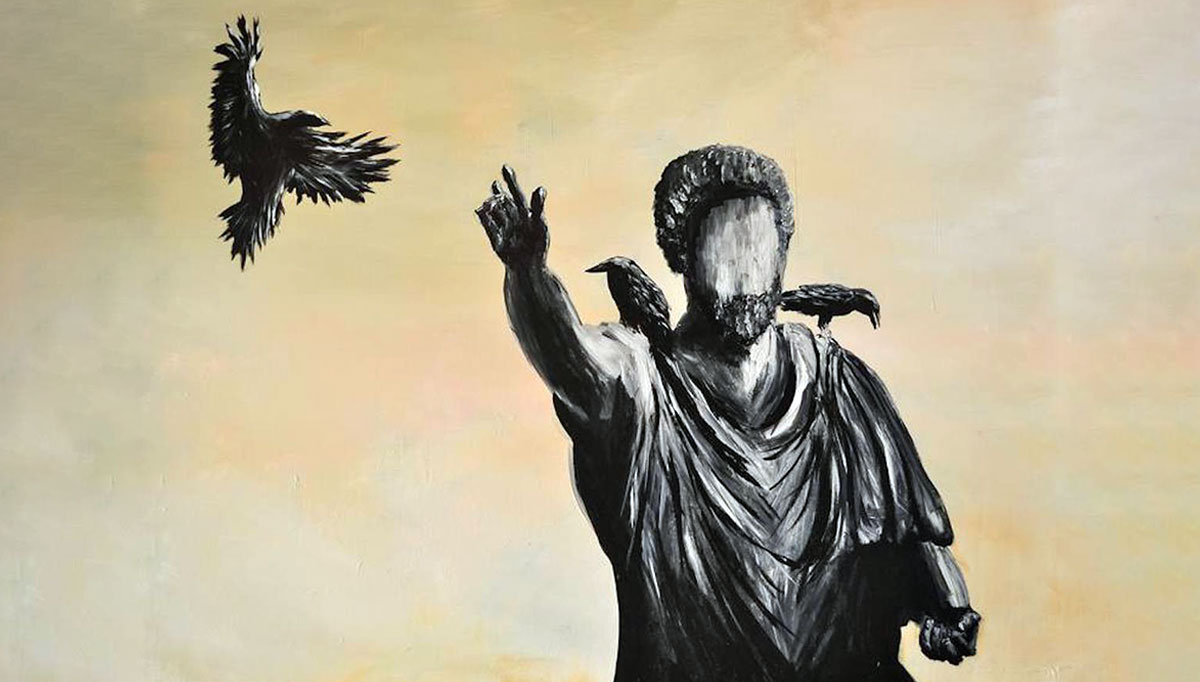
The View from Above is a Stoic contemplative exercise most famously practiced by Marcus Aurelius in his Meditations. This technique invites the individual to mentally step back from their immediate concerns and observe life from a broader, almost cosmic perspective. One imagines rising above personal circumstances, seeing one’s home, city, country, and eventually the whole world, along with countless human lives unfolding across time.
The purpose of this exercise is to diminish the exaggerated importance we often assign to our problems. When seen from a wider vantage point, daily frustrations, social conflicts, and personal anxieties lose much of their emotional weight. The Stoics believed that many disturbances arise from having a narrow perspective, where the self becomes the center of all meaning. The View from Above gently challenges this illusion, reminding us of our small but meaningful place within a larger natural order.
Rather than promoting detachment or indifference, this practice fosters humility and clarity. It helps align the mind with reason, nature, and the impermanence of all things. By regularly adopting this broader outlook, the Stoic cultivates calm, patience, and perspective, learning to respond to life’s difficulties with balance instead of emotional excess.
5. Voluntary Simplicity
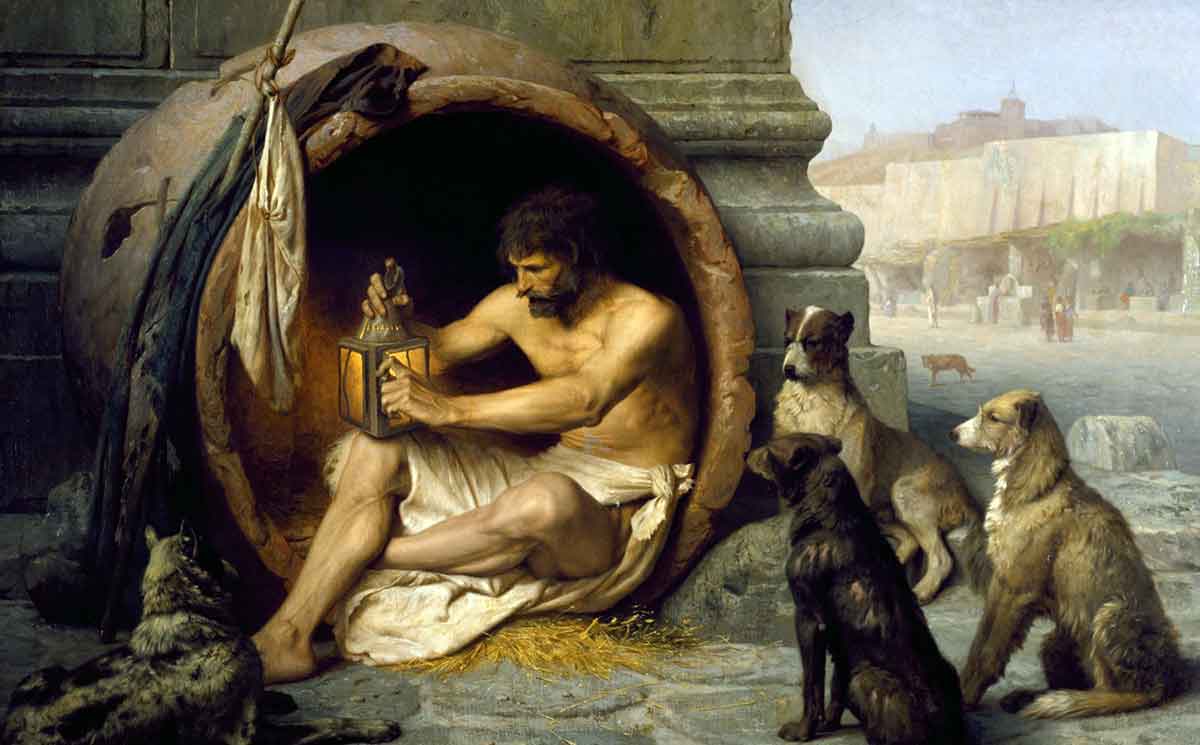
Voluntary Simplicity is a Stoic practical technique aimed at reducing dependence on external comforts and strengthening inner resilience. Practiced and recommended by Stoic philosophers such as Seneca, this exercise involves intentionally embracing a simpler way of living for short periods of time. By voluntarily limiting comfort, luxury, or convenience, the Stoic trains the mind to remain calm and content even when external conditions are less than ideal. Seneca famously advised his students to periodically live as though they were poor, wearing simple clothes, eating modest food, and abstaining from pleasures they normally enjoy. The purpose of this practice was not self-punishment, but preparation. By experiencing simplicity by choice, one learns that many feared hardships are far more tolerable than imagined. This directly weakens anxiety about loss, poverty, or misfortune.
Voluntary simplicity also cultivates gratitude. When comfort and abundance are temporarily set aside, ordinary pleasures regain their value. A simple meal becomes satisfying, rest feels earned, and material excess loses its hold over the mind. The Stoics believed that attachment to luxury makes individuals vulnerable, as peace of mind becomes dependent on conditions that can be taken away at any moment. Importantly, Stoic simplicity is not a rejection of wealth or success. The Stoics did not condemn external goods themselves, but warned against becoming psychologically enslaved to them. One may possess wealth, status, or comfort while remaining inwardly free, so long as they are prepared to part with them without distress.
In modern life, voluntary simplicity might take the form of limiting consumption, embracing temporary discomfort, or reducing reliance on constant stimulation. Practiced regularly and with intention, this Stoic technique builds self-mastery, resilience, and freedom, allowing individuals to face adversity with confidence rather than fear.
6. The Constant Mindfulness of Death
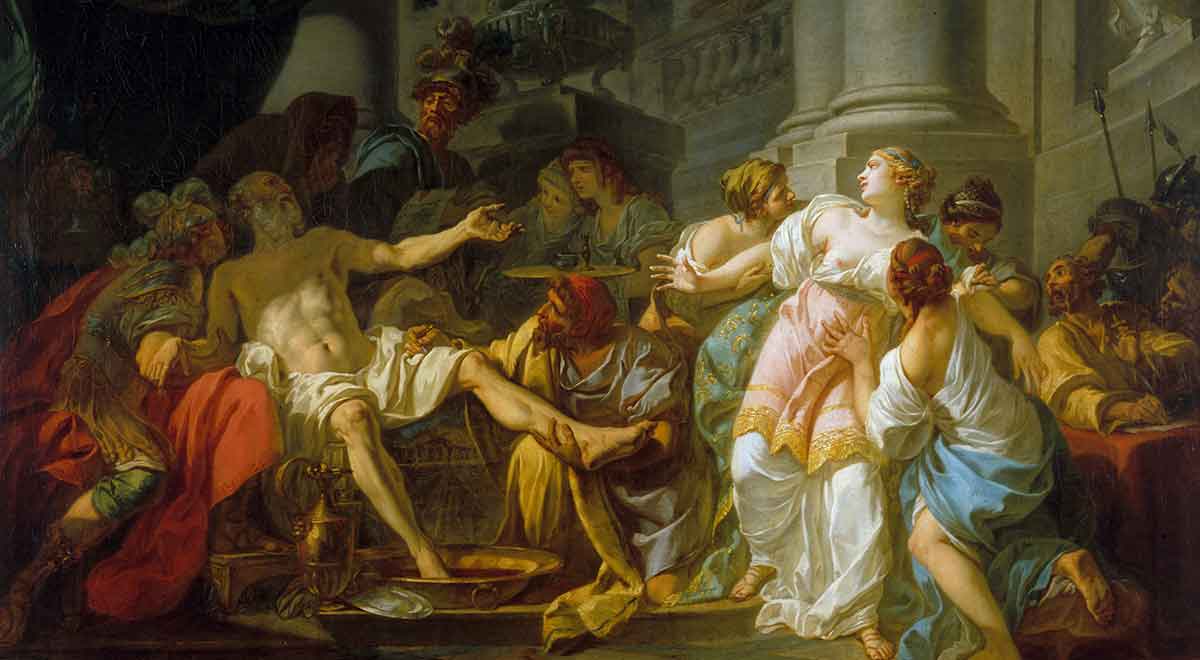
Constant Mindfulness of Death is a central Stoic practice, frequently emphasized by Marcus Aurelius and echoed throughout Stoic writings. Known in Latin as memento mori, this technique involves regularly reminding oneself of the inevitability of death, not as a morbid fixation, but as a tool for clarity and ethical focus. For the Stoics, awareness of mortality sharpens the mind and places daily concerns in proper perspective.
By keeping death in mind, trivial anxieties lose their power. Status, reputation, and minor frustrations appear fleeting when measured against the certainty of life’s impermanence. Marcus Aurelius repeatedly urged himself to remember that both praise and blame fade quickly, and that every human life, no matter how significant, is brief within the vast flow of time.
This practice also encourages purposeful living. Knowing that time is limited pushes the individual to act in accordance with virtue here and now rather than to postpone meaningful action. Resentment, hesitation, and vanity are harder to justify when one remembers that each day may be the last.
Rather than promoting fear, constant mindfulness of death fosters gratitude and presence. Each moment becomes valuable, and each opportunity to act with reason, justice, and kindness gains urgency. In this way, the Stoic transforms mortality from a source of anxiety into a guide for living well.