
Friedrich Nietzsche remains one of the most influential, yet often misunderstood, philosophers of modern times. His radical ideas on morality, culture, and meaning challenged the foundations of Western thought, but many of his core messages have been distorted or oversimplified in popular media and culture. Often reduced to provocative phrases like “God is dead” or mischaracterized as endorsing nihilism and even authoritarianism, Nietzsche’s philosophy is far richer and more nuanced. He sought not to plunge humanity into despair but to confront the collapse of traditional values with honesty and courage.
Who Was Friedrich Nietzsche?

Friedrich Nietzsche was a German philosopher, cultural critic, and philologist whose writings would go on to profoundly influence modern thought, even though his work was only fully appreciated long after his death. Born in a small village in Prussia, Nietzsche was the son of a pastor, though his father passed away when Nietzsche was only four years old. He grew up in a household surrounded by women, his mother, sister, and grandmother, which shaped his early years. Gifted from a young age, Nietzsche was admitted to a prestigious boarding school, where he developed a strong foundation in classical languages and literature. This early training led him to study philology at the University of Bonn and later at Leipzig, where he studied ancient Greek culture, myth, and philosophy.
During his studies, Nietzsche was particularly influenced by the works of Arthur Schopenhauer, another author who only came to relevance after his death, and whose pessimistic worldview left a lasting impression on Nietzsche. Nietzsche’s academic brilliance was recognized early, and at the age of only twenty-four, he was appointed professor of philology at the University of Basel in Switzerland, an amazing achievement for someone so young.
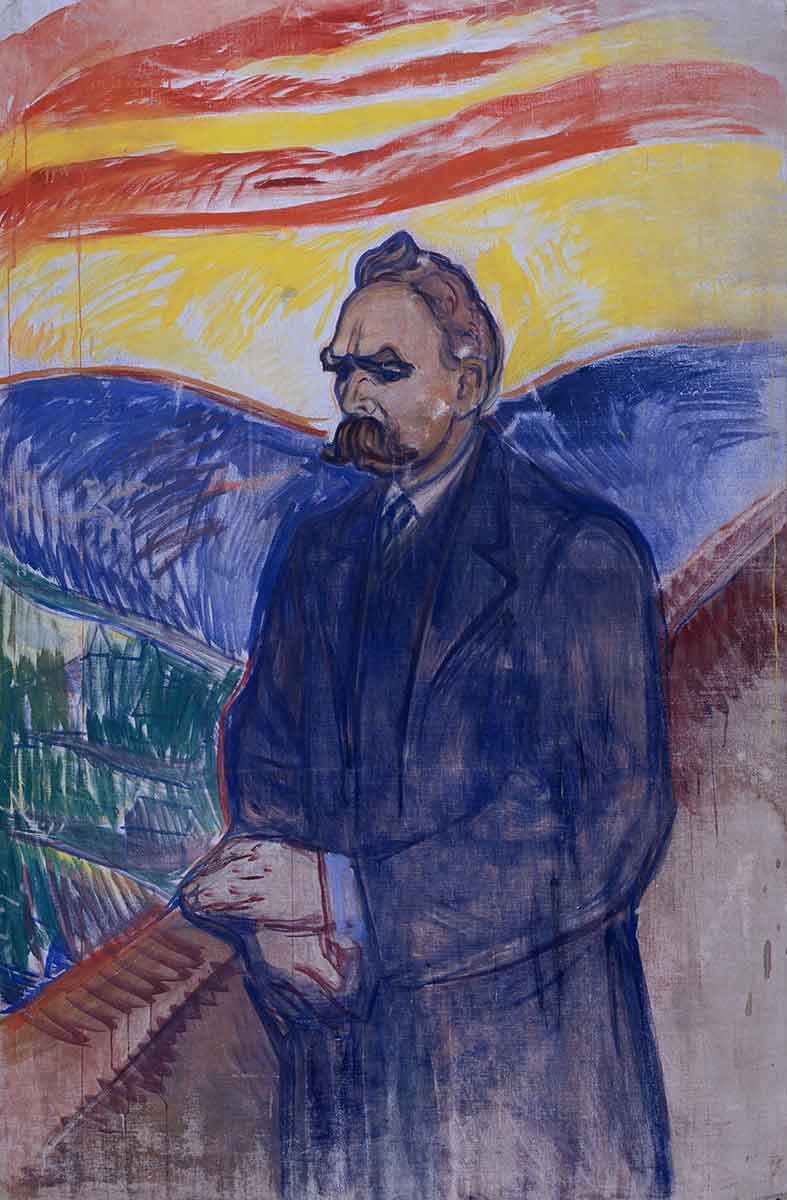
Despite his promising career, Nietzsche’s health deteriorated rapidly. He suffered from severe migraines, vision problems, and other ailments that eventually forced him to resign his professorship in 1879. From then on, he lived as an independent writer and thinker, moving between Switzerland, Italy, and France in search of a more tolerable climate. His life became one of solitude and intense intellectual productivity, during which he composed some of his most famous works, including Thus Spoke Zarathustra, Beyond Good and Evil, and The Genealogy of Morality.
During his lifetime, Nietzsche was not widely recognized. His books sold poorly, and many contemporaries dismissed his writings as eccentric, overly radical, or incomprehensible. Only a small circle of readers appreciated the originality of his ideas, while others accused him of undermining morality and promoting dangerous views. It was only in the decades after his death that his philosophy began to gain serious attention, influencing existentialism, psychoanalysis, literature, and even modern psychology. Today, Nietzsche is remembered as a revolutionary thinker who challenged the deepest assumptions of his age, though in his own time, he was more often seen as a marginal, controversial figure.
The Death of Traditional Values
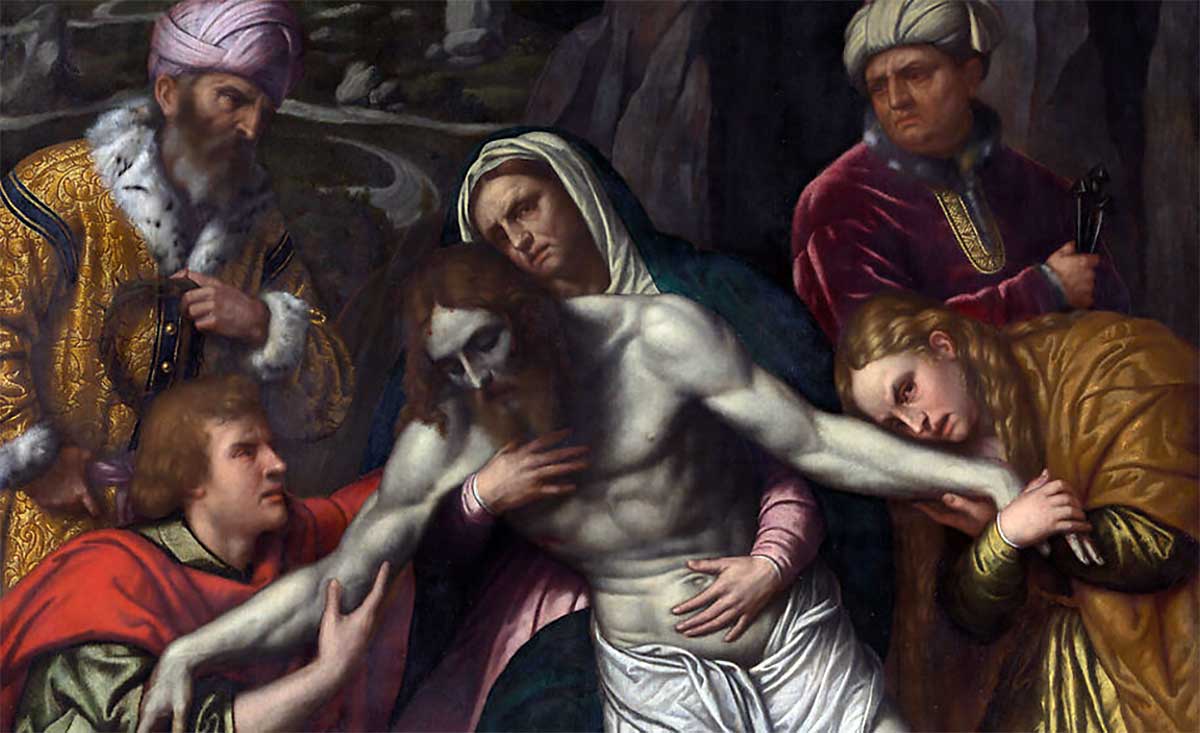
One of Friedrich Nietzsche’s most striking and influential ideas is his declaration that “God is dead,” a phrase that has often been misunderstood or taken out of context. By this, Nietzsche did not mean that a deity had literally died, but rather that the foundations of traditional values, rooted in Christianity and centuries of moral belief, were collapsing in modern European society. Advances in science, the rise of secularism, and growing skepticism toward religious authority had weakened the old frameworks that once gave life coherence and purpose. Nietzsche saw this as a profound cultural crisis, as without the guiding structures of religion and traditional morality, humanity risked falling into nihilism, a state in which life seemed meaningless and directionless.
For Nietzsche, the “death of God” was not a triumphant announcement but a diagnosis of his age. He recognized the danger of losing the values that had shaped Western civilization for centuries without yet having something new to replace them. Traditional morality, he argued, was no longer credible in an age that valued rational inquiry, progress, and individuality. Yet, instead of despairing, Nietzsche challenged humanity to confront this void directly. He believed that the decline of old values created both a crisis and an opportunity, a chance to reevaluate all moral systems and to create new values grounded in human strength and creativity rather than divine authority.
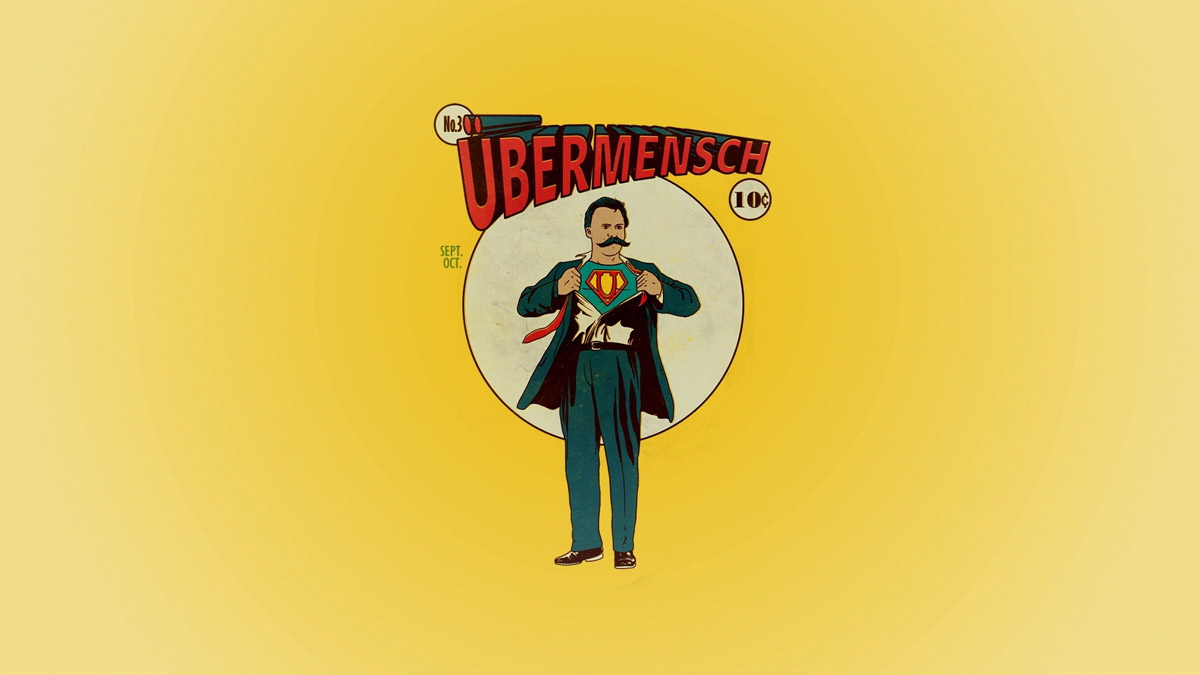
He wanted to expose the hidden assumptions behind conventional morality, particularly its tendency to suppress individual flourishing by promoting guilt, weakness, and conformity. By uncovering these roots, Nietzsche hoped to pave the way for a new type of human being: the Übermensch, or “overman.” This figure symbolized the creative individual who constructs their own values and affirms life, even in the face of suffering and uncertainty.
The death of traditional values was both a warning and an invitation. It marked the end of an era dominated by religious dogma but also signaled the possibility of freedom and self-fulfillment. Rather than relying on inherited beliefs, Nietzsche urged individuals to take responsibility for shaping their own meaning and to affirm life through strength, courage, and creativity. This radical vision placed him at odds with the dominant figures of his time, but it also ensured his lasting relevance in the modern world.
Meaning in a Meaningless World
For Nietzsche, the collapse of traditional values and the recognition of a world without inherent meaning did not represent the end of philosophy, as previously stated, but rather its true beginning. Once the illusion of a divinely ordered universe was stripped away, humanity faced the unsettling truth of existence: the world has no predetermined purpose. To Nietzsche, this realization could easily lead to despair and nihilism, yet he saw it as an opportunity for profound freedom and self-improvement.
Central to this vision was Nietzsche’s idea of the will to power, the fundamental drive he believed animated human beings. Rather than seeking mere survival or comfort, Nietzsche argued that humans are inherently driven to expand, to create, to overcome limitations. This concept does not point to domination over others, as is often misunderstood, but rather to the inner striving for self-overcoming, pushing beyond one’s weaknesses, fears, and imposed boundaries. Through this process, the individual could transform the void left by the collapse of old certainties into a space of growth and possibility.
Another key element of Nietzsche’s view on creating meaning is his concept of eternal recurrence, the idea that one should live as if every moment of one’s life would repeat endlessly. Far from a literal claim about time, this was an ethical challenge for people to question their own choices. This thought experiment reinforced Nietzsche’s demand for authenticity and responsibility in crafting meaning.
In contrast to what most people think, Nietzsche did not conform to nihilism, but turned the bleak diagnosis of a meaningless world into a call for courage, creativity, and affirmation. Rather than passively accepting despair, as he is often misunderstood, he envisioned human beings as active creators of value, capable of transforming emptiness into a vibrant, self-made purpose.
Misrepresentation of Nietzsche’s Philosophy in the Media
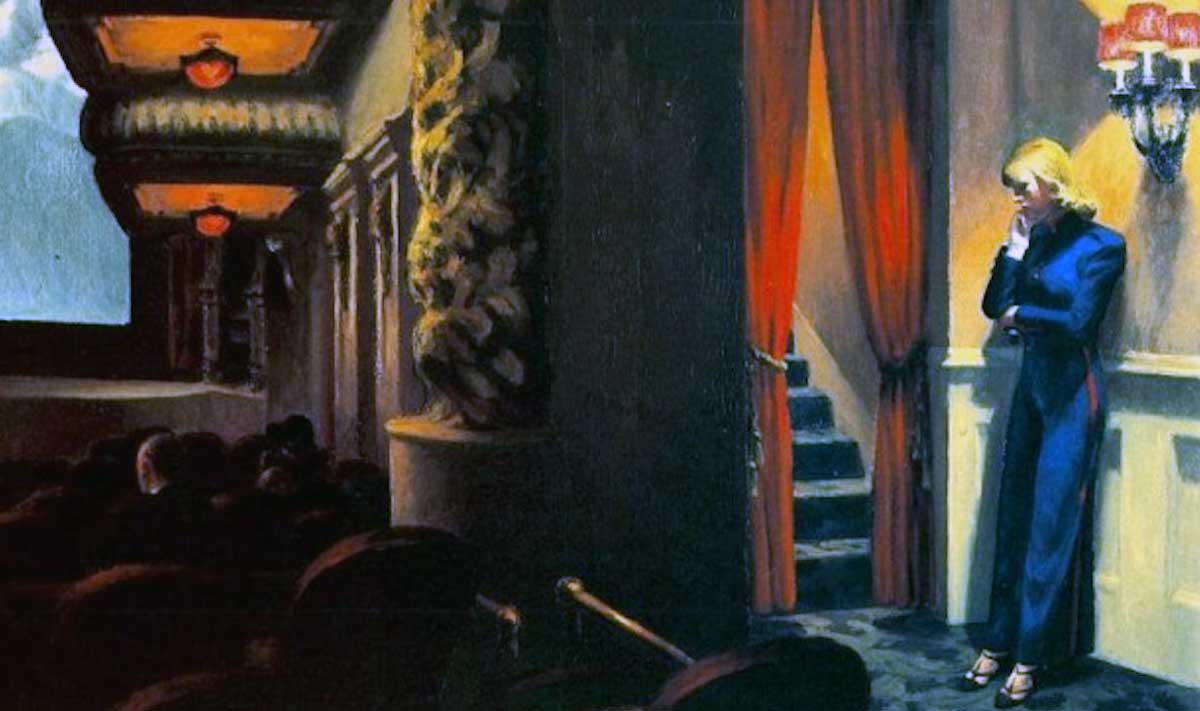
Few philosophers have been as misrepresented in media and popular culture as Friedrich Nietzsche. While his writings contain profound critiques of morality, culture, and human existence, they are often reduced to a handful of striking phrases stripped of context. Perhaps the most famous example is the aforementioned “God is dead,” which is frequently portrayed as a simple endorsement of atheism or nihilism.
In reality, Nietzsche was not celebrating the absence of God but warning of the cultural and moral vacuum that followed the decline of traditional values. By ignoring this nuance, popular portrayals present him as a prophet of despair rather than a thinker of possibility and renewal. Nietzsche has been repeatedly linked to the acceptance of nihilism in popular imagination, depicted as a philosopher who advocated hopelessness. While he certainly diagnosed the danger of nihilism in modernity, his philosophy was devoted to overcoming it.
The misrepresentation of Nietzsche reflects both the challenge and the appeal of his philosophy. His style, filled with aphorisms, metaphors, and provocations, invites selective interpretation. While this has helped his name remain present in cultural discourse, it has also obscured the complexity of his thought. To truly engage with Nietzsche, one must look beyond the clichés and rediscover his vision: not a philosophy of despair, but of radical responsibility, creativity, and the courage to forge meaning in a world without guarantees.