
A morning routine is more than a set of tasks; it is a foundation for how we engage with the day ahead, our lives, and the world as a whole. Few historical figures embodied this idea as clearly as Marcus Aurelius, the Roman emperor and philosopher. Known today for his work Meditations, Marcus Aurelius practiced Stoicism, a philosophy centered on self-control through virtue, and acceptance of what we cannot change. His mornings were dedicated to reflection and preparation, allowing him to face the challenges of leadership with clarity and purpose.
Who Was Marcus Aurelius?
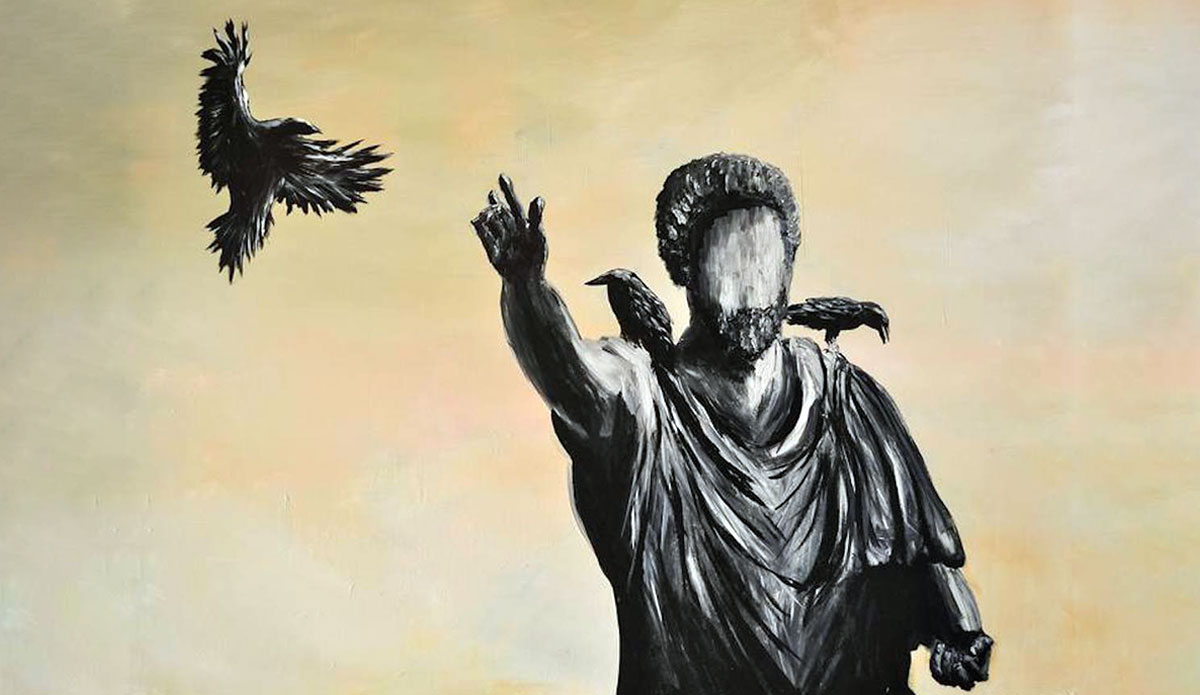
Marcus Aurelius, born on April 26, 121 AD in Rome, is remembered as one of the most admired rulers in history. He served as Roman Emperor from 161 to 180 AD and is often referred to as the last of the “Five Good Emperors,” a title given to those whose leadership was marked by stability, fairness, and wisdom. Unlike many emperors who sought power for personal glory, Marcus approached his position with a sense of duty and responsibility. From a young age, he was recognized for his calm temperament and thoughtful nature. His education was shaped by some of the most prominent scholars of his time, and he was deeply influenced by Stoic philosophy, a school of thought that emphasizes virtue, rationality, and acceptance of external events beyond one’s control.
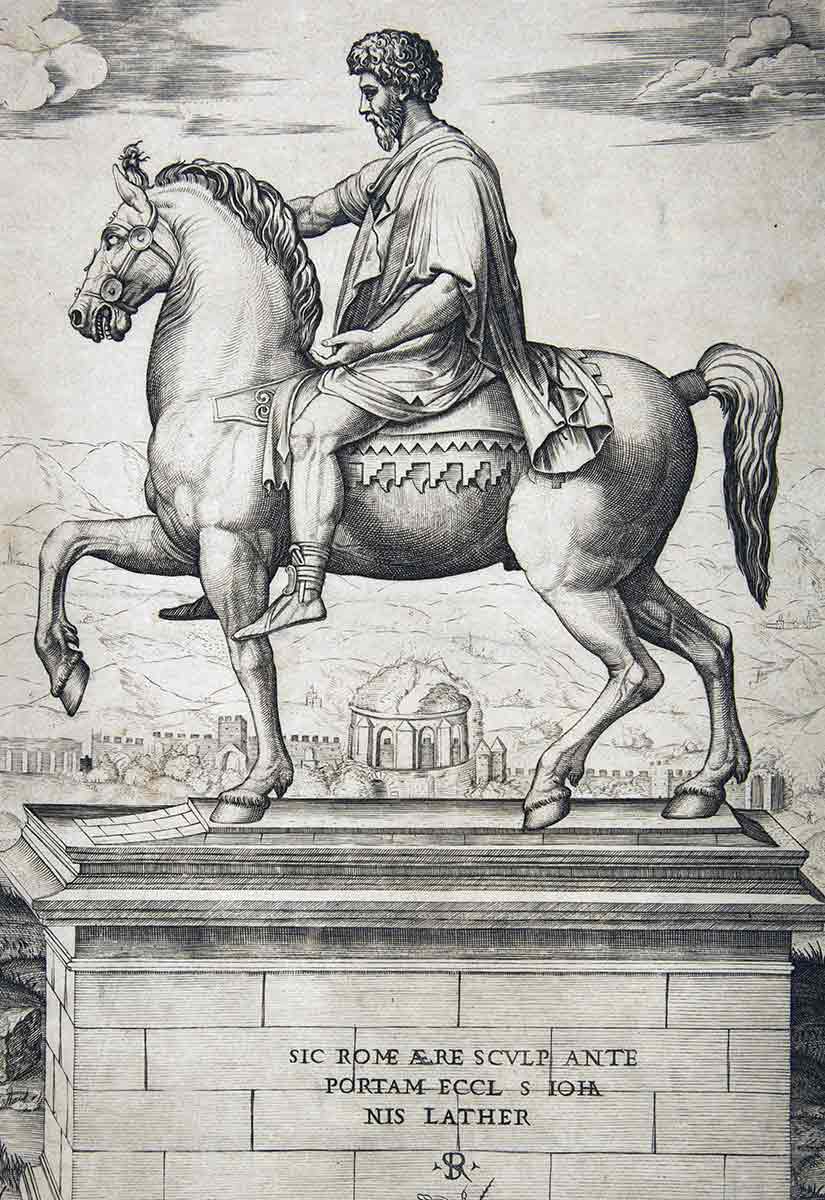
Marcus Aurelius did not live a peaceful or easy life, despite his elevated position. His reign was marked by military conflict, political challenges, and personal losses. He spent much of his time on the front lines defending the empire’s borders, particularly against Germanic tribes. During these campaigns, he wrote the reflections that would later be compiled into Meditations, a work that provides unique insight into his character. Rather than commanding lavish praise or recounting triumphs, his writings reveal a man constantly striving to remain patient, modest, and just. He viewed his role not as a privilege but as a test of his ability to live according to his principles.
Marcus Aurelius also faced hardship within his family. He endured the deaths of several of his children and dealt with ongoing health struggles. Yet he remained devoted to the Stoic belief that suffering is an inevitable part of life and that one must respond to it with inner strength rather than despair. His leadership was guided by moral purpose, and he worked to improve the lives of citizens by promoting fairness in law, supporting education, and maintaining civil stability. Even though he wielded immense authority, he consistently reminded himself, through his writing and habits, to act with humility and restraint.
A Brief Summary of Stoicism
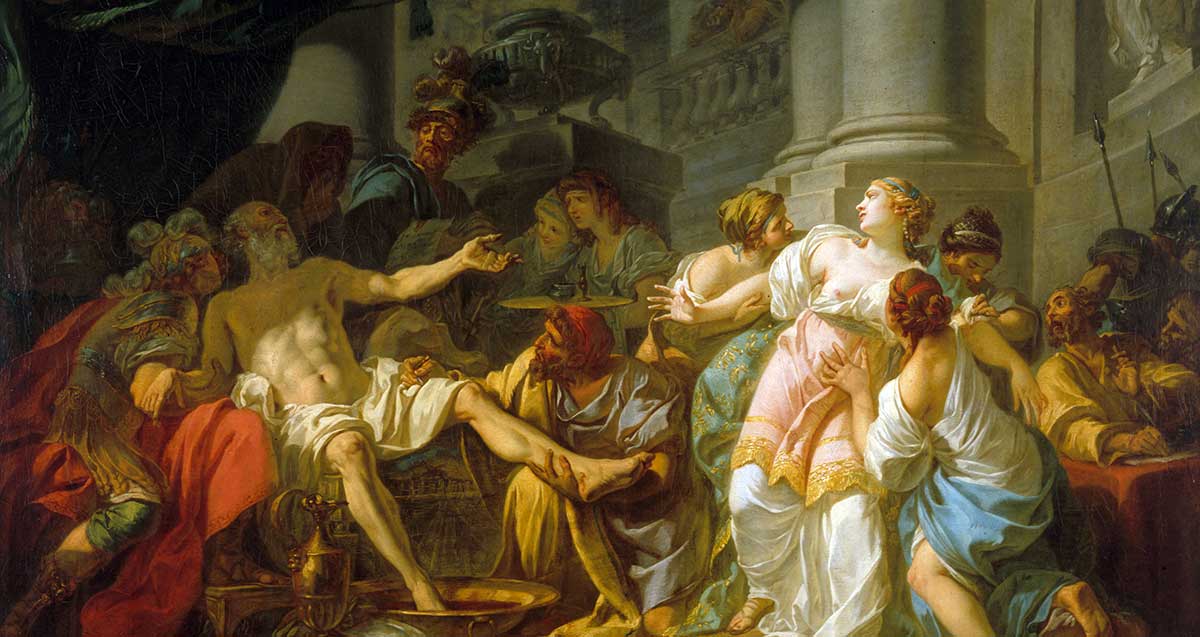
Marcus Aurelius is remembered as the Stoic Philosopher Emperor, but what exactly is Stoicism? This philosophical tradition originated in Ancient Greece around the early 3rd century BC. It was founded by Zeno of Citium and later developed by philosophers such as Cleanthes, Chrysippus, Seneca, Epictetus, and eventually Marcus Aurelius. At its core, Stoicism teaches that the key to a good and meaningful life lies not in external circumstances, which are often beyond our control, but in the mastery of our own thoughts, actions, and responses. The Stoics believed that the world is governed by reason (logos) and that human beings, as rational creatures, should live in accordance with this natural order. To do so requires cultivating virtue, which they defined as the highest good.
The philosophy is built on four primary virtues: wisdom, courage, justice, and temperance. Wisdom helps us distinguish what we can control from what we cannot. Courage enables us to face difficulties with resilience rather than fear. Justice guides us to act fairly and consider the welfare of others. Temperance teaches moderation and self-restraint, preventing our desires or emotions from overwhelming rational decision-making. By practicing these virtues, Stoics believed we could achieve tranquility, or ataraxia, a state of inner calm regardless of external chaos.
One of the most defining ideas of Stoicism is the distinction between what is within our control and what is not. Our thoughts, choices, and actions fall under our control, while external events, such as the behavior of others, the outcomes of situations, or natural occurrences, do not, and therefore should not occupy our thoughts. The Stoic approach is to invest effort only in the things we can influence and accept the rest with grace. This does not mean one should be passive or indifferent, but rather that one should maintain emotional balance and clarity even in adversity.
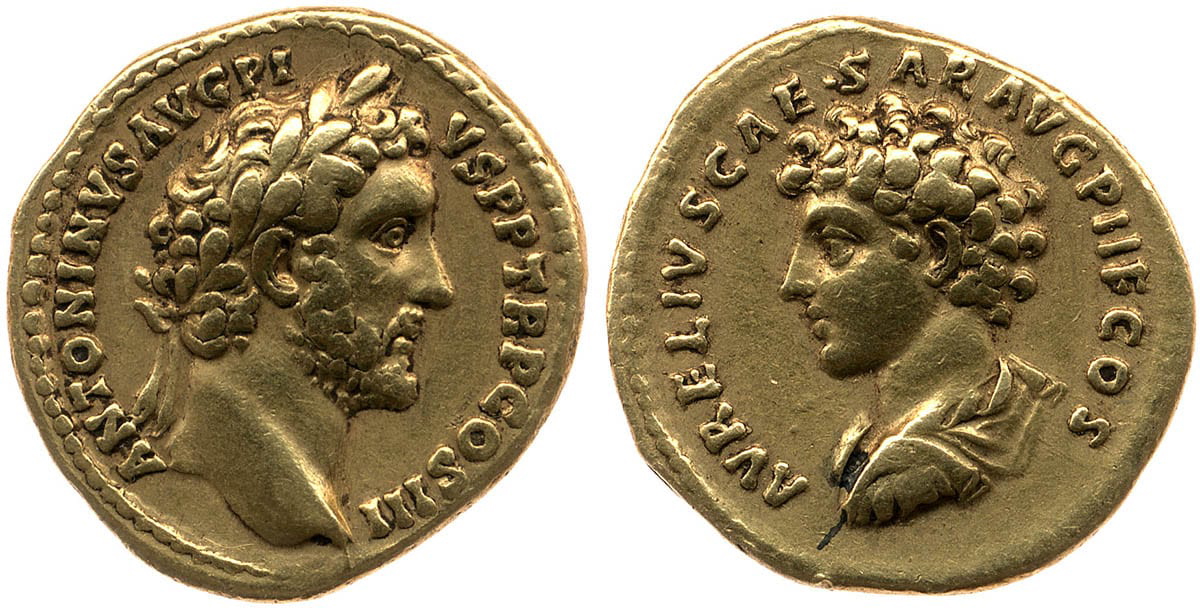
Stoicism also emphasizes the importance of daily reflection. Practitioners often review their actions, examine their motivations, and prepare mentally for challenges to come. This practice is evident in Marcus Aurelius’s Meditations, where he repeatedly reminds himself to remain humble, rational, and kind.
Stoicism remains relevant today. Its teachings provide tools for managing stress, uncertainty, and the pressures of modern life, and have recently seen a resurgence in mainstream attention on social media platforms. By focusing on self-discipline, personal responsibility, and emotional regulation, Stoicism encourages us to lead lives guided by purpose rather than impulse.
The Emperor’s Morning Routine

The morning routine of Marcus Aurelius was not simply a set of habits, but a spiritual and philosophical practice grounded in Stoicism. Despite his role as emperor, Marcus began each morning in reflection rather than action. The first step in his routine was mental preparation. Upon waking, he reminded himself of the duties and challenges he would face throughout the day. This is famously echoed in Meditations, where he wrote about preparing to encounter “meddling, ungrateful, violent, treacherous, envious, and unsociable” people. This was not pessimism, but a realistic acknowledgment of human behavior and a reminder to respond with patience and understanding rather than anger.
Marcus also used the early hours of the day to reconnect with his values. He believed that every morning offered an opportunity to return to virtue, to realign thoughts and intentions with the aforementioned four Stoic virtues of wisdom, courage, justice, and temperance. This reflective practice allowed him to enter his public responsibilities with clarity and purpose, instead of being driven by impulse or emotion. He saw each day as a chance to improve, even when the tasks ahead were demanding or repetitive.
“When you wake up in the morning, tell yourself: The people I deal with today will be meddling, ungrateful, arrogant, dishonest, jealous, and surly. They are like this because they cannot tell good from evil. But I have seen the beauty of good and the ugliness of evil. So they have no power to harm me. No one can implicate me in ugliness. I will not be angry with my fellow humans, or hate them. We were born to work together.”
In addition to reflection, his mornings included reading and writing. Much of Meditations is believed to have been written in the early hours of the day, often while he was stationed in military camps far from Rome. These writings served as personal reminders and exercises rather than works intended for others. They demonstrate how seriously he approached self-examination and how deeply he worked to uphold the Stoic ideal of mastering one’s inner life.
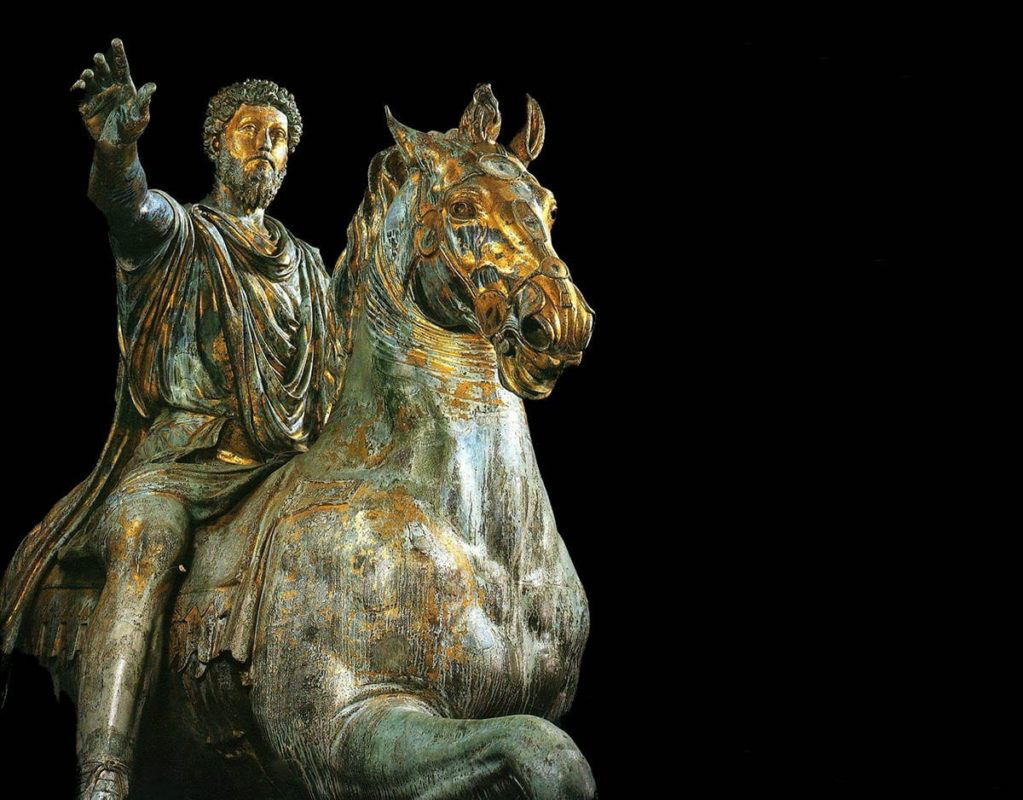
Physical discipline was also a part of his routine. Although an emperor, Marcus Aurelius did not indulge in comfort or luxury. He slept on simple bedding and avoided distractions that could soften his resolve. Stoicism teaches that the body and mind are connected, and that maintaining a degree of physical austerity strengthens mental resilience. Starting the day with humility, simplicity, and intention helped him cultivate a service-oriented attitude rather than one of entitlement. The emperor’s morning routine, therefore, was not just about organizing his time; it was about shaping his character. By grounding himself in reflection, virtue, and discipline each morning, Marcus Aurelius demonstrated how routine can guide one toward purposeful, stable, and principled living.
Marcus Aurelius: Routine and Discipline

As previously stated, the life of Marcus Aurelius demonstrates that routine and discipline are not restrictive forces, but pathways to freedom and clarity. His example shows us that the structure we create for our days shapes our character, our decisions, and ultimately the course of our lives. Marcus did not rely on motivation or inspiration to guide his actions. Instead, he grounded his mornings in reflection, self-awareness, and commitment to virtue. This allowed him to approach every challenge, whether political conflict, personal loss, or warfare, with composure and purpose.
Routine, in this sense, becomes an anchor. It gives us a stable foundation in a world that is often unpredictable and stressful. By beginning the day with intention, we can strengthen our ability to respond thoughtfully rather than react impulsively. Discipline, likewise, is not about perfection, but about consistency. It is the steady effort to align our actions with our values, even when it is difficult. Marcus Aurelius understood that discipline is developed in small, repeated choices: rising early, reflecting honestly, and returning again and again to the virtues that guide a meaningful life.
This does not require the life of an emperor or philosopher. It only requires a willingness to be present and deliberate. Whether through journaling, reading, meditation, or simple quiet time before the demands of the day begin, establishing a morning routine can help us cultivate patience, resilience, and emotional strength. It invites us to live with greater intention rather than being swept along by circumstance.
In studying Marcus Aurelius, we are reminded that how we begin the day influences how we live the day. Routine and discipline are not ends in themselves; they are tools that help us become steadier, clearer, and more compassionate versions of ourselves.