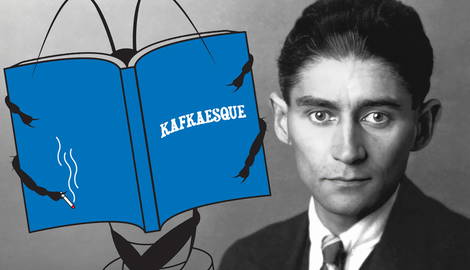

How does one lose oneself and become a stranger? In a Kafkaesque world that is not alien to us even now, everyone is in danger of losing their identity. Sociologists and philosophers have discussed what alienation is and its consequences. However, the famous writer from Prague, Franz Kafka, has masterfully shown its impact on human beings through the story of a man who turns into vermin overnight.
Some Facts From Franz Kafka’s Life
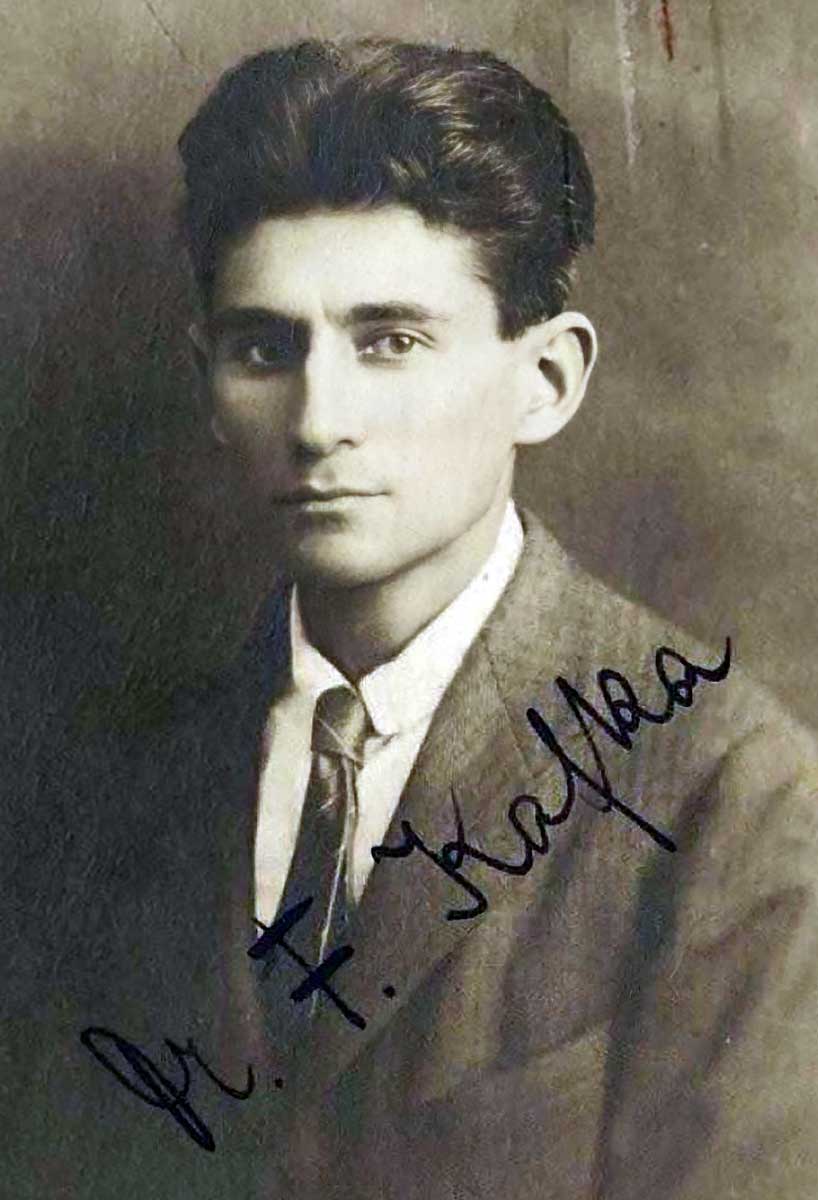
Kafka’s life is well known: not only the basic information concerning dates, but also his education, vocation, and novels. Thanks to the diaries he kept and the letters he sent, we also know what was happening in his soul; all that occupied his thoughts and tormented him.
Franz Kafka was born on July 3rd, 1883, in a Jewish family in Prague, then part of the Austro-Hungarian Empire. Although he studied law, he found his biggest passion in writing. He was writing in German but also knew Czech very well. After completing his studies, Kafka began working in a law office and subsequently at an insurance company. He hated his job and found it repulsive. In one letter, he writes: “For my office work defies my writing to you; that kind of work is completely foreign to me and bears no relation to my real needs.”
On the other hand, he talked about writing as an escape from the torment he was experiencing: “My mode of life is devised solely for writing, and if there are any changes, then only for the sake of perhaps fitting in better with my writing; for time is short, my strength is limited, the office is a horror, the apartment is noisy…”
A major problem for Kafka was his self-doubt and self-consciousness about his writings. This was probably due to the troubled relationship with his father.
Despite having some serious relationships with women, he never got married. His first love was Felice Bauer, and they were engaged twice. Later, he met a journalist, Milena Jesenská, to whom he sent some of the most beautiful letters. These letters were published as Letters to Milena (Briefe an Milena). During the last period of his life, he became romantically involved with Dora Diamant.
Why Should We Be Grateful to Kafka’s Closest Friend
“Dearest Max,
My last request: Everything I leave behind me . . . in the way of notebooks, manuscripts, letters, my own and other people’s, sketches and so on, is to be burned unread and to the last page, as well as all writings of mine or notes which either you may have or other people, from whom you are to beg them in my name. Letters that are not handed over to you should at least be faithfully burned by those who have them.”
–Kafka’s letter to Max Brod
Franz Kafka burned almost everything he had written. He did that because of his insecurity. As we said, he was never satisfied with what he was writing. During his lifetime, only a few of his stories were published, either as standalone pieces or in collections. His first story, “The Judgment,” was published in 1912, the year he also wrote The Metamorphosis. The latter was published in 1915. Kafka regretted it because he didn’t like its ending. Today, The Metamorphosis is his most popular fictional work, even though he has many other short stories that deserve our attention and recognition.
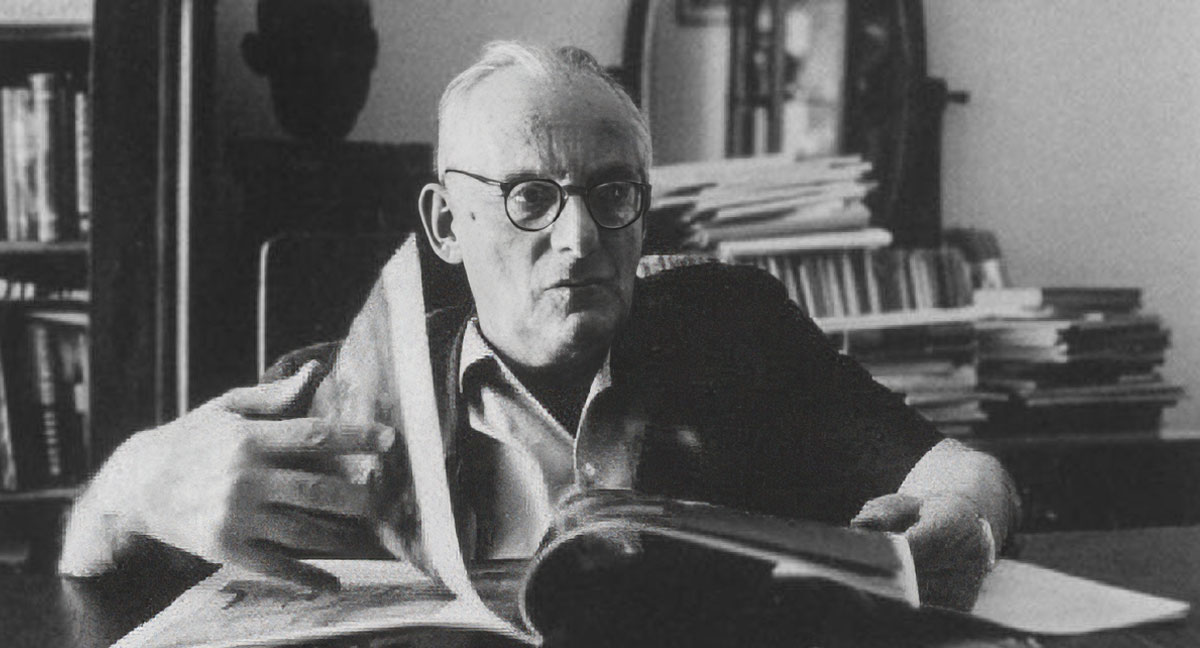
Max Brod is best remembered as Kafka’s biographer; during his active period, he was a renowned playwright, sociologist, writer, and translator. Kafka met Brod at the university after Brod delivered a speech on Schopenhauer. He asked him to take a walk with him, and Brod gladly accepted. Even though Kafka disagreed with many philosophical views Brod had, they became inseparable.
Thanks to Max Brod, who refused to burn Kafka’s three unfinished novels (Amerika, The Trial, and The Castle), many stories, letters, and diaries, Franz Kafka became one of the most significant writers of the 20th century.
The Concept of Alienation
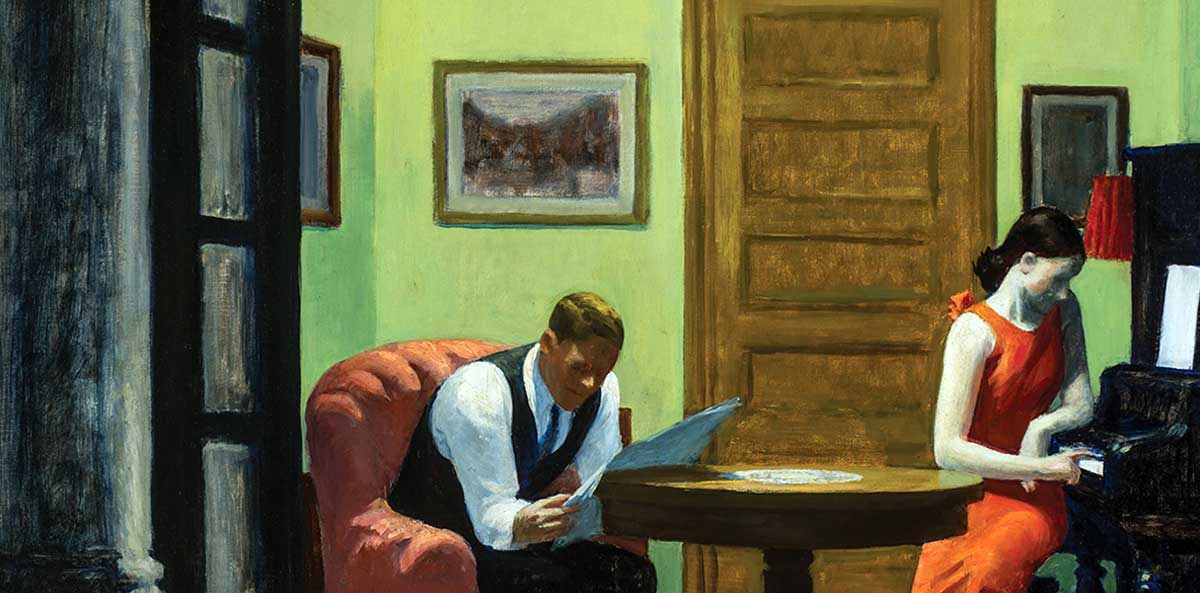
The Metamorphosis has many layers, but alienation is one of the main themes that appears here. Another term we could use is estrangement, because, as we will see, not only is the core of it strange, but more importantly, our protagonist Gregor Samsa becomes a complete stranger to himself and to others.
Alienation is a philosophical concept that is widely discussed in literature and figures prominently in sociology. Karl Marx‘s theory of alienation posits the loss of an individual’s humanity due to social circumstances, specifically the division of labor and life within socially stratified classes. Karl Marx identifies capitalism as the cause of human alienation. The economic situation and human dissatisfaction with their work led to it. Marx distinguished four dimensions of alienation: from the product of labor, from the process of labor, from others, and from self.
The story itself also has an important social theme. The alienation of the main character threatens the family’s financial ruin. There is a motivating force behind this, and we return again to the social theme and to the theme of bureaucracy, which Kafka was obsessed with. However, we will focus on the main character and his probable existential crisis, which leads to his alienation from himself and others. This implies becoming Other to oneself and to close others; the loss of the self and of the bonds formed during life. Of course, in this way, one becomes different, strange, odd, and alien to oneself and to the people around.
In the story, we will see how the protagonist loses the very features that make him who he is, and how, at the same time, he becomes unrecognizable to his family.
Gregor Samsa and His Alienation From (Him)Self
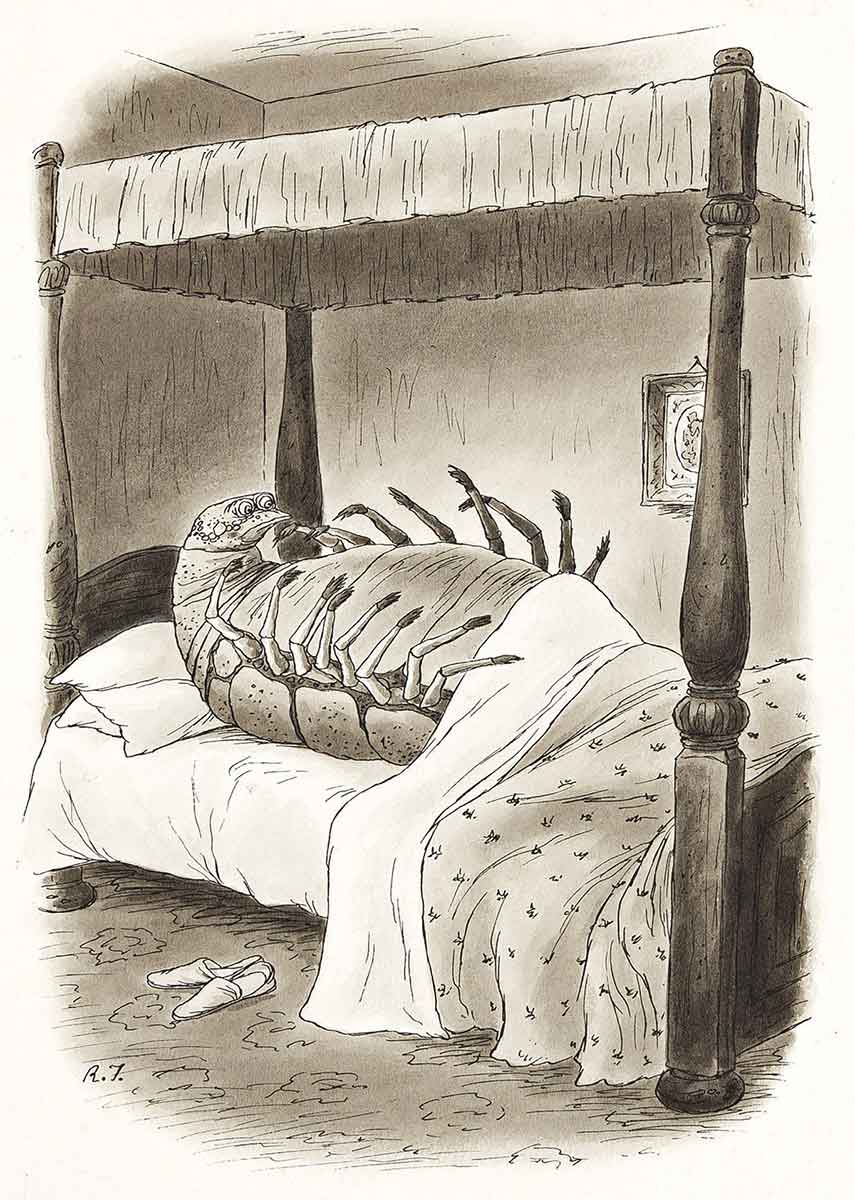
“One morning, when Gregor Samsa woke from troubled dreams, he found himself transformed in his bed into a horrible vermin.” That’s how the story begins. This first sentence immediately indicates Gregor’s alienation from himself because he is no longer in his own body. He has become a bug. We are left without an explanation for why this happened, but we can draw some conclusions.
Gregor attempts to move, but his body and new legs are foreign to him, and at first, he is unable to rise from his bed. His senses also change throughout the story. He begins to lose his sight, and his sense of taste changes. Because of the impossibility of enjoying his favorite food that his sister brings him, Gregor starts to eat rotten, disgusting food. There is also the loss of the ability to communicate. Human speech is now foreign to his mind, although, at the very beginning, he can still produce some understandable sounds.
For Gregor, his job was most important because he was the family’s provider. We can interpret this transformation that happened to him as his hidden desire to stop working. Kafka’s stories often present a protagonist who is dissatisfied with his job, and Gregor here is too. He wakes up as a large vermin but cannot stop thinking about how repulsive his job as a salesman is to him.
Gregor’s estrangement from his own body, whether taken literally or metaphorically, is an estrangement from his self. Dissatisfied with his life, he drifts away from himself. He becomes repulsive to others, although, in essence, some of his human qualities remain. He certainly feels sorry for his family, enjoys music still, etc., but he is left to die all alone as someone else.
Gregor Samsa and His Alienation From Others
Now, let us examine how Gregor’s transformation affects the family relationships. Gregor Samsa lives with his parents and younger sister and supports them financially. He holds a job he does not particularly like, but the whole family relies on him because, in addition to earning for the family’s well-being, he also repays his father’s debt. Once Gregor cannot get out of bed and go to work, the established order in that household begins to be disrupted, and Gregor becomes alienated from his family members.
Gregor did not hear the alarm and therefore did not wake up in time for work. He realizes that he has taken the form of an insect, but he is still thinking about work and how he must catch the next train. He wants to fulfill his duty as a son and brother and maintain order in the house, even at that moment when he does not understand what is happening. Gregor is under the delusion that everything will return to normal as soon as he leaves the room. But that does not happen. And slowly, as the story progresses, he is less and less interested in his job.
However, he remains sensitive regarding his family. He wants to stay close to them, but the change that happened doesn’t allow that. His family rejects him. Gregor’s alienation from himself, which manifested as a transformation into an insect, led his family to fear and loathe him. Gregor Samsa loses his role in society and in the family and becomes a total stranger.