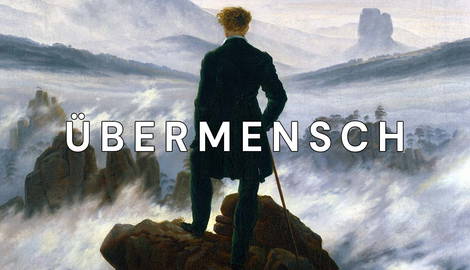

Friedrich Nietzsche’s philosophy continues to provoke and inspire readers more than a century after his death. At the heart of his thought lies one of his most powerful ideas: the Übermensch. Nietzsche presents this figure most vividly in Thus Spoke Zarathustra, where Zarathustra calls humanity to overcome itself, to reject complacency, and to embrace the creative responsibility of giving meaning to existence. This article will explore the essential concepts of Nietzsche’s philosophy and the significance of embracing life even unto a glorious death.
Understanding Nietzsche’s Übermensch

To understand Nietzsche’s idea of the Übermensch, we must first grasp the key concepts that form the foundation of his philosophy. Nietzsche was not a systematic philosopher like many before him. Instead, his work relies much more on aphorisms and imagery. Yet, within this apparent chaos lies a coherent vision of life, marked by concepts such as creativity, struggle, and the revaluation of values.
One of the central concepts is the “will to power.” Nietzsche argued that the driving force behind all life is not survival or pleasure, but the fundamental urge to expand, create, and impose form upon the chaos of existence. The will to power is the inner strength to shape oneself, to grow beyond limitations, and to affirm life in all its complexity.
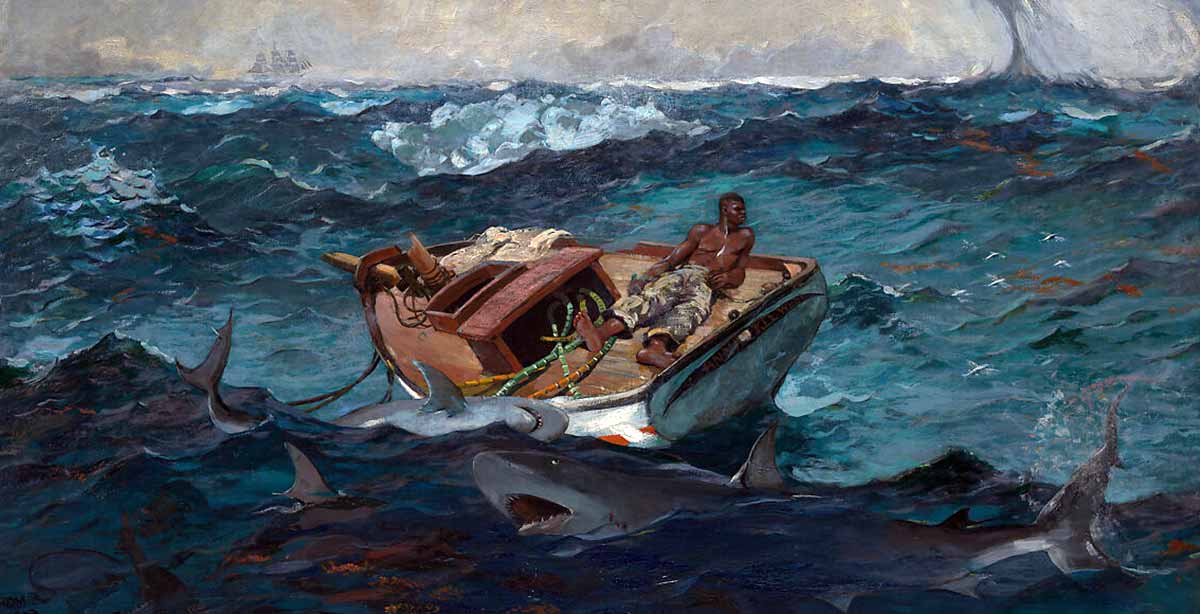
Closely tied to this is Nietzsche’s proclamation of the “death of God.” This is a metaphor for the collapse of belief in absolute values that had guided Western culture for centuries during his time period. With the decline of religion and the rise of scientific questions, humanity faced a crisis. Without divine or universal truths, there was a vacuum yet to be filled in society. Nietzsche feared that in this vacuum, people would fall into nihilism, the sense that life is meaningless. But rather than accepting nihilism, as many people wrongly believe he did, the philosopher considered nihilism as both a danger and a challenge to overcome.
The old moral systems, rooted in religion and conformity, must give way to new values created by individuals strong enough to affirm life on their own terms. This act of creation paves the way for the emergence of the Übermensch, the one who transcends nihilism and gives form, direction, and meaning to existence.
In essence, Nietzsche’s philosophy revolves around confronting the collapse of traditional certainties, resisting the temptation of despair, and embracing life through the power of self-improvement or self-overcoming. These concepts provide the groundwork for the journey toward becoming the Übermensch.
The Message of Zarathustra
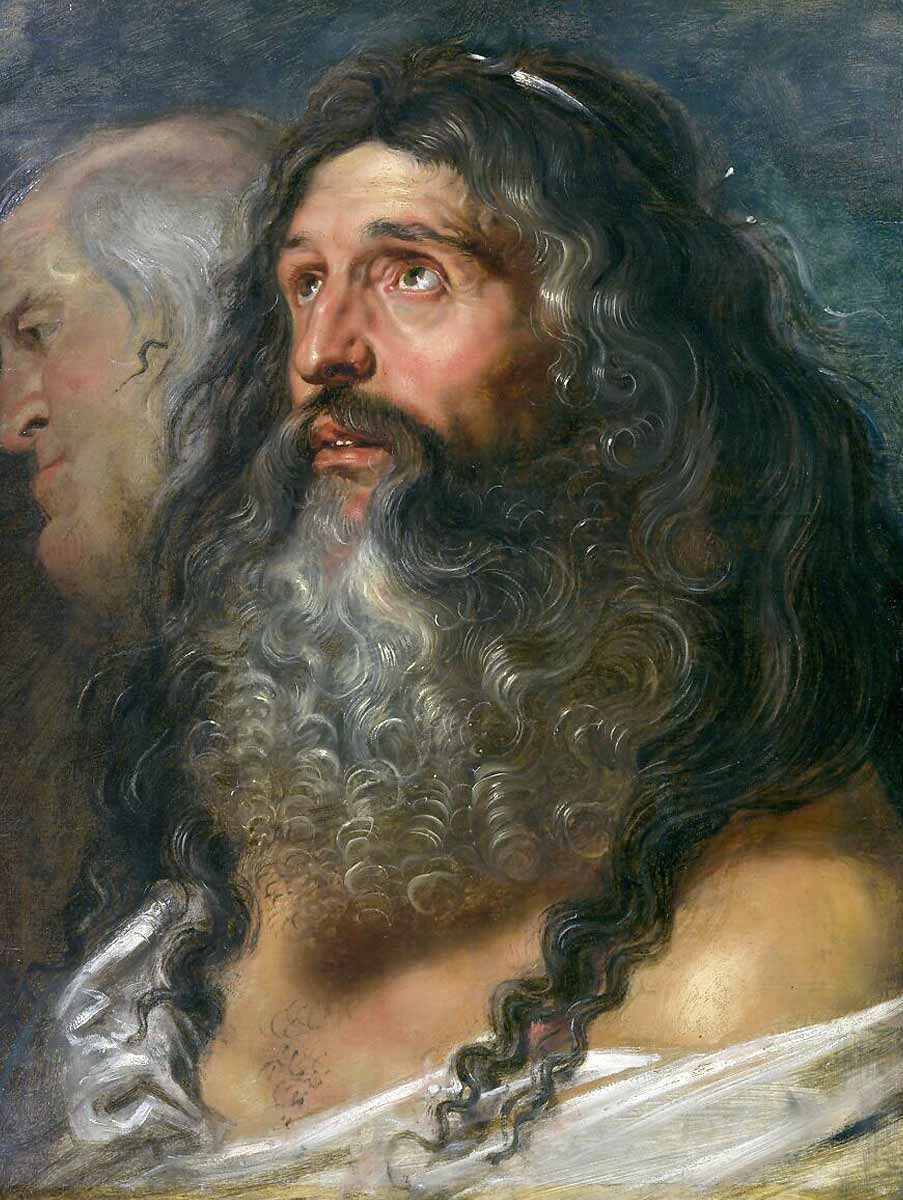
Nietzsche’s most ambitious and poetic work, Thus Spoke Zarathustra, serves as the stage where his ideas come alive through the imagery of Zarathustra. Rather than presenting philosophy in abstract arguments, Nietzsche delivers his message in parables, aphorisms, and symbolic language, making Zarathustra both a teacher and a dramatic character, and the book an amazing read even for people who don’t usually read philosophy.
At the core of Zarathustra’s teaching is the Übermensch, the figure who represents the future of humanity. Zarathustra declares that “man is something that shall be overcome,” pointing out that humans, as they are, remain bound by weakness, fear, and outdated values. The Übermensch is not a perfected human in a conventional sense, but rather a higher form of existence, someone who creates new values and lives with full affirmation of life. Humanity’s destiny is not to cling to old ideals, but to surpass itself.
“I teach you the Übermensch. Man is something that shall be overcome. What have you done to overcome him?
All beings so far have created something beyond themselves: and do you want to be the ebb of this great flood, and even go back to the beasts rather than overcome man?
What is the ape to man? A laughingstock or a painful embarrassment. And just the same shall man be to the Übermensch: a laughingstock or a painful embarrassment.”
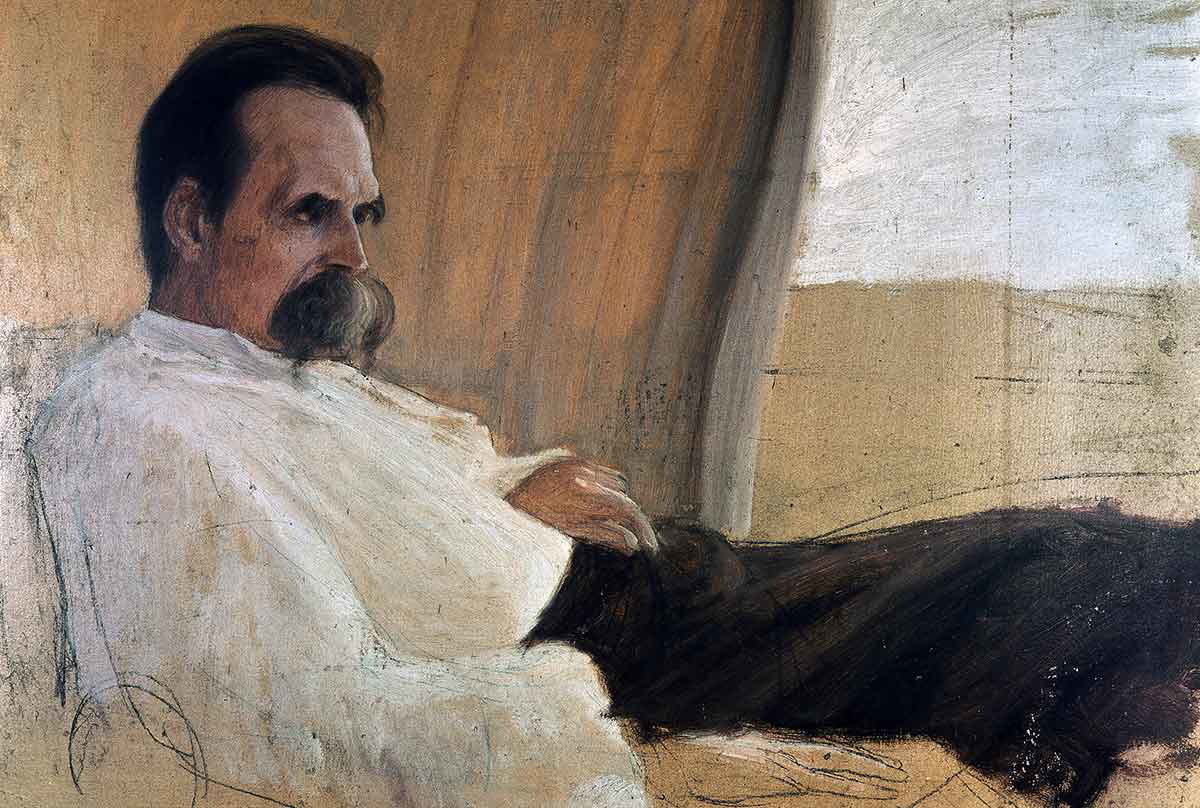
Contrary to the Übermensch, Zarathustra also speaks against the “last man,” a symbol of mediocrity and complacency. The last man seeks only comfort, safety, and pleasure, avoiding the risk of overcoming himself. In Nietzsche’s view, this figure embodies the danger of our modern culture of a passive humanity that refuses the challenge of growth.
Zarathustra also presents the eternal recurrence as both a burden and a test. To live as if one would willingly repeat every moment eternally requires an ultimate affirmation of life. This idea challenges individuals to consider whether they live authentically or whether they are weighed down by regret and resentment. Zarathustra’s message urges us to live in such a way that we can joyfully embrace our existence forever. To rise above nihilism, to embrace life with courage, and to create new values that affirm existence. It is a call not to conformity, but to greatness.
The Philosophy of Overcoming
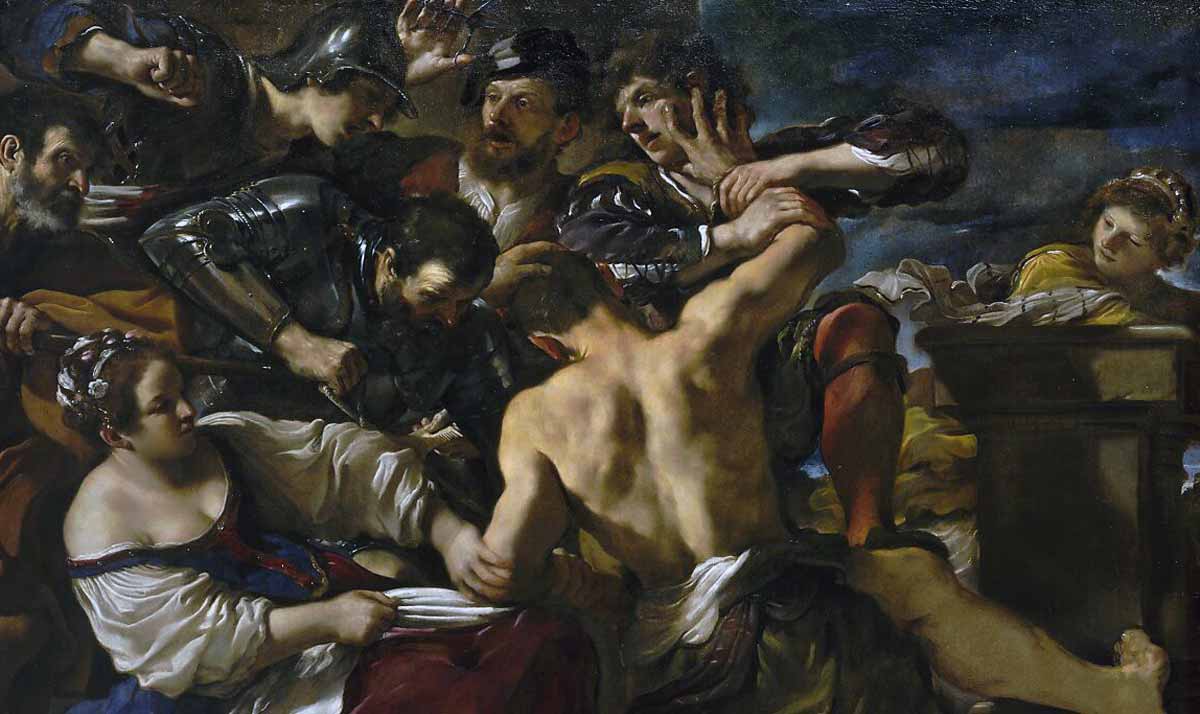
Considering all the points previously mentioned, it is clear to see that Nietzsche’s philosophy can be considered a philosophy of overcoming. For Nietzsche, life is not meant to be lived in passive acceptance or stagnant comfort, but in continuous struggle, growth, and transformation. The path to the Übermensch is paved through the act of overcoming, first overcoming external constraints, and ultimately, overcoming ourselves.
At the most basic level, overcoming involves breaking free from inherited beliefs and moral systems that no longer serve human flourishing. Nietzsche saw traditional morality, especially the morality of self-denial, humility, and obedience, as a form of “slave morality” that restricted human progress. Overcoming this requires a courageous rejection of values imposed by society, religion, or convention. Individuals must create their own values and standards that arise from their unique will to power and their affirmation of life.
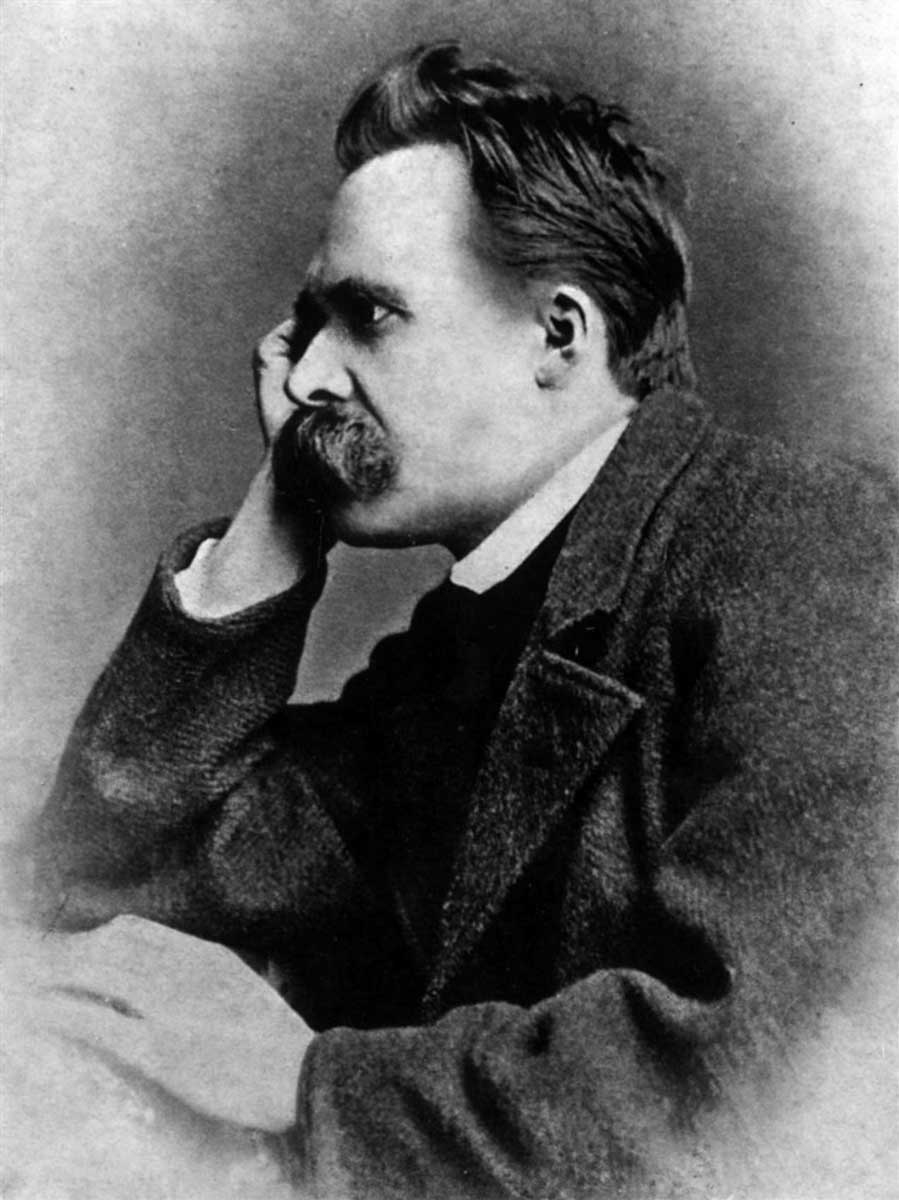
Yet, overcoming is not only about discarding the old, but also about confronting one’s own limitations. Nietzsche recognized that the greatest obstacles to growth are often internal feelings such as fear, resentment, guilt, and despair. To overcome oneself means to transform these weaknesses into sources of strength. Suffering, rather than being avoided, becomes a teacher. Struggle is not a curse but the very condition for growth. “What does not kill me makes me stronger,” Nietzsche famously wrote, capturing the essence of this transformative process.
Overcoming, therefore, is not a one-time achievement but a lifelong process. Each stage of growth reveals new challenges and requires renewed effort. Nietzsche envisioned human existence as dynamic, a constant becoming rather than a fixed being. In this sense, the philosophy of overcoming is both a struggle and a liberation, a philosophy that prepares the ground for the emergence of the Übermensch. Only through facing and surpassing challenges can one rise above nihilism, affirm existence fully, and embody the highest potential of human life.
Nietzsche’s Übermensch and a Glorious Death
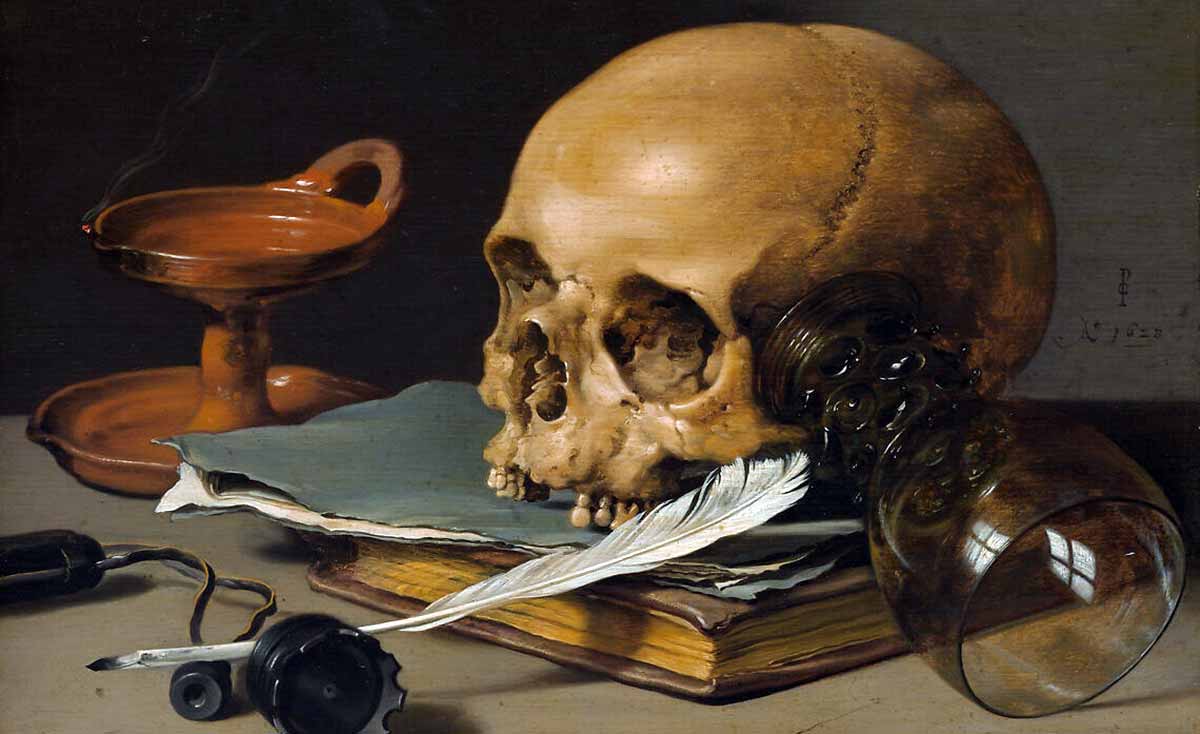
For Nietzsche, life and death are inseparable, and how one faces death reflects how one has lived. The notion of a glorious death is not about battlefield heroics as commonly seen in literature, but about meeting the end of life with dignity, courage, and affirmation. To Nietzsche, death becomes glorious when it is embraced as the final act of a life lived authentically, creatively, and without regret.
In Thus Spoke Zarathustra, death is not portrayed as a tragic collapse but as a culmination of a person’s life. Zarathustra speaks of the “free death,” a death chosen, faced without fear, and accepted as the natural conclusion of a life that has overcome resentment and embraced existence. The glorious death is not passive but active. A person should not simply fade away but die as they have lived, affirming their life choices until their last breath, much like Socrates did in Ancient Greece.
If one lives in such a way that every choice and moment could be repeated for eternity, then death ceases to be a terrifying end. It becomes the seal of affirmation, the proof that life was embraced fully and without denial. A glorious death is the affirmation that nothing was lived in vain.
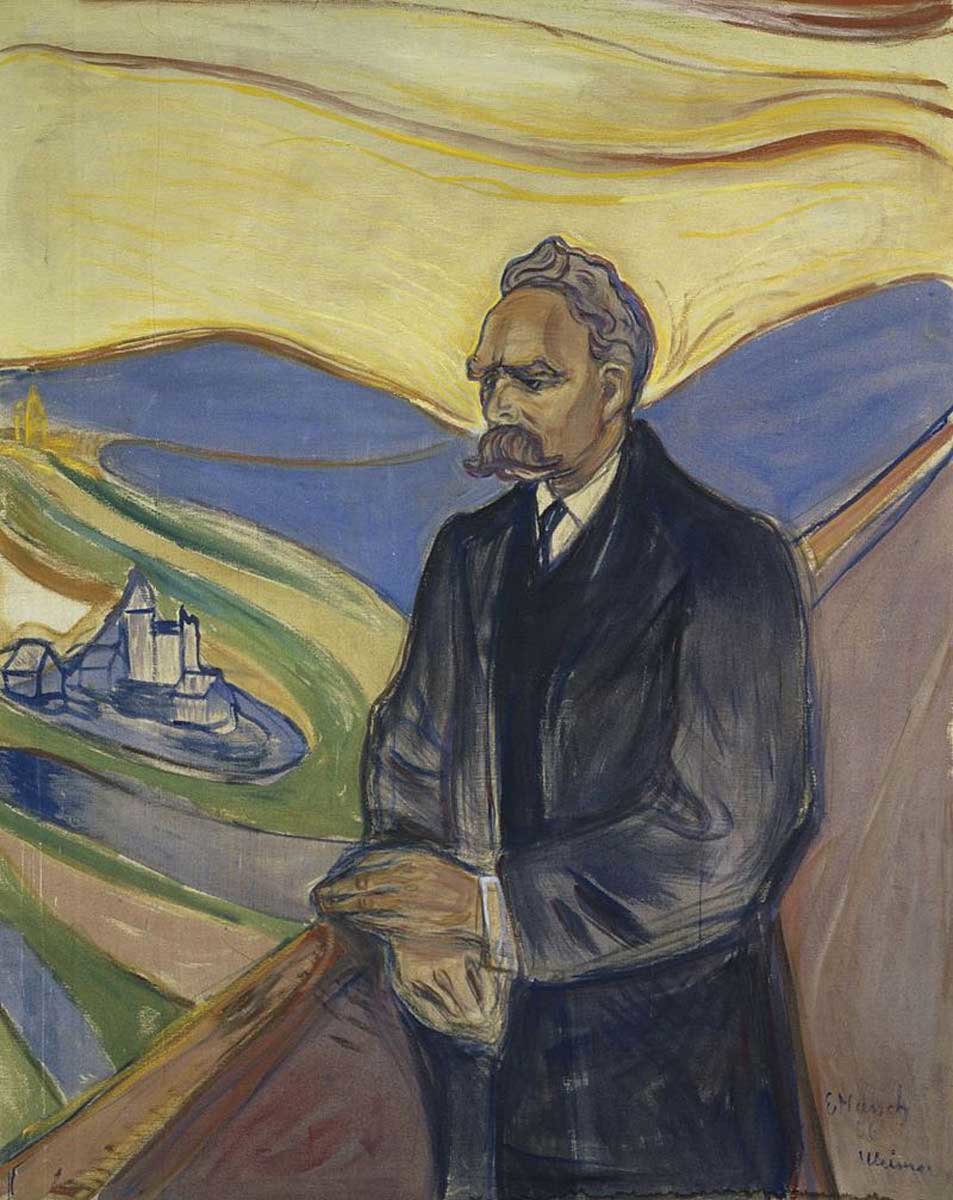
The last man, as opposed to the Übermensch, clings desperately to comfort and prolongs existence without purpose. Such a life ends in a small, fearful death, reflecting mediocrity and avoidance. The Übermensch, who has lived through overcoming, revaluation, and self-creation, accepts death as the final expression of strength.
A glorious death, then, is not defined by external circumstances but by inner posture. It is the readiness to face mortality with the same spirit of courage with which one has lived. To die gloriously is to die without regret, without resentment, and without longing for escape. It is to pass away as one who has fully affirmed life and transformed suffering into strength.
Nietzsche’s philosophy does not glorify death itself but what it represents: the crowning moment of a life that has dared to overcome, to create, and to affirm existence. For those on the path toward the Übermensch, a glorious death is the ultimate act of saying yes to life itself.