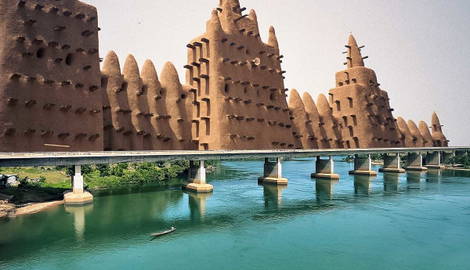
The Niger River was the lifeblood of the Songhai Empire, carrying food, trade, and armies through West Africa. From Gao to Timbuktu and Djenné, it linked the cities that defined centuries of history. Journeying along the Niger today is not as simple as it sounds, and it wasn’t easy centuries ago either, when caravans and boats braved long routes and rival powers. While tracing the river’s entire course may not be realistically possible now, exploring Songhai’s legacy remains very much a journey worth taking, if only in spirit.
The Niger River as the Lifeline of Songhai
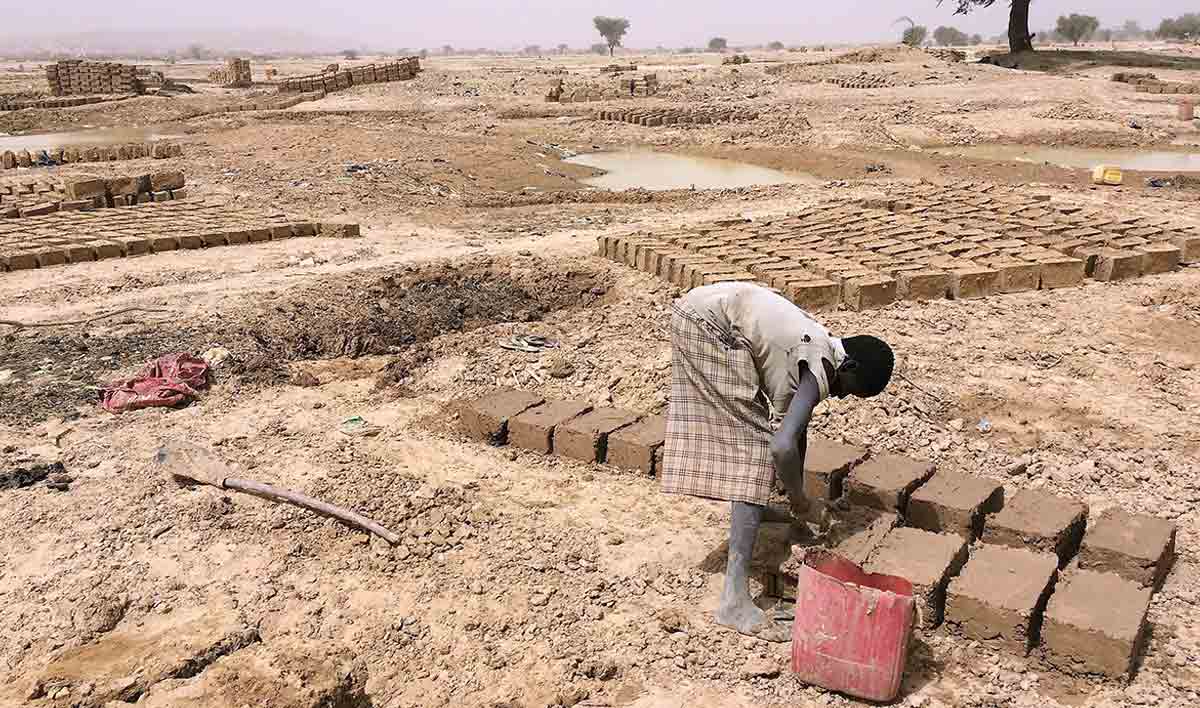
Spend a little time on the Niger and it is clear why the Songhai flourished here. By the 11th century, boats loaded with salt, gold, grain, and kola nuts moved hundreds of miles between towns. Floodplains nurtured millet and rice fields, while fishing kept communities supplied all year long. When caravans arriving from the Sahara intersected these routes, they turned the river into a verifiable crossroads of trade and cultures. It soon became clear that whoever managed to control the Niger would hold most control over the wealth and power of the whole region.
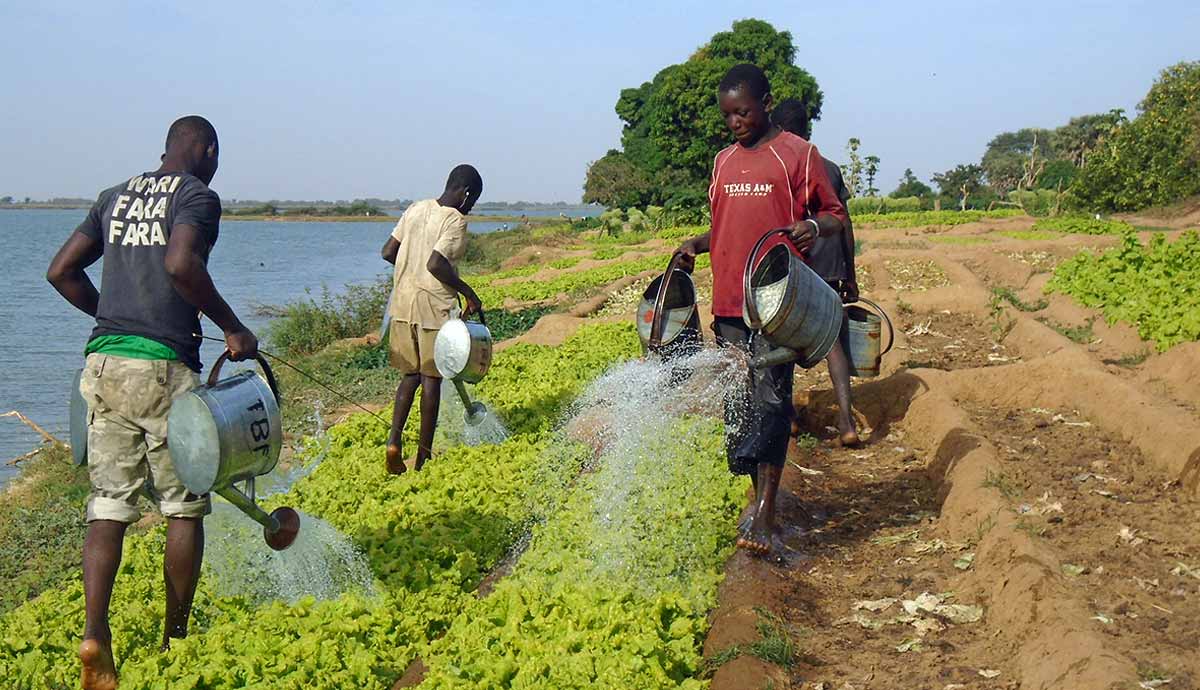
Fast forward to the 21st century, and you’ll find farmers still planting rice in the river’s shallows today, and fishermen continue to carve out a living in its waters. In this regard, little has changed since the empire days.
Gao, the Power Base of the Empire
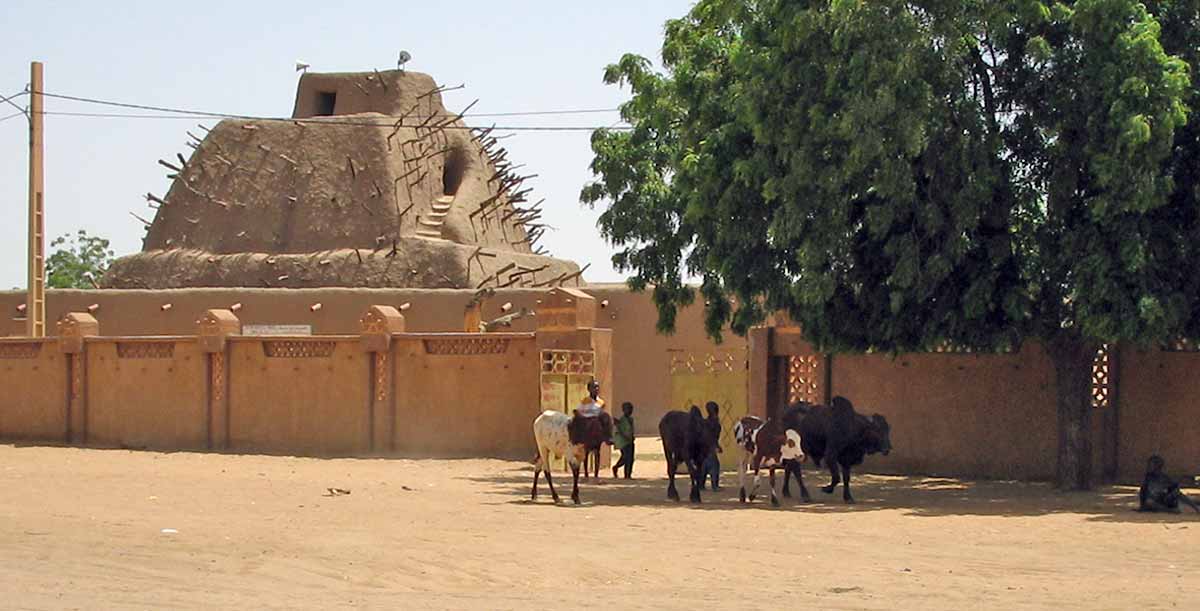
Gao grew on a strategic bend of the Niger and by the 11th century had become a thriving hub. Markets bustled with gold, textiles, and enslaved people, while salt caravans poured in from the desert. When Sunni Ali (ruled 1464–1492) and later Askia Muhammad (ruled 1493–1528) expanded the Songhai Empire into West Africa’s largest state, Gao was their long-established capital. Today, the city’s standout monument is the Tomb of Askia, built in 1495; a mud-brick pyramid that acted as a mosque and an impressive symbol of imperial authority. Askia Muhammad once reformed the empire’s administration after a pilgrimage to Mecca in 1497, blending Islamic law with traditional practices.
Travel today: The Tomb of Askia is a UNESCO World Heritage Site, and you are allowed to climb to the top of the tower to gain an incredible overview of the city that once commanded a formidable empire. First, though, you need to reach it. Travel here is sketchy and heavily restricted at the time of writing, but it is still possible with a reputable local travel agency. As always, check government travel advice before traveling.
Timbuktu, the Crossroads of Trade and Scholarship
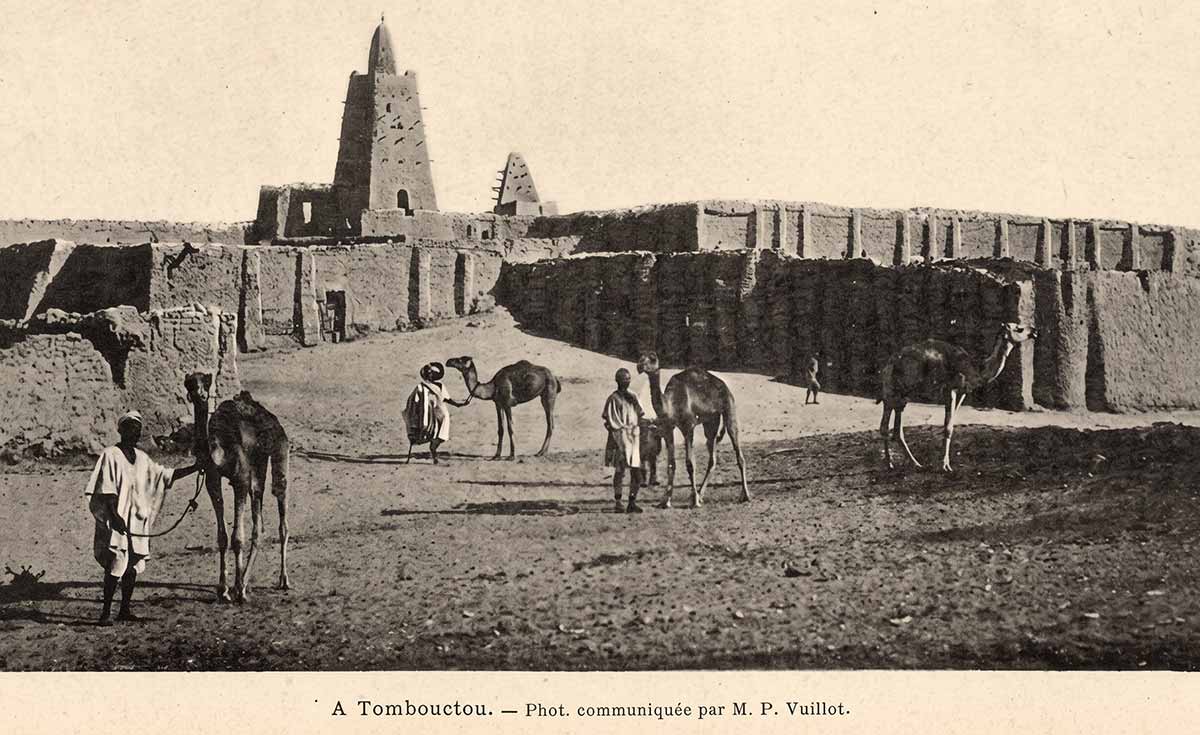
By the 14th century, Timbuktu had already gained a reputation that stretched far beyond the desert. Camel caravans arrived here from across the Sahara, unloading salt, gold, and goods along the banks of the Niger. Under Songhai rule, the city thrived, not just as a bustling market but as a place of ideas. Trade wealth supported schools and libraries where scholars copied thousands of manuscripts on medicine, astronomy, law, and poetry. The Djinguereber Mosque, built in 1327, remains a highlight, and hundreds of thousands of fragile manuscripts are now actively being preserved using the latest high-tech methods. The city was inscribed on the UNESCO World Heritage List in 1988.
In 1510, Timbuktu reportedly had over 25,000 students, making it one of the largest concentrations of scholars in the world at the time. Books here were considered more valuable than gold.
Travel today: Again, the travel advice here is not too promising due to current security risks. A few intrepid travelers do make it here and, if they do, they can tour the Djinguereber Mosque and glimpse manuscript collections like the Ahmed Baba Institute, where ancient texts are being digitized to protect them from decay and conflict. Take a virtual tour of the manuscripts, right here.
Djenné and the Traditions of Mud Architecture
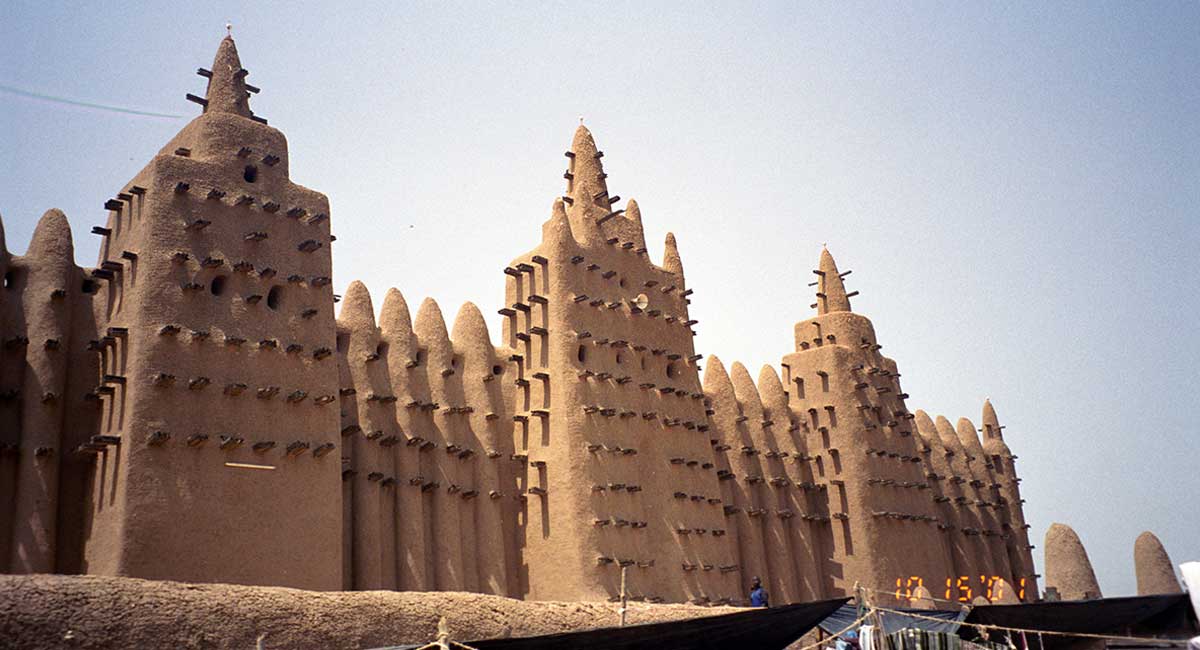
By the peak of Songhai rule, Djenné thrived on the Niger’s fertile floodplains, its markets teeming with salt, grain, and fish. Its most famous landmark is the Great Mosque, the world’s largest mud-brick structure, rebuilt in 1907 on the site of a 13th-century original. What makes it so remarkable is not just its impressive size, but its astonishing upkeep. Every year, in a festival-like tradition that has been going on for centuries, the community gathers to replaster the mosque with fresh mud.
Songhai Influence Along the River Into Niger
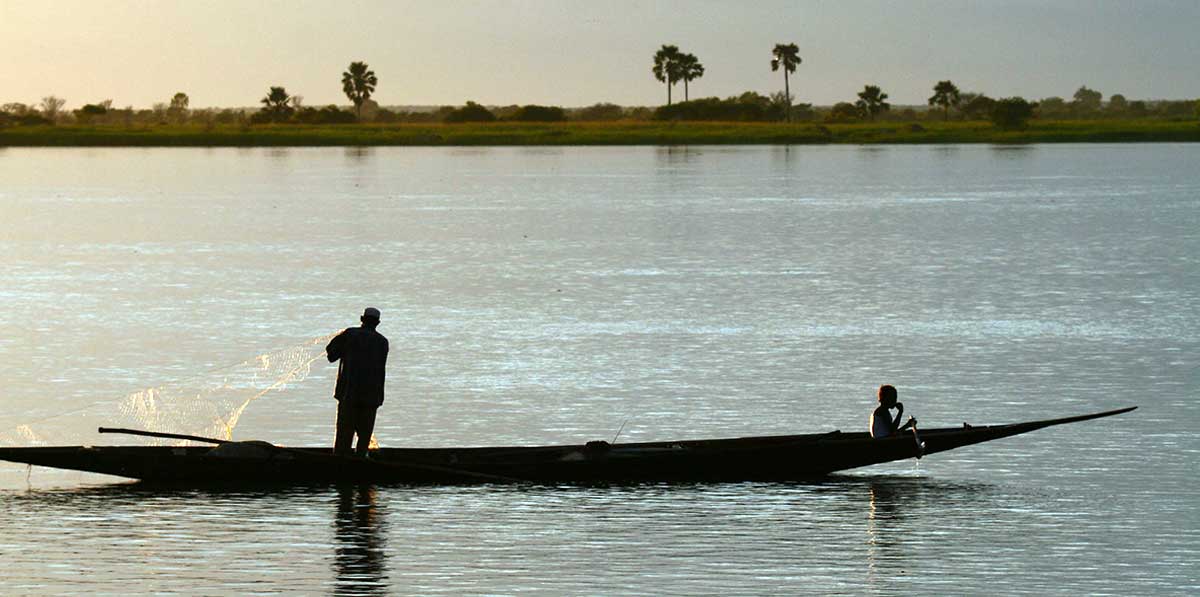
As the river winds into present-day Niger, you hear the quieter tones of Songhai life. Towns and villages never matched the grandeur of Gao or Timbuktu, but they carried on the empire’s traditions nonetheless. Markets still follow the old weekly cycles, fishing families depend on the river’s seasonal floods, and oral histories still recall ancestors who lived in more prosperous times.
The Decline and Legacy of Songhai
By the late 1500s, the Songhai Empire had stretched too far to remain sustainable. In 1591, Moroccan troops armed with arquebuses, a type of long firearm, crushed the Songhai cavalry at the Battle of Tondibi, just north of Gao. The empire collapsed, but its cities, their mosques, towers, markets, and manuscripts, endured.
Then and Now
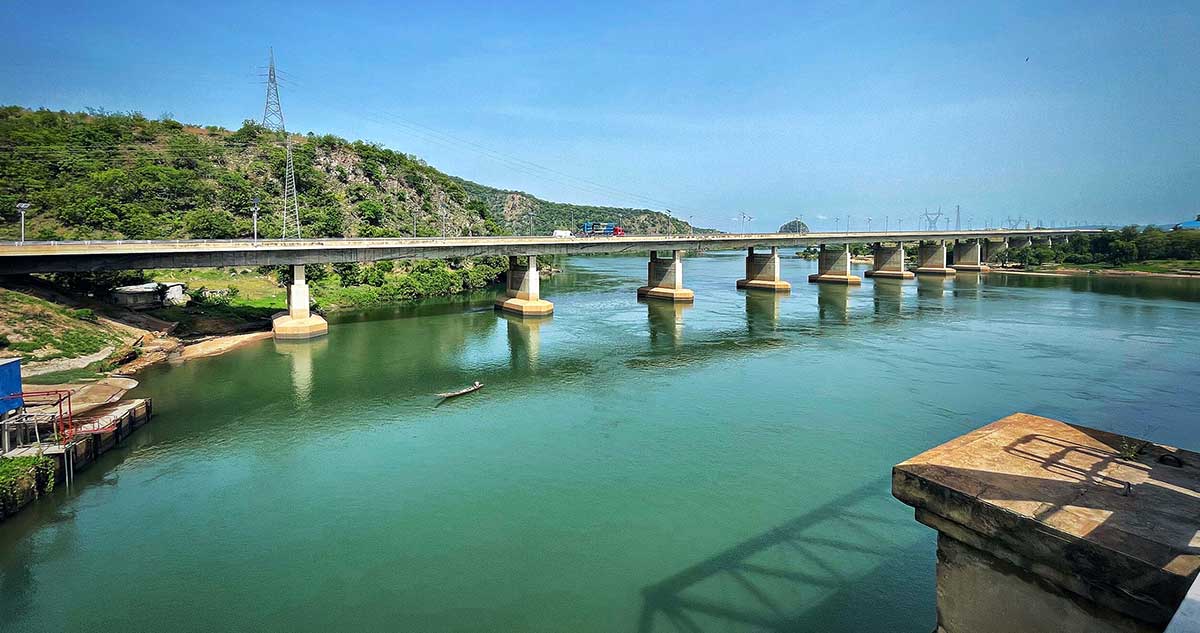
The glory of the Songhai Empire feels far removed from the realities of modern-day Mali and Niger. Rather than being dominated by intercultural trade, these fertile landscapes are now mainly marred by political and economic instability. Yet the river is still central to everyday life here, feeding farms and carrying trade, albeit limited, just as it did centuries ago. Mali’s economy has shown recent signs of growth, while Niger’s is developing on the back of oil and agriculture, though both face serious challenges.
Traveling the Niger itself is not realistic right now. Security risks mean boats no longer link Gao, Timbuktu, and Djenné as they once did. But the story of Songhai is still accessible to the curious and intrepid adventure-seeker. The journey may be figurative rather than physical for most, but it is still a trip for the ages.