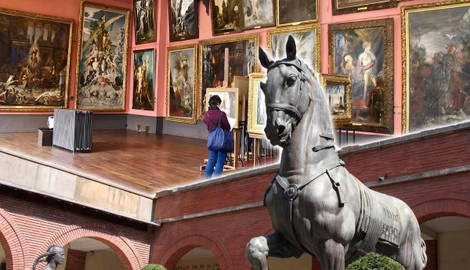

If you were itching to wait in line for something in Paris, you’d know exactly where to go. Indeed, the lines at the Louvre and the Musée d’Orsay can easily swallow your whole morning. Yet if you were to step off the main tourist trail, you’d discover a handful of fascinating museums few even know exist. They are the beautifully preserved private spaces where the city’s most famous artists worked and, in a few cases, also died. Each one is a glimpse inside the artist’s mind and, in the five cases below, their relentless obsessions.
1. Musée Gustave Moreau, 9th Arrondissement
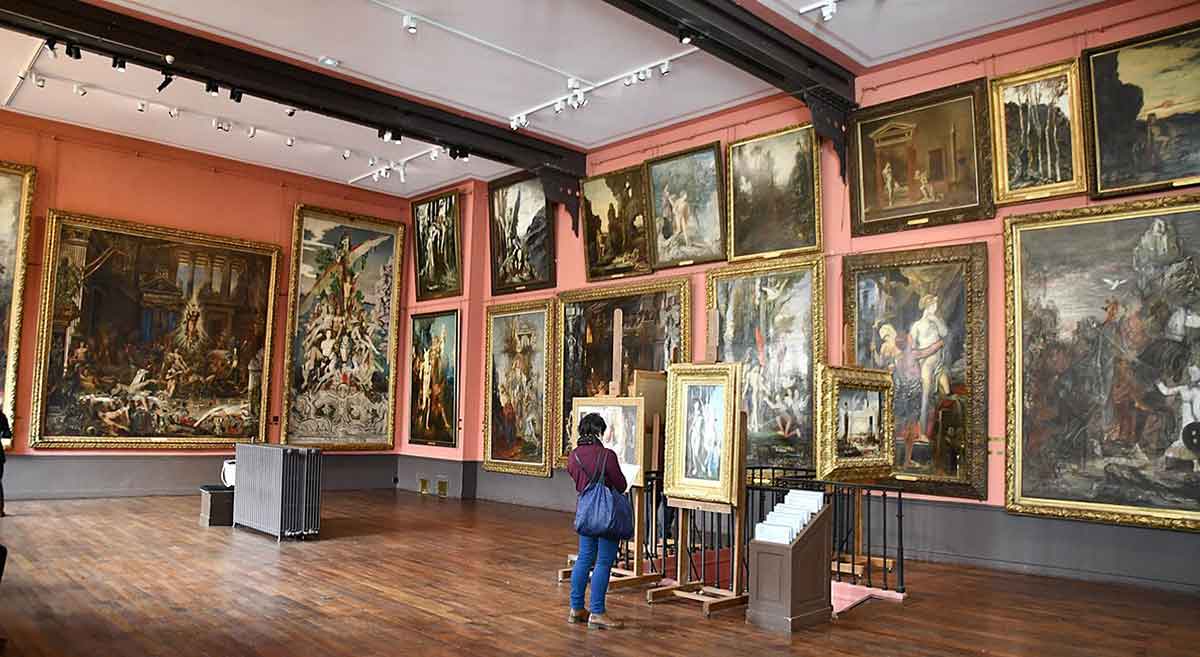
Gustave Moreau was so worried his work would be scattered and lost after his death that he did the most Gustave Moreau thing possible: he turned his own home into a museum to himself. The Symbolist painter, known for jewel-toned Salomes, unicorns, and other richly overindulged fantasies, spent his final years reshaping the family townhouse into a monument to his own work. He added two vast glass-roofed studios, linked them with a wrought-iron spiral staircase, and filled the walls from floor to ceiling with his paintings, including plenty he never even got to finish.
Moreau died in 1898, and the museum opened a few years later just as he’d left it. It still feels very much like a gorgeous space the artist might return to one day, and far less like an artist museum you ought to be lining up for.
2. Musée Bourdelle, Montparnasse
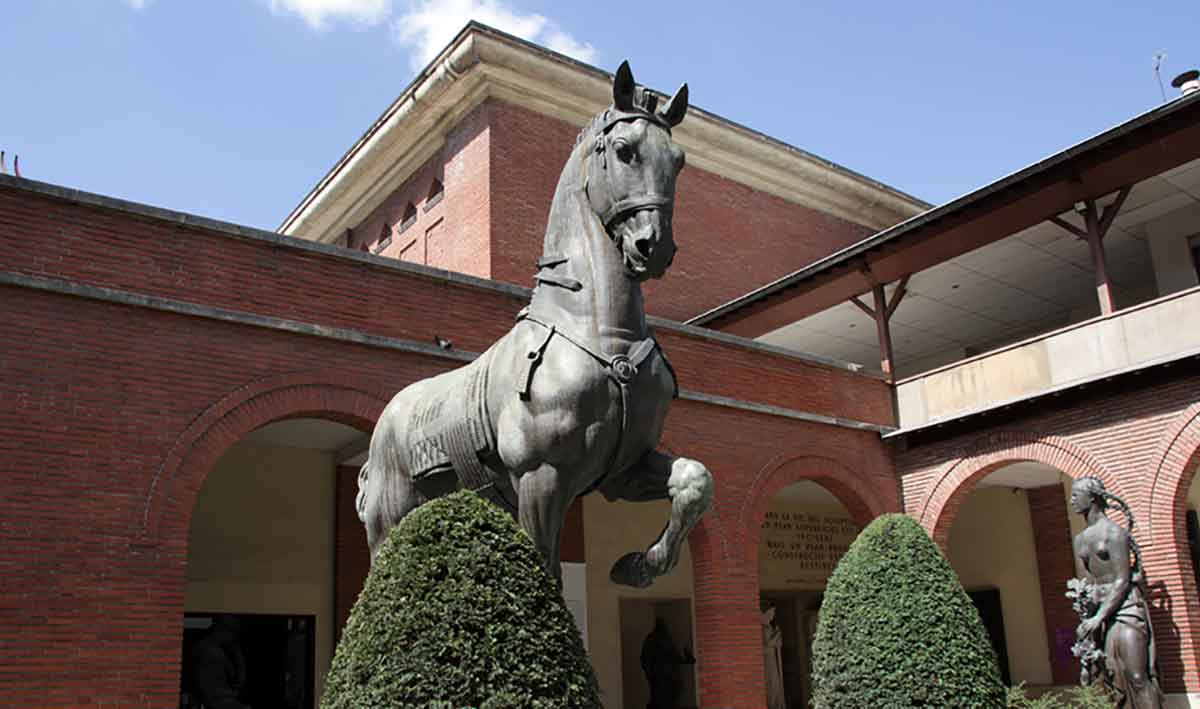
For 15 years, Antoine Bourdelle worked as Rodin‘s hands in the most literal of ways. He was the master carver who turned plaster into marble, the man behind the master’s finish. But Bourdelle wanted more than apprenticeship, and he eventually pushed toward a style of his own: monumental, severe, almost archaic, creating the kind of sculpture that seems built to outlast even the room it stands in.
His Montparnasse studio became the answer to his ambition. He began turning it into a museum in 1922, and the heart of it today is the Great Hall, a towering space full of ghostly plaster casts of his public works. The room still feels like a working studio, with worn tools, brick walls, and the sense that he might have stepped out for a minute to grab a packet of cigarettes and forgotten to come back.
3. Musée Zadkine, Near the Luxembourg Gardens
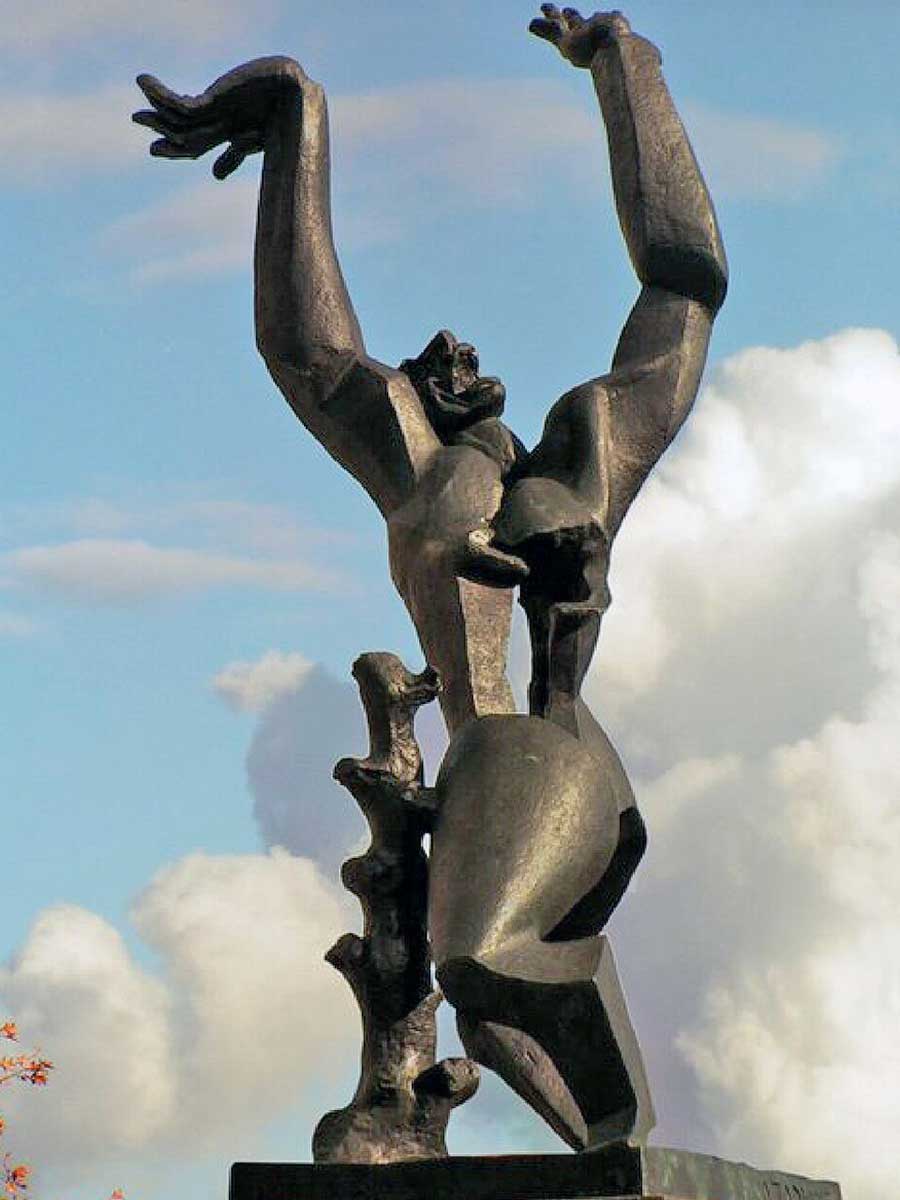
Down a leafy private alley just a couple of blocks from the Luxembourg Gardens is a house and garden that Ossip Zadkine called his “folie,” his jovial madness. The Russian-born Cubist moved here in 1928 for a quite practical reason, since the weight of his heavy wood and stone figures had started to crack the floor of his old upstairs studio. He needed to work at ground level, he decided, and in the glass-roofed studio he carved angular musicians and interlaced bodies straight out of tree trunks and raw blocks.
It was also here that he developed The Destroyed City, his memorial to Rotterdam after the 1940 bombing, a howling figure with a ragged hole blown clean through where its heart should be.
4. Musée National Eugène-Delacroix, Saint-Germain-des-Prés
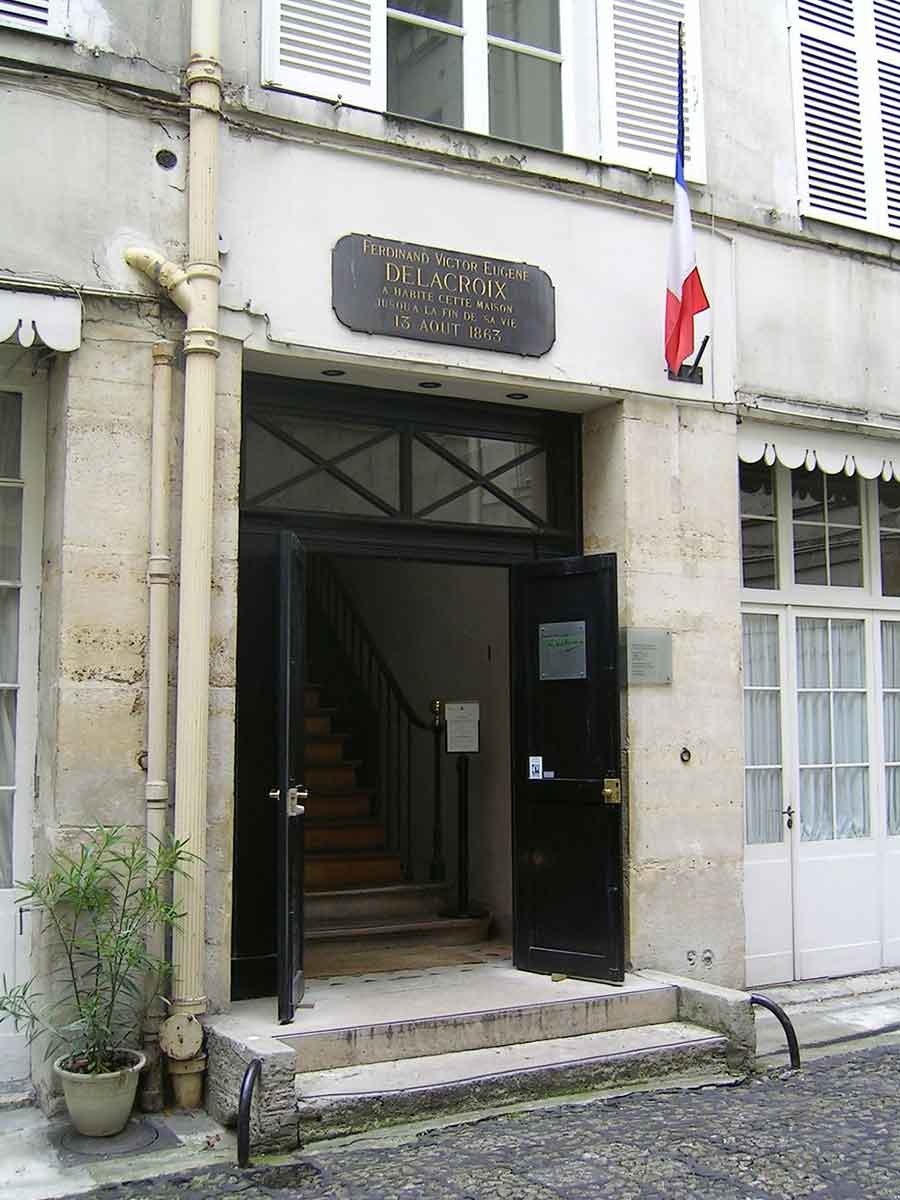
Near the end of his life, ailing and short of time, Eugène Delacroix pulled up roots and moved to a hushed little square in Saint-Germain for one reason. He needed to be steps from the church of Saint-Sulpice, where he was struggling to finish the frescoes in the Chapel of the Holy Angels, including his heaving Jacob Wrestling With the Angel.
Ever the great Romantic, by then far more famous for Liberty Leading the People, Delacroix had a studio built in the back garden and worked there until his death in 1863. The apartment and that garden studio survive only because a group of artists who revered him fought off the wreckers decades later. It is one of the loveliest and calmest corners on the Left Bank.
5. Musée National Jean-Jacques Henner, Plaine Monceau
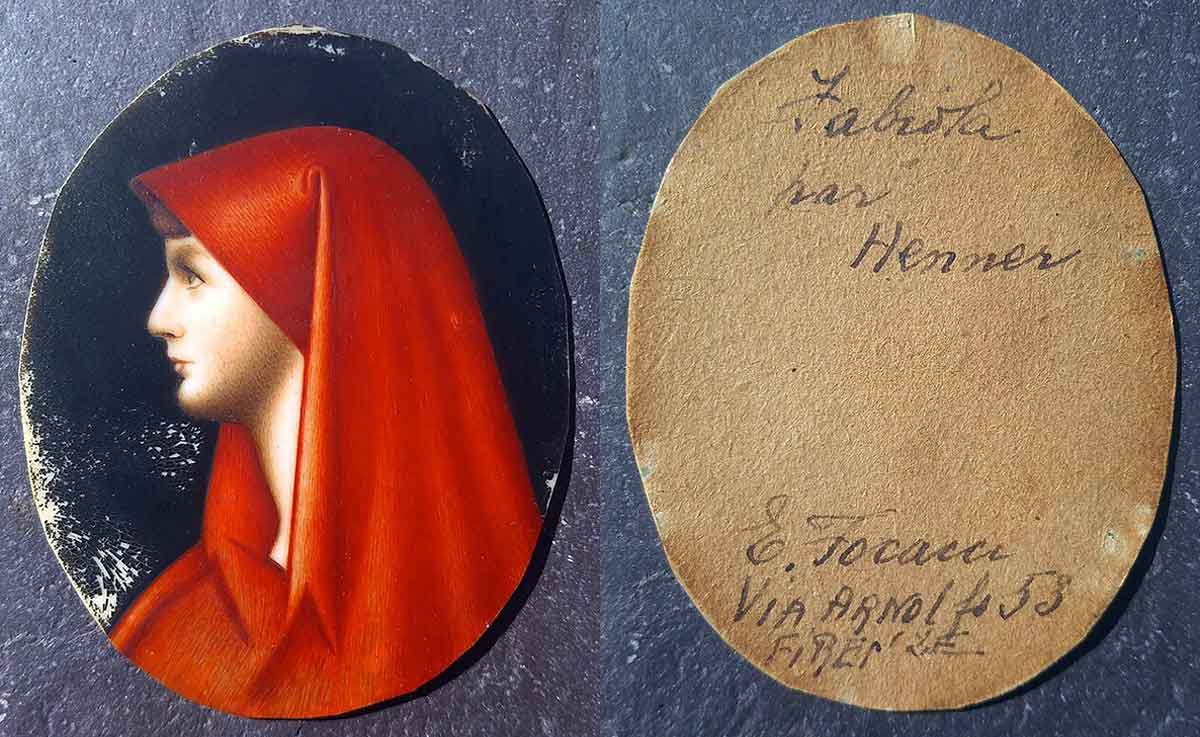
Jean-Jacques Henner painted the same type of woman over and over again for most of his life. She is consistently pale to the point of seeming ghostly, half-dissolved in a soft brown shadow, following the sfumato and chiaroscuro technique so adored by Renaissance painters.
In his portraits of the idolized woman, she is almost always red-haired, and his fixation with a very specific aesthetic was most immortalized in his painting of a 4th-century Saint named Fabiola. The original painting, which he did in 1885, was lost or misplaced in the following two decades, yet reproductions were so abundant at the time that we know exactly what it looked like.
Henner’s obsession fills a crimson mansion near Parc Monceau, hung with rank upon rank of these nearly identical Italian Renaissance-inspired nymphs and weeping figures. The really odd aspect is that this was never a house in which Henner lived or worked. It belonged to another painter and friend of his, Guillaume Dubufe, whose flamboyant winter garden and eclectic decor are still in place.
At most, it seems Henner attended just a few dinner parties here. After his death, his nephew’s widow bought Dubufe’s house from his heirs and filled it with his work, so the museum is essentially one man’s fixation staged inside another man’s artsy home.