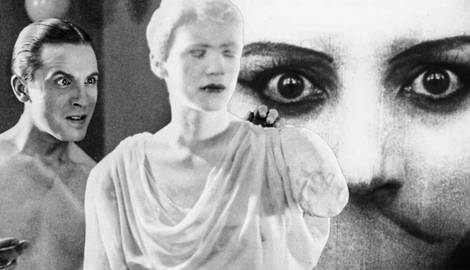

Surrealist film aimed to free cinema from its dependence on strict narrative and literary logic, exposing the darkest fears and deeper desires through seemingly absurd imagery. It relied heavily on dreams, fantasies, and psychoanalytic revelations. Famous movies like An Andalusian Dog or The Golden Age provoked violent outrage among the public and influenced generations of filmmakers. Read on to learn more about Surrealist film, its creators, and its main works.
Surrealist Film: New Medium for the New Art
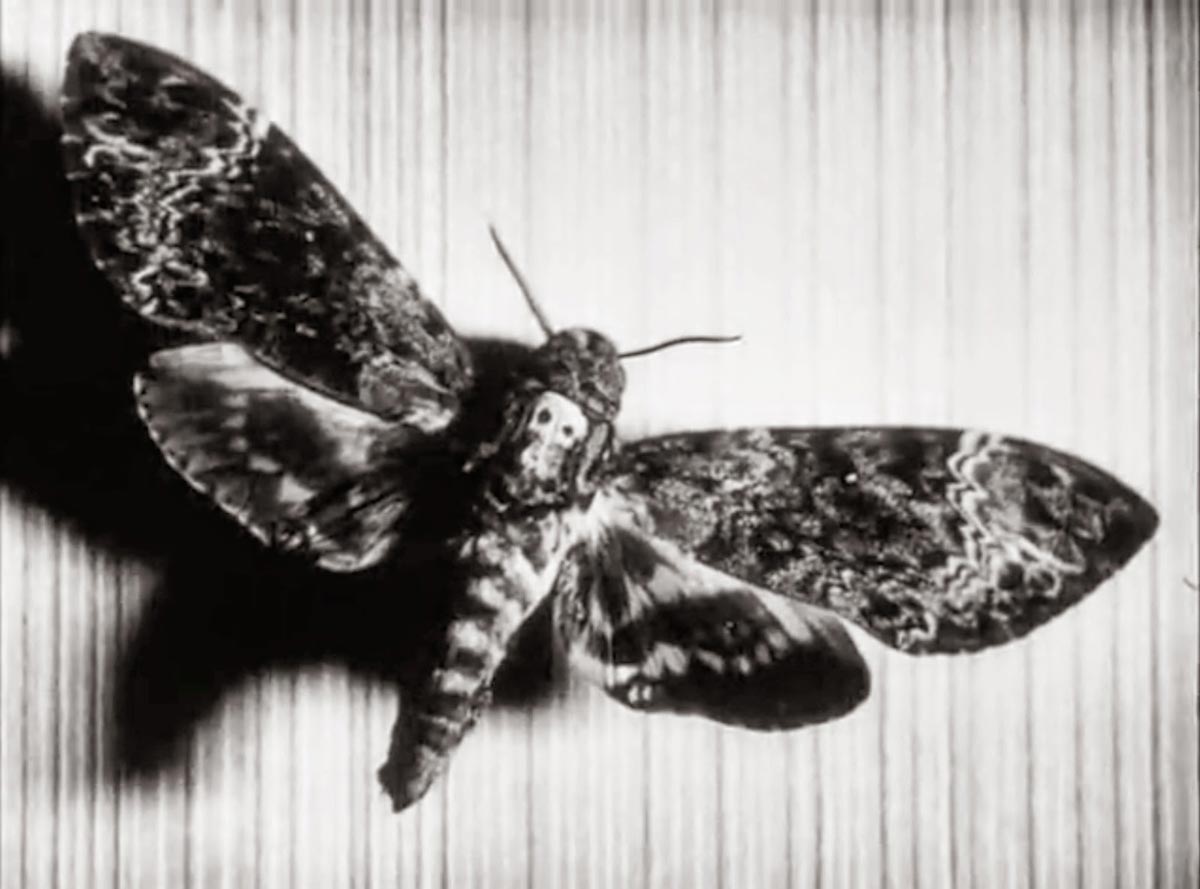
The Surrealist movement emerged from the literary exploration of subconsciousness, inspired by the newly emerged discipline of psychiatry. Developing in tune with its time, the movement made use of recent technological advancements, aiming to enrich contemporary artistic language and modes of expression. Film became the perfect medium for that, offering a convincing simulation of reality unrestricted by laws, norms, and logic.
Just like Dadaists who experimented with photography, Surrealists aimed to free the new mediums from their dependence on the old forms of art. In other words, photography did not have to correspond to the principles of painting and sculpture, and cinema had to break free from the laws of literature and its narrative structure. Most Surrealist films had no plot in the normative sense of the word. The scenes were absurd and seemingly disconnected, imitating a weird and detailed feverish dream. Instead of showing reality, it presented non-existing realms that bent time and space to their will, ignoring the earthly logic and norms. Just like other forms of Surrealist art, their films relied heavily on psychoanalysis and theories of the subconscious. In seemingly normal settings, terrible visions of violence and depravity revealed the deepest desires and traumas of the human spirit.
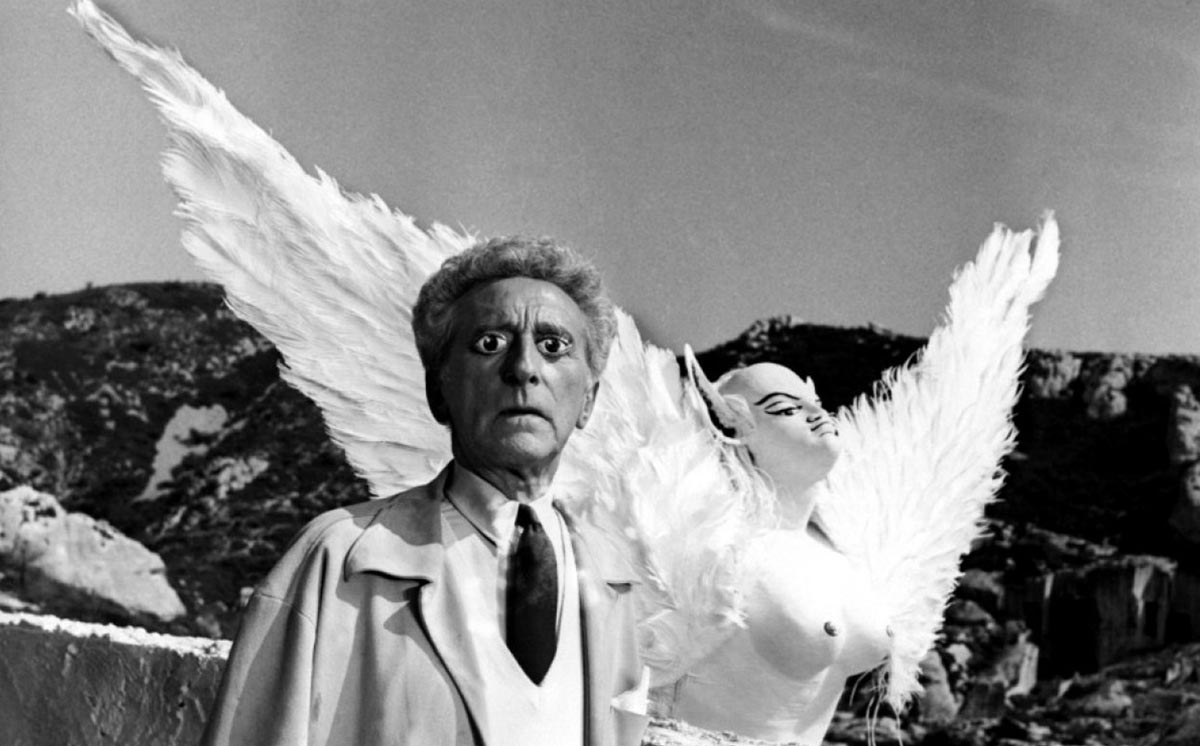
Surrealist films were meant to shock the viewer, inciting an active reaction instead of passive contemplation. Everyday objects and situations receive a haunting and shocking twist, and the character is unable to fight the depraved world around him. The most famous Surrealist filmmaker who excelled at the art of provocation was the Spanish director Luis Buñuel. Famous artists like Salvador Dali, Marcel Duchamp, and Jean Cocteau worked with the new art form, creating one of the most remarkable examples of experimental artistic film.
1. The Most Famous Surrealist Films: An Andalusian Dog, 1929
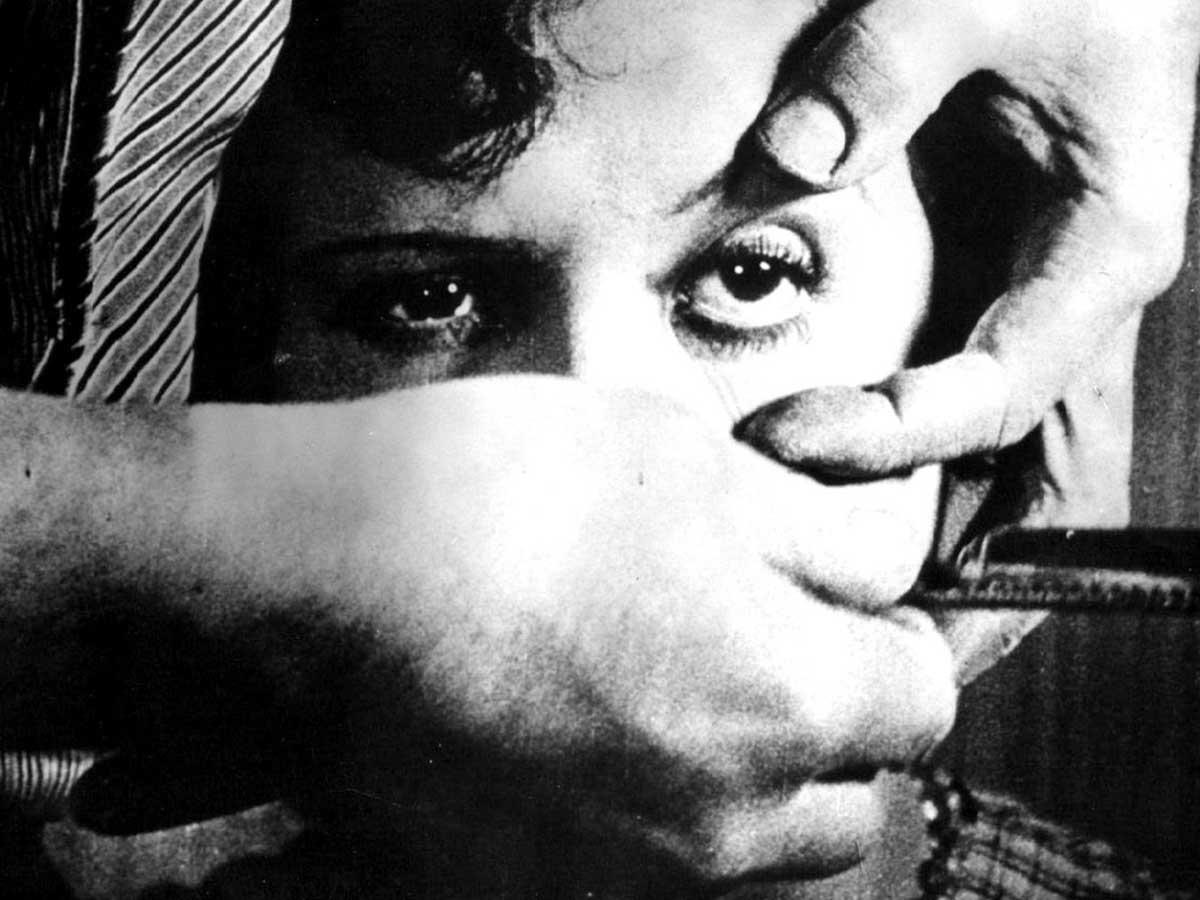
The legendary film by Salvador Dali and Luis Buñuel continues to inspire fear and admiration, shocking and surprising even the most experienced viewer of the twenty-first century. A chaotic set of shocking imagery combined rotting animal corpses, an eyeball cut with a razor, a man covered with crawling ants, and numerous scenes of death and mutilation. The film follows a couple in an unclear relationship during various stages of their lives and deaths.
The movie premier was a great success and, simultaneously, a great disappointment to its creators. Both Dali and Buñuel expected a violent reaction of hatred and disturbance. Before the screening, Buñuel even stuffed his pockets with stones to protect himself from the expected physical attack.
The infamous scene of a woman’s eyeball cut with a razor was the product of clever manipulation. The episode supposedly originated from the dream of Salvador Dali, in which a cloud sliced an eye-shaped moon. Buñuel filmed the scene using a closeup of a donkey’s eye being cut and combined it with the shot of the actress’ face. The film’s leading star, Simone Mareuil, became instantly famous after the movie premiered, yet her fame did not last. She struggled to find new film roles and succumbed to deep depression. In 1954, the distressed and forgotten actress burned herself alive on the town square of her native Perigueux, France. Twenty years before, her co-star Pierre Batcheff also committed suicide, deliberately overdosing on drugs.
2. Mechanical Ballet, 1923-24
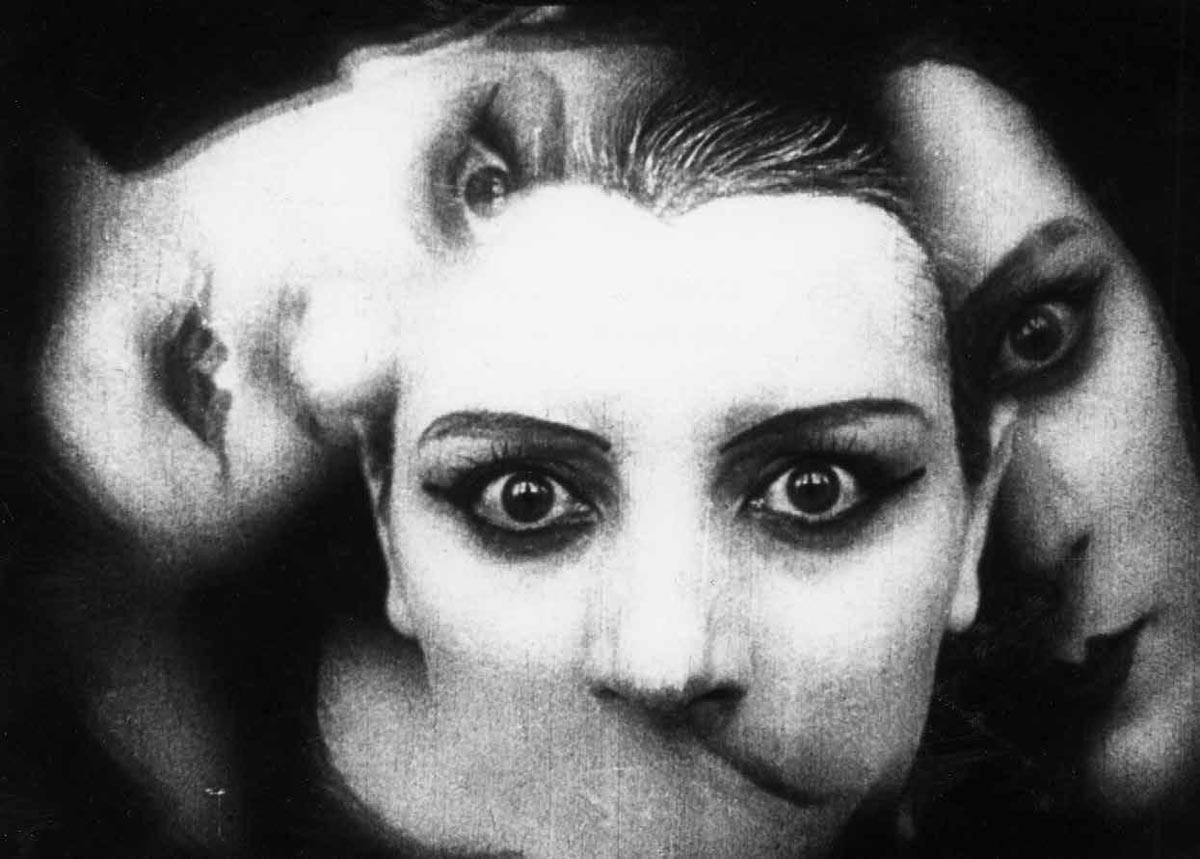
Although the film by the French artist Fernand Leger is often labeled as a Dadaist project, the Mechanical Ballet was an important step in the domain of artistic film and the precursor of later Surrealist works. The film indeed presented a ballet performance, but instead of human dancers, pieces of machinery, gears, and pipes performed kaleidoscopic motions, nauseating and mesmerizing. Among mechanisms, only one living being appears—the famous model and artist Kiki de Montparnasse. She herself looks part human, part machine, the product of her chaotic and loud era of metal rumbling and rattling. Leger’s obsession with mechanisms came after his traumatic experience in World War I. Shocked by the force of destruction imposed by artillery and aviation, he created images of machinery arranged in patterns and complex compositions with a purpose that was not obvious.
3. The Golden Age, 1930
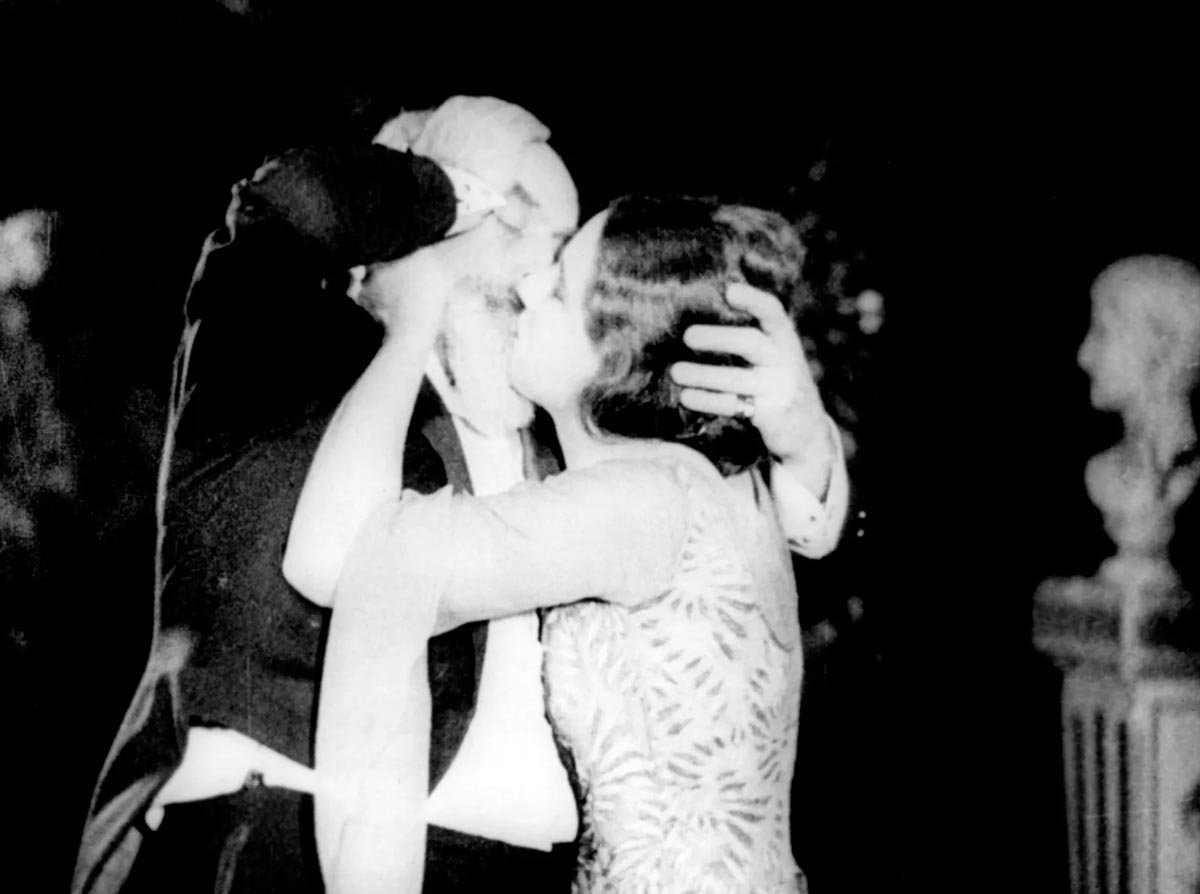
Directed and filmed by Dali and Buñuel, The Golden Age was planned as a sequel to the Andalusian Dog—not in terms of plot, of course, but rather thematically and aesthetically. Its message was slightly more obvious: a film full of explicit scenes and religious symbols mocked the hypocrisy of bourgeois morals and the fragile Christian norms.
Unlike the first film, The Golden Age did not meet much enthusiasm from the audience. This time, the reaction remained in history as a vicious attack on modern art and its priceless artifacts. In December 1930, the film screening in the avant-garde theater Studio 28 was interrupted by the attack of a pro-fascist mob who called themselves The League of Patriots. Offended by the film’s content, they poured ink on the screen and physically attacked visitors.
On their way out of the scene, they slashed several paintings by Joan Miro, Yves Tanguy, Man Ray, and Salvador Dali that hung in the theater’s lobby. Most of the works were damaged beyond repair or they disappeared. However, one of Tanguy’s works, titled Fraud in the Garden, has recently resurfaced in a private collection, restored to almost perfect condition. Following the initial outrage, the film was banned from public screenings and forgotten for decades, regaining its audience only in the 1970s.
4. The Blood of a Poet, 1932
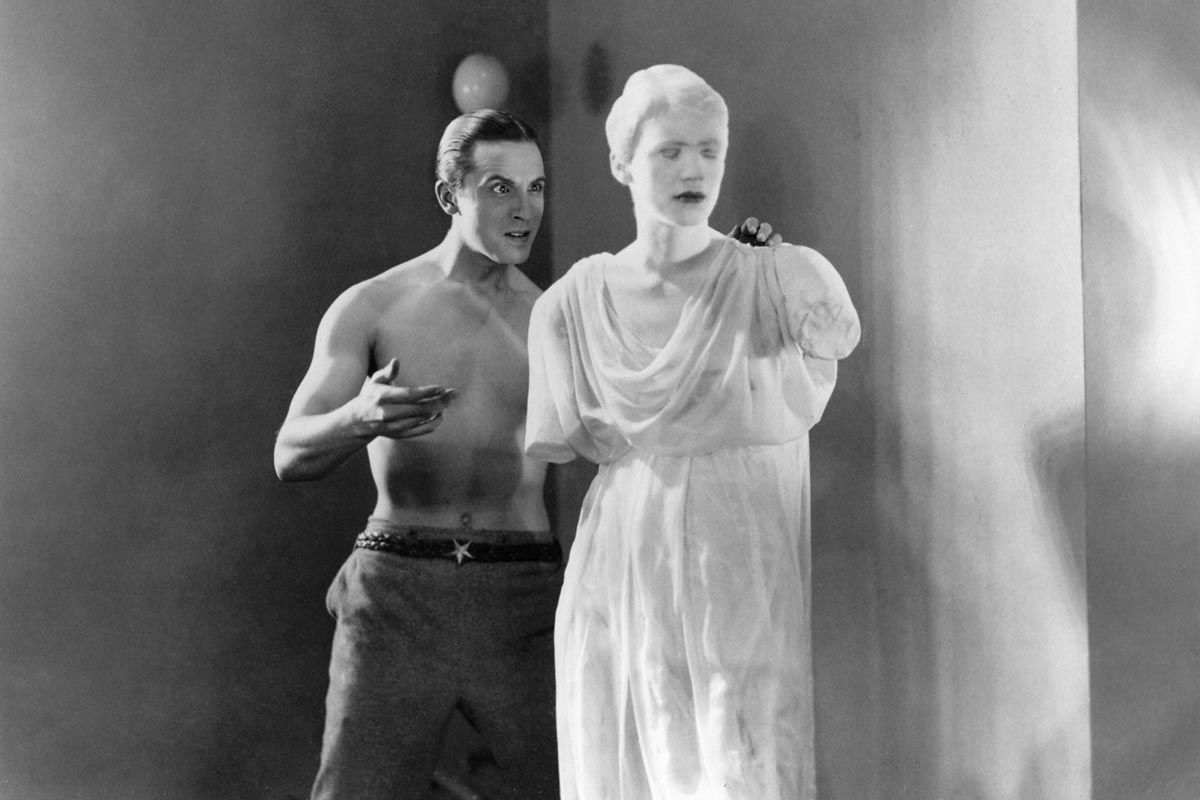
Jean Cocteau, the famous poet, artist, designer, and film director made his film debut in 1932, soon after Louis Buñuel’s rise to fame. As a result, their works were sometimes confused. Cocteau’s film included a brilliant cast of creatives who today have become the legends of modern art, including the cross-dressing acrobat Barbette. This was the only film role of the famous model and photographer Lee Miller. Miller was a remarkable creative: from the Surrealist muse and aspiring artist, at the beginning of World War II, she turned into a war photographer. In April 1945, she filmed the liberation of Dachau concentration camp. The directorial debut of Cocteau explored artistic inspiration and creativity. An artist travels through mirrors and witnesses absurd scenes of death and violence. He gives life to a marble sculpture (played by Lee Miller) only to succumb to its destructive influence and shatter it later.
5. Anemic Cinema, 1926
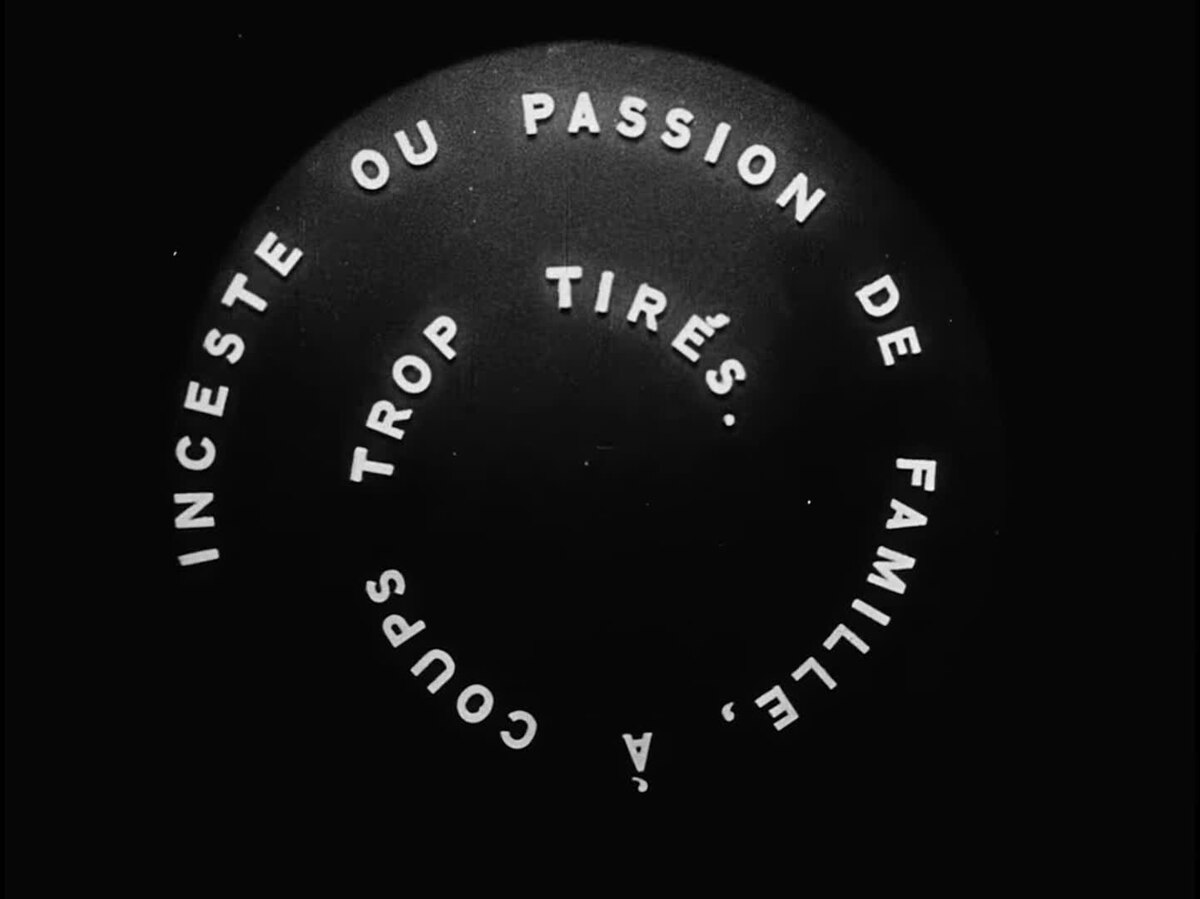
No other figure in the history of Western art has been as prolific and multi-faceted as Marcel Duchamp. His film experiments, like most of his other work, balanced on the verge of the intellectual and the obscene. Anemic Cinema is not even a film in the present-day sense, but a collection of puns and alliterations presented in front of a hypnotizing vortex. The phrases, seemingly nonsensical or taken out of context, turn into erotic suggestions or crude jokes when said out loud. According to the film credits, the director of Anemic Cinema was not Duchamp but his female alter ego, Rrose Selavy. Rrose Selavy, a woman with a passion for crude scatological humor, represented the other side of Marcel Duchamp’s identity as a refined intellectual.
Surrealist Film Today
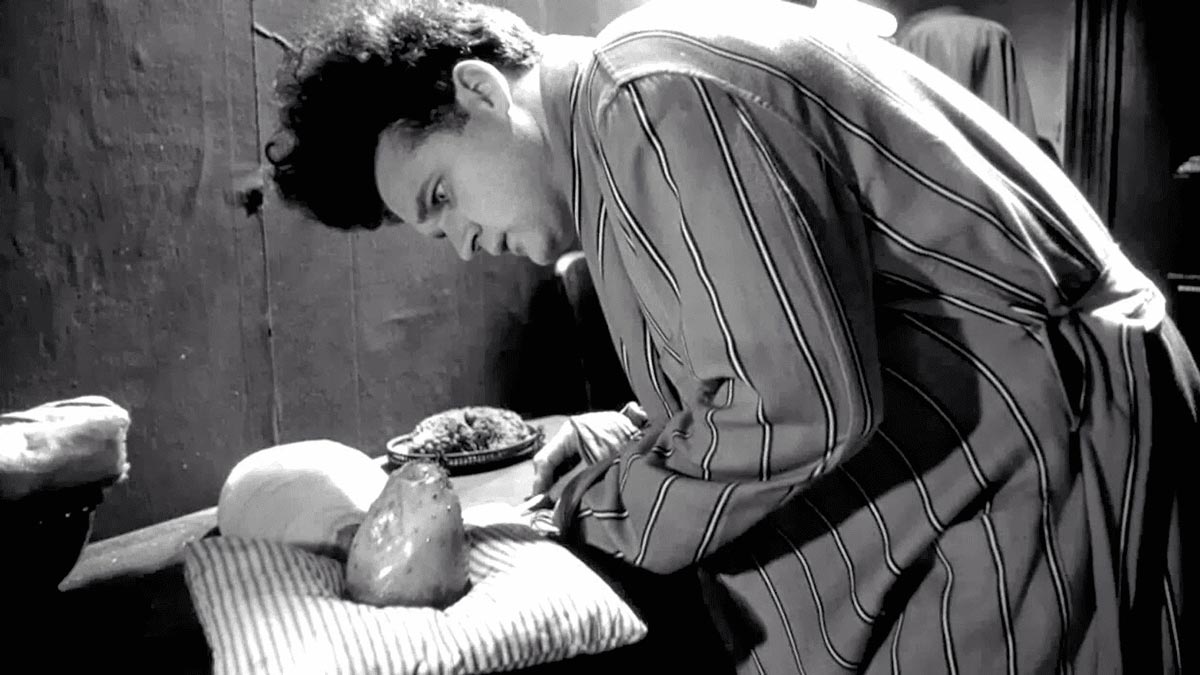
Today, the legacy of the Surrealist films has mostly moved into the domain of creative experiments that can be seen in video art. However, some filmmakers reference it and implement its principles into contemporary works. Perhaps the most famous heir to the Surrealist film tradition is the American film director David Lynch. The 1977 film Eraserhead presented the Surrealist horror unfolding amid a decaying industrial cityscape. The leading character is left to care for his severely deformed child, which turns out to be a gory mess of body organs held together by bandages.
Deemed one of the most shocking films ever made, Eraserhead launched Lynch’s career and established his visual language. Other filmmakers, such as Charlie Kaufman, the director of I’m Thinking of Ending Things, bend the expected logical and temporal narratives in a similar way. Throughout the century of its existence, Surrealist film insisted on making its audience both captivated and severely uncomfortable, imitating the experience of a weird, never-ending dream.