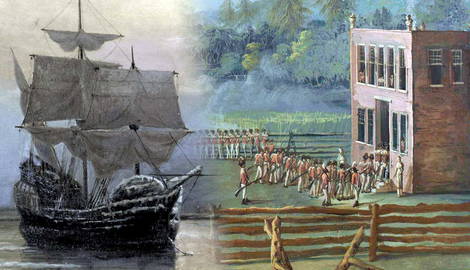

Thanksgiving is an annual holiday that takes place throughout the United States on the fourth (usually last) Thursday of November. Typically associated with family get-togethers and feasts including turkey, cranberries, and pumpkin pie, Thanksgiving has a long history that dates as far back as the early settlers in Plymouth. The feast was traditionally associated with celebrating a peaceful union between Native Americans and European colonizers in autumn during the year’s harvest. Thanksgiving remains a controversial event, and critics argue that it glosses over the brutal conquest faced by Native Americans during the early colonial era.
The Fragile Survival Pact Behind the 1621 Gathering
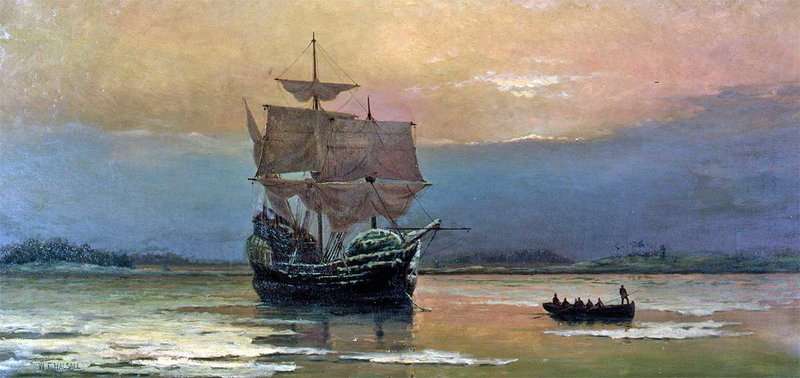
One of the earliest and most popular possible origins of Thanksgiving took place among the Plymouth colonists and the Native American Wampanoag people. In September 1620, the Mayflower set off from Plymouth, England, carrying a small crew and 102 passengers, only about a third of them religious Separatists and the rest hired craftsmen, servants, and other settlers the Pilgrims called “Strangers.” Each had grand ambitions of traveling to the so-called “New World” and establishing a new community.
After a grueling journey lasting 66 days, the ship anchored off the tip of Cape Cod in November 1620, and in December the settlers chose a site across Cape Cod Bay at Plymouth. The first winter they endured was extremely harsh; many continued to live on board the ship to escape the severe weather. By the spring, only half of the original travelers had survived, and many of those remaining were in poor health.
In March 1621, the remaining settlers, or Pilgrims, came ashore. Fortuitously, they were greeted with friendship by a member of the Abenaki tribe, who spoke to them in English. They were also visited by another Native American, Tisquantum, better known as Squanto, a Patuxet man who had been kidnapped and sold into slavery before returning home to find his village wiped out by an epidemic. He taught the Pilgrims how to plant corn using fish as fertilizer, where to catch eels and fish, and how to gather wild foods, and he served as their interpreter with the Wampanoag leader Massasoit.
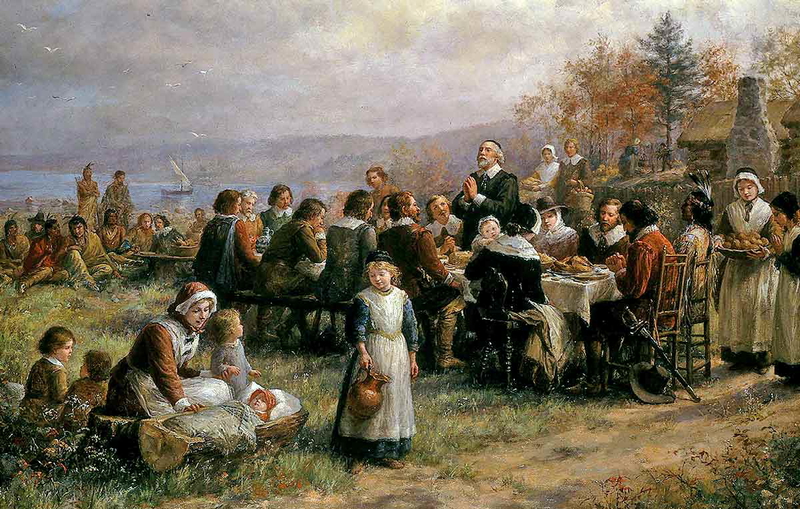
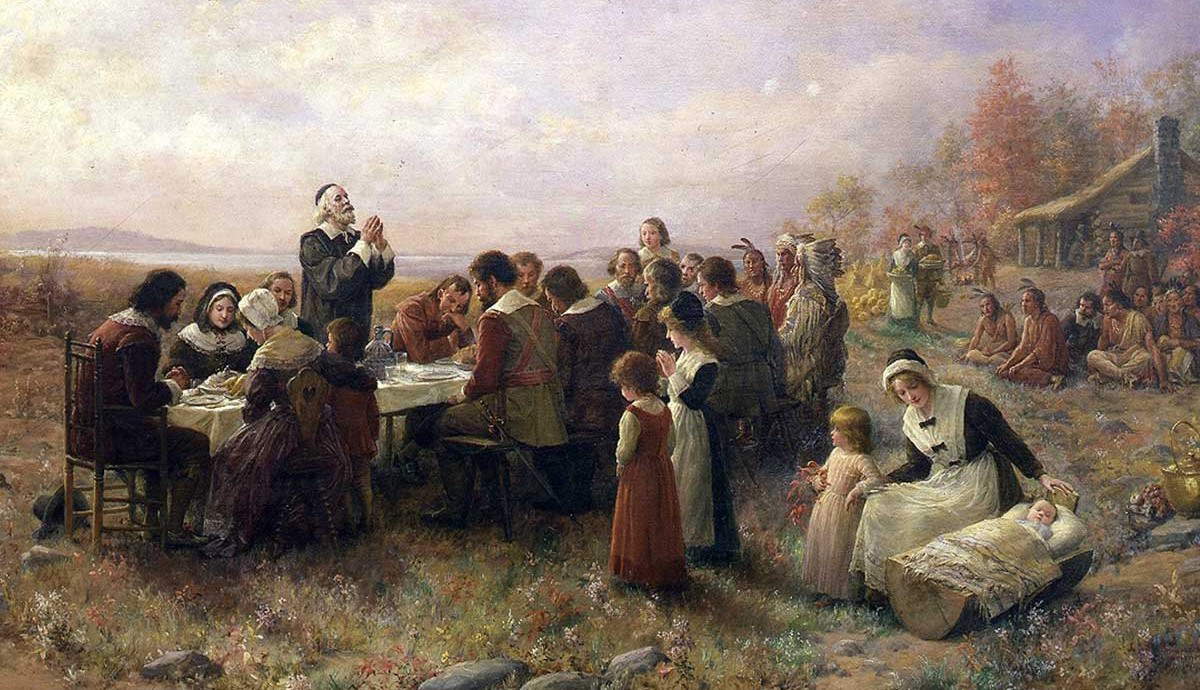
The Pilgrims brought in their first successful corn harvest in the autumn of 1621. To celebrate, the Pilgrim Governor William Bradford organized a feast, which was attended by famed Wampanoag leader Massasoit and many of his men, an event that is widely considered the first Thanksgiving feast in US history. The alliance between the settlers and the Wampanoag held, often uneasily, for more than 50 years, until it collapsed in King Philip’s War in 1675. It was a remarkable moment in American history, when European colonists and a Native American nation lived together in relative peace.
What the Colonists and Wampanoag Actually Ate
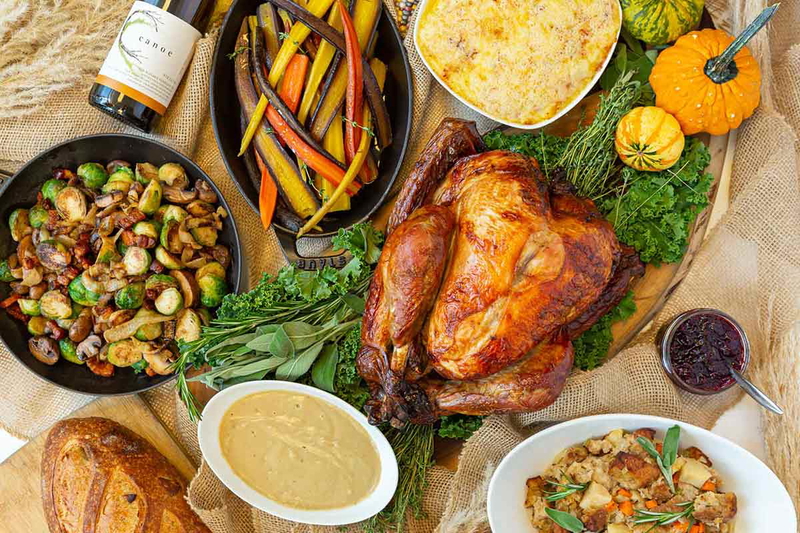
There is little evidence of the food that was actually eaten during the earliest Thanksgivings. It seems certain that traditional Native American cooking methods and spices would have influenced the feast, but the only foods known for certain were wildfowl that the men hunted and five deer brought by the Wampanoag, which one Pilgrim highlighted in a letter to a friend:
Our harvest being gotten in, our governor sent four men on fowling, that we might after a more special manner rejoice together, after we had gathered the fruits of our labors. They four in one day killed as much fowl as, with a little help beside, served the Company almost a week. At which time, amongst other recreations, we exercised our arms, many of the Indians coming amongst us, and among the rest their greatest king Massasoit, with some 90 men, whom for three days we entertained and feasted, and they went out and killed five deer, which they brought to the plantation and bestowed on our governor, and upon the captain and others.
Edward Winslow
Historians believe the Plymouth colonists might have shared locally sourced foods including corn, eels and shellfish, and harvest fruits. Wild turkeys were plentiful in the region, and William Bradford later recalled a “great store of wild turkeys” that autumn, so they may have been among Winslow’s “fowl,” though duck and goose are just as likely. In fact, most of the foods now associated with Thanksgiving, including turkey, stuffing, pumpkin pie, cranberry sauce, and mashed potatoes, were developed or introduced in later centuries.
Abraham Lincoln and the 1863 Wartime Proclamation
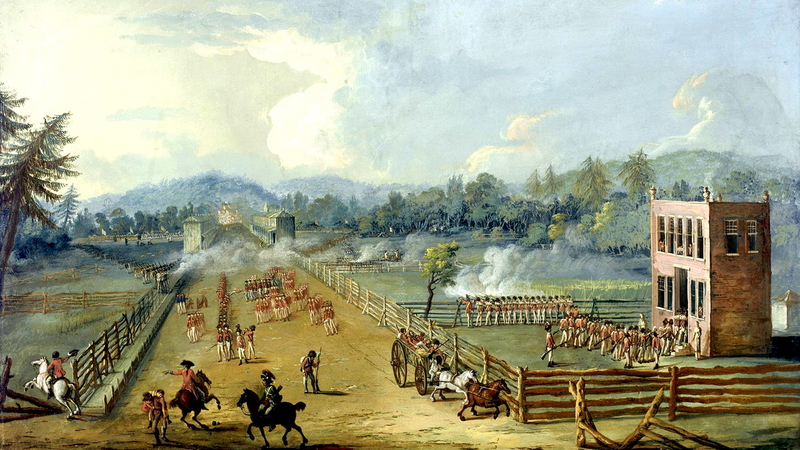
Throughout the American Revolution, various Thanksgiving-style events took place that celebrated battle victories. These feasts became a cultural marker of gratitude during the Revolutionary War, with people coming together and giving thanks. In 1789, George Washington issued a proclamation declaring a national day of thanksgiving, designating November 26th as a day of gratitude marking the end of the war and the ratification of the Constitution. This, however, was a one-time celebration rather than an annual holiday, and later presidents proclaimed such days only occasionally. It would be another 74 years before Thanksgiving became a yearly national tradition.
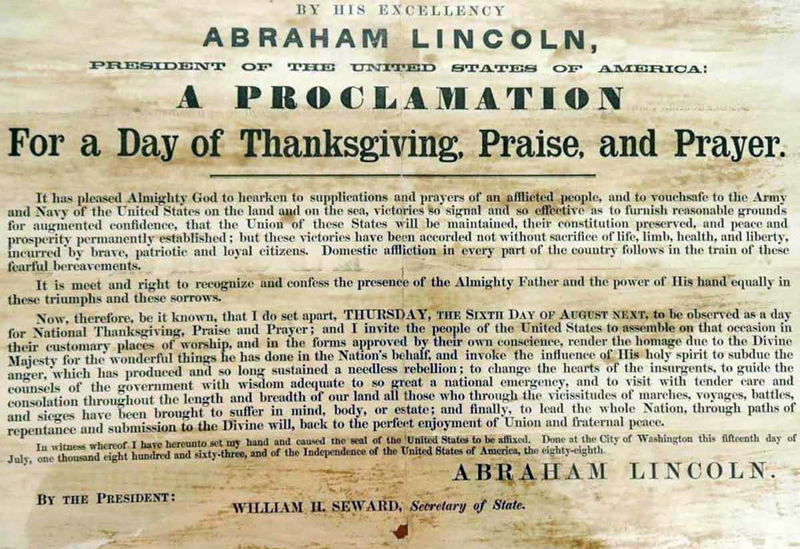
On October 3, 1863, President Abraham Lincoln proclaimed a national day of thanksgiving on the last Thursday of November, and every president since has issued a Thanksgiving proclamation each year. The holiday we know today owes much to the tireless lobbying of Sarah Josepha Hale, editor of the hugely popular Godey’s Lady’s Book and author of the nursery rhyme “Mary Had a Little Lamb,” who spent 17 years (1846 to 1863) writing editorials and letters to officials calling for a national day of thanksgiving. She became known as the “Mother of Thanksgiving,” and her letter to Lincoln of September 28, 1863, came just days before his proclamation.
A Thanksgiving Icon, New York City’s Macy’s Day Parade
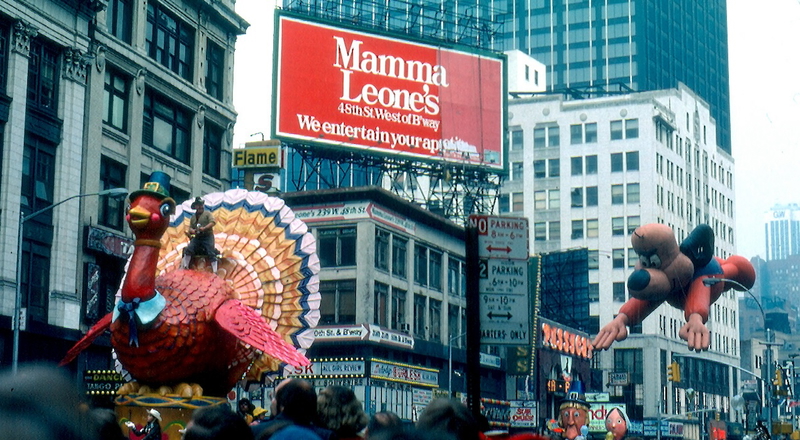
As Thanksgiving became more established in the American cultural tradition, Thanksgiving Day parades became a popular way to celebrate. The Macy’s Thanksgiving Day Parade in New York City began in 1924, making it one of the oldest Thanksgiving parades still around today. The event started out featuring floats, live music, animals from the Central Park Zoo, and Santa Claus welcoming the Christmas season at the end of the parade.
The Thanksgiving Day event was created by Macy’s Department Store, whose flagship store in Herald Square marks the end of the parade. As technology and the economy have advanced over the years, the parade has grown to feature large balloons of popular cultural characters and has extensive television coverage in the United States and around the world. Parades like the Macy’s Thanksgiving Day Parade marked a shift in the holiday’s ties to consumerism and commercial culture in the US.
Celebrating Thanksgiving Up North
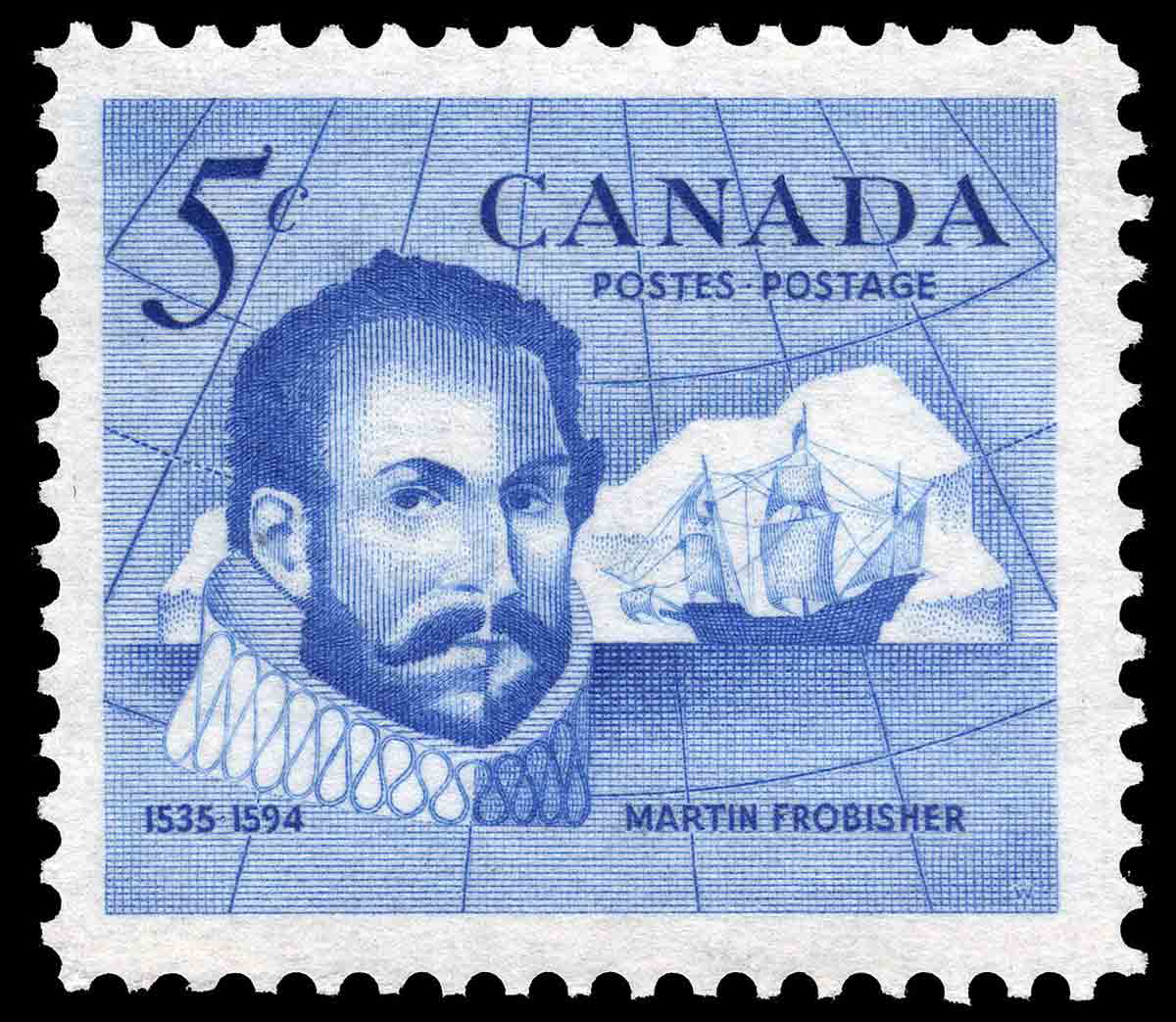
Many don’t realize that a national Thanksgiving Day is also celebrated in Canada and that it has distinct roots from its American counterpart. Canadian Thanksgiving is often traced to 1578, when English explorer and privateer Martin Frobisher, shown on this 1963 Canadian stamp, held a service of thanksgiving for his fleet’s survival in what is now Frobisher Bay, on Baffin Island in today’s Nunavut, during his search for the Northwest Passage.
Canada declared Thanksgiving a national holiday in 1879, and in 1957 its official date was set to the second Monday of October. Many Canadians eat foods like turkey and pumpkin pie on Thanksgiving, while those in coastal areas eat a variation of this traditional feast featuring ham and seafood.
Controversy and Commercial Spectacle
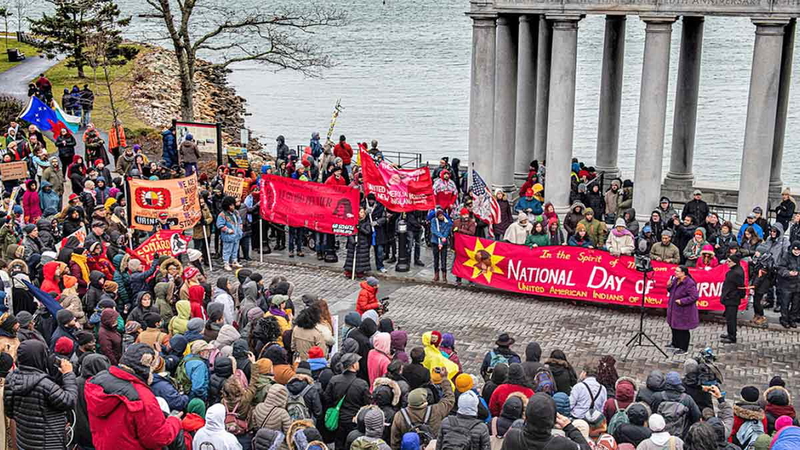
Thanksgiving is not without its detractors; Native Americans, in particular, have argued that the myth and propaganda of Thanksgiving have essentially covered up the violent oppression of Native Americans that led to many thousands of deaths. Since 1970, US protestors have gathered on Cole’s Hill overlooking Plymouth Rock on Thanksgiving to commemorate a National Day of Mourning in tribute to the lives of their ancestors.
While many Americans still celebrate and value Thanksgiving today as an opportunity to express gratitude and spend time with family, it is increasingly a point of division. In addition to the holiday’s overlooked and painful history regarding Native Americans, the day is also culturally associated with difficult family dynamics and political arguments. Given the complex history and emotions associated with Thanksgiving, modern Americans as a whole are much less enthusiastic about celebrating the holiday than they used to be.
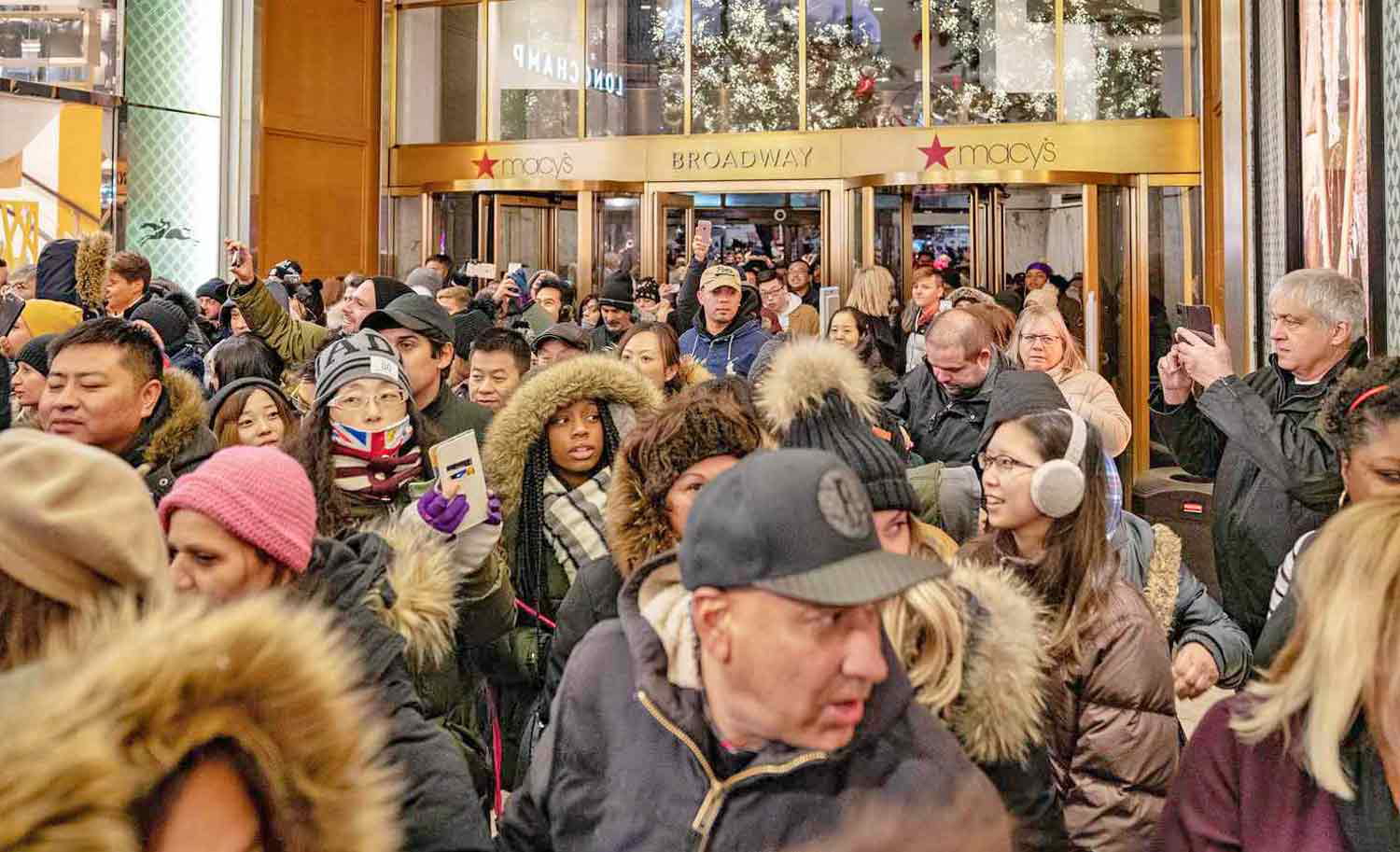
To further complicate matters, Thanksgiving in the United States now ushers in Black Friday, a day notorious for frenzied consumerism. Worse still, many stores now begin Black Friday sales on Thanksgiving itself. Many have pointed out the blatant hypocrisy of flash sales like Black Friday immediately following a celebration of gratitude for the things we have.
In light of this complex history, Thanksgiving stands out as a reflection of the most contradictory aspects of American culture: togetherness, commercial excess, and social division.