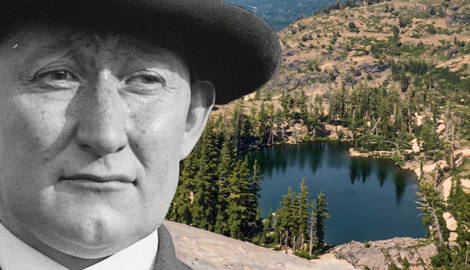

From 1921 to 1923, Manuel Herrick (1876-1952) represented Oklahoma’s 8th district in the US House of Representatives. Though he served only one term, Herrick became famous for his outrageous claims, including that he was the reincarnation of Jesus Christ, a quirk that earned him the nickname “Okie Jesus Congressman,” which later became the title of Gene Aldrich’s 1974 biography.
From a Failed Train Robbery to Early Oklahoma Politics
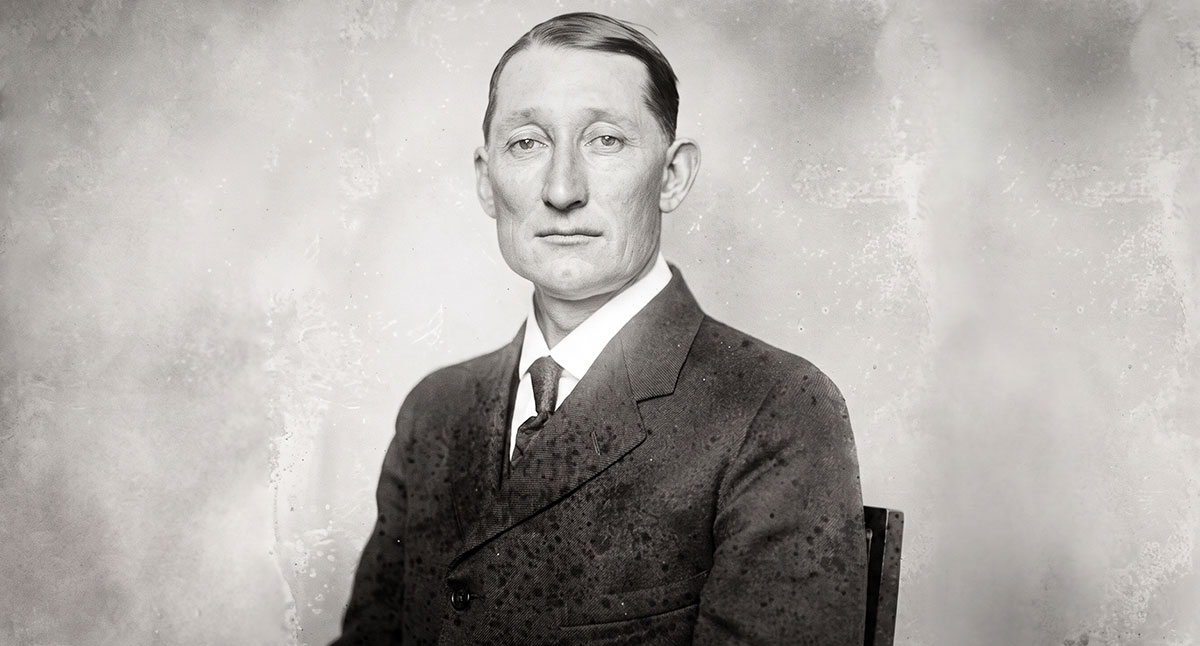
Immanuel “Manuel” Herrick was born in Perry Township, Tuscarawas County, Ohio, in 1876. His mother, Belinda Kale Herrick, believed her son was Jesus Christ come to earth again and named him “Immanuel,” a belief Herrick himself came to share. After a childhood spent mostly in Kansas, Herrick moved with his family to Oklahoma Territory in 1892 and settled in the Cherokee Strip, a vast tract the US government had bought from the Cherokee Nation and opened to settlers in a giant land run on September 16, 1893.
On June 29, 1893, the 16-year-old Herrick attempted to rob a train, but was quickly arrested by the conductor. He was declared insane and sent to Oak Lawn Retreat, a private asylum in Jacksonville, Illinois, but was released some time later. Upon release, he settled on a farm near Perry, in Noble County, served briefly as a justice of the peace, and after statehood in 1907 ran unsuccessfully for one local office after another. In 1918, he ran for Congress as an independent and won just 56 votes.
An Unopposed Congressional Win and the Fake Pageant Scandal
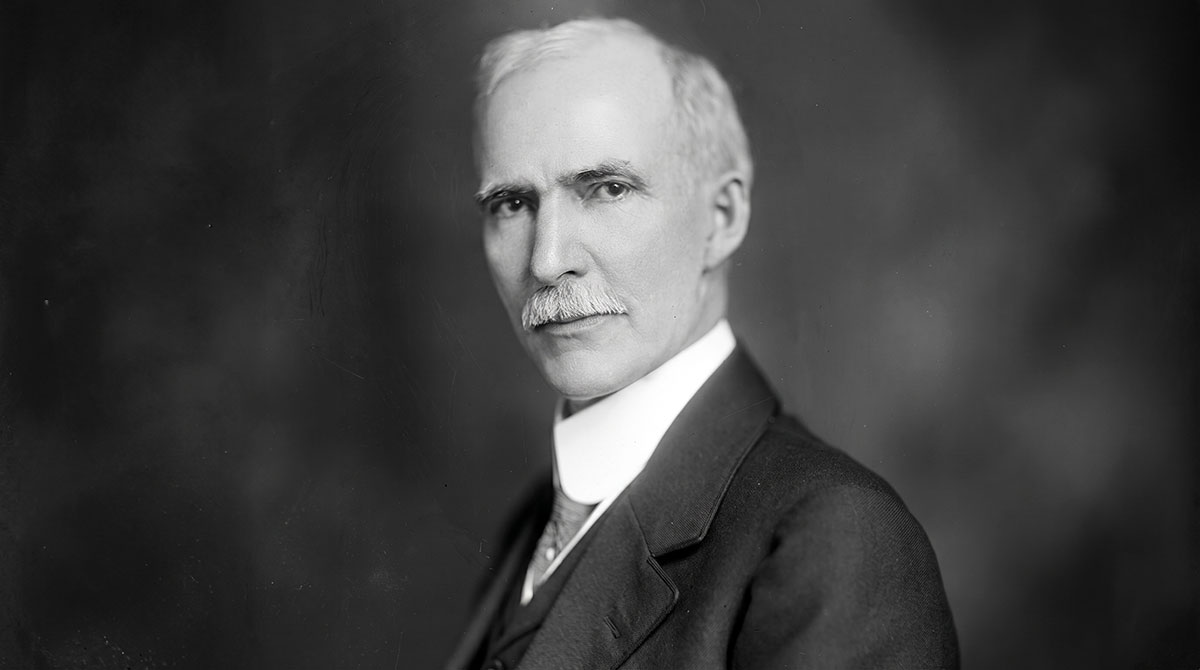
Herrick likely would have languished in obscurity if it weren’t for the sudden death of long-time Oklahoma representative Dick T. Morgan on the final day of filing for candidacy in the 1920 United States elections. Herrick was thus unopposed for the Republican nomination in Oklahoma’s 8th district, and in November he won the seat with 54 percent of the vote, carried along by Warren G. Harding’s Republican landslide and the district’s strong party loyalty.
Herrick was a colorful figure in Washington for the duration of his single term in office. He was particularly preoccupied with the topic of beauty pageants, which he felt were emblematic of the moral decay of the Roaring Twenties. Aside from introducing a bill to ban beauty contests, he secretly wrote to dozens of former contestants from a Washington pageant, inviting them to a new contest whose prize would be marriage to a “wealthy man.” When it was revealed that Herrick was the “wealthy man” in question, his motivations for this “investigation” were understandably questioned. Herrick argued that he was trying to demonstrate how beauty pageants could lure innocent girls under false pretenses. These arguments fell on deaf ears when it came to the women in question, several of whom threatened to sue Herrick, while one furious husband threatened him with violence. His love life proved just as strange. When his secretary, Ethelyn Chrane, broke off their engagement in 1923, Herrick sued her for $50,000 for breach of promise and was awarded exactly one cent. She countersued and won $6,000, which eventually cost him his Oklahoma farm.
Aviation Advocacy and Surviving a Campaign Plane Crash
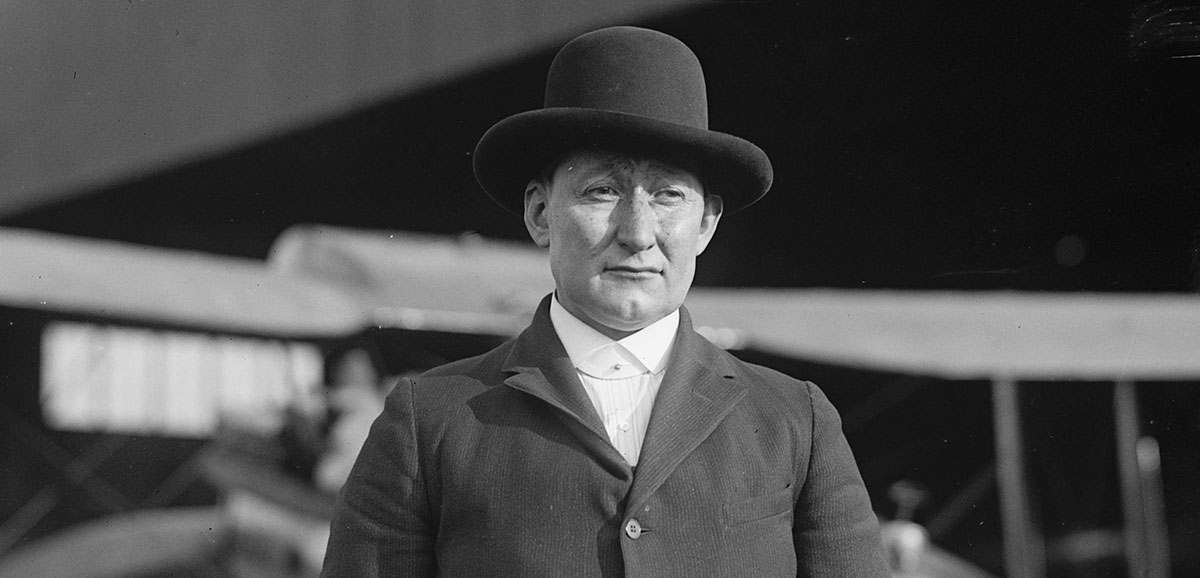
While Herrick’s eccentricities drew a lot of media attention, he did work diligently on more serious issues. He generally followed the Republican Party line, supporting high tariffs, opposing the League of Nations, and advocating pensions for World War I veterans. He was also much taken with the emergent field of aeronautics and argued that a strong air defense was vital to the nation’s future at a time when military aviation was still in its infancy. Still, even when his stances were reasonable, he brought his own unique edge to their implementation.
Herrick not only admired airplanes, but he flew them, and had the reputation of being a daredevil barnstormer. He was called “the aerial daredevil of Congress,” which is a more flattering name than his other nickname, the “Okie Jesus Congressman.” In 1922, Herrick planned to campaign for re-election by air, but his plane crashed in Arkansas, and he escaped with only minor injuries.
Prohibition Moonshining and a Fatal Sierra Nevada Blizzard
After finishing third in the 1922 Republican primary, Manuel Herrick returned to Oklahoma, where he lost four more primaries for his old seat between 1924 and 1930. He could only lie low for a short time before he found himself back in the public eye, this time for less positive reasons. In 1925, he was reportedly arrested for moonshining, a serious offense during the Prohibition era. Herrick claimed that he was an undercover agent for the Internal Revenue Service. Five years later, he was convicted of unlawfully producing alcohol.
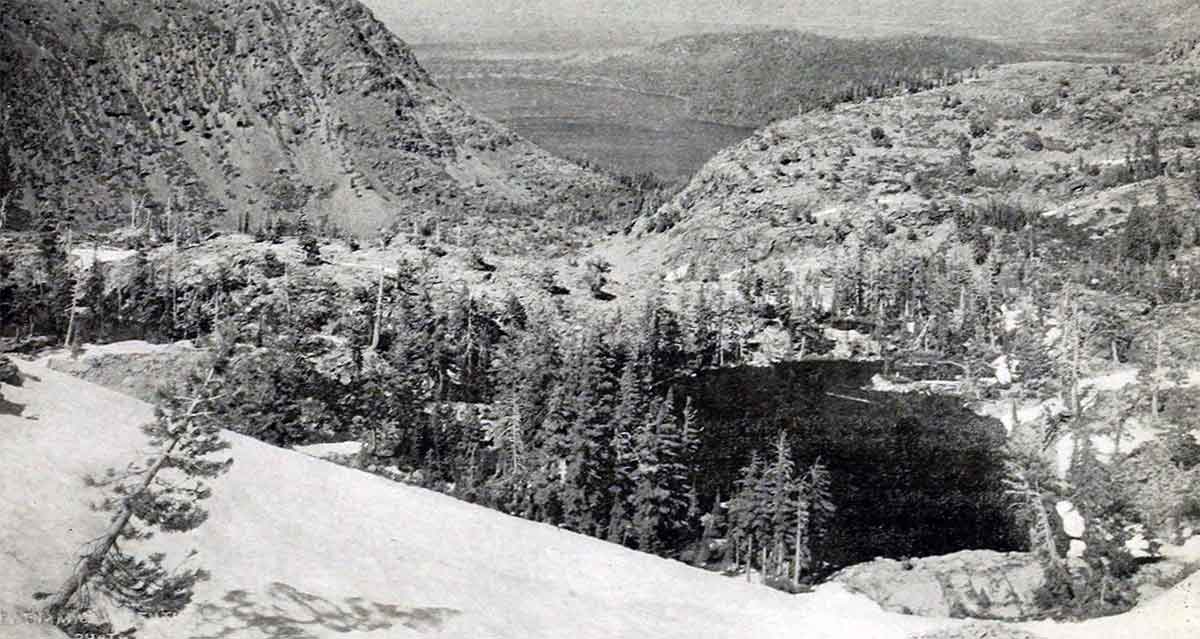
He moved to California in 1933, in the depths of the Great Depression, and by 1937 had settled near Quincy in Plumas County, where he worked a gold claim and entertained other prospectors with stories of his time in Congress. He pretended to be blind to collect an $85-a-month pension, a ruse that did not stop him from running for Congress again in 1948, when he entered both the Republican and Democratic primaries and lost badly in each. In 1949, there was an attempt to have him committed to a mental hospital, but the Plumas County Superior Court declared him sane. By then, he was really going blind.
On January 11, 1952, he disappeared while hiking to his mining claim northeast of Quincy, high in the Sierra Nevada. A blizzard had blown in, and he and his elderly mining partner, George L. Welch, never reached shelter. A search party later found Welch’s body, and the sheriff believed the nearly blind Herrick had lost his way while going for help. His frozen body was found in a snowbank two miles from his cabin on February 29, 1952, seven weeks after he vanished. He was cremated, and his ashes were buried in an unmarked grave in the pauper’s section of Quincy Cemetery.
Assessing the Unconventional Legacy of Manuel Herrick
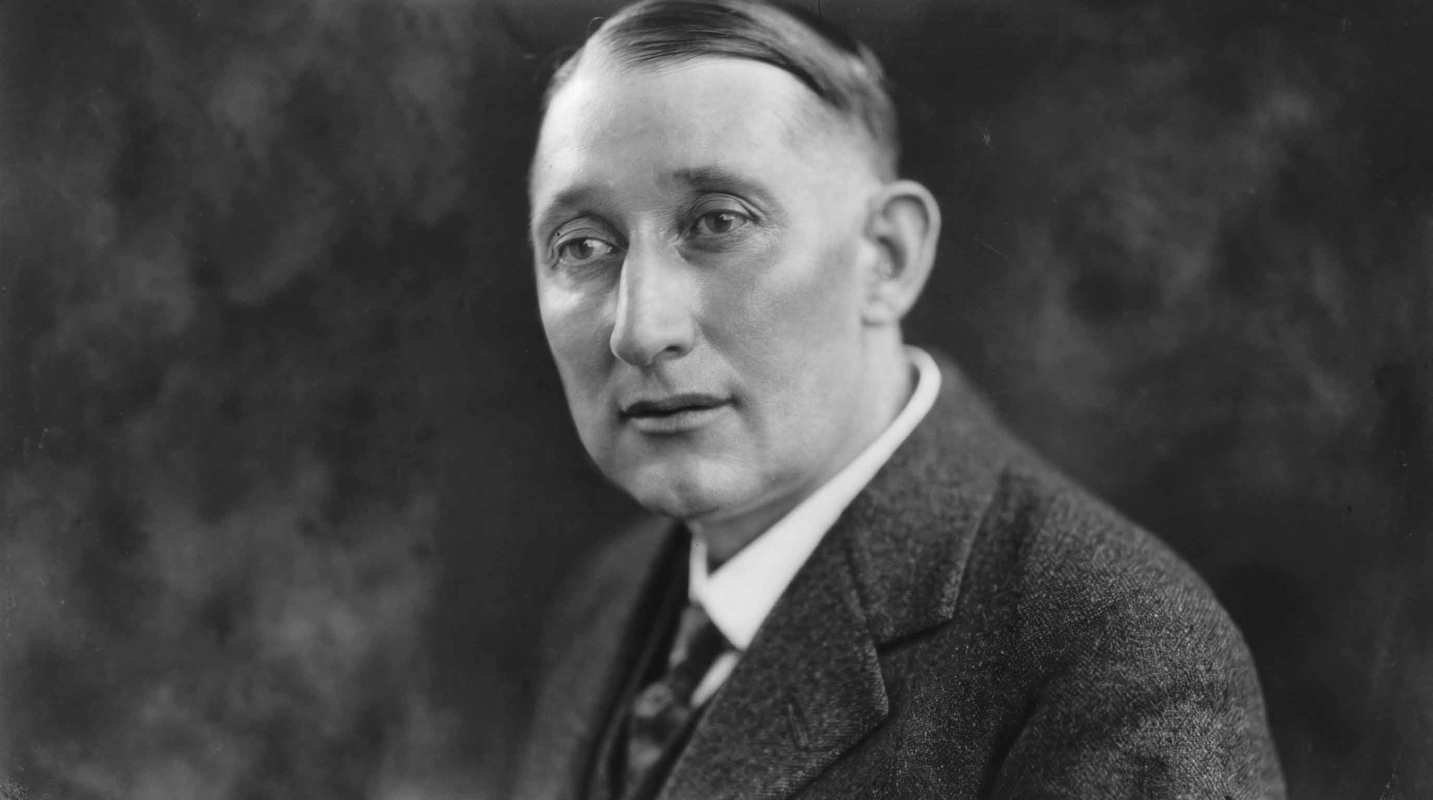
It’s hard to tell just how “crazy” Manuel Herrick truly was; he had run-ins with the law throughout his life, as well as a general track record of outrageous and counter-productive behavior which seemed to indicate that his mental health was not in optimal condition. Certainly, at the time there were many who seemed to doubt the Congressman’s sanity. A century later, Washington Post columnist John Kelly called him “one of the oddest ducks ever to paddle in the capital’s political pond.”
Still, to write off Herrick because of his uncertain mental health would do a disservice to a man who seemed sincere about the causes that he championed; Herrick really did want to support veterans, strengthen the nation’s air defense, and protect American industry with high tariffs. He may have been inconsistent in his personal habits, but he was, in his own peculiar way, consistent in his support of the causes he championed. Perhaps Herrick summed it up best when he said, “I may be a nut, but I’m going to be a hard one to crack.”