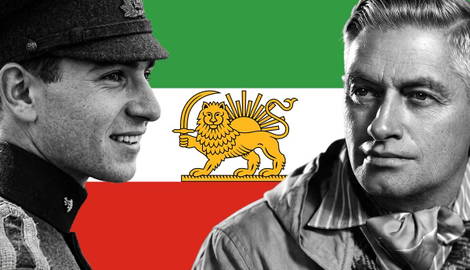

Between 1943 and 1953, one of the most powerful men in Iran was not an Iranian, but rather a Swiss servant of peasant origins and mystical inclinations. Ernest Perron (1908-1961) was born the son of a gardener, but a chance meeting with the young Mohammad Reza, Crown Prince of Iran, led to his elevation to high status in the Iranian court. Since the Iranian Revolution, he has been characterized as a mysterious foreign agent, or even as the real power behind the throne.
How a Bullied Swiss Landscaper Won the Crown Prince’s Friendship
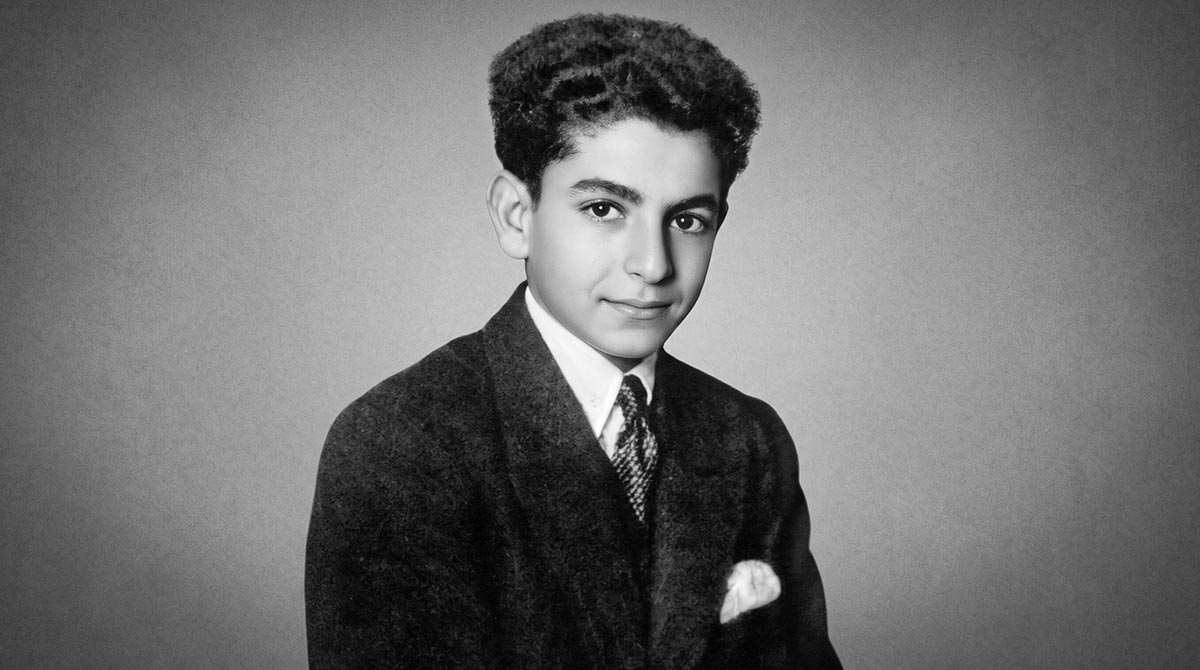
In the fall of 1931, an 11-year-old boy arrived at Le Rosey, an exclusive boarding school in the Swiss town of Rolle. The boy, Mohammad Reza Pahlavi (1919-1980), had been sent by his father, Reza Shah (1878-1944), to receive an education fit for a king. This was not mere ambition on Reza Shah’s part; six years earlier he had been crowned Shah of Iran, and as his oldest son, Mohammad Reza was next in line for the throne.
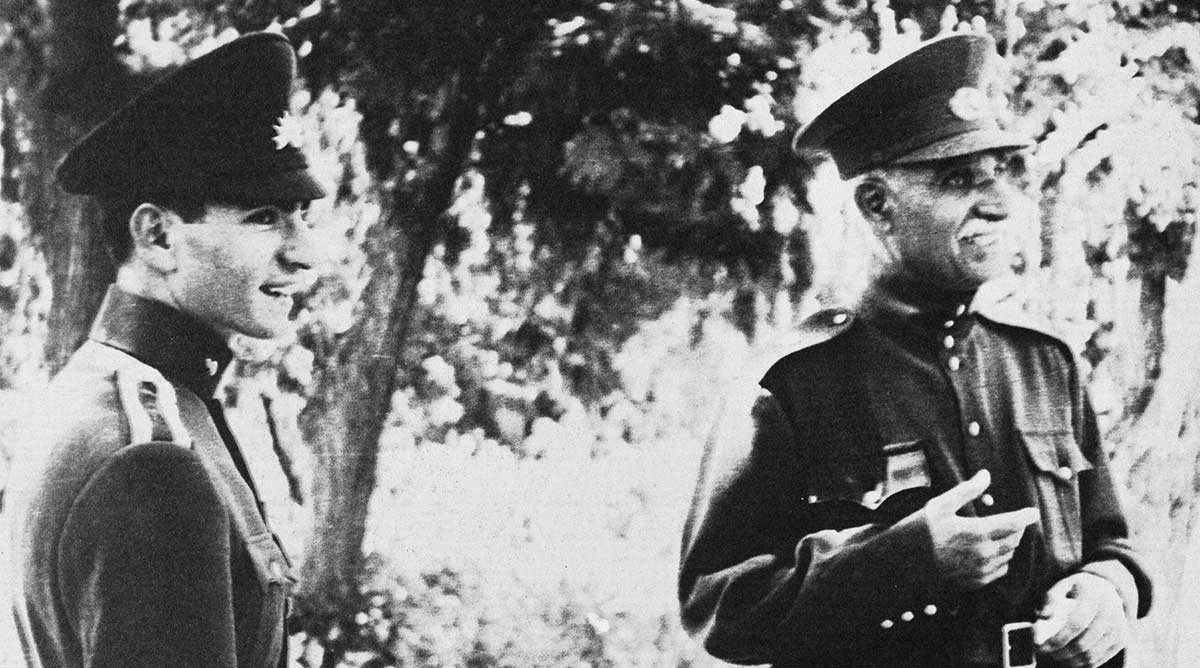
As an adult, Mohammad Reza would call his father “the most frightening man he’d ever known.” From the moment of his coronation, Reza Shah had embarked upon a campaign of character-building with the aim of turning his heir into an equally imposing personality. To do this, he demanded his son address him formally, and as he also felt that expressing paternal love for the boy would cause him to “turn” homosexual, he treated him distantly.
This influence had molded Mohammad Reza into a child who masked any anxieties with outward displays of bravado. He quickly discovered that the other students at Le Rosey were less accommodating than his courtiers back in Iran; shortly after arriving, Mohammad Reza demanded that the other boys stand at attention when he passed them, which resulted in his being beaten up by an American classmate.
Ernest Perron (1908-1961) was also an outsider at Le Rosey. At the time Mohammad Reza began attending the school, Perron was a 23-year-old landscaper. A childhood bout of polio had left him with a permanent limp, which, combined with his overt homosexuality, made him a frequent target for bullying. One day, a group of boys kicked over Perron’s wheelbarrow, spilling its contents. Mohammad Reza happened to be passing by and jumped in to defend Perron from his tormentors. Despite their age difference, the pair became fast friends.
Defying the King’s Whip to Bring an Unlikely Companion to Tehran
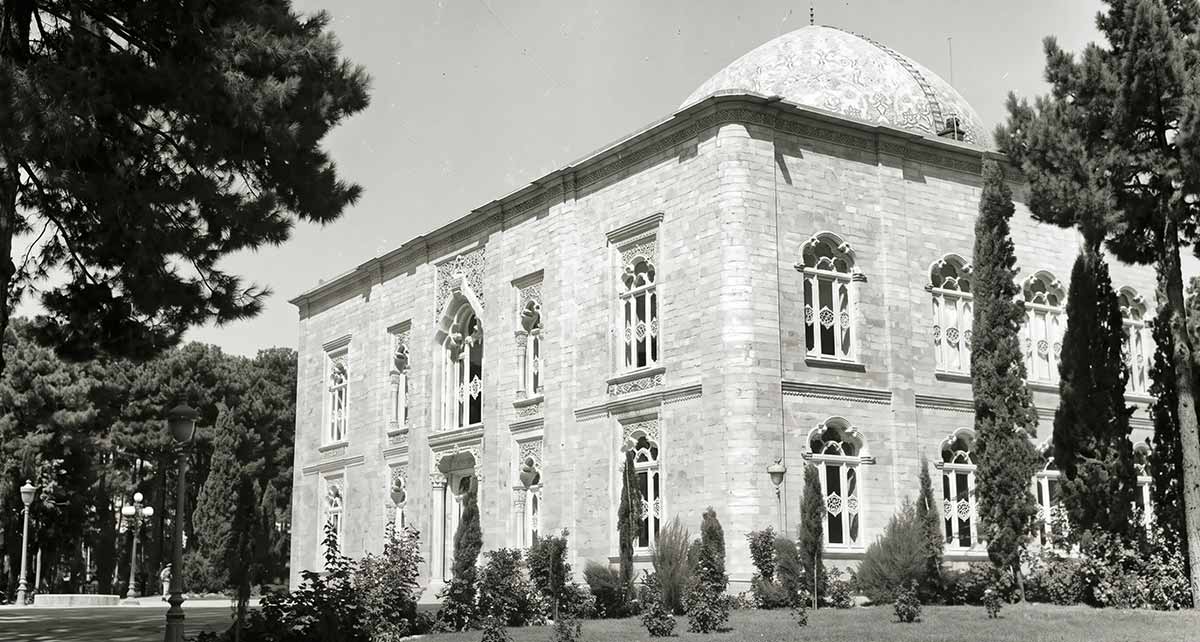
Perron introduced the prince to French art and literature. Though uneducated, Perron had a knack for memorizing poetry and impressed Mohammad Reza with the scope of his knowledge. As Mohammad Reza matured, he was permitted to leave campus and go to the home of Switzerland’s Iranian ambassador, Anoushirvan Sepahbodi, where he introduced Perron to Persian food and music.
When the now-17-year-old crown prince returned to Iran in 1936, he took Perron with him, despite surely knowing his father would disapprove. Reza Khan—ever concerned about his son’s masculinity—did not take kindly to his friendship with an older gay man, and his reaction upon meeting Perron was to beat him with a riding crop. Again Mohammad Reza intervened and refused to send him back to Switzerland. Until Mohammad Reza’s coronation in 1941, Perron labored quietly as a gardener and translator within the royal palaces.
Behind Bedroom Doors with the Court’s Feared “Limping Devil”
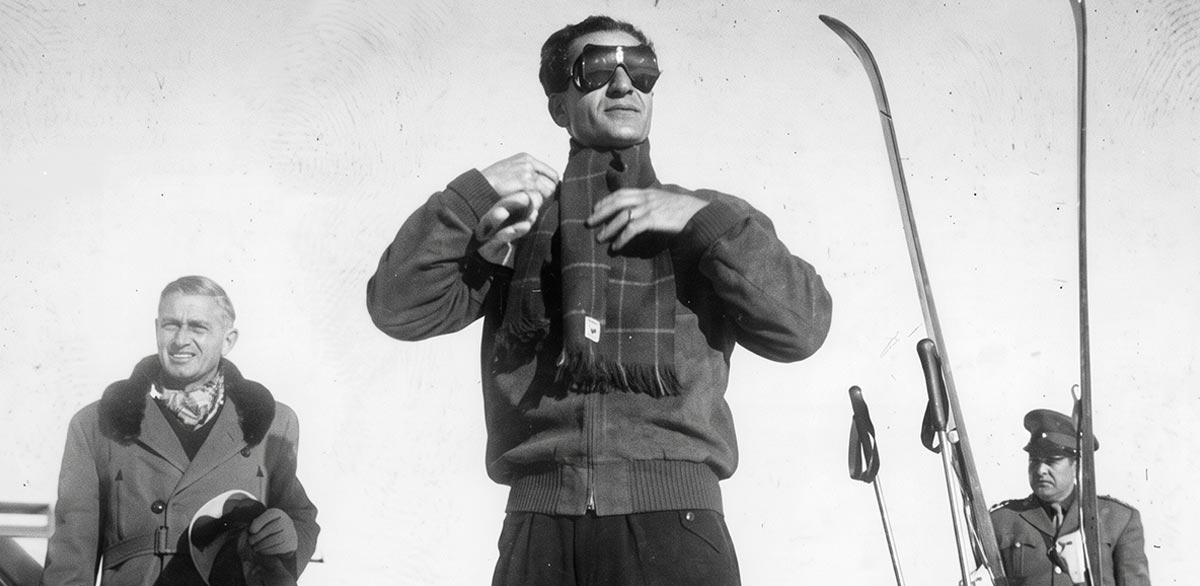
When Mohammad Reza Pahlavi became the Shah of Iran, he appointed Perron his personal secretary. Throughout World War Two, Perron acted as a contact between the Shah and foreign diplomats, and may have been involved in transferring information between foreign intelligence agencies and the Iranian government.
Within the court, Perron gained the reputation of being a nasty gossip. A particular enemy of his was Queen Soraya, the wife of the Shah from 1951-1958. She described Perron as a “limping devil” who “spread his poison around the palace, as well as in our own quarters.” Notably, Perron was the only member of the royal court who was permitted to enter the Shah’s bedroom aside from the queen and his mistresses; Soraya later said that Perron “visited him each morning in his bedroom for a discussion,” but that no one could “say precisely what he did.”
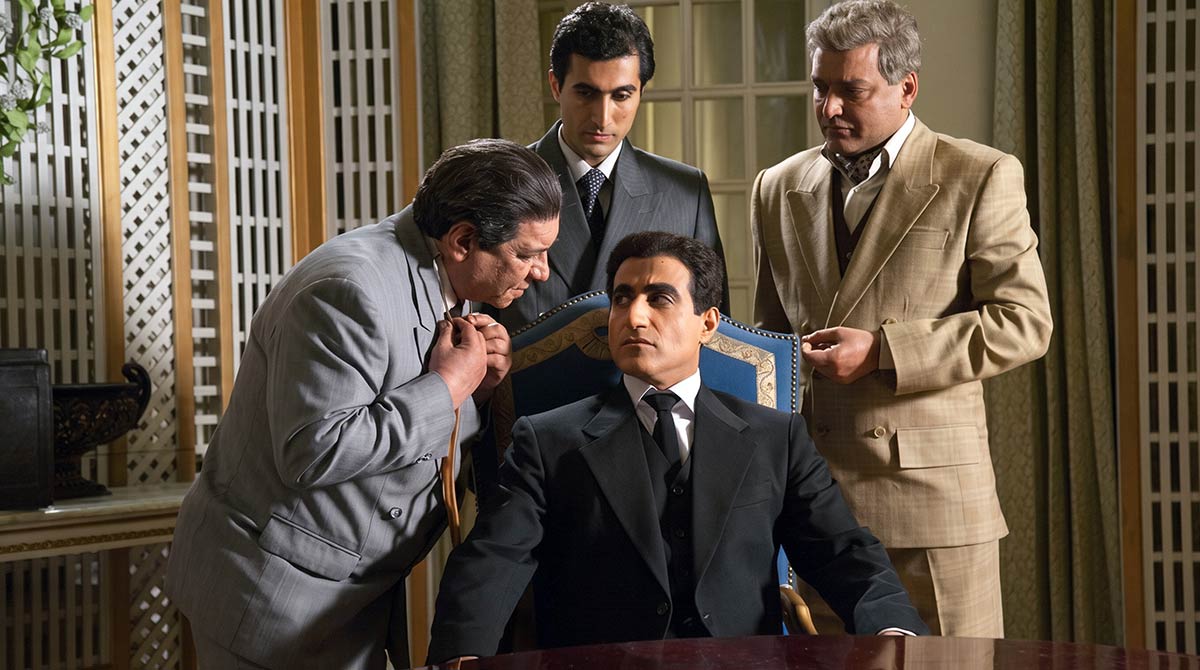
It is natural to ask what the nature of the relationship between Perron and the Shah was, given the Shah’s notable protectiveness towards Perron. Former courtiers have universally denied the possibility of a romantic tie between the two, while the modern government of Iran maintains the stance that Perron was both a British spy and a secret lover of the Shah. Biographers of the Shah have argued that Mohammad Reza’s affinity for Perron was not rooted in romantic affection, but rather in a complex dynamic of emotional validation otherwise inaccessible to the monarch.
What is more interesting than trying to parse the details of their relationship is that, despite the inevitable rumors, Mohammad Reza Pahlavi elevated a Swiss gardener’s son to a position of significant power in Iran and protected him for years, primarily due to the strength of their friendship.
The Secret Christmas Note That Erased a 20-Year Friendship from History
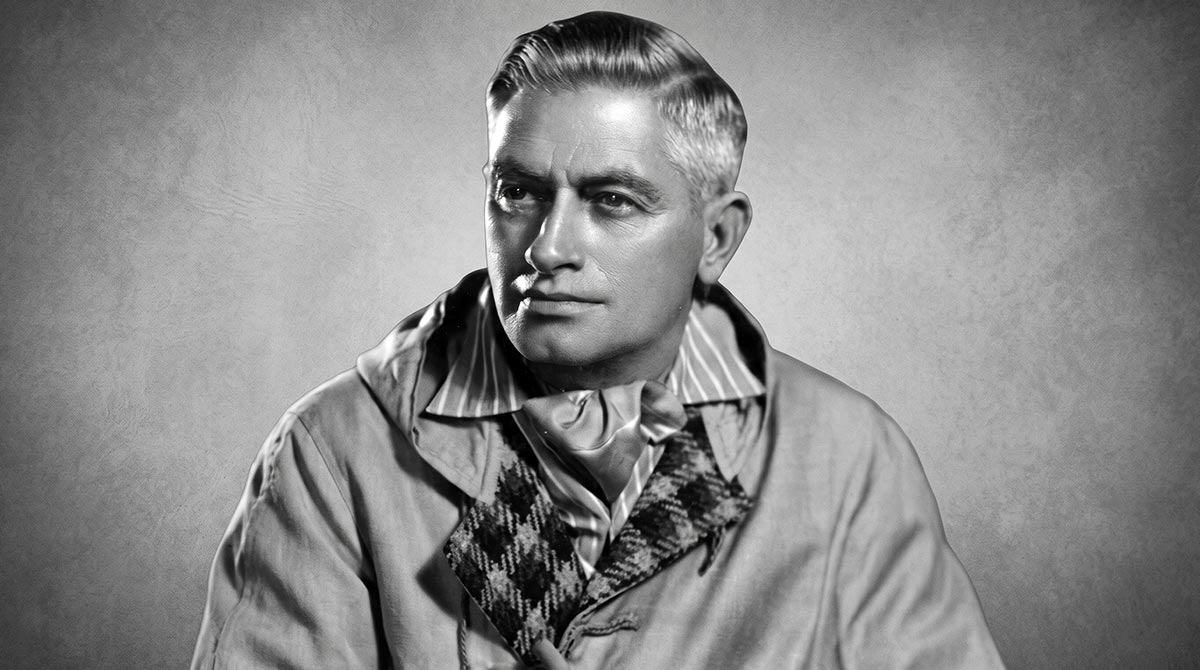
In December of 1953, Perron approached British diplomat Denis Wright at a Christmas party and passed him a note indicating that any communications between Wright and the Shah had to go through Perron, bypassing the Iranian cabinet. Wright was baffled by this and reported the note to General Fazlollah Zahedi, then the Iranian prime minister. Zahedi berated the Shah for attempting to exclude him from negotiations with the British, and in turn the Shah dismissed Perron from the royal court in early 1954. At loose ends, Perron moved into the palace of Princess Shams, the Shah’s sister, whom he had converted to Catholicism some years prior. He lived in obscurity until his death in Zürich, in 1961.
Why the 1953 incident was the final straw for Mohammad Reza is not clear. He had weathered years of rumors and had always supported Perron. Perhaps the Shah could no longer tolerate Perron’s indiscretions when they embarrassed him on the world stage; he was seeking to strengthen Iran’s relationships with the United States and the United Kingdom at that time. This theory is supported by the Shah’s suppression of his friend’s memory in the later stages of his reign; when he wrote his memoirs, he omitted any mention of his 20-year friendship with Ernest Perron.