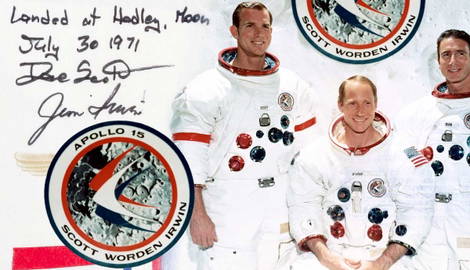

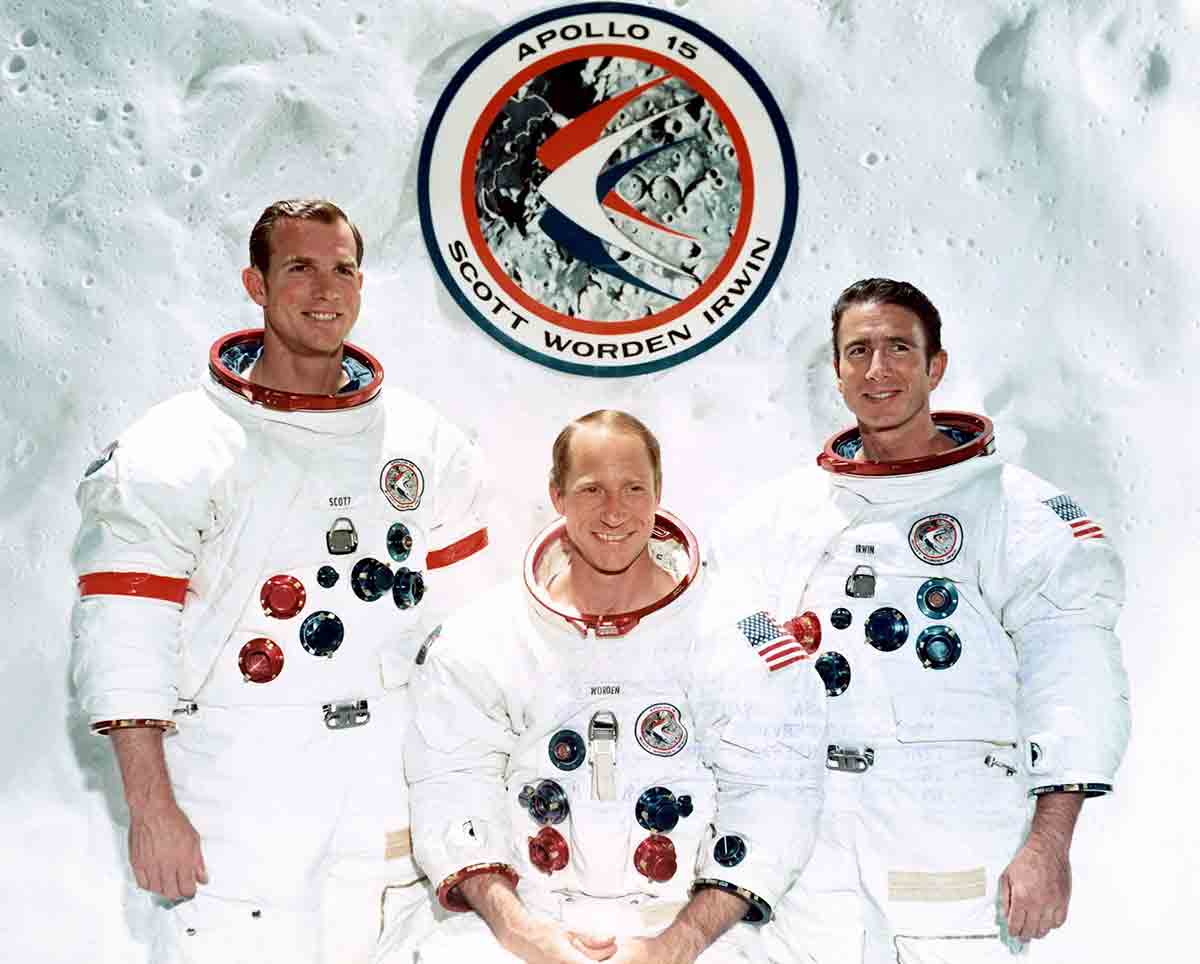
After the crew of the Apollo 15 mission completed their mission and successfully returned to Earth, an unprecedented scandal erupted within NASA. Decorated astronauts David Scott, Charles Worden, and Jim Irwin were found to have created unauthorized postal covers that were sold to collectors. The aftermath of the NASA postal covers incident sparked disciplinary actions within NASA and led to several crew members never returning to space again.
Stamp Collecting During the Space Age
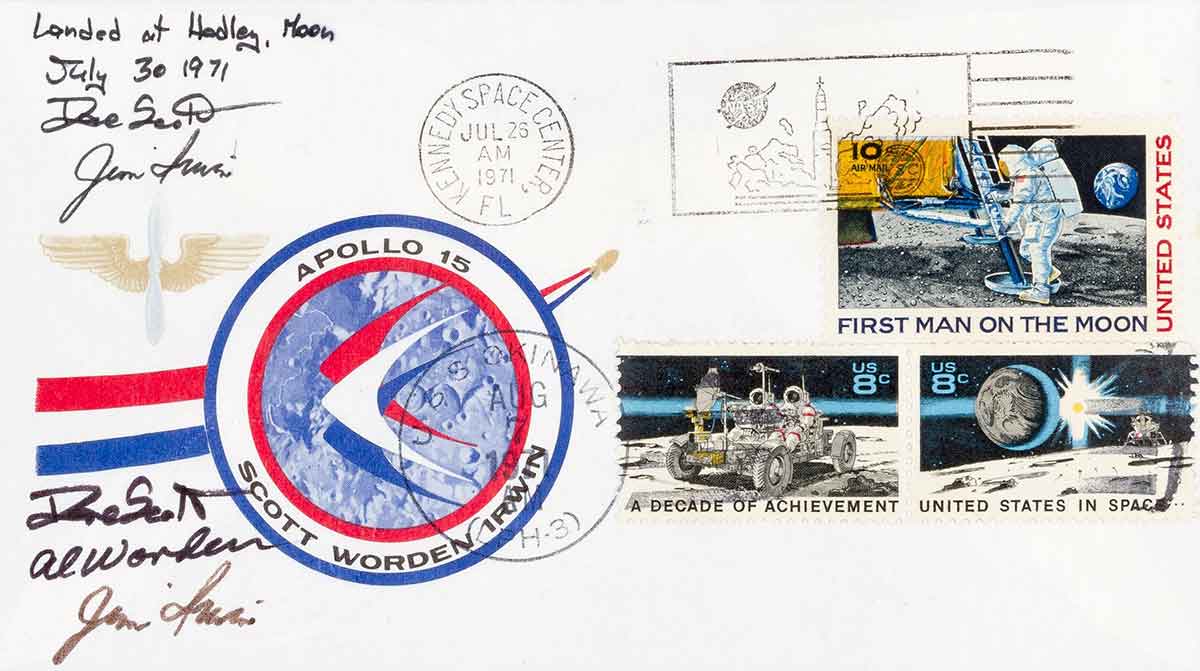
Following the launch of the Soviet satellite Sputnik 1 on October 4, 1957, collecting space-related stamps became a hugely popular and lucrative global phenomenon. During the Space Race, the United States and the Soviet Union issued commemorative stamps that immortalized spacecraft, satellites, and particular missions. The practice of astrophilately reached its peak during the Apollo missions to the Moon, which took place between 1969 and 1972. Stamp collectors would pay huge sums of money to get their hands on the specially designed envelopes, known as covers, which were issued by the post office at the Kennedy Space Center.
The creation of these special commemorative postal covers was largely overseen by Harold Collins, the head of the Mission Support Office within NASA. Some key astronauts took part in the collection and distribution of these envelopes, giving specially created covers to close friends and NASA employees. However, before Apollo 15, no NASA postal cover had ever been sent into space.
After the success of the Apollo 11 mission, NASA made subsequent changes to the remaining Apollo flights. They introduced the allowance of personal items that astronauts were allowed to take with them during their mission. The value placed on some of these personal items was truly out of this world, as avid collectors would pay huge sums of money to own a piece of Apollo memorabilia.
Key Figures Behind the Apollo 15 Postal Covers Incident
Two of the key civilian figures behind the Apollo 15 postal cover incident were Hermann Sieger, a stamp collector from West Germany, and Horst Eiermann, a naturalized American. The pair met during the Apollo 12 launch in 1969 and began discussing the possibility of sending postal covers to the Moon. At the time, Eiermann worked at a company that was subcontracted to the Kennedy Space Center, and he was able to approach NASA ground staff about his proposal to send one hundred stamp covers to the Moon as a part of their personal items allowance. Eiermann struck up a friendship with the crew of Apollo 15 and attempted to persuade them of his plan.
During a meeting at Eiermann’s home, the pair convinced the crew of Apollo 15 to take 400 unauthorized postal covers into space alongside a number of authorized envelopes. Allegedly, the crew was convinced that the act would not violate any NASA procedures and that the monetary incentive of selling these collector’s items was justified as it would secure financial stability for their families in the face of the dangers of space travel. Eiermann also falsely assured the crew of Apollo 15 that other space missions had conducted similar arrangements with postal covers.
Preparing the Postal Covers
Horst Eiermann initially designed the proposed postal covers. However, as the launch window approached, Apollo 15 astronaut David Scott handled the majority of the process alongside Harold Collins and a local printing company. In total, Scott took four hundred postal covers as part of his personal effects for the Apollo 15 mission, in addition to a number of authorized envelopes and stamps that the other astronauts had brought with them.
According to David Scott, he never intended to deceive Mission Control by carrying his unauthorized postal covers. Despite this, shortly after launch on the 26, 1971, Scott moved his personal effects, including the covers, into the lunar landing module, a procedure that was not authorized by NASA beforehand. These unofficial covers were signed by the astronauts on their flight to the Moon alongside the officially authorized envelopes.
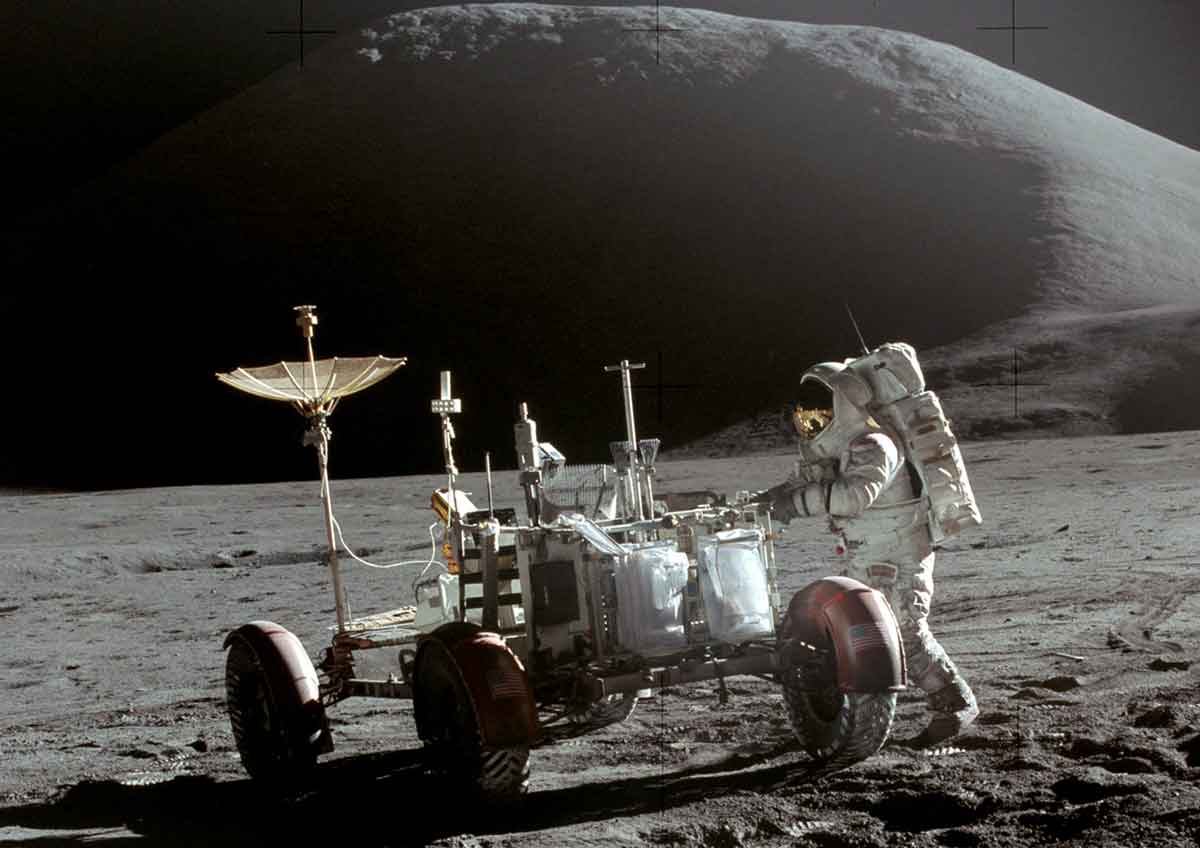
The Falcon lunar module landed successfully on the Moon on July 30. The crew of Apollo 15 remained on the moon for over sixty hours, performing a series of science experiments and testing the newly designed lunar rover for the first time. On August 2, the lunar landing module blasted off and began the return journey to Earth.
The Covers Return to Earth
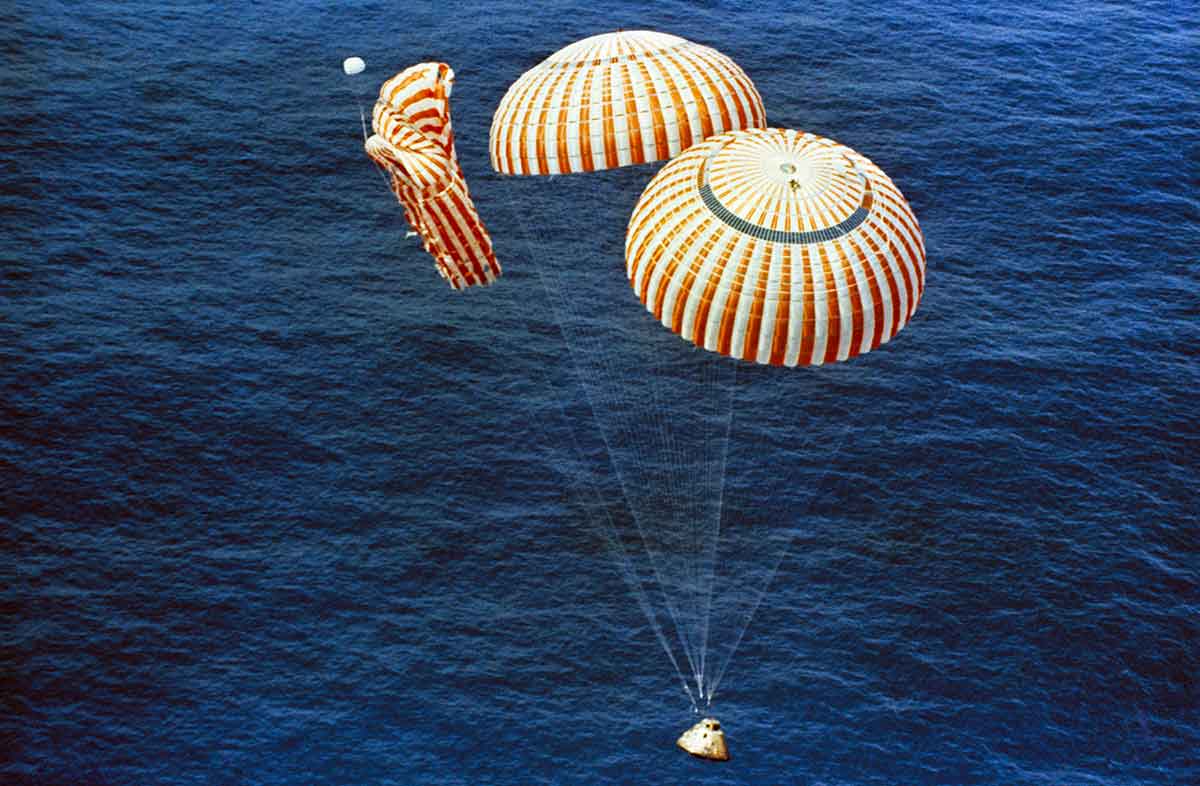
On August 7, 1971, the Apollo 15 re-entry vehicle splashed down in the Pacific Ocean, and the crew was recovered by the US Navy vessel Okinawa. While on board the Okinawa, a supply of commemorative stamps was delivered from the Kennedy Space Center to the post office on board the ship. With the help of those on board the Okinawa, the crew of Apollo 15 affixed the stamps to the four hundred postal covers and stamped them at the ship’s postal office. When they returned to the Kennedy Space Center, the astronauts requested special certificates for one hundred postal covers that would certify that they had been flown to the Moon on board the lunar module.
Before Apollo 15, the central administration of NASA had established strict rules on what should and should not be taken into space. Since 1965, all personal items have had to be approved by a superior official before being brought on board. In the case of Apollo 15, Deke Slayton was the officer responsible. Throughout the mission, Slayton was not made aware of the existence of the four hundred unofficial postal covers. After Scott handed over one hundred of the completed postal covers to Eiermann, he swiftly dropped the persona of an honest collector and began to sell them commercially to the highest bidder. Eiermann handed them over to his business partner Sieger, who sold all but one cover to West German collectors within days of the transaction, earning $1,500 apiece.
The Scandal Comes to Light
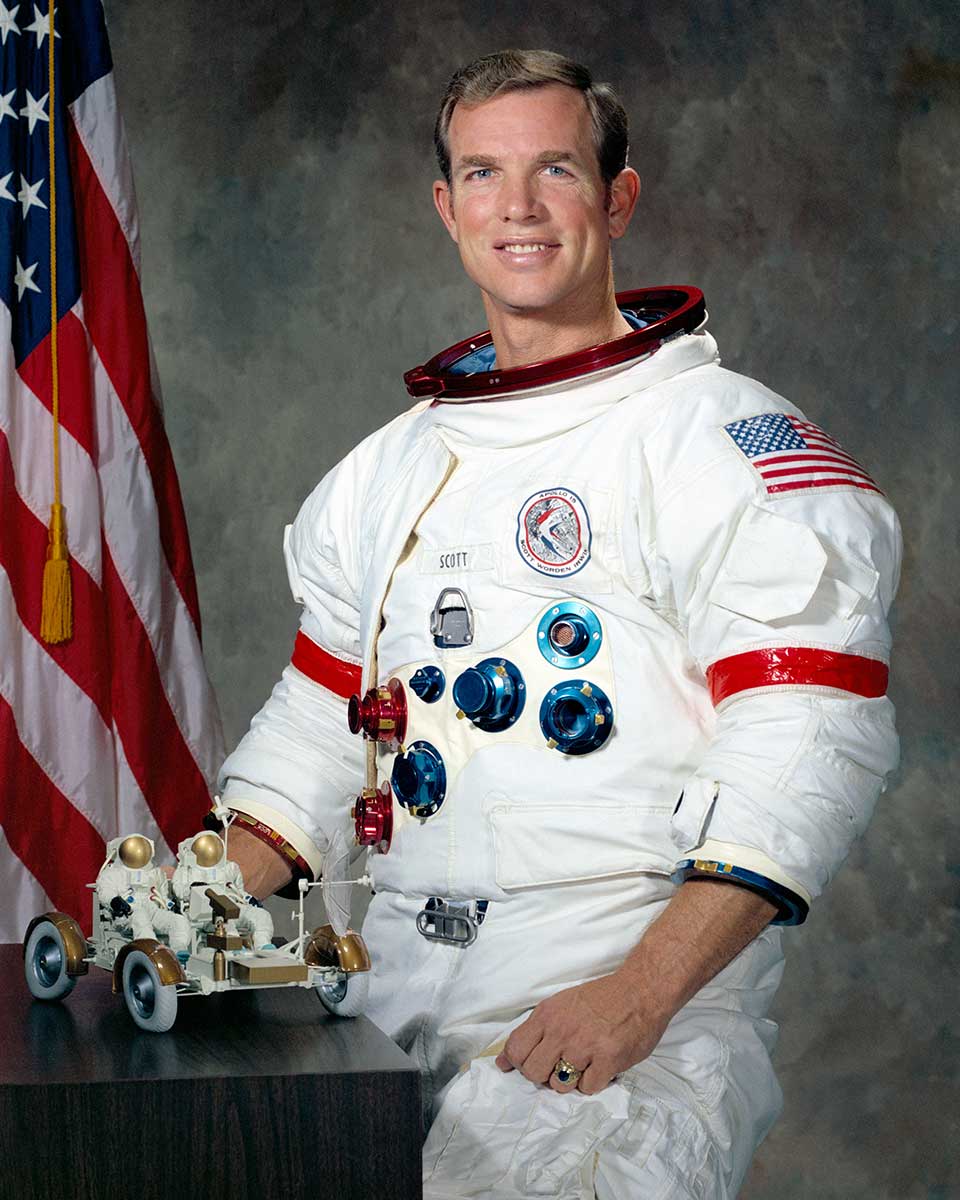
In November of the same year, the Apollo 15 astronauts, who had agreed with Eiermann to produce the postal covers, planned a trip to Europe in order to receive their agreed payment. The astronauts gave over the remaining two hundred and eighty covers to a local printer in Houston for safekeeping and set off for West Germany to receive their $7,000 payment. However, as they prepared for departure, the crew was informed that Sieger had sold the postal covers commercially. According to astronaut David Scott, it was at this stage that the crew realized they might face serious disciplinary action if their involvement in a commercial scheme to deceive NASA came to light, and they quickly returned the payment to Eiermann. However, with the widespread distribution of the covers, it was impossible to prevent NASA officials from discovering their plan. What followed was a full-scale internal investigation by NASA and a congressional inquiry into the incident.
The Postal Covers Scandal Becomes National News
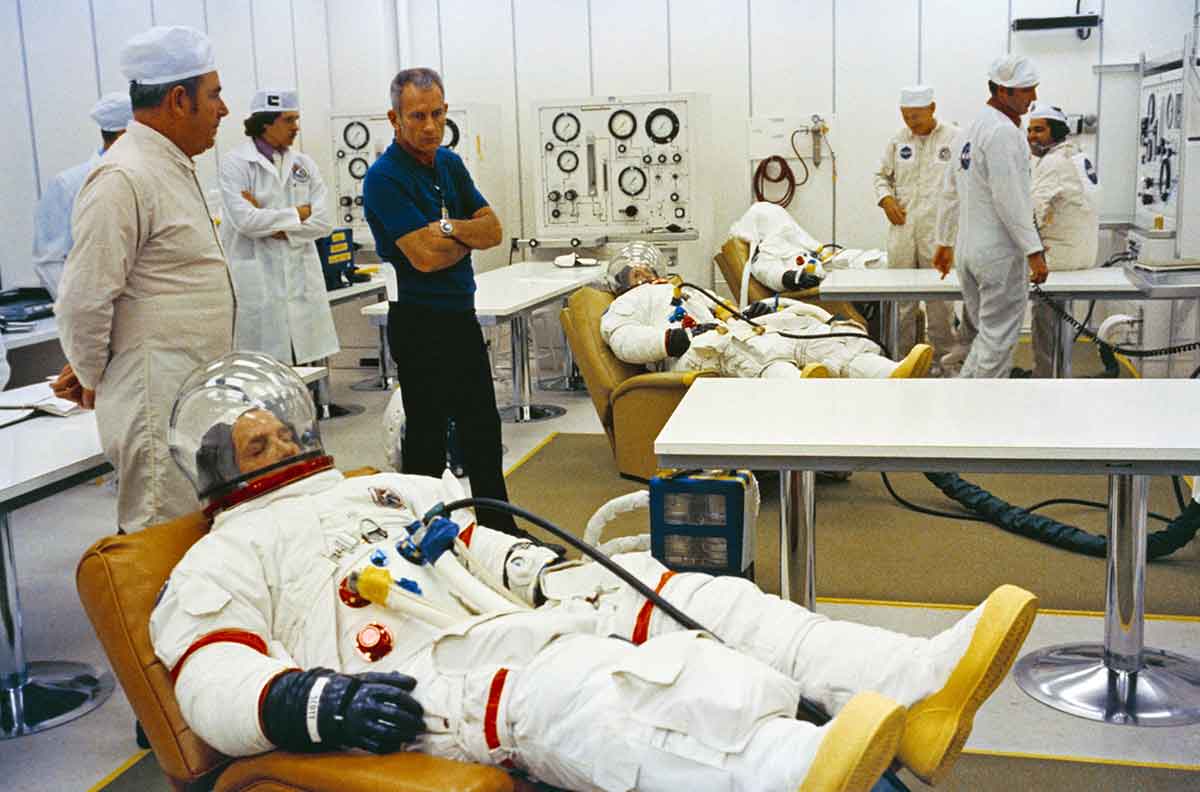
Throughout March of 1972, stamp collectors in the United States began to spread information pertaining to the unauthorized creation and selling of Apollo 15 postal covers among European collectors. The president of a civilian space research group, Lester Winick, wrote to NASA asking for clarification. This prompted the organization to begin a full-scale inquiry. The mission commander for Apollo 15, Deke Slayton, soon found out about the four hundred unauthorized covers and moved to remove his crew from any future lunar missions. Despite the seriousness of the allegations, NASA did not initially escalate the matter and preferred to handle things internally.
However, in June, the national press got wind of the story, and reports of profiteering astronauts from Apollo 15 became national news. NASA responded with a more detailed investigation that revealed the astronauts involved had opened bank accounts in West Germany to receive payments for the production of the unauthorized covers.
Scott, Worden, and Irwin came clean and admitted their involvement. By July, the three astronauts were handed an official reprimand, and their chances of ever flying into space again disappeared. Scott claimed he went along with Eiermann and Sieger’s plan so that he could set up a trust fund for his children, while Worden admitted he did not think the creation and distribution of unauthorized postal covers was inherently against NASA’s rules.
The Impact of the Incident

The scandal attracted widespread media attention and painted the astronauts involved as profiteering individuals who had sullied the good nature of the Apollo program. A senate hearing was held, and NASA officials, alongside those involved, testified about the scandal. While the scandal did not permanently damage the reputation of the American space program, it did highlight broader concerns about the sensational commercialization of the Apollo missions, which had begun to overshadow the achievements of human space exploration.
However, the scandal did significantly damage the careers of Scott, Worden, and Irwin. They never flew into space again, and their prospects within the Air Force were stymied. Scott became a technical adviser for the Apollo-Soyuz Test Project and later went on to become a director at NASA’s Flight Research Center. Worden worked at the Ames Research Center until his retirement in 1975, and Irwin became a born-again Christian who preached that he had found God on the Moon and that evidence of Noah’s Ark was to be found on Earth.
NASA administrators ordered the astronauts to hand over any postal covers that remained in their possessions, but due to their inherent value, they were reluctant to do so. In 1983, Worden successfully won a legal battle with his NASA superiors, and a number of covers were returned to him. Ahead of the Apollo 17 mission, NASA introduced stricter rules regarding personal mementos and banned the taking of philatelic paraphernalia into space.