
The decision by NATO to bomb Serbia and Serbian armed forces in Kosovo was a symbol of NATO’s willingness to use military force to attain its goals. Having been accused of acting slowly in the face of prior Serb atrocities, NATO circumvented the United Nations and launched a ruthless bombing campaign, ultimately forcing Serbian forces to withdraw from Kosovo.
The Geopolitical Spark in Kosovo
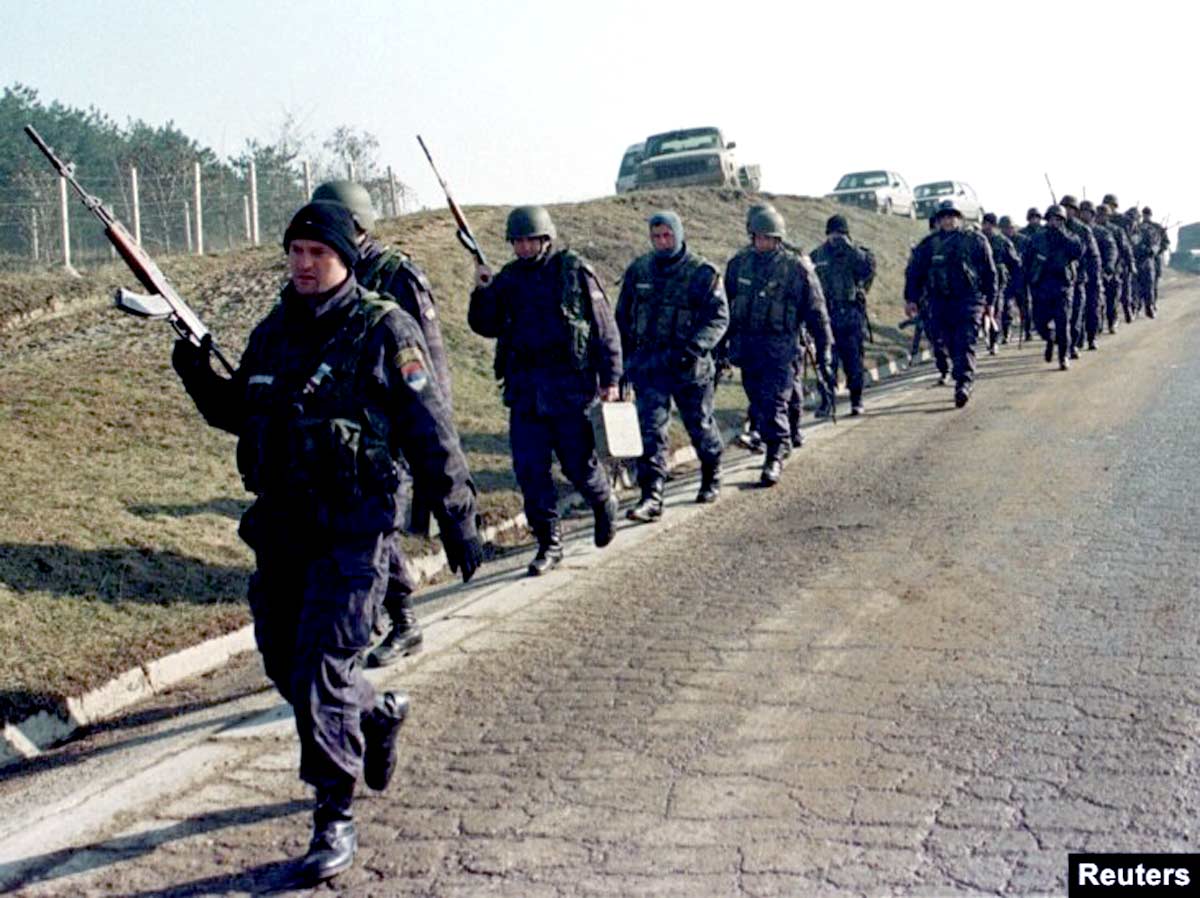
In the 1990s, the former Yugoslavia was ripped apart by a series of brutal wars, including the Croatian and Slovenian wars of independence, and the Bosnian civil war. By the late 1990s, Kosovo became wracked with conflict as well. A mixture of Serbian ultranationalist tendencies with Kosovar Albanian revolutionary demands led to another brutal war. Serbia, having been defeated in the other wars, was prepared to do whatever it took to maintain control of Kosovo. The Kosovar rebels, fearing their people’s annihilation, fought to force Belgrade to either grant Kosovo autonomy or full independence.
Serbian claims over Kosovo were rooted in centuries of cultural and religious connections to the land. It was a central location to the Serbian Orthodox Church and home to some of Serbia’s most sacred monuments. In 1389, Serbian troops fought Ottoman forces to a standstill near Pristina, creating a legend that became central to Serbian national identity. During the period of Communist rule in Yugoslavia, Josip Broz Tito granted the territory some autonomy within the Serbian republic.
Ironically, the majority of the population of Kosovo wasn’t Serbs. By the 1990s, most Kosovars were ethnic Albanians who felt threatened by the Serbian state. For centuries, they insisted that they were the true indigenous inhabitants of the land. During the Cold War, they were equal in status to Serbs, but this ended when Slobodan Milošević took power in Belgrade and began purging Kosovars from the government and the economy. This led to the rise of the Kosovo Liberation Army, which demanded an end to the discrimination.
Circumventing the UN Security Council
By 1996, Kosovar militants launched an insurgency by attacking Serbian army outposts and police stations. Some KLA officials had grandiose aims of creating a unified state of ethnic Albanians all across the Balkans. Others pushed for the more limited goal of forcing Serbia to back down from its actions. Regardless, Belgrade announced a brutal crackdown and committed more forces to Kosovo. In response to KLA attacks, Serbian troops and police committed brutal atrocities against Kosovar villages which claimed the lives of innocent civilians.
For European and North American officials, the Serbian crackdown evoked fears of a repeat of what happened in Bosnia, where Bosnian Serb forces sought to kill or displace as many Bosniaks as possible. Serbian actions in Bosnia had motivated an earlier NATO intervention codenamed Operation Deliberate Force.
The Serbian government included many extreme figures who supported the mass expulsion of Kosovars. After ceasefire talks broke down, Serbian operations intensified and the mass displacement of Kosovars became more visible to the outside world.
In summer 1998, the UN Security Council had passed two resolutions calling for a ceasefire and an end to the mass expulsions of Kosovars.
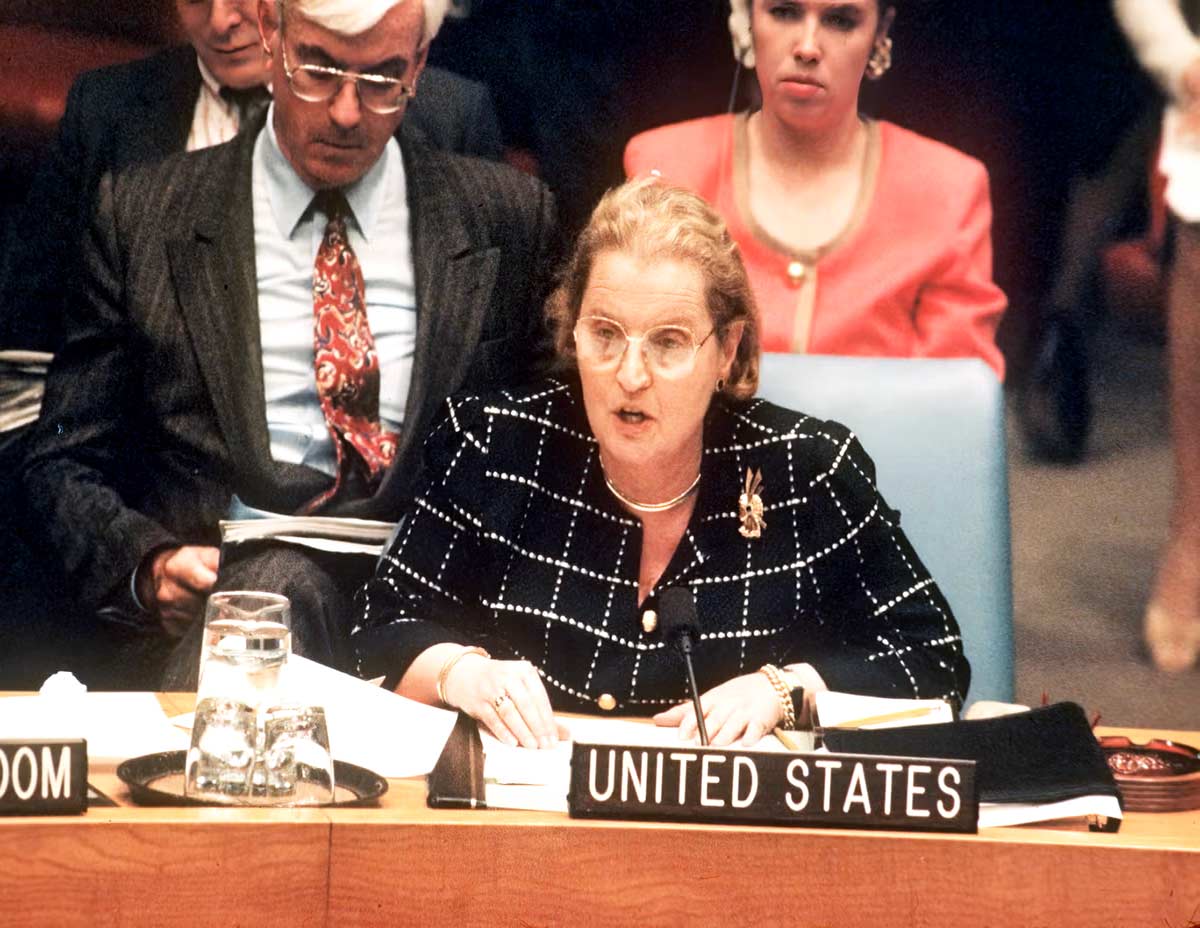
Because Serbia was not acting in compliance (neither was the KLA), several officials from Western states, including NATO Secretary General Javier Solana and US Secretary of State Madeleine Albright, pushed for unilateral action. In early 1999, the United States, Russia, and four other European powers met at Rambouillet in France to draft a peace agreement that entailed autonomy for Kosovo and the deployment of a NATO peacekeeping force. When Serbia rejected the agreement, NATO prepared to take unilateral action without formal UN approval due to the belief that China and Russia would veto any action considered hostile to Serbia. Milošević’s government anticipated these strikes and began preparing its defenses accordingly.
The NATO and Serbian Order of Battle
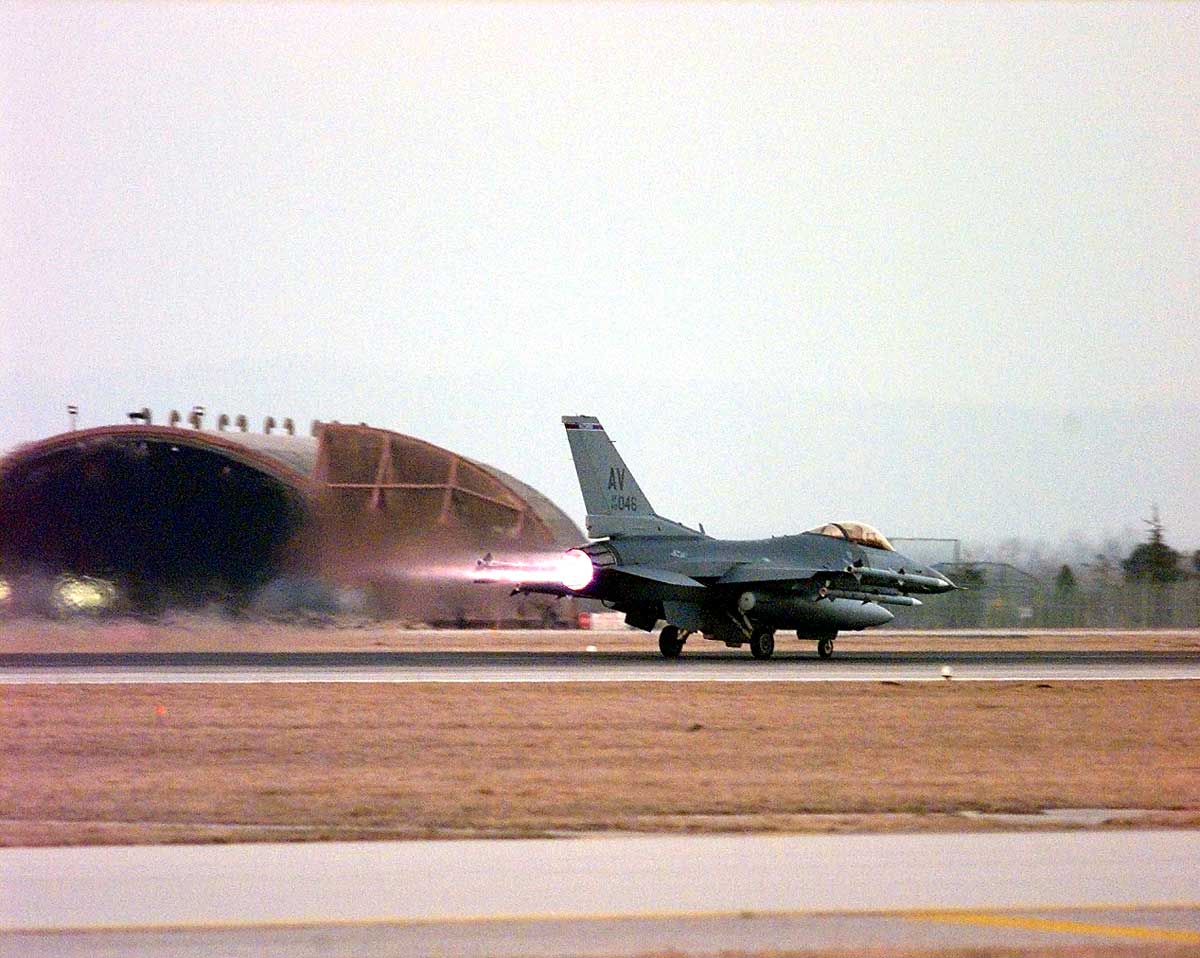
To strike the Serbs hard, NATO put together a formidable force equipped with the most modern weapons available to date. Around 1,000 planes were deployed for the operation, with just over 700 of these being American. They were supported at sea by a naval force of 20 ships led by the USS Theodore Roosevelt, a Nimitz-class aircraft carrier, and the French Clemenceau-class carrier Foch. The planes were a mixture of fighters, bombers, resupply aircraft, and radar planes equipped with a potent mixture of dumb and guided ordnance. Most of the pilots had combat experience in Bosnia or Iraq earlier that decade.
The plan called for a steady degradation of Serbian military assets in both Kosovo and Serbia proper. NATO did not plan to launch a ground offensive into Kosovo, fearing it would sustain heavy casualties against the Serbian military. However, thousands of NATO forces were on standby to assist in case the air operation went wrong. Multiple infantry and armored units were in Macedonia and Albania, where they could prevent additional exoduses of Kosovars and act as the vanguard of the UN peacekeeping mission that would take over after the bombing stopped. Additionally, NATO special forces and intelligence units were attached to the KLA to assist them and identify additional targets for the bombers.
Serbia’s air force and air defenses were strong on paper but heavily outclassed by NATO’s capabilities. The Serbian air force boasted 240 planes, but most were no match for the advanced F-16s, Mirages, and Tornados that were part of the bombing missions. Their air defenses were widespread, with over 1,000 missile launchers and AA guns available. However, their performance proved to be ineffective. On the ground, Serbia had hundreds of thousands of men mobilized in both Serbia and Kosovo, but they had little experience fighting against a professionalized force of NATO troops.
The Start of the Bombing Campaign
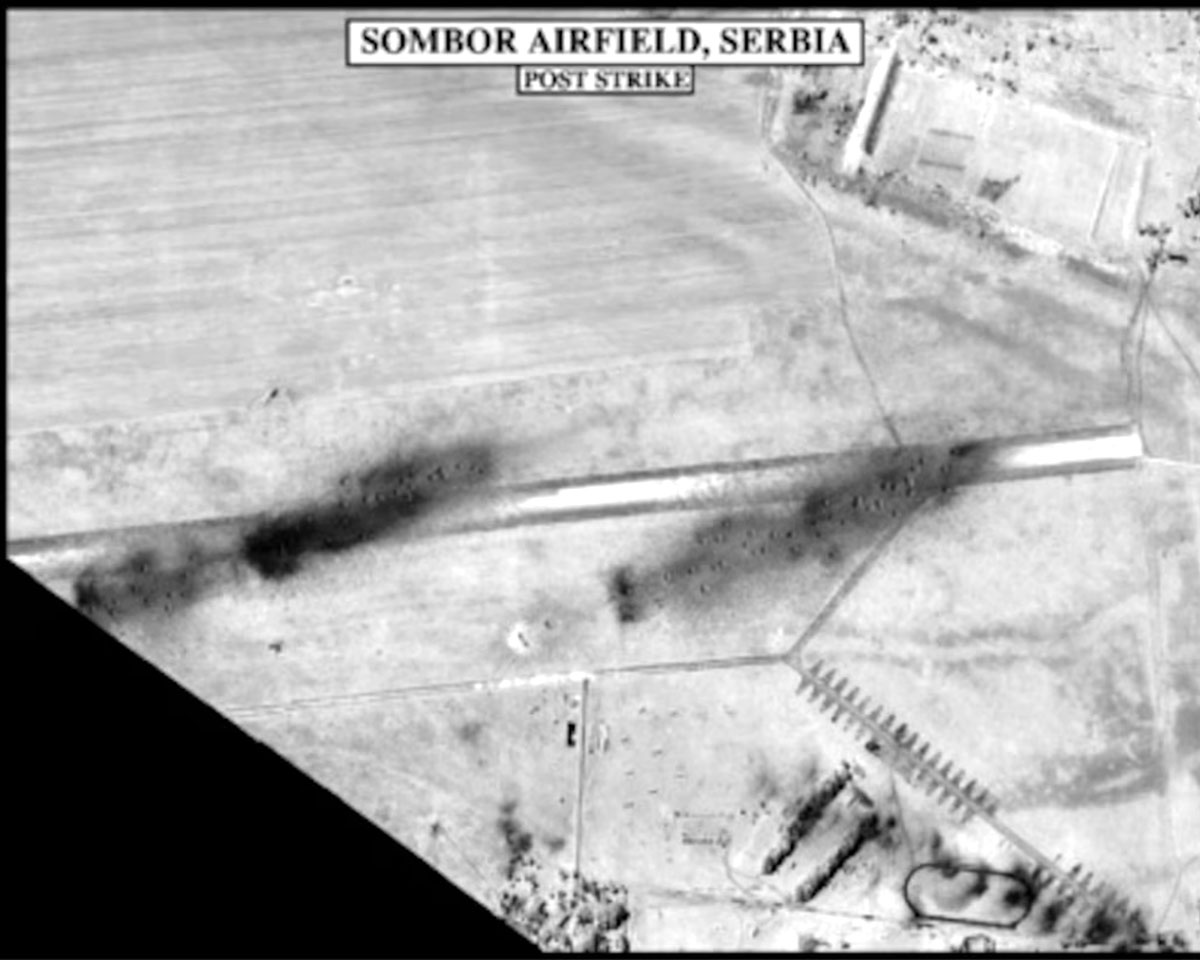
Operation Allied Force began on March 24, 1999, as NATO planes and cruise missiles began hitting Serbian military targets. Radars and air defense systems were the primary targets because NATO wanted to clear the skies before flying sustained sorties over Serbian airspace. Once these were neutralized, NATO planes were to shift over to the second phase, unless the Serbs agreed to a ceasefire. After this, the target list would be expanded, following a procedure that NATO air forces had previously employed in Bosnia and Iraq.
Initially, the Serbs refused to back down and disguised many of their heavy weapons systems by employing decoys in the open. Additionally, Serbian ground forces accelerated their plan to empty Kosovo of Muslims. This forced NATO to expand its target list to any Serbian military or police units operating south of the 44th parallel. However, USAF Lt. Gen. Michael C. Short’s (commander of the bombing campaign) request that he expand the campaign to target all of Serbia was denied for fear that the conflict could escalate out of control.
The Serbian military responded to the air offensive by attempting to scramble as many fighters as possible, especially its venerable MiG-29s. However, they proved no match for the well-trained NATO pilots, who shot several aircraft down. Over the next several weeks, the Serbian air force lost over two dozen planes, mostly on the ground. Most Serbian sorties stopped after a few days in a blow to Belgrade’s plans to defend its airspace. However, NATO was also struggling to accomplish its goal of stopping Milošević’s atrocities and obtaining a ceasefire.
Shifting Targets and the Infrastructure Dilemma
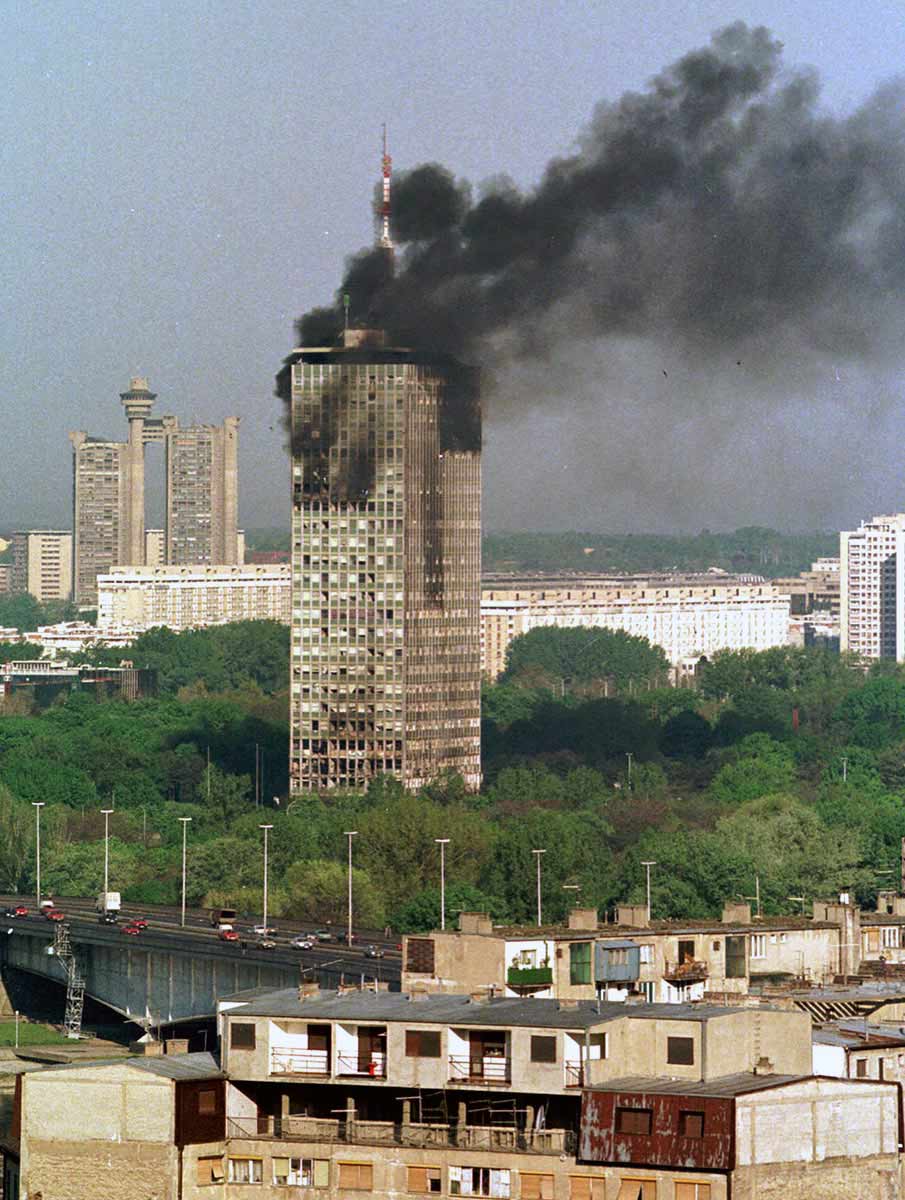
Military strategists in Washington and Brussels decided to change their approach to make the bombing hurt the Serbs at home. Dual-use infrastructure was now a target, including the Serbian electrical grid, while the bridges on the Danube were all destroyed. This new approach was aimed at imposing additional costs on Milošević and to avoid deploying ground troops to Kosovo.
This became the most controversial aspect of the war. Following the rare loss of an American F-117 Nighthawk stealth plane, General Short ordered planes to fly above 15,000 feet, limiting their degree of accuracy. Civilian casualties rose, both Serb and Kosovar. The rules of engagement were intended to prevent the mass destruction of Serbian cities and towns, but daily life did become much more difficult for ordinary Serbians.
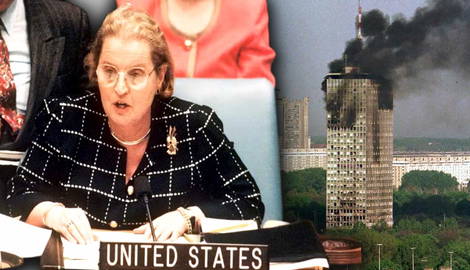
One of the most controversial incidents was when an American bomb hit the Radio Television of Serbia headquarters, killing 16 civilian employees. While NATO insisted that the target was valid because it was broadcasting regime propaganda, the bombing was roundly denounced as a war crime. The accidental bombing of the Chinese embassy in Belgrade, which killed three journalists, led to popular demonstrations throughout China.
However, the change in NATO’s bombing tactics proved to be effective. By June 10, Milošević agreed to a ceasefire brokered by Finnish and Russian mediators and began pulling Serbian forces out of Kosovo. His air force and air defense had been unable to protect Serbian skies and the KLA was on the march, emboldened by Belgrade’s weakening stance. Even though his forces still occupied most of Kosovo, Milošević consented to withdraw and effectively relinquished Serbian control over Kosovo permanently.
Redefining Sovereign Borders and International Law
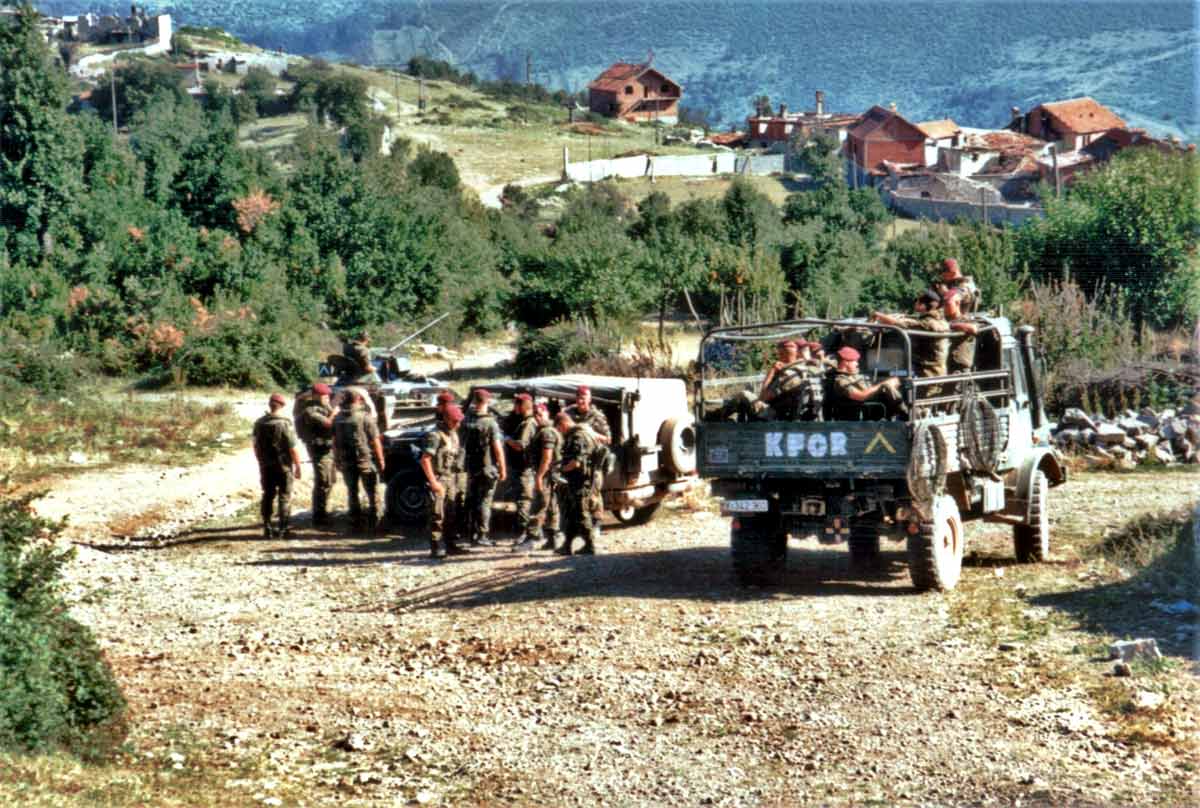
On June 9, 1999, the Kumanovo Agreement formally ended the Kosovo War. NATO began deploying forces to assume security responsibility and to disarm the KLA. This peacekeeping unit, known as Kosovo Force (KFOR), numbered in the tens of thousands and accomplished its goals of creating a local administration led by Kosovars. Concurrently, hundreds of thousands of ethnic Albanians returned to their homes while thousands of ethnic Serbs left for Serbia. A year later, Milošević was ousted in a revolution, bringing an end to the Yugoslav Wars.
The bombing of Serbia and Kosovo was one of NATO’s most controversial actions to date. Many countries opposed to the action claimed that Serbia posed no threat to NATO member states and that the bombing killed hundreds of civilians. Additionally, the bombings had not been sanctioned by the United Nations. For its part, NATO argued that the Serbs were guilty of crimes against humanity, and dozens of Serbian government officials were found guilty at a special UN tribunal.
In 2000, several UN member states formed the International Commission on Intervention and State Sovereignty (ICISS), which formulated the Responsibility to Protect (R2P) doctrine. This doctrine stated that sovereignty could only exist if a country did not commit serial atrocities against its own people or any people it governed. The doctrine was formally adopted in the 2005 UN World Summit. Humanitarian military interventions could legally take place, but needed to do so through official UN channels. Thus, NATO’s actions provided a legal blueprint for countries to use force to compel an international actor to observe international humanitarian law.