
The story of Kongo Gumi, founded in the 6th century AD, is more than just the tale of the oldest company in the world. Engaged in Japanese temple construction and restoration for over 1,400 years, Kongo Gumi occupies a special place within the country’s culture, its origins illuminating the movement of technical knowledge across East Asia, the spread of Buddhism, and the foundational role of one man in shaping Japanese heritage. Examining its beginnings and projects reveals why this still-operational company is not just a historical curiosity.
A Builder That Outlasted Dynasties and Empires

Many scholars consider Kongo Gumi one of the oldest, if not the oldest, continuously operating companies in the world. Japan is home to many remarkable businesses founded hundreds of years ago, but Kongo Gumi’s existence is measured in millennia. Founded around 578, it has been involved in many important temple construction projects in Japan over the years, and it is still continuing the traditions that first brought it to the country.
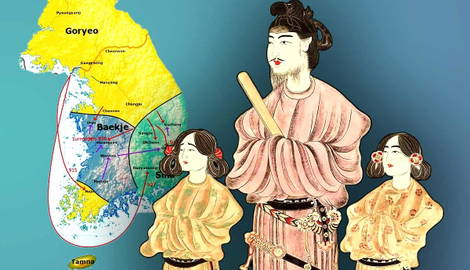
The company’s beginnings are closely tied to Prince Shotoku, who invited skilled artisans from the Korean kingdom of Baekje to assist with the construction of Shitenno-ji temple in Osaka. Among the Korean woodworkers was a carpenter who came to be known by the Japanese name of Kongo Shigemitsu, today traditionally recognized as the founder of the Kongo family line and their eponymous company. This already adds dimension to the story of “the oldest company in the world” by revealing how it is underpinned by the transfer of architectural knowledge across borders, an important element in early Japanese temple building.
Over the centuries, Kongo Gumi has earned recognition for its involvement in miyadaiku traditional temple construction and the restoration of Japan’s major places of worship that have been damaged by fires, wars, lightning, and other disasters. Maintaining these cultural assets for future generations while maintaining their original character required carpenters with in-depth knowledge of how the structures were originally constructed. This made Kongo Gumi uniquely qualified for their role as caretakers of Japan’s ancestral heritage.
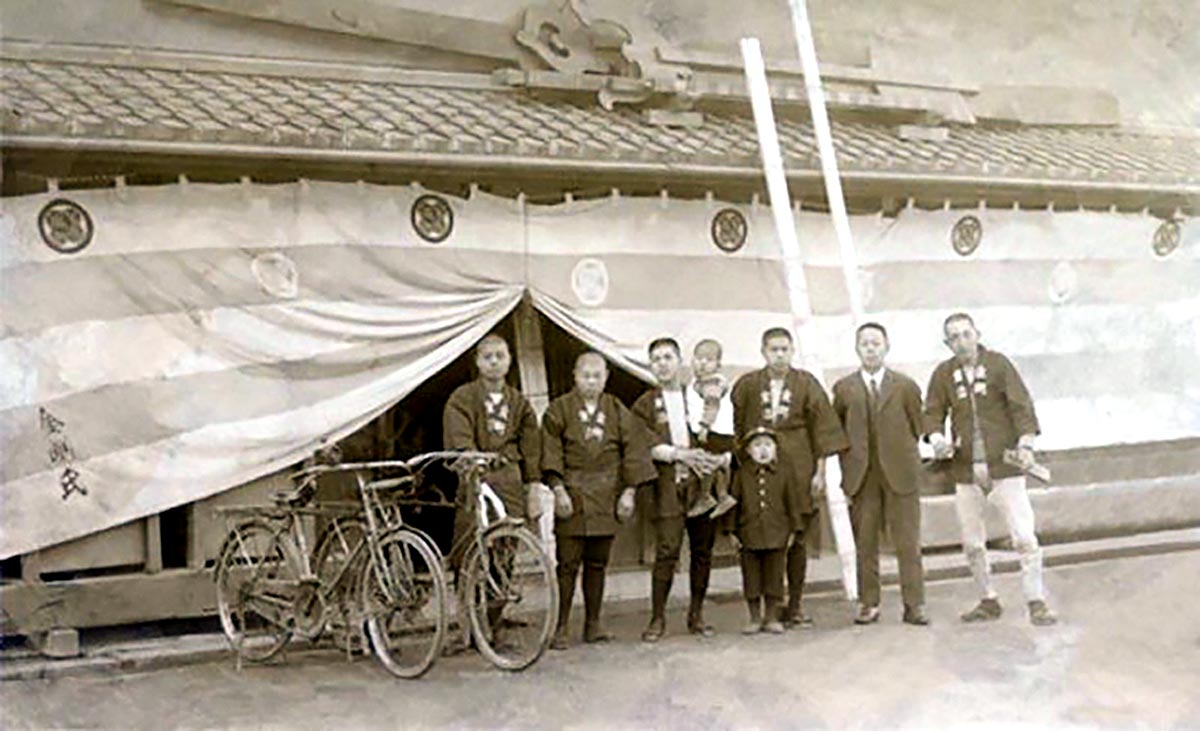
The company’s approach to succession also contributed to its longevity. Historical records suggest that leadership was not always limited to direct descendants but rather individuals deemed best suited for the position (a practice praised in Japan’s earliest texts). When circumstances required, talented individuals could assume leadership through adoption or other arrangements designed to safeguard Kongo Gumi’s high technical standards. This emphasis on ability over family lineage helped ensure that the company’s focus remained on expertise and stewardship rather than rapid growth, fame, or glory.
Kongo Gumi thus represents more than a very old business. Its history offers valuable insight into institutional resilience, the preservation of miyadaiku techniques, and the close cultural and technical connections that have long linked Japan and the Korean peninsula.
The Importance of Kongo Gumi’s Overseas Origins
The arrival of the craftsmen who would later be associated with Kongo Gumi was closely tied to the political and cultural landscape of 6th-century East Asia. According to historical records, Prince Shotoku invited experienced builders from Baekje to help construct Shitenno-ji because Japan was still developing the specialized knowledge needed for such large-scale Buddhist projects.
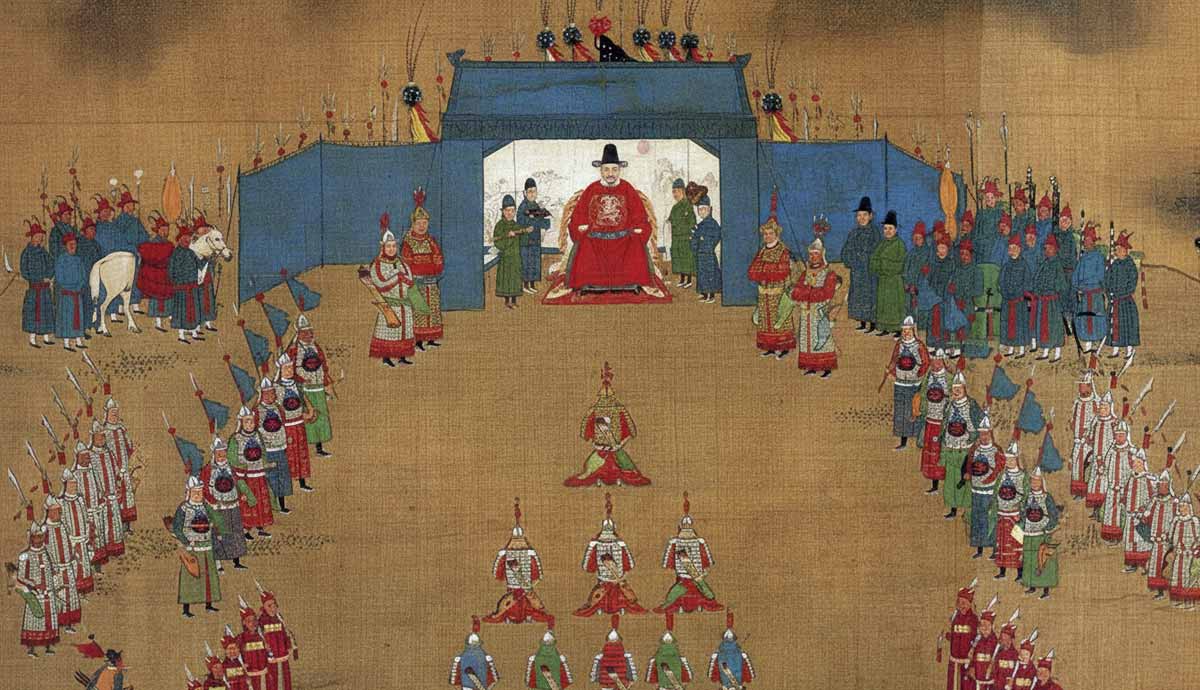
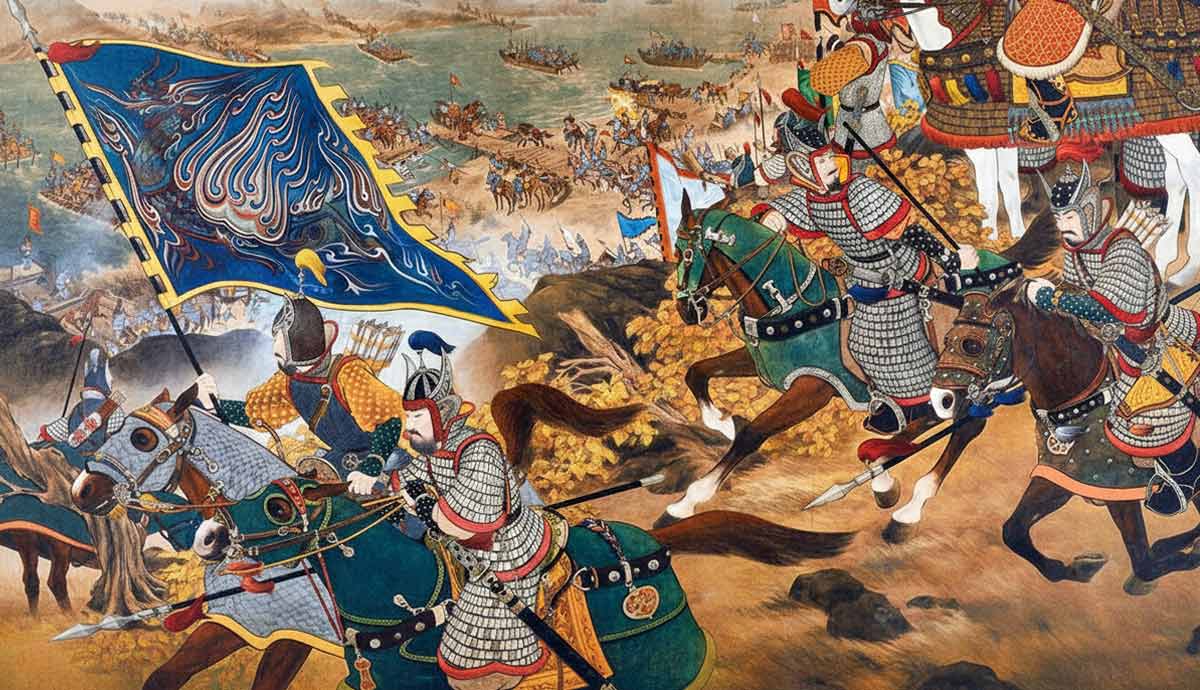
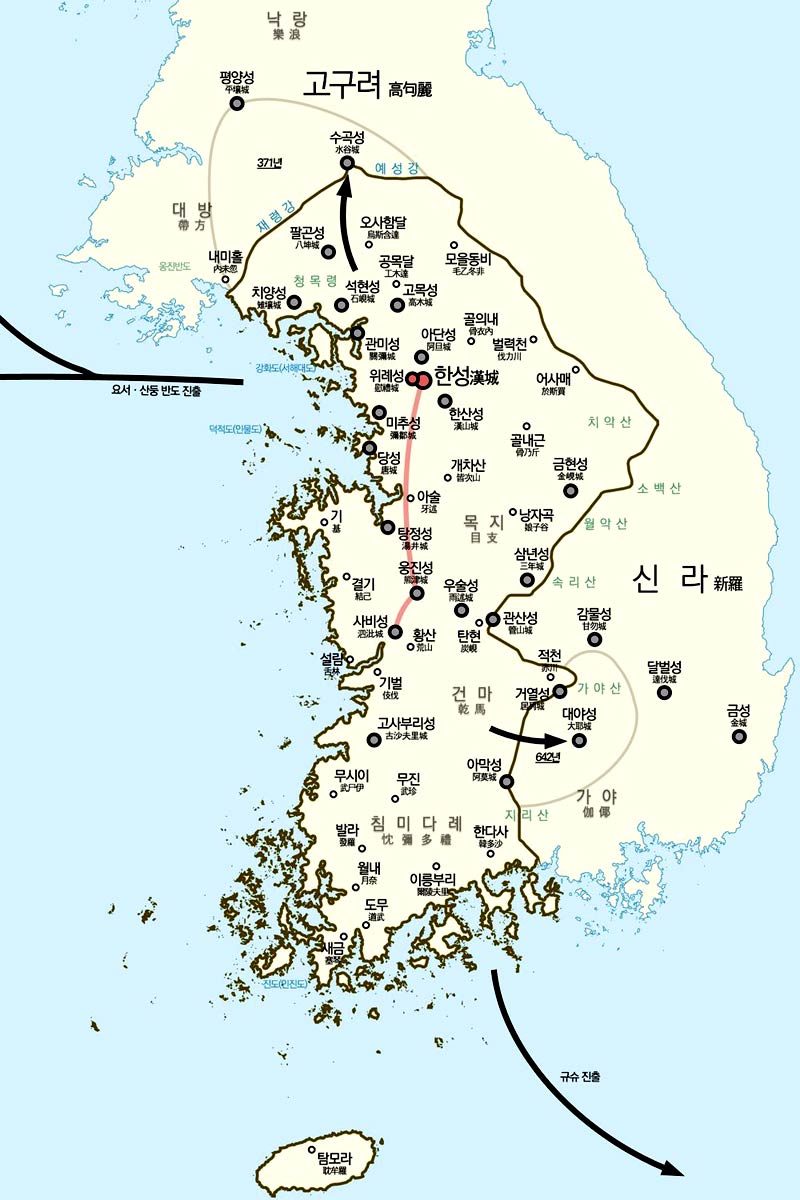
At the time, Japan’s ruling Yamato court and the kingdoms of the Korean peninsula maintained active relationships that extended beyond diplomacy. They exchanged technology, religious ideas, skilled personnel, and other valuable resources while responding to changing political and military landscapes. Ties between Baekje and Japan were built on mutual benefit, with Baekje providing advanced cultural and technical expertise and Japan offering diplomatic and military support, such as sending troops overseas during Baekje’s conflicts with rival kingdoms such as Silla and Goguryeo.
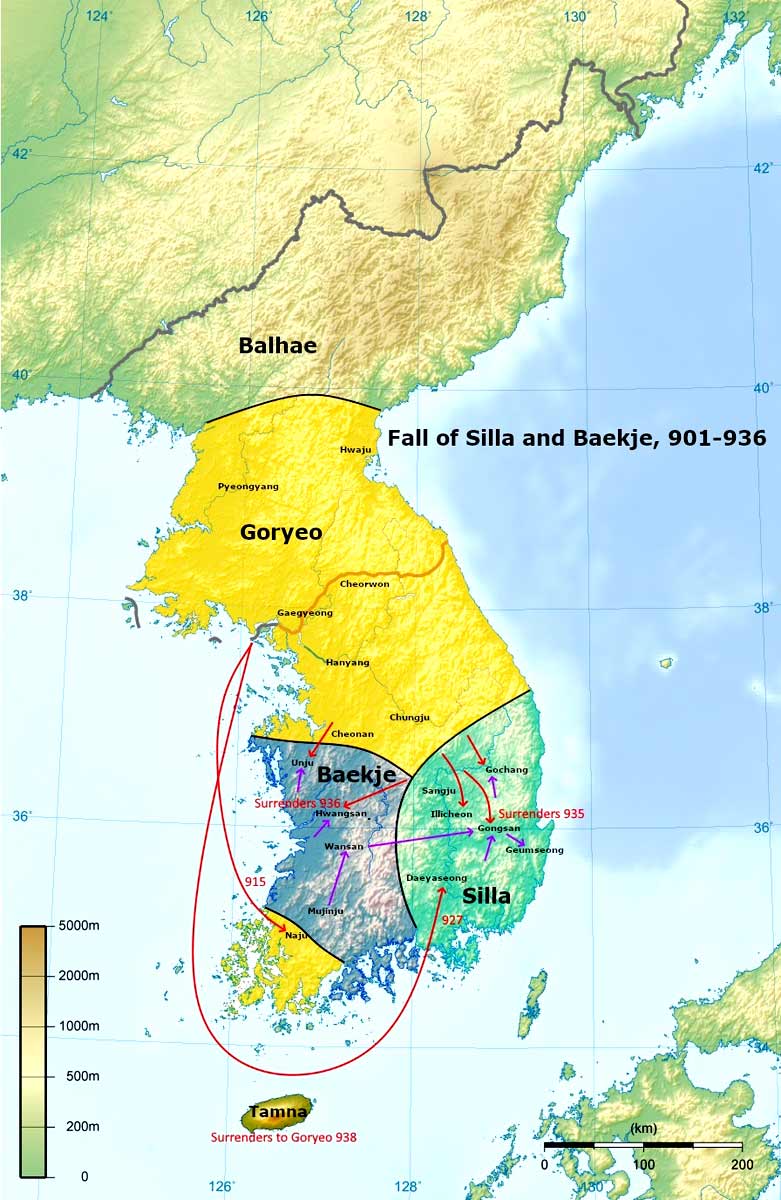
These exchanges took place during a period of heavy conflict among regional powers on the Korean Peninsula. Against this backdrop, the relationship between Baekje and Japan only kept strengthening over time. Envoys often traveled between the two states carrying messages, scholars, specialists, religious figures, and other individuals whose expert knowledge contributed to the development of the two nations’ political and cultural objectives. The craftsmen of Kongo Gumi were part of this wider cultural exchange.
Their origins on the Korean peninsula remain an important part of Kongo Gumi’s story because they highlight the interconnected nature of early East Asian history. Modern borders often create the impression that societies developed independently behind invisible lines but, in reality, ideas, technologies, and people regularly moved across the region. The builders from Baekje introduced practical skills that were eventually woven into the fabric of Japanese temple architecture. Over time, this gained an undeniably Japanese character but never fully lost its overseas roots.
The First Great Commission of Kongo Gumi
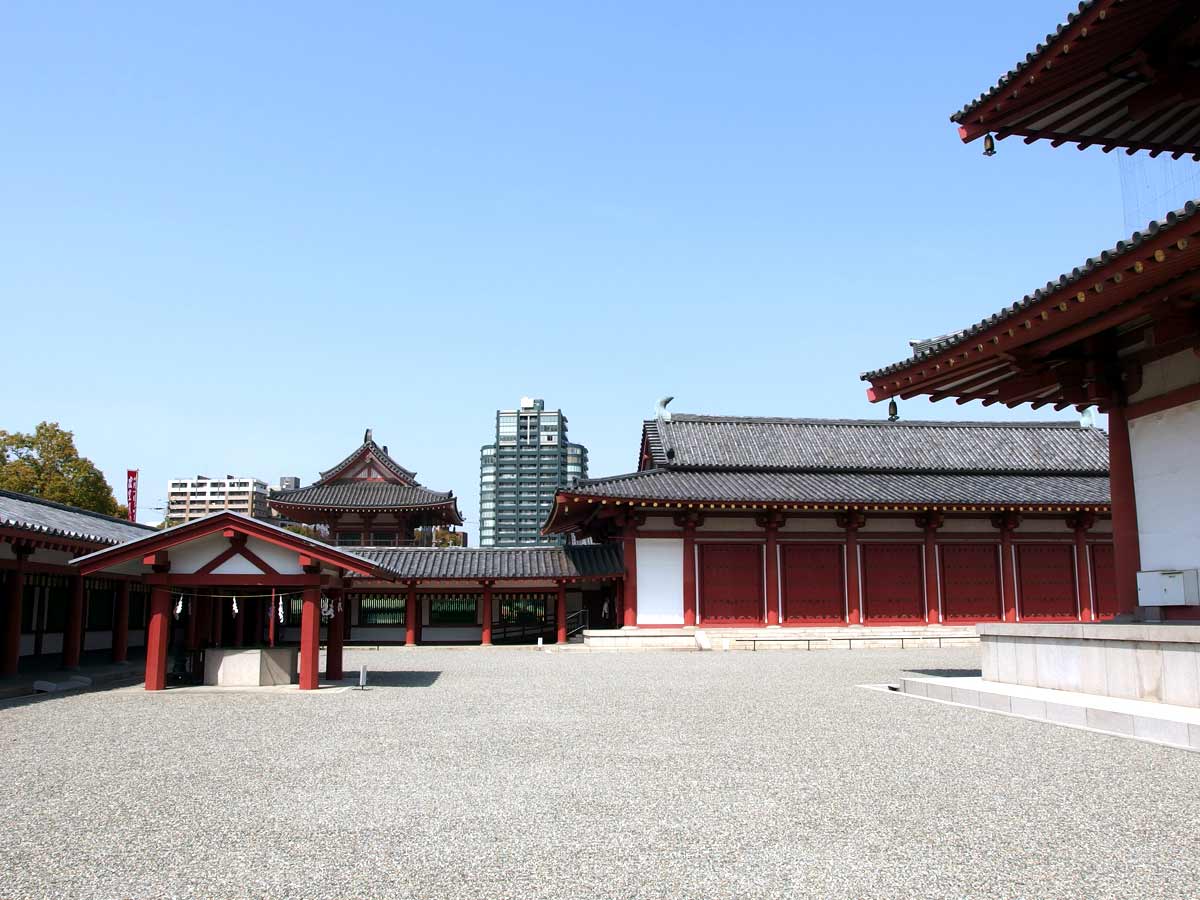
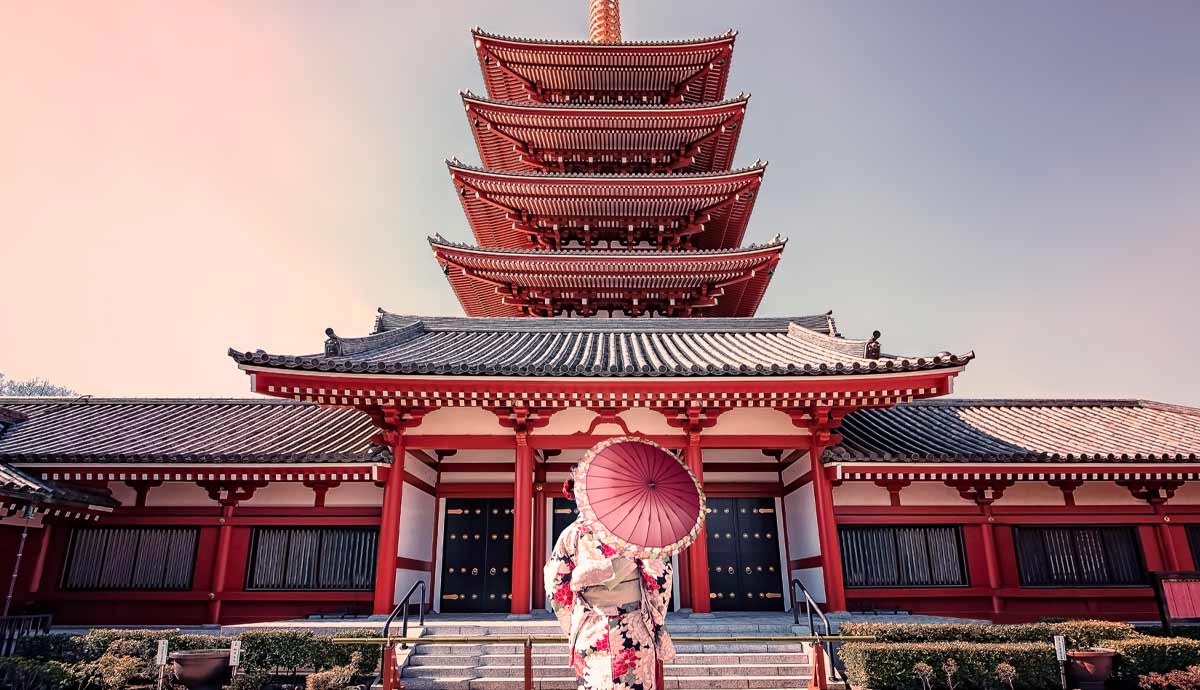
The earliest project linked to Kongo Gumi was the construction of Shitenno-ji, a Buddhist temple established under the patronage of Prince Shotoku. Today, it is recognized as one of Japan’s oldest and most historically significant temples, reflecting an important moment in Japan’s political, cultural, and religious history.
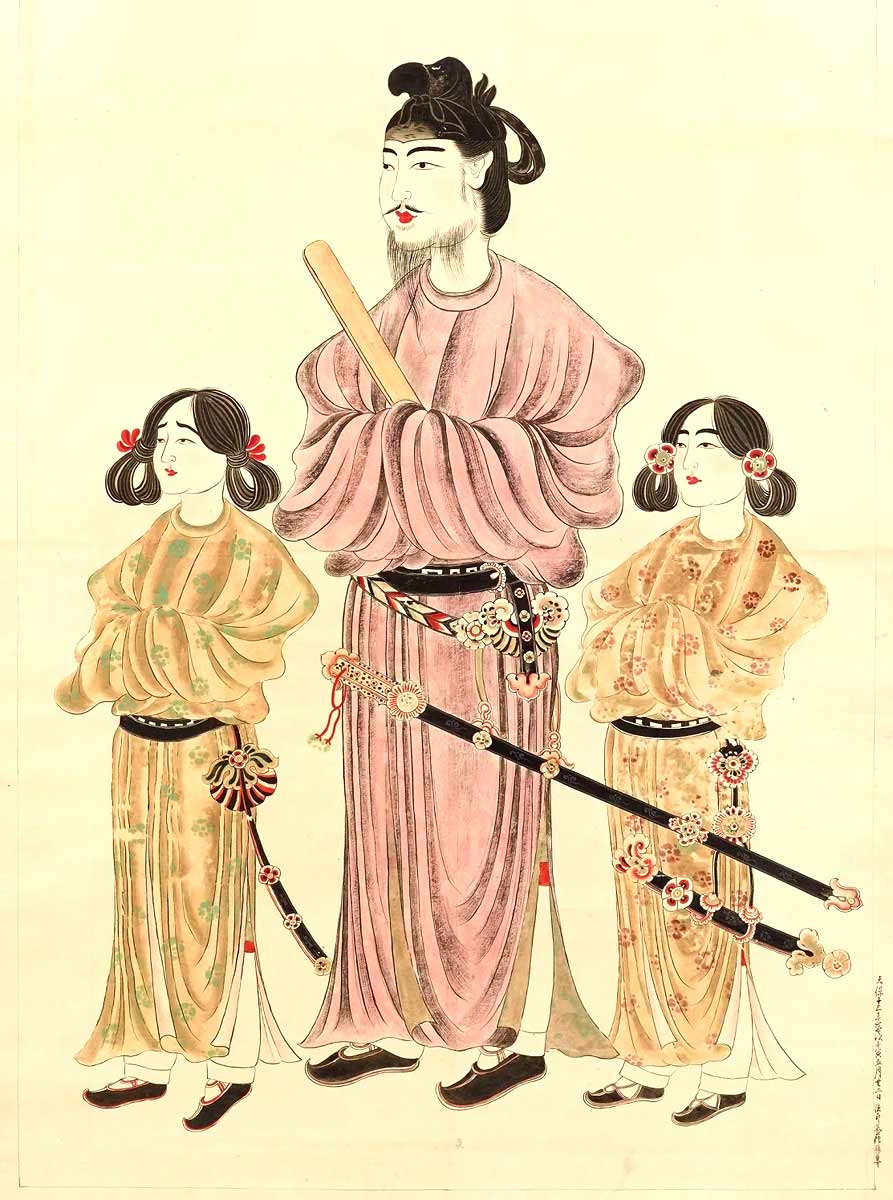
Prince Shotoku was an imperial prince of the Yamato dynasty that claimed descent from the Shinto goddess of the Sun. He was one of the leading figures behind the early promotion of Buddhism in Japan. His decision to sponsor the construction of a great temple of an overseas religion was part of a broader change in Japanese society that started to assimilate foreign elements into its identity. Over the centuries, it would lead to the creation of modern Japanese culture as we know it today.
The artisans connected with Kongo Gumi developed a lasting relationship with Shitenno-ji after completing the original structure. Kongo Shigemitsu and his successors remained responsible for maintaining and repairing the Osaka temple, creating an association that lasted for 1,400 years and ultimately became the oldest company in the world.
Like many historic wooden buildings, Shitenno-ji suffered repeated damage over the centuries. Natural disasters and other calamities destroyed parts of the complex on multiple occasions, making reconstruction an ongoing necessity. Each rebuilding demanded skilled planning and deep familiarity with the original structure, allowing the carpenters of Kongo Gumi to keep honing their craft through practice rather than simply recording it for future generations. What began as a single construction project evolved into a tradition of temple building and preservation that has continued for well over a millennium.
Shitenno-ji itself became an enduring symbol of Buddhism’s growing influence in Japan. Beyond serving as a place of worship, the temple functioned as an important cultural and administrative center, reflecting the commitment of political leaders to the new religion by demonstrating the resources they were willing to invest in it. Ultimately, the histories of Kongo Gumi, Prince Shotoku, and Shitenno-ji illustrate how specialized craftsmanship, politics, and a changing religious landscape all co-existed during a formative period of Japan’s cultural development.
Understanding the Traditions of Miyadaiku Through Kongo Gumi
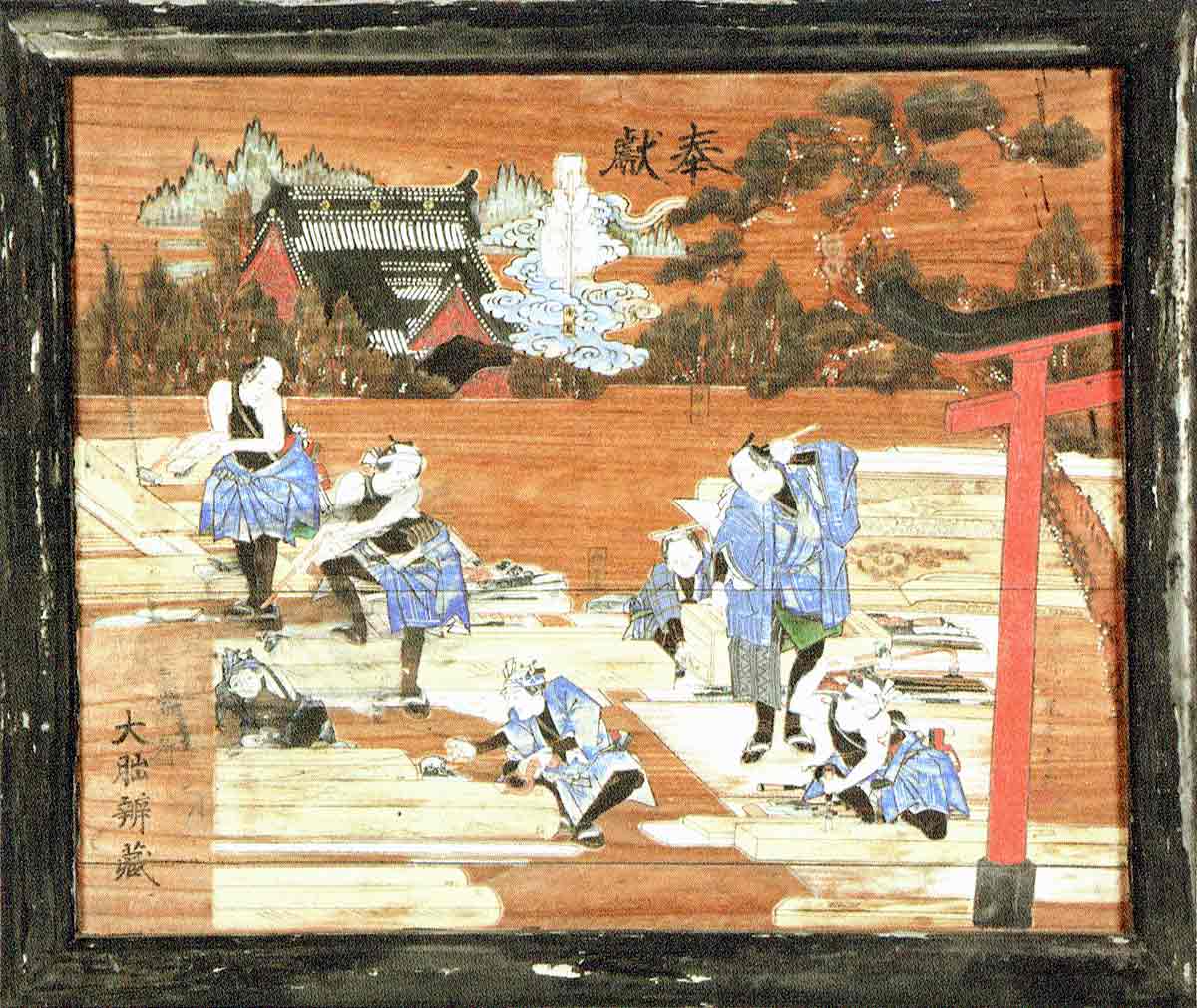
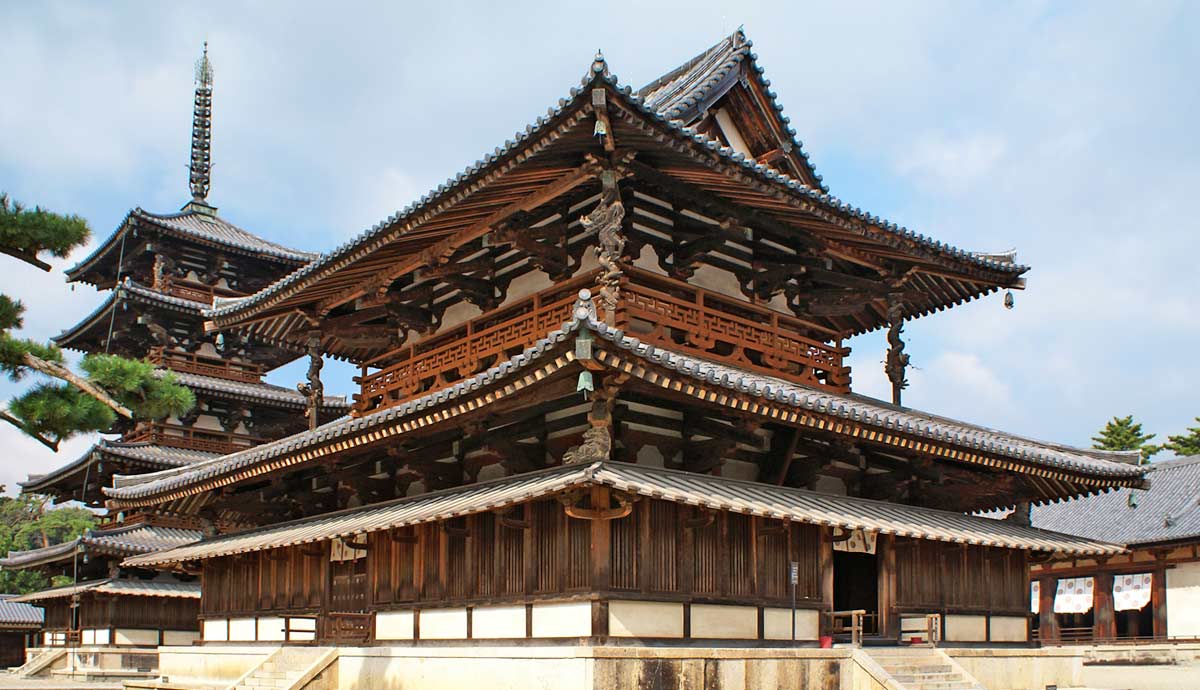
The history of Kongo Gumi also provides a useful perspective on the tradition of miyadaiku, the highly skilled carpentry behind Japanese temples. To become a miyadaiku carpenter requires years of practical, hands-on experience rather than simply reading instructions, as well as careful attention to detail and a deep understanding of construction techniques refined over many generations like kigumi interlocking joinery. Success in the profession depends not only on creating new structures but also on preserving established methods while meeting high technical standards.
The profession additionally reflects the delicate balance between continuity and adaptation in Japanese craftsmanship. Traditional miyadaiku woodworking methods have endured but are today supplemented by innovations such as 3D laser scanners or CAD software to plan out construction. Rather than treating historic techniques as outdated relics of the past or something so sacred that they should never be changed in any way, miyadaiku carpenters successfully harness modern technologies while staying respectful to centuries of tradition.
Kongo Gumi itself also embodies this. Economic downturns have periodically threatened the continued existence of Kongo Gumi. Today, after nearly 1500 years of resilience, the world’s oldest company is still in business but now it is a subsidiary of the Takamatsu Construction Group that acquired it in January 2006. Some see it as taking some of the gloss off its reputation, but the decision has allowed Kongo Gumi to continue to exist and focus primarily on its core expertise of temple construction, restoration, and the essential transfer of knowledge. And Japan’s culture continues to be all the richer for it.