
There were no second places in the ancient Olympics. For the athletes, winning meant everything. The games on the sacred temple grounds in Olympia celebrated strength, discipline, and honor. Athletes competed in front of a vast audience, but also in the eyes of the gods. Despite the virtuous surface, cheating, bribery, and match-fixing in ancient games reveal that corruption in sport is nothing new. Explore some of the most infamous cases of cheating in ancient athletic history.
Who Was the First Known Cheater?
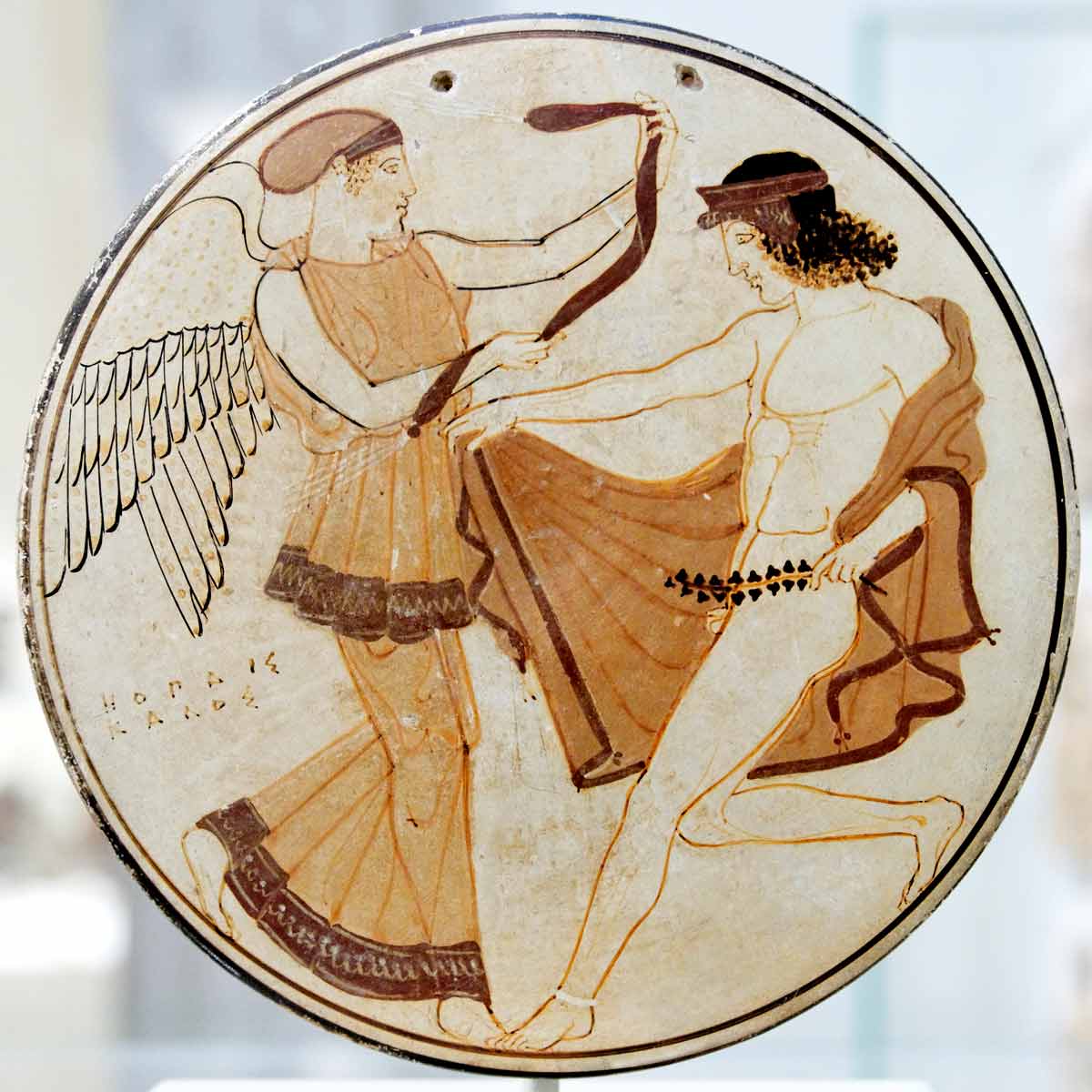
The year was 388 BC, and a boxer named Eupolus from Thessaly was determined to do anything to win his match at the 98th Olympiad. To secure victory, he bribed three of his competitors, Agetor of Arcadia, Prytanis of Cyzicus, and Phormio of Halicarnassus. Unfortunately, the judges discovered the scheme. As punishment, Eupolus and the athletes who accepted bribes were ordered to pay a heavy fine.
Eupolus’s failed attempt at match-fixing is the first recorded case of cheating in the Olympics. The story, as well as several other cases of foul play, were recorded by Pausanias, a 2nd-century AD Greek traveler and geographer. Pausanias’s writings are often called the world’s first travel guide. He recorded important Greek sites but also wrote down local history and myths. His observations from Olympia are fascinating since when he visited the site, all the famous buildings were still intact. Pausanias records the mythological origins of the games and some local folklore. But he also wrote down the history, rules, and organization of the games, including the infamous first known cheater.
But Eupolus was hardly an isolated bad apple. Match-fixing and cheating by athletes, judges, trainers, and even parents of the athletes occurred throughout the history of ancient games until the 4th century AD.
Sacred Rituals and Public Spectacles
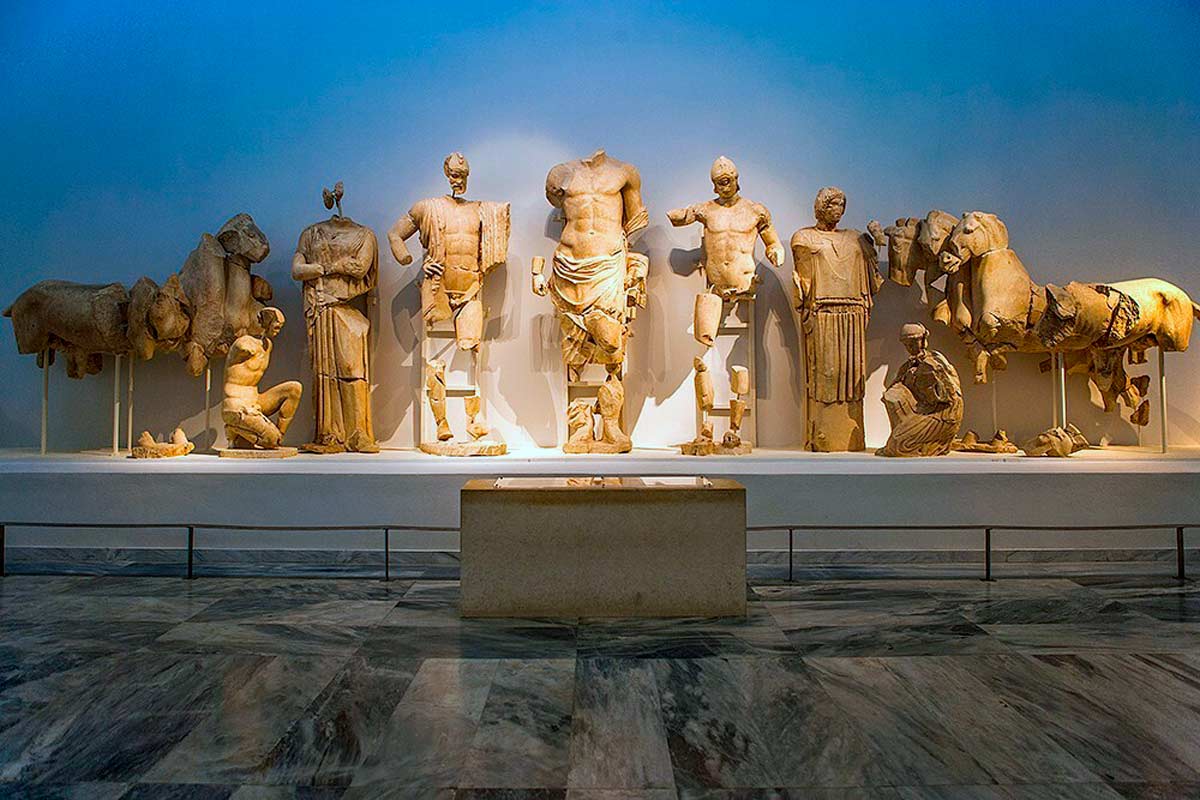
Olympia was not an ordinary city, but a sacred site and a destination for religious pilgrimage. Initially, the temple grounds were a local place of worship, but over time, the site grew into a vast area of several temples and ritual spaces, the most important being the great temple of Zeus. Religious processions, animal sacrifices, prayers, offerings, and ceremonial rituals were all essential parts of the five-day festival.
Religion and entertainment would happily mix at Olympia. Participants saw no contradiction in offering their sacrificial animals or votives to Zeus in one moment and loudly cheering for athletes the next. It is thought that the visitors moved seamlessly between the athletic audience area and sacred spaces, enjoying both aspects of the great festival.
Religion was an important element for the contestants as well. Before the games, the athletes, their fathers, brothers, and coaches swore an oath in front of the statue of Zeus Horkios, guardian of oaths. The exact wording of the oath has not survived, but it is known to have included a promise to compete fairly and to keep sensitive information about fellow athletes a secret. The Olympics were sacred to the god of gods, Zeus, so cheating was considered not only dishonest but also an offense against his divine law.
The Expansion of the Olympic Competition
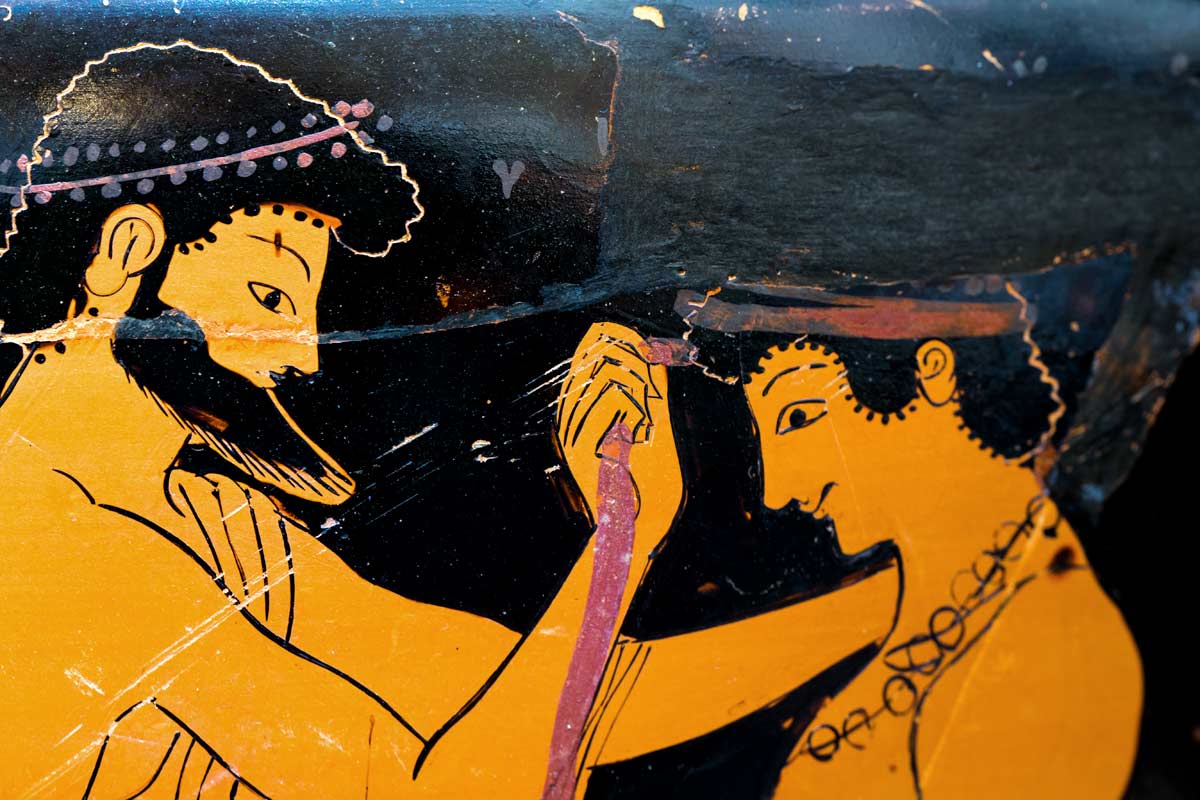
Games in Olympia had been held every four years at least since 776 BC and maybe even centuries before that. Initially, the games had only one event: a single-length run, or the stade. But that was hardly enough to keep the masses happy. The audience’s appetite for ever more excitement and thrill grew by every Olympiad.
Pentathlon was added to the 18th Olympics, and heavy sports such as wrestling, boxing, and pankration were added at the 18th, 23rd, and 33rd Olympics, respectively. Horse events were especially popular among the crowds. The chariot races with two or even four horses featured tight turns and a high risk of collision. Races were dangerous and therefore made for a thrilling watch. Later, in the Olympics, competitions for boys aged twelve to 17 were added, as well as competitions for young horses.
The Olympics started as a relatively small, local event but grew over time into a huge unifying festival for the entire Greek world. More than 40,000 people traveled to Olympia at the height of its popularity. City-states sent political envoys, diplomats, and ceremonial delegations to the games. As the scale and prestige of the Olympics increased, so too did the pressure to win.
Why Was Winning So Important?
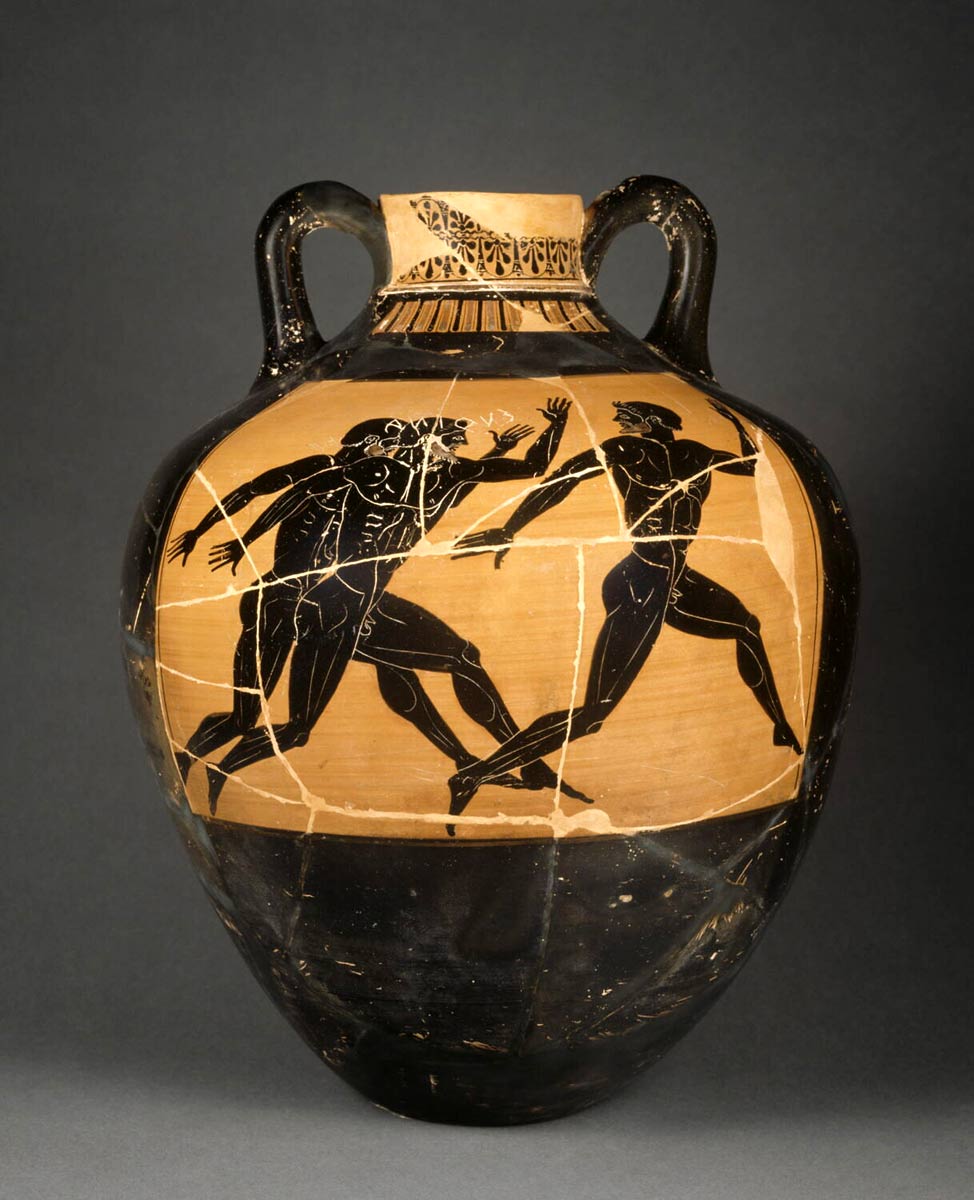
There were no prizes for second place in the ancient Olympics. Only the winners were celebrated and their names recorded. Returning home after a defeat could have been deeply humiliating. City-states often showed little interest in athletes before the games, but victorious competitors could later receive generous rewards, such as money, food, tax exemptions, and public honors. So winning could definitely mean great personal gains.
Another reason to strive for the win could be more practical. Training for the Olympics demanded time and wealth. Even the travel to the relatively remote Olympia, on the coast of the Peloponnese peninsula, took time. Athletes without good family resources had very little opportunity to practice properly. Hiring an experienced coach could be expensive. Successful training also requires a good diet. It was generally thought that athletes should eat plenty of meat, which was expensive for many Greeks at the time.
The 3rd-century AD writer Philostratus claimed that athletes of his time lived luxurious lifestyles and therefore accepted bribes to maintain the life they had become accustomed to. He lamented in Gymnastikos that athletic corruption had reached even sacred Olympia, complaining that trainers and athletes routinely bought and sold victories for profit. Sadly, the pressure to win could tempt the competitors at the sacred Olympic Games to abandon their high ideals and morals.
What Counted as Cheating?
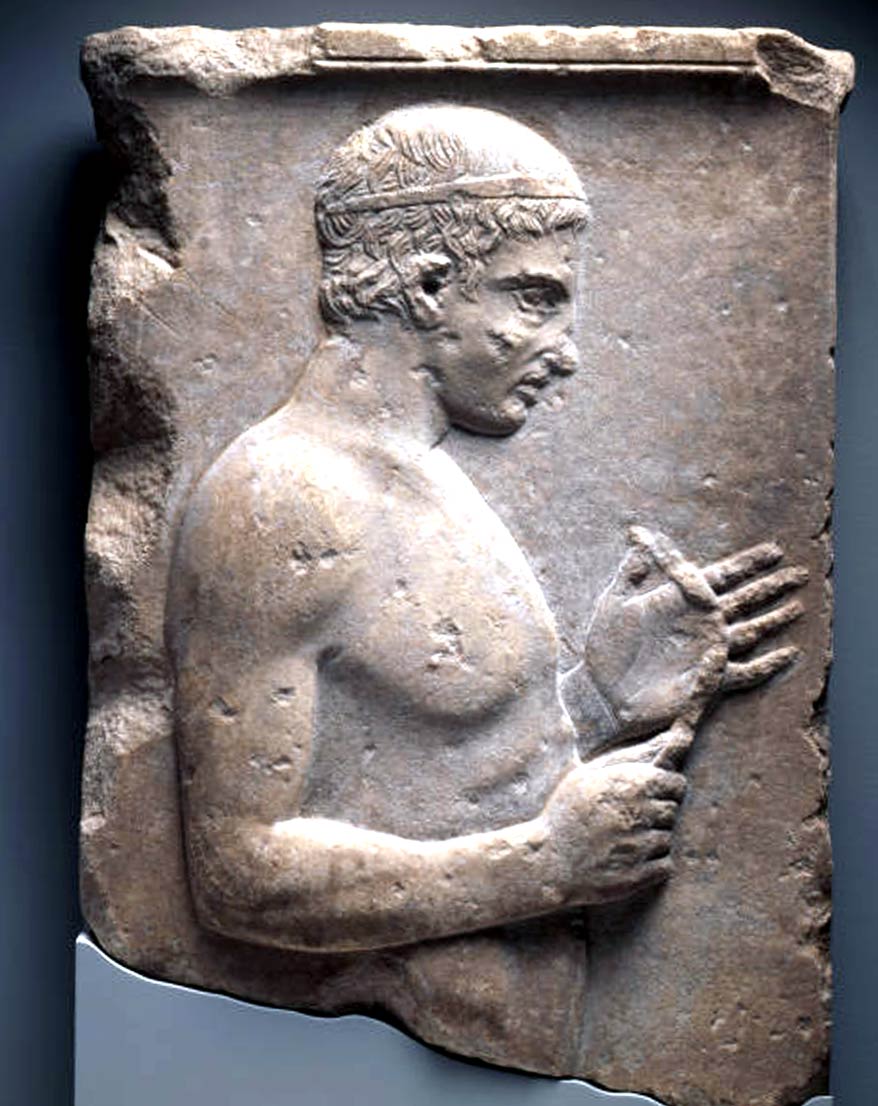
In the ancient Olympics, cheating was not done through doping or performance-enhancing drugs as it is in modern sports. Instead, dishonesty usually took the form of bribery, match-fixing, competing under a false identity, or using political influence to secure a desired outcome.
Alongside Eupolus and his scandal at the 98th Olympiad, several other cases of bribery are recorded in the ancient sources. Pausanias mentions Callippus of Athens, who unsuccessfully bribed his competitors in the pentathlon during the 112th Olympic Games. Two Egyptian boxers, Didas and Sarapammon, were fined for fixing their match at the 226th Olympics. Another wrestler, Eudelus, allegedly paid a Rhodian competitor to deliberately lose a preliminary wrestling bout. Both men were eventually discovered and fined. This case is especially interesting because it shows that match-fixing occurred not only in the finals but also in the earlier rounds of competition.
In running competitions, pushing, shoving, and false starts happened, even though touching other competitors was against the rules. When the boys’ competitions began, there were cases where men tried to pass as boys to gain an advantage over younger athletes.
Not Only Athletes Cheated
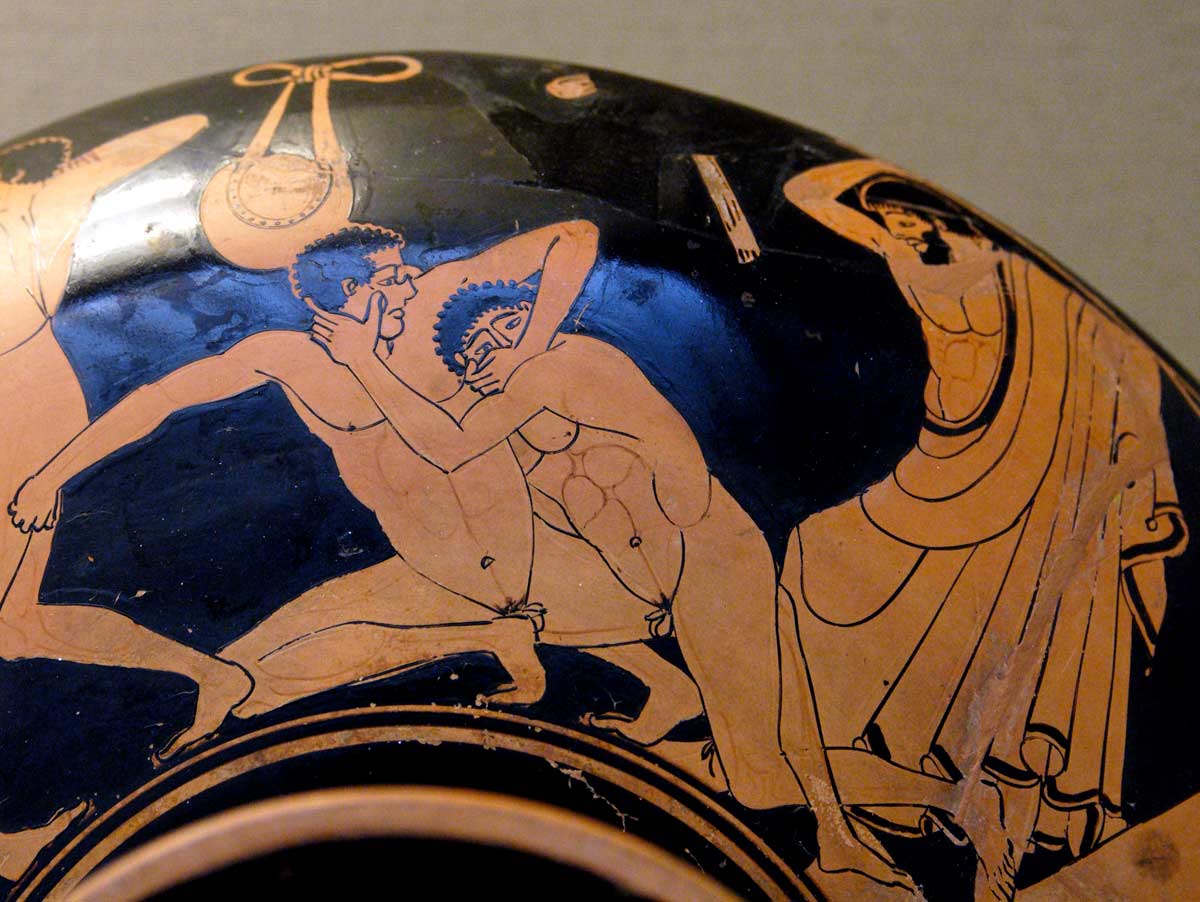
There are several recorded incidents where the judges, called the Hellanodikai, also accepted bribes or acted dishonestly. In 396 BC, three judges failed to reach a unanimous decision on the winner of the stade race. Two of the judges voted for a local runner, Eupolemus of Elis, but the third judge supported Leon of Ambracia. Leon appealed the decision to the Olympic Council, which fined the two judges for being biased. Never mind if he was a local athlete—a race is a race! A few Olympiads later, another judge was heavily criticized after competing in two chariot races and conveniently declaring himself the winner in both events.
Even coaches were sometimes involved in corruption. Bribed trainers could deliberately prevent their own athletes from appearing in the finals, citing injuries that did not exist. There is also a known case in which the fathers of two boys about to meet in a boxing match fixed the match beforehand between themselves.
The Politics of Olympic Victory
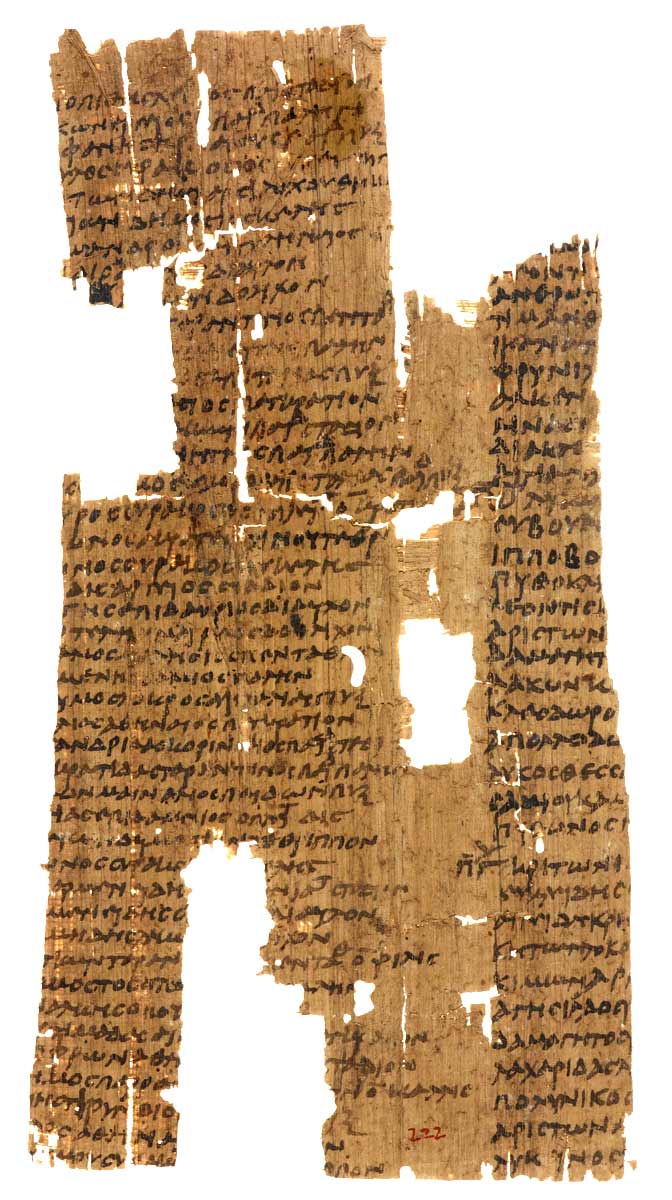
The Greek city-states did not organize any official qualifications for Olympic hopefuls, but athletes competed representing their own polis. Successful athletes brought glory to their cities and were a source of celebration and pride. Given the prestige of victory, it is no wonder that some rulers and tyrants bribed competitors to represent their city. Olympic victories had become politically valuable in the Greek world.
Dionysius I of Syracuse tried to bribe the family of the boxer Antipater of Miletus to claim Syracuse as his home city. Another athlete, Sotades of Crete, accepted Ephesian citizenship and competed on behalf of Ephesus. This did not go down well in his native Crete, and he was exiled.
Rulers could also try to have unwanted competitors banned from the games because of political rivalries. The Athenian statesman Themistocles allegedly tried to exclude the tyrant Hiero from competing in the games. The attempt appears to have failed since Hiero was later recorded as a victor at the Olympic Games of 476 BC.
What Punishments Did the Cheaters Get?
Punishments for cheating at the ancient Olympics were severe and humiliating. Athletes caught doing even small violations could be whipped publicly. Physical punishment was common for many types of cheating. In vase paintings, we often see judges or trainers with a large whip or a rod in hand. Several sources also describe cheaters being expelled from the stadium by the loud crowds.
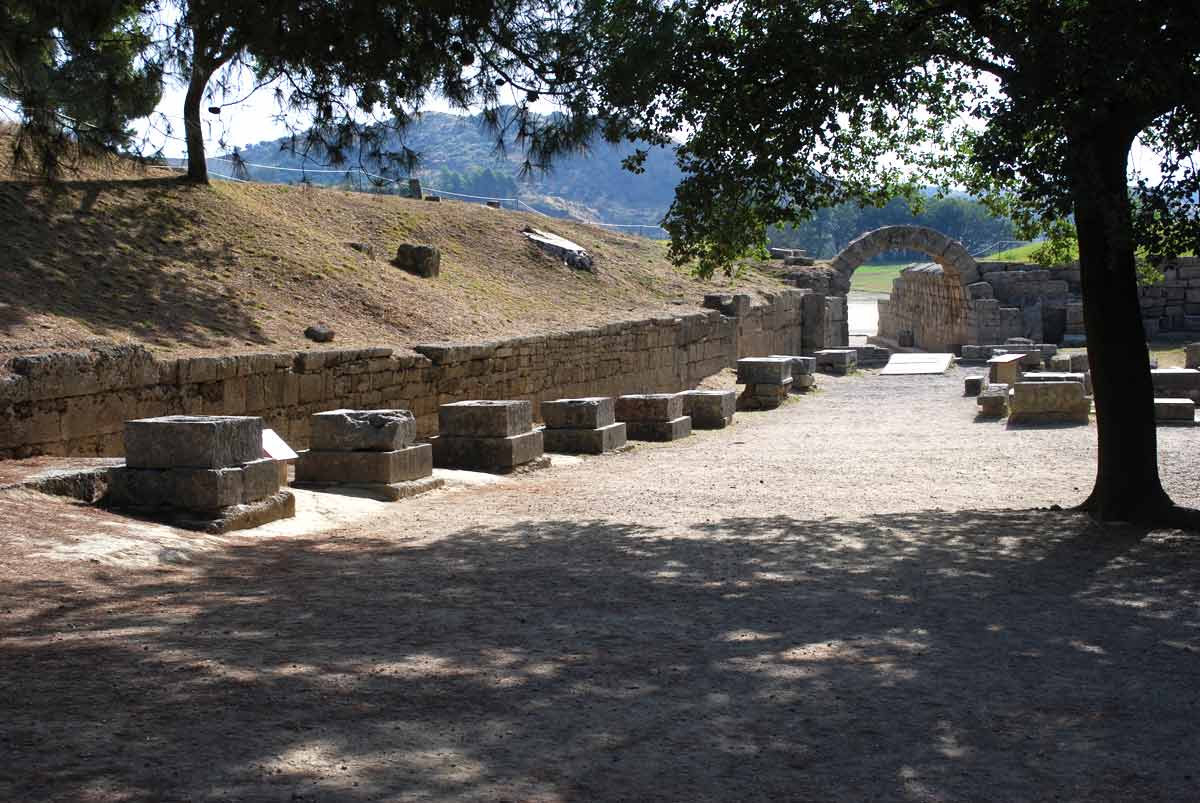
The most visible punishment was public shaming. Athletes convicted of bribery were forced to pay heavy fines, which were then used to fund large bronze statues of Zeus, known as the Zanes. This meant that the guilty competitors actually paid for monuments commemorating their own disgrace. These statues were placed along the entrance to the Olympic stadium so that every athlete had to walk past them before competing.
Each Zanes statue pedestal had an inscription naming the cheater and describing the offense. These statues were meant to be a warning to future competitors against cheating. Olympic victory must be earned with strength, discipline, and honor, and not through corruption.
By the Roman period, at least 16 Zanes statues stood at Olympia. The bronze statues, like most Greek bronze sculptures, have disappeared and no longer stand on their pedestals. But the stone bases still survive and can take us back to a time when winning in the stadium meant everything to those taking part in the Olympic Games. In fact, it meant so much that they were willing to do anything to be the best.
Sources:
- Forbes, C. A. (1952). Crime and Punishment in Greek Athletics. The Classical Journal, 47(5), 169–203. http://www.jstor.org/stable/3293316
- Crowther, N. B. (1985). Studies in Greek Athletics. Part I. The Classical World, 78(5), 497–558. https://doi.org/10.2307/4349755
- Papakonstantinou, Z. (2016). MATCH FIXING AND VICTORY IN GREEK SPORT. Rheinisches Museum Für Philologie, 159(1), 13–27. http://www.jstor.org/stable/26315495
- https://www.smithsonianmag.com/history/ancient-history-cheating-olympics-180960003/
https://theconversation.com/cheating-bribery-and-scandal-how-the-ancient-greeks-did-the-olympic-games-64048 - For Pausanias’s writing: https://www.perseus.tufts.edu
- Crowther, Nigel B. “Athlete and State: Qualifying for the Olympic Games in Ancient Greece.” Journal of Sport History, vol. 23, no. 1, 1996, pp. 34–43. JSTOR, http://www.jstor.org/stable/43610310.