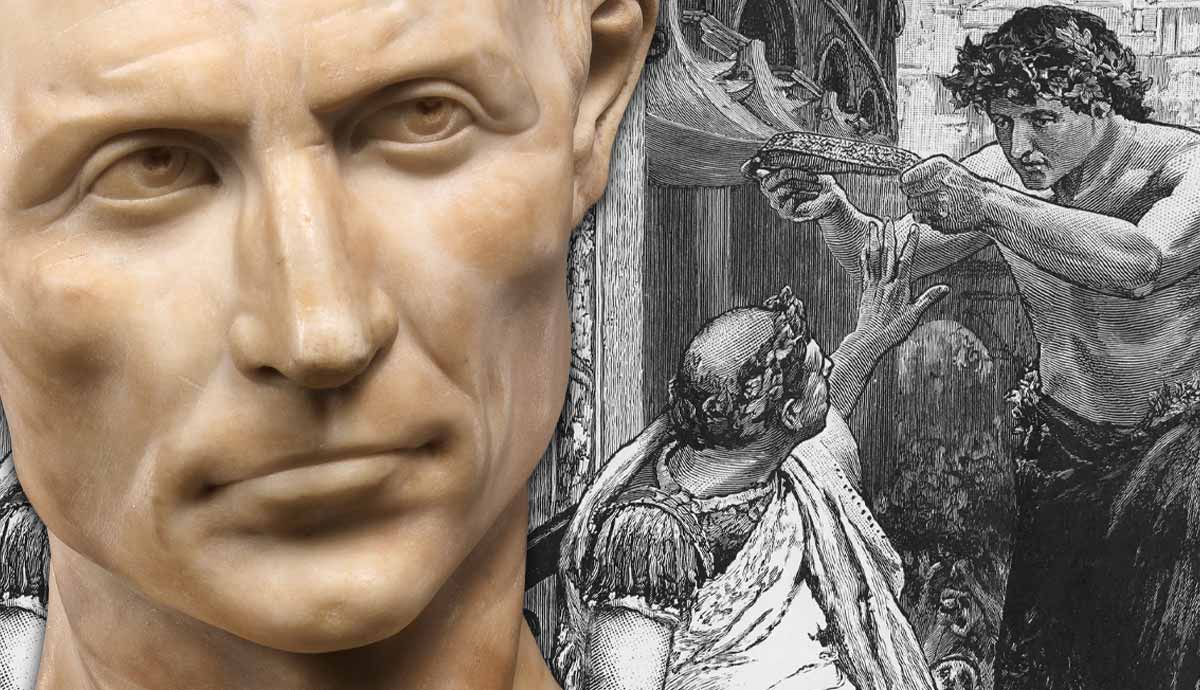

While it is easier to blame one man for the fall of a political system, the downfall of the Roman Republic was ultimately created thanks to several fatal and systemic flaws that were deeply embedded into the republican system and ideology.
Perhaps the most significant flaw was the unswerving loyalty generals could command from their soldiers, after military reforms backfired. Loyalty to the republic became a secondary need, with personal gain and ambition taking center stage, leading to a fractured and competitive political system which declined rapidly over a century.
The Creation of the Republic
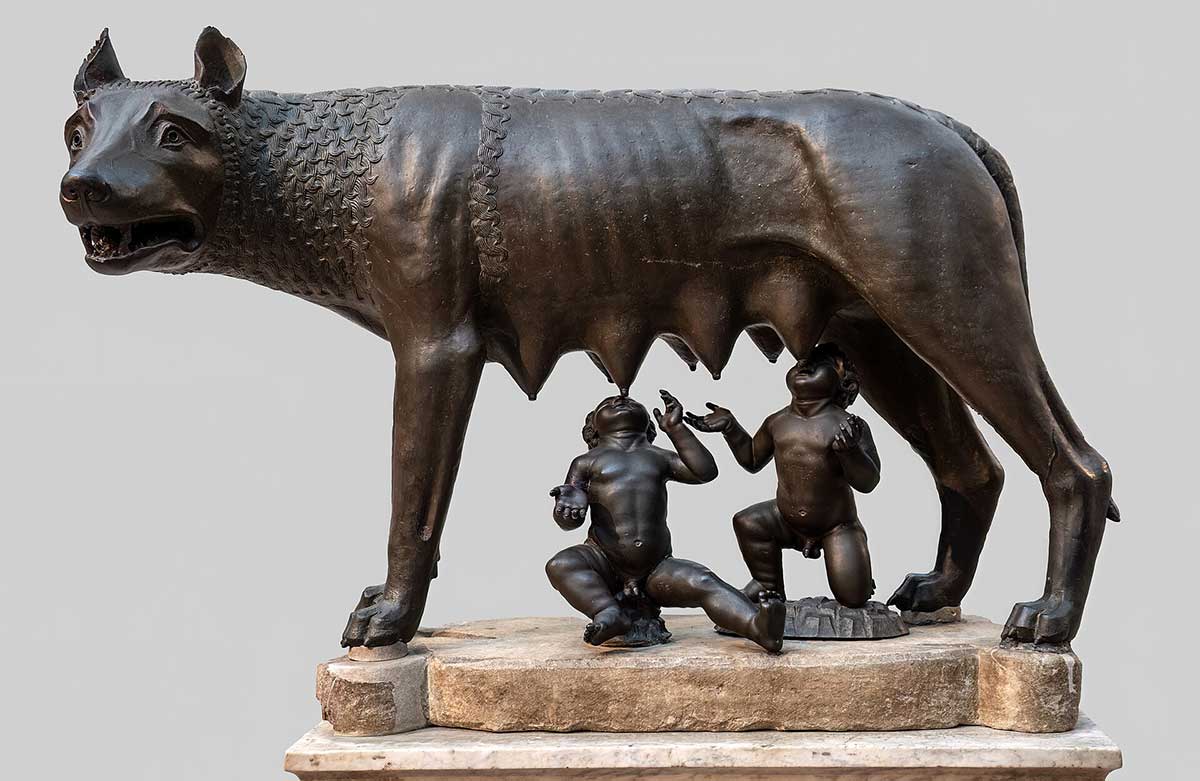
Rome did not begin its life as a Republic. Instead, when the city was founded in 753 BC, a monarchical system was established, and seven kings ruled over Rome for nearly 250 years.
The last king, Lucius Tarquinius Superbus, as his name might suggest, had a bit of an ego problem. He was extremely tyrannical, and the Senate was finally able to overthrow him when his son famously raped the noblewoman Lucretia. The republic was created to prevent any other ruler like this ever rising to power. The idea was to prevent absolute power from being in the hands of one man.
Initially, this was a good system, but it was designed for a small Italian city-state. As Rome became more expansionist, its republican structure became completely incapable of managing the variety of diverse provinces that came under its control. This eventually led to the rise of the very type of men the republic had been created to avoid.
A Broken Constitution
As the republic grew and expanded over the Mediterranean, serious and significant logistical, administrative, and cultural strains began to appear. When Rome remained a small city-state, the structures in place could more than handle the everyday requirements and needs of the people of Rome. However, as more people were brought under the umbrella of the republic, the system could not keep up with demand.
The republic had an inbuilt aggressive and competitive military system, which allowed for its rapid expansion. Every year, two new consuls were elected who were in charge of maintaining order and ruling over the republic. They could only rule for a year, the idea being that no man could stay in power for too long and gain too much influence. Additionally, they had to have a ten-year gap in between holding office.
Veto power existed to prevent one man from becoming a dictator and overthrowing the system. Dictators were only allowed in times of military crisis and had to relinquish power once the crisis had been resolved.
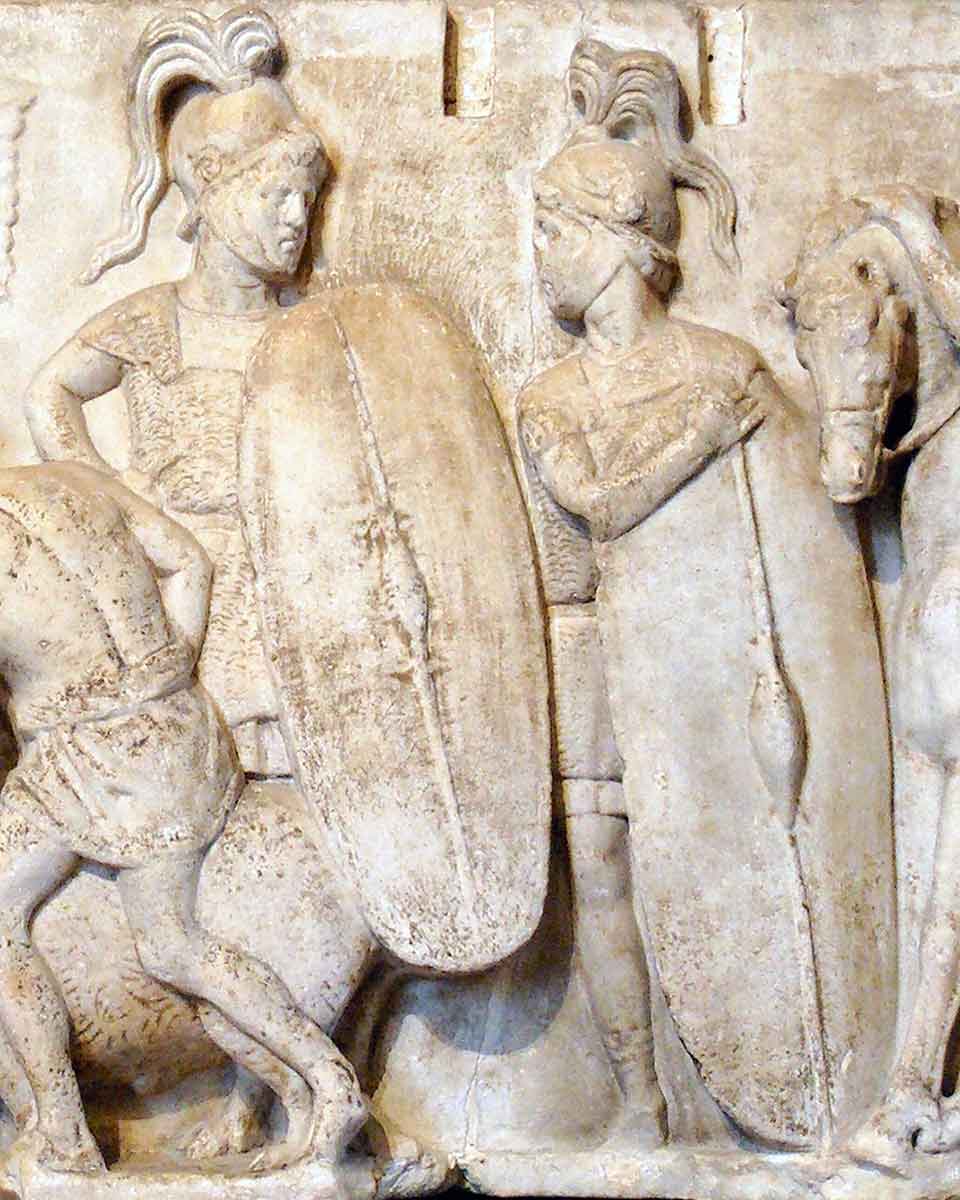
Because of an inbuilt need to gain personal prestige while in power, and to justify their rise to power, consuls became determined to prove their worth. One sure way to do this was to hold successful military campaigns and bring riches back to Rome. As competition became more intensive, small-scale local skirmishes were no longer good enough to gain prestige, so Rome spread its power further.
Provincial governors ruled for the empire with almost zero oversight, given how long it took for communications to reach the outer borders of the empire. While this was problematic, the system really began to decline when military reforms were brought in. Generals now controlled armies that were personally loyal to them, which essentially led to the downfall of the state.
The republic did not fall thanks only to the actions of a few power-hungry generals, though; it was also thanks to social and wealth inequalities that became more widespread, geographic overextension, and the inflexibility of the Senate.
The Professional Army Revolution
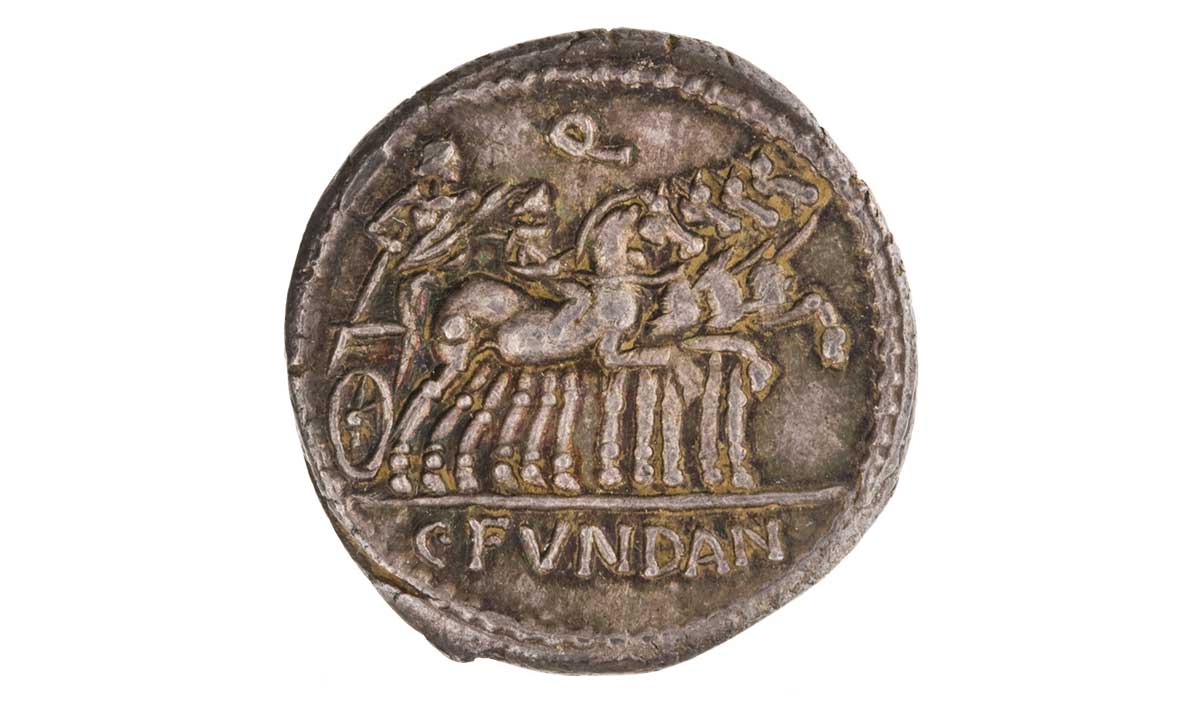
As with any army throughout history, the Roman army evolved and changed over time. However, the most significant changes were made in the 1st century BC. Before this, to serve in the army, you had to be a landowner, and limitations were placed on how long you served and when. Using landowners was a clever idea as it ensured that all soldiers had a physical stake in the well-being of the Republic.
However, as the empire grew and slave labor flooded in, this system started to fail as smaller landowners lost their farms and Latifundia (great estates) took over, meaning that fewer men were eligible to serve.
When Gaius Marius rose to power, he saw the damage this was doing to Rome’s military force, and he reformed the system. Anyone could now serve in Rome’s professional standing army. Soldiers served for 20 years with the promise of land or citizenship at the end of their service.
A career in the army gave these men opportunities that they had previously lacked; however, the rewards for service were dependent on the generals, as often the Senate was difficult when it came to giving what had been promised. Because of this, armies became permanent and loyal to one man at a time, which in turn compromised the values and security of the republic.
Powerful Generals
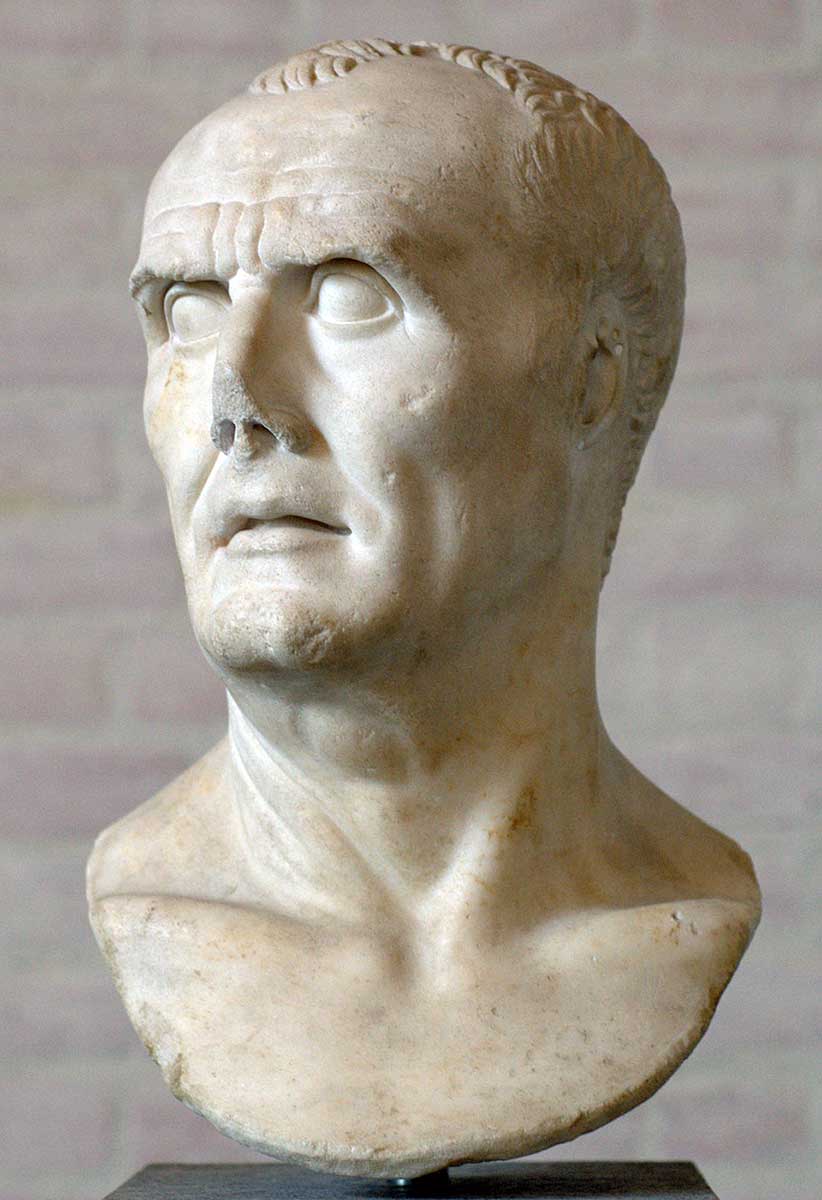
Many people know the name Julius Caesar, but there were also at least four other warlords that helped the republican system to finally collapse. The first to rise to power was Gaius Marius; not only did he famously break the rule of being consul for a year by being consul for five years in a row, but he also instituted reforms which essentially hastened the collapse of the republic by helping to create soldiers who were utterly loyal to their generals.
At a certain point, he had thousands of soldiers who were loyal to him. However, around the same time, another powerful Roman from a very prestigious and old family rose to power: Sulla.
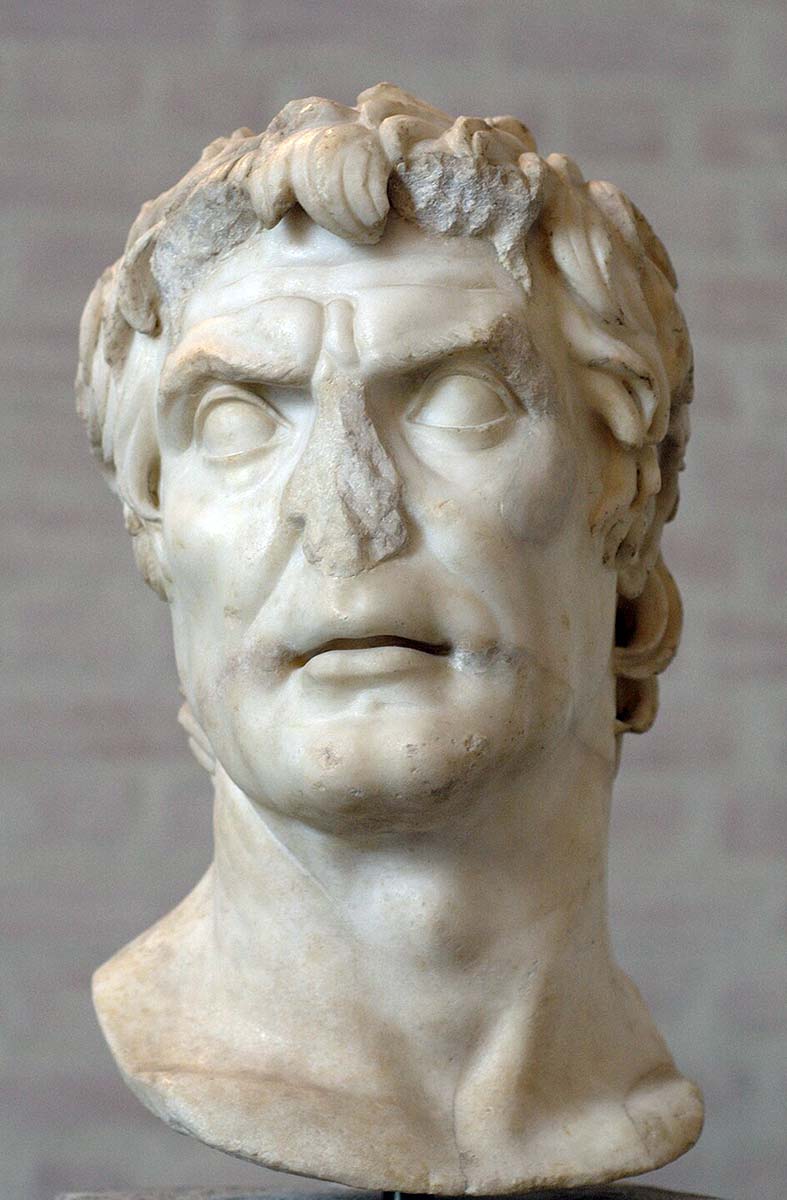
Sulla has gone down in history as one of the slightly mad rulers of Rome. He also made himself a dictator. Marius was older than Sulla and had already had a very successful military career before Sulla came onto the scene. However, aside from having the more powerful family name, Sulla also rose to fame and power faster thanks to his involvement in the Jugurthine War.
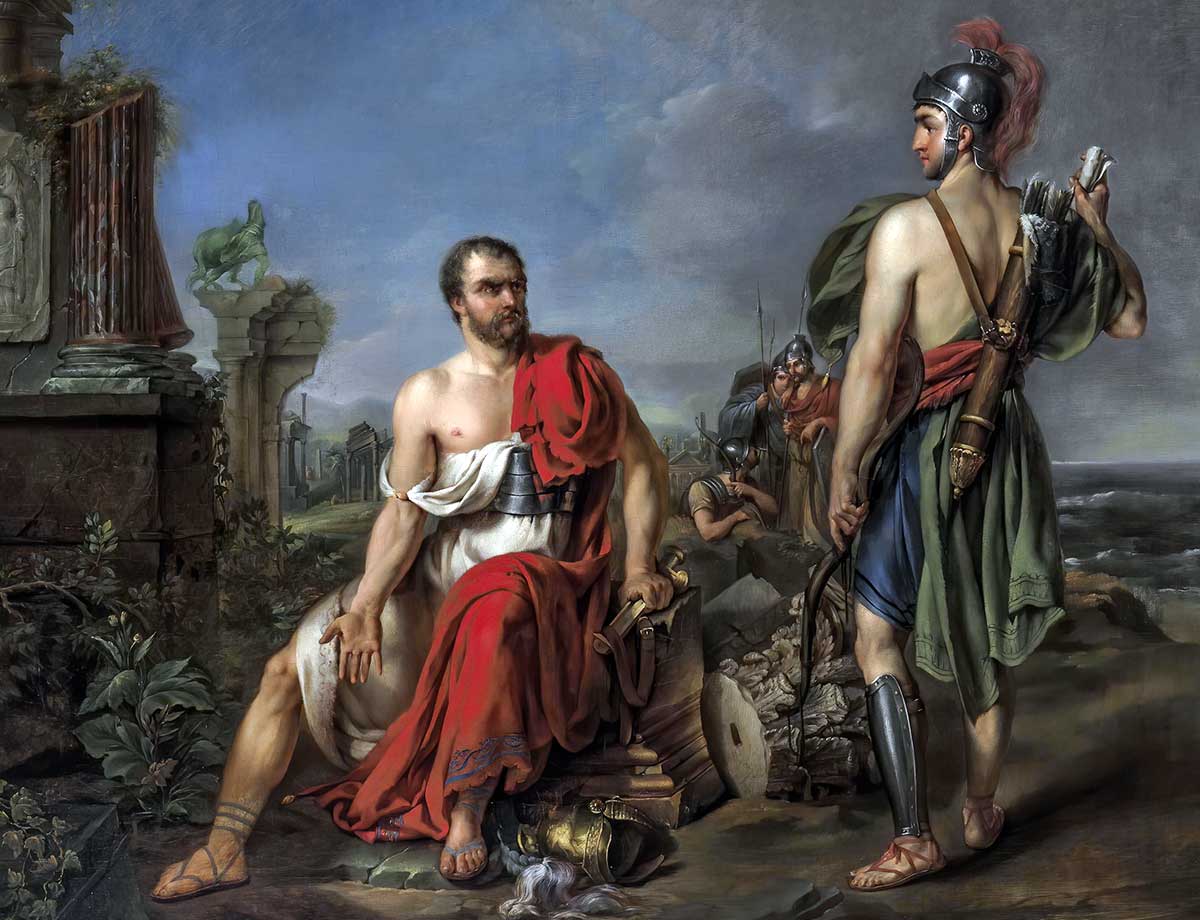
Around a decade later, when the Social Wars were taking place, both Marius and Sulla played career-defining roles in the conflict; however, it was Sulla who gained more prestige and glory, which again angered Marius.
Once the Social War was over, the idea was to disband the huge armed forces that these generals had amassed. But when Sulla was asked to give up his army of 35,000 men, he refused and chose instead to march on Rome. Here he fought Marius, who ended up fleeing to Africa after losing. Sulla then took over Rome and used his armed forces to keep the people in line.
However, instead of using his influence to reduce the powers of the Senate and the assemblies, he did the opposite, bringing in reforms to strengthen these institutions. A few years later, Marius was voted back in as consul again, in 86 BC. However, he died shortly after, and Lucius Valerius Flaccus was elected as consul suffectus to replace him (Marius’s son would later hold the consulship in 82 BC).
As Sulla was away in Greece campaigning at the time, there was not much he could do. However, when he returned after several victories in 82 BC, he again used his personal military force to fight Marius’s son, who again lost. Sulla then declared himself the Dictator of Rome in 81 BC, and ruled for a period after this. He revised the constitution and reformed the government system, but he then resigned in 79 BC, dying a year later as a private citizen.
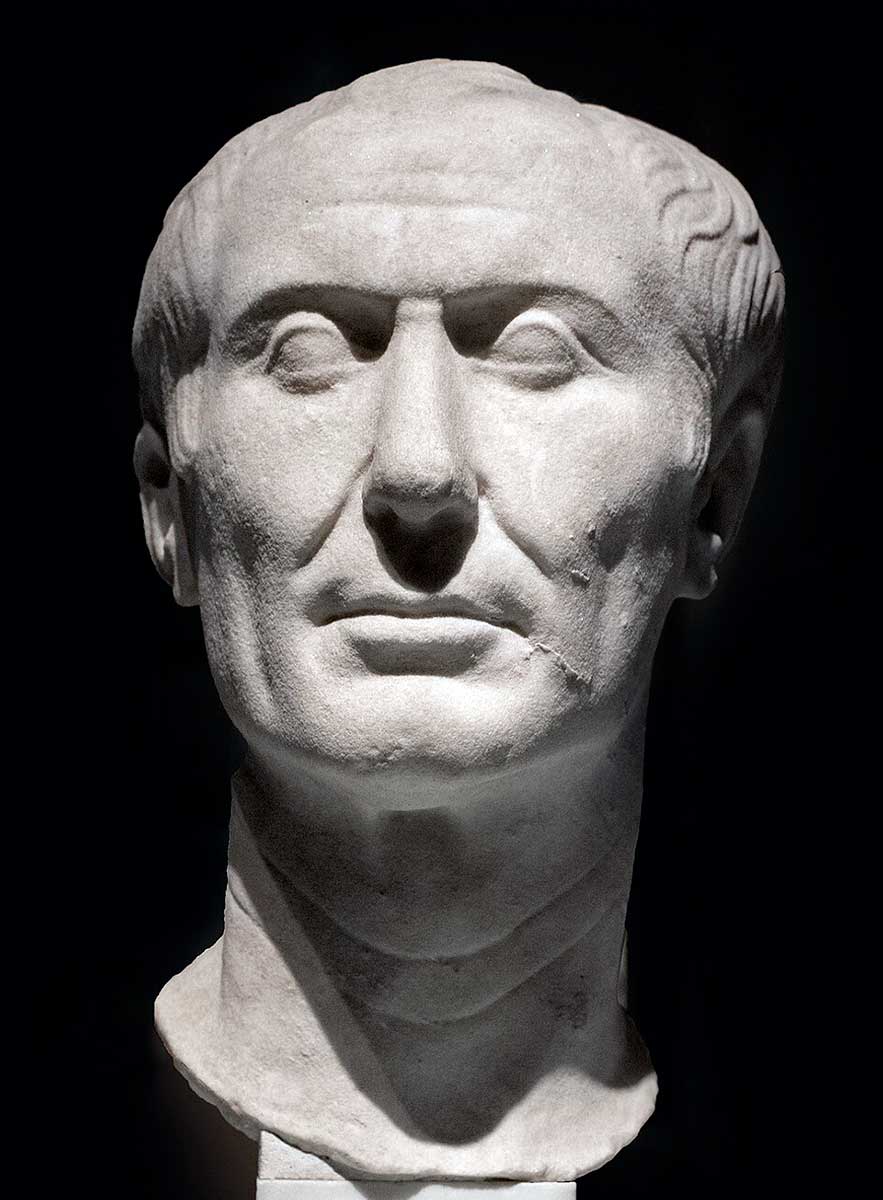
Around a decade later, the same pattern occurred again with the next generation of military generals; the two most influential being Pompey and Caesar. Both were great generals and amassed huge loyal armies under their command, which inevitably led to a civil war breaking out. After several years of fighting, Pompey lost to Caesar, who then had himself declared dictator in 49 BC.
When Caesar was brutally murdered in the Senate, the civil war continued thanks to Caesar’s two heirs: Mark Antony and Octavian. Mark Antony had far greater military experience, having served under Caesar, but Octavian was Caesar’s heir by law.
Eventually, thanks to his success at the Battle of Actium in 31 BC, Octavian managed to defeat Antony and those loyal to him, ending the republic and instead creating the imperial system.
The Senate’s Mistakes
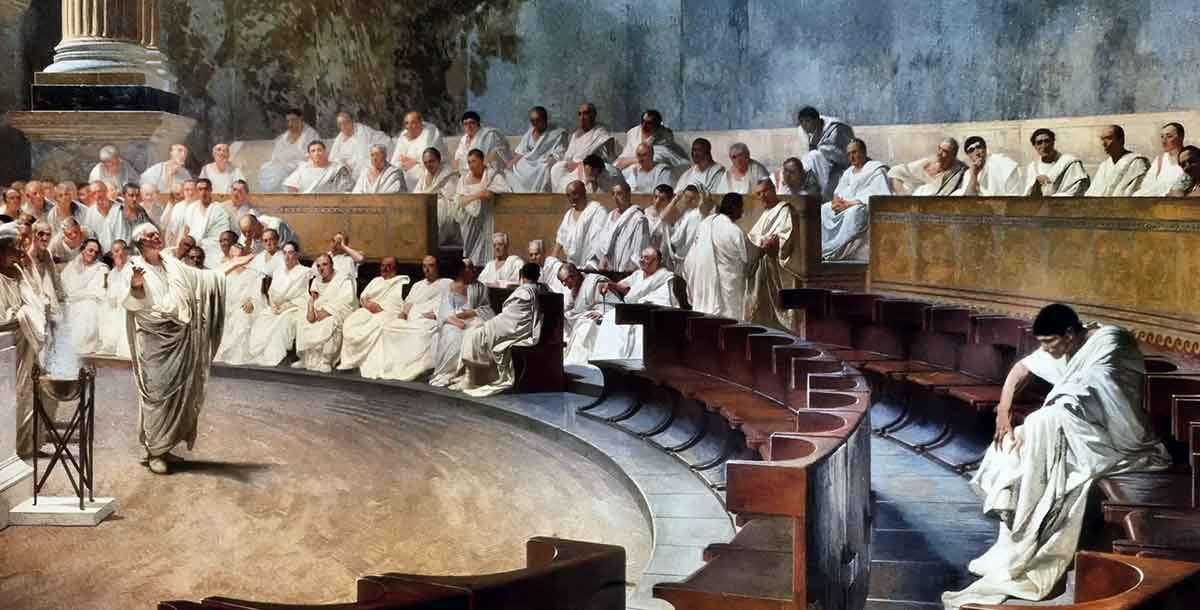
Over the last century BC, the Senate made many consecutive and fatal mistakes. However, their downfall began long before Marius rose to power. A division began to form in the Senate during the 2nd century BC, with two groups gaining traction over time: the Optimates (the conservative senatorial elites) and the Populares (populist reformers).
Many could see that the Senate was now outdated, given the size of the area they were trying to rule. Some could also see that the wealth gap was increasing and some people in the empire were living in extreme poverty, making people extremely unhappy.
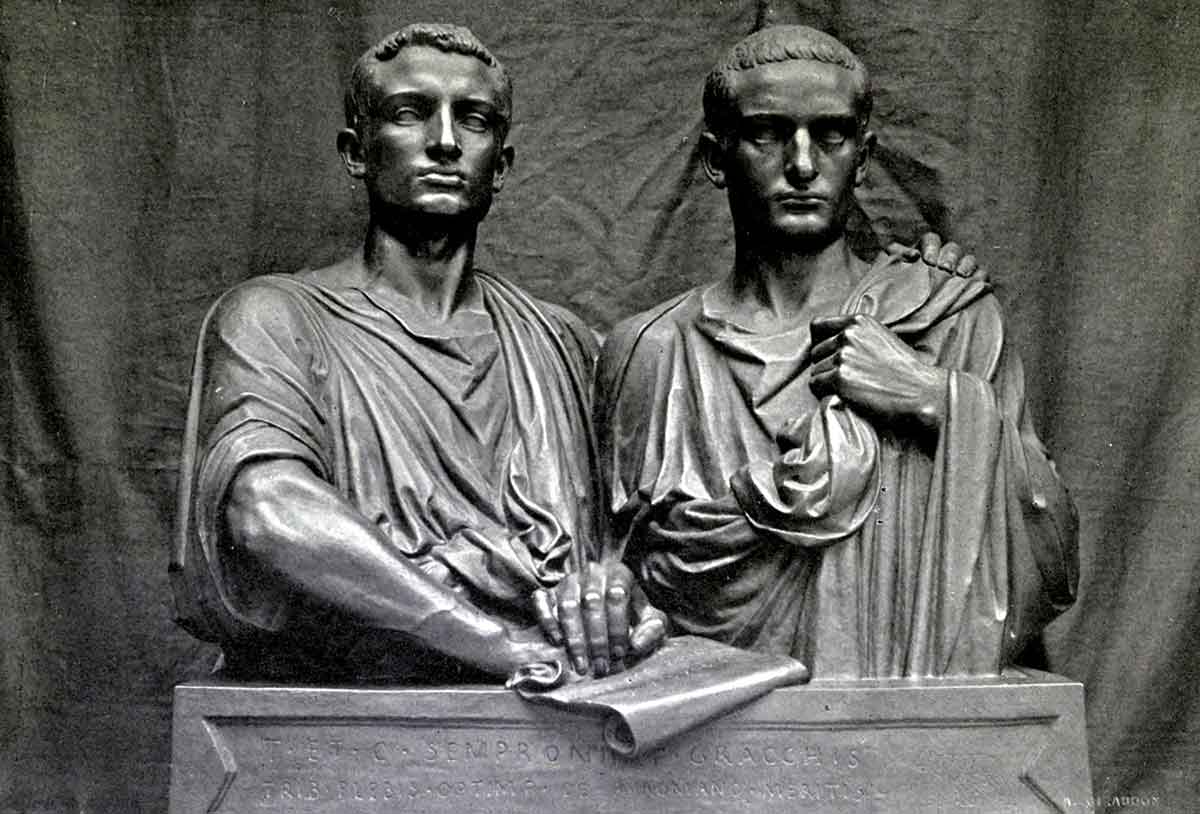
Perhaps the most famous reformers were the Gracchi Brothers. They famously attempted to bring in land reforms to try and ensure economic stability and more equality; however, the Senate denied these reforms several times.
Neither of them had armies to protect them or to force the issue, and both were murdered. It was clear that violence was becoming a normalized part of Roman politics, and because the Senate refused to share political power or wealth, divisions became more inevitable.
The Senate also handed power to those who would be their downfall because they refused the land and military reforms first to the Gracchi and later to Marius; they essentially opened the door for someone who would find a way to force the issue, which Marius essentially did by creating his own loyal army.
They tried to prevent Caesar from being consul in 49 BC, so he then went on to take power by force.
When they tried to force Pompey to disband his forces in 62 BC, they also failed, as he went on to hold the city hostage. Perhaps their greatest flaw was refusing to share power with average citizens, who had very little stake in the republic.
Given the Senate’s refusal to adapt and reform, some men took it upon themselves to force change on a broken system, which allowed generals and dictators to take over Rome and disband the republic the Senate had been trying to protect.
Wealth Inequality and Slavery
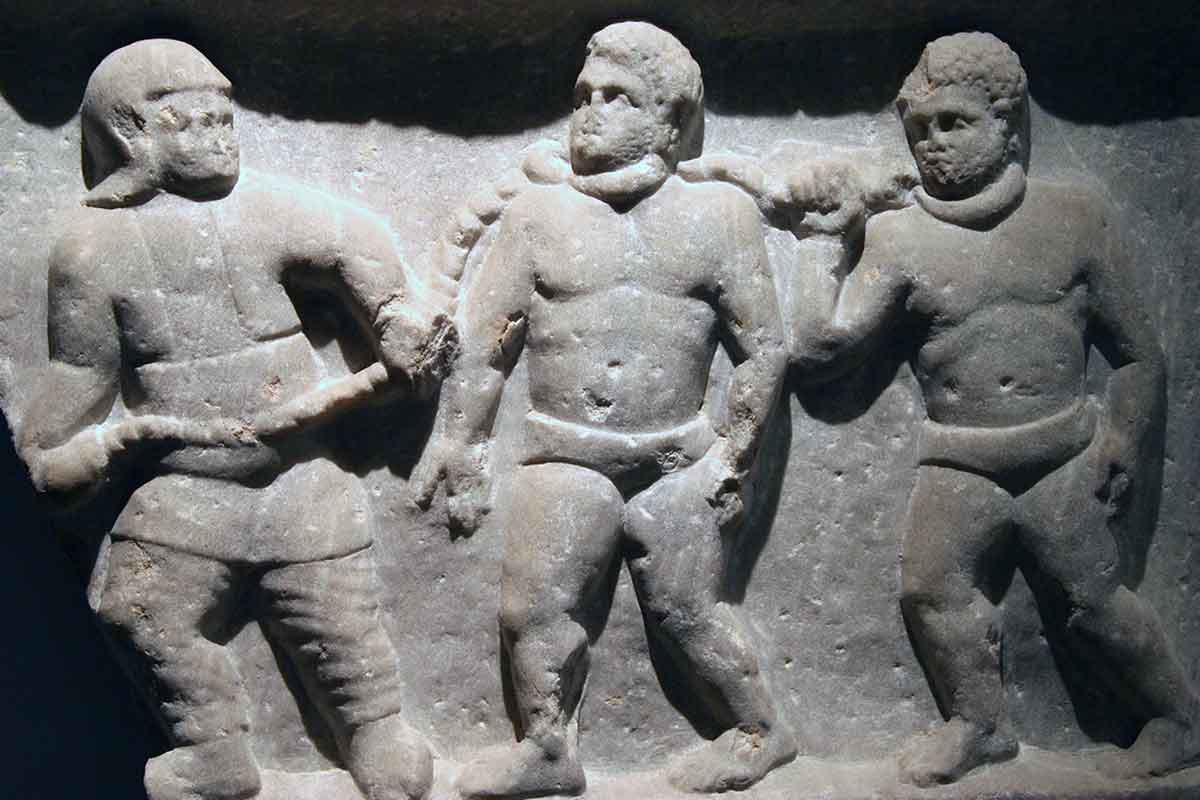
With a huge influx of slaves and a large amount of wealth being brought into Italy and other areas of the republic, the economy shifted. Essentially, poor farmers who had previously been eligible to serve in the Roman army could no longer afford to run their farms as great estates took over. These were slave owning elites who essentially took over and merged smaller farms and ran them using slave labor.
The Latifundia hoarded this land, which essentially caused two large issues: firstly, fewer men were now eligible to serve, and secondly, veterans had less land available to them after service. Additionally, this caused a large imbalance in wealth, making the divide between the rich and poor greater.
Many became disillusioned with the republic as the Senate was not protecting their interests. So, when the generals came in, reformed the system, and promised them land as a reward, soldiers were more than happy to march against Rome for them if they could get what they wanted.
Geographic Overextension
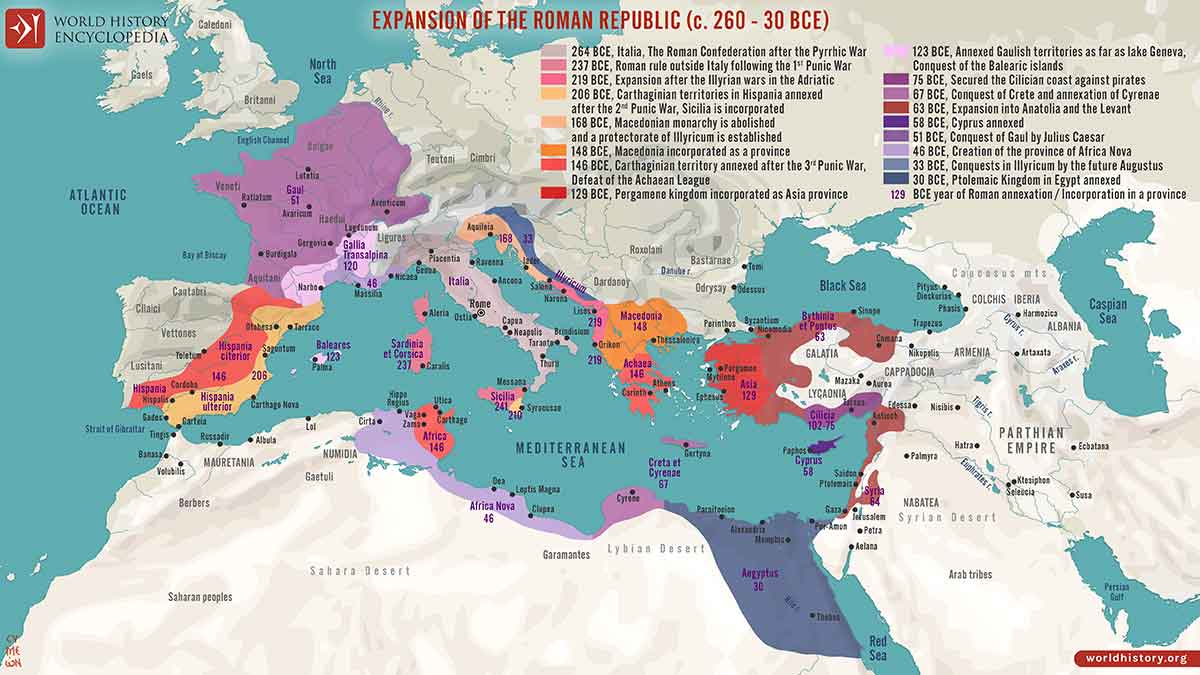
Perhaps the largest issue the Romans faced was that the republic had not been designed with such a large expanse of land to govern in mind. It became impossible for democratic institutions to run so much land, given how long it would take for communications to reach the provinces. Even with the construction of Roman roads and ports, the system was still not fast enough or efficient enough for decisions to be made in Rome and then carried out in the provinces.
To maintain control of these far-away areas, the Senate needed provincial governors and generals to enforce their laws. These governors essentially became independent warlords, gaining prestige and loyal troops the longer they were away; this was essentially what happened with Sulla in Greece and Caesar in Gaul between 58-50 BC.
When the Senate wanted these warlords to disband their armies, they had no incentive to do so, and it was often deemed riskier if they did, as political violence was always a risk.
Caesar had ten legions loyal to him after his Gallic Campaigns, and when the Senate asked him to disband, he instead broke Roman law by crossing the Rubicon and seizing power—and there was no one who could stop him.
Sources
- Bell, M. J. V. ‘Tactical Reform in the Roman Republican Army’. Historia: Zeitschrift Für Alte Geschichte, vol. 14, no. 4, 1965, pp. 404–22.
- Carney, T. F. ‘The Flight and Exile of Marius’. Greece & Rome, vol. 8, no. 2, 1961, pp. 98–121.
- Frier, Bruce W. ‘Sulla’s Propaganda: The Collapse of the Cinnan Republic’. The American Journal of Philology, vol. 92, no. 4, 1971, pp. 585–604. JSTOR, https://doi.org/10.2307/292665.
- How Rome Became the Sole Superpower in the Mediterranean | History Hit. https://www.historyhit.com/how-rome-became-the-sole-superpower-in-the-mediterranean/.
- Lange, Carsten H. ‘The Logic of Violence in Roman Civil War’. Hermathena, no. 196/197, 2014, pp. 69–98.
- Lange, Carsten Hjort. ‘Triumph and Civil War in the Late Republic’. Papers of the British School at Rome, vol. 81, 2013, pp. 67–90.
- Lintott, A. W. ‘Imperial Expansion and Moral Decline in the Roman Republic’. Historia: Zeitschrift Für Alte Geschichte, vol. 21, no. 4, 1972, pp. 626–38.
- Lintott, Andrew. ‘Electoral Bribery in the Roman Republic’. The Journal of Roman Studies, vol. 80, 1990, pp. 1–16. JSTOR, https://doi.org/10.2307/300277.
- North, John. ‘Politics and Aristocracy in the Roman Republic’. Classical Philology, vol. 85, no. 4, 1990, pp. 277–87.
- Sherwin-White, A. N. ‘Violence in Roman Politics’. The Journal of Roman Studies, vol. 46, 1956, pp. 1–9. JSTOR, https://doi.org/10.2307/297959.
- Slavery, Prosperity, and Inequality in Roman Pompeii* | Past & Present | Oxford Academic. https://academic.oup.com/past/advance-article/doi/10.1093/pastj/gtaf006/8084769?login=false.
- The Edinburgh Companion to Ancient Greece and Rome. Edinburgh University Press, 2010. JSTOR, https://www.jstor.org/stable/10.3366/j.ctt1g0b03m.