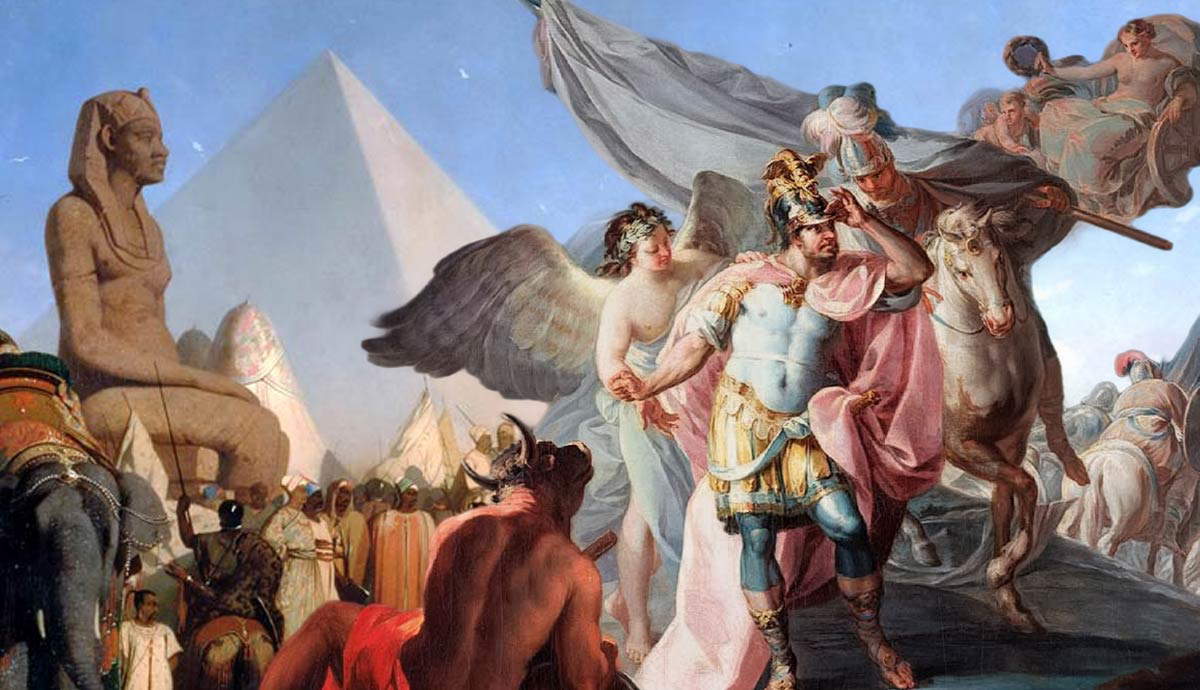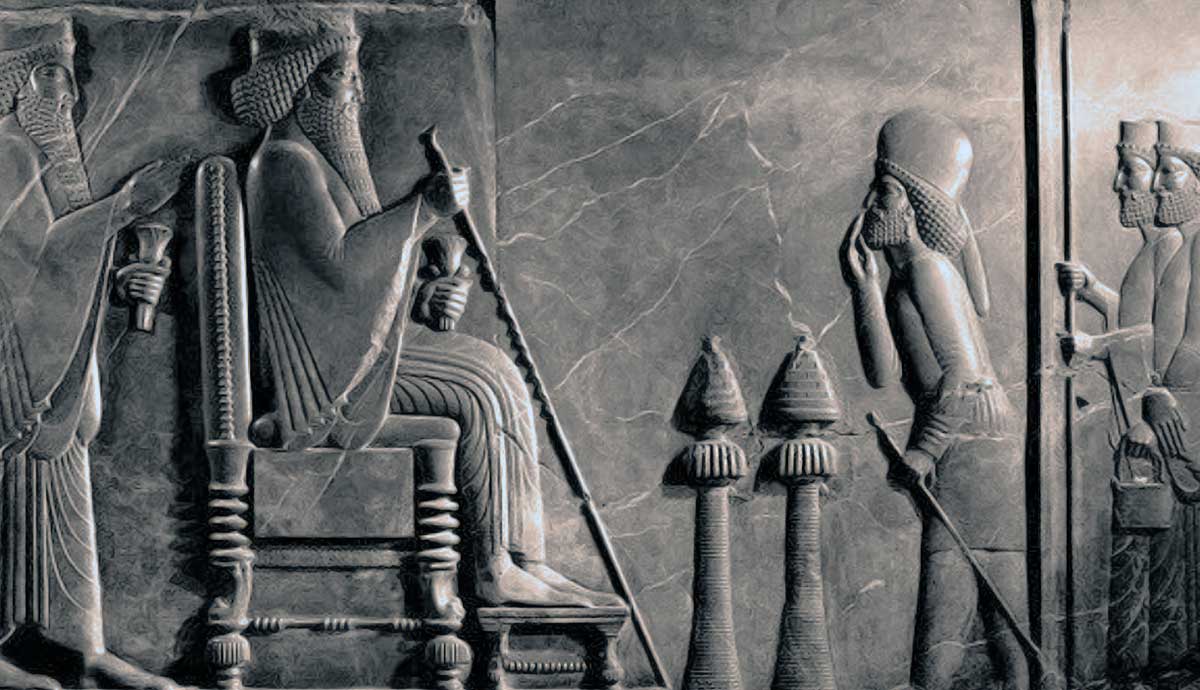

Persian forces, under King Xerxes I, descended on Greece in a massive invasion in 480 BC. As one of the largest and most prosperous Greek cities, everyone expected that the Greeks would fight tooth and nail for Athens. Yet, when the Persians approached, the Athenians decided to evacuate the city, leaving it to the mercy of their enemies. The decision shocked the Greek world, and Xerxes burned Athens to the ground. Why did the Greeks choose to evacuate Athens rather than stand and defend it?
The Fall of Thermopylae and the Open Road to Attica
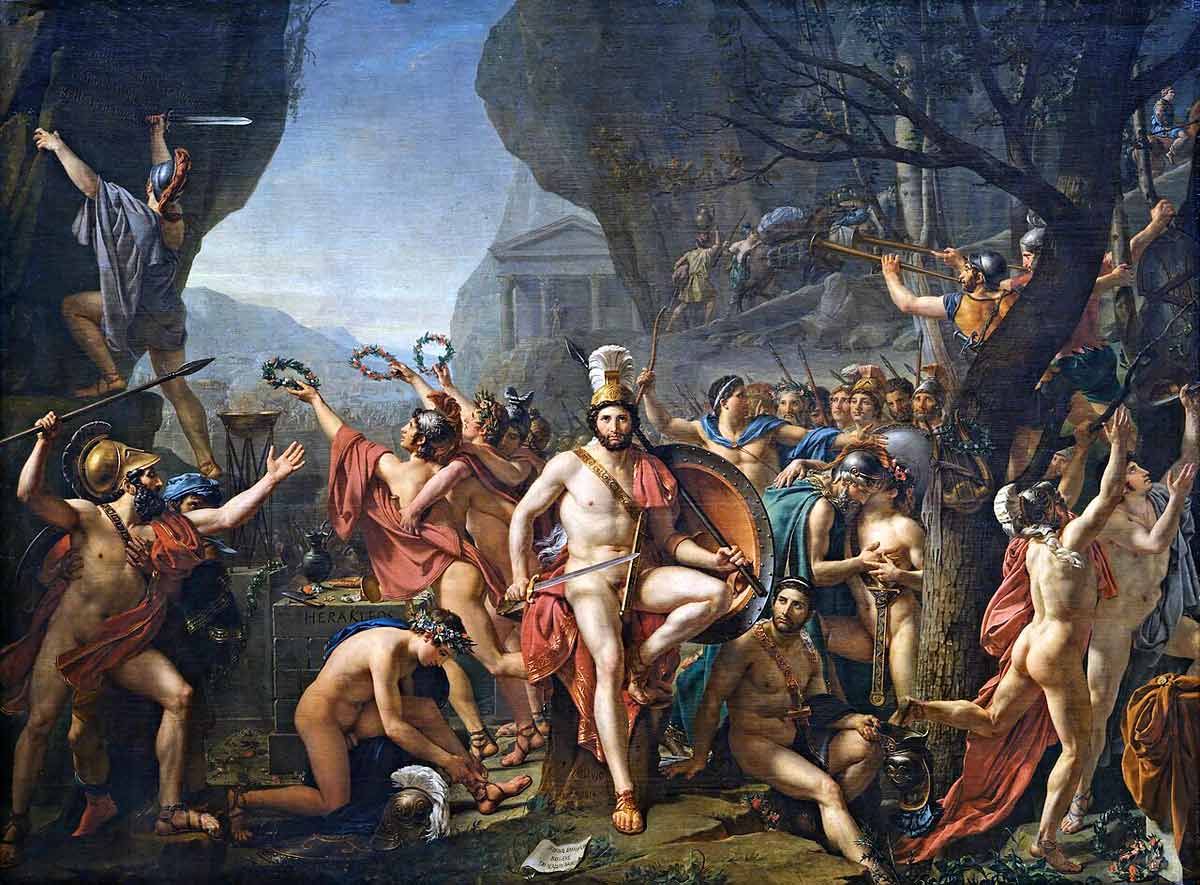
The decision to evacuate Athens was not an easy one. To understand it, we must go back to the Battle of Thermopylae. At Thermopylae, a relatively small Greek force under the command of the Spartan King Leonidas attempted to stop, or at least slow down, further Persian advancement. For days, the Greeks and Persians fought at the narrow pass known as the “Hot Gates,” or Thermopylae. Leonidas and the Greeks achieved considerable success, but overnight, something happened that completely changed the course of the battle.
Traitors among the Greek ranks approached the Persians and revealed a secret mountain path used by shepherds that bypassed Thermopylae. This robbed the Greeks of their greatest advantage, favorable terrain. There was no chance they could withstand the enormous Persian army in open battle.
Leonidas remained with his soldiers to defend the retreating allies. His fate is well known in popular history. He was surrounded and killed on the battlefield, but he went down in history as a hero who stood in defense of Greece.
This Greek defeat at Thermopylae had far-reaching consequences. Thermopylae had been the last major defensive barrier protecting central and southern Greece from the relentless Persians. Xerxes advanced, and Boeotia fell into Persian hands. Meanwhile, Athens became even more geographically vulnerable.
Deciphering the Riddle of the Oracle and the Wooden Walls
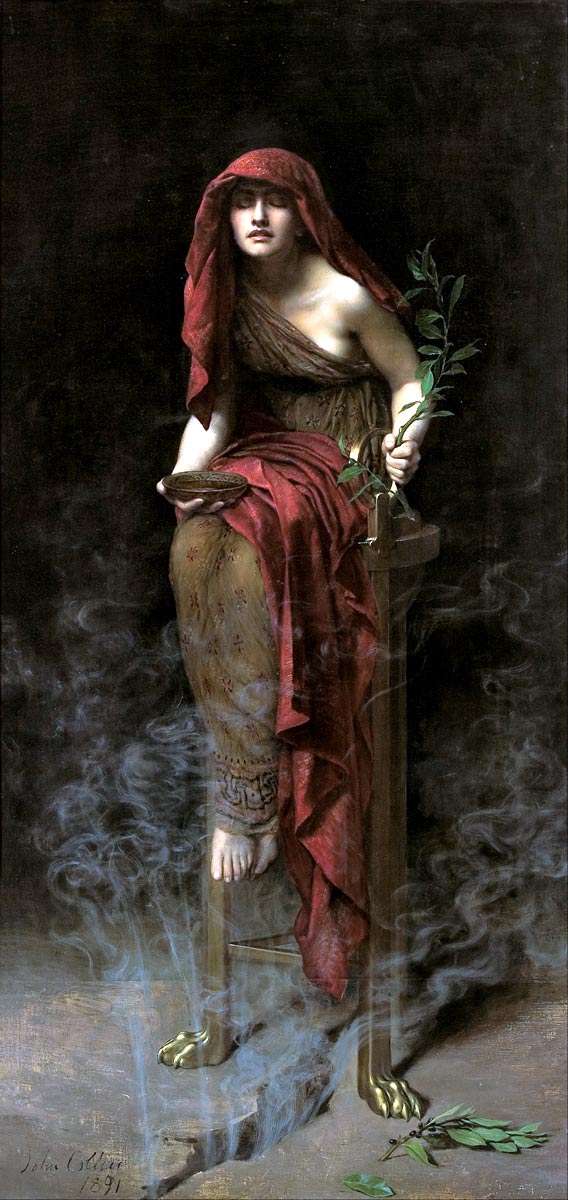
The Oracle of Delphi was the most important oracle in ancient Greece. In times of crisis, leaders, politicians, and generals turned to it for guidance. Nevertheless, Delphi had not favored the Greeks since the very beginning of the Greco-Persian Wars. The priests of Delphi warned of destruction and devastation, advising surrender and retreat. This led many Greeks to question Delphi’s loyalty. The Pythia at Delphi reportedly pronounced the following to the Athenians in 480 BC:
“Why sit you doomed one? Fly to the ends of the earth. All is ruin for fire, and headlong god of war shall bring you low.”
(Herodotus, Histories 7.140)
The Spartans received a similarly apocalyptic response before the Battle of Thermopylae, which they did lose. Dissatisfied with Delphi’s first answer, the Athenian delegation returned to the oracle and this time received a response that could be interpreted somewhat more optimistically:
“Yet shall a wood-built wall by Zeus all-seeing be granted Unto the Trito-born, a stronghold for thee and thy children.”
(Herodotus, Histories 7.141)
This time, the Pythia, the chief priestess at Delphi, told the Athenians that only the wooden walls would remain unconquered and that they would save them. The meaning of these words became the subject of heated debate among the Athenians. While some interpreted the wooden walls prophecy literally, there was another faction that believed the prophecy referred to wooden warships.
The warship theory was strongly supported by the Athenian general Themistocles. Conveniently, he had previously advocated that Athens should build a large and powerful fleet.
Themistocles and the Bold Strategy to Abandon the City
Long before Xerxes’ invasion of Greece, Themistocles believed that Athens should develop its naval power. At that time, the prevailing opinion in Greece was still that major battles were won only on land. Throughout most of his political career, Themistocles fought to ensure that Athens developed a strong navy. With the help of silver revenues from the Laurion mines, he succeeded. Many Athenians considered this to have been a wasteful expense, but now Themistocles had the perfect opportunity to show that his investment had made sense.
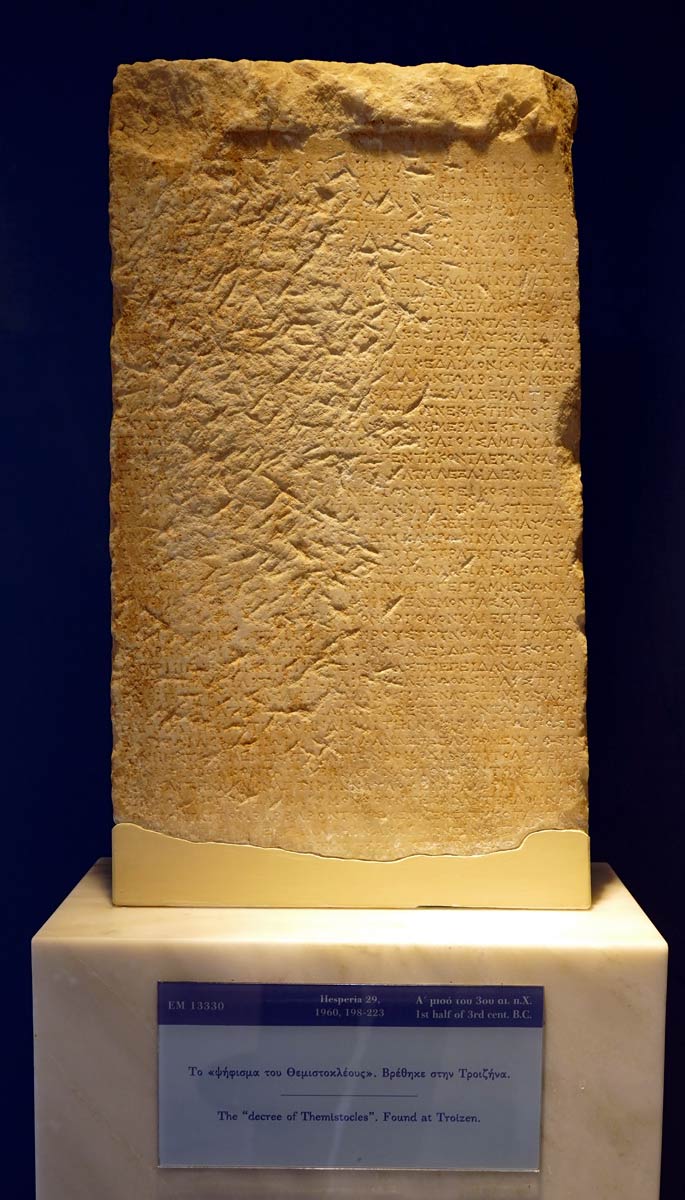
After the defeat at the Battle of Thermopylae, it became clear that defending Athens in open battle would end the same way. The Persians had vastly superior numbers. Inspired by the response from the Oracle of Delphi, Themistocles argued for the evacuation of Athens, encouraging the people to place their trust in their naval forces. With a heavy heart, the Athenians agreed, and this strategy was formalized through a document known as the Decree of Themistocles.
Women, children, and the elderly were evacuated to the nearby island of Salamis, while some of them were transported to the Peloponnesian city of Troezen. The evacuation of Athens under the constant threat of the Persians required strong logistics and significant resources. The men took to the fleet to defend Athens at sea.
Athens in Ashes and the Tragic Sack of the City
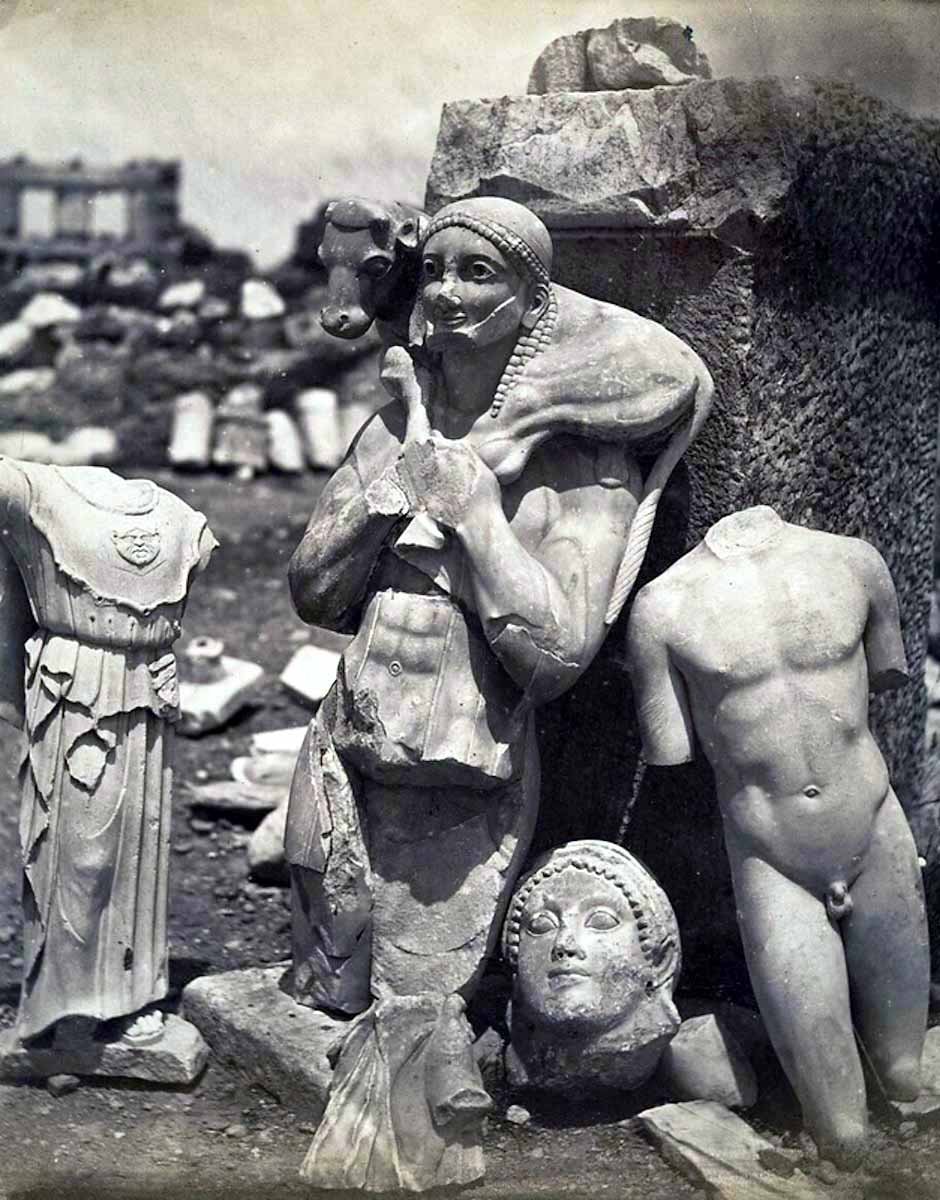
Xerxes advanced into Athens without resistance, and systematically destroyed and burned the city, including its sacred center, the Acropolis. Temples were looted and then burned, religious offerings were desecrated, and the symbolic Athenian identity was reduced to nothingness. For the Persians, it was a demonstration of total dominance. For the Greeks, it was the greatest humiliation.
Not all Athenians had evacuated the city. Some interpreted the oracle as meaning that the real salvation lay in its wooden palisades. They barricaded themselves in the Acropolis, believing that this sacred place would protect them. Some even attempted armed resistance, which ended fatally. Everyone who remained was killed while the city around them burned.
Those who had evacuated to the island of Salamis could watch from a distance as their city burned to the ground. However, for those preparing for the decisive naval battle, this traumatic sight gave additional strength and a desire for revenge.
The Battle of Salamis and the Greek Turning Point
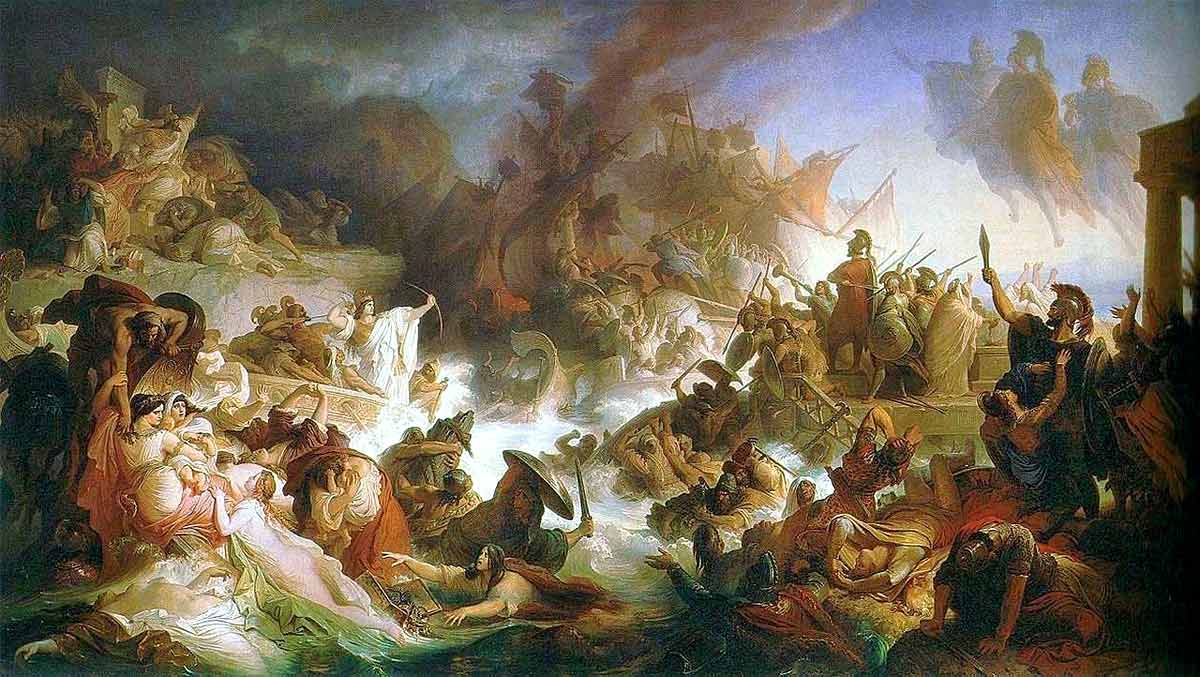
With Athens in ashes, the last hope for the survival of Greece rested on the fleet gathered at Salamis. The Persians still outnumbered the Greeks at sea. Historians believe that the Greeks did not have more than 378 warships. Most of these belonged to Themistocles’ Athenian fleet. The Persians probably had between 400 and 800 warships, while some ancient sources suggest figures of more than 1,000 ships.
The Greek allies debated strategy. Some wanted to retreat further south toward the Peloponnese, while Themistocles was strongly against this plan. He knew that they would not be able to defeat the massive Persian fleet in open battle. His idea was to lure the Persians into the narrow straits around Salamis, which would limit their movement and create chaos.
When the Battle of Salamis began, the Persians were lured into the strait, and their numerous ships started crashing into one another. The Greeks took advantage of the confusion and launched a counterattack. Greek triremes rammed into Persian ships and shattered their oars. Xerxes watched from the shore as his fleet was destroyed.
For the Greeks, this victory was special. It proved that abandoning Athens had been a painful decision, but not a pointless one. With the Persians defeated and driven away, Athens could be rebuilt.
The Legacy of a City That Chose Its People Over Its Walls
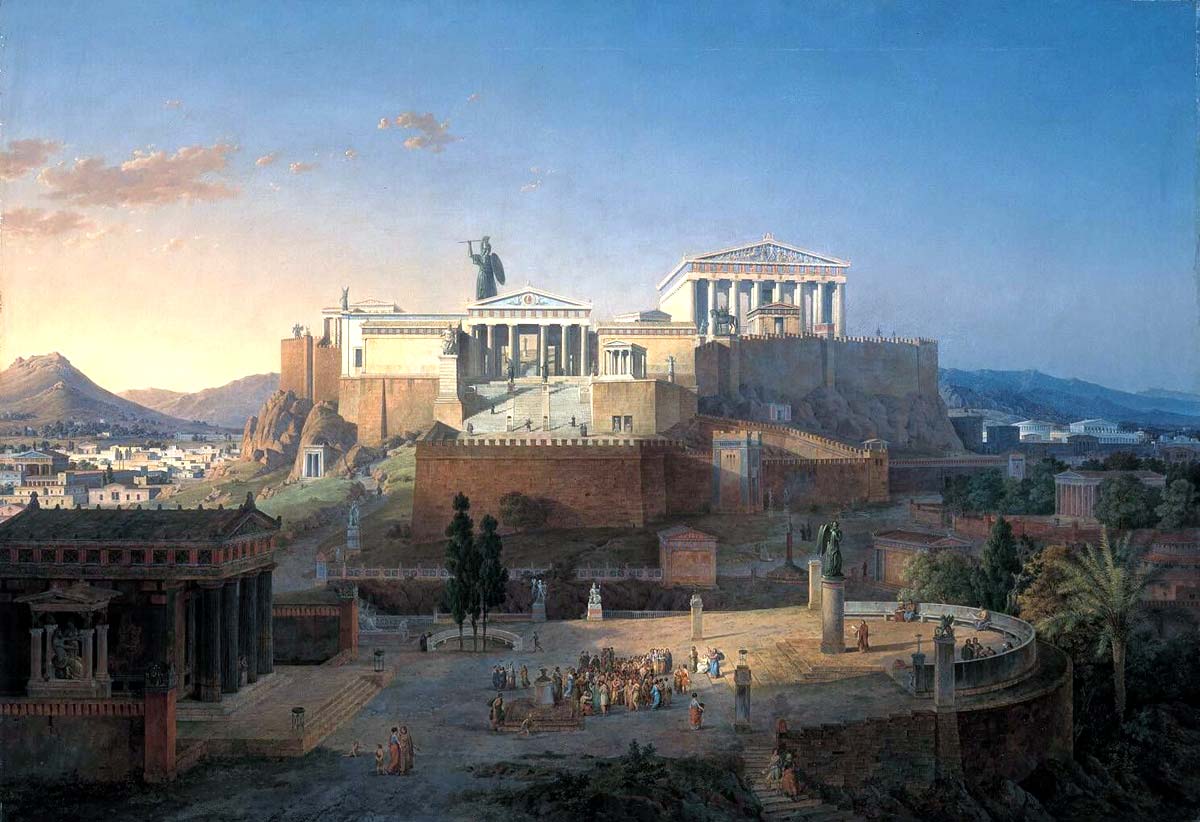
The Greek victory at Salamis was a turning point in the Greco-Persian Wars, which continued for another year. This war left a deep scar on Athens. The entire city had been burned, temples destroyed, and people evacuated. But the city was rebuilt and regained its importance with incredible speed.
These events also changed the balance of power in ancient Greece. Until the Greco-Persian Wars, land forces were considered the most important, and it was believed that the greatest battles were won on land. Because of this, Sparta was regarded as the greatest power. However, in the new era, naval power played a much greater role. Athens emerged from the war not only as a survivor but also as the leading naval power. Its navy became the foundation of what would later develop into the Delian League.
What continues to fascinate scholars is the mentality and unity required for the evacuation of Athens. Ancient cities were defined by their walls. Handing over a city to the enemy in such a manner could very easily have been interpreted as cowardice and surrender. Nevertheless, the Athenians, led by Themistocles, decided to step outside traditional frameworks and embrace a completely different strategy. They understood that the true power of a city did not lie in its palisades, but in the survival of its people and institutions.
The Greek decision not to defend Athens represents one of the most important examples of tactical flexibility in ancient history. Instead of sacrificing everything in an impossible defense, the Greeks adapted to the circumstances and transformed temporary destruction into long-term victory.