
The history of the early Church is filled with remarkable figures, but few had a life as unlikely or as controversial as Pope Callixtus I. A former slave, convicted criminal, prisoner, and eventual bishop of Rome, his story challenges assumptions about leadership, forgiveness, and who belongs within the Christian community.
His papacy reshaped the Church’s understanding of mercy, sparked one of its earliest major schisms, and left behind a legacy that remains surprisingly relevant in debates over justice, grace, and inclusion nearly two thousand years later.
Born in a Difficult Era
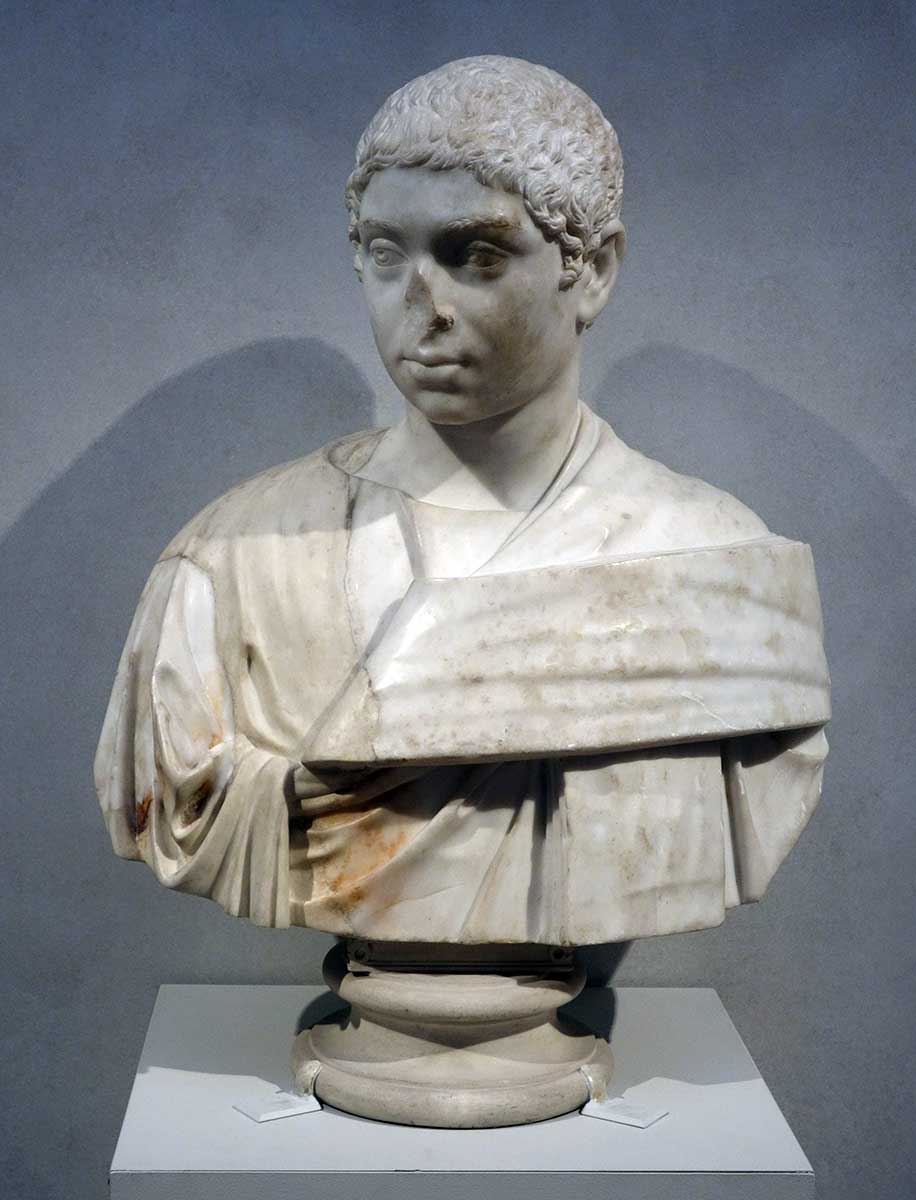
In order to truly understand the impact of Callixtus, you must first understand the period of history he lived through. Callixtus was born and grew to prominence in the Church during a turbulent period of Roman history known as the Third Century Crisis. It was a particularly unstable time in late Roman history marked by increasing wealth disparity, the growing centrality of the imperial cult, and a parade of largely ineffective and short-lived emperors.
A prime example of the dysfunction that was rife during this time would be the reign of short-lived emperor Elagabalus, who became emperor at the age of 14 as the result of a coup instigated by his grandmother.
After a positively debaucherous three-year reign marked where he did next to nothing to address the growing problems of the empire and instead spending his time on forced idolatry, sexual promiscuity, and an unhealthy obsession with suicide. His grandmother had him murdered by his own bodyguard in a latrine. Needless to say, it was a low point as far as leadership was concerned.
Christians in the 3rd century, while slowly growing in prominence, were never completely safe and at best were tolerated, but some members of the Church were able to better themselves financially and rise to greater prominence. Their growing economic power is an important thing to keep in mind as we recount what we know about the early life of Callixtus.
The Criminal Past of the Future Pontiff
An important thing to keep in mind is that much of what we know about this early church leader comes predominantly from the writings of two well-known Christian writers: Tertullian and Hippolytus.
Both of these men are important early Church theologians, but both of them absolutely opposed Callixtus and many of the reforms that he instituted during his papacy, so what we know of Callixtus and his early life must of course be taken with a big grain of salt.
Tradition holds that Callixtus was born into slavery and eventually became a well-trusted servant in the house of a rich Roman family. As a young convert to the growing Christian community, he was well positioned to make use of the growing wealth being accumulated by his fellow parishioners.
Possibly at the behest of his master, he founded a bank that catered exclusively to the new class of wealthy Christians, but this venture was short-lived. The bank failed as a result of bad investments or a failed attempt to run off with the money, depending on what sources you consult.
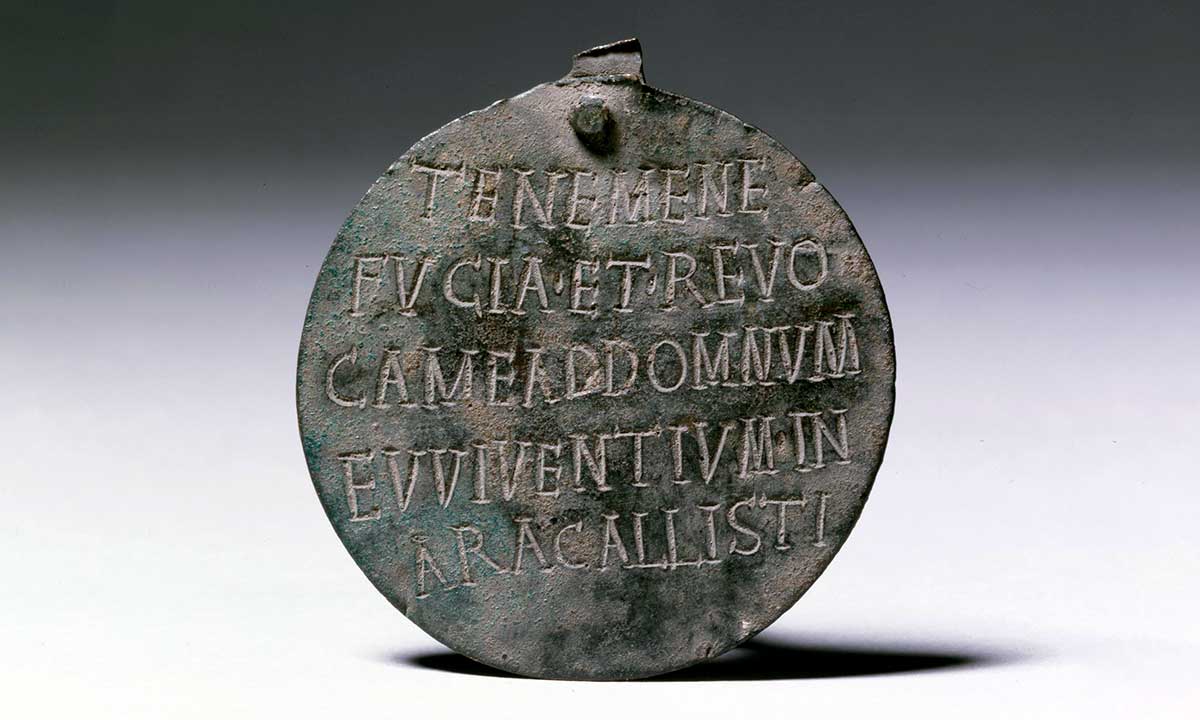
Regardless of how it happened, Callixtus was eventually captured and sentenced to hard labor in the mines of Sardinia, a place that can accurately be described as Hell on Earth. Hours of backbreaking labor with little to no food or rest broke the faith of many of the condemned, but Callixtus somehow found affirmation in the toil, and his faith was deepened by the continued struggle and by his ministry to the other inmates on the island.
He would’ve completely disappeared from the historical record if not for the fortunate intervention of a sympathetic concubine of the emperor Commodus who secured him a pardon, thereby saving his life. The ordeal had so enfeebled him that he was sent to Antium and even granted a pension that supported his recovery and ministry there.
Growing Discord Within the Church
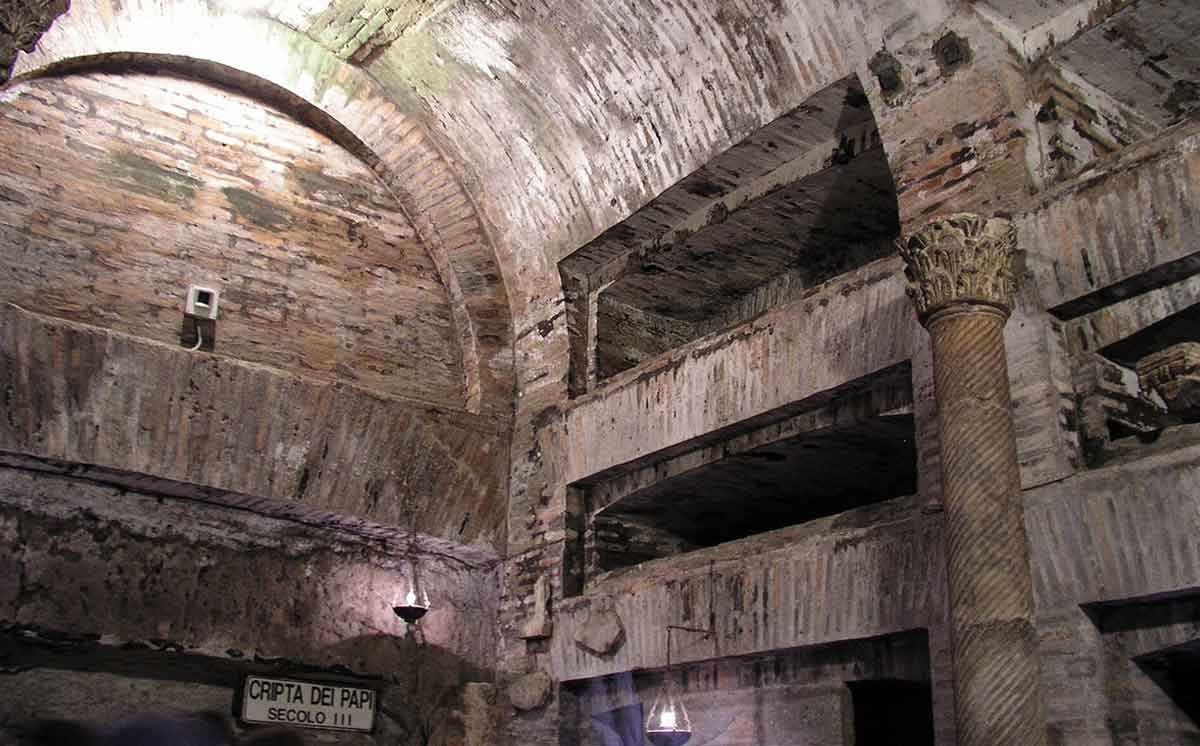
While Callixtus ministered to his broken body and the Christians of Antium, the church in Rome was going through a serious crisis. Heresies like Gnosticism and Marcionism chipped away at the cohesiveness of the community, and in this time of growing turmoil, Pope Zephyrinus was elected to the holy see in 198. Seeing the frayed state of the church, he knew he would need capable leaders to help him restore concord, so he summoned Callixtus back to Rome, where he was made a deacon and put in charge of a cemetery that lay along the Appian Way.
Now this might seem like a squandering of his gifts or a dead-end assignment (excuse the pun), but in reality it was an incredibly important and prestigious position. This cemetery was the first piece of property that we know was purchased by the Church, and thanks to his time in the mines of Sardinia, Callixtus was able to turn it into an expansive and exquisitely manicured catacomb, which to this day still bears his name: the Catacombs of San Callixto.
Shattering Tradition With Radical Decrees of Mercy
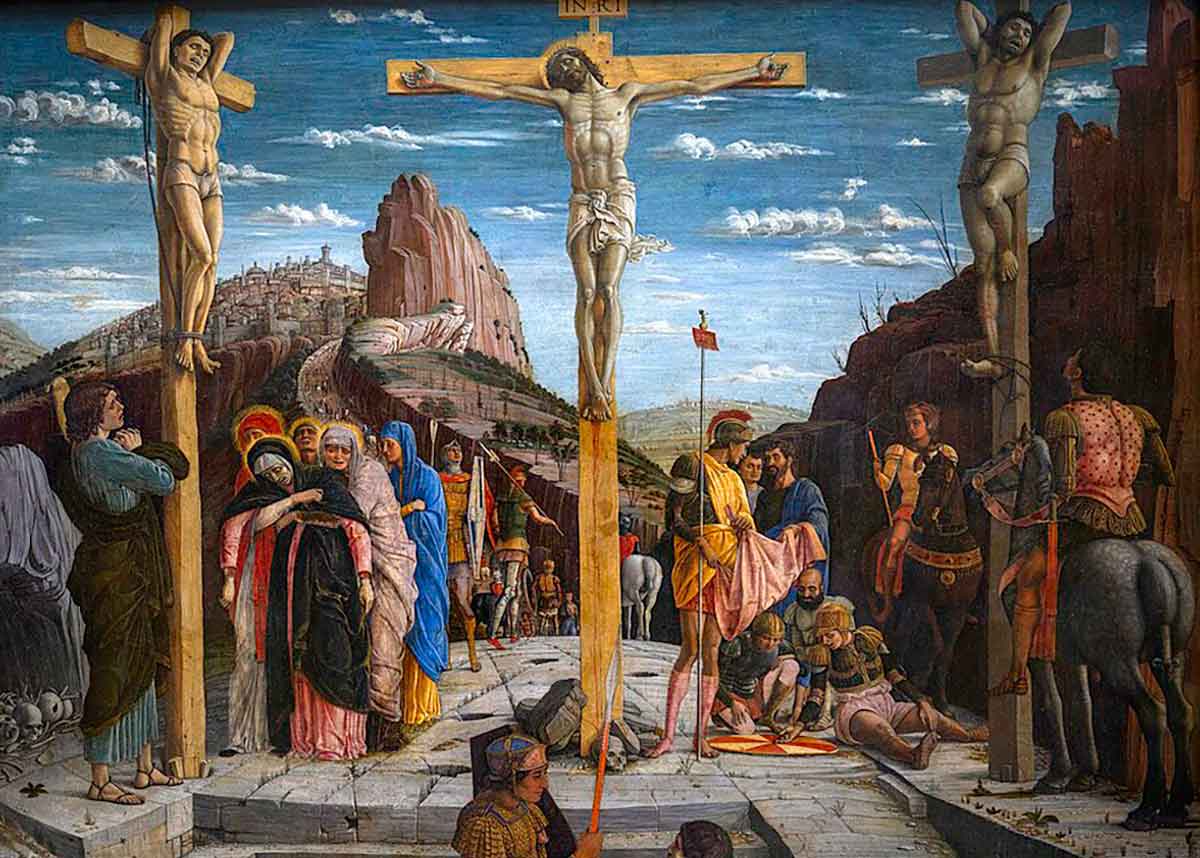
At the same time he was developing the catacombs, a major debate was roiling the Church: is there an amount of sin that is unforgivable? On one side of the debate were church leaders and intellectuals like Tertullian and Hippolytus who claimed that the soul could indeed be stained indelibly and that unyielding purity should be the standard demanded by the Church.
On the other side of the debate were people like Callixtus whose ministries to the convicts in Sardinia as well as his own criminal past and salvation lead him firmly to belief that no sin was too great to be forgiven, pointing to biblical teachings such as the story of the prodigal son or the thieves who were crucified alongside Jesus who despite their crimes were still promised a place in paradise.
To Callixtus, there was no sin that could not be forgiven with the right amount of public penance, absolutely ludicrous, something that his opponents found to be absolutely unacceptable.
Validating Interclass Marriages and Defying Roman Law
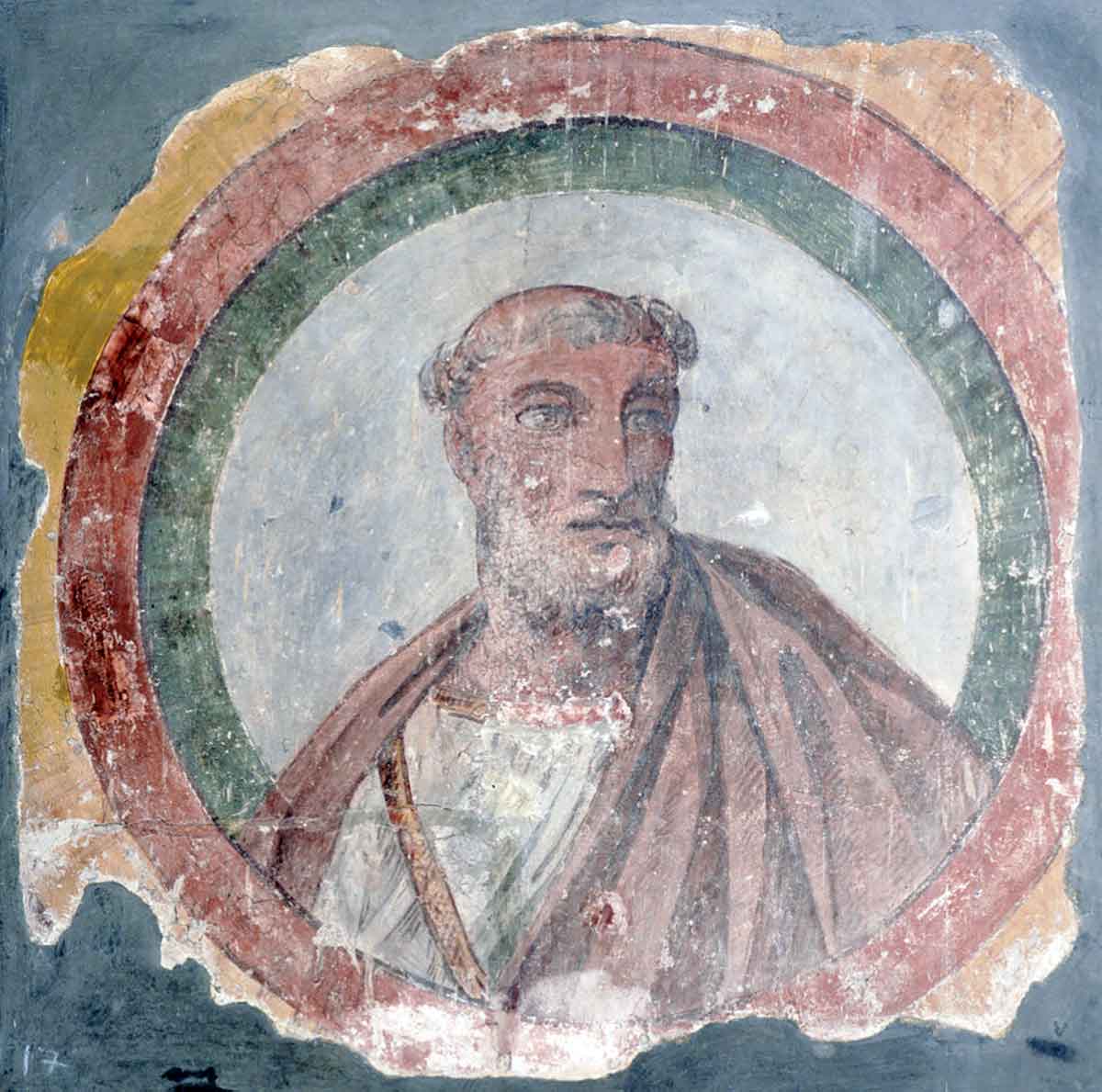
When Callixtus was chosen as the successor to Zephyrinus in 217 or 218, he put this doctrine of forgiveness front and center while also making many reforms aimed at welcoming back the disaffected, helping those cast out to return, and generally creating what he felt was a more tolerant, open, and welcoming church that welcomed those who felt “othered” by society back into its arms.
Among his many reforms were more than a few that defied not just Church precedent, but in some cases even spat in the face of Roman law:
- The divorced could remarry and could even hold office within the Church.
- Low-level clergy could marry, which stood in contrast to the practice of celibacy at the time.
- Marriages between a freedman and a slave were valid in the eyes of the church, even if it was invalid according to Roman law.
- Those who had committed sins, especially grievous ones of a sexual or murderous nature, were invited back into the fold.
While some saw these reforms as a way to live out the ideals and teachings of a forgiving God just like the one Jesus described, there were others like Hippolytus who thought his reforms were a bridge too far.
The Bitter Rise of History’s First Antipope
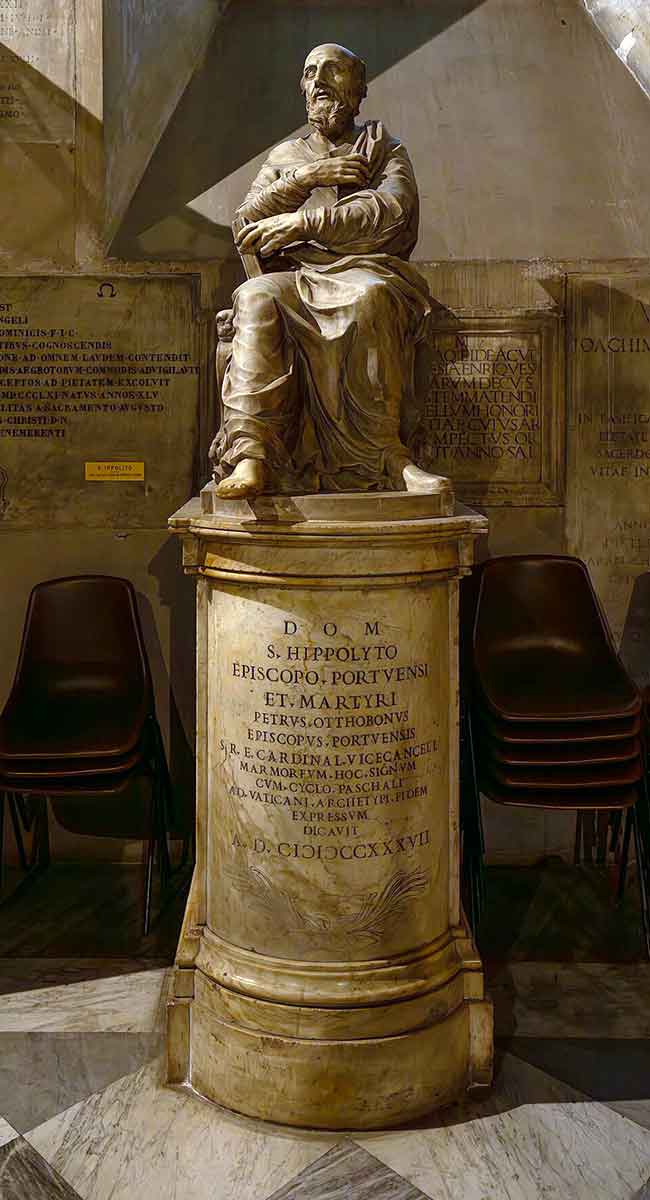
Even if he felt secure in his reforms, having a critic like Hippolytus was a major problem for Callixtus. As a respected thinker who may have been a student of the early Christian historian Irenaeus, Hippolytus became a leader of the Greek-speaking Christian faction (although there are no sources that can pinpoint where he served in church leadership) and wrote extensive and biting critiques of many Church leaders, starting with Zephyrinus and continuing until his death.
Callixtus got special attention, being called “the Imposter Callixtus” and his supporters “crowds of dupes,” but writing in opposition didn’t seem to deter the continued conversion of pagans. More drastic action was needed, and soon after the ascension of Callixtus to the head of the Holy See, Hippolytus was elected pope by his followers and splintered off from the main church.
This move is seen by the modern Church as the first instance of an anti-Pope being appointed, or when another pope is elected by either a secular ruler, which will happen many times during the later Medieval Period, or, as in the case of Hippolytus, when a rival faction feels its status or beliefs being cast asunder.
Although he would later reconcile with the Church and even be canonized as a saint, this move underscored just how much discontent there was with Callixtus during his five-year reign, which perhaps unsurprisingly came to an abrupt end.
The Brutal Insider Assassination of Pope Callixtus I
In 222, Rome was in an uproar as the aforementioned Emperor Elagabalus was murdered by mutinous Praetorian Guards after years of hedonistic behavior and a poorly-conceived attempt to sideline his popular heir apparent.
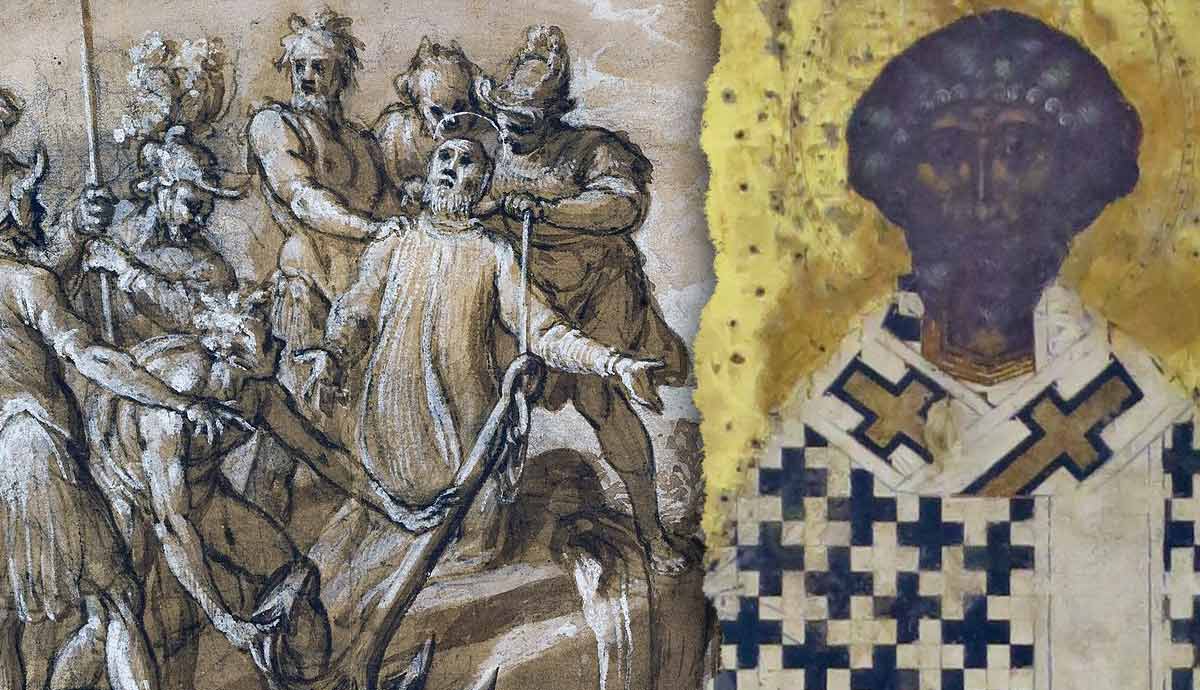
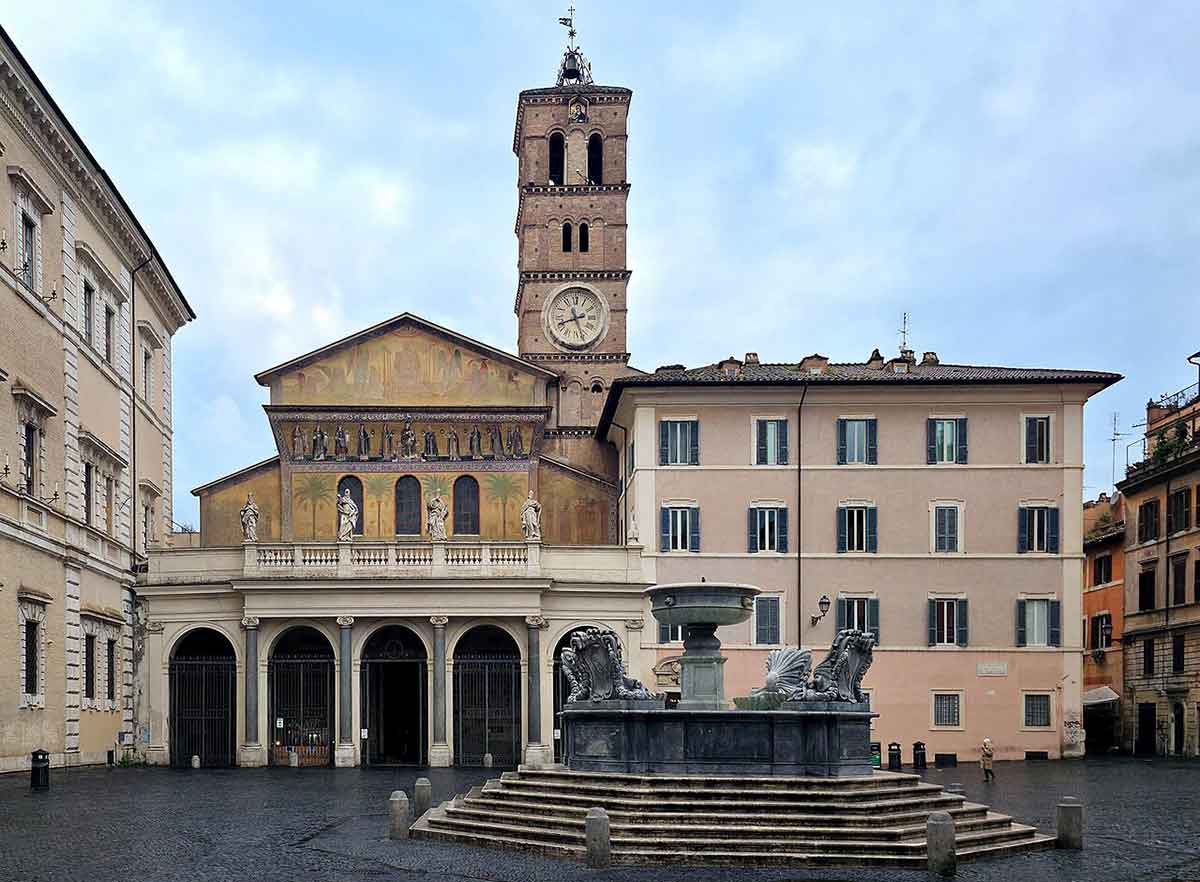
During the extended period of turmoil that followed, as order broke down, riots began in parts of the city, including the Christian areas, and during this chaos Callixtus was murdered. Tradition holds that it was done by a group of men who threw him down a well. Whether this was just a routine persecution of Christians or something orchestrated by its opponents is pure speculation, but the location of the well is the site of the Santa Maria in Trastevere, which still sits in Rome today.
Callixtus’ body was recovered and given a proper burial. He was not buried in the catacombs he helped create because of fears of violence against Christians, and instead was buried elsewhere until he was reinterred in the 9th century under the altar of the church of Santa Maria.