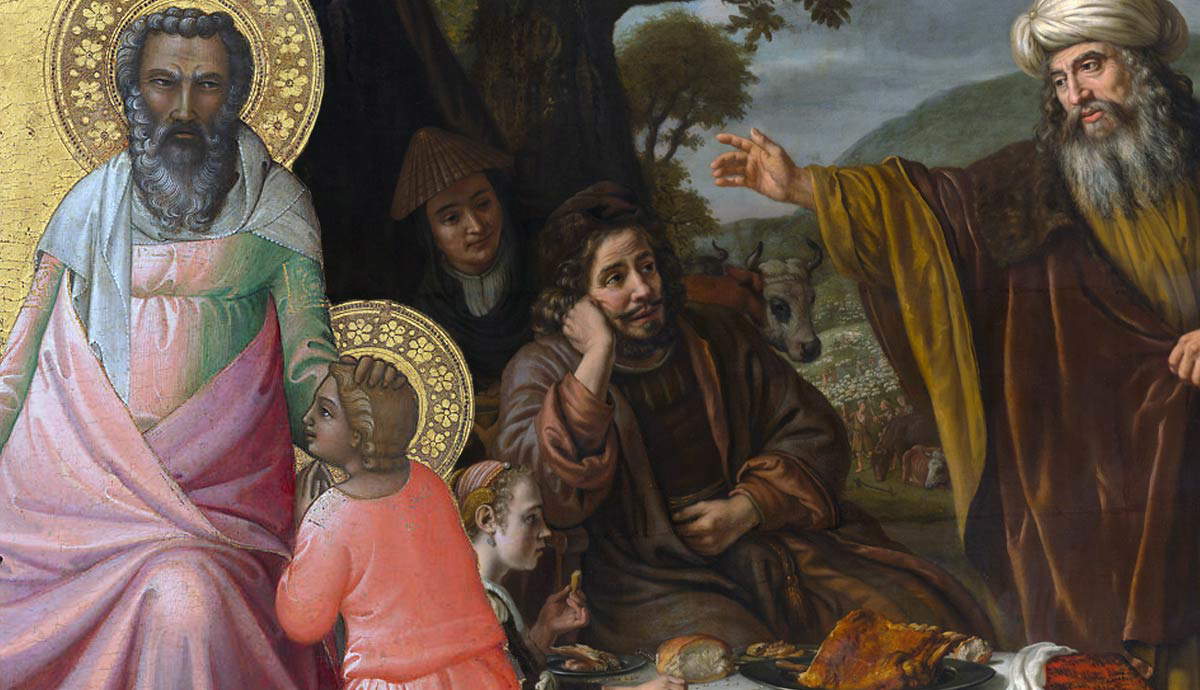

When reading the Bible, many wonder about the truth behind the words on the page: Are these only characters in a story or real people? Is all of this made-up fiction, or is some of it a proven fact?
Central to this research is archaeology and the uncovering of ancient cities that existed in stone and mortar as well as in the pages of the Scripture.
How Soil and Inscriptions Turned Biblical Legend Into History
The Bible was not created in a vacuum. The Israelites, as the chosen people of God, walking in Abraham’s promise, lived in a culturally diverse world. While most of modern Western history has been interpreted through a Biblical lens, this is not the only story archaeology reveals.
With the dawn of the Enlightenment, more and more people started shifting from blindly believing toward demanding proof. The slogan, Sapere aude – ‘Dare to Know’, popularized by Immanuel Kant, illustrates the transition from merely debating the Biblical text (literary skepticism) to physically traveling to the Near East and excavating the truth.
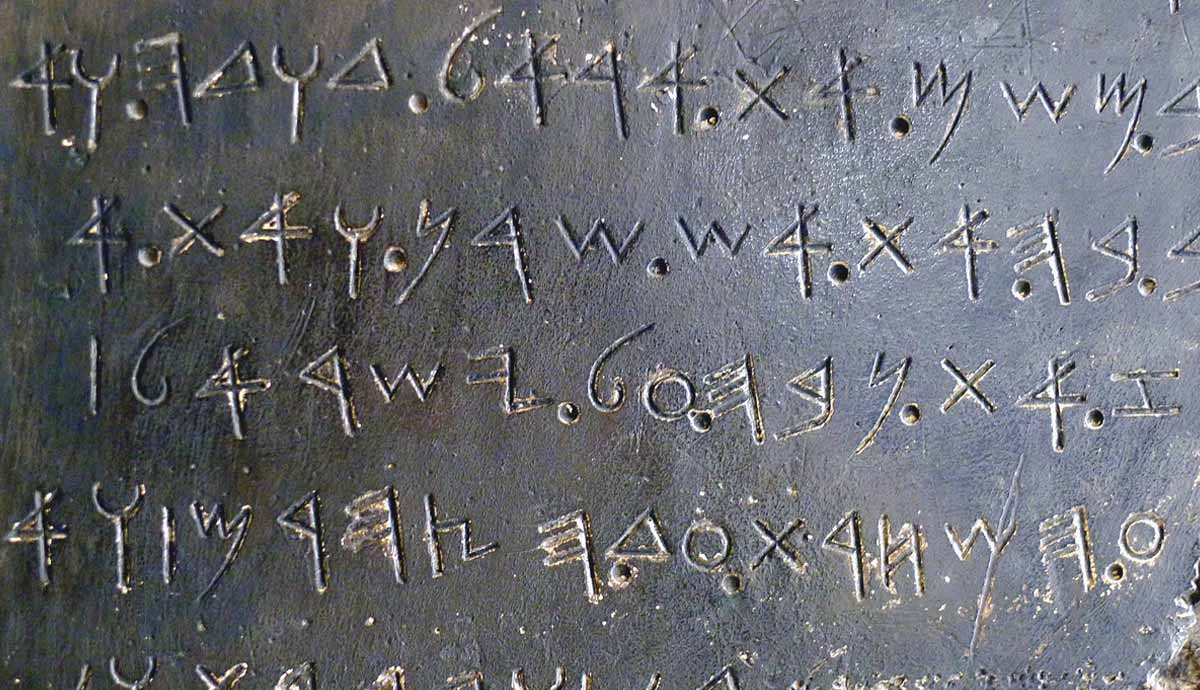
Soil layers (stratigraphy), inscriptions (epigraphy), and pottery typing revealed a way to test whether the words on the pages of Scripture are as true as they claim to be. Some findings have been successful in that regard, and others remain up for debate or to be uncovered as digs continue.
The City of David and the Monuments of Ancient Jerusalem
Probably the most popular historic site among avid Bible readers and pilgrims is the City of David.
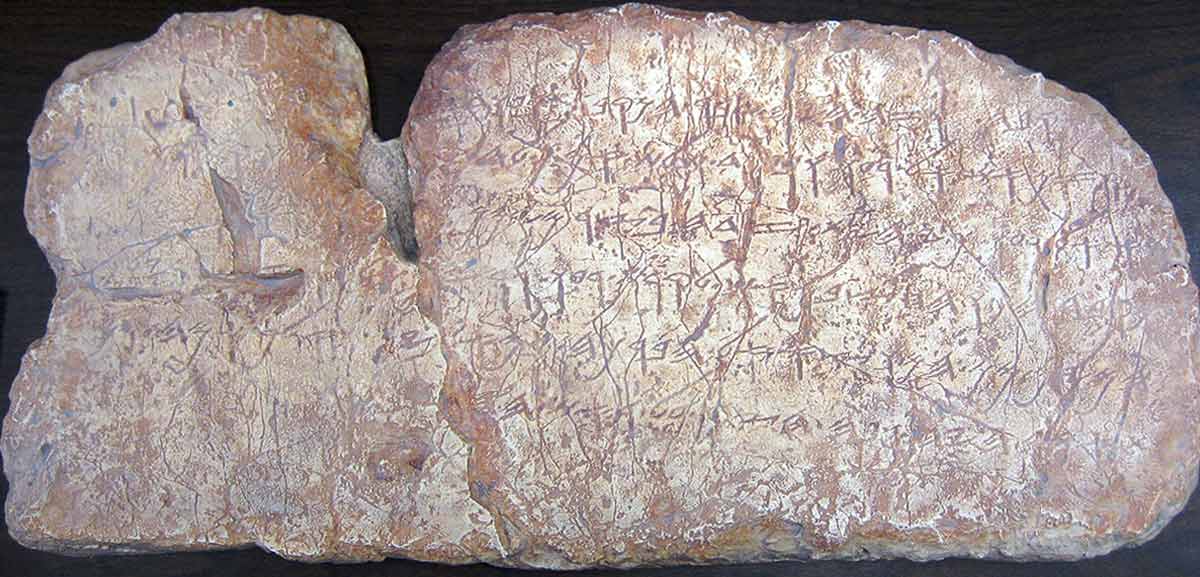
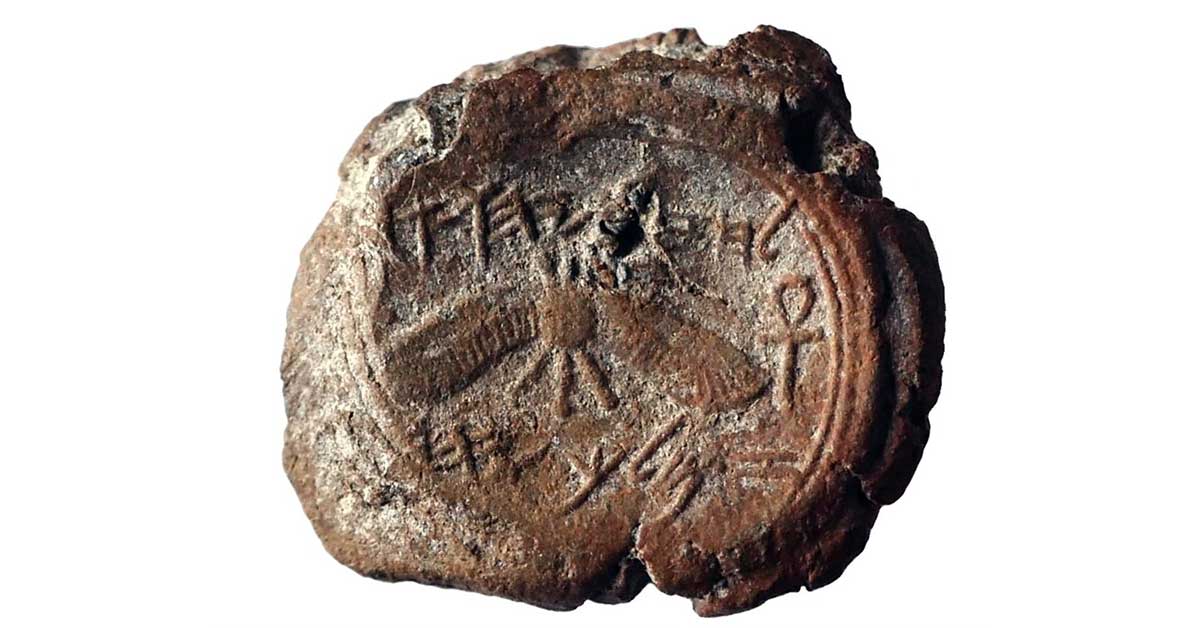
Jerusalem is still a well-known city today. The oldest inhabited sector is home to many excavations and the tourist-beloved Stepped Stone Structure. Other key findings here include clay bullae (thumb-sized clay lumps bearing stamps of official seals) with inscriptions of names echoed in Biblical accounts, and the Siloam Tunnel inscription celebrating the engineering feat of completion of what might be King Hezekiah’s water tunnel.
“As for the other events of Hezekiah’s reign, all his achievements and how he made the pool and the tunnel by which he brought water into the city…” – 2 Kings 20:20
There are also many less-popular sites where archaeologists have uncovered signs of ancient Biblical cities, from the walls of Jericho, to Megiddo, to Babylon, and even Nineveh.
Jericho and the Ancient Walls of the Jordan Valley
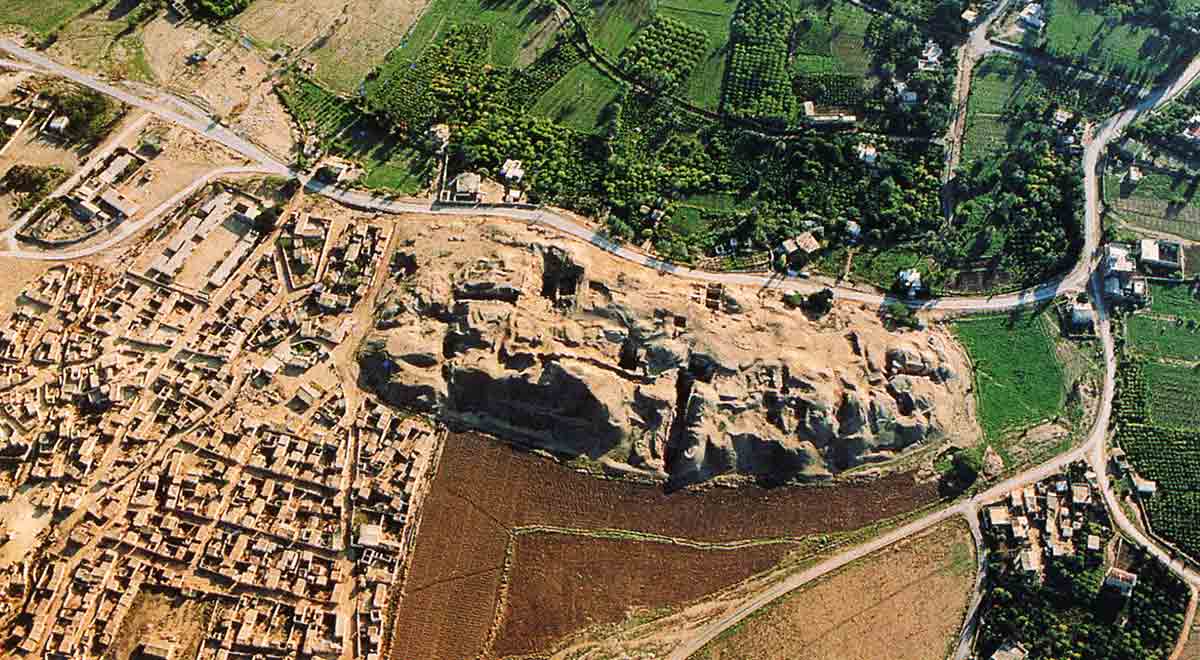
Tell es-Sultan is a World Heritage site in Palestine. This site is an ancient mound that tells the story of one of the world’s oldest continually inhabited cities.
In 1868, Charles Warren noted the site’s proximity to Ein es-Sultan, which was rumored to be the spring where Elisha made bitter water drinkable (2 Kings 2:19-22). It was rumored that Tell es-Sultan might be the site of Biblical Jericho. In the 1900’s, archaeologists uncovered heavily fortified walls that appear to have been destroyed by an earthquake or fire. John Garstang claimed in 1930 that some of these were the Biblical walls of Jericho.
“…at the sound of the trumpet,
when the men gave a loud shout,
the wall collapsed…” – Joshua 6:20
Kathleen Kenyon and others have studied the destruction layers, using more modern methods and actually dated it centuries earlier. A consensus has not been reached.
Megiddo and the Strategic Citadel of Armageddon
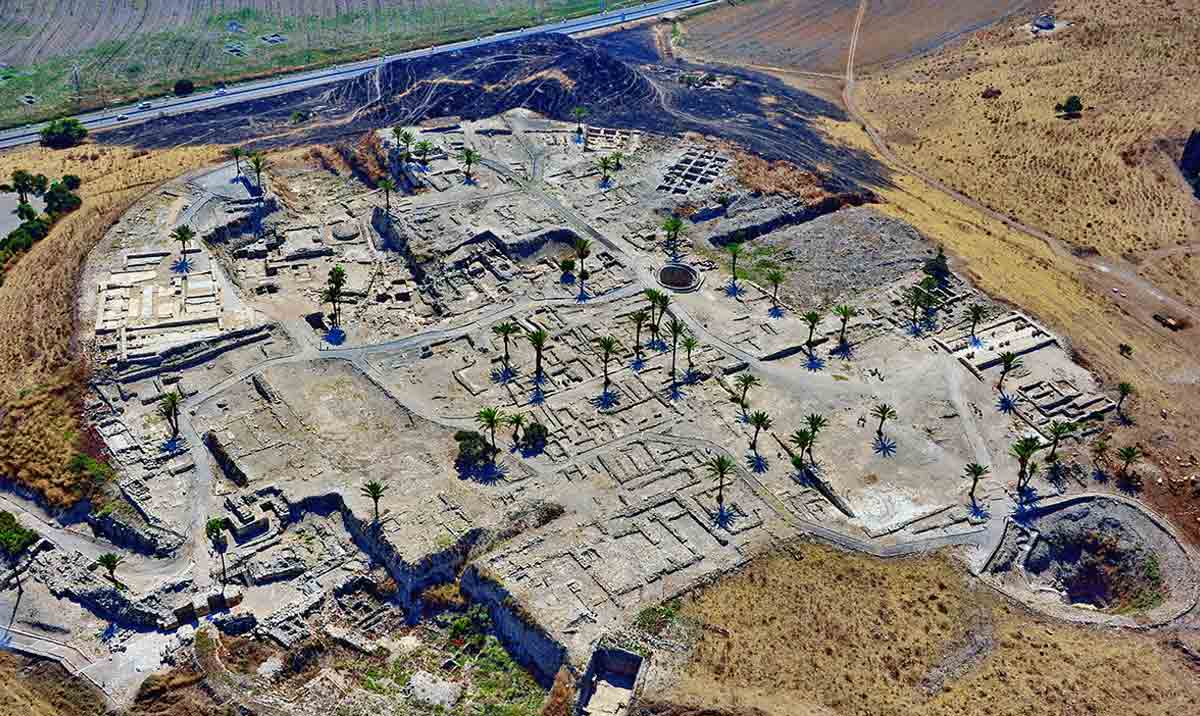
Another fascinating site is Megiddo, situated in Northern Israel. Given its location and layout, this site was likely a central hub along ancient trade and military routes.
“Josiah’s servants brought his body in a chariot from Megiddo to Jerusalem…” – 2 Kings 23:30
Excavations here found a monumental six-chambered gate. Gates matching this exact design were also found at Hazor and Gezer. In the 1950’s, Yigael Yadin argued that these were built by Biblical King Solomon (but these dates were also contested by his peers).
“…King Solomon conscripted to build … the wall of Jerusalem, and Hazor, Megiddo and Gezer.” – 1 Kings 9:15
Alongside the Solomonic gates, archaeologists also found ancient horse stables, palace structures, water systems, and hundreds of ivory icons. Yadin’s view is challenged by other scholars and historians alike. What is more generally agreed upon is that this site is Ἁρμαγεδών, Armageddon (Revelation 16:16).
Babylon and Nineveh Across the Mesopotamian Plains
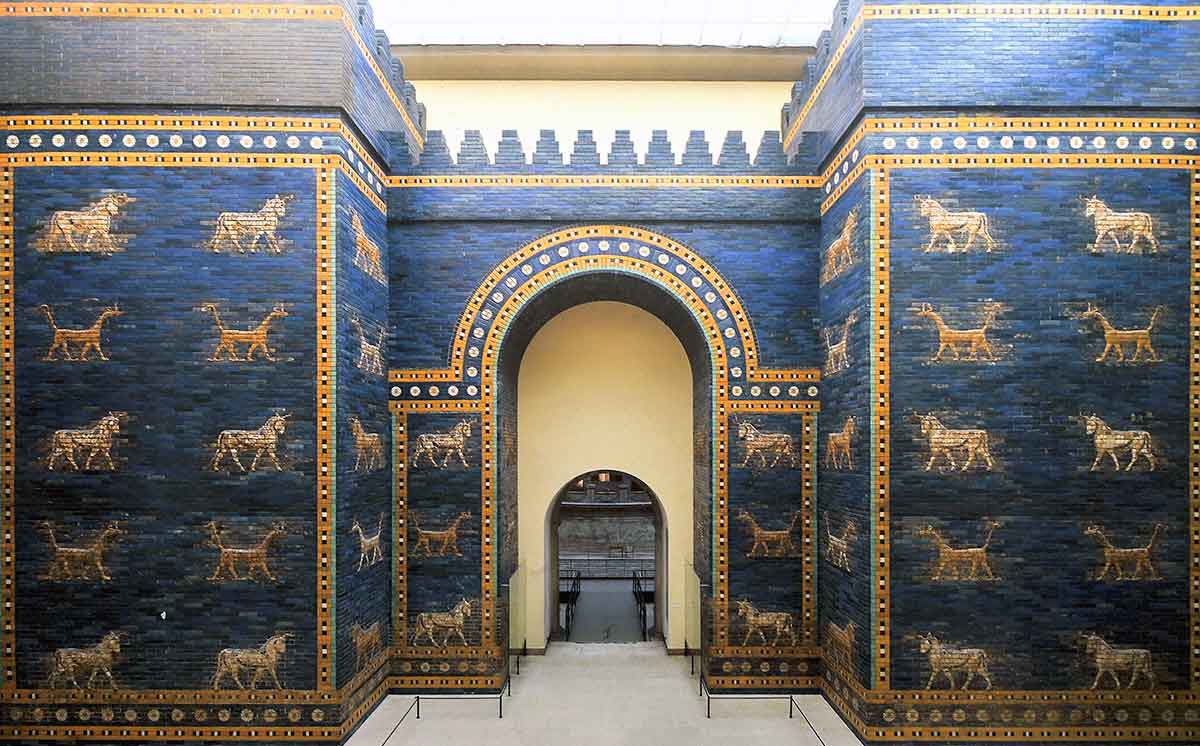
“…Nebuchadnezzar king of Babylon…” – 2 Kings 25:1
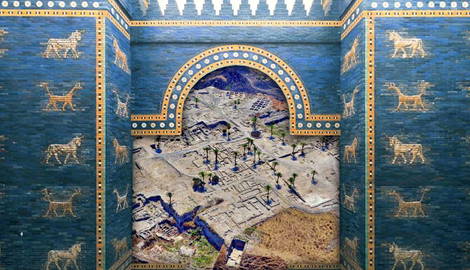
Archaeologists found extensive elements of the powerful and prestigious city of Babylon, especially under Nebuchadnezzar II. From 1899, Robert Koldewey and others excavated the site in modern-day Iraq extensively, finding the Ishtar Gate fragments, bricks stamped with Nebuchadnezzar’s name, and monumental palace complexes.
About a century before Nebuchadnezzar II, the Assyrian Empire was the one threatening God’s people. In the 1840’s, Austen Henry Layard excavated the ancient Assyrian city of Nineveh, proving its enormous scale and power in the ancient world.
“Now Nineveh was a very large city; it took three days to go through it.” – Jonah 3:3
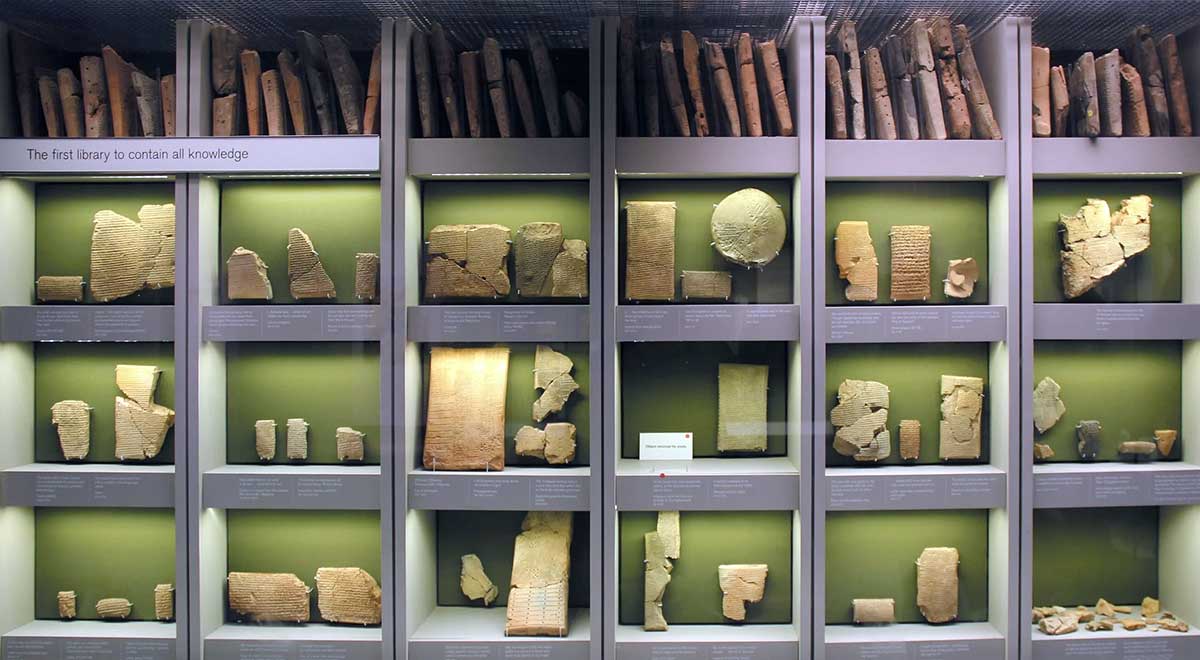
Archaeologists uncovered a library there with ancient Mesopotamian texts that share striking parallels with narratives in the Bible, like the Flood.
What Archaeological Finds Reveal About the Biblical Narrative
While physical evidence provides a clear geographical and historical foundation for ancient texts, we must admit that many of the Biblical timelines of these findings are still heavily disputed and debated among scholars.
Such archaeological findings are a great example of how the cities, and often the kings, mentioned in the background of the Bible storyline can be traced to real artifacts, making the stories they support more tangible.
New technologies are still being used in archaeology today and continue to unveil a world, hidden and long-forgotten – a world that often overlaps with the Biblical account.
As Jesus said, “the stones will cry out.” – Luke 19:40.