
Many millennia ago, before even writing was introduced to Japan from the Asian mainland, the people of the archipelago believed that spirits lurked in the wind, the mountains, the sea, and all living things. Dubbed Shinto, or “the Way of the Gods,” this belief is the indigenous spiritual tradition of Japan. It has no founding prophet, single unified holy book, or known date of origin. Instead, it developed naturally out of ancient Japanese culture as a way to co-exist harmoniously with nature.
How Dogu Figurines and Sacred Circles Defined Shinto’s Prehistoric Origins
Animistic practices developed during the Jomon period among hunter-gatherers. Formal Shinto developed much later during the Yayoi and Kofun periods. Existing from about 14,000 BC to 300 BC, the Jomon period was a time when Japanese societies believed that spirits or kami existed throughout nature.
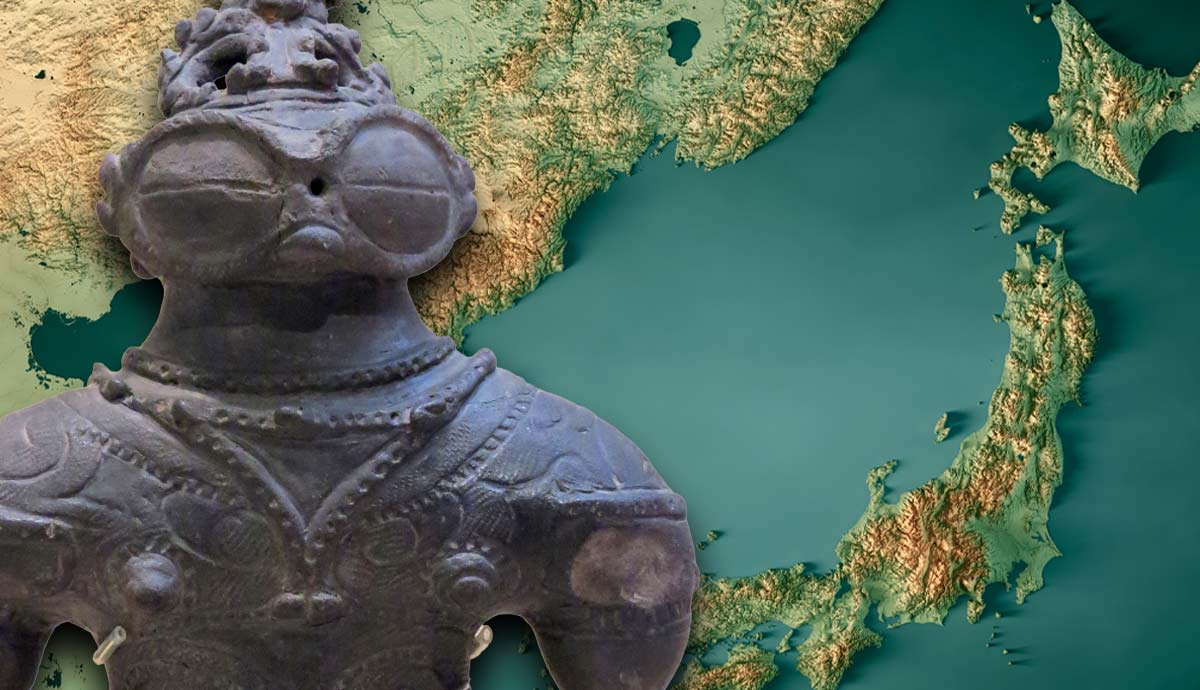
Clay figures from this time, known as dogū, also show strong concerns with fertility and changing seasons. Because many of these figures have wide hips, with some featuring “bulging eyes,” many archaeologists believe that ancient Japanese people likely worshiped a mother goddess, or at least used them in fertility rituals and healing ceremonies.
Stone circles built roughly between 2,000 BC and 1,000 BC, such as the circle at Ōyu in Akita Prefecture, point to seasonal ceremonies as well as ancestral worship. At large settlement sites such as Sannai-Maruyama in Aomori Prefecture, archaeologists have found buildings that appear aligned toward the sunrise and sunset. Built by Jomon people, these structures were likely community sites. Formal shrines, however, developed much later and had different origins.
How Rice Farming and Queen Himiko Reshaped Shinto Deities
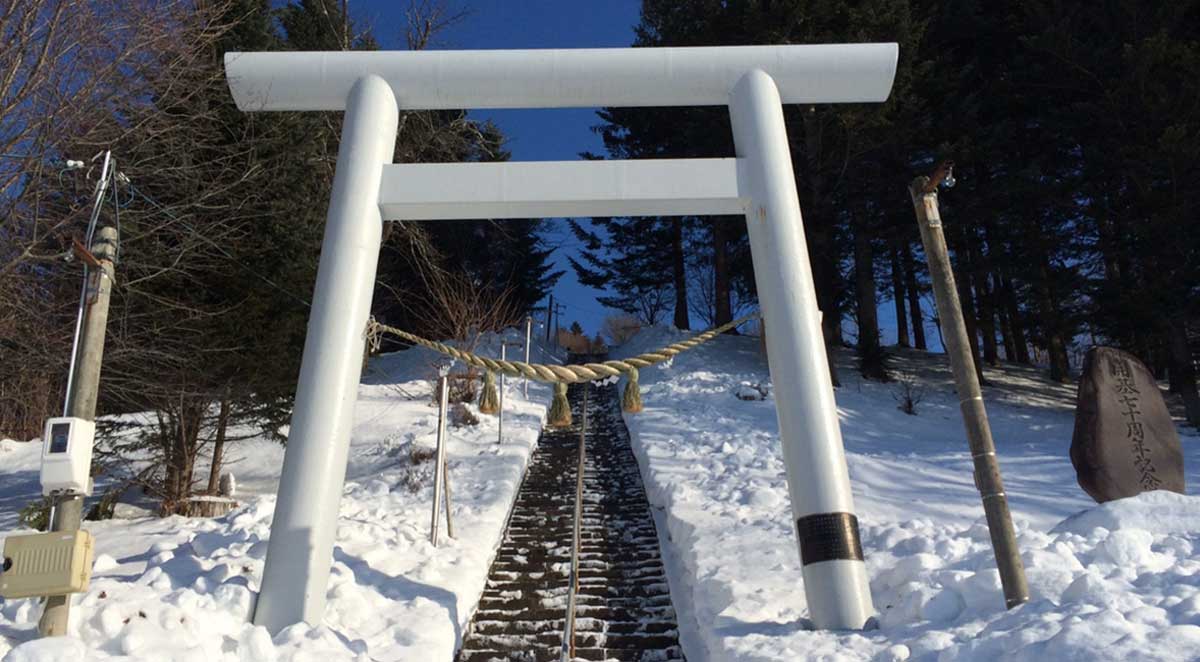
A major shift occurred during the Yayoi Period, starting around 300 BC to 300 AD. During this time, migrants from the Asian mainland brought wet-rice farming to Japan, causing a monumental transformation. As wet-rice cultivation led the society to develop large agrarian settlements, kami belief systems began to shift from spirits of the wild forests to deities that would protect the rice crops.
Queen Himiko, who ruled Yamatai-koku (a powerful confederation of chiefdoms) during the 3rd century, acted as a shamaness who channeled the gods to guide state choices. The era also introduced the concept of Musubi, a spiritual energy that created growth and connected all living things. Ceremonies were performed to help ensure a successful planting in the spring and a bountiful harvest in the fall.
Bronze mirrors known as kagami and bells called dōtaku were also introduced during this period. They soon became ritual objects used to communicate with the kami. Mirrors also came to symbolize the sun and the purity of the heart, which explains why the sacred mirror is one of the Three Sacred Treasures of the Imperial House of Japan, its hereditary monarchy. Housed at the Ise Grand Shrine to represent purity and honesty, the mirror sits alongside the sacred sword kept at Atsuta Shrine and the curved jewel at the Imperial Palace as a foundational symbol of the Emperor’s divine authority.
How Ancient Mega-Tombs and Clan Spirits Centralized Shinto
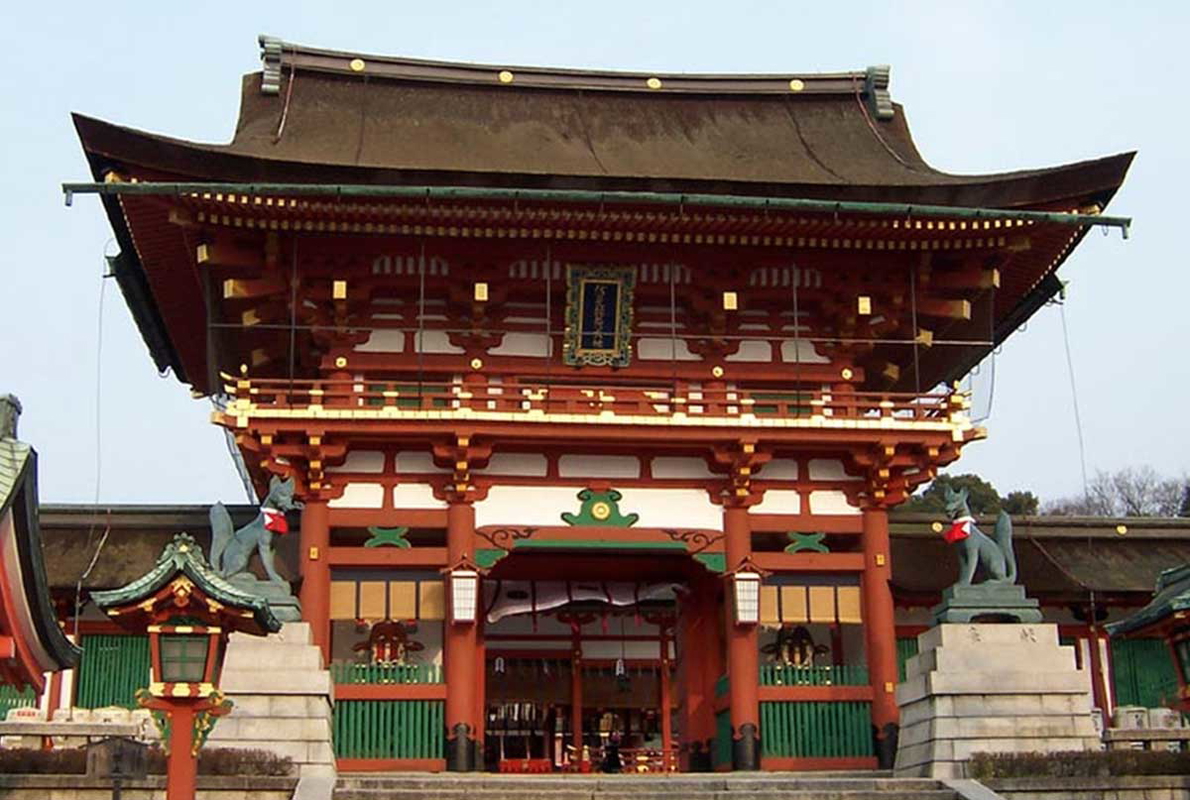
Shinto evolved further during the Kofun period, from 300 AD to 538 AD, when political power was centralized under the rulers of the Yamato court. The era saw the rise of the Yamato State in which, instead of only worshipping spirits of nature, ancestor worship associated with political leaders became prevalent. Monumental tombs were built for important figures. They ranged up to about 500 meters (1640 feet) in length. The Daisen Kofun tomb in Sakai, for example, is about 486 meters (1594 feet) long and was built in the 5th century for Emperor Nintoku. That said, Kofun-period ancestral worship was based on the belief that the leaders within these tombs were linked to the Ujigami or clan deities.
How the Kami-Buddha Fusion Transformed Japanese Worship
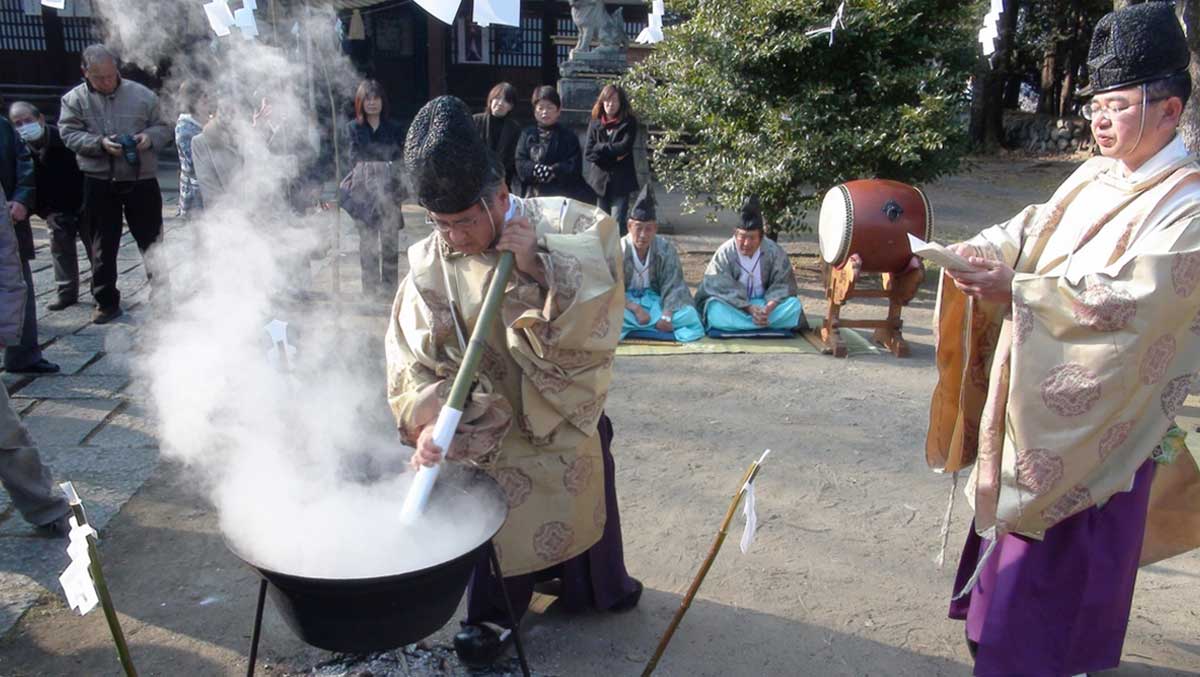
When Buddhism was first introduced to Japan in 538 AD, traditional Japanese beliefs came to be referred to as Shinto in order to distinguish ancient Japanese practices from Buddhism. The name Shinto was adopted from Chinese characters meaning the way of the spirits. Rather than fighting, the two religions, Shinto and Buddhism, began to blend such that kami were seen as protectors of Buddhist temples. This was done through a process called Shinbutsu-shugo.
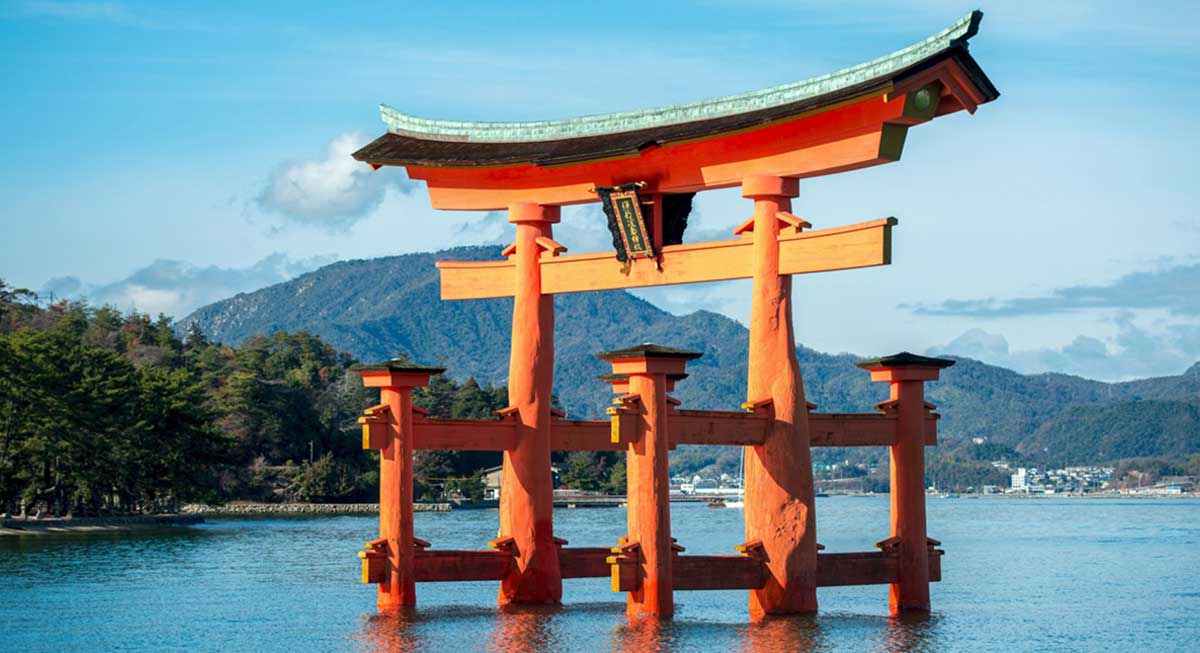
For the first time, Japanese religious practices were written down in texts such as the Kojiki in 712 AD and the Nihon Shoki in 720 AD. The Taiho Code of 701 AD also legally established the Department of Divinities to manage these traditions. Today, there are around 100,000 Shinto shrines throughout Japan.