
The Wolf of Pontus. The firstborn of Satan. These were some of the names bestowed upon Marcion of Sinope by the Church Fathers who tried to erase his influence.
Marcion was one of the earliest heretics whose ideas and teachings were so appealing that they persisted well into the 10th century. Despite his excommunication, the suppression of his works, and the volumes dedicated to the refutation of his teachings, he may have done more to help the early Christian Church persist than any other man of his time.
From Merchant to Menace
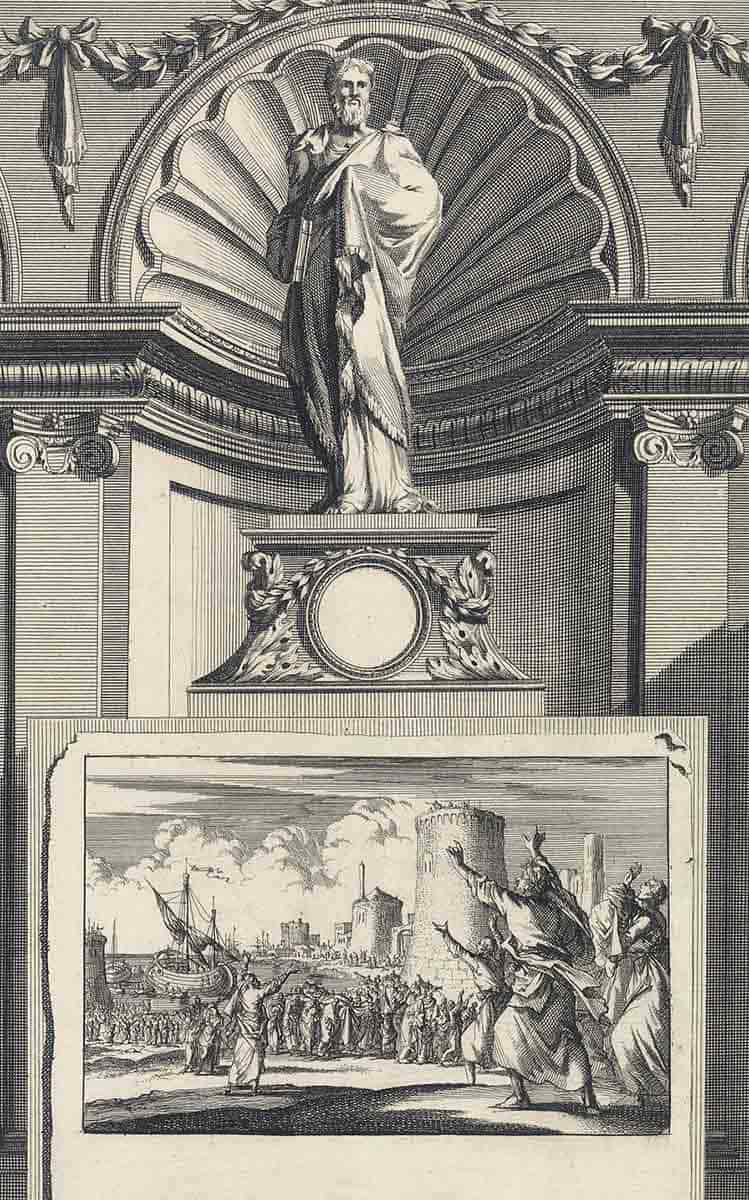
The story about how a wealthy shipping magnate became one of the biggest thorns in the side of the early Christian church is a fascinating one, to be sure.
Our best record regarding the early life of Marcion comes from Epiphanius, a 4th-century bishop of Cyprus who wrote that Marcion was born in what is now Turkey and was the son of the bishop of Sinope. This benefited Marcion both theologically, as he was no doubt well-read and well-versed in the scriptures, and set him up for success financially because having a parent who was placed high up in the Church hierarchy meant business ventures would be much easier to launch. Over time, he managed to leverage this influence to become a wealthy merchant.
In the year 140, he traveled to Rome and had become so rich and successful that he was able to make a sizable donation to the Roman congregation, close to $1 million in today’s money, which should’ve assured his status among the central church in perpetuity.
And yet, only four years later, he was excommunicated, branded a heretic, and his substantial gift to the church was thrown back in his face.
The Radical Theology of Marcion of Sinope
Precisely what happened next requires a bit of speculation and needs to be taken with a grain of salt because what we know about the charges leveled against him comes from the writings of people who were actively crusading against him.
Epiphanius claims Marcion’s promising trajectory was upended when he reportedly seduced a virgin and was cast out, maybe even by his own father and perhaps even before he headed to Rome. Whether this was an actual sexual transgression or a metaphor for his corruption and abandonment of the church’s teachings is debatable, but what we do know is that his ideas stood in stark contrast to the teachings of the Church.
Regardless of your own faith, you are probably aware that the Holy Bible is made up of two different and very distinct parts: the Hebrew Old Testament and the collection of Christian writings known as the New Testament.
If you have ever wondered how these two parts came together, or how Christianity reconciled the contradictions present within the scripture of its adopted Jewish texts, then you probably would’ve been very interested in what Marcion was preaching. His answers to these inconsistencies, which put Marcion into the Church’s crosshairs, were, on the surface, pretty logical and innocuous to us today. In fact, when you consider some of the later heresies the Church would deal with, he seems kind of milquetoast, and yet the Church’s most ardent defenders and apologists attacked him like he was the antichrist incarnate.
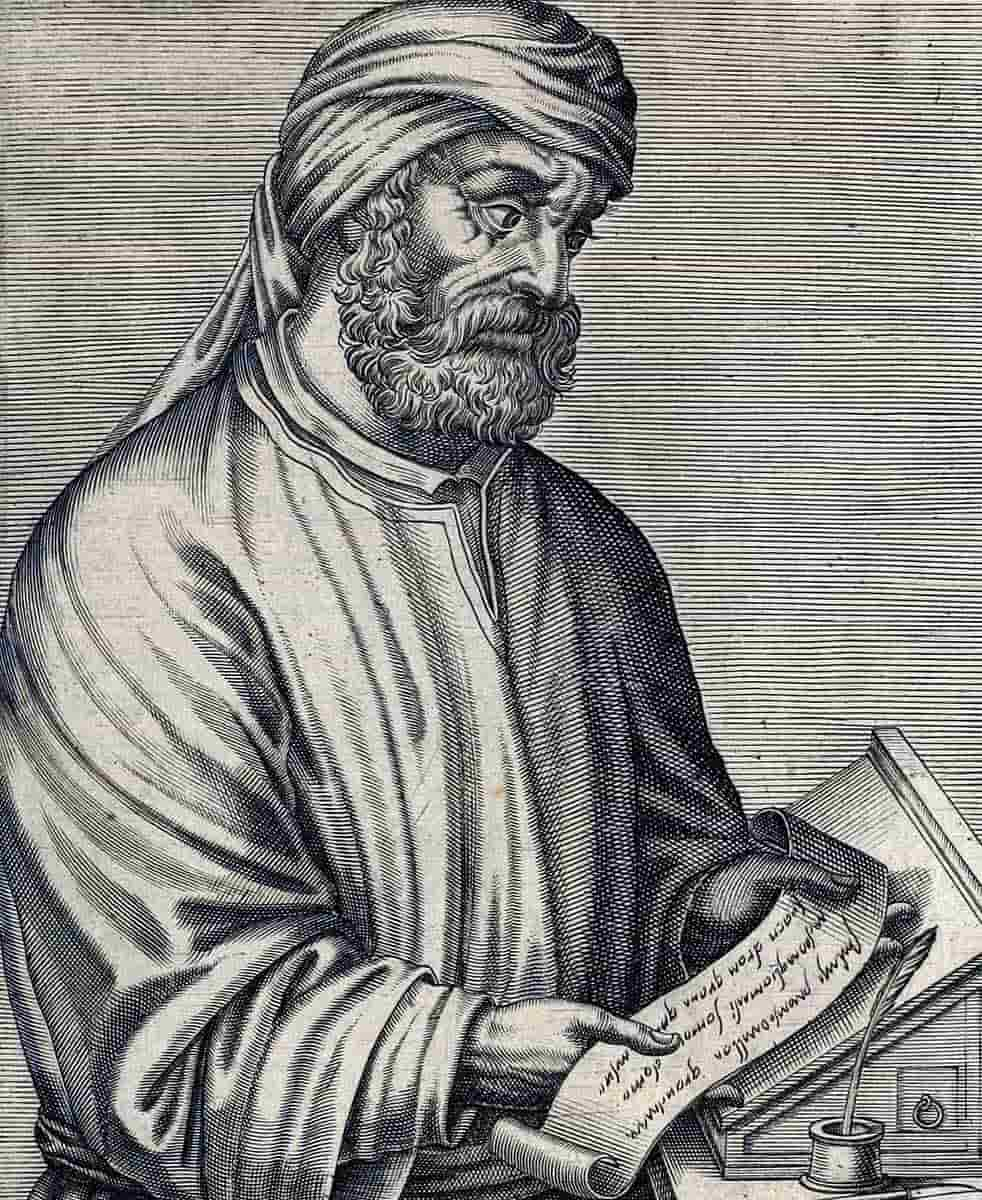
Tertullian, for example, one of the most famous of the early church’s theologians, hated Marcion so much that his refutations filled five full volumes.
Marcion’s core claim was that there were two gods, not one, in the Bible. He reached this conclusion as a way of explaining the huge discrepancies and contradictions between the God of the Old Testament and the God of the New Testament.
In the New Testament, Jesus claims that his father is a loving God whose son was sent to Earth, where he preached over and over again about loving thy neighbor, feeding the poor, and turning the other cheek. When you juxtapose that with the nature of God described in the Old Testament, you read about a wrathful and jealous God who instigated all kinds of violent moments, including a memorable incident in the book of 2 Kings where he commanded bears to maul 42 children who were making fun of the prophet Elisha’s bald head.
Given these contrasts, it is not too much of a stretch to wonder if both of these books were talking about the same creator.
There were other heretical claims that Marcion preached to his growing group of followers that irked the church as well, such as:
- Jesus was not flesh and blood but a divine being cosplaying as a human who was not born of the Virgin Mary, but just appeared from heaven. If this is true, it weakens the immensity of his sacrifice on the cross.
- Paul was the only legitimate apostle of Jesus, and the writings of the other 11 should be discounted because they were actually followers of the Jewish god of the Old Testament. This is a big problem if your church’s claim to legitimacy is predicated on it being the church founded by the apostle Peter…
The Total Rejection of the Hebrew God
In 144, Marcion called a church council to share his beliefs with the leadership of Rome. He was confident that all of his ideas would be embraced, and in addition to the teachings shared, he went on to elaborate how the Old Testament God was a different, lower God who was actually some sort of tribal deity worshiped by Jews.
This lesser, vengeful God, whom he called Demiurge, was indeed the creator God, and this more than anything else caused quite the uproar among the gathered church leaders.
The collateral damage that would be caused by a separation of the creator and the redeemer was hard to comprehend. If the God who created the physical world was different from the one who granted us mercy and salvation, that was a vote for pure chaos and a repudiation of all earthly things. Marriage, baptism, and even the Church itself were then meaningless traps created by an evil deity.
The Church Fathers tried to argue that in order to believe this, you would have to discount a lot of statements throughout the New Testament that say over and over again there is but one true God. Marcion had already thought of this too.
The Formation of the First Christian Canon
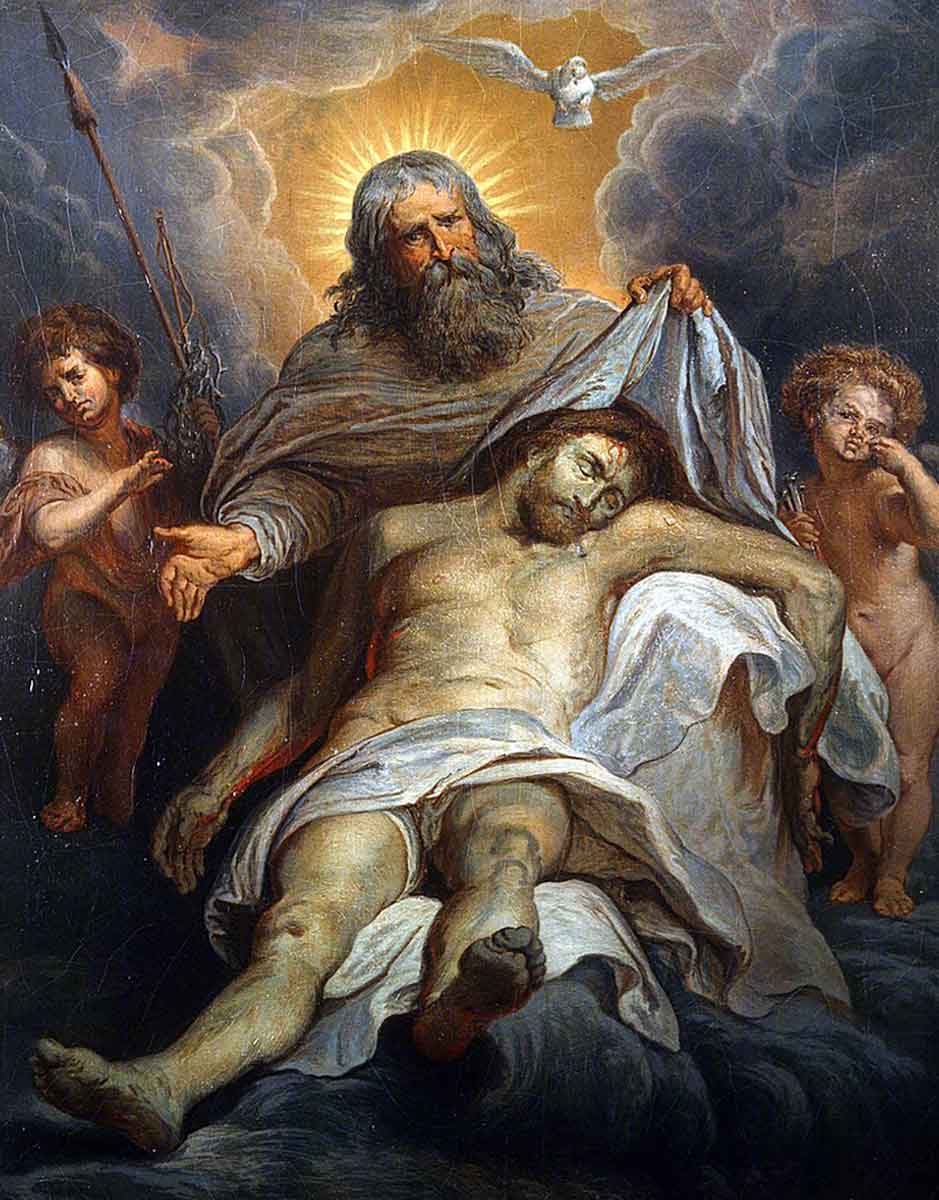
The inconsistencies between the teachings of Jesus and the actions of Yahweh, the God of the Old Testament, were so at odds with each other that Marcion argued they should be completely discounted altogether. To this end, he produced one of the earliest canons, or authoritative lists of New Testament books, that he considered valid.
The Marcion canon was very short, consisting of ten of Paul’s letters (remember Paul was the only legitimate apostle) and an extremely edited version of the Gospel of Luke. You can imagine how the idea of dropping the three synoptic gospels went over in Rome, but Marcion was firm that these edits were necessary to reconcile the contradictions between the two texts.
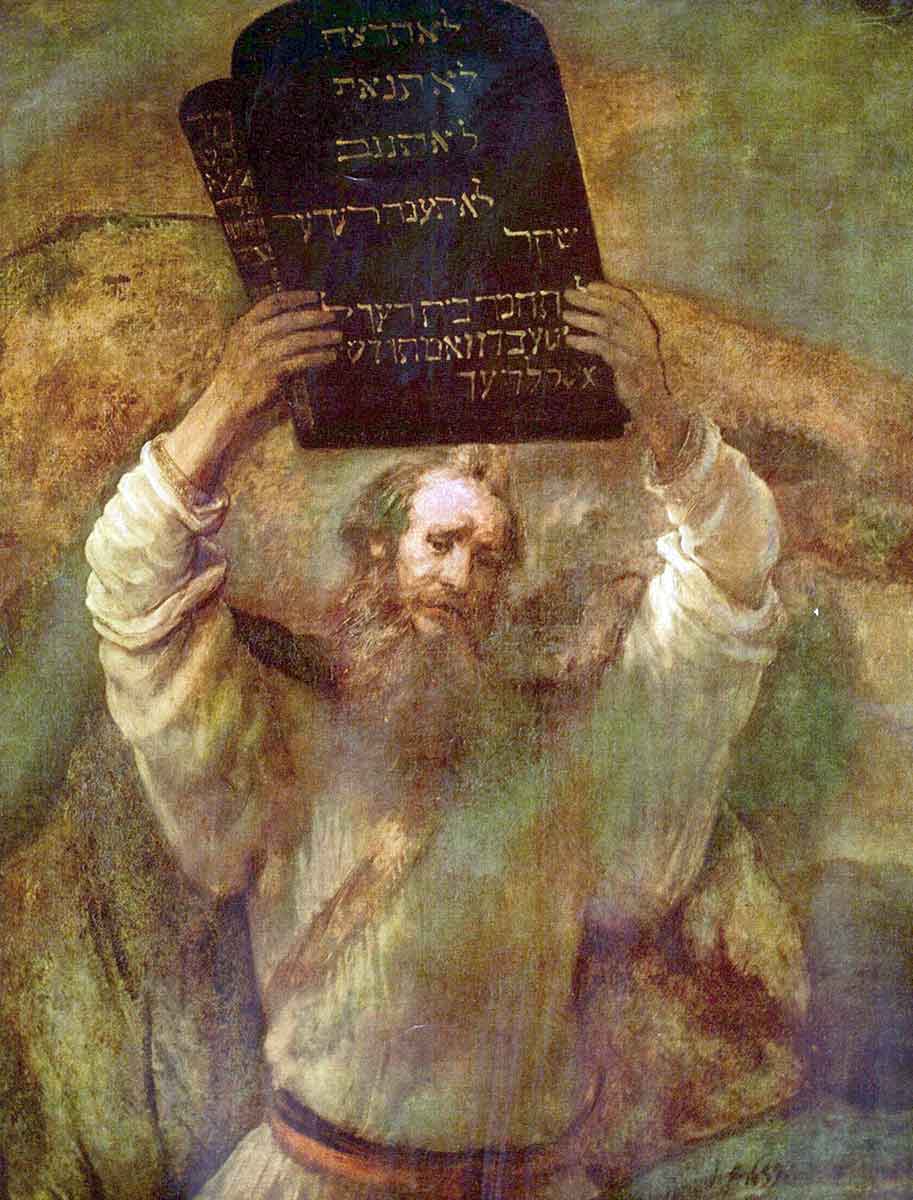
Needless to say, the council did not embrace his ideas, and instead excommunicated him on the spot and sent him back to Turkey (then Asia Minor), but it was too little too late. Marcion’s influence couldn’t easily be stamped out, and for the rest of his life he founded churches in Turkey, Greece, and Syria that continued to grow until it was seen as perhaps the largest rival to the early Christian Church. In fact, although Marcionism would dissolve in the 4th century, ideas similar to his would progress long after his death into the Middle Ages, making it one of the most long-running heresies.
The Roman Church tried its best to expunge his work and was so successful that no complete volume of his writings or works exists today, and yet we still know about him, his beliefs, and arguments. It turns out that in their eagerness to argue against him, early Church apologists actually helped his ideas progress.
The Response to Marcionic Writings

Even after his death, Irenaeus, Tertullian, and other defenders of the faith worked overtime to refute and stamp out Marcionism by writing long rebuttals, and in many cases by quoting verbatim his texts. Because the writings of these early historians were preserved, so were large chunks of Marcionic texts as well. Whoops.
Thanks in part to this counterproductive censorship strategy, modern researchers have been able to re-create enough of his original texts to understand his arguments and make some interesting conjectures about how significant he was.
Some biblical scholars claim that the missing Gospel of Marcion, which is believed to have been a highly edited version of the Gospel of Luke, actually predates the version we have; meaning that the Gospel of Luke we have today might actually be based on Marcion’s writings, although there is significant debate about whether or not this is true.
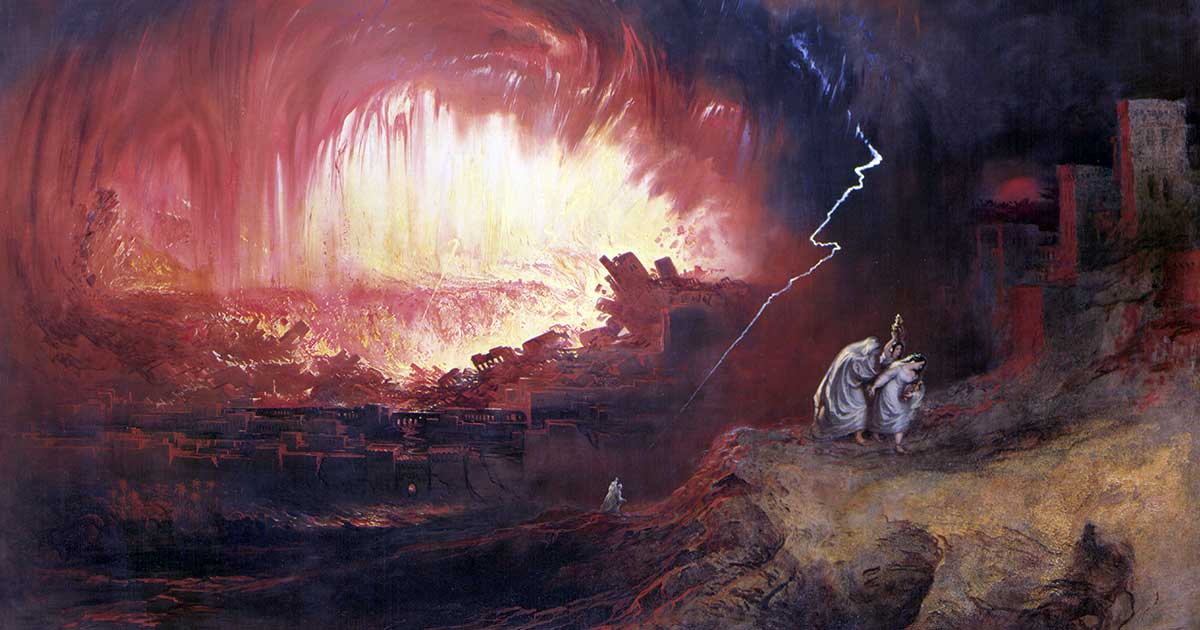
Despite his excommunication and the centuries-long fight to wipe him and his ideas from Christendom, Marcion was actually beneficial to the early Christian Church because, in order to refute him, early Church Fathers had to do two things. One was to do a better job of reconciling and connecting the Old Testament and the New Testament so that there was no confusion about whether or not the god of the Old Testament and the god of the New Testament were the same. The other was perhaps even more essential: ensuring that they were extremely clear and public about what writings were official scripture.
The Church took the idea of a canon from Marcion and made it its own, allowing for a more unified understanding of the Bible that would pay dividends down the road.
In a weird way, Marcion helped speed up the creation of what we today consider the New Testament.