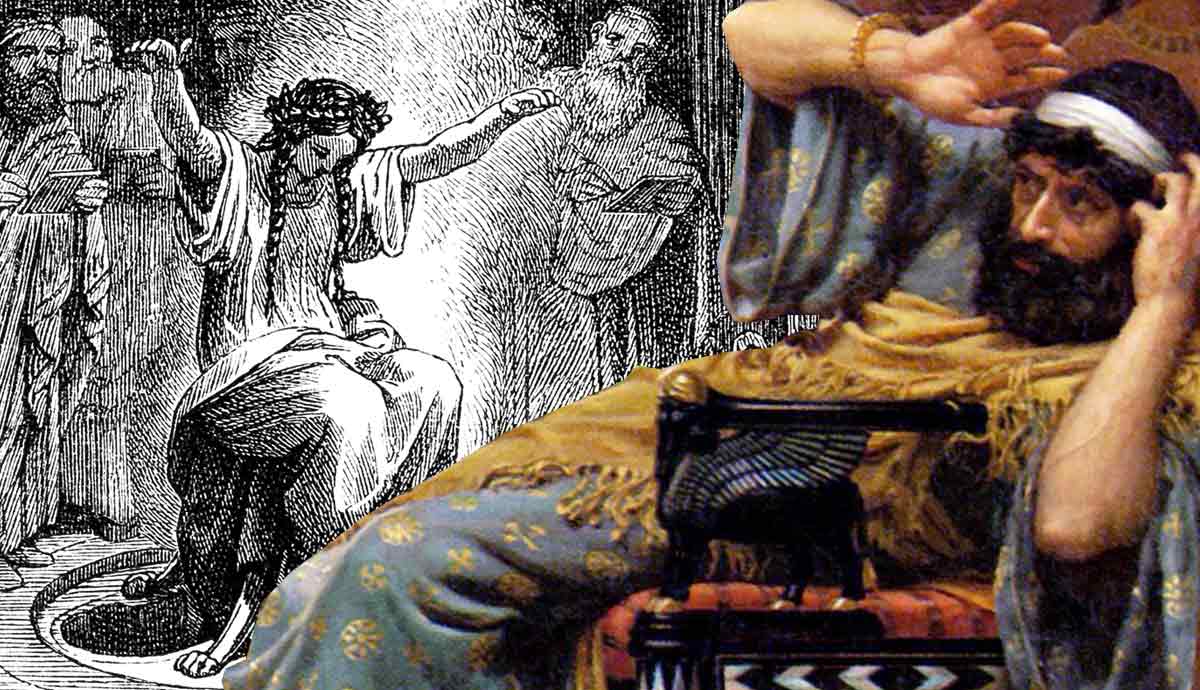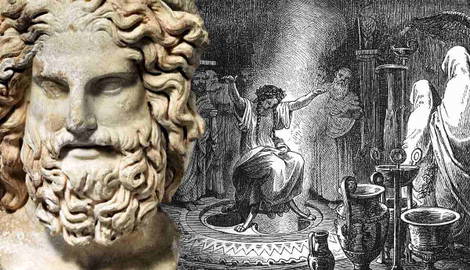

The ancient Greek gods were not silent. Throughout the Mediterranean world, worshipers traveled to sanctuaries to seek answers from the gods regarding politics, wars, crops, and even their private lives. At special sanctuaries, called oracles, the gods spoke through their intermediaries. The Oracle of Delphi was considered the most famous and often called the heart of Greek religious life, but it was not the only one. Oracles were widespread throughout the Greek world. Discover some of the other most important, including the Oracle at Dodona in northern Greece and the Oracle of Siwa in Egypt.
1. Oracle of Dodona Was the Oldest and Spoke Through Oak Leaves
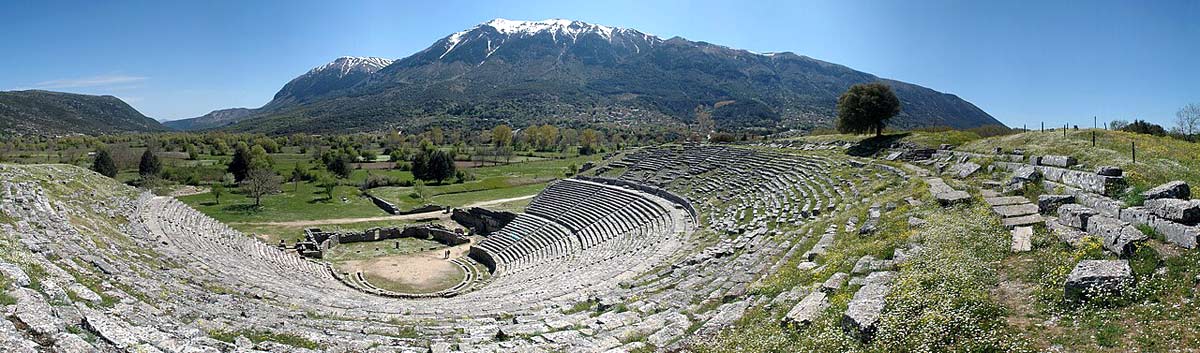
Long before the establishment of the Oracle of Delphi, the ancient Greeks believed that their gods communicated at Oracle of Dodona, located in an ancient and remote Epirote town in northwestern Greece. Ancient writers such as Herodotus believed that the sanctuary at Dodona dated back to the Late Bronze Age, and that it was primarily dedicated to Zeus and his consort Dione.
At this oracle, the gods were believed to speak in a very specific way: through oak leaves. More precisely, at the center of the sanctuary stood a large oak tree that was considered divine. When someone came to seek an answer from the oracle, the sounds of the tree were carefully observed. The rustling of leaves, the movement of branches in the wind, and even the songs of birds nesting among its branches were all interpreted as divine messages. In some ancient accounts, bronze cauldrons placed around the tree are also mentioned, which produced ringing sounds. Each of these sounds was considered to be the voice of Zeus.
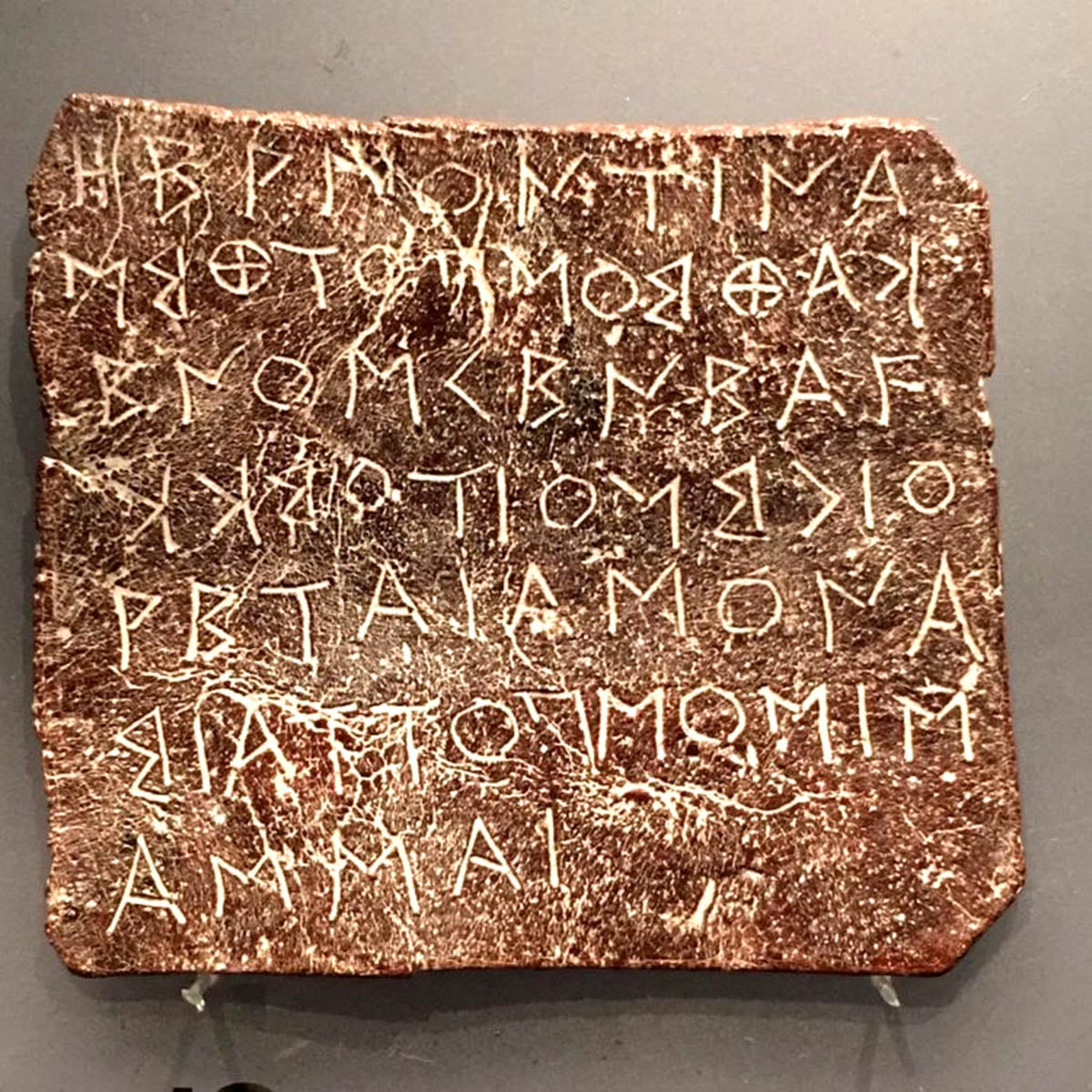
The Oracle of Dodona was not reserved only for kings and generals. Archaeological finds include a large number of lead tablets left by pilgrims. Based on these tablets, we know what people asked the oracle. Most commonly, they were questions related to marriage, property disputes, or long-distance travel.
2. Didyma Rivaled Delphi With Its Massive Temple and Sacred Spring
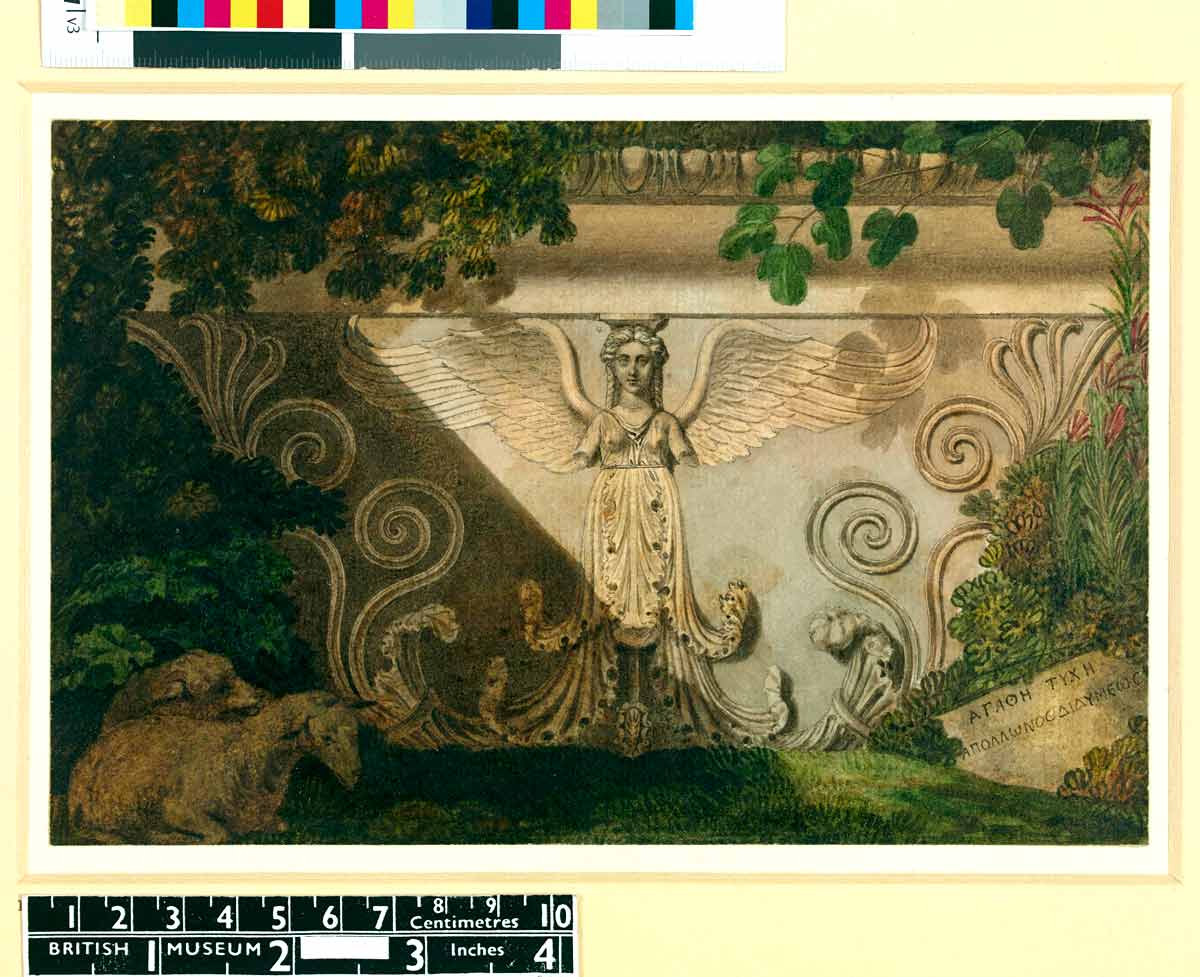
In the eastern Greek regions of Ionia, few oracles had as much prestige as the Oracle of Didyma. Closely connected to the powerful city of Miletus, Didyma was one of the most important monuments of Apollo outside mainland Greece. Didyma was the principal oracle for the eastern regions, and it was consulted by kings, cities, and later even the Roman elite.
At the center of Didyma stood the enormous Temple of Apollo, with massive columns and spacious courtyards. The temple reflected the wealth of Miletus, and its construction, which began in the Archaic period, lasted for centuries. The temple itself left pilgrims speechless even before they reached the oracle.
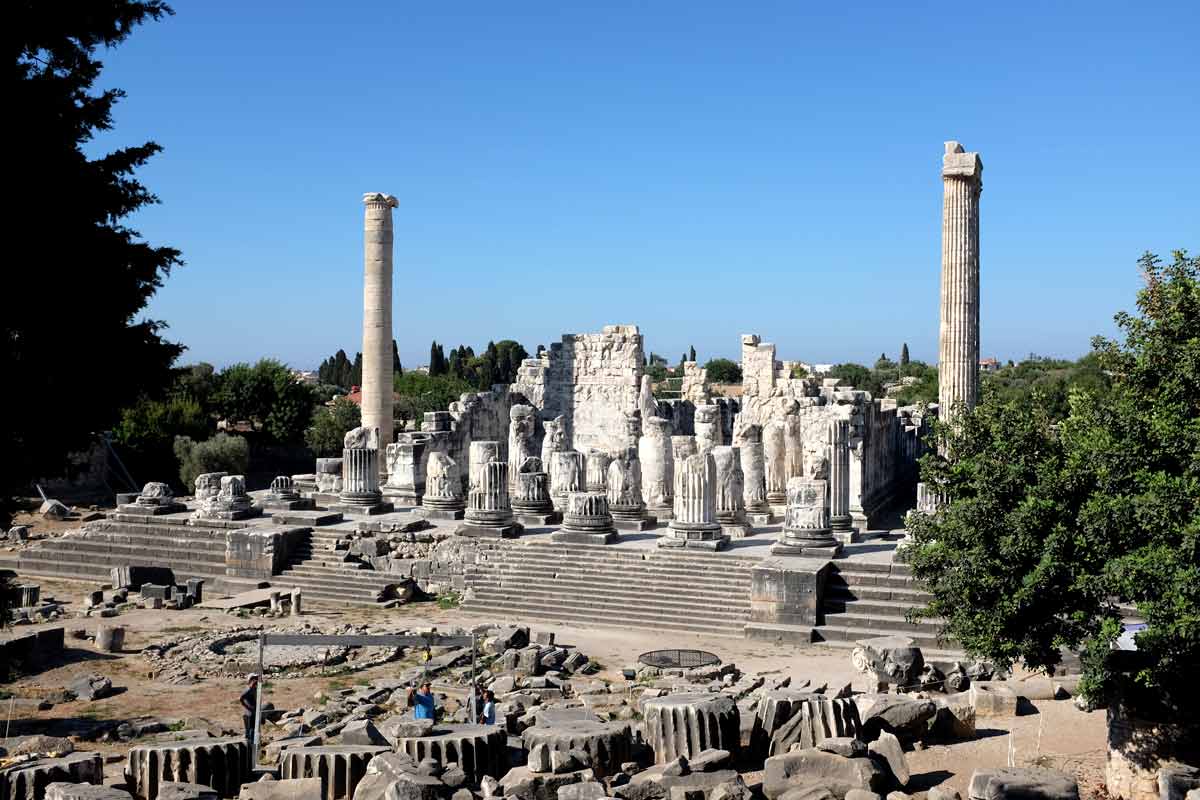
The prophecies at Didyma differed greatly from the trance-based prophecies of Delphi. According to ancient tradition, the oracle was delivered within the adyton, the sacred inner chamber of the temple. Only selected priests from the hereditary priestly line of the Branchidae could interpret the will of Apollo. Before approaching Apollo, both the supplicant and the priests would be purified at the sacred spring next to the temple. According to some traditions, the priests would even inhale vapors, fast, or perform other rituals to interpret the will of Apollo.
3. The Oracle of Siwa Confirmed Alexander the Great as a Divine Ruler
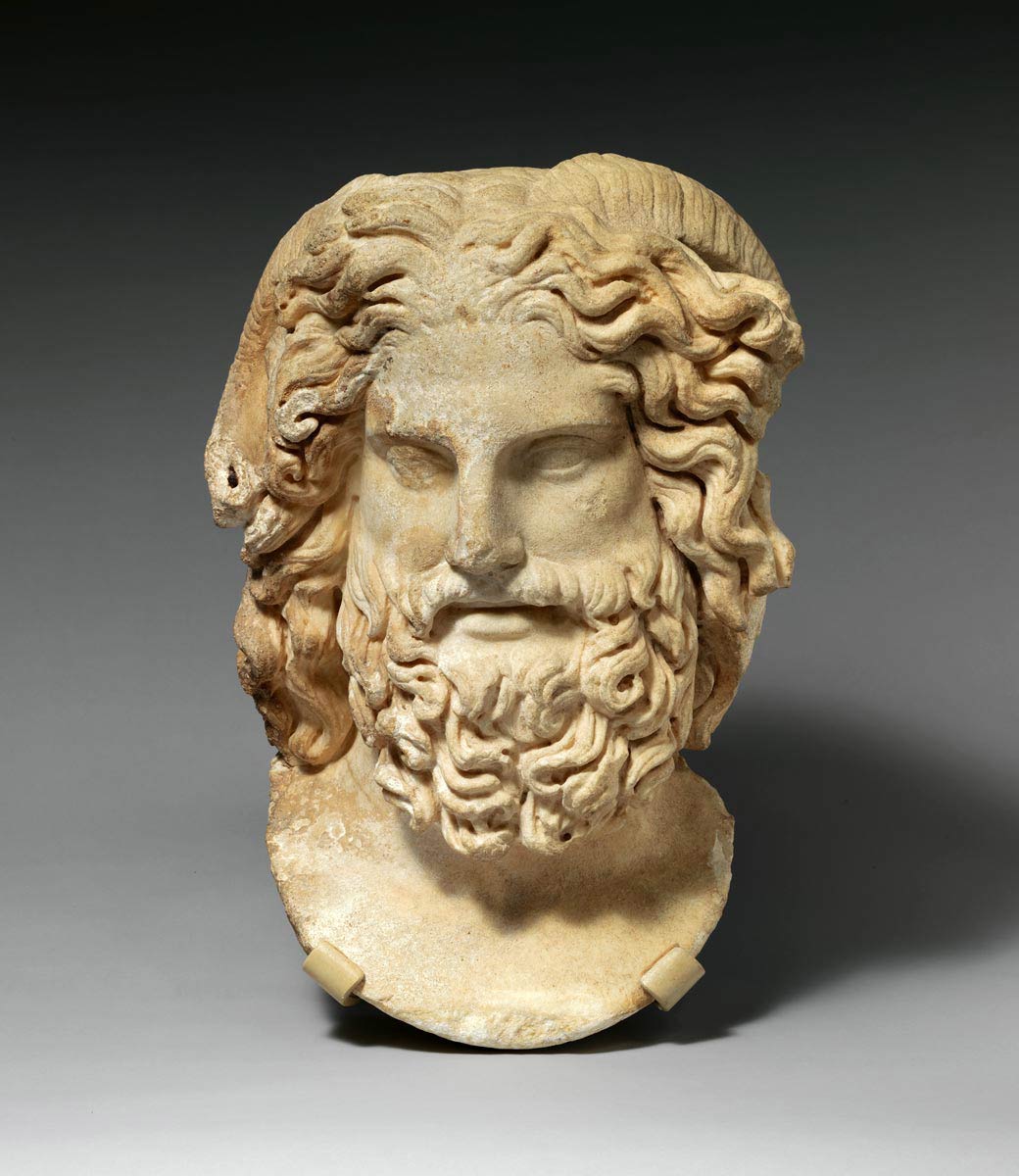
Far from Greece, deep in the Libyan deserts, stood one of the most mysterious and fascinating oracles of the ancient world. The Oracle at Siwa was dedicated to the deity Zeus-Ammon, which combined Greek and Egyptian religious traditions into a unique syncretic cult. For the Egyptians, Ammon had been one of the most important deities for centuries, and Zeus was the principal Greek god.
The oracle is closely associated with Alexander the Great after his famous journey in 331 BC during his campaign in Egypt. Ancient sources describe how Alexander traveled with a small entourage to the oracle to personally seek answers. Although we do not know exactly what Alexander asked the oracle, some ancient sources state that the priests called Alexander the son of Zeus-Ammon, which strengthened his authority in Egypt and his belief in his own divinity.
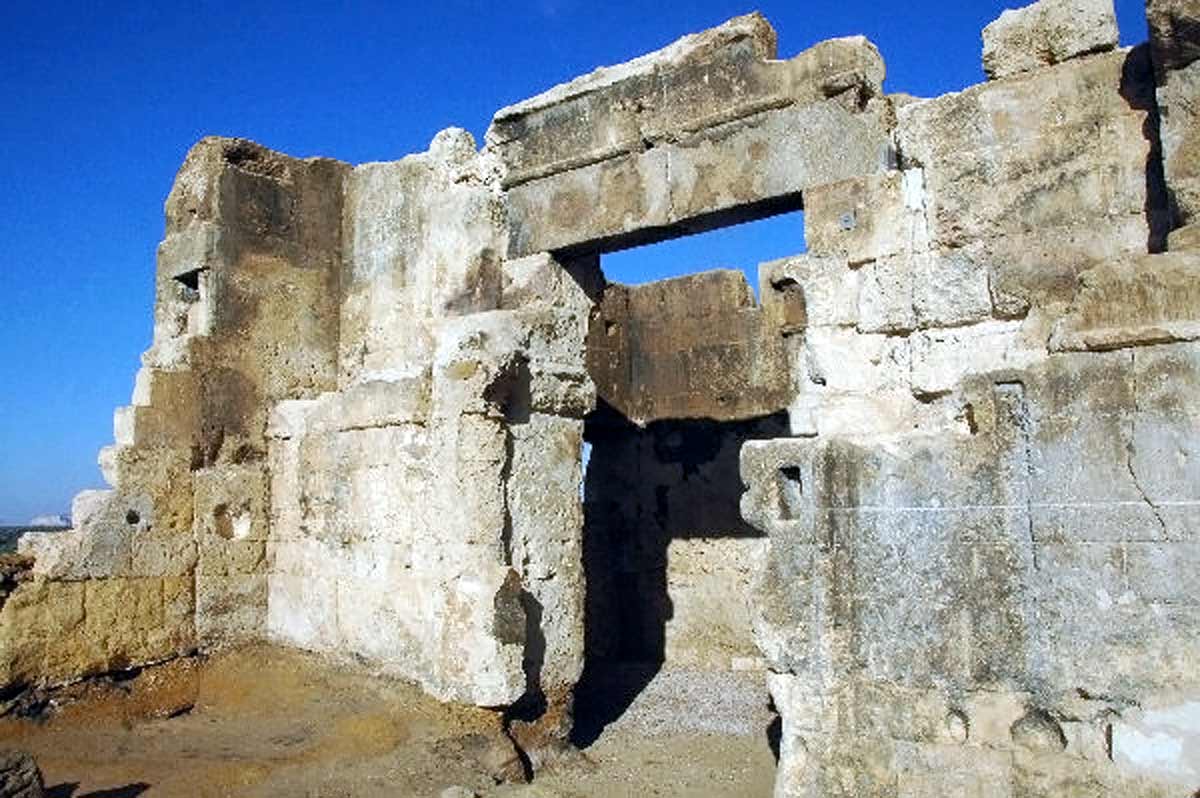
For ordinary pilgrims, it was not easy to reach the Oracle of Siwa. Unlike Delphi or Didyma, Siwa was deeply isolated in the merciless deserts far from the Nile Valley. Travelers crossed scorching heat and weathered sandstorms to reach the surprisingly fertile Siwa Oasis. Sources mention that even Alexander became lost during the journey until the gods showed him the way. All of this created an additional aura around the Oracle of Siwa, located at the very edge of the known world.
4. The Oracle of Trophonius Required a Terrifying Subterranean Descent
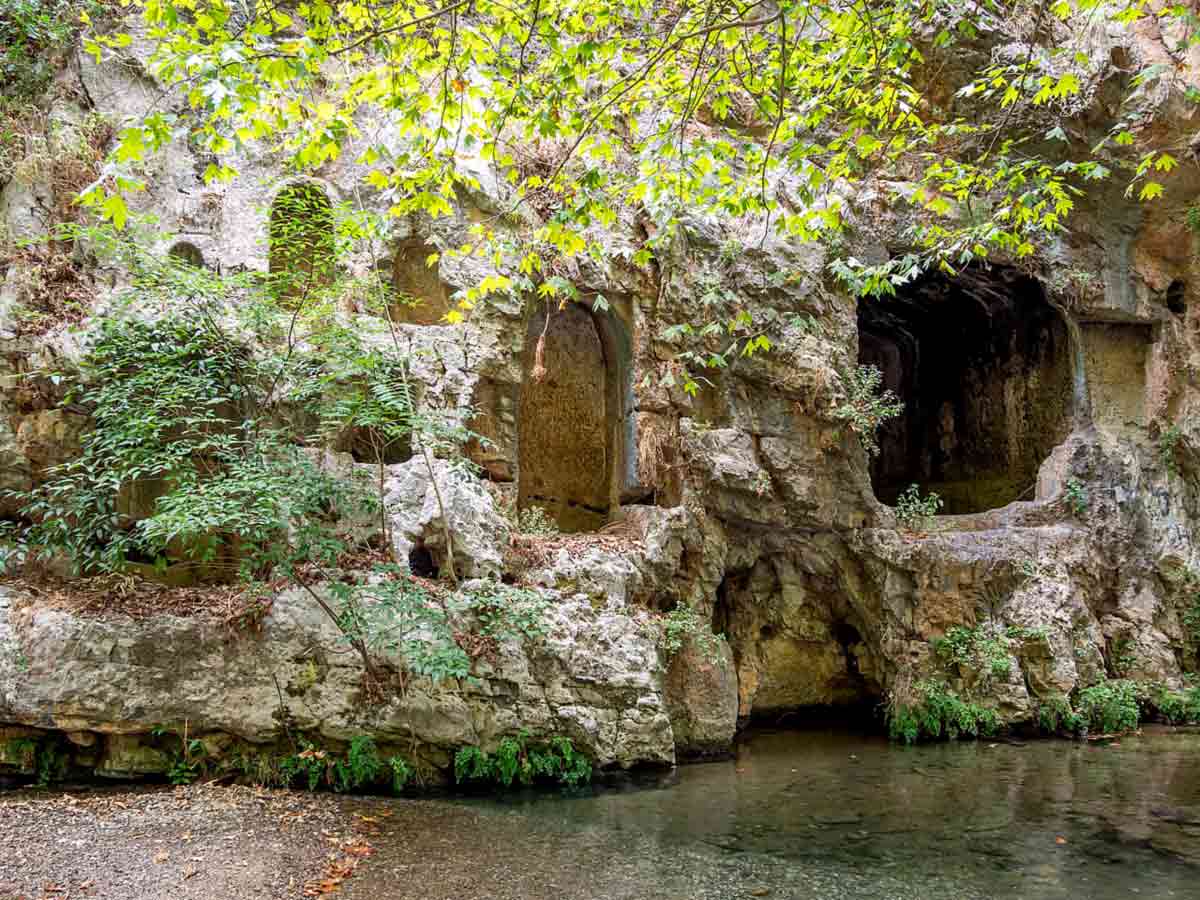
Of all the oracles on our list, few inspired fear like the Oracle of Trophonius. Unlike more of Greece’s bright oracles, the Oracle of Trophonius was directly connected to the underworld. Trophonius was believed to have once been a legendary architect and demigod who, after death, became an underground prophetic power. For pilgrims, the journey to the oracle provided a once in a lifetime experience.
Similar to other oracles, the process began with purification at a nearby spring. Ancient sources such as Pausanias describe how pilgrims spent days at this oracle, fasting, bathing, and drinking water from the spring. However, the final stage of seeking answers was the harshest.
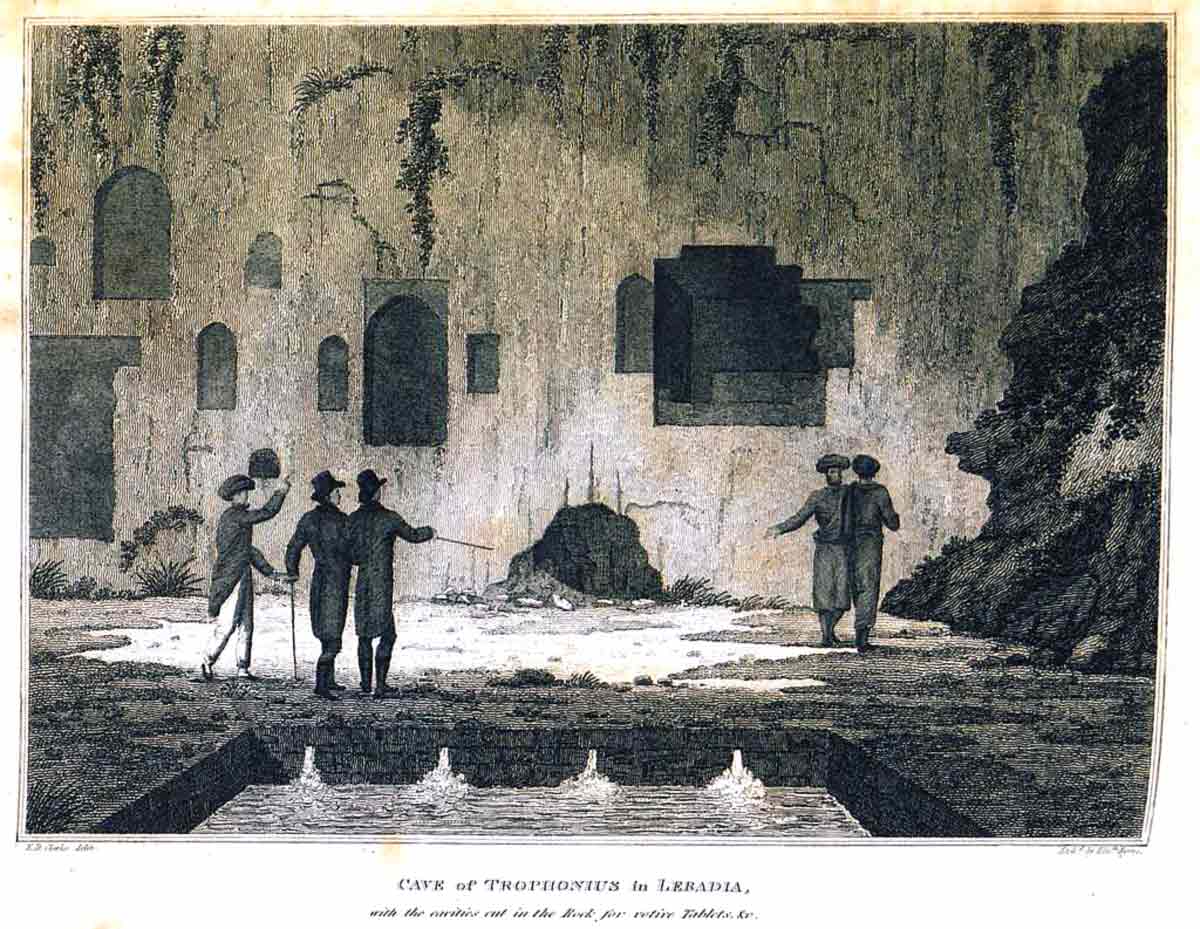
After completing the initial rituals, the seeker passed through a narrow underground opening and descended into a deep chasm where the prophetic power of Trophonius was believed to reside. Ancient sources emphasize the claustrophobic phase of the descent. In their fear, visitors often experienced supernatural encounters, visions, and divine revelations. Ancient sources state that those who entered the chasm never laughed again afterward. Unlike other oracles, there were no priests at the Oracle of Trophonius and the experience was entirely personal.
5. Seekers at the Amphiaraion Received Divine Healing Through Sleep
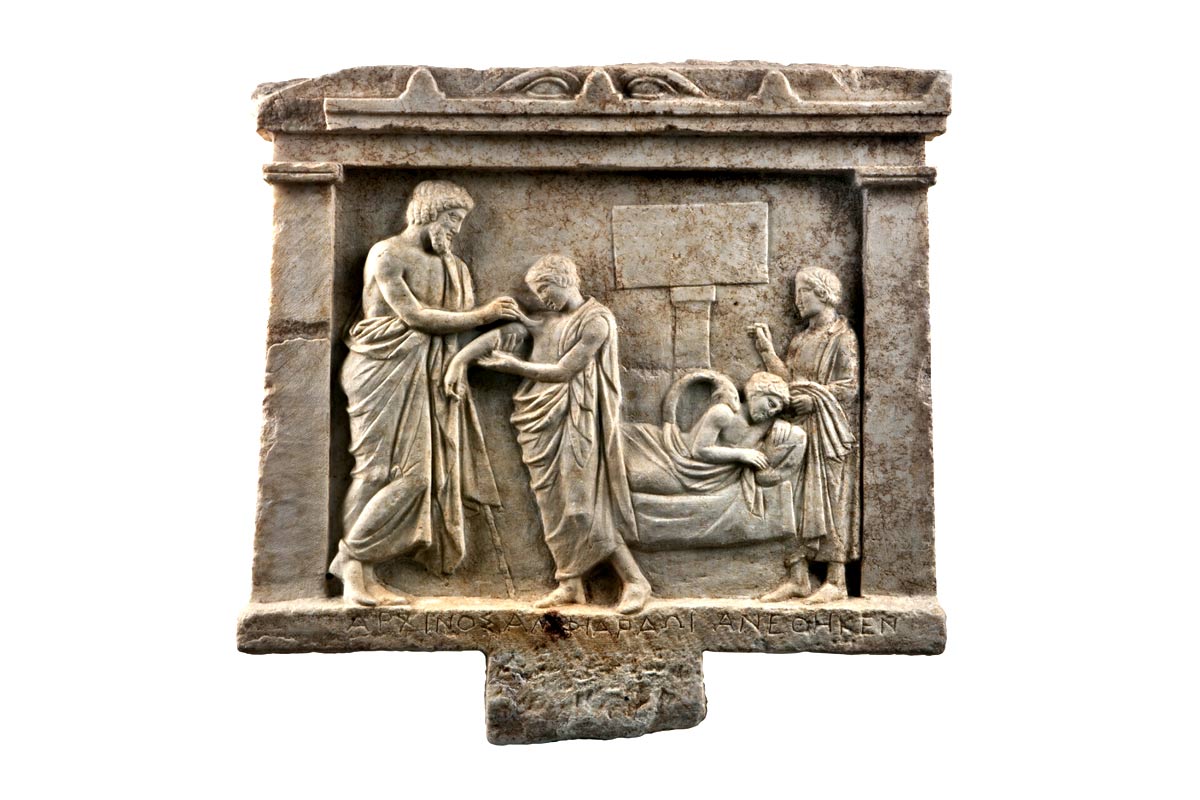
After Trophonius, every other oracle seemed more relaxed, and among the most relaxed was certainly the Amphiaraion. Located on the border between Attica and Boeotia, the Amphiaraion became one of the most important sanctuaries and healing centers of ancient Greece.
It was dedicated to Amphiaraus, a legendary hero, seer, and warrior associated with the mythological expedition of the Seven Against Thebes. According to legend, the earth swallowed Amphiaraus, transforming him into an energy that could heal and provide prophecies.
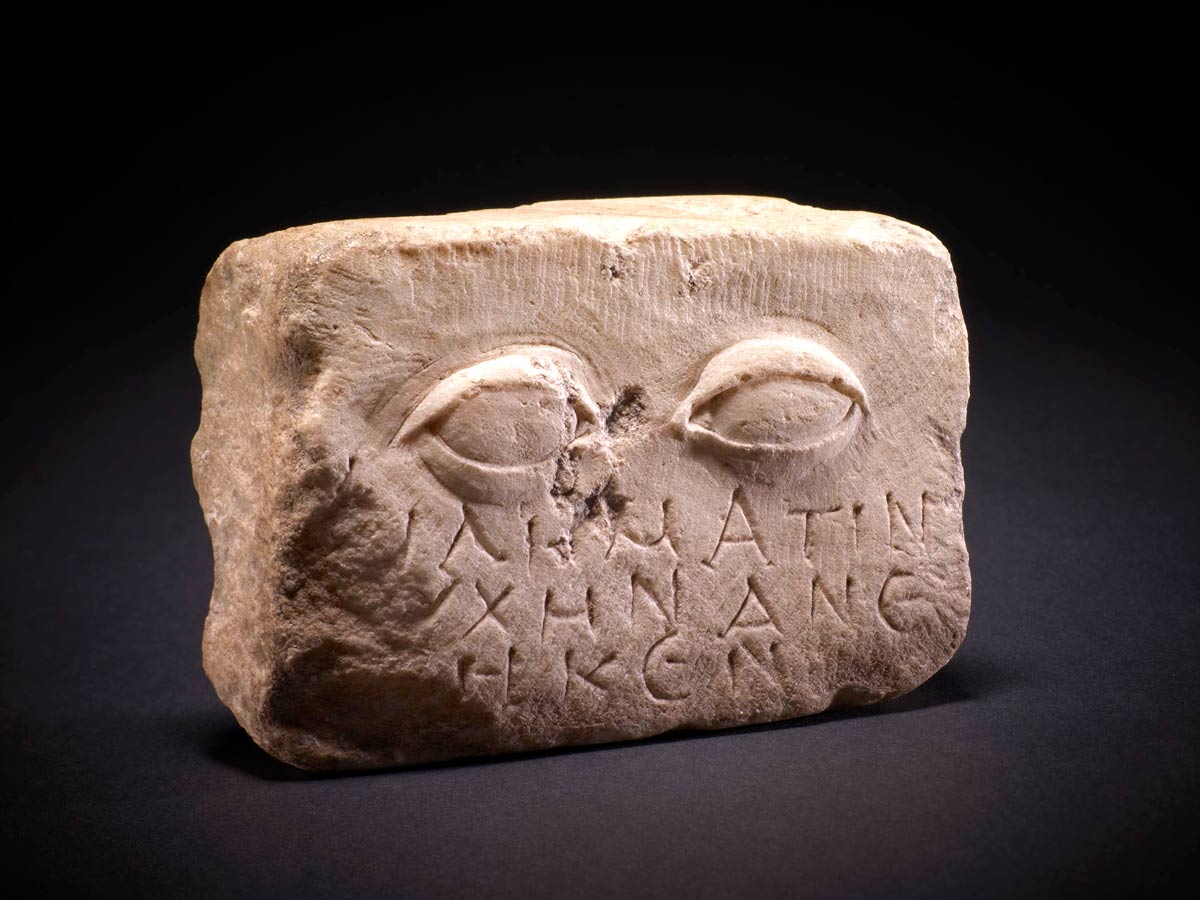
The central practice associated with this oracle was a process called incubation, in which pilgrims slept within the sacred precinct in the hope that answers and healing would come in their dreams. Before lying down, supplicants were purified at a nearby spring, similar to other oracles. After that, they would lie in a designated place and wait for visions. Dreams were interpreted as divine messages, diagnoses, or instructions for healing. Visitors would sleep until they were satisfied with the answer. Some pilgrims even claimed that Amphiaraus himself appeared to them in dreams in human form.
6. Claros Offered the Most Sophisticated Prophecies of the Imperial Age
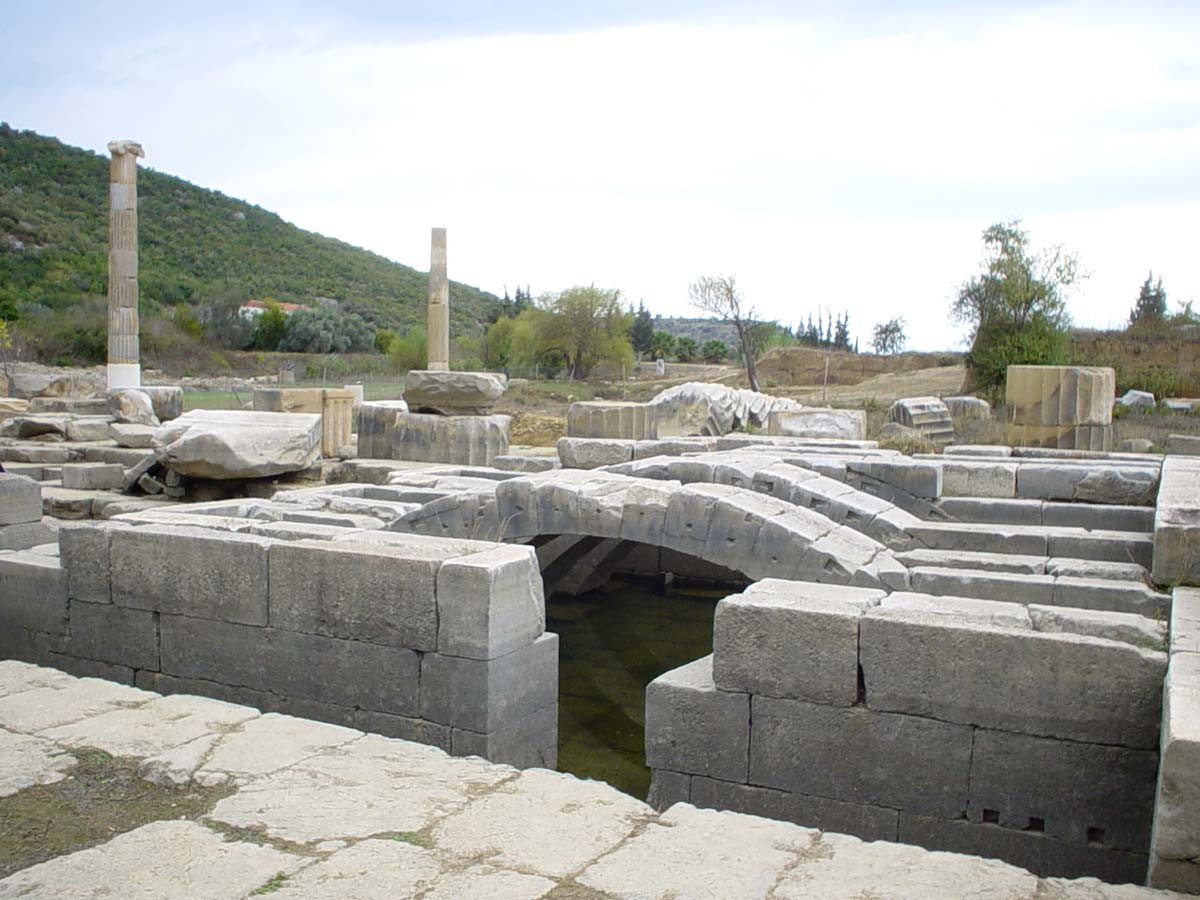
During the Roman Imperial period, the Oracle of Claros developed into the most refined and theologically advanced oracle. Located near the Ionian city of Colophon and dedicated to Apollo, it reached its peak in the centuries following the rise of Rome. At that time, it became a key destination for seeking political, religious, and civic answers, primarily for the Roman elite.
This oracle was highly structured and in some ways resembled the Oracle of Delphi. At its head stood a male priest known as the prophetes. After ritual preparation, he would descend into a chamber beneath the ground, where he drank sacred water from a hidden spring. Ancient believers thought that this water produced trance-like effects, allowing Apollo to speak through the priest. The atmosphere of the sanctuary itself was mystical, with many dimly lit underground spaces and labyrinth-like passages.
What most distinguished the Oracle of Claros was the way its responses were delivered and their intellectual character. The answers were often composed in Greek verse and elevated prose, requiring a high level of theological and rhetorical skill. Instead of cryptic messages, they were structured as philosophical explanations of divine will.
7. Oracle of Abae, a Forgotten Rival of Delphi in the Heart of Phocis
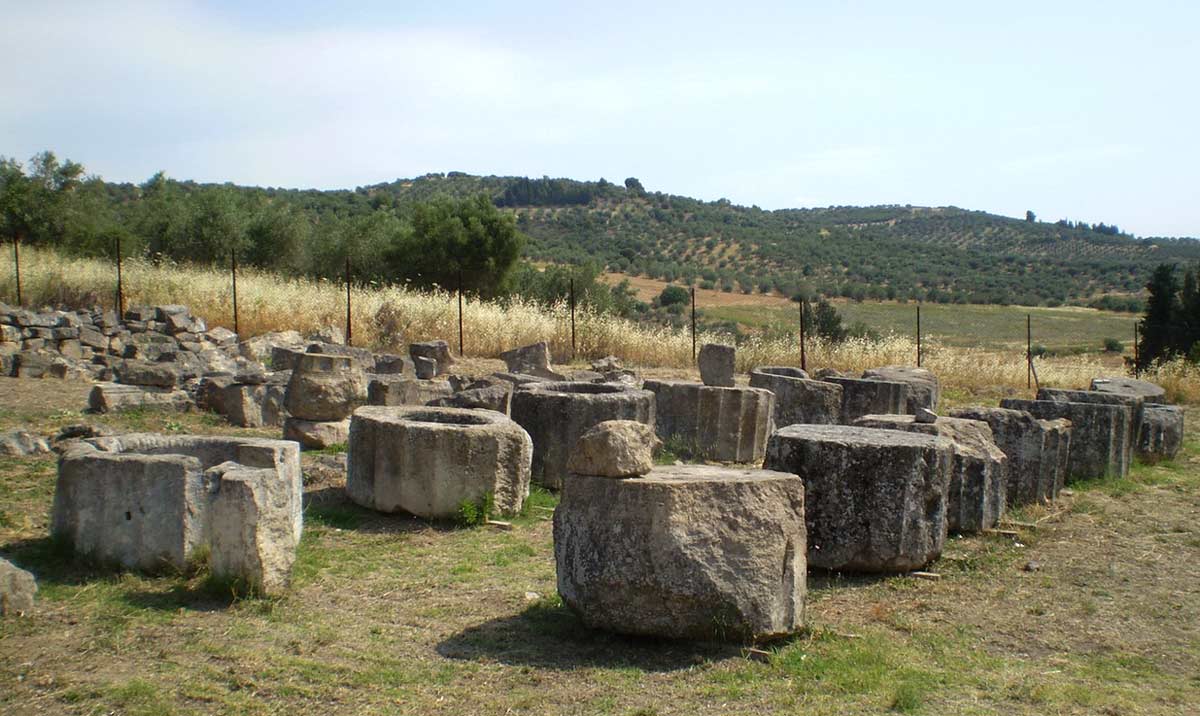
The Oracle of Abae once stood as the most important sanctuary dedicated to Apollo until it was overshadowed by the Oracle of Delphi. They were even located close to one another. Although it most often served the local population, Abae was visited in times of crisis by pilgrims from other parts of Greece. Abae was a traditional place and did not have the dramatic characteristics of some of the other oracles on our list.
Herodotus recorded that the Oracle of Abae played an important role during the Persian Wars, when many people sought answers about what would happen next. It was precisely during the Persian Wars that this oracle was damaged. Although it was not destroyed, it never managed to regain its former importance.
Although we have fewer writings about this oracle and the procedure of obtaining answers, it is believed that the structure was a classical Apollonian one. This involved a priest interpreting divine signs and delivering answers within the sacred space, without the ecstatic trances of the Pythia at Delphi.