
Darius the Great was a Persian ruler best known for his brilliant organization of a vast Achaemenid Empire into satrapies. However, Darius’ triumphs did not end there. One of his lesser-known achievements was digging the ancient Suez Canal. After securing control Egypt in the late sixth century BC, Darius ordered the construction of a canal between the Nile and the Red Sea. This would have made it easier to connect Egypt with the rest of the Persian Empire. Although Darius’ canal did not survive as a permanent waterway, this engineering feat deserves more attention.
The Ambition of an Achaemenid King
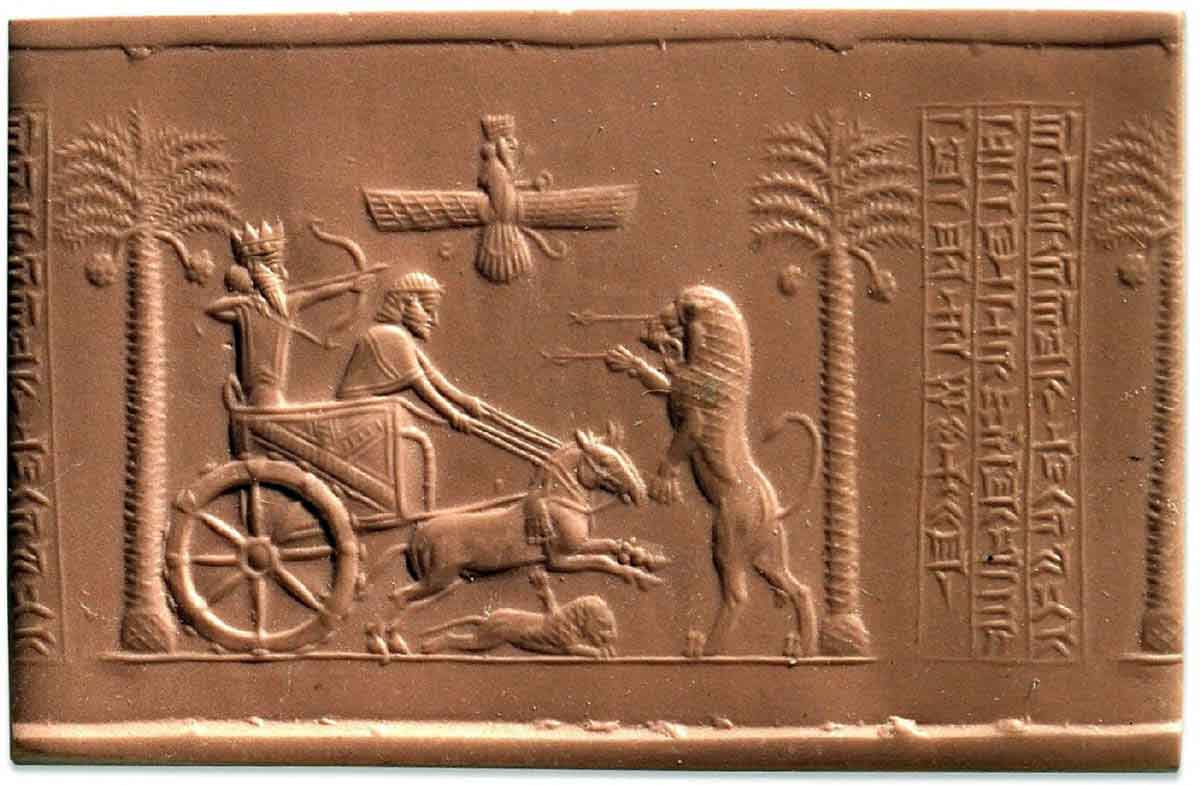
Darius I, better known as Darius the Great, was the third ruler of the Achaemenid Empire from 522 to 486 BC. During his reign, the empire stretched from the Indus Valley in the east to the Aegean Sea, Egypt, and Libya in the west.
When Darius I took the throne, the Achaemenid Empire was the greatest political power in the Middle East. Egypt had been subjugated. For the Empire, Egypt played an important role in grain production and also in controlling access to the Eastern Mediterranean.
Darius was one of Persia’s most prolific builders. One of his greatest projects was the connection of the Nile to the Red Sea. Until then, goods moving between Egypt and the Red Sea relied on land routes. These overland paths required large numbers of animals, people, water supplies, and safety risks.
But there was no direct route from the Persian Gulf to the Mediterranean. From the Nile, ships could go downstream to the Mediterranean, while ships entering the Red Sea from Egypt could sail toward the Arabian Sea and eventually reach the Persian Gulf. Darius knew that he could not eliminate the vast distances separating his satrapies. But he could only facilitate the crossing of those distances.
The Pharaohs Who Tried Before Darius
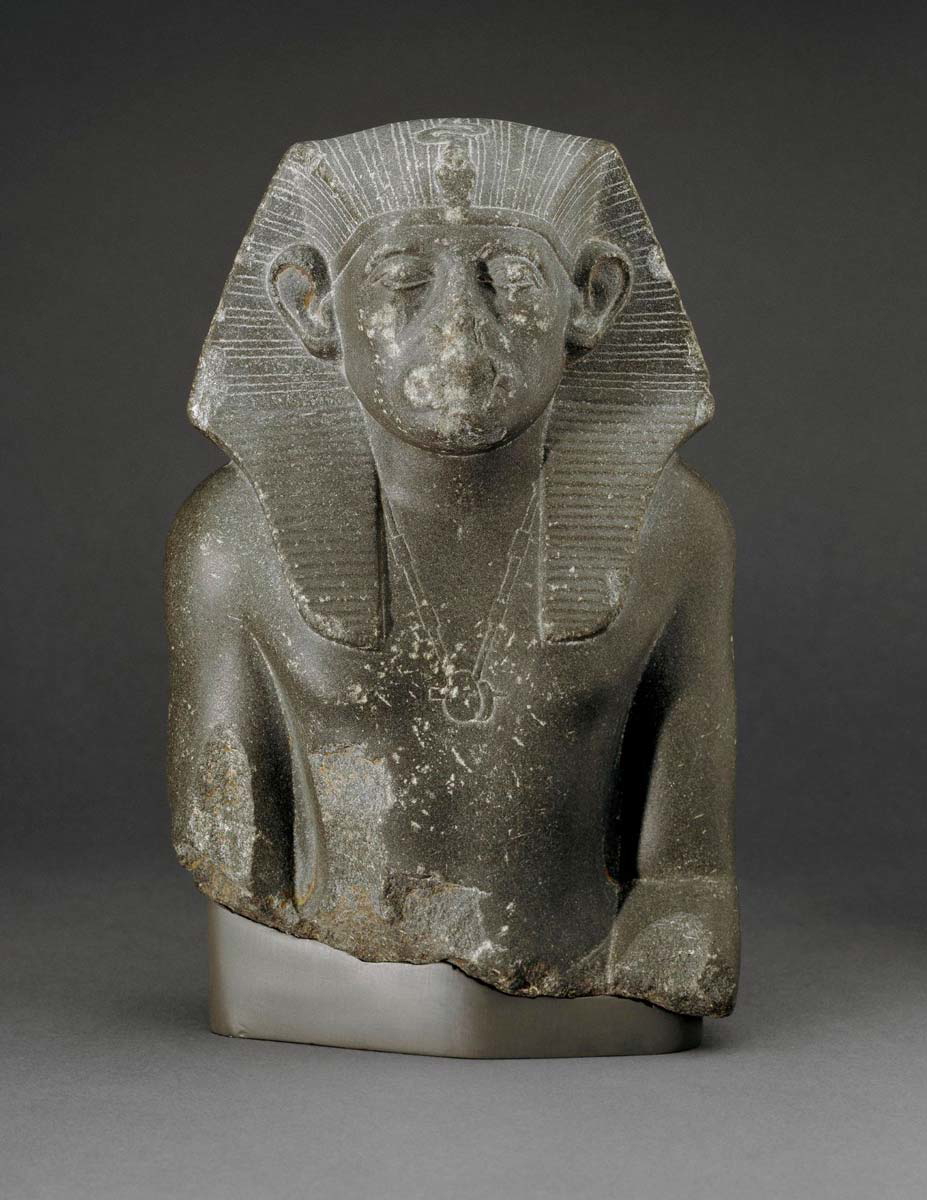
The idea of connecting the Nile with the Red Sea predated Darius. Later ancient writers attributed the first attempt at this feat to the legendary ruler Sesostris. Some historians believe this was the Middle Kingdom pharaoh Senusret III. He lived and ruled in the 19th century BC. We don’t have much information about Senusret III’s attempt, but archaeology does not indicate that he was successful in digging the canal. Aristotle once claimed that the same ruler voluntarily stopped work on the canal because he feared that seawater would enter the Nile and that the water would become undrinkable.
“One of their kings tried to make a canal to it (for it would have been of no little advantage to them for the whole region to have become navigable; Sesostris is said to have been the first of the ancient kings to try), but he found that the sea was higher than the land. So he first, and Darius afterwards, stopped making the canal, lest the sea should mix with the river water and spoil it.”
A better-documented attempt was made during the time of Pharaoh Necho II, who ruled Egypt from about 610 to 595 BC. Herodotus claims that Necho II started digging the canal and that over 100,000 workers died in that attempt. This number of deaths should definitely be treated with skepticism, because Herodotus is known for inflating the numbers. Basically, Darius inherited a long tradition of attempts to connect the Nile and the Red Sea.
The Challenges of Building the Canal
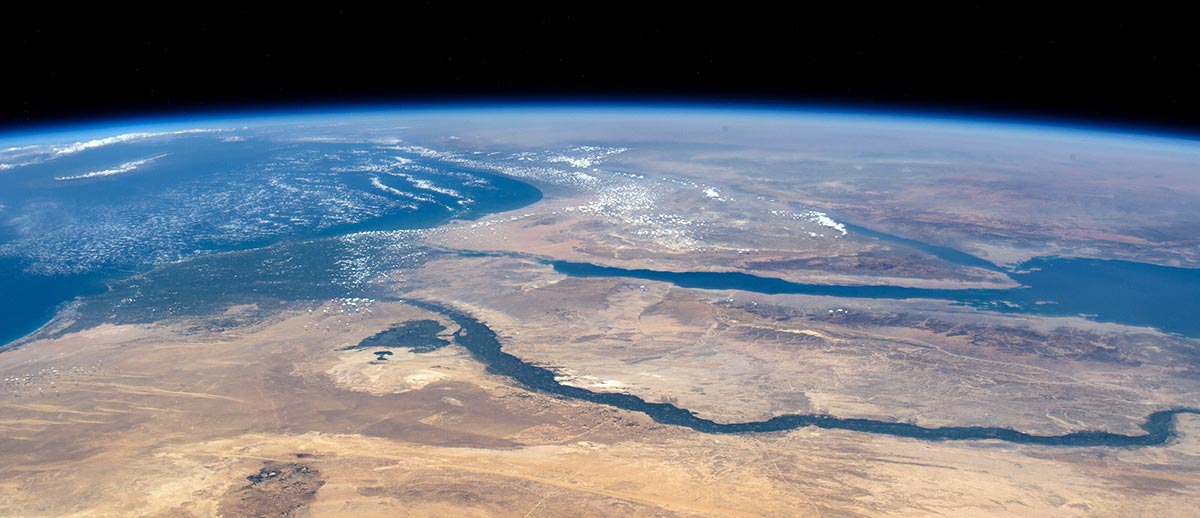
Digging a canal through northeastern Egypt is no easy feat. In ancient times, the landscape between the Nile and the Red Sea was a complex mix of riverbeds, low plains, natural depressions, lakes, and desert. The route between the two waterways that existed through Wadi Tumilat was not navigable for its entire length. Wadi Tumilat is a valley that runs east from the Nile Delta toward the Isthmus of Suez. The western end of Wadi Tumilat lay within the Nile floodplain. The eastern parts were considerably drier.
Sedimentation was an even bigger problem. The Nile carried with it large quantities of silt. This silt eventually clogged any canal connected to the river. The silt often accumulated faster than it could be removed. And it had to be removed by workers using relatively simple hand tools. Meanwhile, water flow was controlled by simple and not always reliable canals and dikes. The project of building such an enormous canal required a huge number of workers, who had to be paid and fed.
Moreover, the water flow had to be perfect. Too little water meant that ships couldn’t sail. Too much water meant excessive sedimentation and potential flooding. Still, the path through Wadi Tumilat was an important starting point. The ultimate goal was to adapt the existing waterways into a functional canal while minimizing unnecessary excavation.
How Darius the Great Built the Ancient Suez Canal
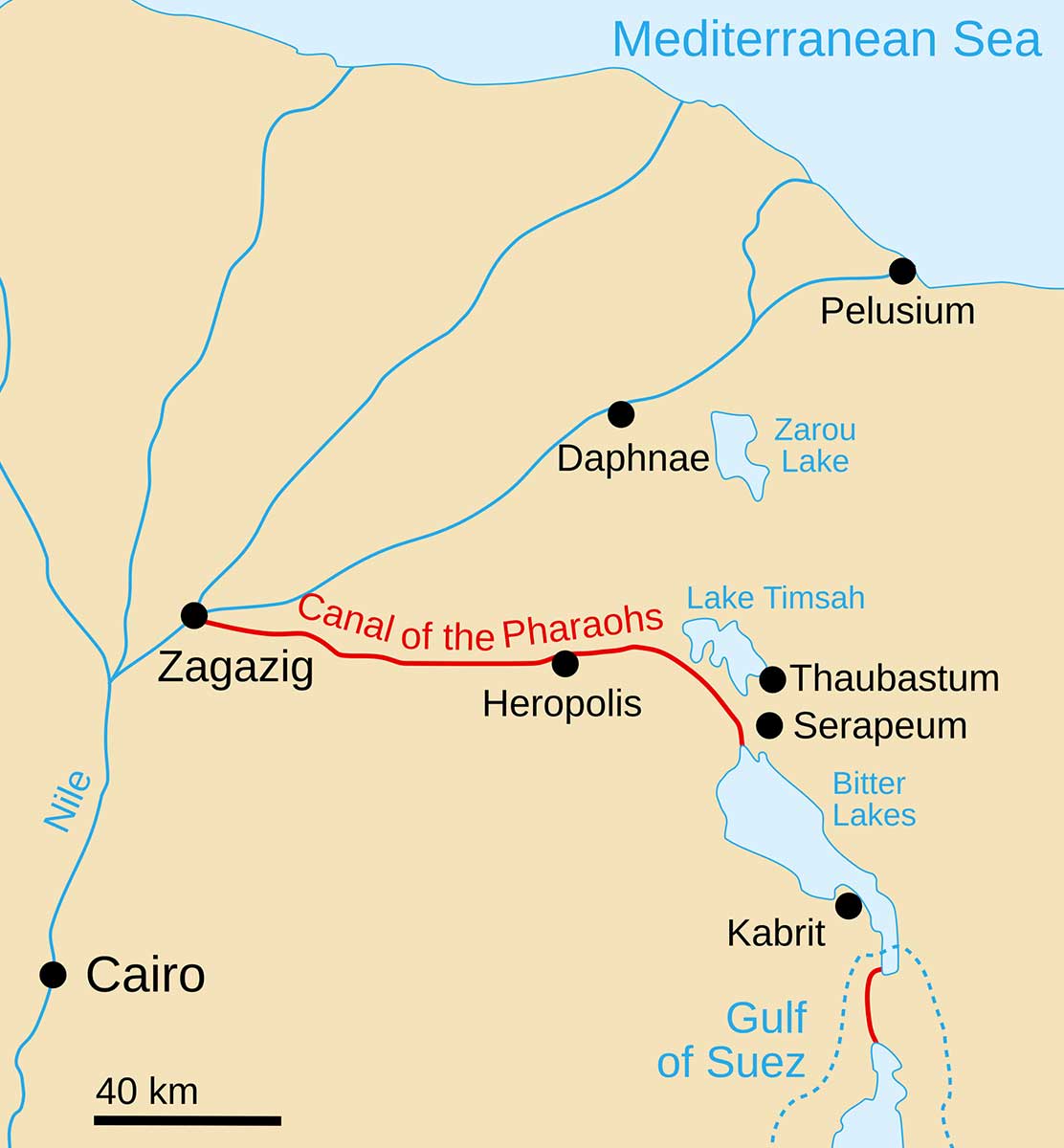
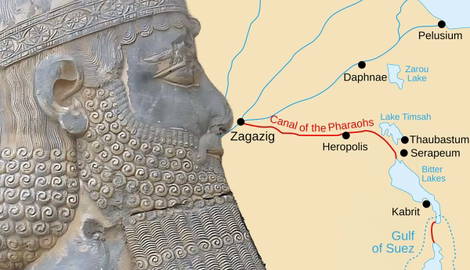
Darius the Great recognized that the Suez Canal could be dug if he took advantage of the existing geography. There was no need to dig a new waterway across the Isthmus of Suez. Darius’s Canal began at the Nile in the eastern Delta and extended eastward through the Wadi Tumilat before reaching the isthmus lakes and, finally, the Red Sea. The route followed existing terrain where possible. Where this was not possible, new excavations were made.
The first task was to establish a connection with the Nile. Darius did this near the settlement of Bubastis on the easternmost branch. From there, he followed the Wadi Tumilat to Tell el-Maskhutah and the eastern edge of the Delta.
Darius himself recorded the process of digging the canal in a series of inscriptions placed along the canal. Five major stelae are known to us. They are important because they represent a direct source from Darius’ time, rather than a later retelling by Greek authors.
The dimensions of the canal are difficult to determine. Herodotus claimed that the canal was wide enough for two triremes to pass each other with their oars outstretched. He also claimed that the canal took four days to travel and was 1,000 stadia long. For reference, ancient triremes were four to six meters wide. One thousand stadia would be slightly more than 150 kilometers long.
The Stelae of Darius the Great
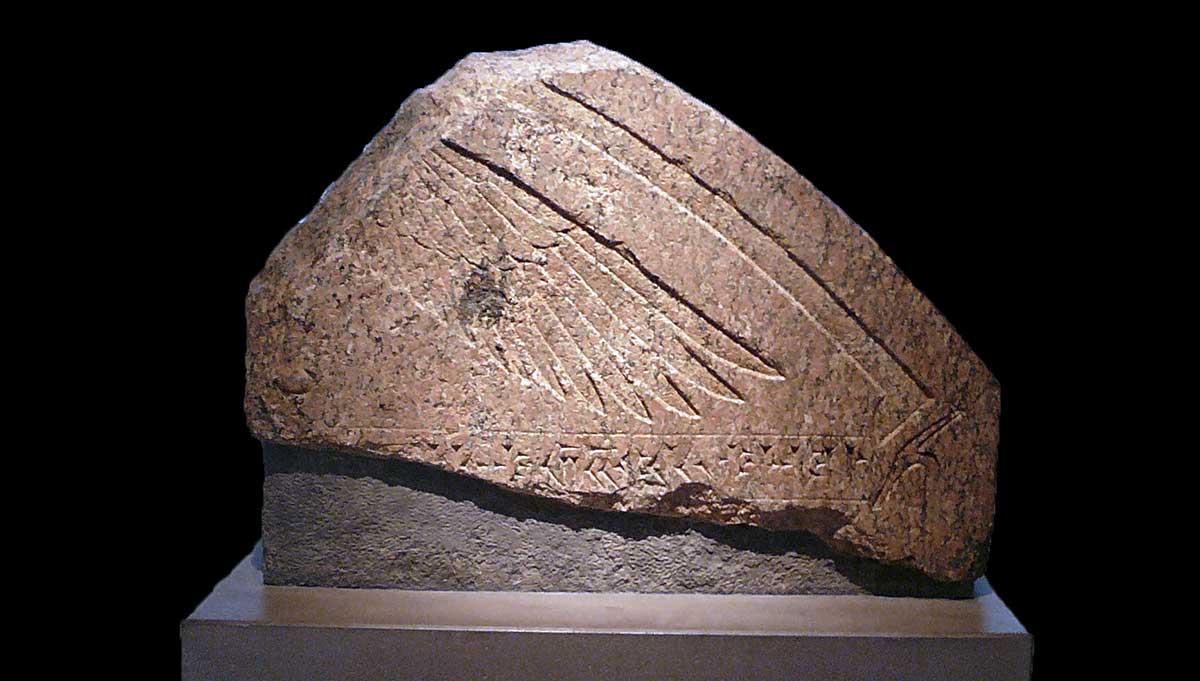
The Chalouf Stele is the most famous of Darius’ inscriptions erected along the ancient Suez Canal. It was named after the place where it was discovered. The Chalouf Stele is now kept in the Louvre, or rather, the fragment that survived. The stela was quite complex. One side contained Egyptian hieroglyphic text, while the other bore a Persian imperial inscription in three languages: Old Persian, Elamite, and Babylonian, all written in cuneiform. This was pretty common for Achaemenid royal monuments.
The stele was made of granite. The inscription in Old Persian is quite straightforward. Darius is introduced as the king who conquered Egypt and ordered the canal to be dug. The Egyptian version of the inscription on the stele also records the officials who were sent to supervise the work. There are also mentions of ships that transported goods to Persia.
“King Darius says: I am a Persian; setting out from Persia I conquered Egypt. I ordered to dig this canal from the river that is called Nile and flows in Egypt, to the sea that begins in Persia. Therefore, when this canal had been dug as I had ordered, ships went from Egypt through this canal to Persia, as I had intended.”
Chalouf Stele
What is striking about this inscription is that Darius says he conquered Egypt. Egypt had actually been conquered by his predecessor Cambyses II in 525 BC. Darius chose to present all of Egypt, not just the ancient Suez Canal, as part of his royal achievement.
The Legacy of the Persian Suez Canal
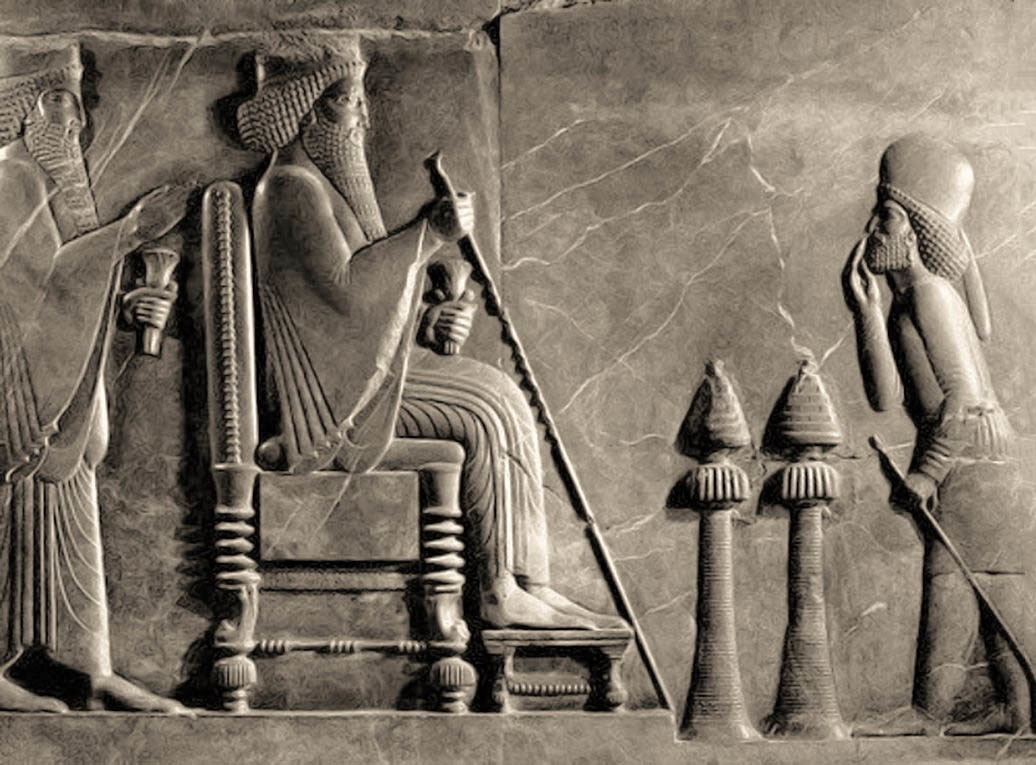
The ancient Suez Canal was not a project that would transform Persia into an unsurpassed maritime power. It only facilitated the transport of goods between the eastern Mediterranean and countries further east. There was also a certain military potential. It gave the Persians access to the Red Sea without the need to sail around the Arabian Peninsula. However, we have no evidence that this happened regularly.
The canal outlived the Persian Empire and was rebuilt by the Ptolemaic dynasty. Ptolemy II Philadelphus, who ruled from 283 to 246 BC, is responsible for the reconstruction and expansion of the canal to the Red Sea. The canal then continued to be used under the Romans. The Roman emperor Trajan, who ruled from AD 98 to 117, ordered the reopening and modification of the waterway. The new Roman route went south near Cairo. This extension was called Amnis Traianus or Trajan’s Canal.
After the Muslim conquest of Egypt in the 7th century AD, the commander Amr ibn al-As ordered the canal to be reopened again. But the Abbasid caliph Abu Ja’far al-Mansur ordered the canal to be filled during the 8th century. He wanted to prevent the flow of supplies to enemies in Mecca and Medina who had rebelled against Abbasid rule. Once the canal was blocked, the connection between the Nile and the Red Sea was effectively broken until the modern Suez Canal was built in the 19th century.