
The Greek world held its breath as it awaited the outcome of the largest naval battle of the bitter 27-year-long Peloponnesian War. The story of the Battle of Arginusae and its tragic aftermath shows that the Athenians were in a desperate fight to survive under the pressure of a brutal war. At stake were not just the lives of Athens’ citizens, but also her democracy.
The 25th Year of the Peloponnesian War
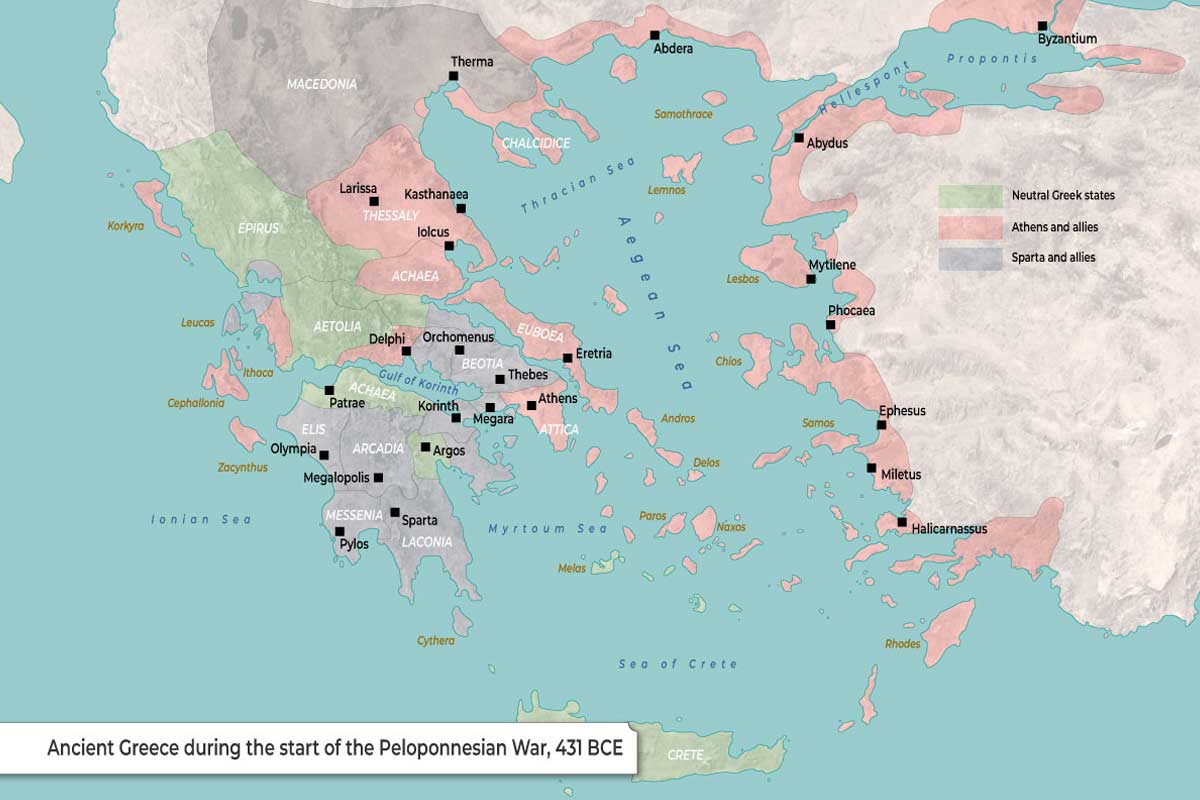
By 406 BC, the Peloponnesian War had waged for more than two decades. The conflict, which started in 431 BC, began reasonably well for democratic Athens, which fought the Spartans to a stalemate. But then one catastrophe after another struck Athens. A disastrous mission to Sicily. Revolting allies. Sparta permanently occupied Athenian territory. Oligarchs briefly overthrew the democracy in 411-410 BC. But the Athenians rallied and continued to fight.
However, Athens’ vital naval supremacy was being seriously challenged. They had lost hundreds of ships and thousands of men. Not only was the Spartan alliance learning how to fight at sea, but, funded by the Persian Empire, they could now pay for better sailors. The Athenians had ships, over a hundred trireme warships in the Aegean, but they could barely man 70 of them to match Sparta’s 170 triremes. The Athenians were now only one defeat away from being at Sparta’s mercy.
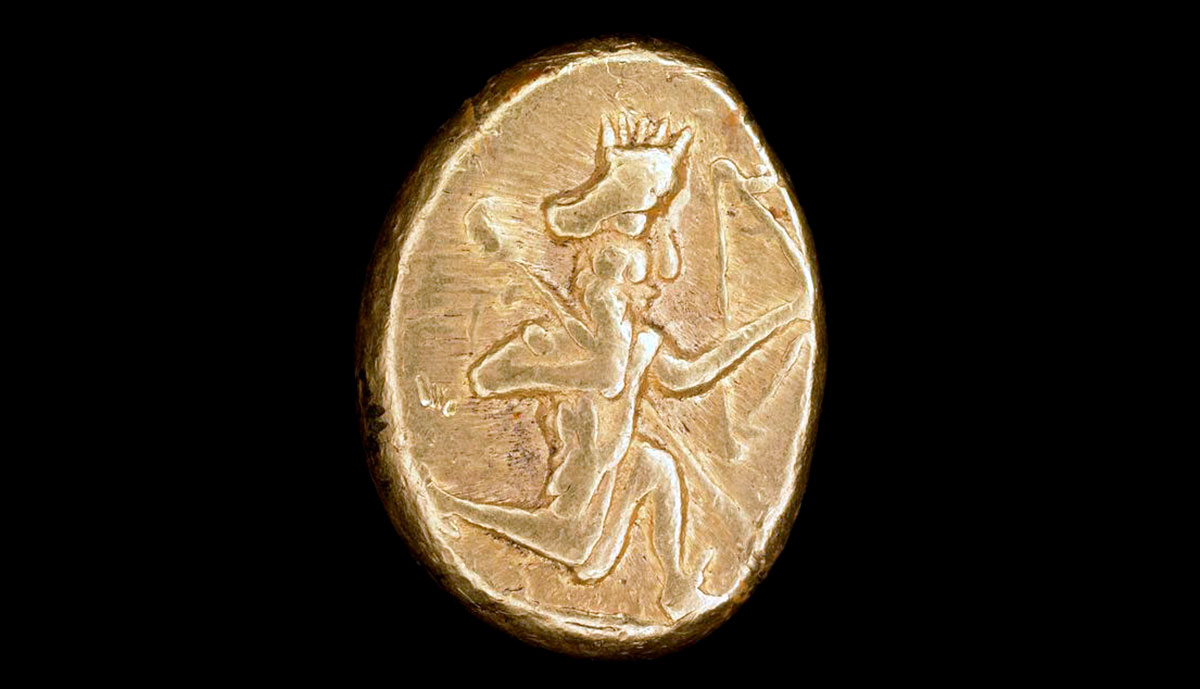
While the war had turned in their favor, not everything was going Sparta’s way. Despite their reputation as the foremost Greek military power, they had not yet worn down the Athenians. Persian gold was critical but unreliable. The previous year’s commander, Lysander, built strong relations with the Persians, and so the gold flowed. In 406 BC, the Spartans appointed Kallikratidas, who wanted to wean Sparta off Persian dependence. While he still needed Persian money, if he could end the war quickly, Sparta could be saved from getting locked in Persia’s orbit.
Athenian Emergency, Spartan Opportunity
Kallikratidas almost got his quick victory when he attacked Athenian positions on the large islands of Chios and Lesbos. Konon, the Athenian commander in the Aegean, came to Lesbos’ rescue with 70 ships. Kallikratidas attacked as he sailed for the harbor of Mytilene on the east of Lesbos. Only 40 Athenian ships made it safely.
While Konon avoided total defeat, the Athenians were on the brink. They were besieged by a much larger, better-prepared, and better-paid enemy. Konon managed to get word to Athens. Two ships ran the blockade, one heading north, the other south. The latter was captured, but the Spartans missed or ignored the north-bound ship. It was able to get into the open sea and report to Athens.
The Athenians made every effort to man a fleet and save Konon. Sailors generally came from the lower classes of Athenian society, but now all classes were pressed to serve at sea. This recruitment drive also included slaves. Slaves probably already served in the Athenian navy and could have been paid for it (Hunt 2001, 368). But to encourage loyalty in this desperate hour, they were now offered Athenian citizenship for service.
Usually, the Athenians jealously guarded their citizenship, excluding tens of thousands of resident foreigners and slaves from their democracy. There was no time for such scruples now. The Athenians scraped together enough sailors to man 110 ships under the collective command of eight elected generals. Allies in the Aegean contributed another 45 ships, meaning the Athenians could confront the Spartans with just over 150 ships.
Sailing for the Arginusae Islands
The Arginusae Islands are two small islands just off the coast of modern-day Turkey, opposite the south-eastern tip of Lesbos. It was here that the eight Athenian generals awaited Kallikratidas.
Kallikratidas left 50 ships to prevent Konon from leaving Mytilene, giving him just 120 to confront the Athenian fleet of 150. The Spartans went into the largest naval battle of the war with a significant numerical disadvantage. However, over time, the relative strength of the two fleets had radically changed. For decades, Athenian sailors dominated the Aegean and beyond through their unmatched skill and experience. Now, the hastily assembled Athenians lacked experience and training. In contrast, Sparta commanded a fleet of experienced naval mercenaries. For the first time, it went into a naval battle as the most experienced side.
The Athenian generals were aware of this and prepared to turn the tables. A board of ten annually elected generals was a key part of Athenian democracy. Collective commands had caused problems in the past, but the eight men here – Aristocrates, Diomedon, Pericles the Younger, Erasinides, Protomachus, Thrasyllus, Lysias, and Aristogenes – worked well together without an obvious overall leader.
A Tactical Advantage
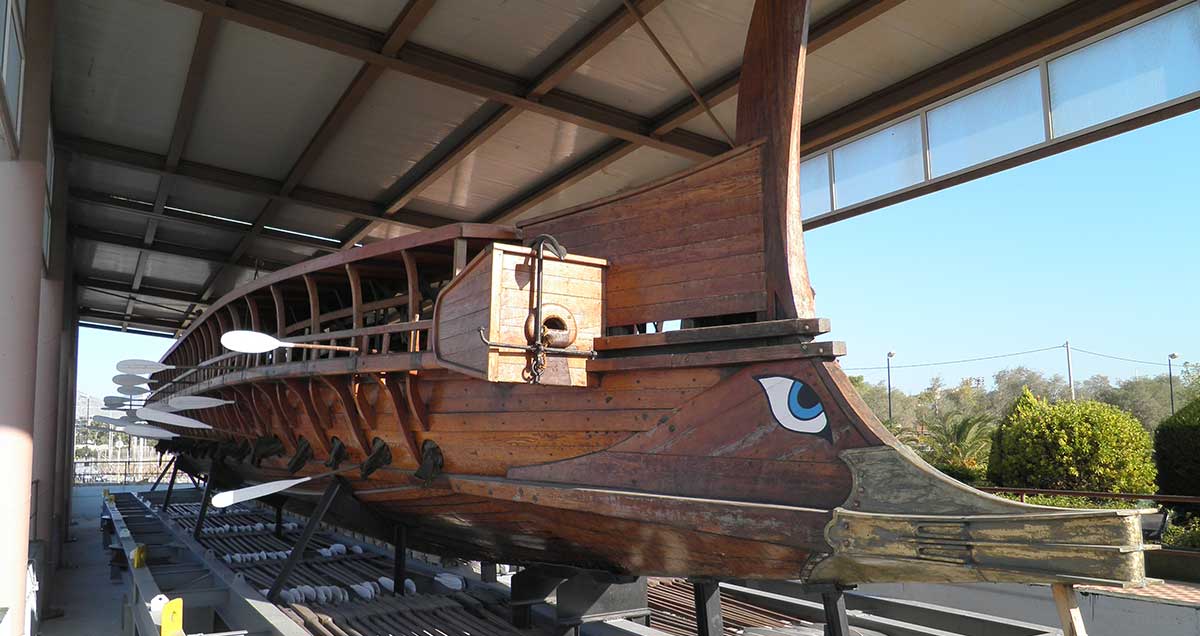
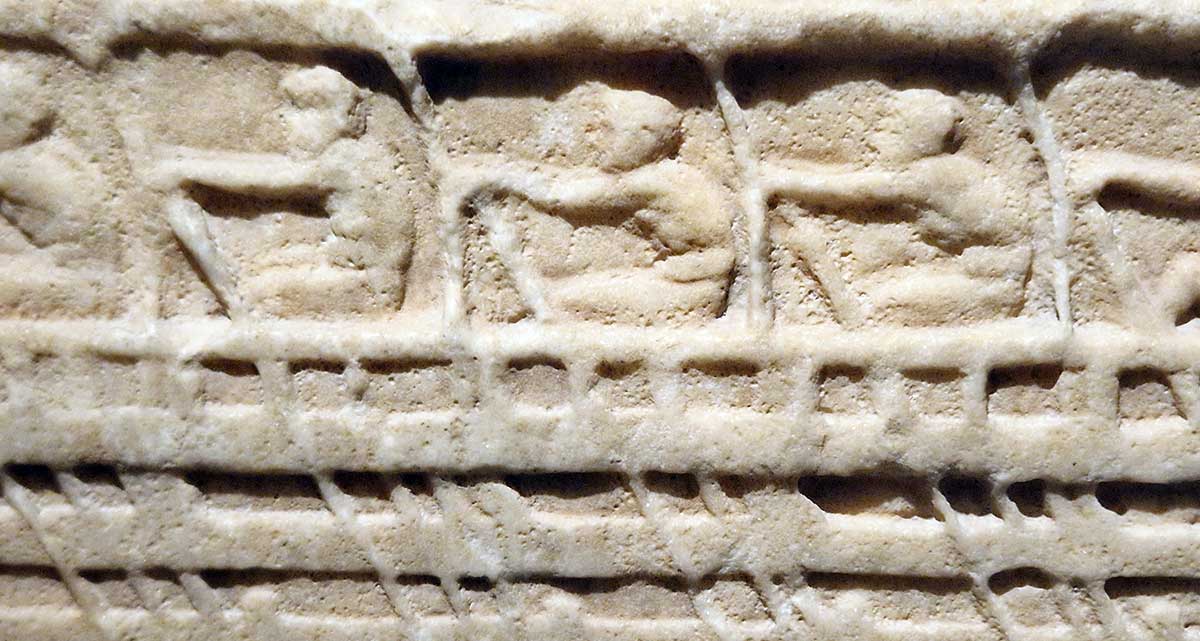
Trireme warfare meant 120-foot wooden warships propelled by 170 oarsmen smashing into each other in the hopes of boarding, sinking, or disabling an opponent. Teamwork and preparation opened the possibility of sailing around or through enemy lines to attack from the rear or flank. The Athenians used to be masters of such tactics, but at Arginusae, only the Spartans had this option.
To negate the Spartans’ tactical advantage, the Athenians lined up their fleet in two lines, one behind the other. If a Spartan ship sailed through the first row, it would be pounced upon by the second. By lining up either side of the Arginusae Islands, the Athenians used their greater numbers to create a long battle line, putting the Spartans in danger of being enveloped.
Kallikratidas was forced to attack a weaker but larger enemy in a strong defensive position. He had to stretch out his ships and split them into two sections to match the Athenians. The risks were clear to him, but he needed to win a decisive battle if he was to end the war without furthering dependence on Persia.
The Battle of Arginusae
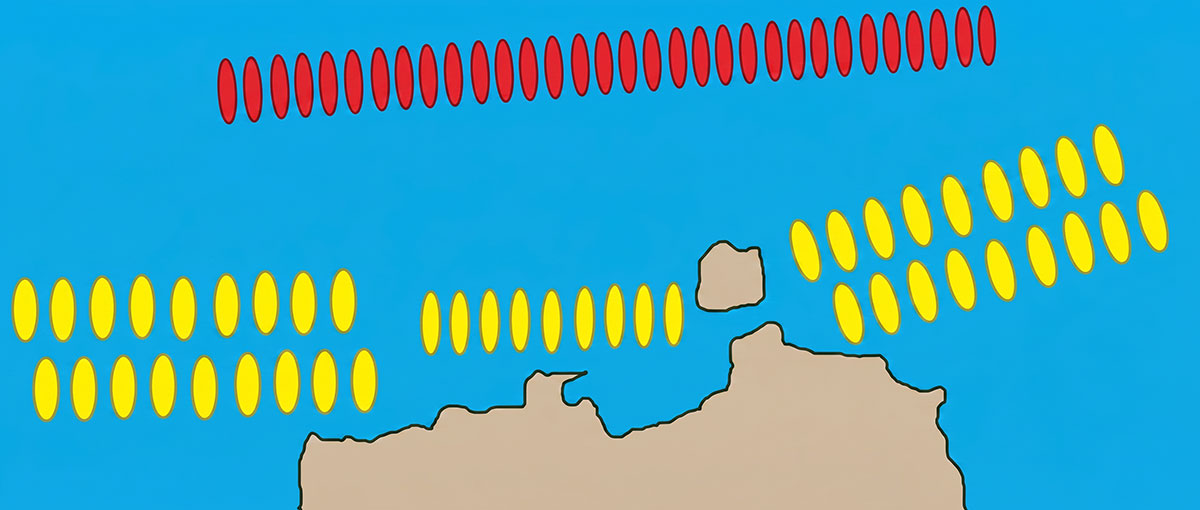
Our two accounts of the battle, from Xenophon and Diodorus, are short and lack precision. Xenophon, who could have been present, tells us the battle lasted a long time (1.6.33). He describes the Spartan fleet as divided and focused on the main Athenian forces on either side of the islands.
At some point, Kallikratidas was killed. According to Xenophon, he slipped into the sea as his ship rammed an enemy (1.6.33), whereas Diodorus (13.97-102) has him killed as his ship is boarded. The Athenian flanks likely pushed the Spartans back, encircling some ships. They report that 77 Spartan ships were lost, suggesting the Spartans were unable to escape (Kagan 1987, 352). The Athenians lost just 25 ships.
The inexperienced Athenian fleet had achieved a spectacular triumph. The Athenians would live to fight another day, but then a storm started to blow. It cost the Athenians the fruits of victory.
The Storm
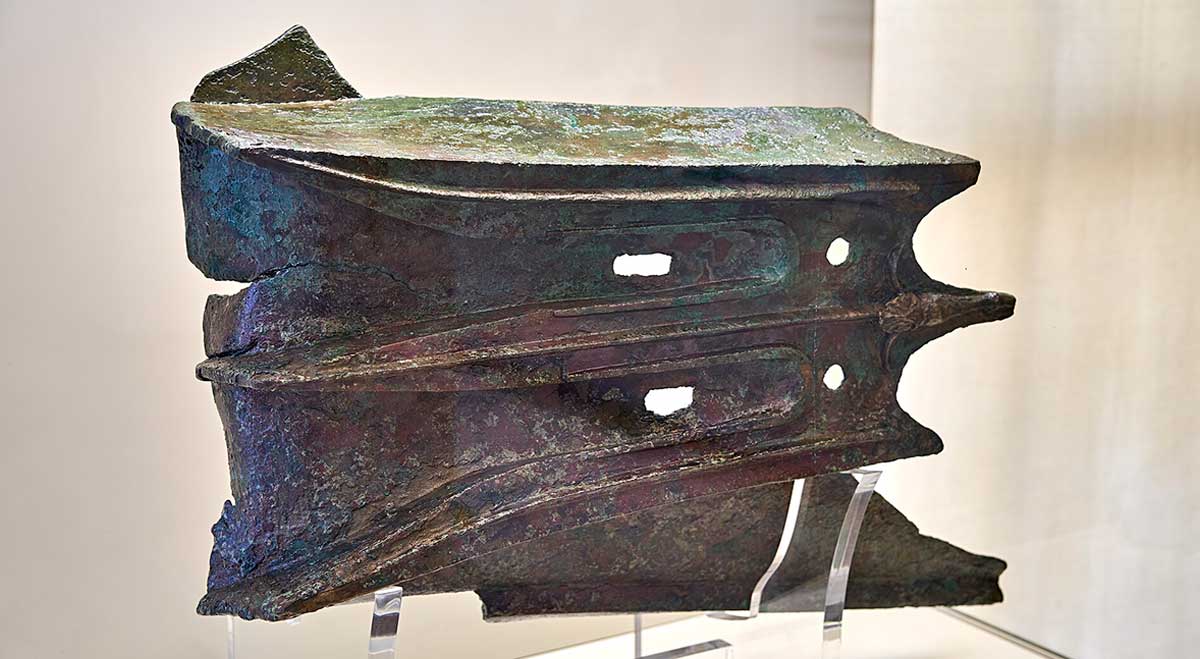
Wooden triremes were buoyant enough to remain afloat when damaged, rarely sinking outright. The survivors and the dead floated or clung to wreckage around them. Rescuing survivors, hauling off salvageable enemy ships, and recovering the dead normally followed a battle. Recovering the dead was especially important as Greek custom saw death without burial as a cruel fate.
After the battle at Arginusae, a storm prevented the standard rescue operation, condemning hundreds more sailors to their deaths and triggering a political crisis that consumed the victorious generals.
The generals cannot be blamed for a storm, and they did order a rescue operation. But there may have been a delay. The collective command that worked so well in battle may have contributed to the disaster. To make any decision, the generals needed to meet. By the time they decided to dispatch a rescue mission, the sailors refused to go as the storm was already whipping up the sea. The triremes quickly became unmanageable in such conditions. A unified command could have issued orders more quickly and reached some men before the storm made it impossible.
The inability to rescue the survivors and the dead soured the victory. Nevertheless, the generals seemed confident they had done everything they could and reported to Athens on the battle and the unfortunate storm.
The Athenians took the accountability of their officials extremely seriously. While in office or at the end of a term, officials, including generals, could have their accounts scrutinized and decisions questioned. The Athenian people, the demos, punished officials it judged responsible for failures or crimes with exile or even death. The generals were soon summoned back to Athens to answer questions on the failed rescue operation.
Trial of the Generals
Two of the eight generals decided it was not safe to return to Athens and disappeared into exile. They were not paranoid. Since the start of the war, nine generals had been prosecuted, three were exiled, and one was executed (Hamel 2015, 65). The six generals soon found themselves imprisoned awaiting a verdict.
They stuck to the defense that the storm prevented them from carrying out their duty. A similar argument had saved a general after a failed mission two years earlier. Cracks appeared, with divisions between the generals and the captains they had charged with the aborted rescue. The generals had honorably resisted the temptation to blame their subordinates, but some fearful captains pointed the finger of blame clearly at the generals.
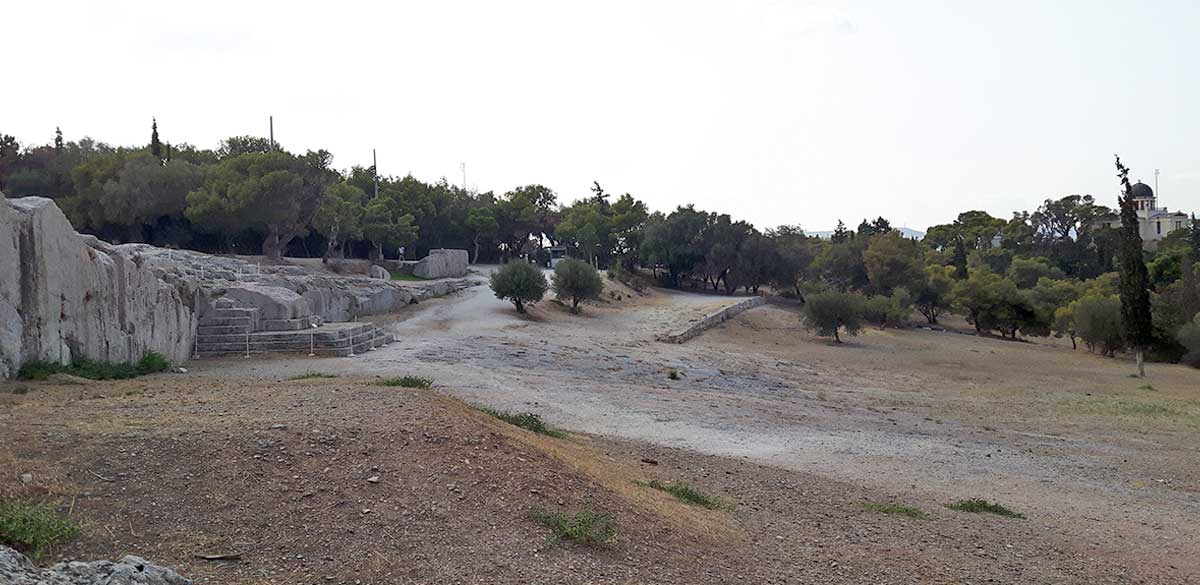
Despite one captain, Theramenes, condemning the generals in their trial before the assembly of citizens, the generals argued their case and seemed to be persuading the assembly. However, the debate dragged on, and with darkness falling on the open-air assembly, the traditional vote by hands could not take place.
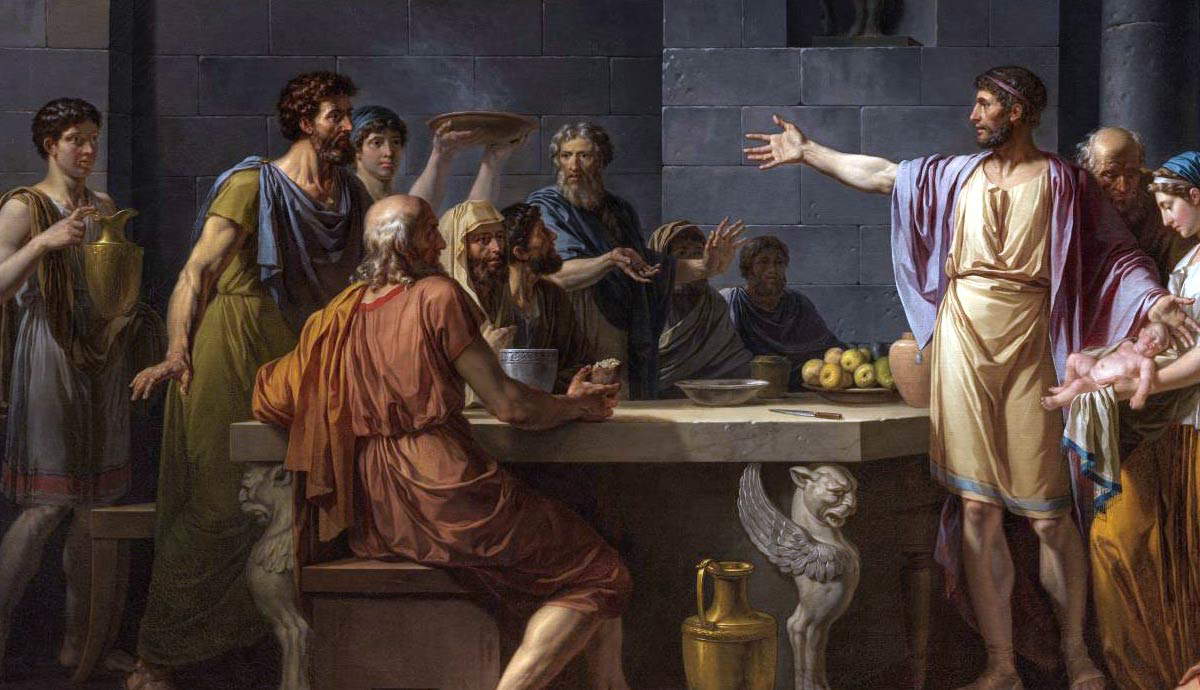
Unfortunately for the generals, before the next assembly session could take place, the Apaturia festival was held. The festival brought the demos together, no doubt acting as a reminder of the many family members and citizens recently lost at sea.

The atmosphere in the following assembly notably shifted. A certain Kallixeinus proposed that, since the generals’ defense had already been heard, the assembly should move straight to a vote on their guilt. The vote would condemn or acquit the generals collectively, and the punishment would be death.
With the assembly moving against them, the generals’ hopes shifted to declaring the vote illegal. A motion to have Kallixeinus’ proposal declared illegal was refused in the assembly as its proposer was threatened into backing down. Next, it was the turn of the committee of randomly selected citizens who oversee the assembly meeting, the prytanies. On this day, one of the citizens on that committee just happened to be the philosopher Socrates. He certainly thought the motion was wrong and refused to take part. Threats once again induced his colleagues to stand down, allowing a vote on Kallixeinus’ motion.
The assembly voted that the six victorious generals were guilty of failing in the rescue mission. They were taken away by Athens’ executors and put to death.
A Verdict Against Democracy?
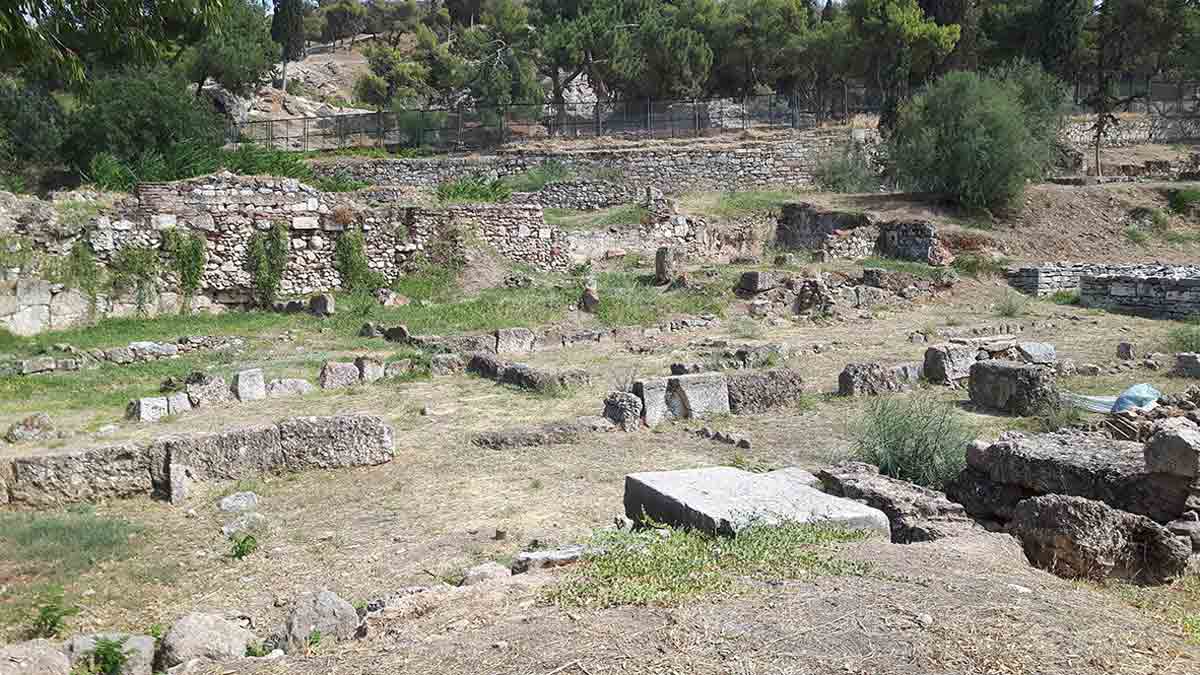
The Athenian demos, locked in a life-or-death war, executed a group of generals who had just won a spectacular victory. They did so by potentially breaking their own laws and getting swept away by emotion. This has long been taken as an example of democracy at its worst and used to condemn the whole project (Gish 2012, 162). That’s certainly one interpretation, an attractive one if you are opposed to democracy. Reality is less clear-cut, however.
The context of the trial is important. Yes, the Athenians were fighting for their lives against the Spartans, but there were also internal tensions. The events at Arginusae sit between two periods of oligarchic counter-revolution in Athens. Democracy was clearly embattled. The loss of many citizens in unclear circumstances could have raised fears of another plot against the demos (Gish 2012, 177). Perhaps the enfranchisement of slaves had also angered some people (Hunt 2001, 374).
The Athenians themselves were uncertain whether the vote was legal or not, and some modern scholars have concluded that no laws were broken (Hamel 2015, 89). Xenophon’s account of the assembly has the demos overriding concerns by claiming the right to do “whatever they wished” (1.7.12). Often taken as an example of rabble-rousing against the rule of law in the context of Athenian democracy, this could easily be seen as the assembly asserting its right as the sovereign body in the Athenian system (Gish 2012, 183).
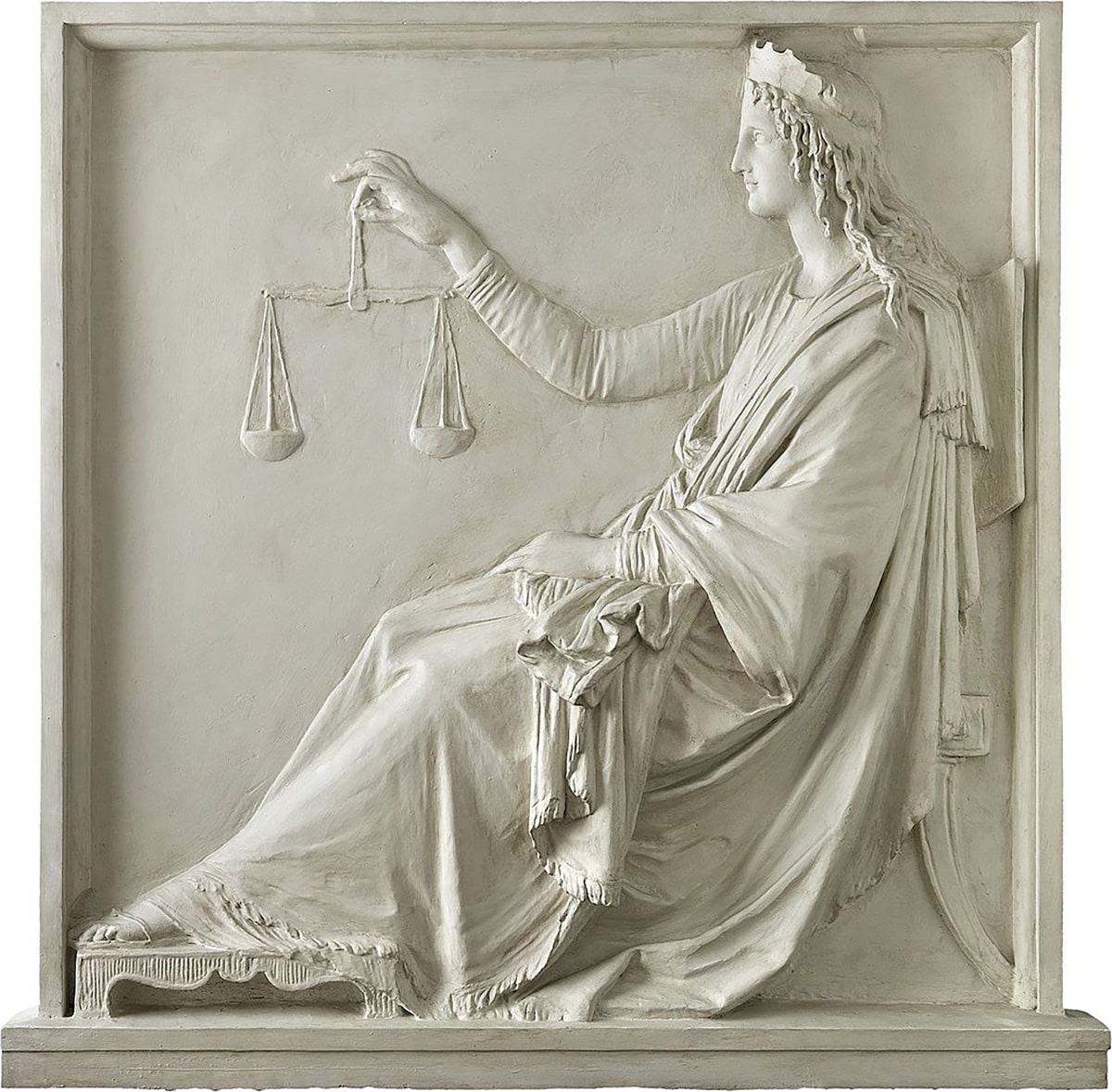
The verdict itself and the collective condemnation of the generals certainly seem unjust, but it may not have been illegal. Nor did the Athenians rush the decision. The battle took place in late summer. The verdict was handed down after mid-October, following several lengthy debates in both the assembly and the council, which prepared assembly matters.
At a time when the Athenians were struggling to survive, the execution of their generals was undoubtedly a mistake. We are told it was one the Athenians soon regretted. They certainly paid the price when a poorly led Athenian fleet was crushed a year later at the Battle of Aegospotami. The pressures of a long war, however, certainly contributed to this error at least as much as the apparent faults of democracy.
Sources
- Gish, D. (2012). “Defending demokratia: Athenian Justice and the Trial of the Arginusae Generals in Xenophon’s Hellenica.” Hobden, F., Tuplin, C., eds. Xenophon: Ethical Principles and Historical Enquiry, pp. 161-212. Brill.
- Hamel, D. (2015). The Battle of Arginusae: Victory at Sea and Its Tragic Aftermath in the Final Years of the Peloponnesian War. Johns Hopkins University Press.
- Hunt, P. (2001). “The Slaves and the Generals of Arginusae.” The American Journal of Philology, Vol. 122, No. 3, pp. 359- 380.
- Kagan. D. (1986). The Fall of the Athenian Empire. Cornell University Press.