
The pioneering efforts of NASA scientists to expand the frontiers of human exploration go far beyond technological breakthroughs in rockets and spacecraft. A number of key innovations invented for missions to space have been applied to daily life on Earth. They have transformed industries and improved the comfort, safety, and health of regular people, not just astronauts. From memory foam mattresses to ingenious water purification systems, here are eight NASA inventions that have shaped the modern world.
1. Memory Foam: Out of This World Comfort
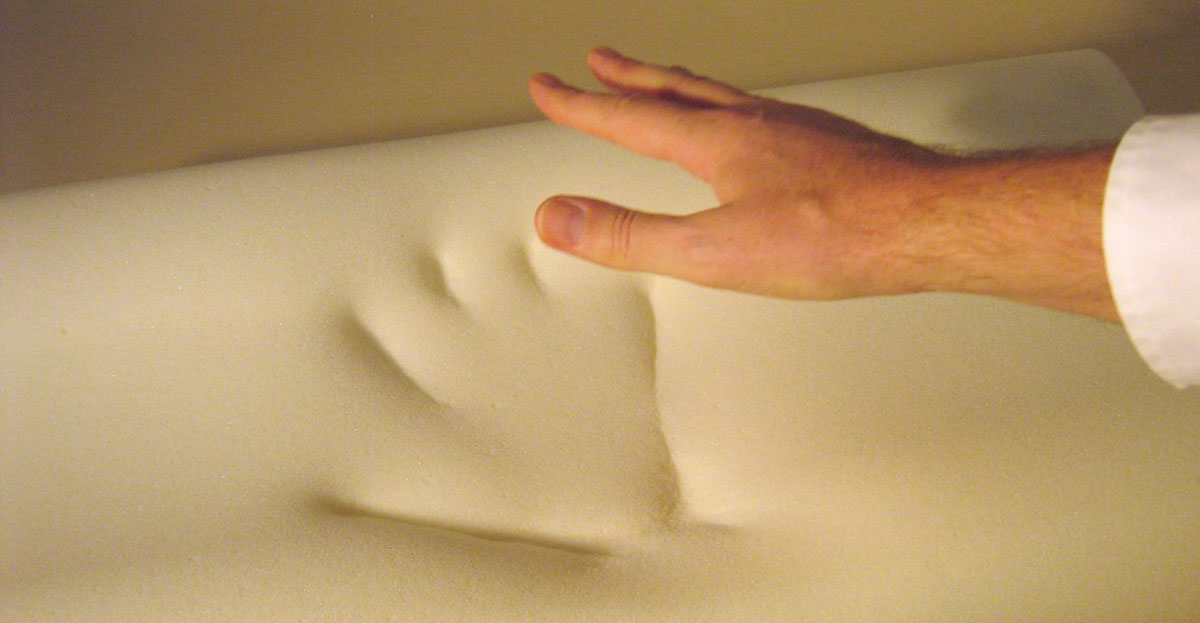
At the height of the space race in the 1960s, the Ames Research Center at NASA created memory foam, also known as temper foam, to increase astronaut comfort and safety during the takeoff and landing of the Saturn V rockets. Memory foam has a number of unique properties; it consists of a viscoelastic material that compresses under pressure and regains its original form after pressure has dissipated. This special property allows memory foam to absorb a great deal of impact energy while providing comfort and cushioning. Moreover, memory foam reduces uncomfortable pressure points that are found in conventional cushioning as it adapts to the shape of the person or object that is pressing against it.
While memory foam was initially used to send NASA astronauts into space in comfort and safety, it soon found commercial use in a number of sectors. Today, this unique material is indispensable for the medical industry as it is used in mattresses and cushions to provide medical patients with extra comfort during extended convalescence. Moreover, the adaptable nature and comfort of the material helped it gain popularity in the consumer market, where it is used in home furnishings, pillows, and mattresses. Memory foam’s ability to conform to the contours of the human body allows it to enhance spinal alignment and reduce joint tension, allowing those with joint pain to rest more easily.
2. Scratch-Resistant Lenses: See Like an Astronaut
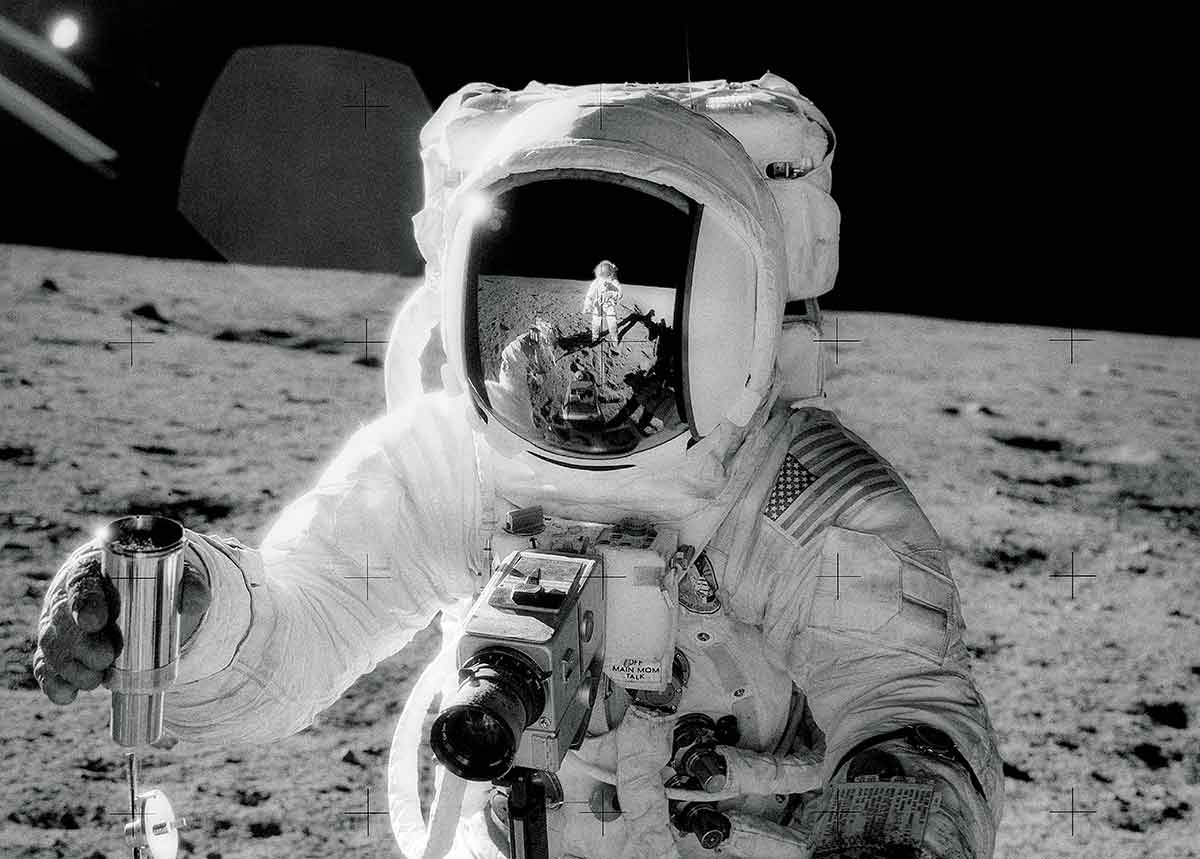
To help protect its astronauts from the harsh environment of space, NASA scientists created a special scratch-resistant coating for space suit helmet visors. This scratch-resistant coating helps to mitigate the damage that dust particles, debris, and other environmental dangers may pose to an astronaut’s vision while in space. To tackle this problem, NASA scientists partnered with the Foster Grant Corporation during the 1970s to invent a transparent, long-lasting, scratch-resistant coating that utilizes diamond-like carbon elements. This remarkable technology not only improved the optical clarity of the helmet visor but increased resistance to abrasions and scratches that are created by space dust.
Not long after NASA invented this coating, it was modified and adapted for use in everyday eyewear. Today, scratch-resistant lenses are commonplace and can be found in the majority of sunglasses and prescription glasses, increasing their durability and optical clarity. The diamond-like coating has also been adopted by other industries and can be found as a screen protection for smartphones and car windscreens. The invention and widespread use of this coating is evidence that space research has had a wide influence on consumer goods, as materials that were once created for the exploration of space can now be found in most homes. The scratch-resistant coating has significantly improved the longevity of common optical lenses and allowed the vision care industry to further innovate, creating new types of coatings that block out harmful screen glare.
3. Water Purification Systems: Drinking Water From Waste
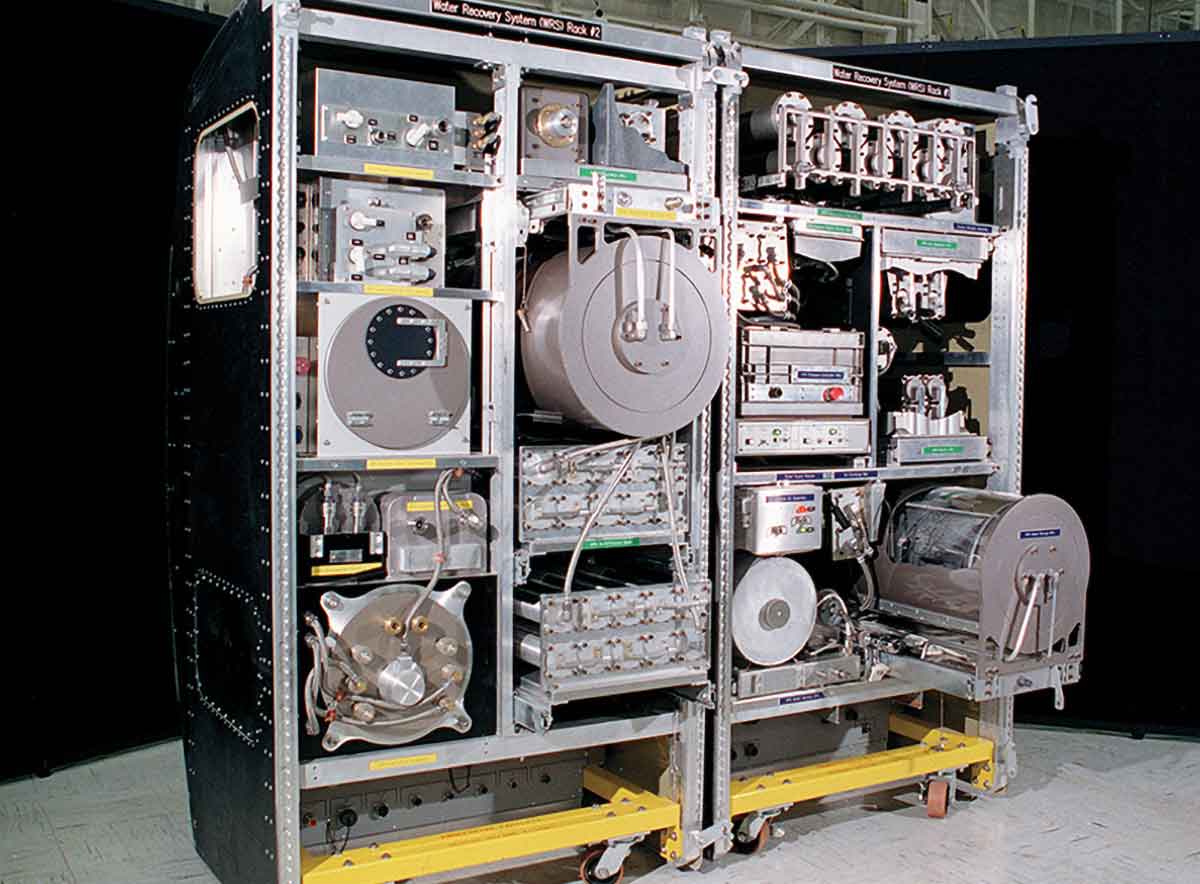
One of the most significant obstacles humanity faces when sending a rocket into orbit is the fact that the weight of simple resources such as drinking water impacts the rocket’s overall ability to send important instruments into space. To tackle this problem, NASA developed advanced water purification systems to provide drinking water to astronauts on long-duration space missions and save space during rocket supply missions. To eliminate any potential impurities from recycling wastewater NASA invented the Environmental Control and Life Support System. This complex mechanism uses a variety of ingenious filtration techniques, including ion exchange, carbon scrubbing, and electrolysis. As a result, NASA astronauts were able to harvest clean drinking water from a variety of otherwise hazardous sources, such as human urine.
The ideas that were set forth in NASA’s water filtration system eventually helped to improve similar systems here on Earth. These systems are especially important in developing countries where clean drinking water is scarce, and help provide hydration during emergency scenarios where there is a disruption to the water supply. During natural disasters such as hurricanes or earthquakes, the techniques invented by NASA to filter waste water have been proven as a viable means to provide clean hydration.
4. The CMOS Image Sensor: Capturing the Stars
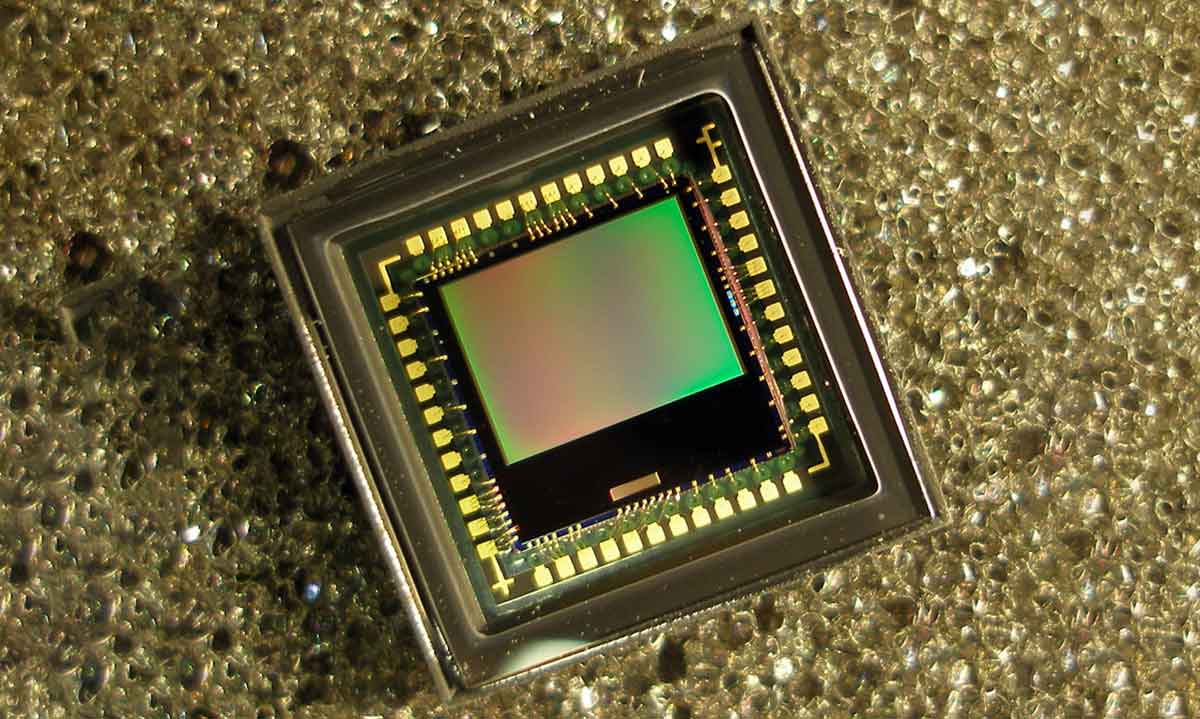
One of the most legendary engineering groups within NASA is the Jet Propulsion Laboratory, an elite group of the agency’s top minds that came together to tackle the biggest problems of space exploration. The JPL was largely responsible for the invention of the CMOS image sensor, a small digital semiconducting device that is now found in most cameras and smartphones.
The development of the CMOS sensor began during the 1990s when NASA engineers were tasked with developing a lightweight imaging system that could be sent into orbit and operate with a minimal power source. In comparison to the conventional digital image sensors, which were used in cameras at the time, the CMOS sensor provided a much more compact and energy-efficient solution for capturing images in space. The size and power consumption of the CMOS sensor is made possible due to the fact that both the image capturing and processing are conducted on the same silicon chip.
Today, the CMOS sensor is ubiquitous in consumer electronics, security systems, cell phones, digital cameras, and medical imaging equipment. Compared to the alternatives the CMOS sensor offers consumers faster image processing speeds, increased effectiveness in low-light environments as well as reduced energy consumption. The adoption of the CMOS sensor into consumer electronics has made small digital image systems widely available, thus making the cost of integrating a camera into any device much more affordable. CMOS sensors are also used by a number of private scientific and industrial companies for robotics, automatic vehicles, and even private space exploration.
5. Cordless Power Tools: Power to the People
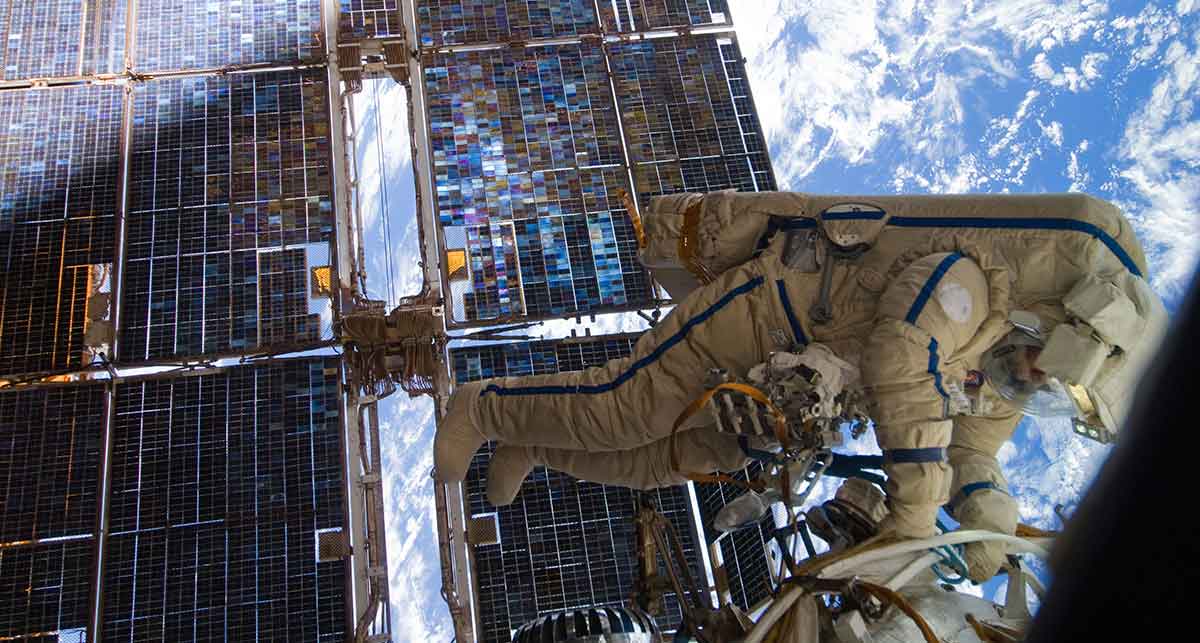
Another ingenious NASA invention that has become virtually essential in our modern world is the cordless power tool. For the Apollo space program, NASA engineers were tasked with creating a portable, battery-powered drill that would function in zero gravity so that astronauts could gather rock and soil samples while exploring the Moon. To solve this problem NASA scientists partnered with the private consumer goods manufacturers Black and Decker to create the world’s first cordless drill. The finished design incorporated an efficient motor design, which was powered by a lightweight rechargeable battery, allowing astronauts to operate the drill in space without the need for an external power source.
The ingenious design of this cordless drill soon found its way into myriad consumer devices, including saws, sanders, and other handheld tools. Moreover, the efficient motor design found in the cordless drill, which was used by astronauts on the Moon, was used as a direct inspiration for the DustBuster handheld vacuum cleaner. Due to their versatility and ease of use, these cordless power tools have enabled consumers to perform basic tasks in areas without an electricity outlet. Moreover, NASA’s invention transformed the power tool industry and completely changed the way consumers approached cordless technology in general.
6. Cochlear Implants: A Game Changer for the Hearing Impaired
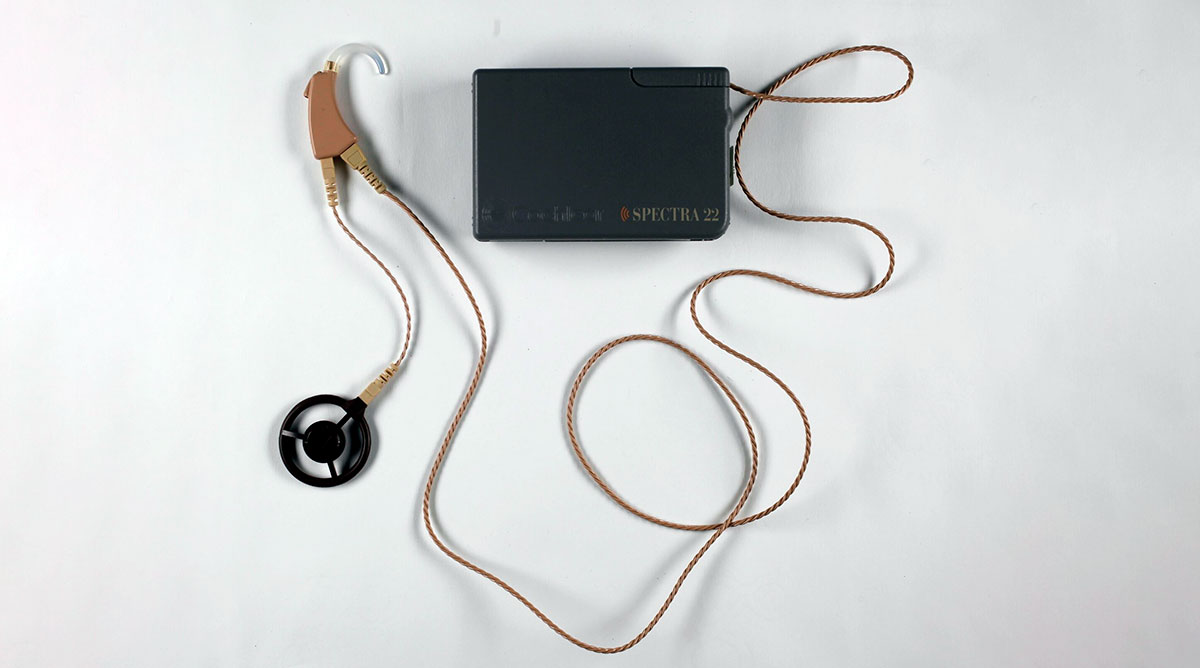
While NASA did not directly invent the cochlear implant for use in space exploration, engineer Adam Kissah, while working at the space agency on miniature electronic devices during the 1970s, was inspired to invent the device. While at NASA, Adam Kissah worked to automate compact systems for space travel, and in 1977, after leaving the agency, he patented the cochlear implant, helping to pioneer this miraculous technology for the hearing impaired. The modern-day cochlear implant is a small medical device that allows people with hearing impairment to detect sound by stimulating the auditory nerve directly, avoiding the damaged ear tissue. Medical engineers designed the cochlear implant by basing the design on NASA’s efforts to develop small, low-energy electronic devices that are used to track the vital signs of astronauts.
The pioneering advances that NASA made in the field of microelectronics helped to pave the way for the creation of cochlear implants that are more compact, reliable, and long-lasting. Moreover, the lives of countless people with hearing impairment have been improved significantly by the advent of smaller cochlear implants.
7. Fire Safety Equipment: NASA Protection for Firefighters
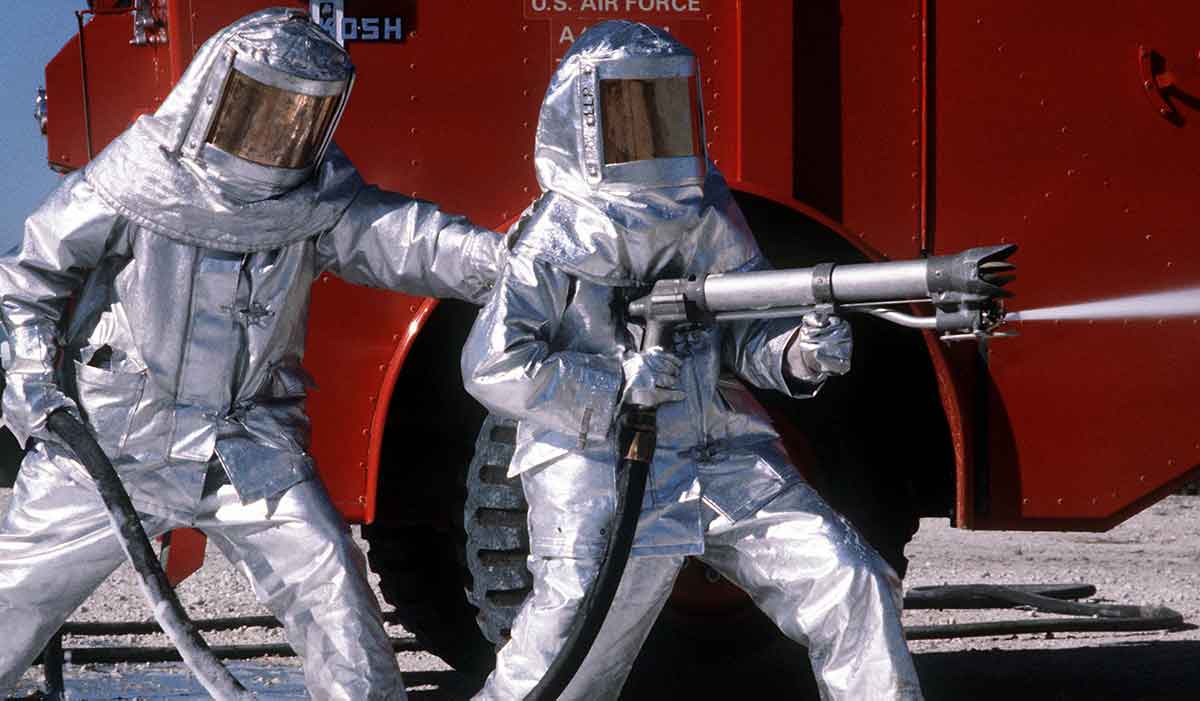
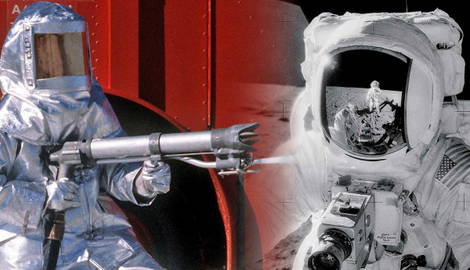
The development of improved firefighting equipment has benefited considerably from NASA’s work in creating heat-resistant textiles for use in space suits. The creation of these lightweight, durable, and thermal-resistant materials was vital to protect astronauts during space missions, as temperatures in orbit can fluctuate massively. To tackle this problem, NASA invented entirely new materials, such as polybenzimidazole, a material that can tolerate extremely high temperatures without burning, melting, or falling apart.
The advances that NASA made in this field have made their way to civilian life, and the protective equipment that emergency service workers now wear every day has been greatly improved by these new materials. The materials that the space agency developed allow firefighters to perform their work with improved flexibility and increased flame resistance. This enables emergency workers to work for extended periods of time in hazardous environments, saving countless lives. Moreover, NASA helped firefighting personnel modify the breathing apparatus originally used to provide astronauts with a steady supply of oxygen.
8. LASIK: How Nasa Improved Eyesight
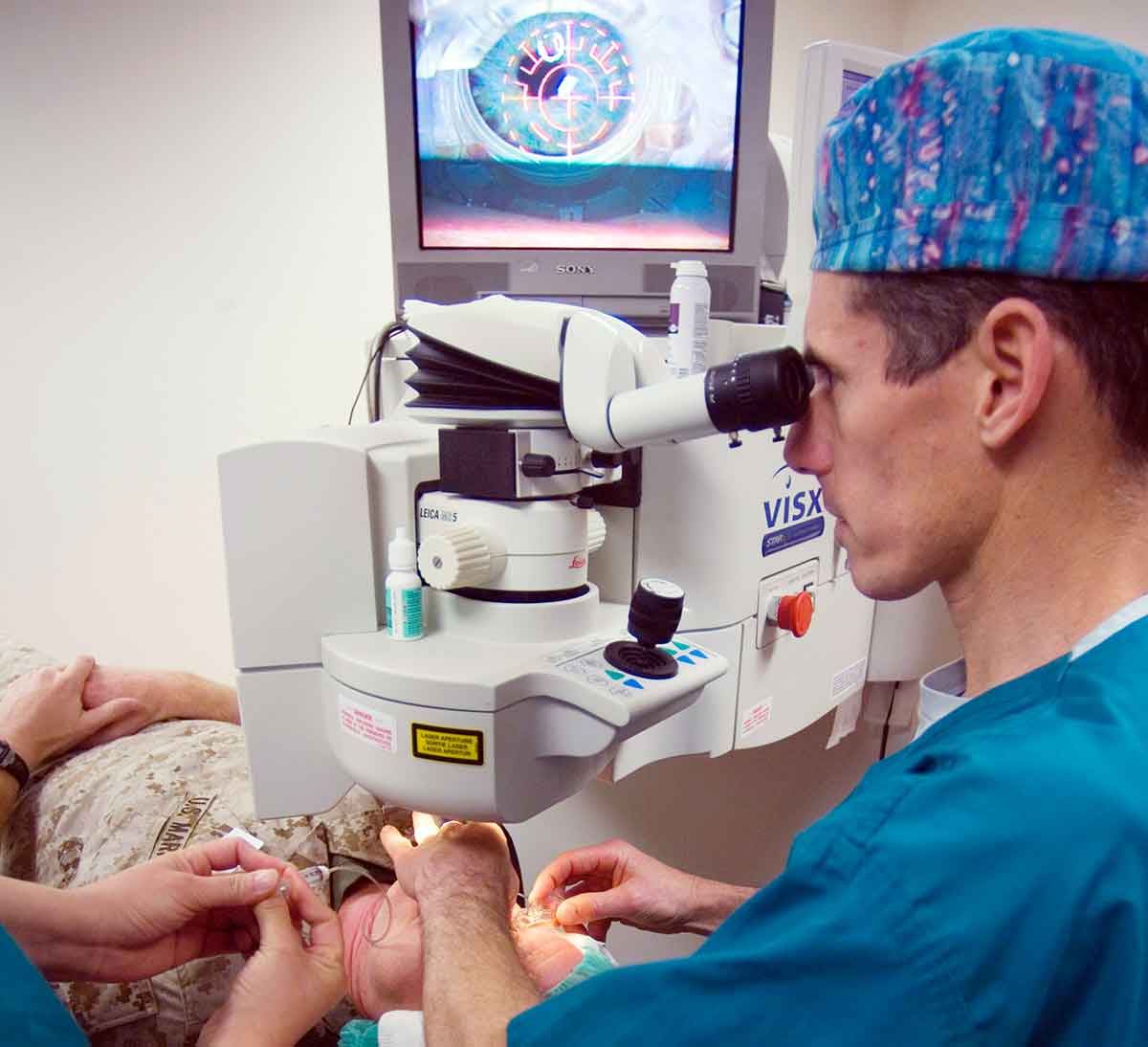
The significant advances that NASA engineers made to laser technology during the 1980s contributed to the development of laser eye surgery, or LASIK, to repair vision.
LASIK’s precision lasers and their accuracy were directly influenced by NASA’s own research into lasers for satellite tracking and communication. During the procedure, LASIK technology is used to track the eye movements of the patient while the cornea is reshaped with a precision laser, thus curing refractive problems that can commonly cause poor eyesight. Furthermore, NASA’s development of excimer lasers helped laser eye surgery become a common practice in the field of ophthalmology. The excimer is a type of laser that uses pressurized gasses under high pressure to create a type of particle called an excimer, which manifests as an incredibly precise laser beam in the ultraviolet spectrum.