
Today, almost every movie produced in the United States includes the disclaimer, “This film is a work of fiction. Any resemblance to persons, living or dead, is purely coincidental.” Surprisingly, this disclaimer stems from a lawsuit filed against MGM Studios in 1932, brought by none other than Felix Yusupov, the aristocratic murderer of Grigori Rasputin.
The Autopsy That Contradicted the Legend of Rasputin’s Death
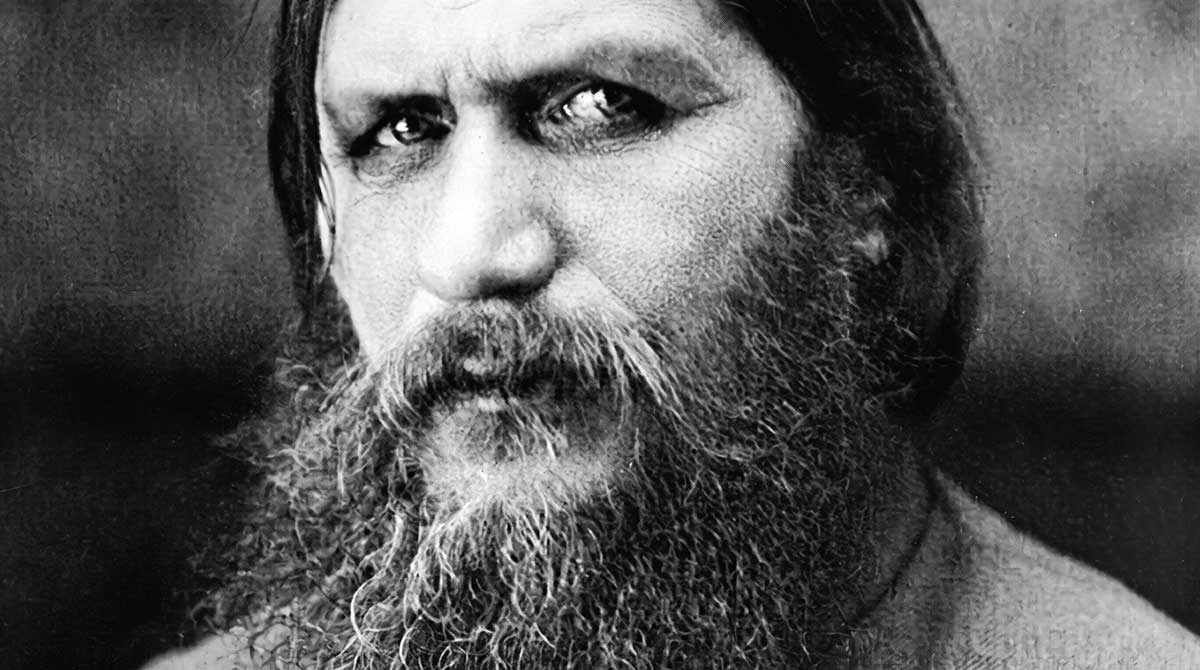
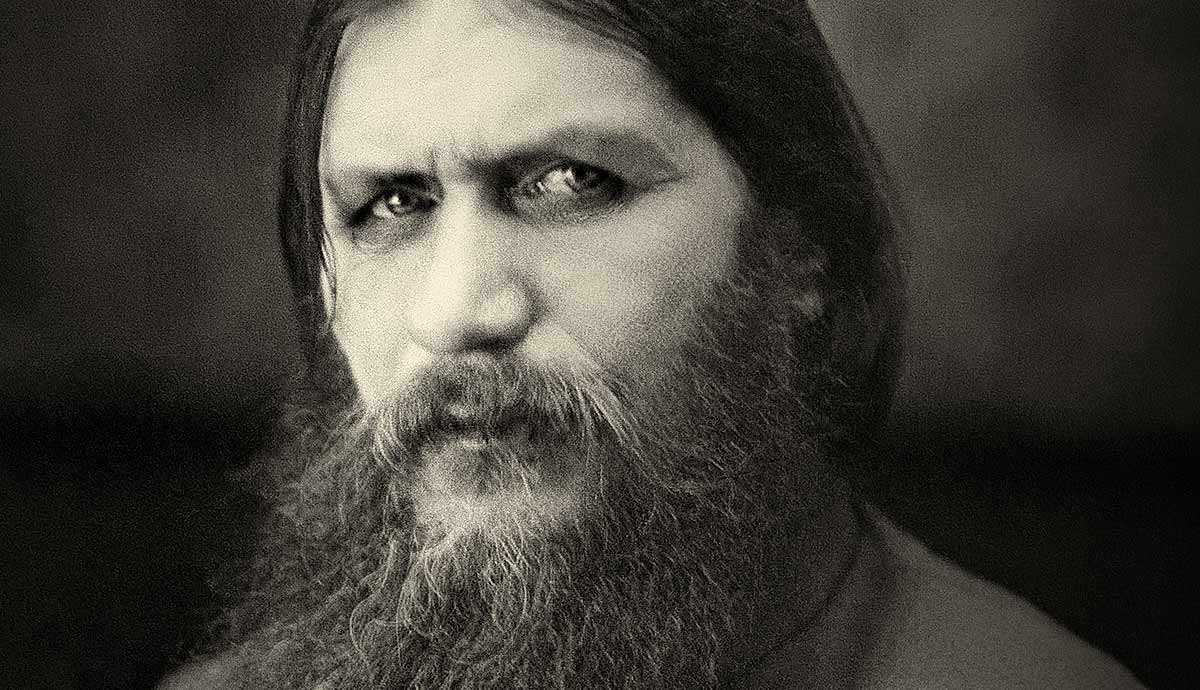
The death of Russian mystic Grigori Rasputin (1869-1916) has taken on the dimensions of legend: that he was shot, stabbed, and poisoned, but still rose to fight his killers. But when his frozen body was pulled from the icy Little Nevka River in January of 1917, there was little evidence to support such a dramatic end. The holy man had been shot three times; one of these wounds proved fatal. An autopsy revealed no evidence of poisoning or drowning, suggesting that Rasputin was already dead when he entered the water.
The idea that Rasputin was supernaturally difficult to kill comes from the memoirs of one Felix Yusupov (1887-1967), the ringleader of Rasputin’s murder. Yusupov was known for dramatics, and he adored basking in the attention of others, which may explain his lurid version of the events surrounding Rasputin’s death.
The Lavish and Rebellious Youth of Felix Yusupov
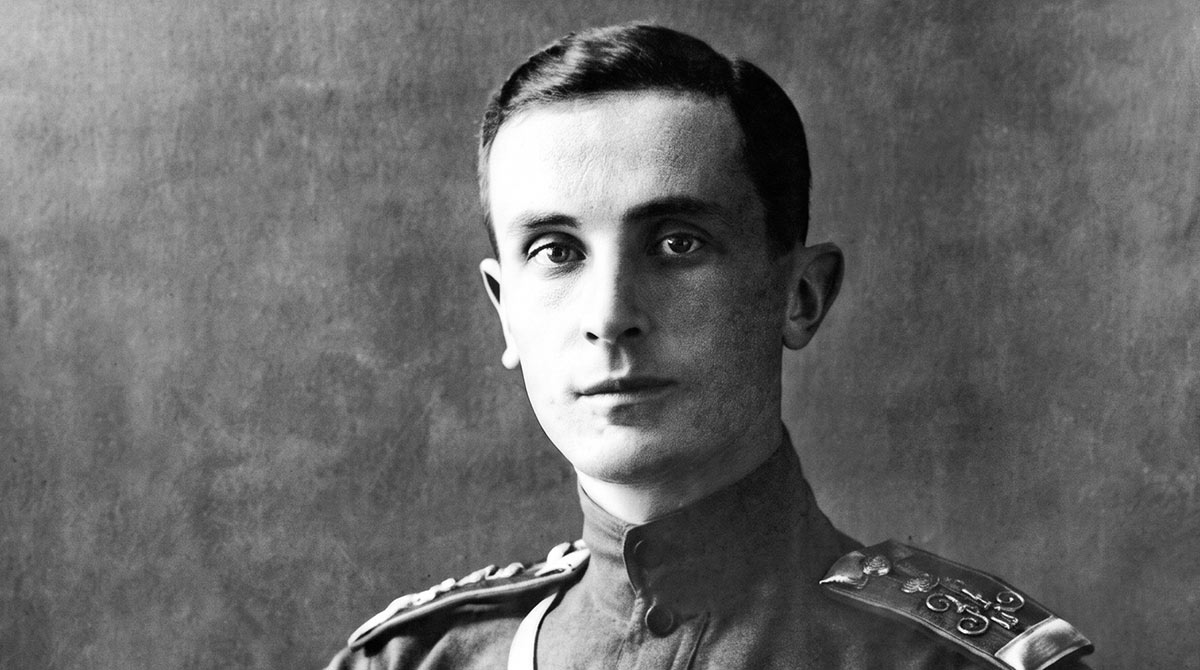
Born in Saint Petersburg in 1887, young Felix enjoyed a lifestyle unimaginable not only to most Russians, but even to other members of the Russian aristocracy. His family was one of the richest in Russia, owning seven palaces, over thirty estates, along with mines, factories, agricultural land, and oil fields. The second son, Felix, was not expected to inherit the title of “Prince Yusupov,” and was raised indulgently.
In his own memoirs, Yusupov describes a fascination with wealth from a young age, as well as a tendency toward shocking behavior. At the intersection of these impulses, he developed an interest in smoking hashish and in cross-dressing, and with the help of his older brother Nicholas, performed at a cabaret in Saint Petersburg disguised as a woman. When his father discovered these escapades, he punished Felix severely, but with little effect. His son had grown into a defiant young man, both uninhibited and extremely stubborn.
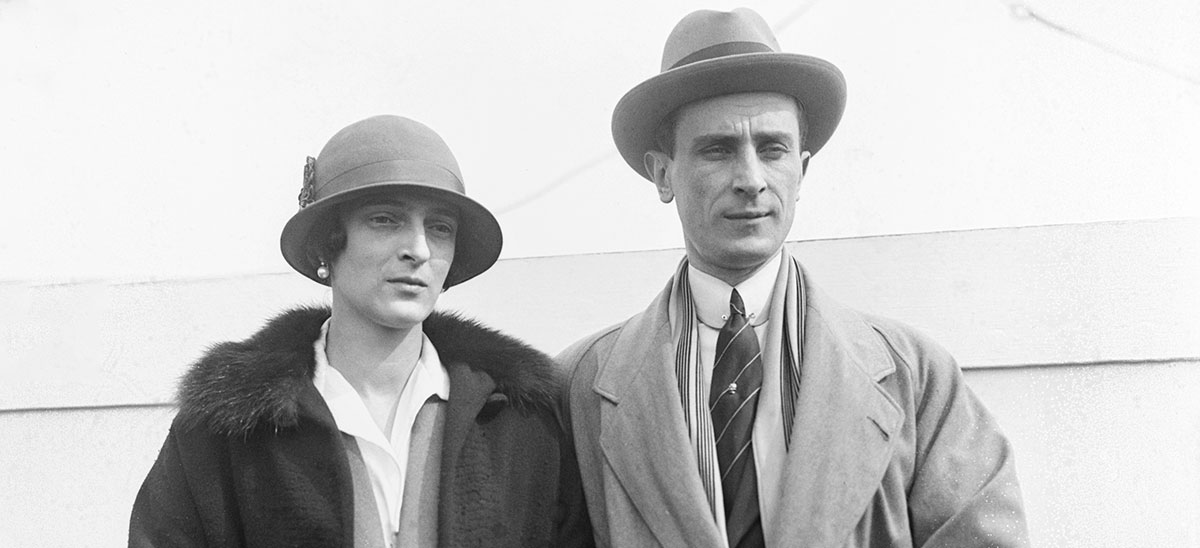
Yusupov lost a significant ally in 1908, when his brother Nicholas was killed in a duel over a married woman. His older brother’s death made him heir to the Yusupov title. In the following years, he developed a strong friendship with Grand Duke Dmitri Pavlovich, a relative of the Tsar, and married Princess Irina Alexandrovna, another relative of the Imperial family.
How the Moika Palace Conspiracy Quickly Unraveled
Yusupov ascribed the formation of the assassination plot to his fear that Rasputin’s influence would lead to the destruction of the Imperial family. Russia was embroiled in the First World War, and Rasputin had been advocating for the Russian government to make peace with Germany. It has been suggested that Yusupov took the blame for the assassination due to his protected status as a prince, and that Rasputin had been assassinated by foreign agents to prevent Russia from leaving the war. It is likely that the causes of the murder were both personal and political.
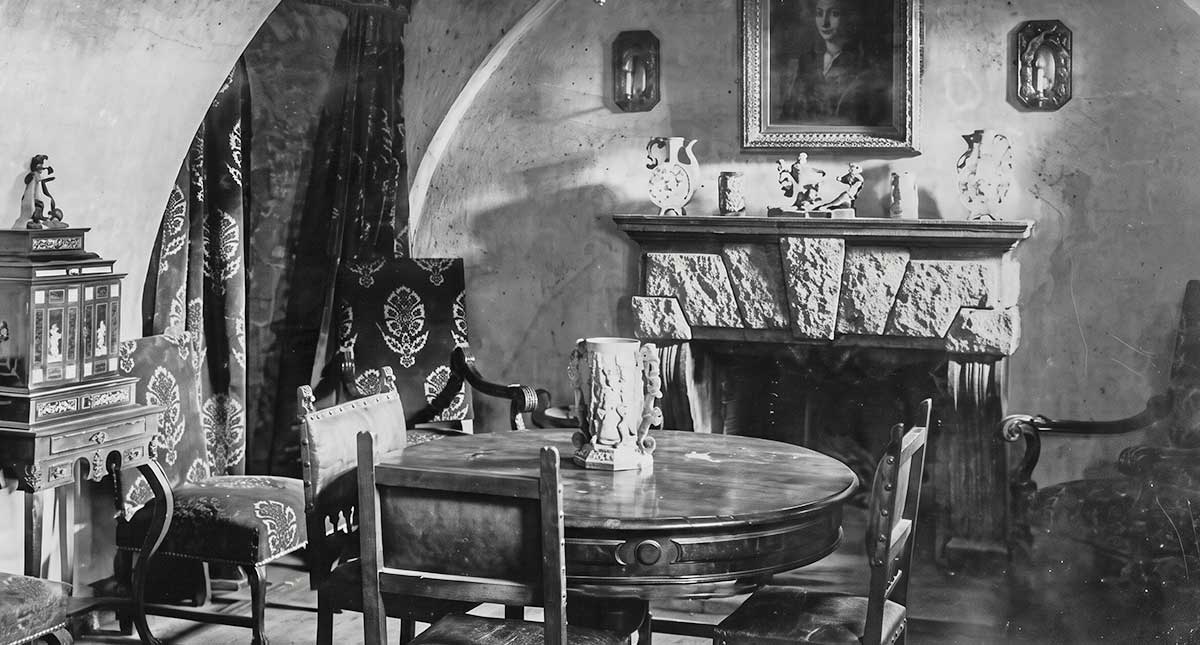
Yusupov described being aided by his friend Grand Duke Dmitri, as well as Sergei Mikhailovich Sukhotin, a friend of his mother, and Vladimir Purishkevich, an anti-Rasputin politician. In the basement of the Moika Palace, Rasputin was shot several times, wrapped in a cloth, and then driven to the bridge over the Little Nevka. The conspirators did a poor job of covering their tracks; after the body was found, blood on the steps of the palace implicated Yusupov and Dmitri. Though Empress Alexandra initially wanted both shot, Dmitri was instead transferred to active military service, and Yusupov was placed under house arrest. Following the February Revolution in the spring of 1917, he and his wife Irina fled the country.
Felix Yusupov Sued MGM Over His Wife’s Portrayal
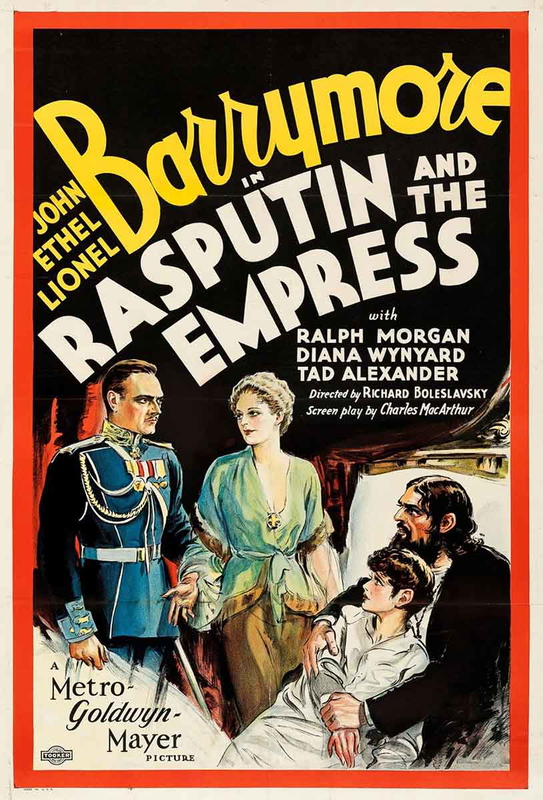
In 1932, American movie studio Metro-Goldwyn-Mayer (MGM) released Rasputin and the Empress, dramatizing the rise and fall of the “mad monk.” Though Yusupov was not directly named in the script, the primary architect of Rasputin’s murder, “Prince Paul,” was clearly based on him. Yusupov, then in France, had openly boasted about killing Rasputin. Rasputin’s daughter Maria sued Yusupov in a French court in 1928, but the case was dismissed because the court found it lacked jurisdiction over a crime that occurred in Russia.
Yusupov wanted to sue MGM for defamation (he likely needed the money), but he could not sue on his own behalf because he had already admitted to Rasputin’s murder. So he sued on behalf of his wife, Irina, whom the movie fictionalized as “Princess Natasha.” The movie suggests that Natasha is hypnotized and assaulted by Rasputin, an event with no historical basis, and that Yusupov claimed he denigrated his wife’s virtue. The Yusupovs settled out of court with MGM for a reported $250,000.
The Costly Lawsuit That Created Hollywood’s Fiction Disclaimer
In the aftermath of Yusupov’s lawsuit, MGM pulled Rasputin and the Empress from circulation. The film would not be shown publicly for decades. A central point of contention had been the film’s opening credits, which stated, “This concerns the destruction of an empire… A few of the characters are still alive— the rest met death by violence.” A legal authority working the case supposedly told MGM’s representatives that this statement implied the movie was an accurate depiction of specific historical events and personalities, strengthening Yusupov’s claim of defamation and libel. They advised that, in the future, it would be better to have a statement asserting the opposite—that the movie was fictitious, as were its characters.
Soon after, MGM and other major American studios began to run “This film is a work of fiction-…” disclaimers in the credits of their movies, to prevent any further lawsuits. Yusupov lived in Paris until his death in 1967. In his old age, he gave an interview on French television where he again retold his slaying of Rasputin. It seems that he was dramatic to the last.