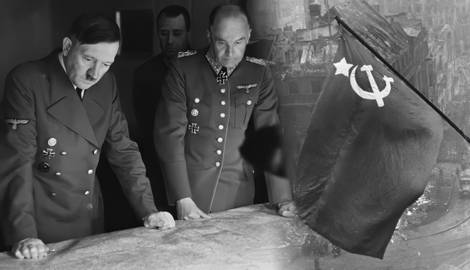

The history of World War II is long and complex, and the reasons surrounding Germany’s involvement and eventual defeat are subjects of huge debate. From industrial capabilities to resource management and strategic considerations, there are many factors that contributed to Germany’s defeat.
Here are 5 of the most important factors that caused Germany to lose the Second World War.
1. The Germans Underestimated the Soviets
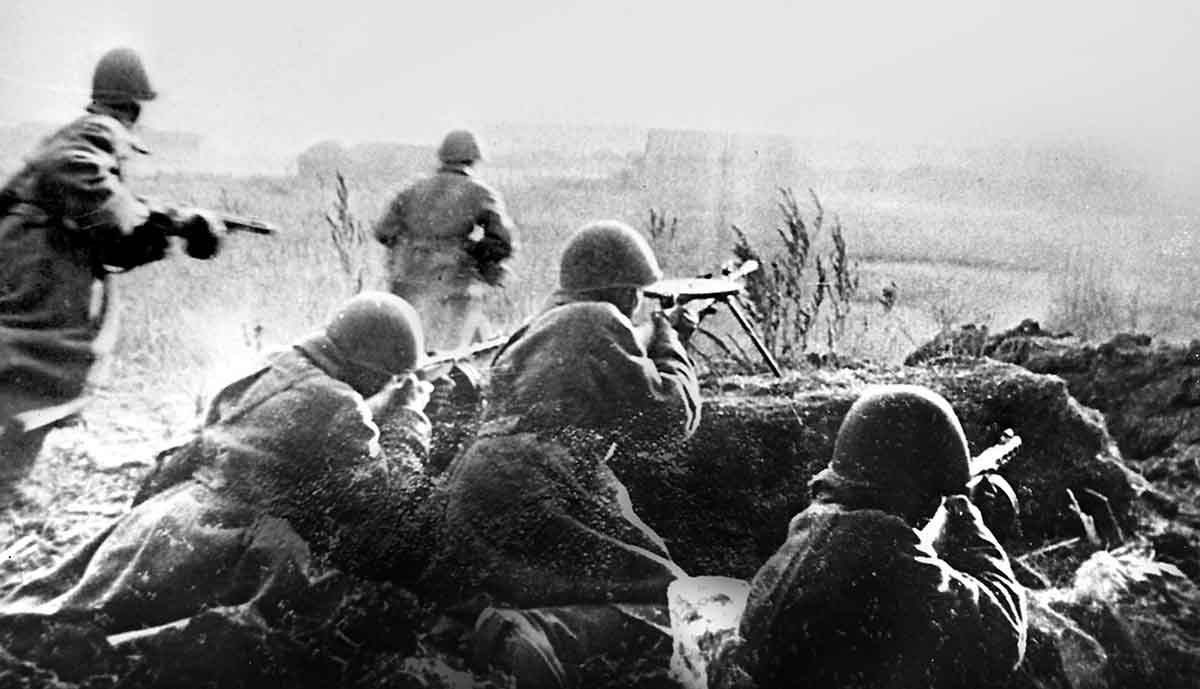
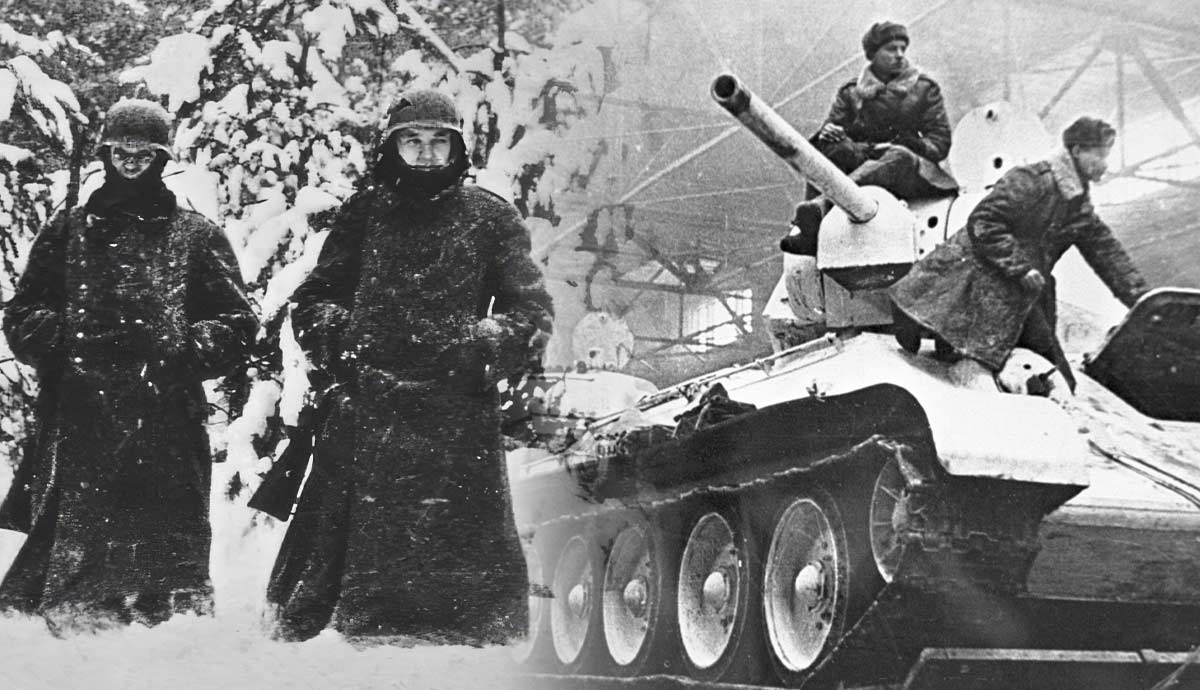
On the subject of the Soviet Union, Adolf Hitler is famously quoted as having told the German High Command, “We have only to kick in the front door and the whole rotten edifice will come tumbling down.” On June 22, 1941, the Germans invaded the Soviet Union with a force of over 3 million men. Operation Barbarossa was the biggest invasion in history.
Josef Stalin was in shock, and it was several days before he gathered the fortitude to address the Soviet people. Over the weeks that followed, whole Soviet armies were surrounded and defeated as the Germans drove towards their targets of Moscow and Leningrad. It seemed, for a while, that Hitler’s words were right.
Over the course of the operation, the Germans captured millions of Soviet soldiers and achieved huge successes, pushing deep into Soviet territory, but the key aims of the operation remained out of reach. Moscow stood defiant.
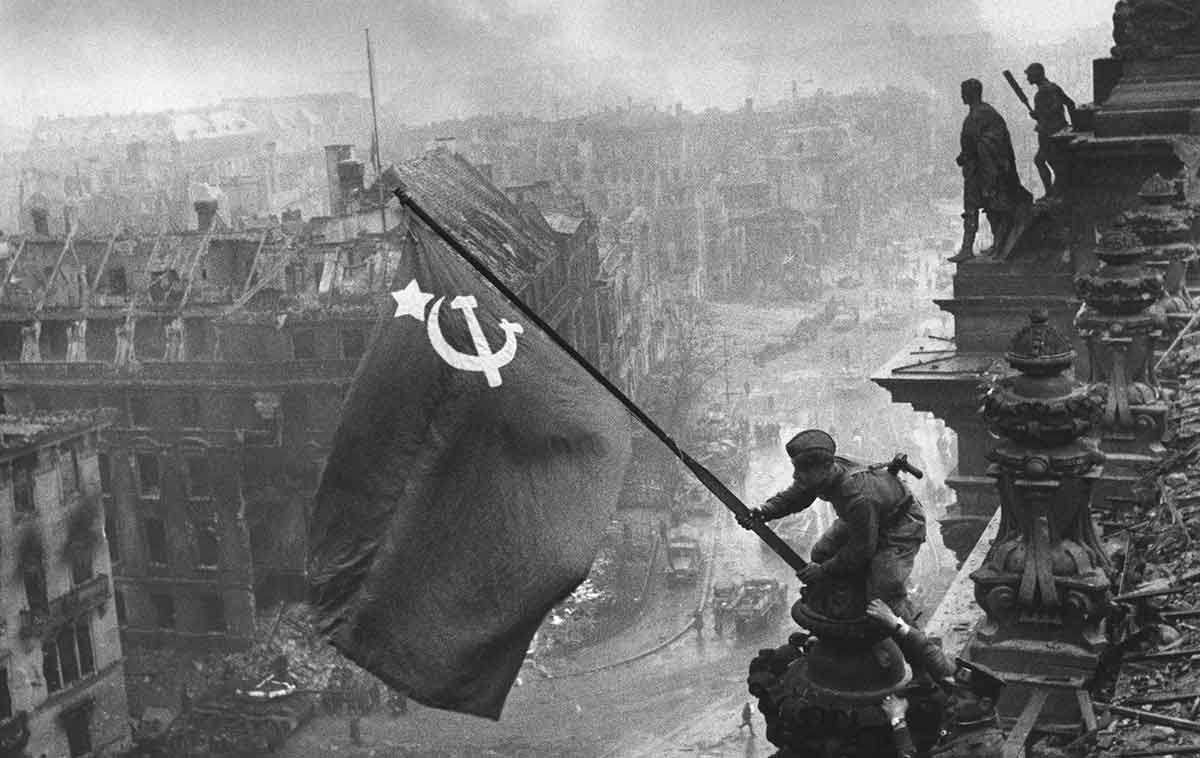
The Soviets rallied and halted the German advance. As Soviet armies reached the front and Soviet industry kicked into top gear, the German strategic positions weakened, and over the years that followed, the German invasion was blunted and then driven back.
With the Soviets on the offensive, just shy of four years after the invasion began, Red Army troops poured into Berlin, and the Nazi regime crumbled. The Eastern Front was, by far, the largest theater of the war, and the casualty rate was unbelievably high. Around 80% of all German deaths during the war occurred while fighting the Soviets.
2. The Germans Fought a War on Two Fronts
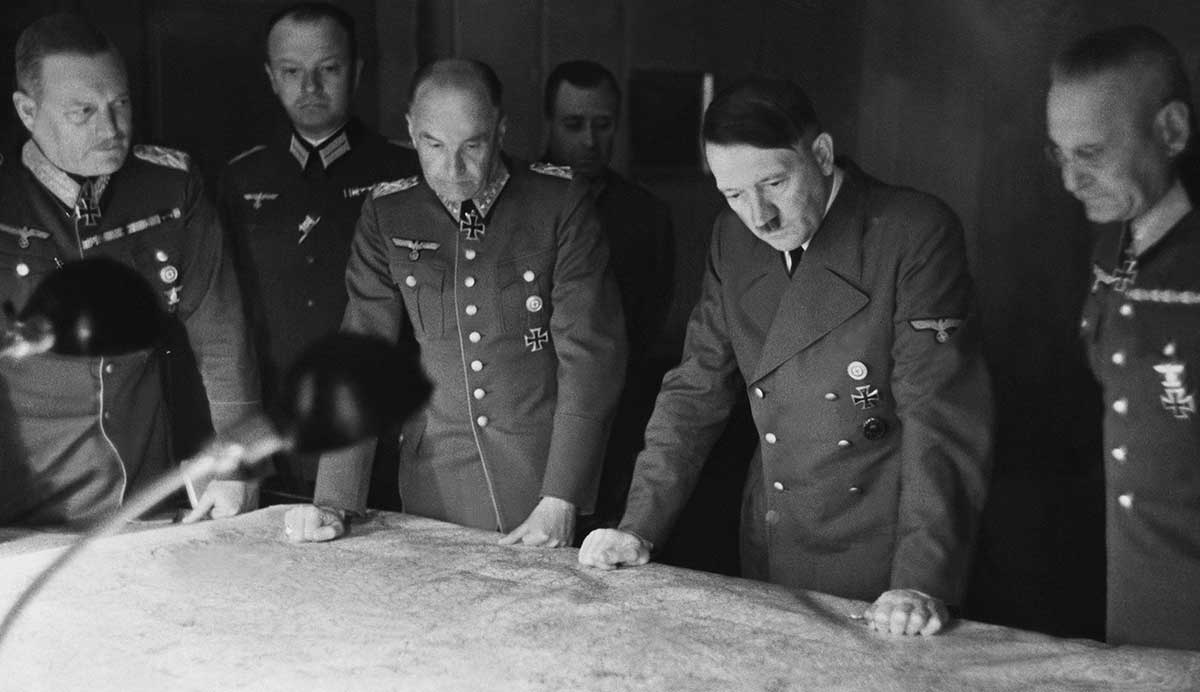
Having to fight a war on two opposing fronts is not an ideal situation for any strategist. For the Germans, it led to complete disaster. Hitler was aware of the dangers of fighting a war on two fronts, and he tried to avoid it. His plans to pacify Britain, however, failed. Despite having failed to knock Britain out of the War, Hitler launched Operation Barbarossa and attacked the Soviet Union, thus committing Germany to having to split their forces to deal with the British and Commonwealth forces in North Africa, as well as the Soviets on the Eastern Front.
The entire area of European and African operations was vast, putting immense strain on German logistical capabilities. Having to split their forces to deal with enemies on two major fronts meant that the Germans could not concentrate their resources on a single theater for maximum effect. To add to the difficulties, in virtually all occupied territories, the Germans had to commit troops to fighting partisan movements.
As a result of these dynamics, the Germans found themselves spread too thin and did not have the manpower required to deal with all their enemies.
3. Germany Suffered Resource Shortfalls
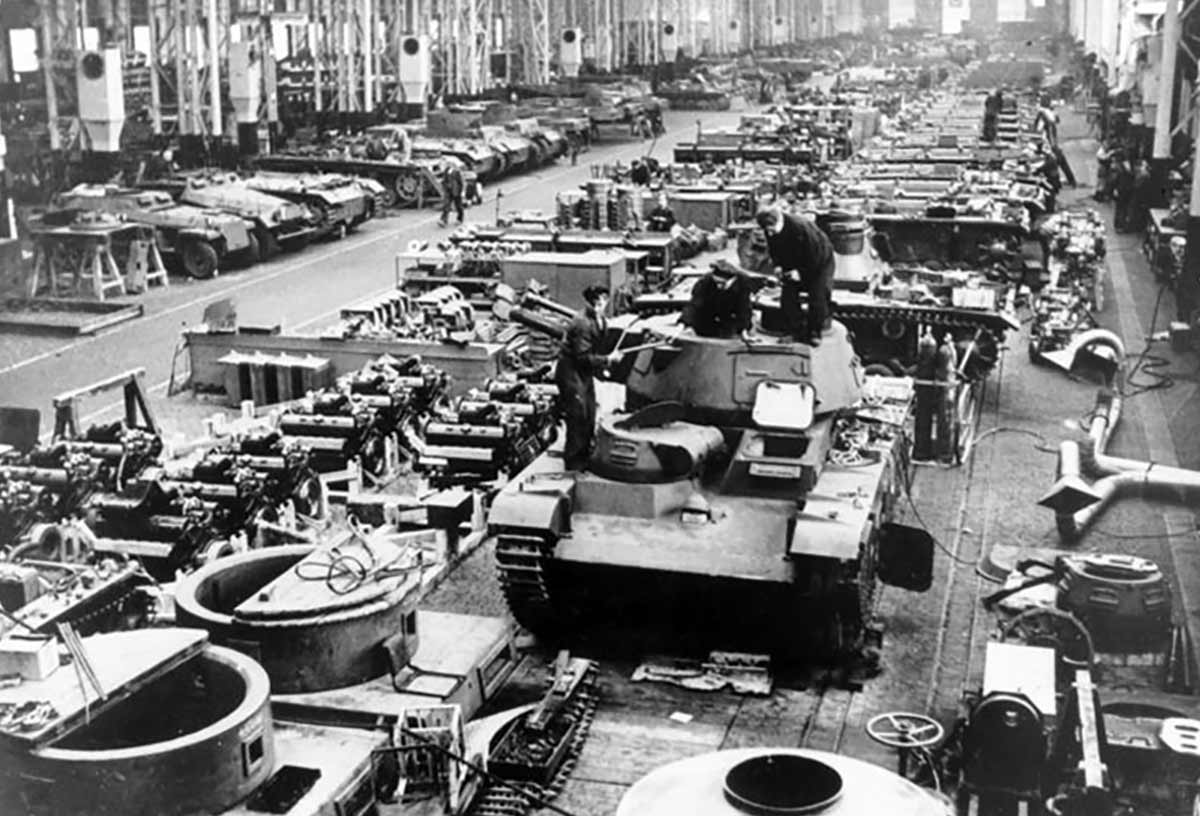
Nazi ideology promoted the idea of war as the driving force behind human progression. As such, the Nazis believed economies should be modeled on being a foundation for a country to win wars. The German economy under the Nazis can be described as being a mix of the free-market policies of the United States and a command economy like in the Soviet Union. The state played a direct role in the government, but also allowed free enterprise to develop. Despite the freedom granted by the government, small businesses were at the mercy of state-supported cartels and monopolies.
As the war progressed, the use of slave labor increased, and inmates from concentration and POW camps formed a huge contingent of the civilian workforce. By 1944, slave labor accounted for a quarter of the German workforce, the majority of which worked in German factories, producing goods for the war effort.
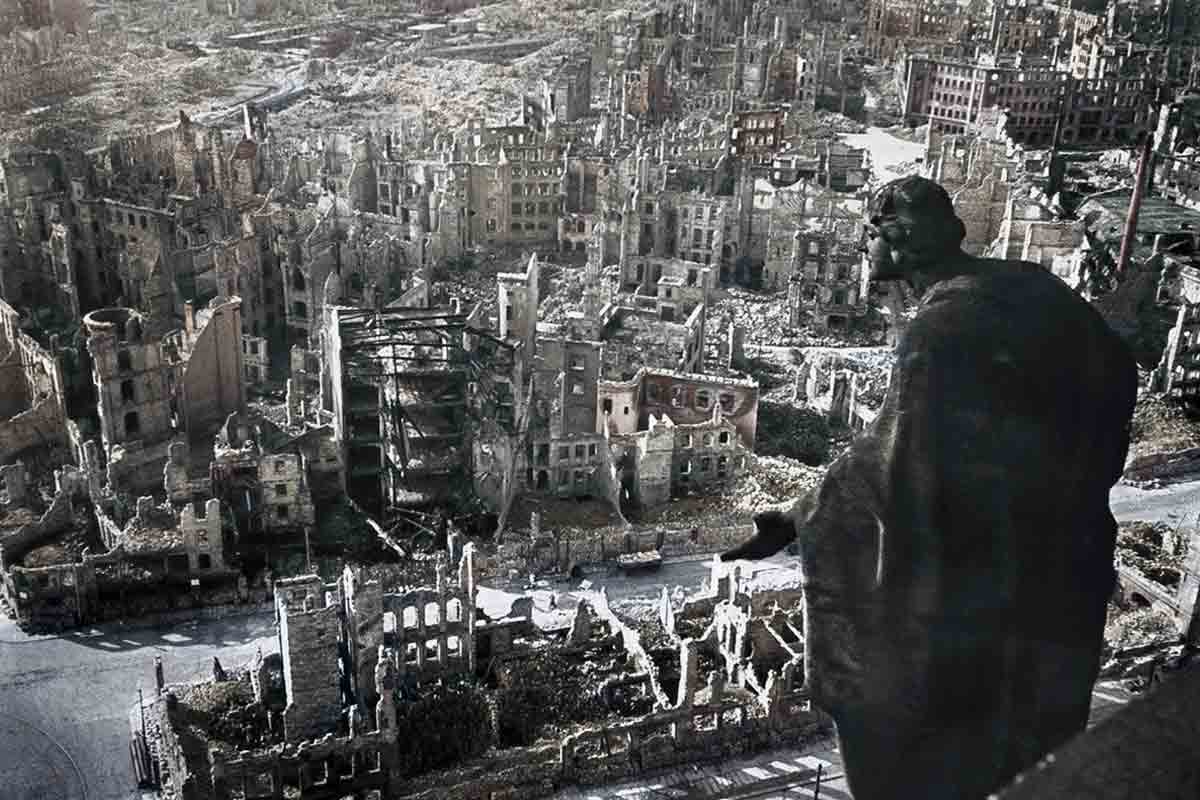
Military operations and continued losses took a heavy toll on German industry. Supply lines were overextended, while Allied bombings, especially from late 1944 onwards, disrupted the country’s production capabilities. The Allied bombing campaign targeted factories, supply lines, infrastructure, and, controversially, civilian populations (such as the firebombing of Dresden) in an effort not only to destroy the German economy but to demoralize the German people.
As the Allies advanced, Germany lost access to vital resources, including the loss of sources of production. Having little to no sources for many raw materials and having imported these goods from countries that became enemies of Germany caused massive resource shortfalls.
Of note were resources such as oil, without which armies could not move, and aircraft could not fly. Rubber, used in the manufacture of tires, was in need, too, as well as tanning agents for leather and ingredients vital for the creation of explosives. Shortages didn’t just affect the military. Civilians, too, were affected, especially when the supplies of resources such as coal and food dwindled.
4. Hitler Was Overconfident and Made Bad Decisions
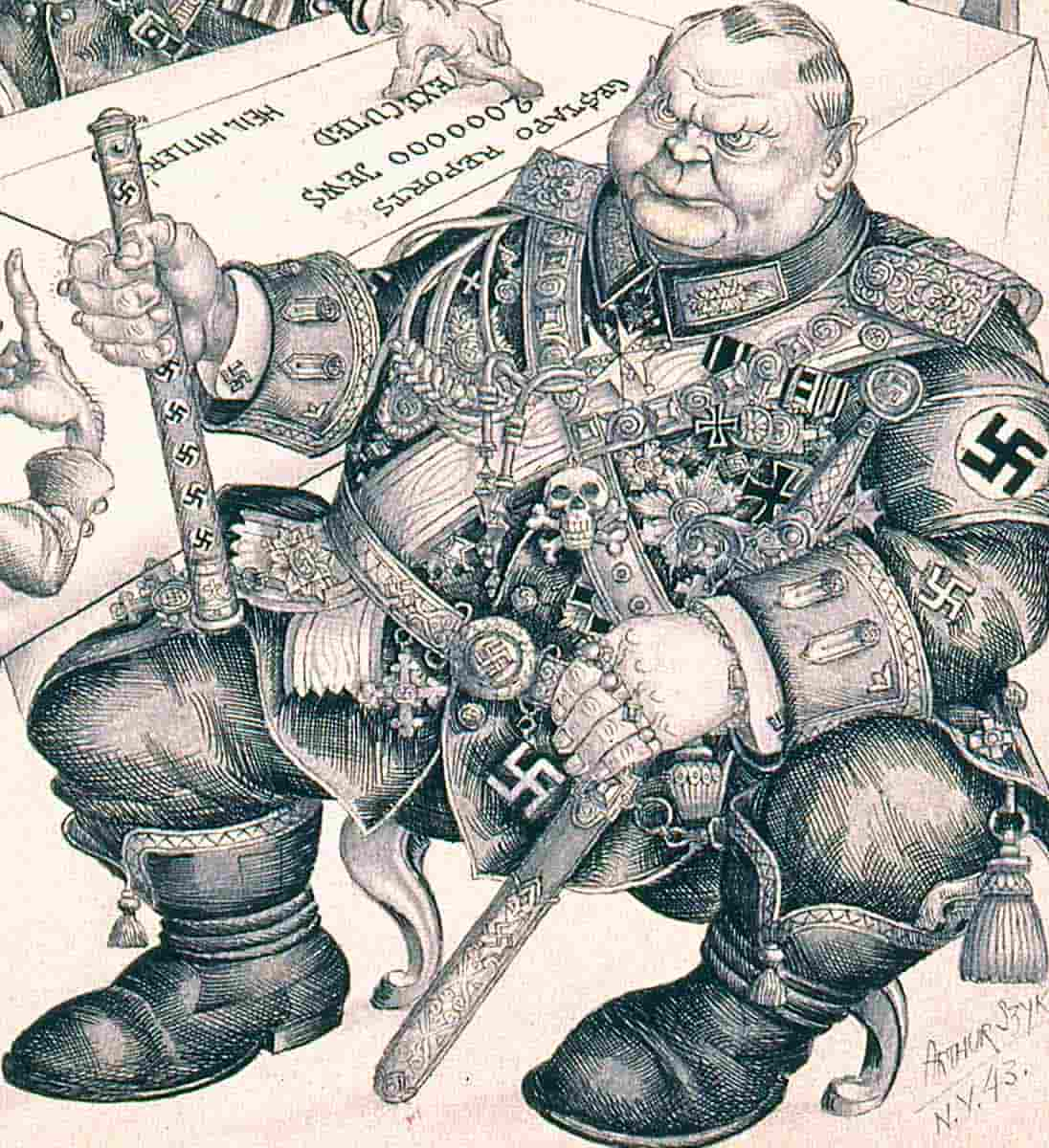
While it is certainly true that Germany had some of the best generals of World War II, there was also a great deal of conflict in the upper echelons of German power. Hitler was a narcissist with a fiery temper who was known to distrust his generals and ignore their educated advice. Generals who ran afoul of the Führer ended up being sacked, with many being dishonorably discharged. After Hitler’s death, many of his ex-generals voiced their criticisms of Hitler’s plans.
Some of Hitler’s bold decisions were indicative of overconfidence and led to dire situations for the Germans on a strategic level. During Operation Barbarossa, Hitler diverted forces from the Army Group Center to deal with objectives to the north and south.
While this move may have seen success, it weakened the Army Group Center to the point where Moscow could not be taken, thus, arguably, throwing away Germany’s only real chance of victory. Hitler’s obsession with taking Stalingrad was also questionable, and it led to Germany’s biggest military defeat and a major turning point in the war. The Battle of Kursk, several months later, was the nail in the coffin for any German ambitions of victory over the Soviets.
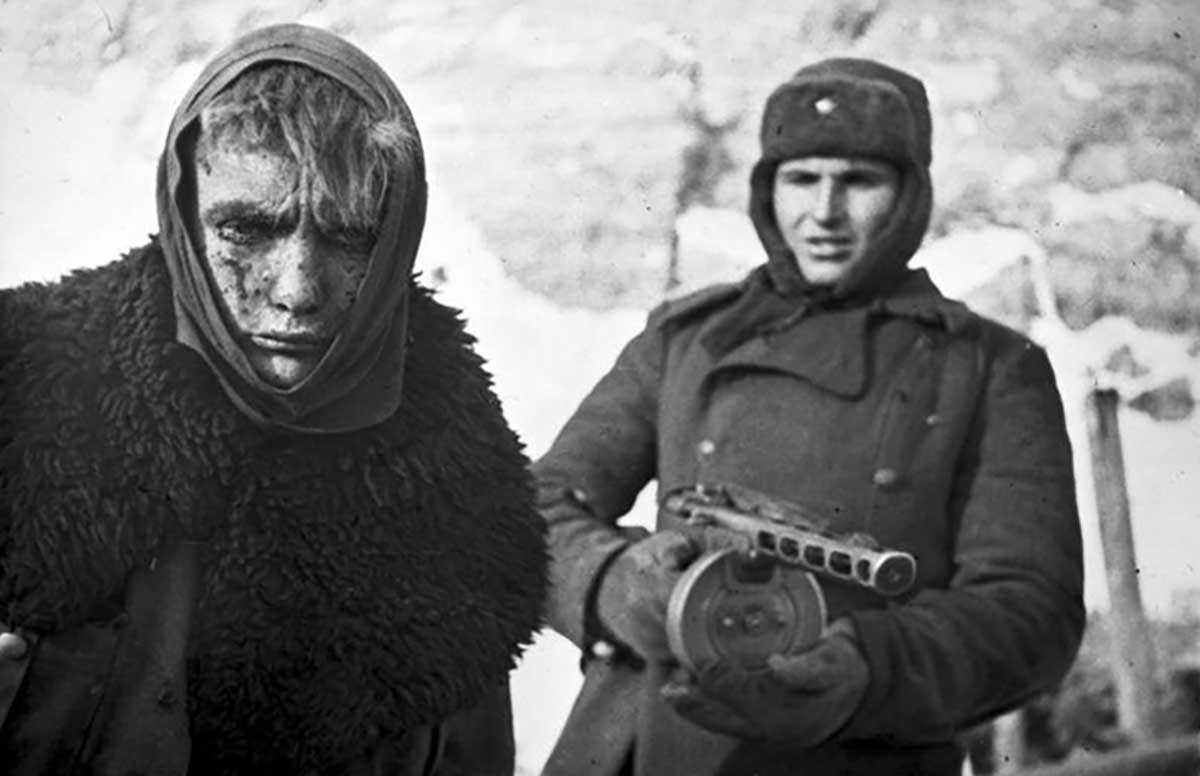
On the Western Front, Hitler’s halt order at Dunkirk allowed the British to evacuate hundreds of thousands of soldiers. Exactly why he issued the order is the subject of speculation rather than fact. Had the Wehrmacht continued its offensive, it could have dealt a knockout blow to the British. Four years later, on D-Day, Hitler was convinced the Allies would land at the Pas-de-Calais region, believing that the attack on Normandy was just a diversion. As a result, 19 German divisions sat idle while the Allies stormed the beaches. Had these divisions been brought to bear, the Allies might have been thrown back into the sea.
Hitler was not the only person who made bad decisions. He surrounded himself with “yes” men who were egotistical and overconfident. Of note was Hermann Göring, the commander-in-chief of the Luftwaffe, who greatly overestimated the air force’s capabilities, leading to massive failures, notably against Britain during the Battle of Britain and with the issue of being able to supply Germany’s army at Stalingrad.
5. Allied Industrial Capability Was Superior
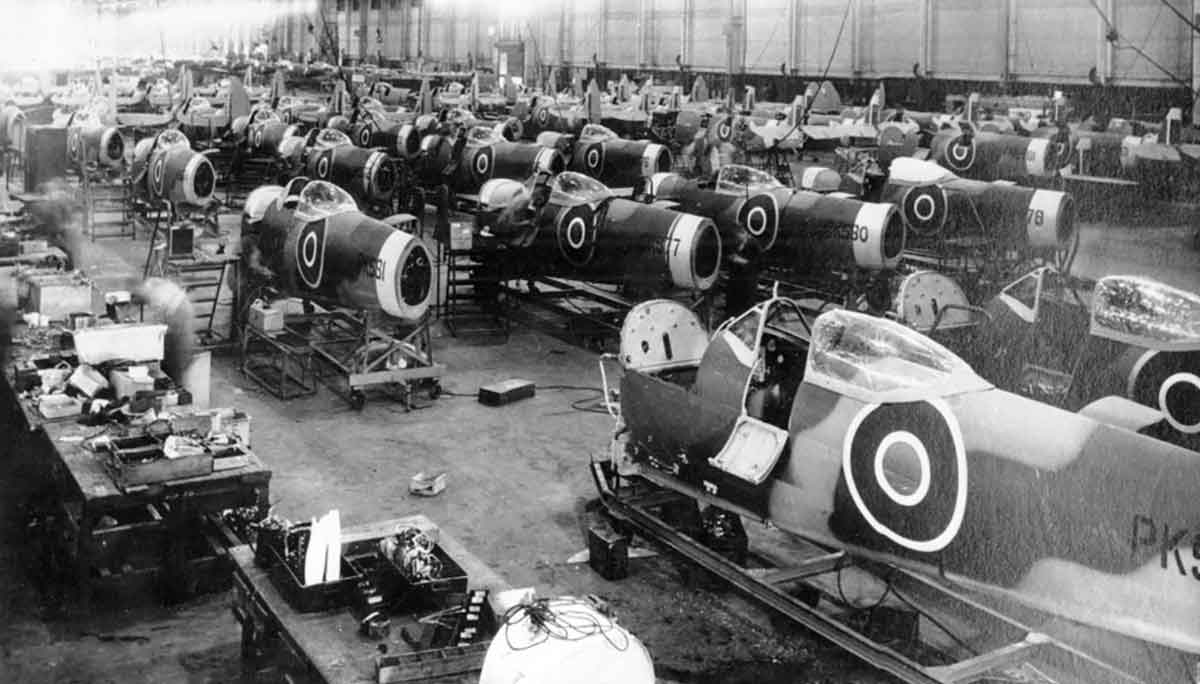
The reasons for Germany losing the Second World War were not solely due to German shortcomings. The military and industrial strength of the Allied powers was too much for Germany to counter.
In the early stages of the war, while the Luftwaffe was trying to destroy the Royal Air Force, the British industry was able to keep pace and produce enough aircraft to keep the Luftwaffe at bay. This monumental effort kept Britain in the war and forced the Germans to put significant resources into battling on the Western Front—a dynamic that would contribute to Germany’s loss on the Eastern Front.
While the Soviet Union was initially bruised and battered by the Germans in 1941, there was a phenomenal recovery in industrial capacity, in part due to the evacuation of factories from the west of the country to the east, beyond the Ural Mountains, where the Germans could not strike.
When the United States entered the war, it did so with all its industrial might. Bordered on the west and east by great oceans, the United States had little to worry about in terms of being attacked and spent the entire war being able to churn out vast quantities of goods without interruption.
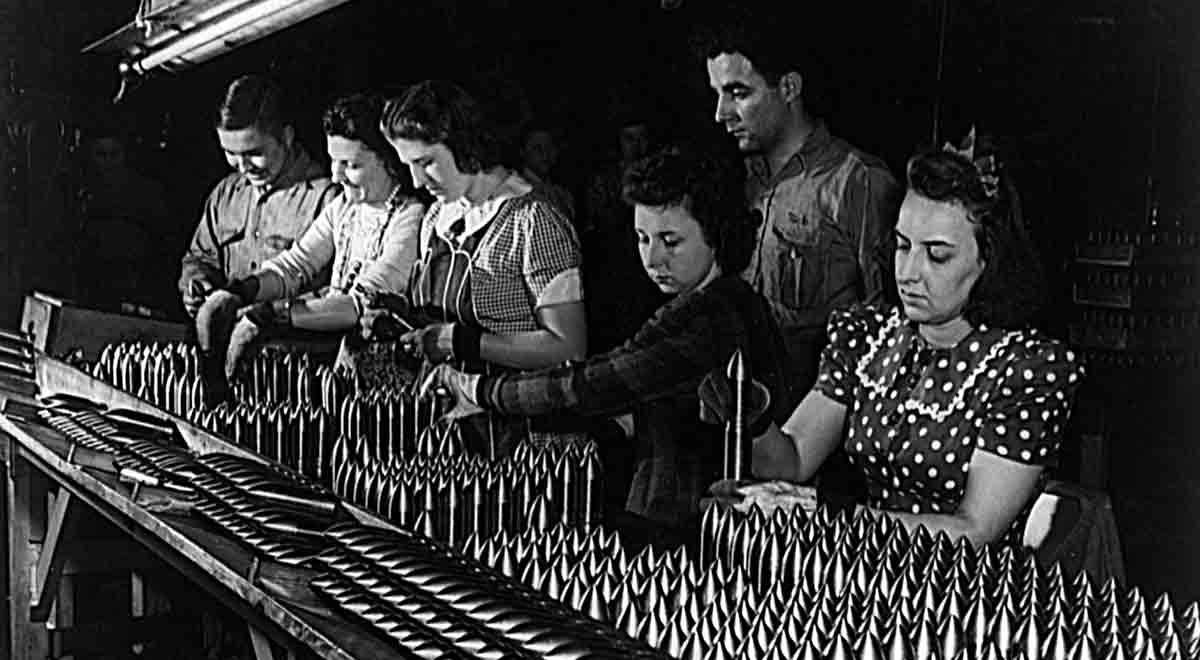
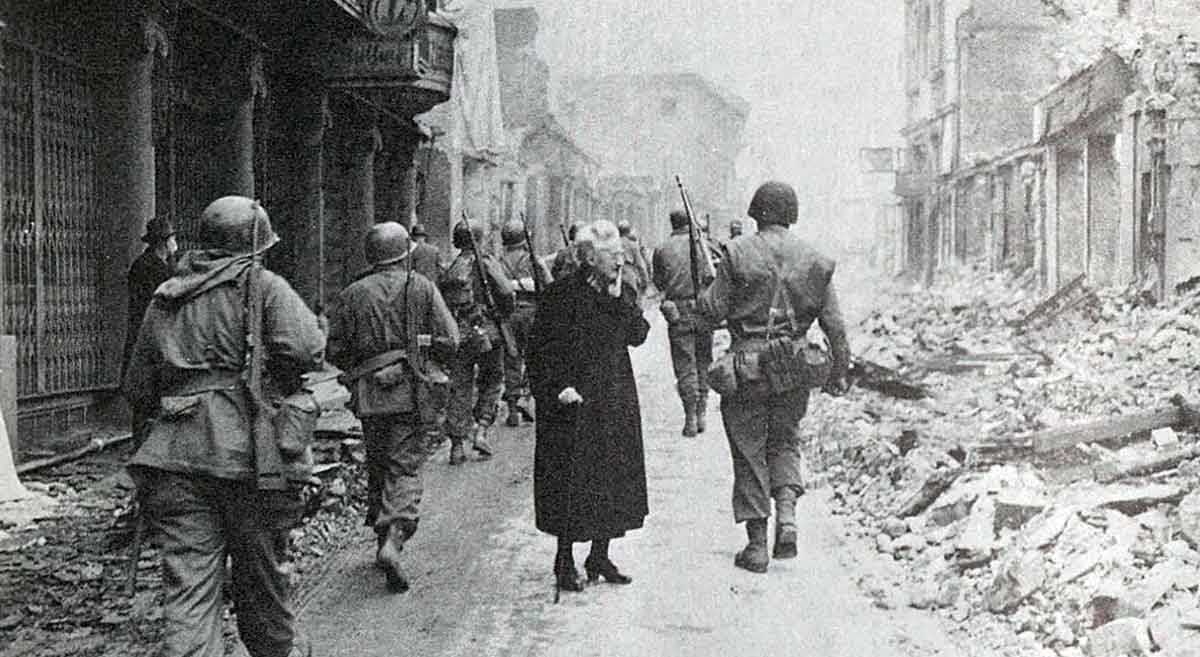
With the landing of Western Allied troops in Normandy on D-Day, June 6, 1944, American equipment poured into Europe, and the Germans could do little to stem the tide. Meanwhile, American tanks were also pushing up through the boot of Italy after their 1943 landing in Sicily, and the Soviets were about to begin their own major offensive, Operation Bagration, in the east. Germany’s industry was woefully outclassed when compared with the combined weight of what the Allies were bringing to Europe, both in terms of military might and the industry that powered it.
For the Germans, the superior military qualities that led to quick victories in the early stages of the war progressively counted for less as the war dragged on, and the Allied industrial powerhouses went into overdrive, proving the effectiveness of large populations, GDP, and industrial output.
The reasons for Germany’s defeat in the Second World War are legion. From individual battles to strategic considerations on a global scale. From the quality of leadership to industry and economics. The debate is, for all intents and purposes, endless and includes many “what if” scenarios that are the subjects of pure speculation. Many reasons, however, are undeniable and apparent and form the backbone of historical evidence that narrate the downfall of the Nazi regime.